Politics
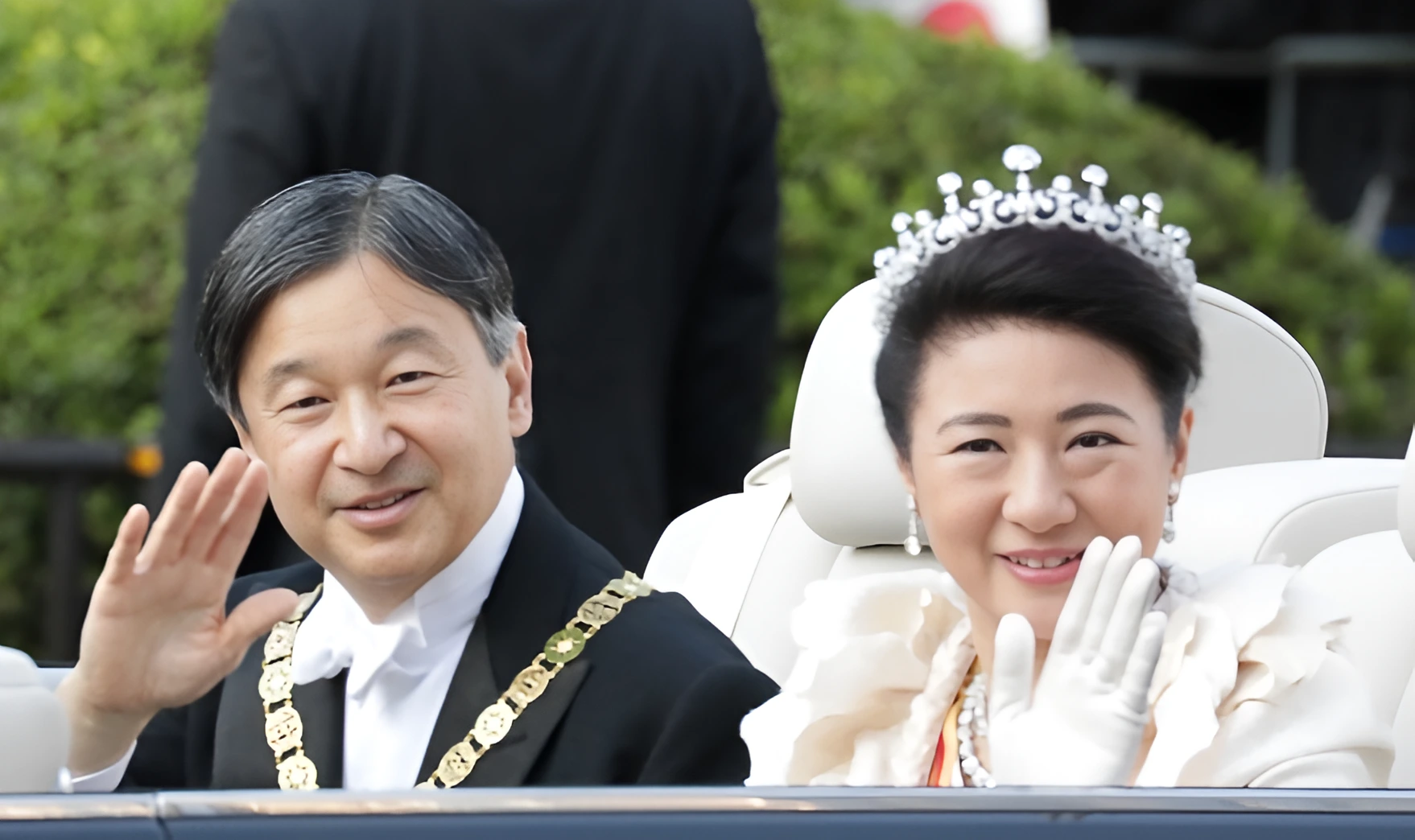
Japan’s chrysanthemum paradox
Japan stands at a historic crossroads. Deep within the stone walls of the Imperial Palace, an existential crisis is unfolding that pits 1,500 years of tradition against the demographic realities of the 21st century. At the heart of this controversial debate is an increasingly urgent question: should women be allowed to ascend the Chrysanthemum Throne? From Tokyo, Yoshiteru Uramoto reports.
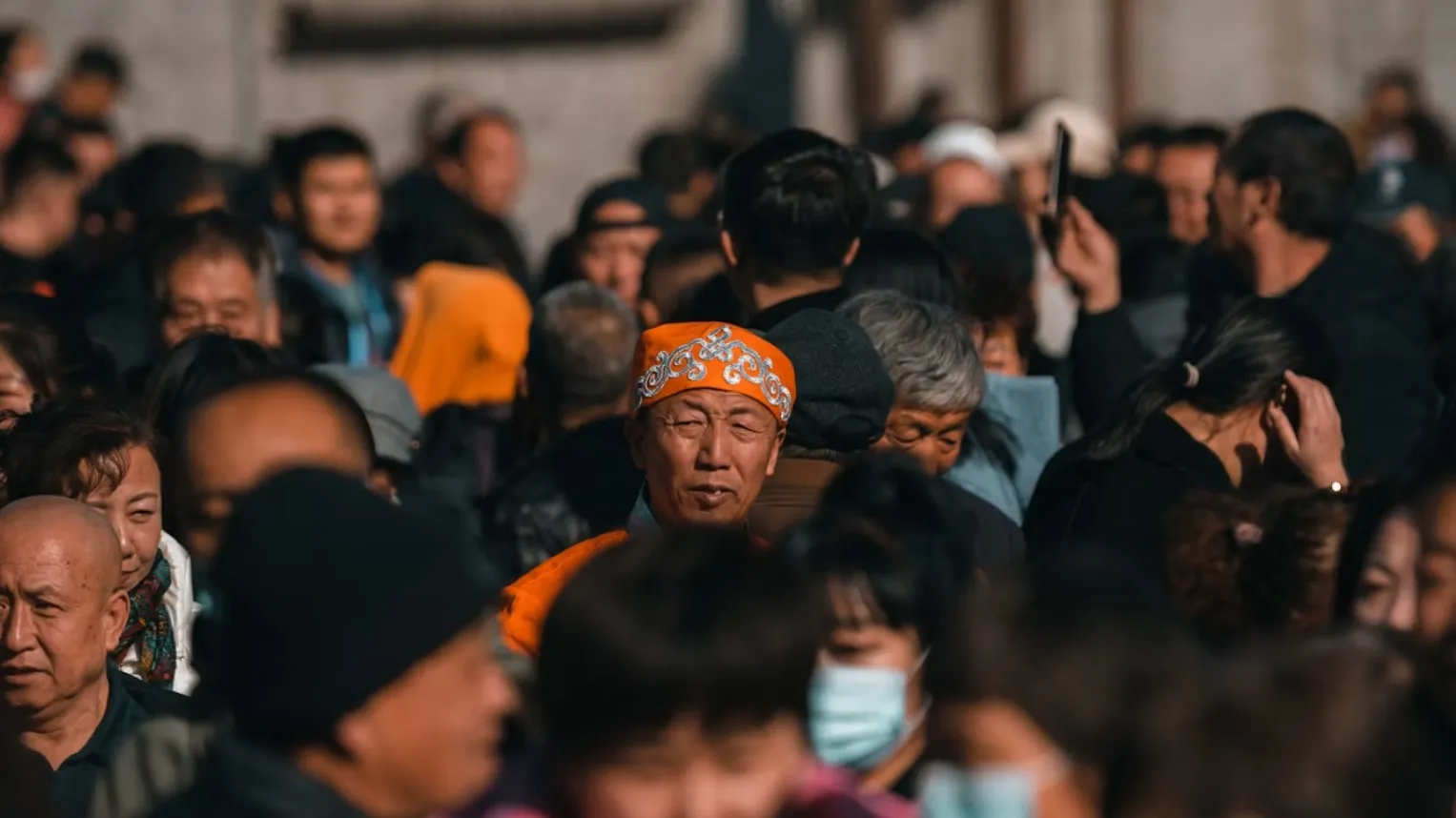
The shrinking dragon: China's population crisis
Three years ago, China lost its status as the world's most populous nation to India, a crossover driven as much by India's continued growth as by China's population shrinkage. Rahul Jaywant Bhise examines measures Beijing is using to fight a demographic decline that is alarming the country's leaders.
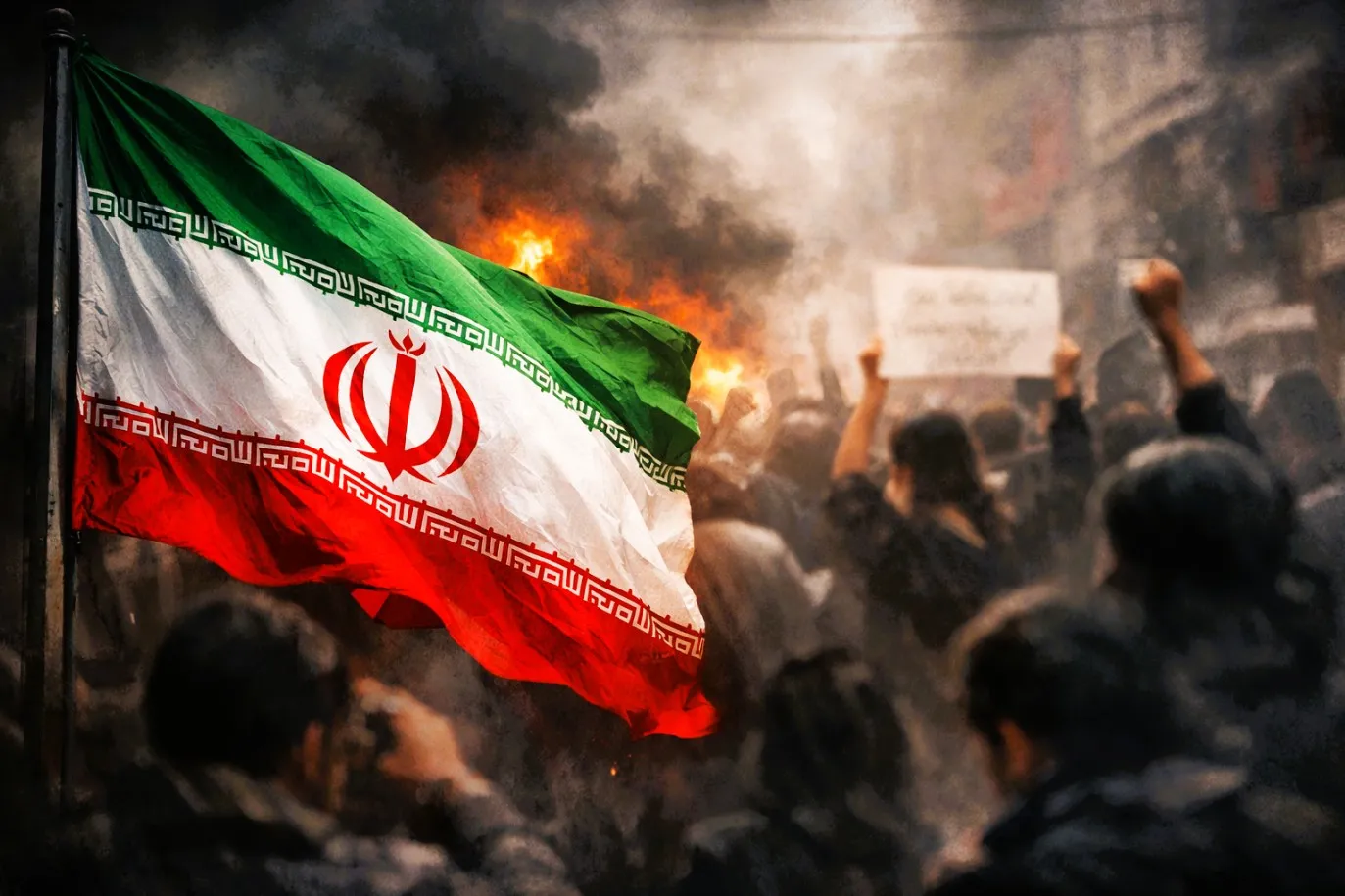
Living and dying in Shiraz during the January uprising
The war between Iran and the US and closure of the Strait of Hormuz have deflected attention from the political situation within Iran. The international conflict followed anti-regime protests in January across the country focussed on the high cost of living, which led to a ruthless crackdown by the Islamic regime. Several thousand protestors were killed when the security forces turned their guns on their own people, according to human rights organisations, and at least 26 of those detained have subsequently been executed. Others charged with offences such as ‘waging war against God’ and ‘speeding corruption on earth’ have been sentenced to death, including some in the south western city of Shiraz. Amir Golestani, who was in Shiraz to mourn and bury his father at the time, was an eye witness to street protests in Shiraz.
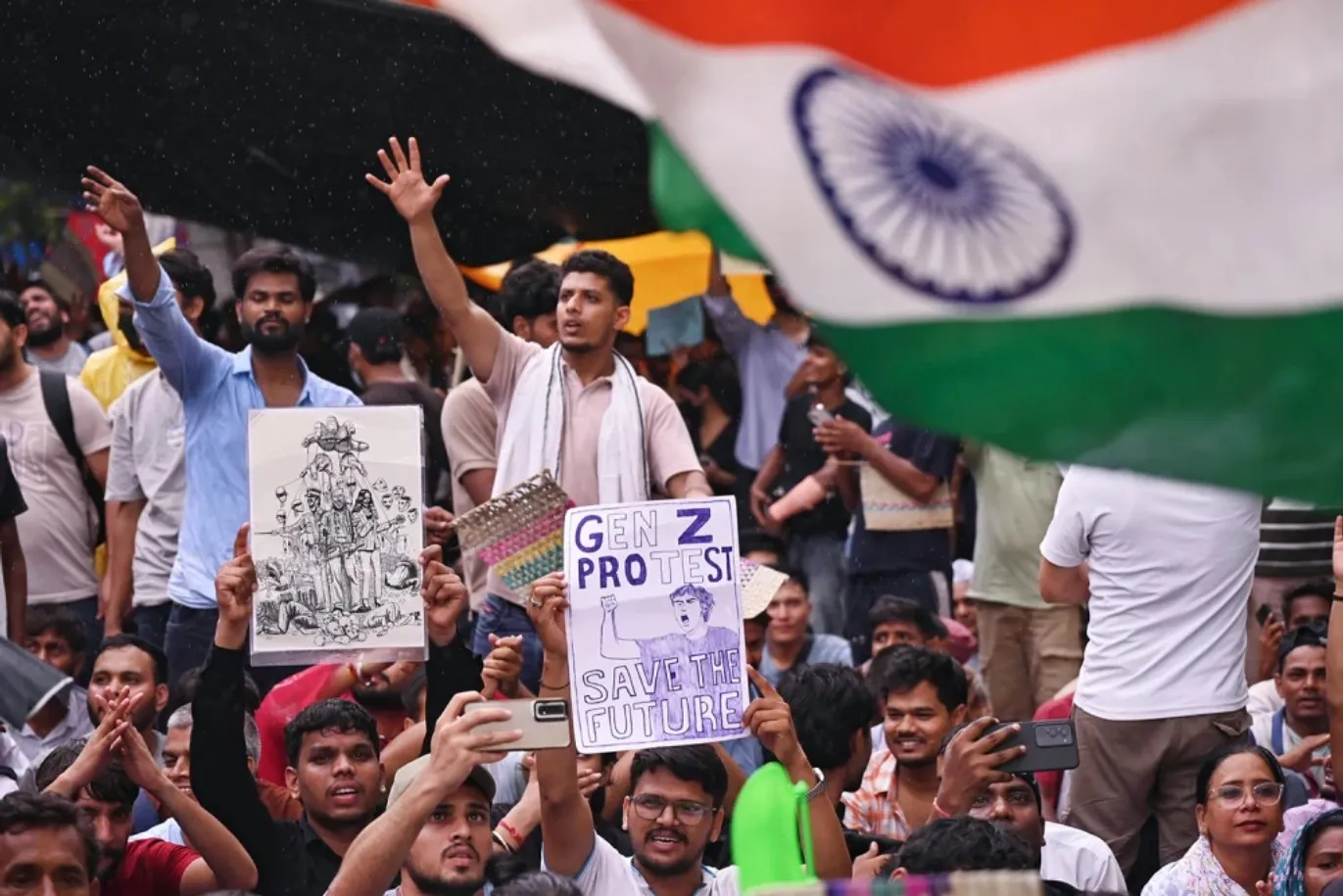
Gen Z’s Asian awakening
From India’s Cockroach Janta Party to uprisings in Bangladesh and Nepal, digitally networked movements are learning to disrupt and hold accountable political authority. Turning disruption into durable democratic change will be harder, reports Madhavi Ravikumar.
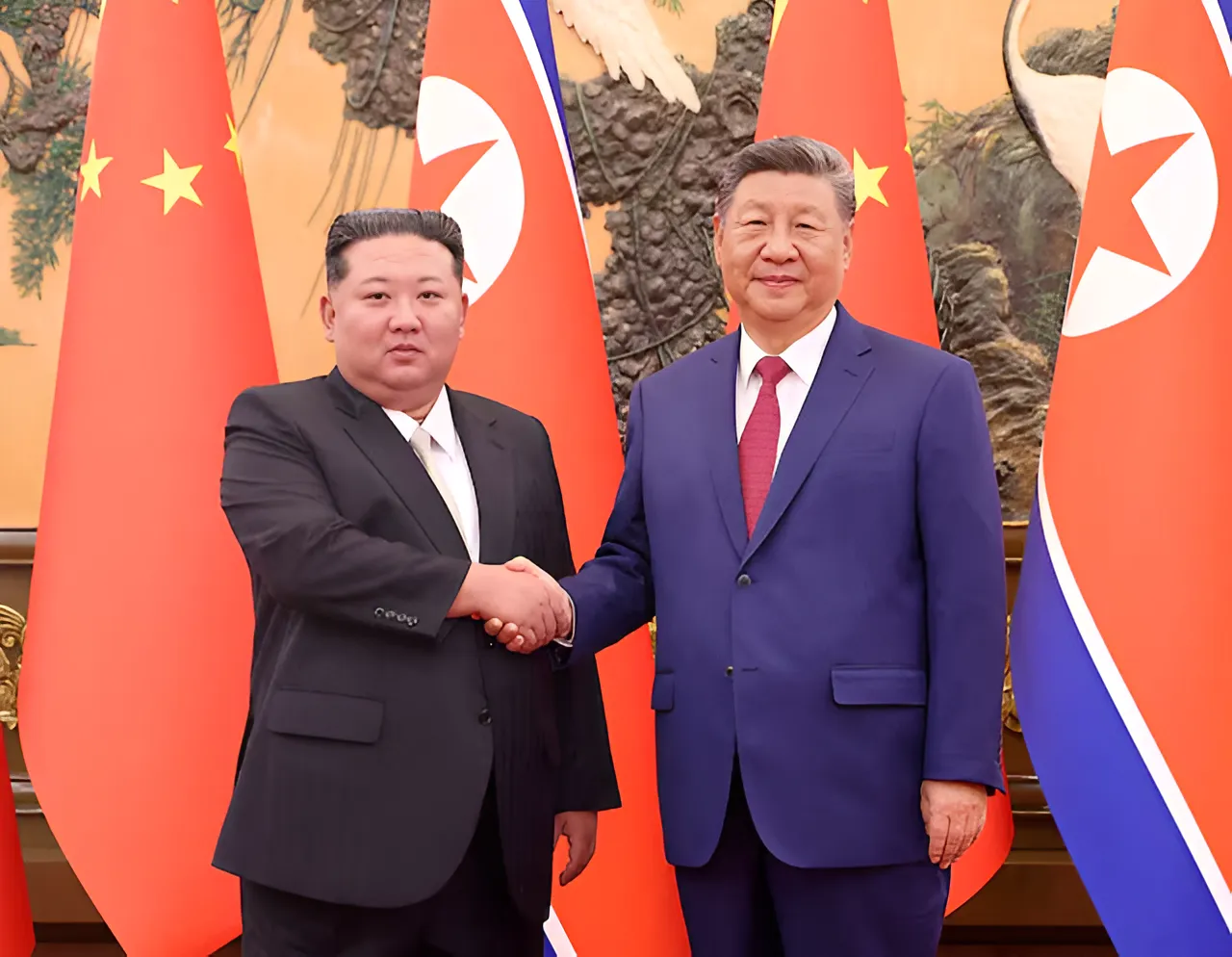
Behind the smiles
There has been an unusual burst of diplomatic activity between Beijing and Pyongyang in recent months, capped by Xi Jinping's visit to Pyongyang in June. As Xi prepares for talks with Donald Trump again in September, Howard Zhang questions why Beijing is redefining its relationship with North Korea and how that plays into the wider US-China competition for influence over the peninsula.
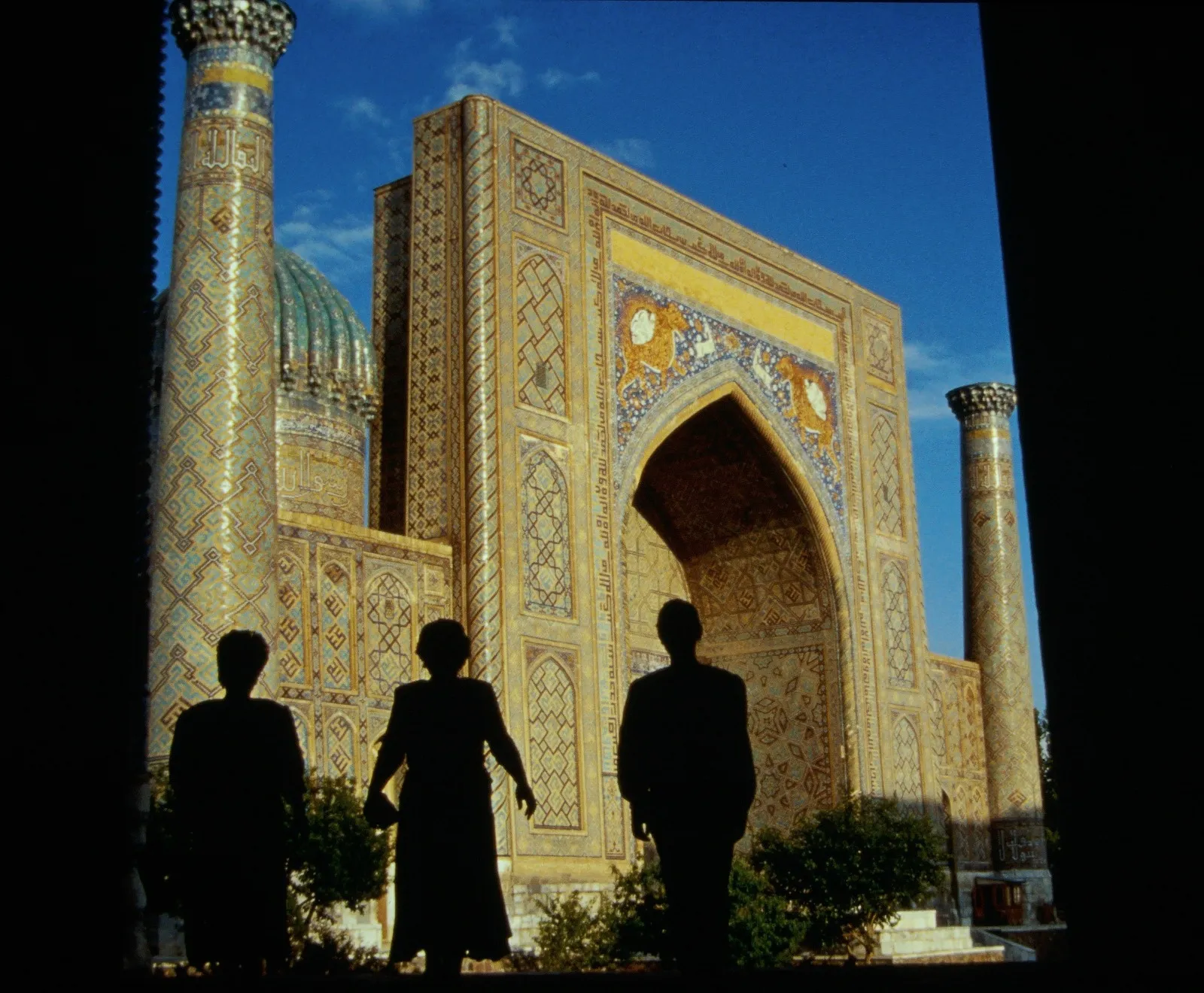
Uzbekistan and the new ‘Great Game’
In the summer of 1842, two senior British officers were led from their dungeon to the executioner's sword in Bukhara. Their crime? Seeking to thwart Russia's advance into Central Asia. Their deaths became one of the defining episodes of the nineteenth-century Great Game between the British and Russian Empires. Lijia Zhang knows the country well.
India’s media scene appraised
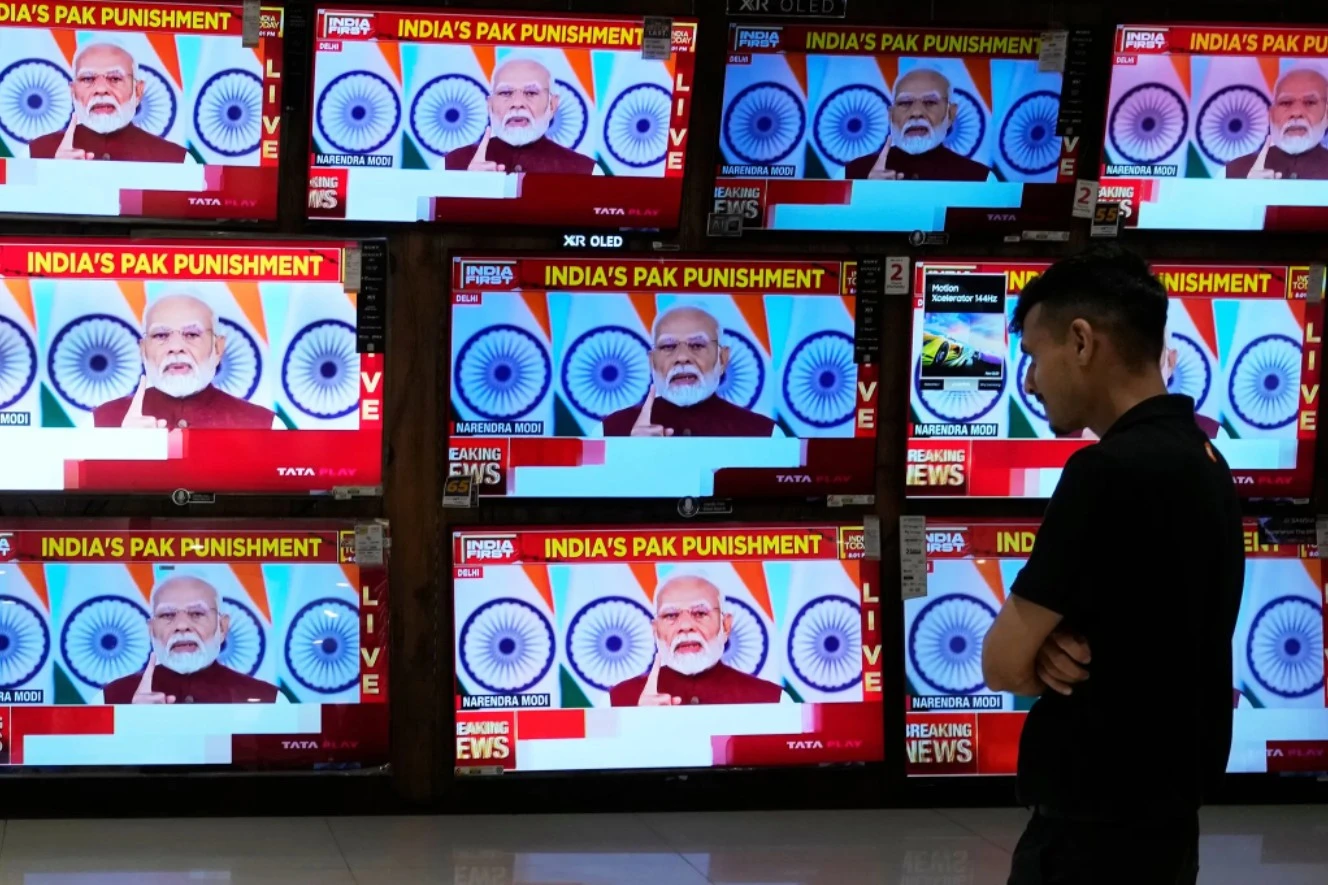
In India mainstream media – television channels and newspapers – are rapidly losing audiences, possibly because viewers and readers no longer trust them to deliver accurate news. But, as Kavita Chowdhury reports, the same trend is underway in other parts of South Asia, as is demonstrated by Gen Z’s preference for social media as a means of voicing their protests.
Myanmar: state of control
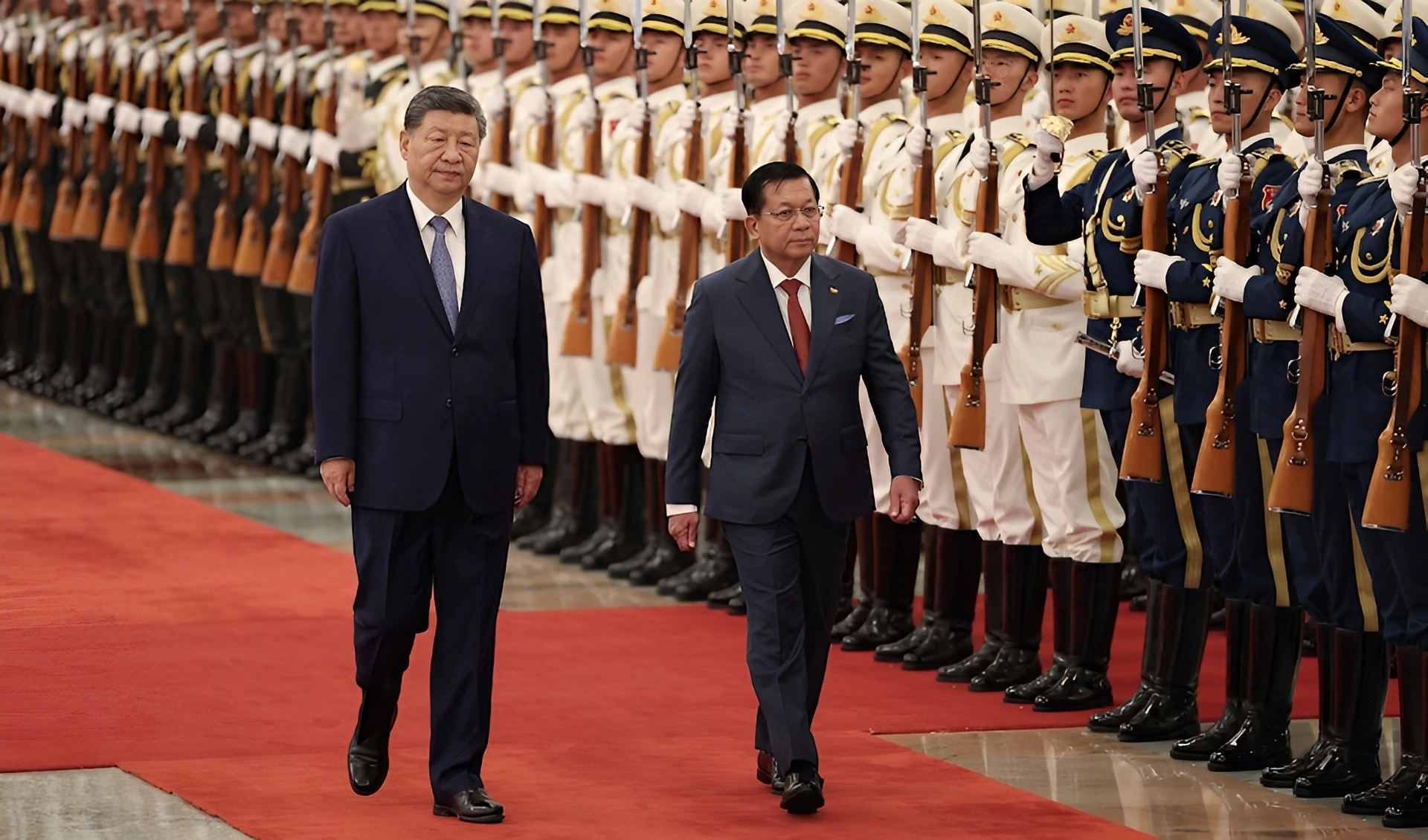
Throughout Asia, Myanmar is the country whose government controls the least of its terrain, probably barely more than 60 per cent. Yet neighbouring governments of India, China and Thailand, tired of waiting for peace to break out, are negotiating with the newly civilianised government to establish crucial trade routes across Myanmar’s territory. Nyein Chan Aye questions whether this approach can succeed.
Alia’s story – it’s hard being a woman in Taliban-ruled Afghanistan
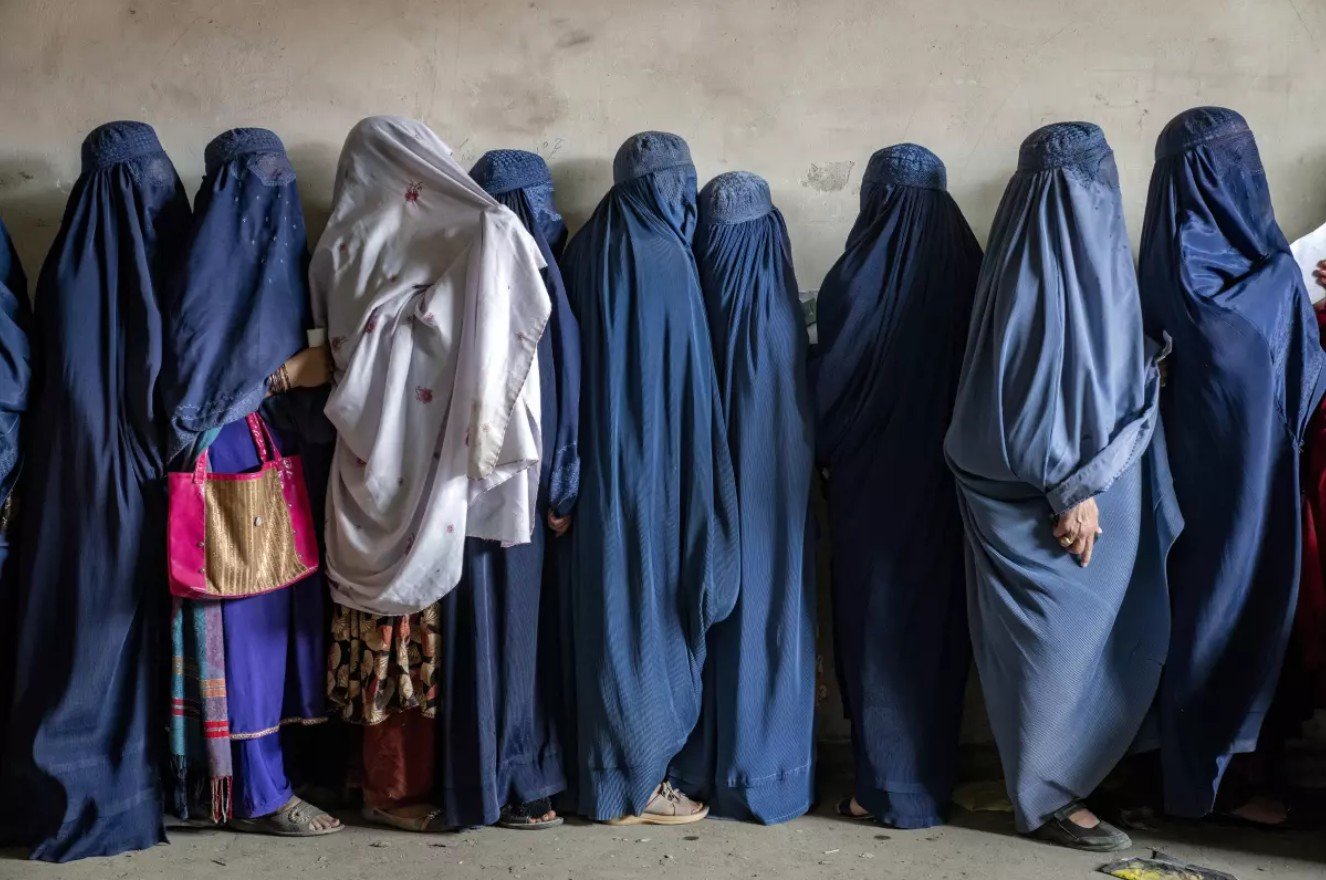
Understanding life in Afghanistan has been difficult since the Taliban came to power – for the second time – in August 2021. One of the few international journalists to have gained access to the country is BBC correspondent Yogita Limaye. Here she tells Alia’s story.
‘Was Partition a big mistake? I think so.’
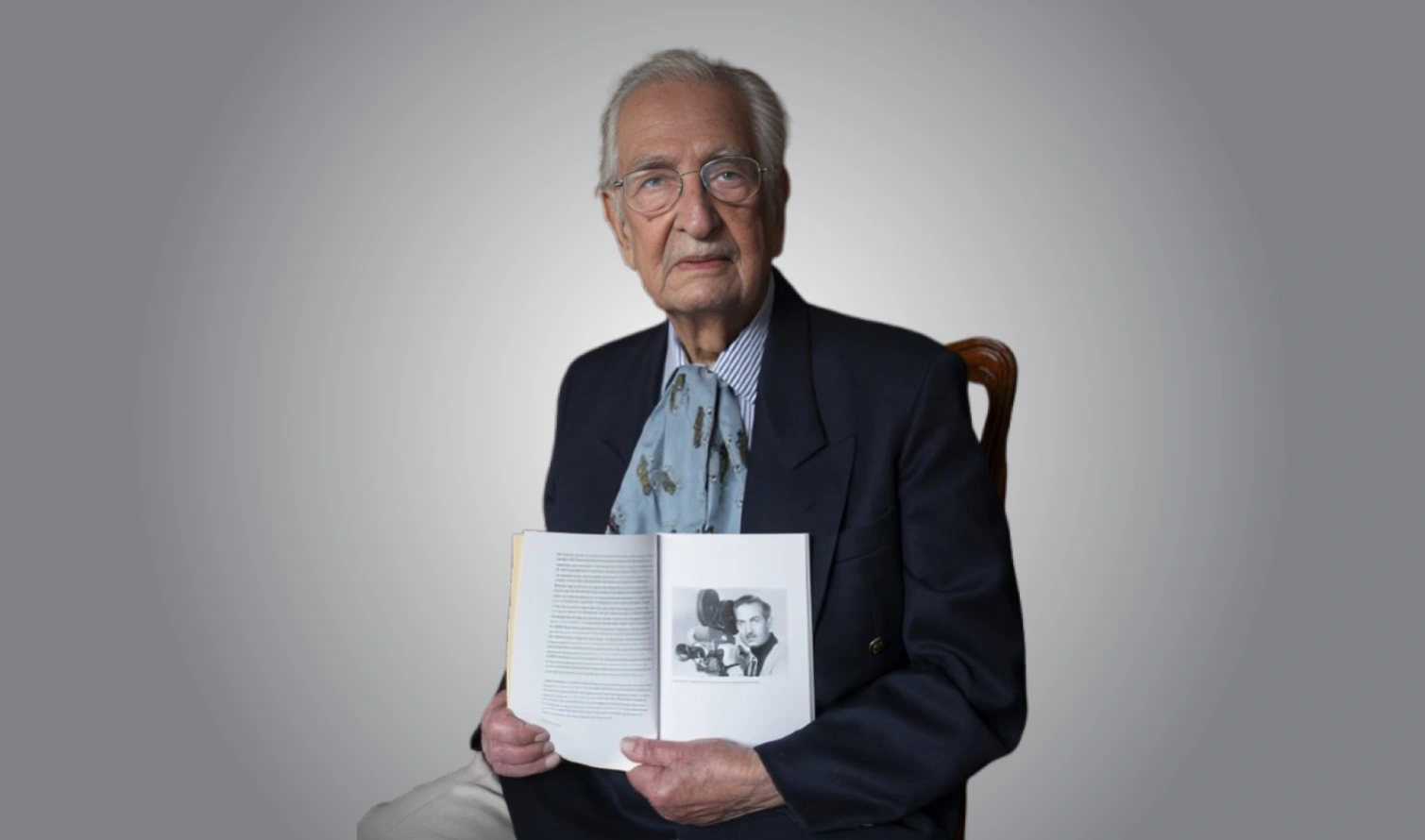
Yavar Abbas lived the first part of his life in undivided British-ruled India and the second in Britain, maintaining close contacts with the land of his birth. Last year, at a celebration to mark the end of the Second World War in Asia, in which Yavar fought in Burma, he brought tears to the eyes of King Charles III and Queen Camilla by speaking publicly of the King’s battle with cancer. Yavar is nearing his 106th birthday, so Democracy Asia felt this centenarian deserved to express his personal view.
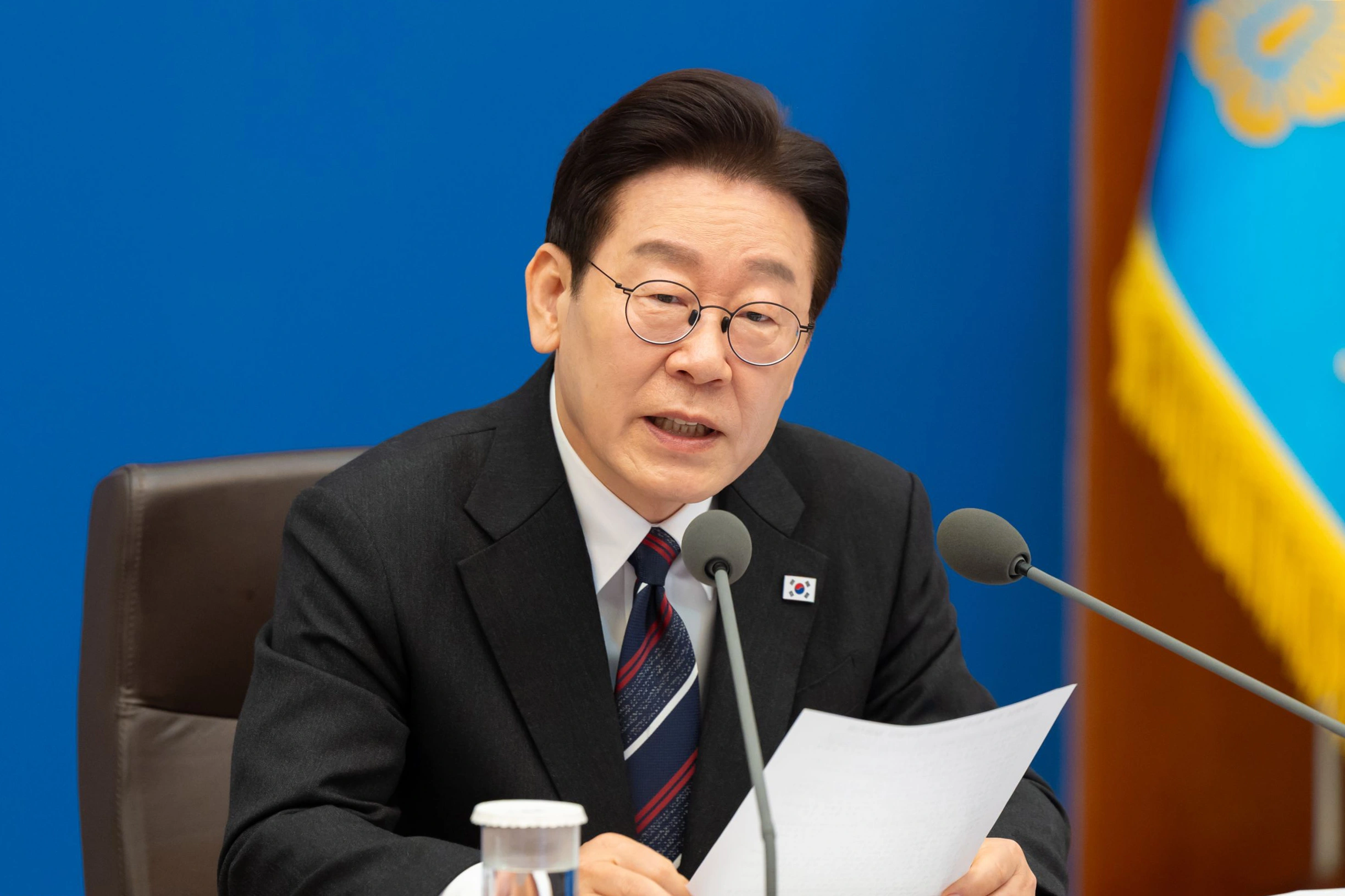
South Korea in recovery mode
Is a clampdown on free expression the legacy of President Yoon Suk Yeol's attempt in 2024 to declare martial law? Or is it, as current president Lee Jae-myung's party argues, a necessary measure to restore the people's trust in government? Ifang Bremer reports from Seoul.
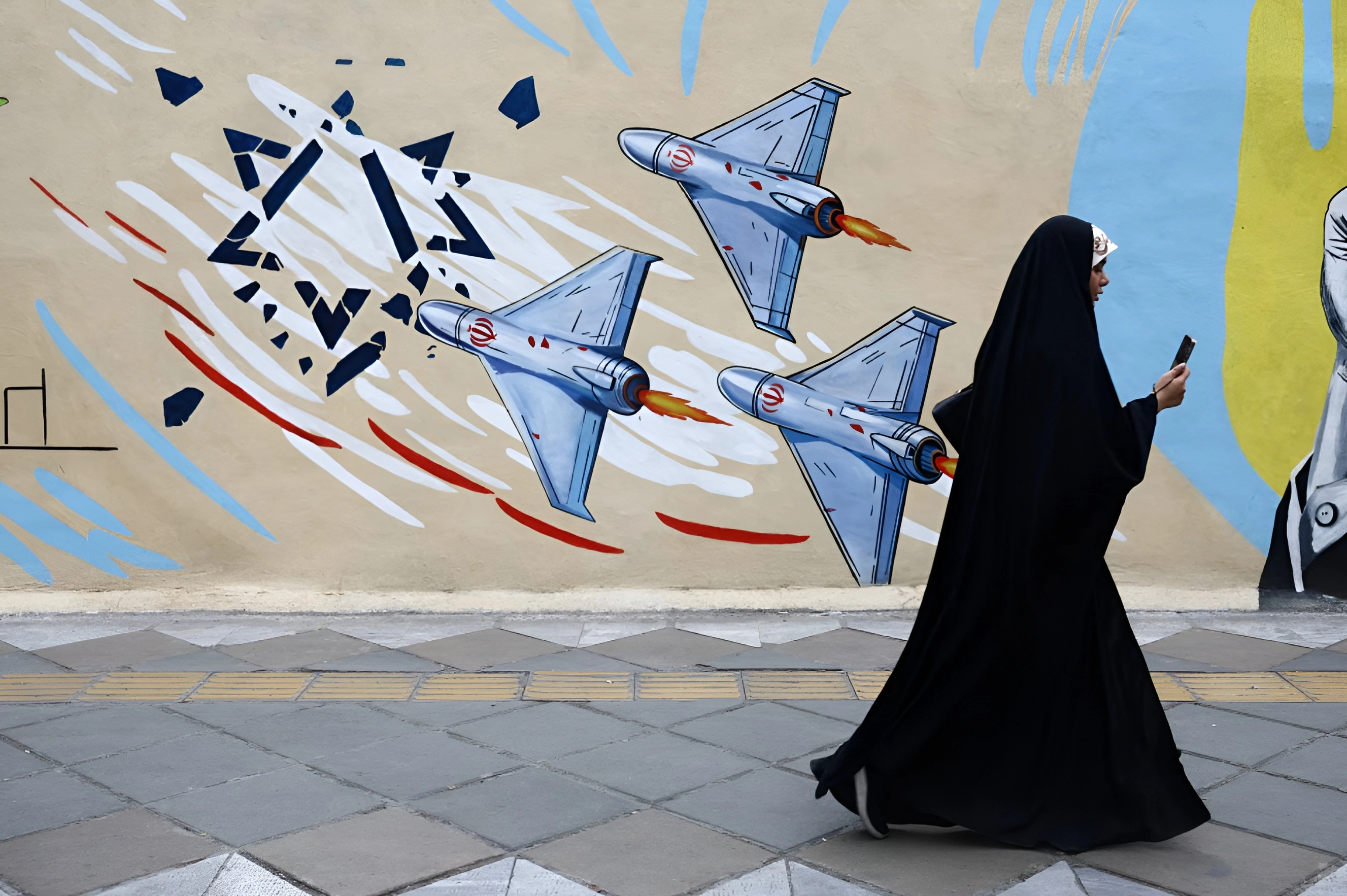
Iran: A deal that feels like betrayal
The ceasefire announced in mid-June between Iran and the US, and signing by both of a memorandum of understanding, raised hopes for an end to the war. Full-scale war may have ceased, but a game of ‘tit for tat’ for control of the Strait of Hormuz is underway between the combatants: Iran strikes at passing ships, the US hits Iranian missile bases or boats, and Iran responds by targeting US bases on the western side of the Gulf. Meanwhile Fariba Sahraei has been finding out how the memorandum of understanding has been received inside Iran.
Most Viewed Articles
Myanmar: state of control
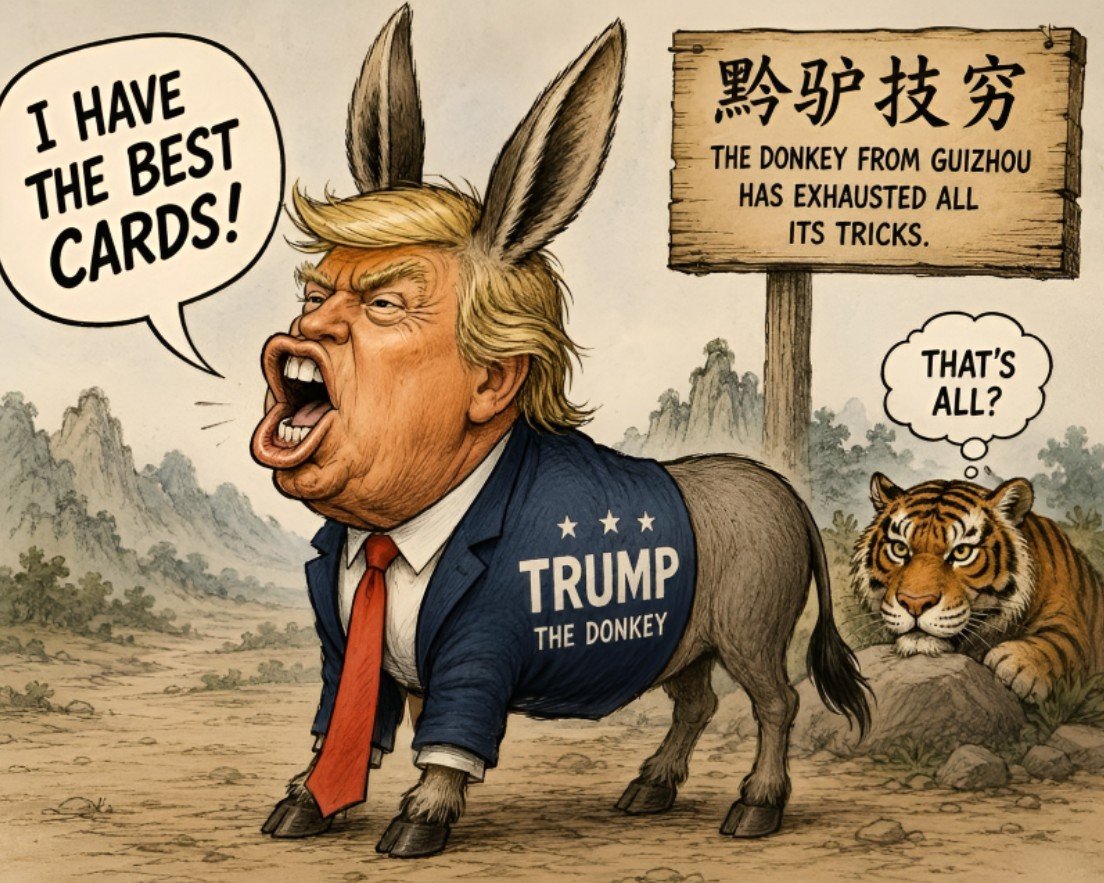
Trump, the nation builder