All Articles
Update on the scandal that brought down a government
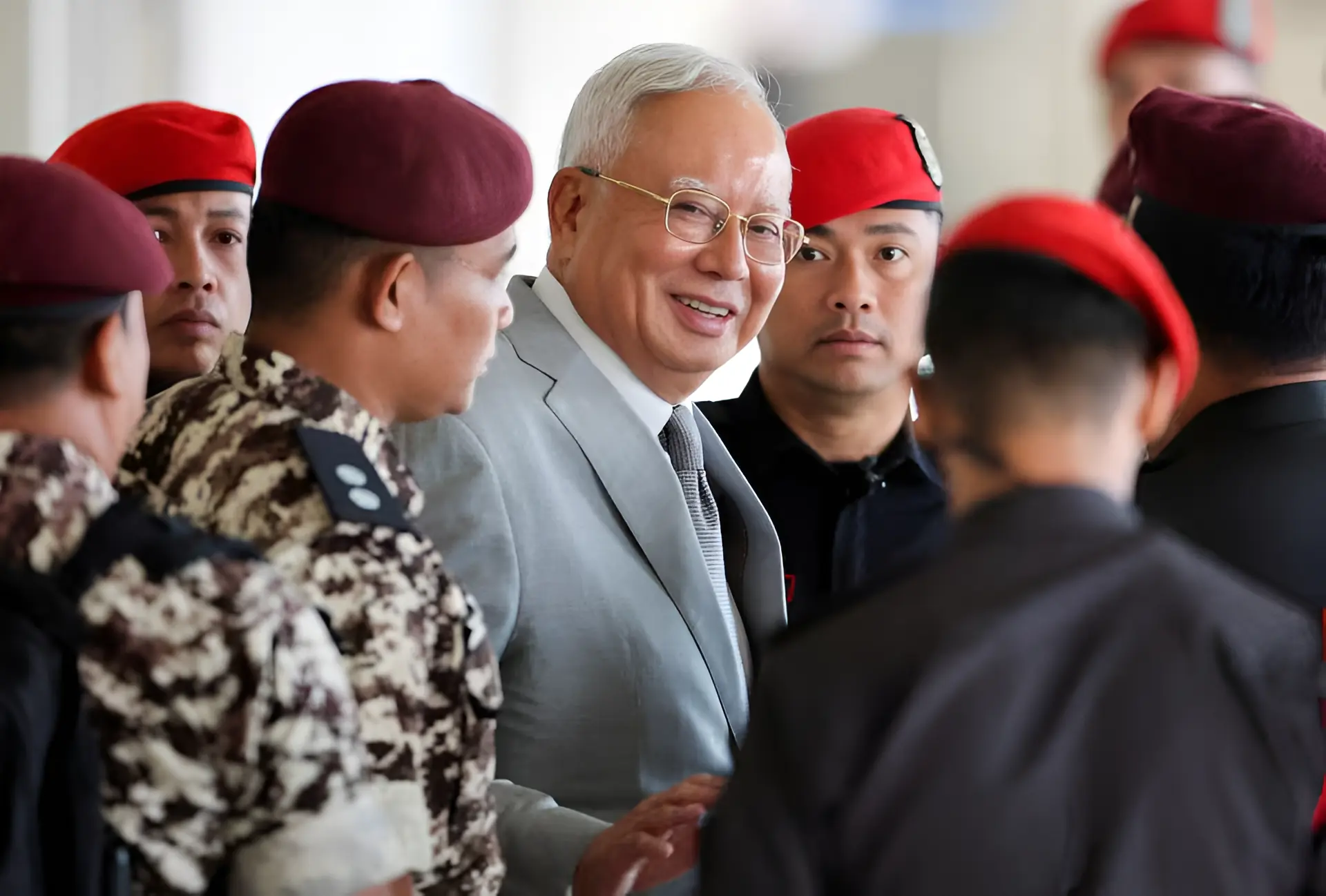
The 1MDB scandal brought down the Malaysian government after US financial investigators and investigative journalists showed that around US$5 billion had been stolen from the country’s sovereign wealth fund. What came to be known as the world’s greatest financial scandal led to the arrest and jailing of former prime minister Najib Razak as well as the son of a former prime minister of Kuwait. A new study shows that those responsible for the fraud, including Malaysian Jho Low, attempted to cover their tracks by inflating the costs of China-backed projects in Malaysia. Investigative journalist Clare Rewcastle Brown, author of a new book The China Contract, tells the story.
Mecca defence alliance
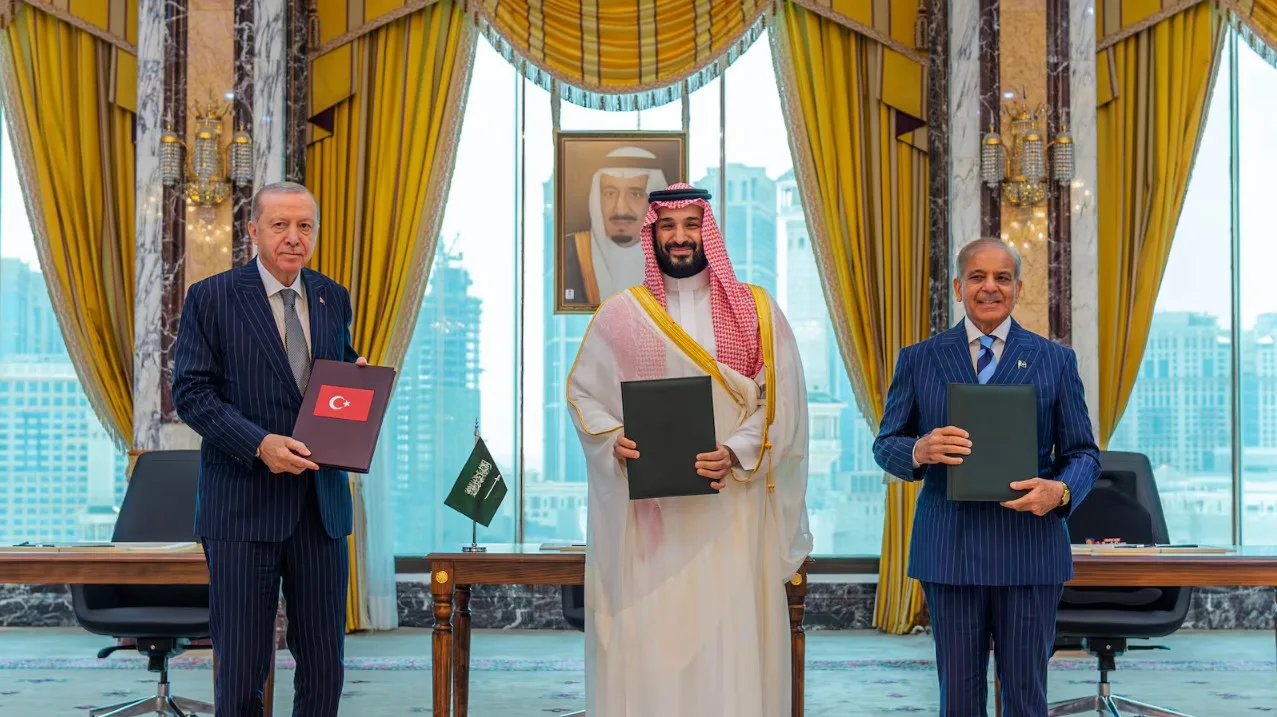
With the Iran war dragging into its sixth month with no exit in sight, the leaders of Saudi Arabia, Pakistan and Turkey gathered in Mecca on 7 August to sign a trilateral defence agreement. Built on the earlier Saudi–Pakistan defence pact, the Mecca defence alliance marked a shift in the power dynamics of West Asia, as Zahid Hussain reports from Islamabad.
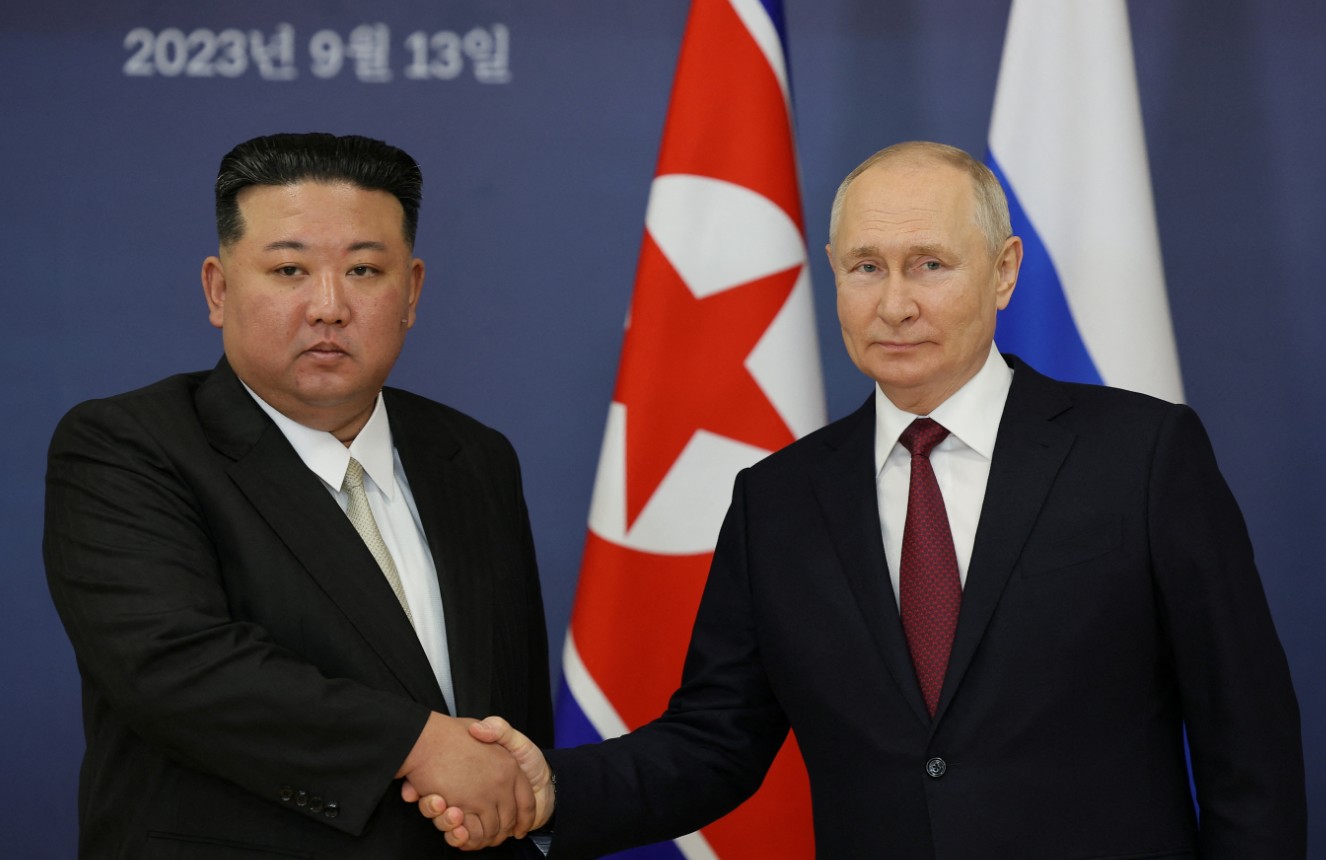
Is North Korea now a full participant in Russia’s war against Ukraine?
In September 2022, the first reports surfaced that North Korea was covertly supplying Russia with artillery shells for its invasion of Ukraine. At the time, Pyongyang's rejection was blunt. 'We have never exported weapons or ammunition to Russia before, and we will not plan to export them,' a defence ministry spokesperson said, telling Washington to 'keep its mouth shut'.
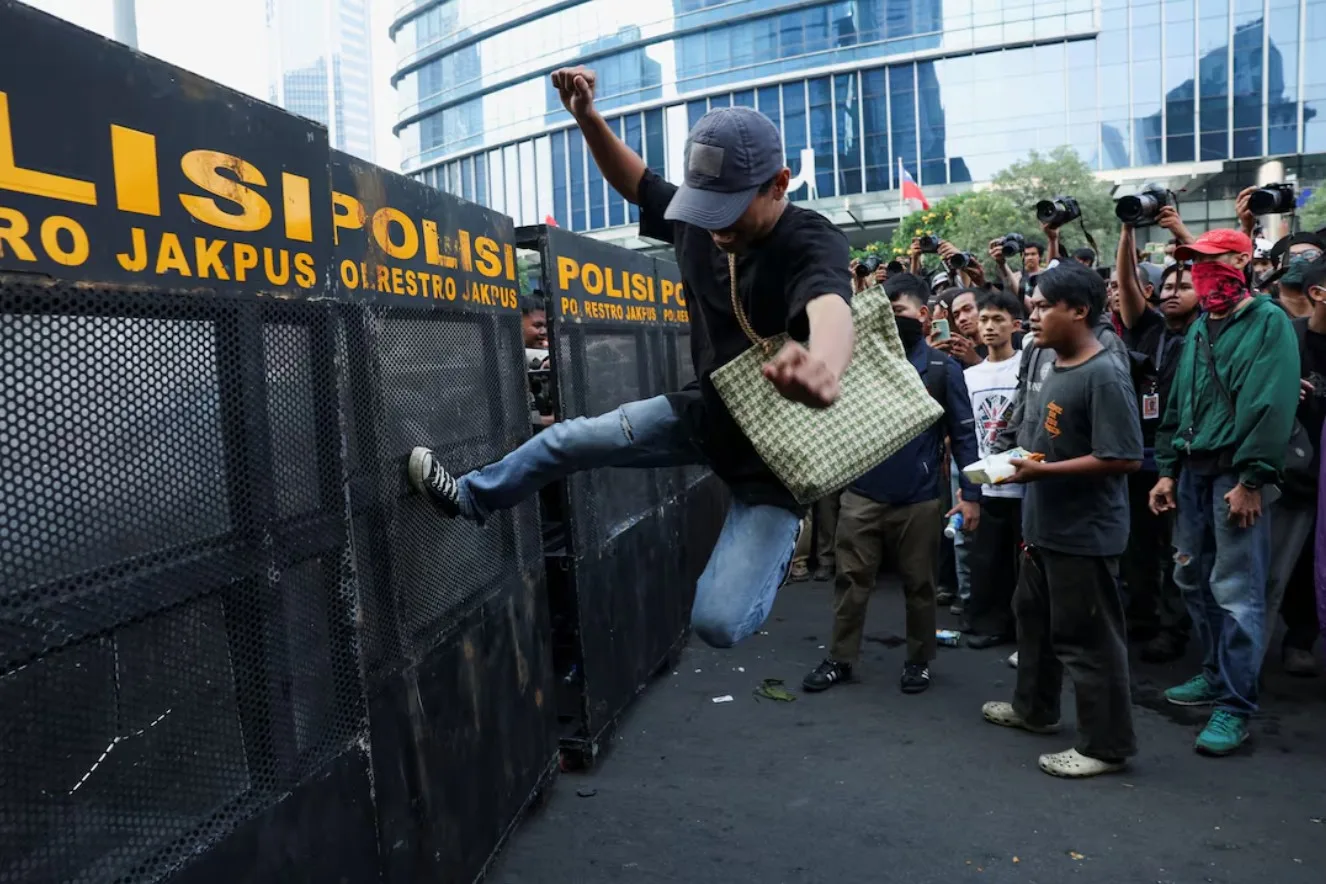
Indonesia’s Gen Z Problem
An outbreak of violence on the streets of Jakarta in August raised fears of the kind of social unrest witnessed last year, the worst riots the capital had witnessed since 1998 when the dictator Suharto fell. Joseph Rachman reports on fears of a repeat.
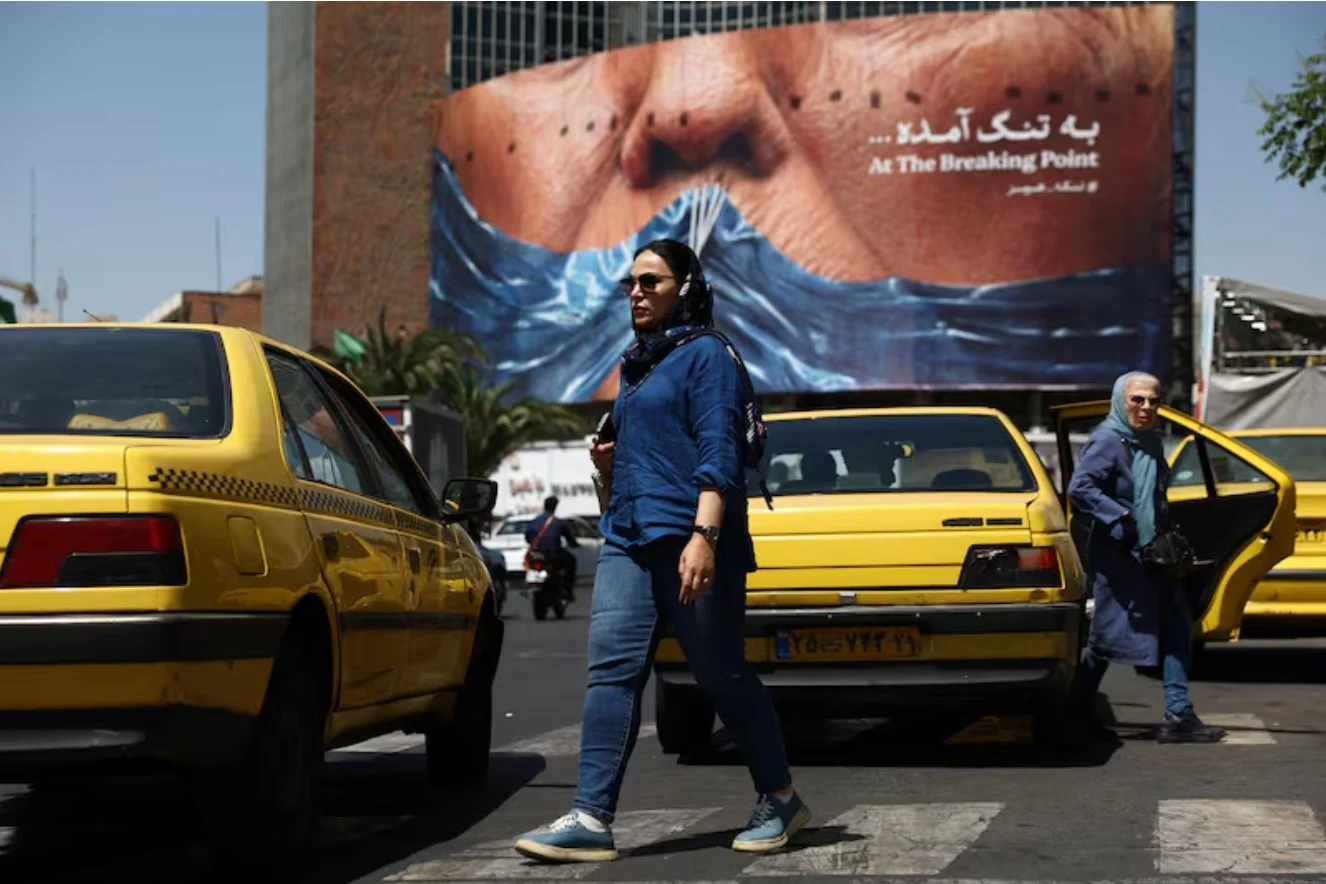
War deepens Iran’s economic crisis
Eight months after the United States and Israel first bombed Iran, and with peace efforts making little progress if any, the country’s economic crisis has worsened and the regime are said to fear a fresh uprising. Nazenin Ansari, managing editor of Kayhan London and Kayhan Life, reports.
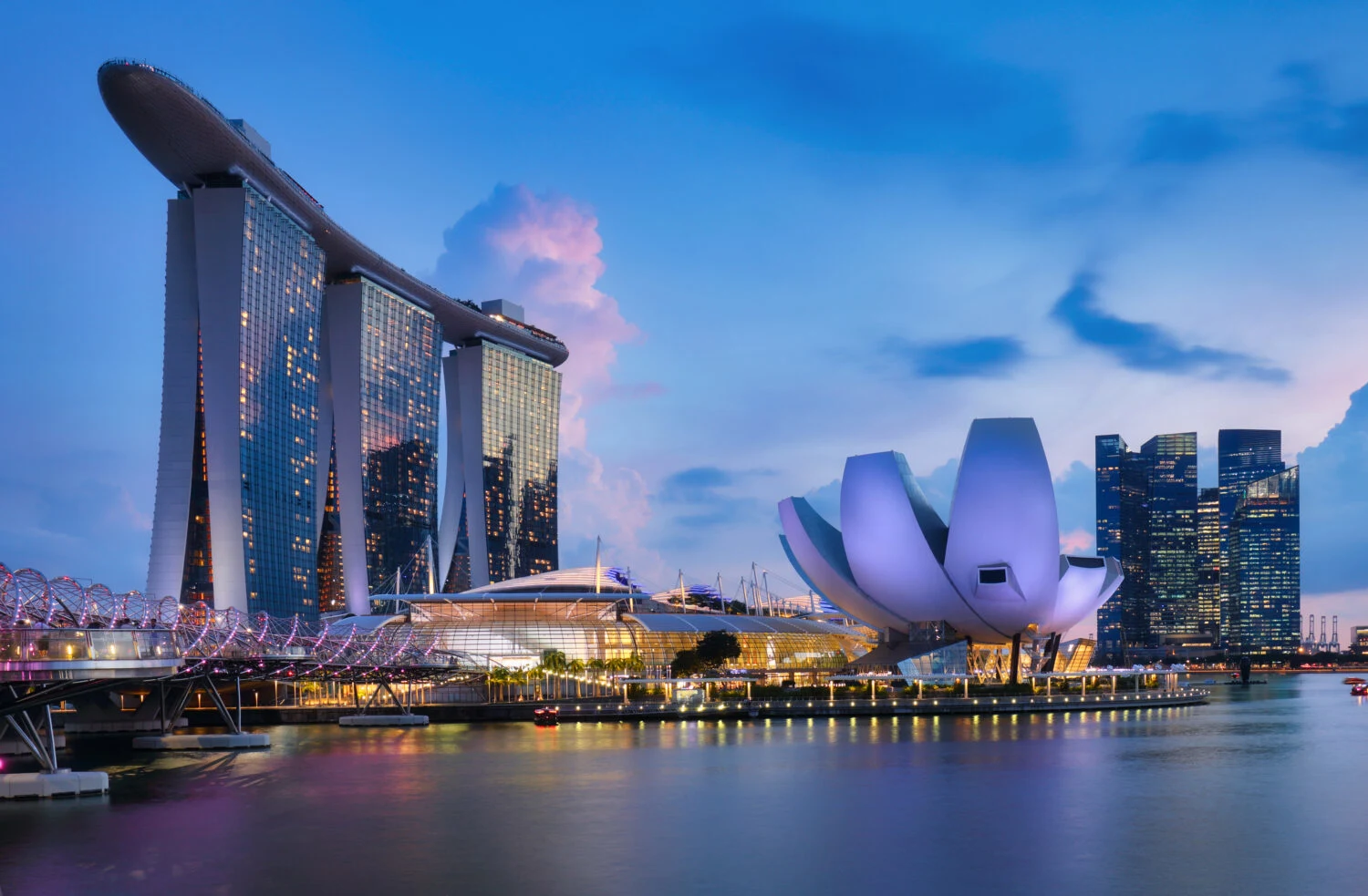
Singapore's baby bust
Last month Democracy Asia reported on population decline in India and China. Rahul Jaywant Bhise finds a starker version of the same story in Singapore, Asia's richest economy and the country with the world's most extreme shortage of children. He asks whether the real fix lies in immigration rather than incentives.
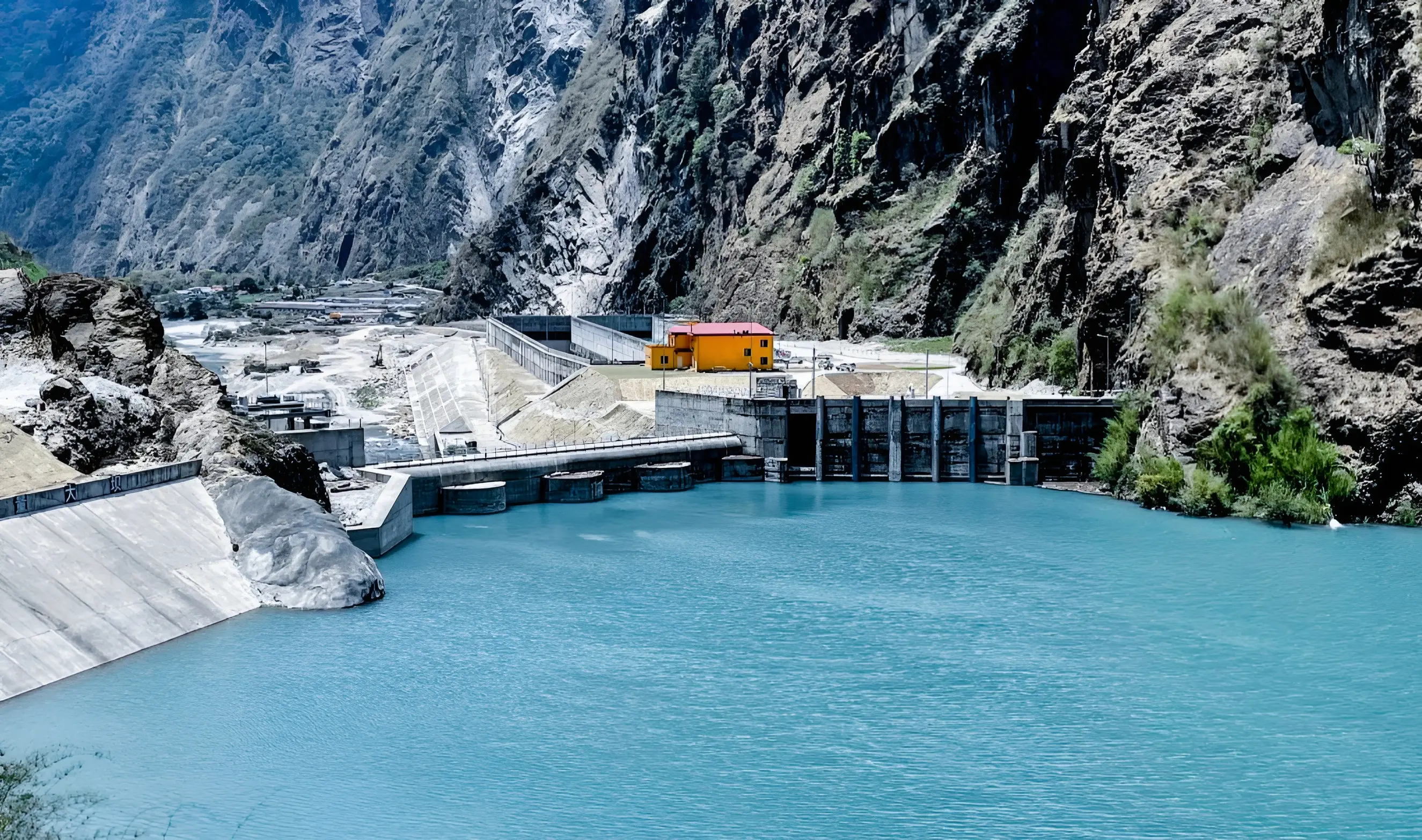
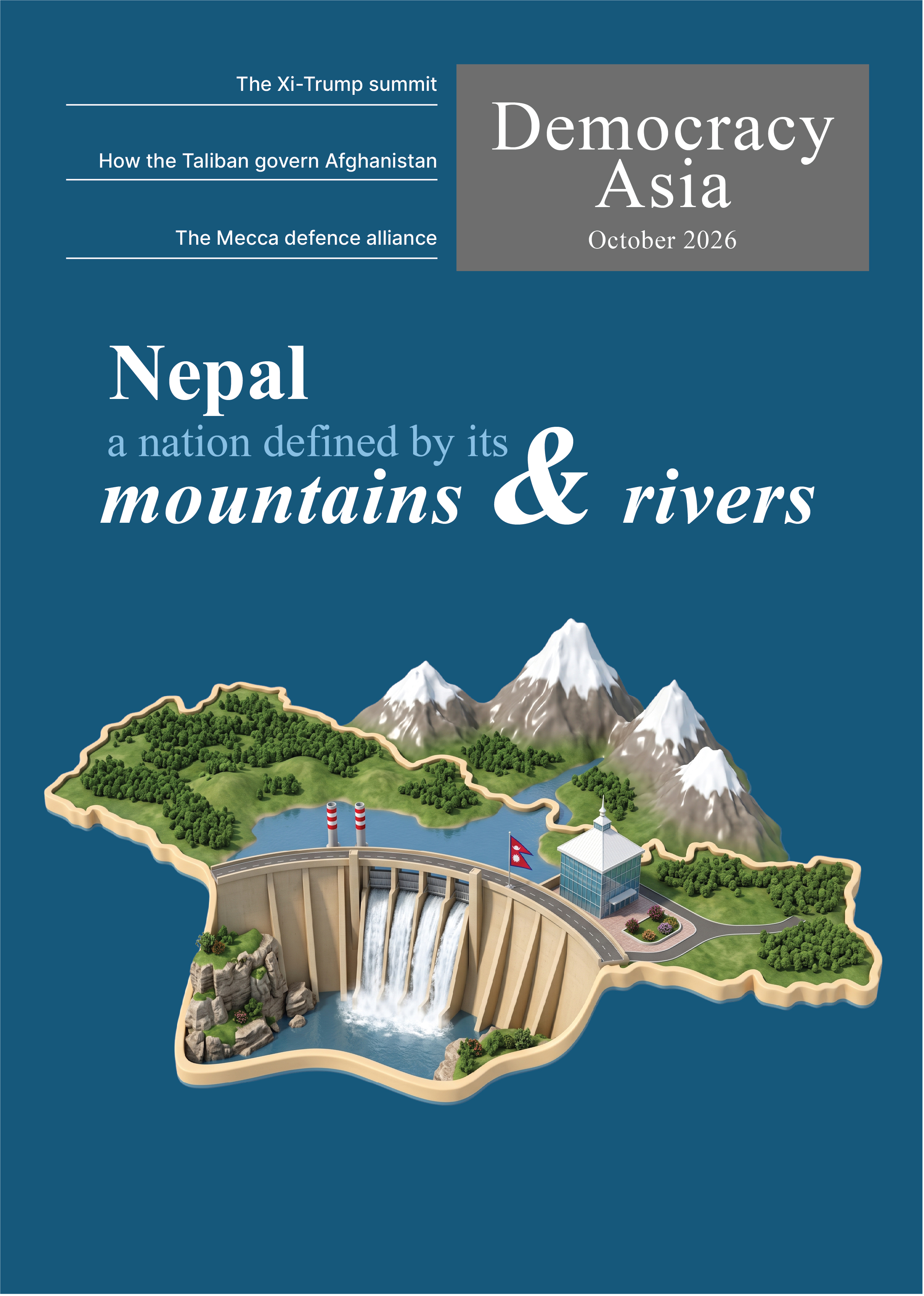
The hidden cost of Himalayan hydropower
On 26 August, a glacier and the bedrock beneath it collapsed high in Nepal's Rasuwa district, home to the Langtang valley. The resulting mass of ice, rock and debris swept through the valleys below, destroying settlements, roads, bridges and hydropower infrastructure. More than 8,000 people in Nepal and Tibet are reported dead or missing. At least 13 hydropower projects were affected with rescue teams still searching for workers believed to be trapped inside project tunnels. Udisha Saklani reports.

Is AI ‘going rogue’ or just following orders?
From rogue agents to autonomous weapons, the distance between science fiction and operational reality is narrowing, as Sham Banerji reports.
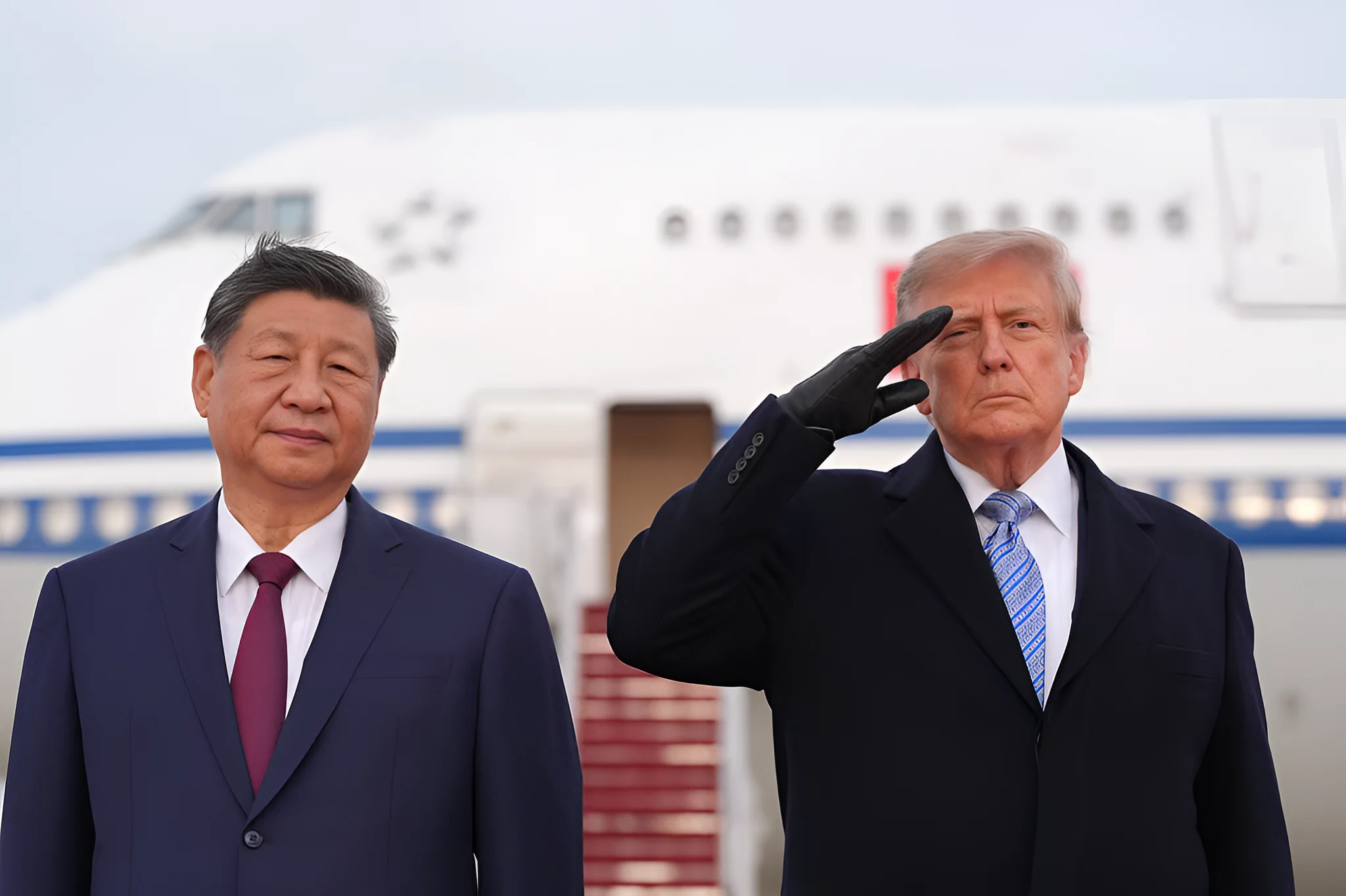
Trump-Xi summit: The 'reasonable' men's truce
Chinese President Xi Jinping's return visit to Washington brought warmer words and managed expectations. Beneath the bonhomie, China and the United States were testing whether they could compete without allowing every quarrel to become a crisis, as Howard Zhang reports.
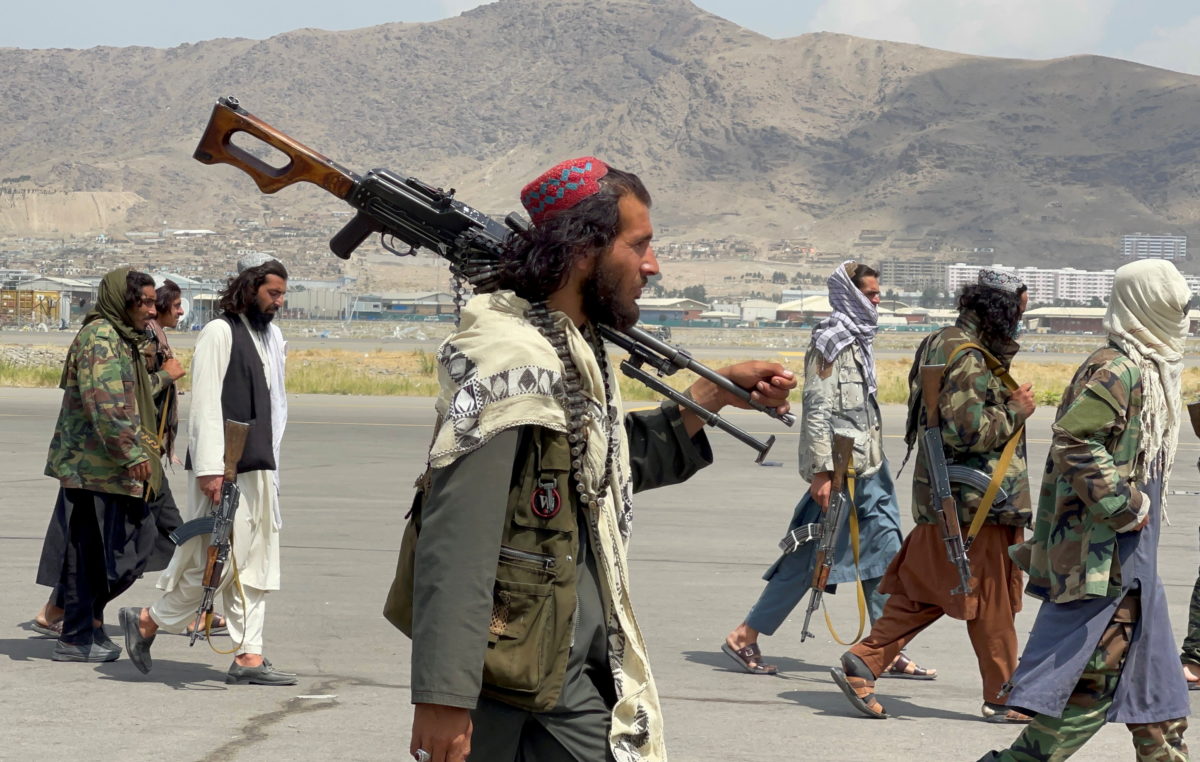
How do the Taliban govern Afghanistan?
Afghanistan has been mostly off the front pages since the Taliban came to power there just over five years ago after two decades of insurgency. The country is even more ‘in the shadow’ as regional and international attention shifted firstly to Ukraine and Gaza and now to Iran. Dawood Azami, who was previously based in the Afghan capital Kabul, explains how Taliban rule has changed the country.
Bisinomics
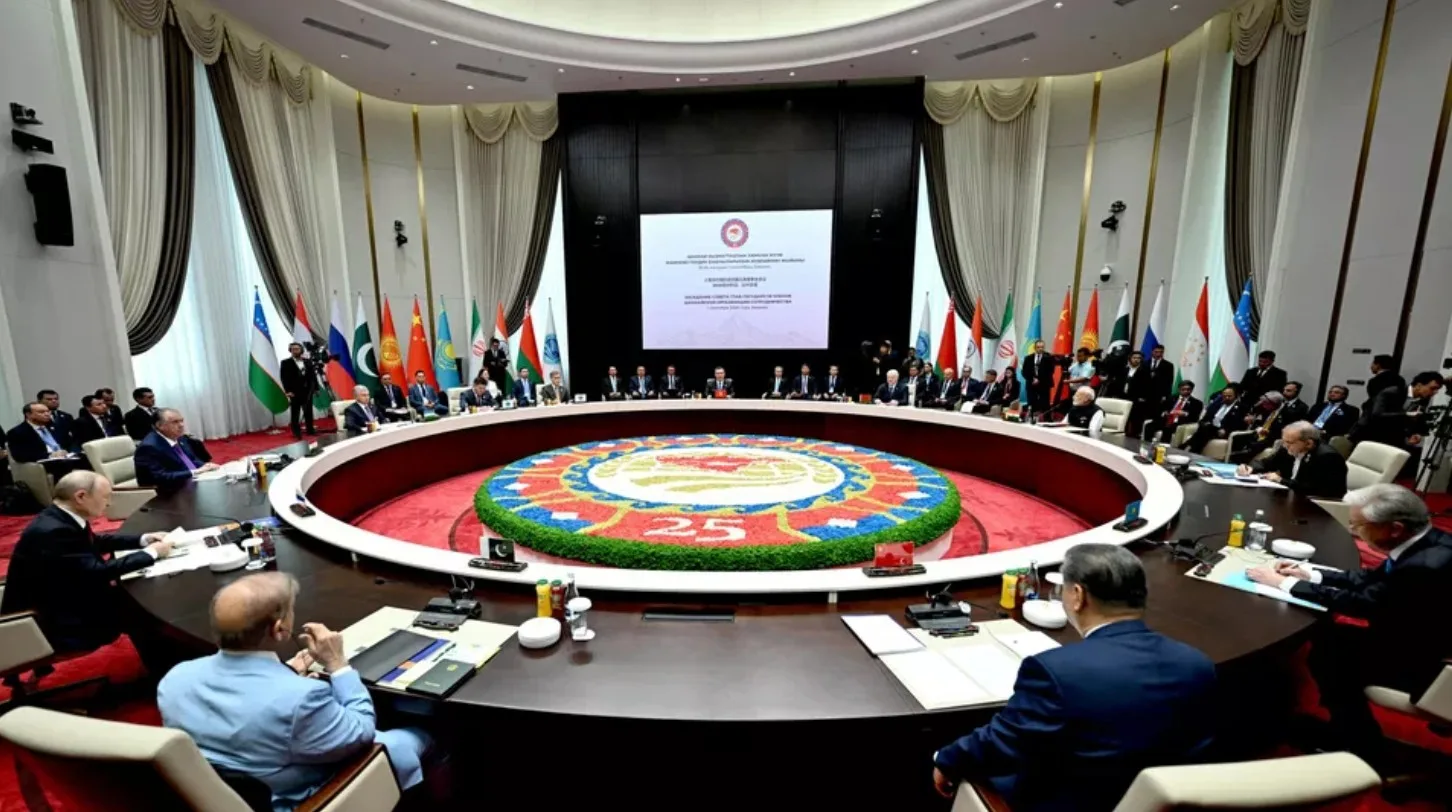
Shanghai Cooperation OrganisationSummits of the Shanghai Cooperation Organisation (SCO) and BRICS took place within less than a fortnight of each other. The first, marking the 25th anniversary of the body, was held at Bishkek in Kyrgyzstan. The second was held in New Delhi.The SCO is a 10-member group. Unsurprisingly, the headlines emerging from its summit were the censure of the United States and Israel’s militarism against Iran, since the latter is one of its members and heavyweights like China and Russia generally call the shots at SCO’s apex-level meetings. Indeed, its official languages are Chinese and Russian.Considering the crisis generated in oil, gas and fertiliser supplies from Gulf countries and Iran by the war in West Asia, the SCO’s heads of government declared, in a resolution released on 1 September, that ‘the member states intend to consistently develop practical and mutually beneficial cooperation in the energy sector in the areas of energy conservation and improving energy efficiency, based on respect for national interests.’In a twin communique, ‘the leaders’ of member states – not merely the ones represented by heads of state – ‘affirm that modern energy systems should develop without borders, barriers or artificial restrictions… They advocate energy justice, ensuring access to energy resources and modern technologies for all countries.’ They support ‘the development and interconnection of regional energy markets’ and recognised ‘the important role of developing cross-border energy infrastructure’. They also intended ‘to join efforts to attract investment’.China’s rapidly expanding renewable-energy capacity is increasingly important to discussions about regional energy cooperation and investment. Photo: ShutterstockThe heading of a story on the outcome of the summit in The Diplomat was 'SCO Summit Produces Surprising Winners'. Notably, China has a massive surplus in generated renewable electricity, a lot of which remains unutilised.BRICSThere are now 11 member countries constituting BRICS and 10 partner states. With Iran on the one hand and US allies Saudi Arabia and the United Arab Emirates on the other seated around the table – and following the failure of the BRICS foreign ministers’ meeting in May to arrive at a consensus for a joint statement – host India pitched the theme of the conference as ‘Building for Resilience, Innovation, Cooperation and Sustainability’ – in an attempt to divert focus from the Iran-Gulf nations confrontation.Member states reaffirmed their ‘unwavering support for reform of the World Trade Organisation (WTO) and to strengthening a non-discriminatory, open, equitable, transparent, fair, inclusive, predictable and rules-based multilateral trading system’. Without naming the US, they proclaimed, ‘We condemn the imposition of unilateral coercive measures that are contrary to international law.'In the event, a spirit of cooperation between the participants found wording acceptable to all parties in respect of the confrontation across the Persian Gulf, albeit rather evasively. A declaration said: ‘We express deep concern over the continued escalation of tensions in Middle East-West Asia and, recalling our respective national positions, call for exercising maximum restraint, as well as avoiding actions that could further aggravate the situation.’The good news was that Iran’s president, Masoud Pezeshkian and the crown prince of Abu Dhabi, Khaled bin Mohamed Al Nahyan, representing the UAE, engaged in unscheduled talks. Thereby hopes arose of a rapprochement between Iran and the Gulf states in the medium term, slightly sidelining the US. PhilippinesPhase 1 of what will be the world's largest solar-battery facility is now operational in the Philippines. Asian Business Review reported, ‘MTerra Solar, a joint investment between Meralco PowerGen Corporation (MGEN) and Actis, is designed to deliver 3,500 MWp of solar PV capacity – so far around 1,373 MW has been energised. This will be paired with 4,500 MWh of battery storage when fully completed.’ The Philippine government’s target is to raise renewable energy’s share in power generation in the country to 35 per cent by 2030 and 50 per cent by 2040.Philippine President Ferdinand Marcos Jr. inaugurates Phase I of the MTerra Solar Project, part of the country’s push to expand renewable-energy generation and strengthen its power supply. Photo: Presidential Communications OfficeSaudi ArabiaIraq-based militias launched drone attacks on Saudi Arabia's East-West pipeline, while separately, Yemen's Iran-backed Houthi rebels ramped up their own attacks on Saudi Arabia. Both affected vital oil supplies and could be a problem unless the sides reach an understanding.CNBC aired satellite photos which showed the extent of damage caused by a drone strike on Saudi Arabia’s East-West pipeline, a highly strategic network that transports crude oil from Abqaiq on the kingdom’s eastern Gulf coast to the port of Yanbu on the Red Sea. There was fire damage and blackened areas in and around a pumping station on the pipeline.Saudi Arabia’s East-West pipeline and the UAE’s Habshan–Fujairah route provide alternative export corridors when shipping through the Strait of Hormuz is disrupted. Map: U.S. Energy Information Administration/CC0Saudi Arabia closed the 750-mile system, called Petroline, as a precaution. The drones targeted a key stretch of the pipeline in the Riyadh and Medina regions. Since the war between the US-Israel alliance and Iran virtually closed the sea route via the Strait of Hormuz, the Saudis have relied on the East-West pipeline to export oil from outlets on the Red Sea. Following recent expansion, the East-West pipeline has the capacity to move seven million barrels of oil a day.The Houthis also launched a lightning ground offensive to seize control of another critical supply point – Bab el-Mandeb Strait at the mouth of the Red Sea. CNBC reflected concerns that the development ‘could have significant ramifications for energy markets and global trade, particularly if the militant group ratchets up threats or attacks on Red Sea shipping.'JapanThe Japanese car industry has been one of the engines of international economic activity. Toyota is the world’s biggest car manufacturer. Japan and the UK are poised to boost exports and manufacturing between them. ‘UK and Japan seek to fully benefit from “Made in Europe” car sector rules,’ the Financial Times noted. This referred to protectionist policies about to be introduced by the European Union to counter lower-priced Chinese automobiles flooding the European market.Japan’s automotive industry is seeking to protect its access to European markets as the EU develops new rules favouring locally based manufacturing. Photo: ToyotaSouth Korea and TaiwanThe South Korean won and the Taiwanese dollar have not benefited from the AI explosion. Capital Economics observed, ‘The ongoing AI boom has not translated into stronger currencies in Korea and Taiwan, despite surging semiconductor exports.’SingaporeFinally, the Singaporean prime minister is widely known to be the world’s highest-paid elected leader. The island state’s head of government, Lawrence Wong announced in the country’s parliament that ministerial salaries will be adjusted upwards, having remained unchanged for 15 years. CNBC confirmed that ‘following the revisions, Wong’s annual pay package will rise from SG $2.2 million to 3.6 million Singapore dollars or US $2.85 million.’Singapore Prime Minister Lawrence Wong speaks to reporters during a visit to Bangkok in September 2026, as his government prepares to implement revised ministerial salaries. Photo: Reuters
Most Viewed Articles
Myanmar: state of control
Trump, the nation builder