Advertisement Ad

Democracy Asia Magazine brings you trusted timely and thought-provoking stories from around the globe.

Quick Contact:

  • 07974960666
  • info@democracyasia.com
  • 35 Bow Road, London, England, E3 2AD
Get In Touch
Share on:

Source: View

The Xi-Trump talks: was anything achieved?

The talks between presidents Xi Jinping and Donald Trump were important and timely though the mood music was subdued. Expectations were low and were, if anything, underachieved with little more than a few gestures of commercial goodwill. Former British minister for Business, Skills and Innovation Vince Cable reports.
7-minute read

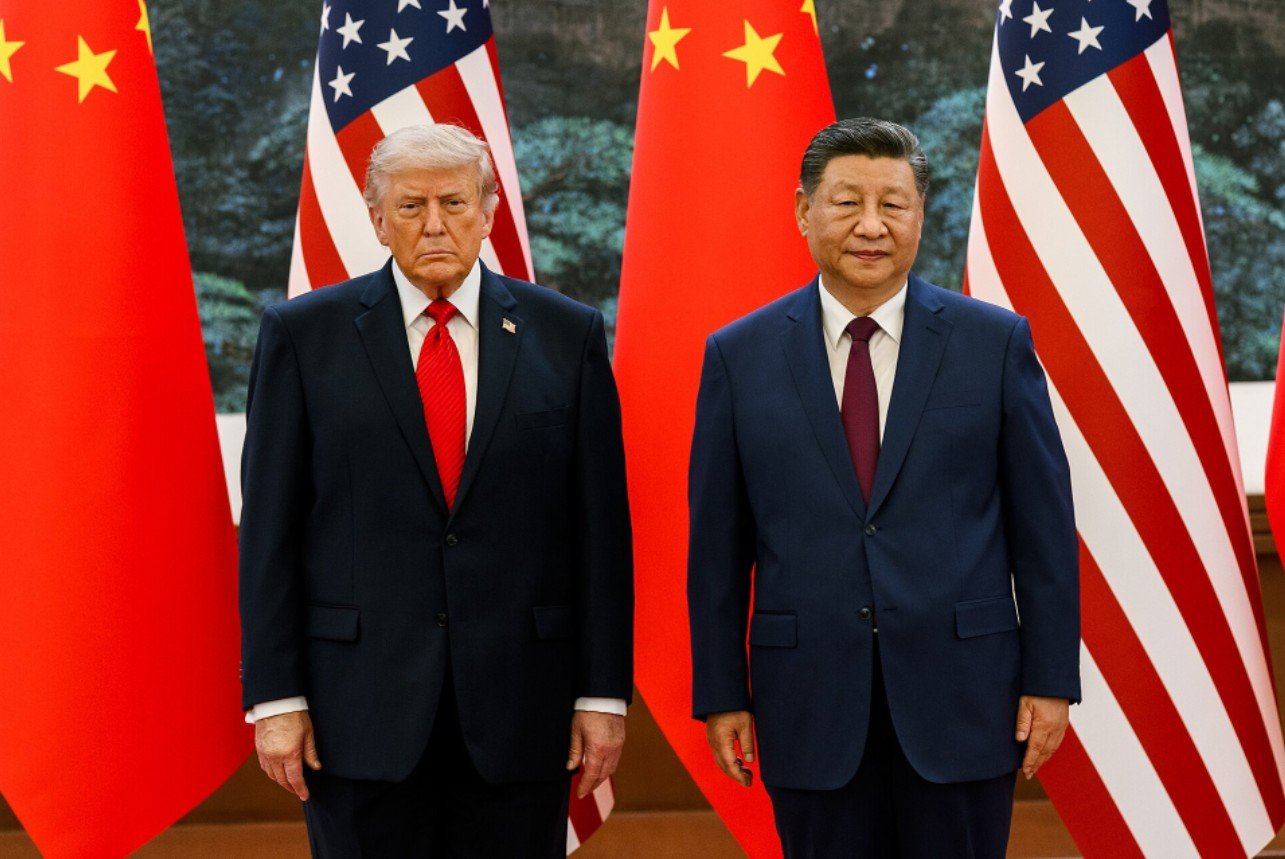
US President Donald Trump and Chinese President Xi Jinping meet amid growing tensions over trade, technology and Taiwan.

The detailed negotiations centred on trade and were, in many  respects, a continuation of negotiations during the first  Trump administration which were inconclusive: in effect a  ‘no-score draw’. 

But in the intervening years the underlying imbalances have  become worse. They can be summarised in the cliché that ‘China  saves too much and the USA saves too little’. The external  manifestation of this macro-economic phenomenon is the large  trade and current account surpluses of China and the deficits of  the USA. Trump is obsessed by the bilateral deficits with China,  but chronic imbalances are a problem for the world. 

Neither country appears able or willing to tackle the underlying  imbalances. Instead, the USA has pursued a decoupling strategy  under both the Biden and Trump administrations, mainly  through selective use of export controls – which may have  aggravated the trade imbalance, while the Chinese have also  sought greater ‘self-reliance’. 

Trump has returned to his original obsession about the bilateral  trade deficit by imposing high tariffs on Chinese exports. But this  stalled when the Chinese government retaliated in the form of  export restrictions on supplies of ‘critical minerals’ such as the  ‘rare earth’ elements which play a key role in advanced  manufacturing. Trump backed down, earning him the title of  TACO (Trump Always Chickens Out). The unwillingness of the  US Supreme Court to legalise the tariffs has rendered the issue  moot in any event. 

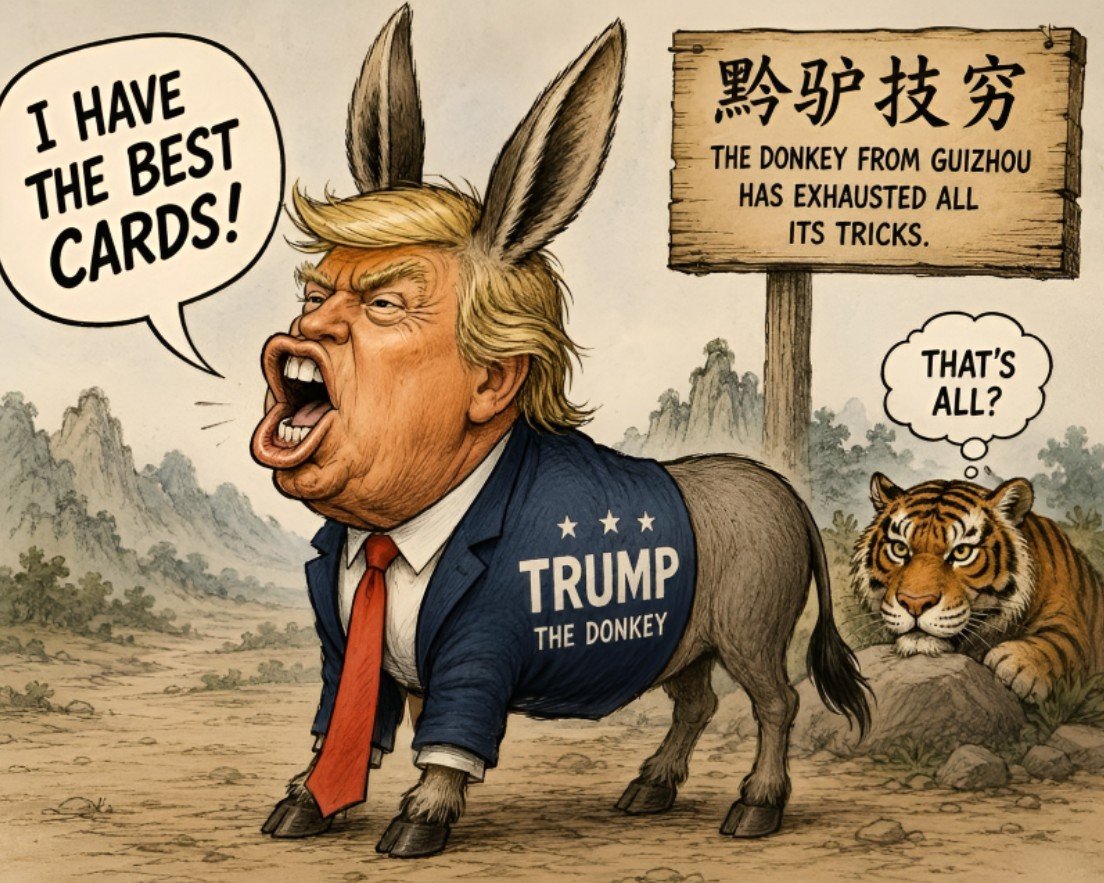
Trade tensions between Washington and Beijing continue to reshape global supply chains and advanced manufacturing sectors. Image AI generated 

Since Trump has had his fingers burnt once in a trade  confrontation with China, he does not want to risk another. But  the Chinese wanted a stable relationship with the USA and saw  that it was not in their interest to humiliate Trump by sending  him away empty-handed. So there were a few concessions – for  China to buy more Boeing jets and US animal feed – providing  Trump with some good, politically useful pictures and tweets –  but they are disarmingly vague. 

Trump had another big ask. He wanted some help in extricating  himself from the disastrous war with Iran which has failed to  achieve any of its several goals and is now feeding through into  higher petrol, diesel and fertiliser prices in the USA. The Chinese  are not only the biggest consumer of Iran’s sanctioned oil  exports; they are also allegedly supporting the Iranian war effort  by passing satellite images of American military assets. It is  uncertain as to whether China can influence Iran’s current  leadership; nor why they would want to. China is paying an  economic cost for the closure of the Gulf of Hormuz but it suits  China to have the USA distracted in the Middle East and fast  losing friends and credibility. In the event, no firm undertakings  appear to have been given. 

The Persian Gulf near Hormuz Island, where regional conflict increasingly intersects with global trade security. Photo: Ninara/CC BY-SA 2.0 

It seems odd that Trump has somehow become the ‘demandeur’  in the bilateral relationship. China’s economy is suffering  seriously from the collapse in the property market, while the  government lacks the fiscal space to inject necessary domestic  demand. Growth depends precariously on exports and the  willingness of the rest of the world to absorb them. By contrast,  the USA is enjoying the momentum of an AI-led boom defying  all predictions of doom and gloom. Trump’s personal metric of  economic success, stock market valuation, is stratospheric.

Yet China’s standing internationally is greatly strengthened  relative to the USA. This is in part a recognition of China’s  long-term economic advance and its growing leadership role in  technology, especially in sectors like renewable technology  whose importance has been underlined by the dangers of  dependence on oil and gas. But the key change is the perception  that China is the ‘adult in the room’: stable and reliable.  Countries that are on the receiving end of trade mercantilism  and unsympathetic treatment of debt are under no illusions that  China is a Mr Nice Guy. But predictability trumps chaos. To use  President Trump’s favourite metaphor, Xi is playing a weaker  hand of cards better. 

China’s growing influence in AI, renewable energy and advanced manufacturing is reshaping global economic power balances. Photo: Xinhua 

The meeting certainly did not result in a ‘grand bargain’ and  barely produced a ‘small bargain’. But there are two other  face-to-face meetings later this year and these may achieve  Chinese objectives of a loosening of the controls which limit  Chinese access to those few parts of the advanced AI ecosystem  in which it is not already self-sufficient or ahead. There may be a  loosening of restrictions on Chinese investment in the USA. 

The surprise of the summit was that Xi placed so much  emphasis on Taiwan, warning that failure to stabilise the issue  (and in China’s favour) will result in deepening conflict with the  USA. The Chinese are in no position to invade Taiwan through  frontal assault but can undermine Taiwan’s defence through  ‘grey zone’ warfare techniques and, possibly, some form of  blockade. They almost certainly calculate that time is on their  side with the possibility that internal politics in Taiwan may  shift towards accommodation with the mainland. The  immediate objective is to head off demands for Taiwanese  independence and to weaken US military support. Trump’s  subsequent comments suggest that he was persuaded by Xi to  make clear that the US does not support Taiwanese de jure independence, as opposed to the current de facto independence.

Taiwan remains the most dangerous flashpoint in the increasingly competitive US-China relationship. 

What we may now see is a power struggle in Washington. On  one hand, there are the security ‘hawks’, like Rubio, who see no  prospect of major deals with China and worry that a weakening  of the position on Taiwan opens the way to a weakening of  American influence in the Asia-Pacific. On the other, those  around Trump are more concerned with economic issues and  trade and the possibilities for good deals (including politically  advantageous deals). For them, Taiwan is just a nuisance to be  bargained for, like Greenland or Ukraine. The Chinese will play  the latter group against the former. 

The personalities and political agendas of Trump and Xi are so  different that it is difficult to see tangible progress on the big,  complex and difficult issues which lurk in the background.  There is a dangerous escalation in nuclear weapons and there are  no ‘guard-rails’ of the kind which prevented accidental nuclear  conflict between NATO and the Soviet Union. Competition in  Artificial General Intelligence, and more generally in AI, involves  some very risky activity but there is no agreement on regulatory  cooperation. The Taiwan issue potentially poisons any attempt  to build bridges to tackle these issues. 

So, we had some warm words and media-friendly gestures but  little of real substance. The most important bilateral  relationship in the world remains highly competitive at best and  seriously hostile at worst.
By Sir Vince Cable

He led the British Liberal Democrat party and served in government as Secretary of State for Business, Skills and Innovation, 2010-2015. His latest book is Eclipsing the West: China, India and the Forging of a New World.

Related News

Bisinomics

June 2026

India Narendra Modi has advised Indians not to travel abroad for  holidays and weddings. He also asked people to work from home  and use public transport. India is the world’s third-largest importer of oil. It faces a  ballooning economic challenge because of the sharp increase in  energy prices and an uncomfortably low level of reserves caused  by reduced supplies from the Persian Gulf following the virtual  closure of the Strait of Hormuz. ‘We must curb our use of petrol and diesel,’ Modi said in a  speech. ‘In cities with metro lines, we should use the metro  wherever possible… We must also place a strong emphasis on  saving foreign exchange.’ As Indians braced themselves for a  further escalation in energy prices, Modi’s critics mocked him for  not practising what he was preaching by taking off on a  five-nation overseas trip. They said hands-on economic  management was the national priority. The Financial Times reported that India ‘imported $174 billion of  oil and gas last year, with two-thirds of natural gas and half of  crude oil imports [coming] from the Gulf’. India has returned to  sourcing oil from Russia – after obsequiously obeying orders  from United States President Donald Trump not to, before Mr  Trump partially waived sanctions in March. The Indian cabinet,  meanwhile, approved expanded gas production from coal on an  urgent basis. Shortage of cooking gas has disrupted homes and  debilitated hotel and restaurant businesses.  Commuters crowd public transport in India as rising fuel costs and supply disruptions intensify pressure on households and businesses. Photo: EPA The FT reported that ‘higher import prices have hurt the Indian  currency and knocked investor confidence’. It added that ‘the  rupee has been among Asia’s worst-performing currencies since  hostilities began in the Gulf… Economists are concerned over the  war’s impact on India’s balance of payments, already under  pressure from foreign investors selling Indian stocks at the fastest  pace on record… As the Gulf crisis drags on, economists are  revising down their estimates for growth in India.’ Kazakhstan In contrast, Kazakhstan has since the start of the Iran war  experienced an appreciation in its currency, the tenge. Oil-rich,  the country has benefitted from the steep upward revision in  crude prices, leading to the strengthening of the currency. This  trend is likely to continue until international trade in oil  stabilises. The oil sector accounts for over 40% of the Kazakh  government’s revenues. Kazakhstan, though, is dependent on electricity from Russia. It  aims to exit from dependence on Russian imports by 2027, the  Times of Central Asia reported, following a restatement of the  goal by the country’s deputy energy minister, Sungat  Yessimkhanov. Rising global crude prices have strengthened Kazakhstan’s energy sector, even as the country faces domestic electricity challenges. Photo: Kazakhstan government website It is likely to fulfil that objective only if homes remain heated and  industry avoids shortages during peak demand. Kazakhstan has  had a power deficit because of years of underinvestment, rising  demand, ageing thermal plants and uneven regional output,  according to the same newspaper.Uzbekistan Another Central Asian state, Uzbekistan, posted healthy activity  in its car industry, selling 121,601 vehicles between January and  April of this year, as per figures released by UzAvtosanoat and  reported by UZ Daily. UzAuto Motors, the largest automaker in Uzbekistan,  maintained its dominant position, selling 58,168 vehicles. The  company manufactures a wide range of models under various  brands, including American General Motors’ Chevrolet. Chinese  brands and Kia of South Korea are also noticeable in the  Uzbekistan market.  Indonesia The energy crunch has affected oil-producing Indonesia because  its demand outpaces its crude output, so it is planning to expand  its nuclear power capacity. Significantly, director-general Alexey  Likhachev of Russia’s state nuclear energy corporation Rosatom  was in Jakarta to meet the Indonesian president, Prabowo  Subianto, to discuss bilateral cooperation. Indonesia is exploring expanded nuclear energy  cooperation as Asian governments search for long-term energy security solutions. Photo: SouthEast Asian Gallery Bernama reported Likhachev as saying Rosatom was ready to  offer Indonesia ‘a comprehensive approach to developing its  national nuclear programme, including both large-scale nuclear  power projects and small modular reactors and floating power  units’. Malaysia In neighbouring Malaysia, economic growth for the first quarter  of the 2026 financial year was 5.4%, exceeding the prediction of  5.3%. The number had moderated from the 6.3% enlargement in  the previous quarter. The Star quoted the chief statistician of Bank Negara Malaysia,  Datuk Seri Mohd Uzir Mahidin, as saying ‘Malaysia’s economy  continued to expand in the first quarter of 2026, reflecting the  underlying resilience and stable growth conditions amid a  challenging global environment.’ The country continued to record a surplus in its current account  balance for the same period amounting to RM15.2 billion,  equivalent to 3% of gross domestic product (GDP). This was  significantly higher than RM2.7 billion in Q4 of 2025. Mahidin  said this was attributed to, as The Star put it, ‘sustained external  demand for Malaysia’s exports alongside improving services  sector performance’. Singapore In the Chandler Good Government Index, Singapore retained its  top position for a fourth consecutive year. The seven pillars of  evaluation are: leadership and foresight, robust laws and policies,  strong institutions, financial stewardship, attractive marketplace,  global influence and reputation and helping people rise.  Singapore was ranked first in all categories except robust laws  and policies and global influence and reputation.However, as Singapore Business spelled out, Singapore Airlines  (SIA) suffered a 57% year-on-year slump in net profit to $1.18  billion in the financial year ending 31 March last, because of its  shareholding in loss-making Air India. SIA suspended services to Dubai and Jeddah in February as a  result of the war in the Gulf and deferred the introduction of  flights to Riyadh until September 2026. The suspension of flights  to Dubai has been extended to 2 August. South Korea Samsung, South Korea’s giant electronics firm, faced a general  strike from 21 May. The strike threatened losses running into the  tens of trillions of won, not to mention semiconductor  production chaos and supply chain instability, Business Korea  reported. After the failure of labour-management negotiations,  Koo Yun-cheol, deputy prime minister and minister of economy  and finance, wrote on X: ‘We will continue supporting resolution  through principled negotiations under any circumstances.’ From aviation to semiconductor manufacturing, major  Asian corporations are facing mounting uncertainty from  supply chain and energy disruptions. Japan A group of lawmakers in Japan’s ruling Liberal Democratic Party  submitted a proposal to Prime Minister Sanae Takaichi to review  the country’s Companies Act, which would require shareholders  to own at least 30,000 shares in an enterprise to call extraordinary meetings or enter items on the agenda. At present,  a 10,000 shareholding is sufficient for the purpose. The Japan Times wrote the change ‘would bring the Japanese  market more in line with standards in other countries, where it is  normally more difficult for shareholders to directly participate in  governance’. It is expected this will ‘make Japan into a leading  financial centre’.

Bisinomics

May 2026

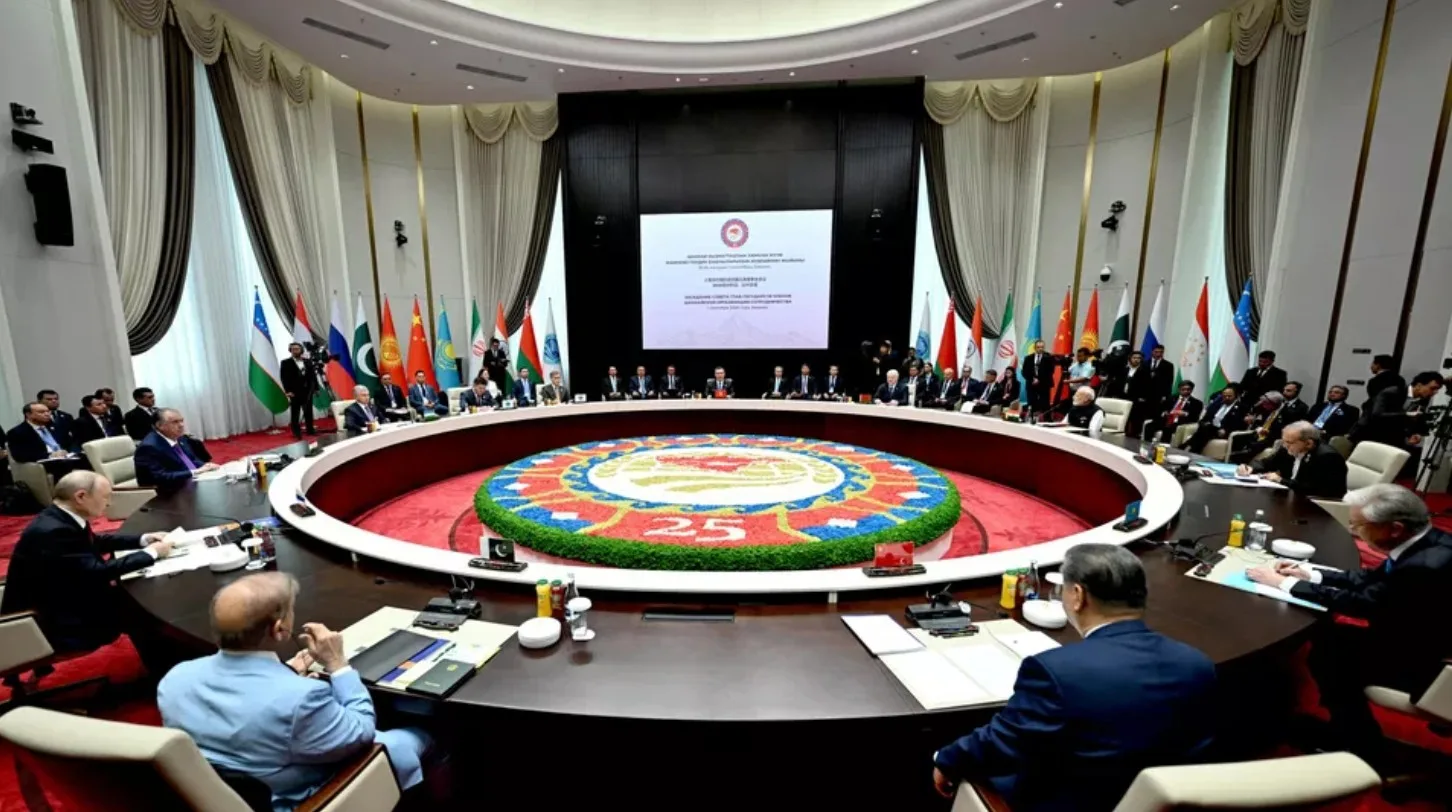
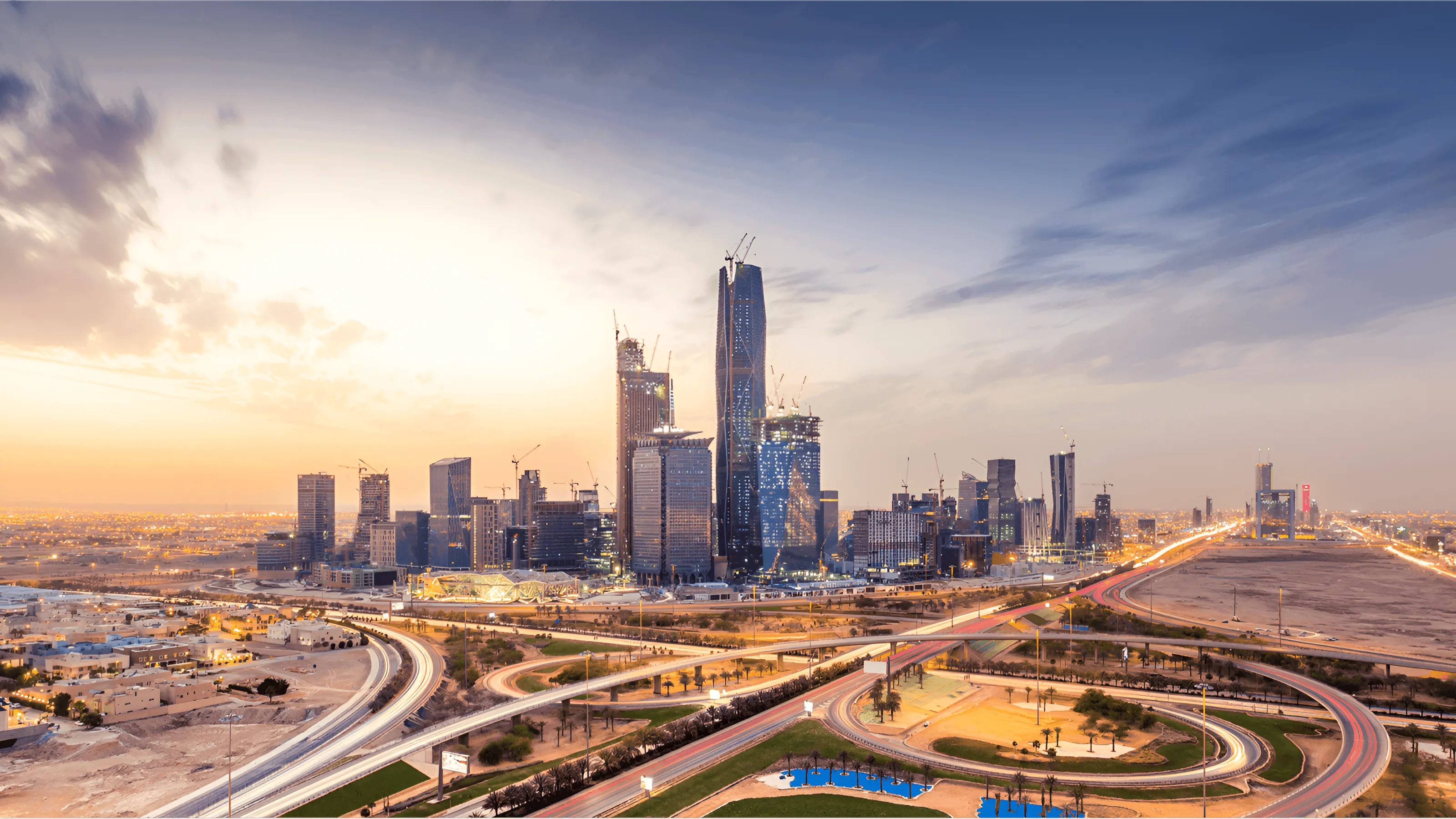
Post-war reconstruction is in the minds of Arab partners of the United States, who were collateral casualties in the hostilities between the US-Israel alliance and Iran. Indeed, Saudi Arabia, among others, pressed Washington to return to the negotiating table, as The Wall Street Journal revealed.

Big Tech’s seatbelt moment

By Sham Banerji May 2026

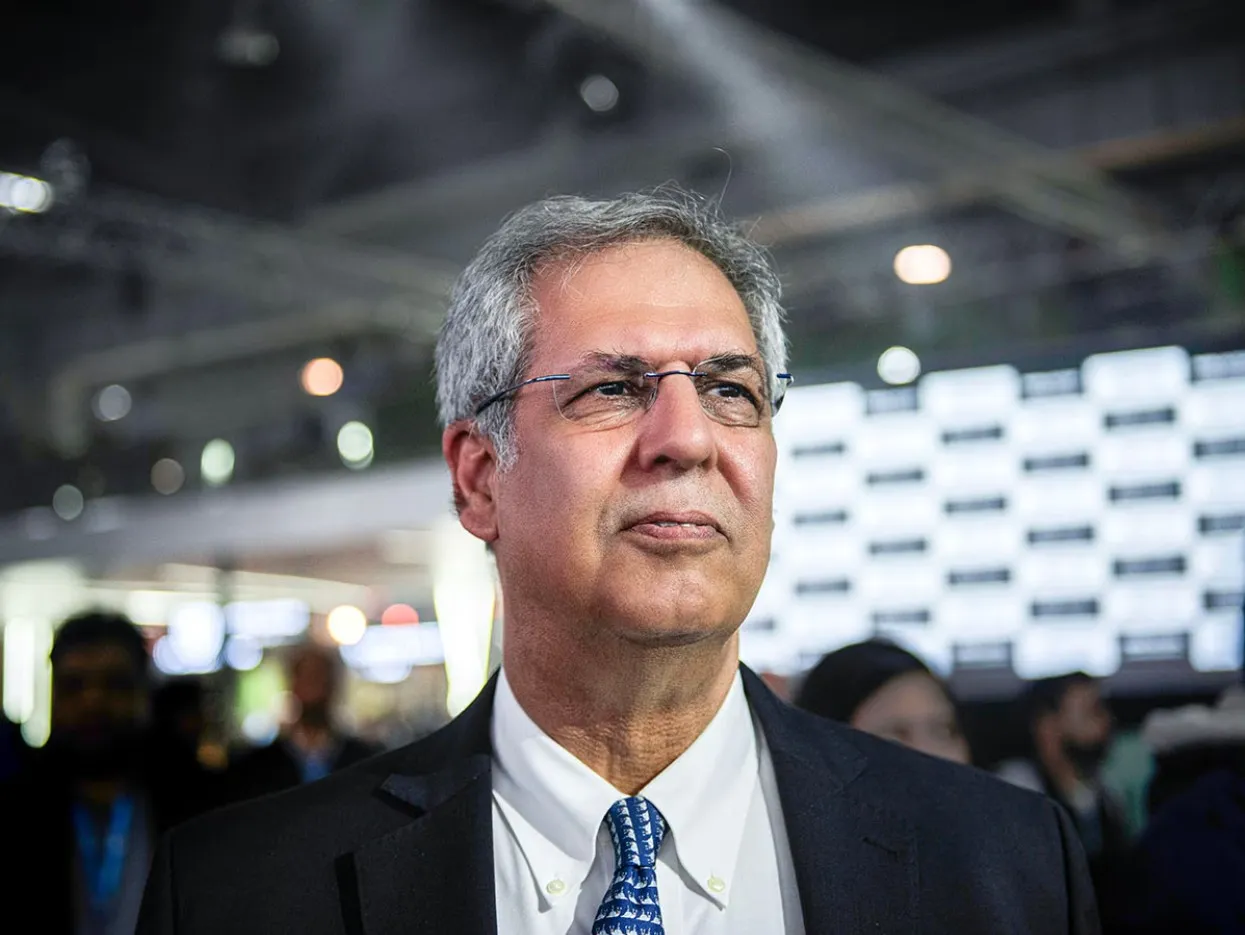
As lawsuits mount and governments move towards tougher safeguards, the question is no longer only what appears on the screen, but why the screen was built to behave that way in the first place. Sham Banerji reports that a new regulatory phase may be opening for social media and AI.

Bisinomics

April 2026

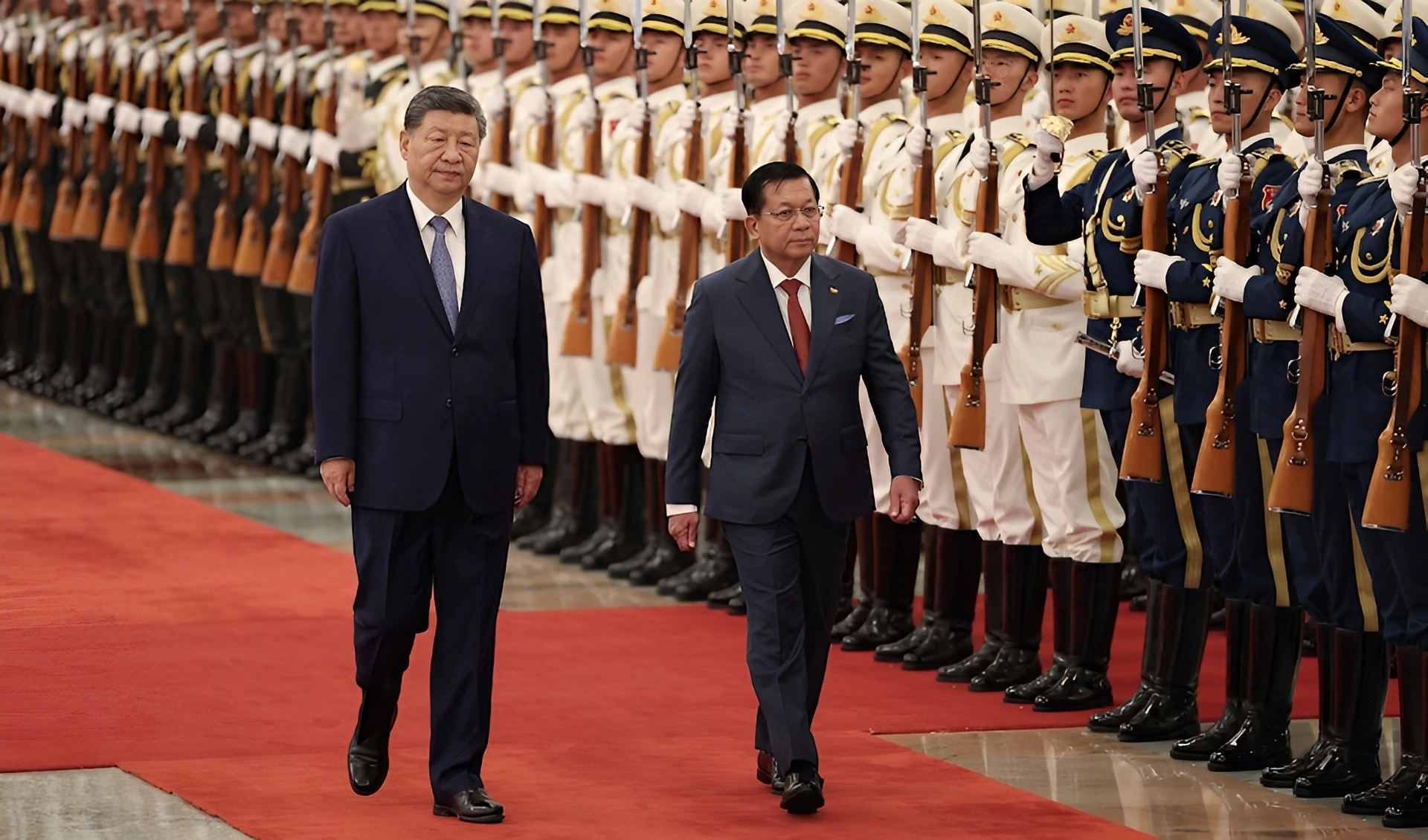
The United States’ military operation in Venezuela, culminating in the abduction and rendition to New York of its president, Nicolas Maduro, is potentially an economic blow to China. Chinese credit to the South American country amounts to around US$10 billion. The South China Morning Post, quoting analysts, reported that Caracas could challenge the very legitimacy of the debts.

Subscribe and login

Unlock Your Daily Briefing

Get the latest headlines, exclusive reports, and important updates delivered directly to your inbox.