South Asia
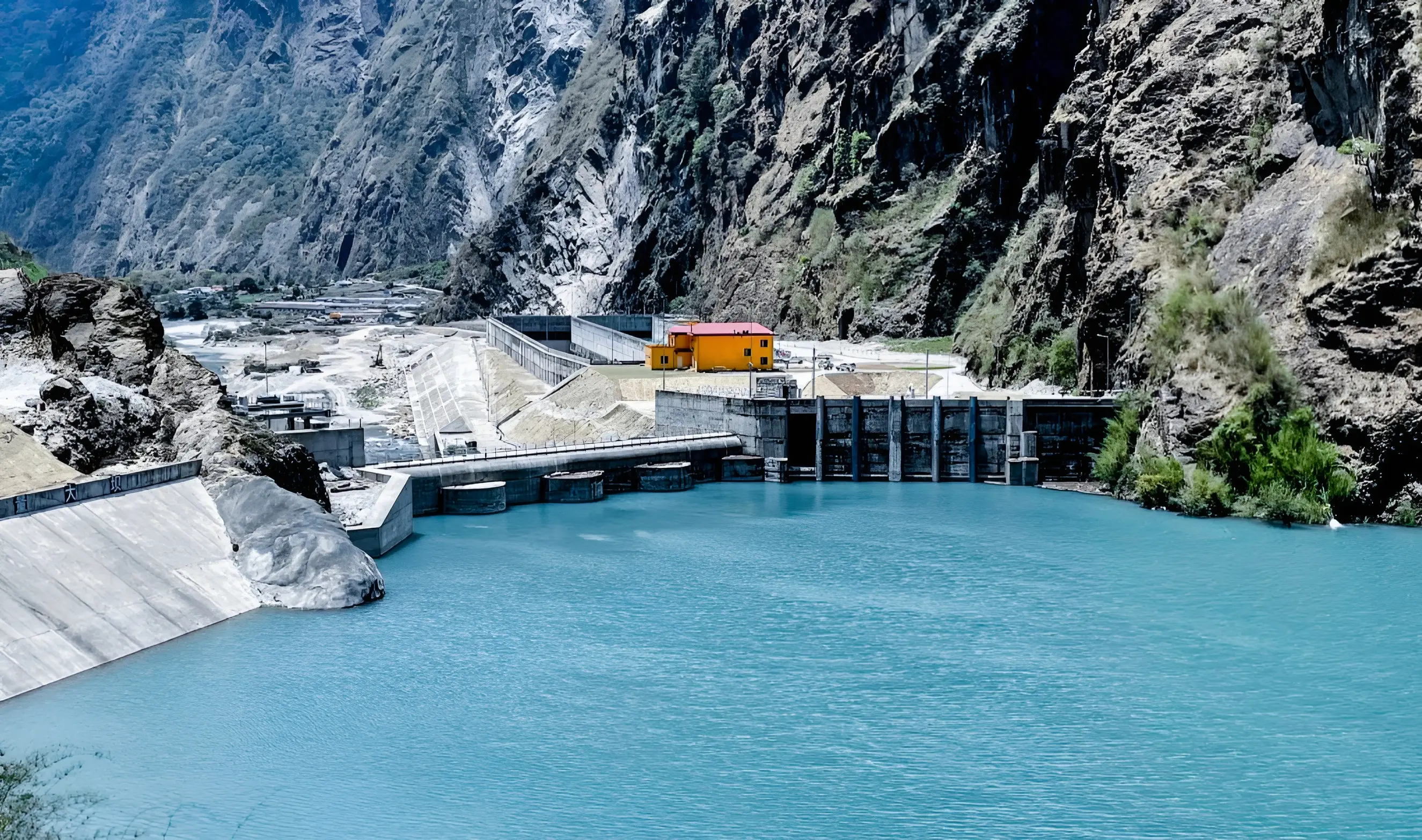
The hidden cost of Himalayan hydropower
On 26 August, a glacier and the bedrock beneath it collapsed high in Nepal's Rasuwa district, home to the Langtang valley. The resulting mass of ice, rock and debris swept through the valleys below, destroying settlements, roads, bridges and hydropower infrastructure. More than 8,000 people in Nepal and Tibet are reported dead or missing. At least 13 hydropower projects were affected with rescue teams still searching for workers believed to be trapped inside project tunnels. Udisha Saklani reports.
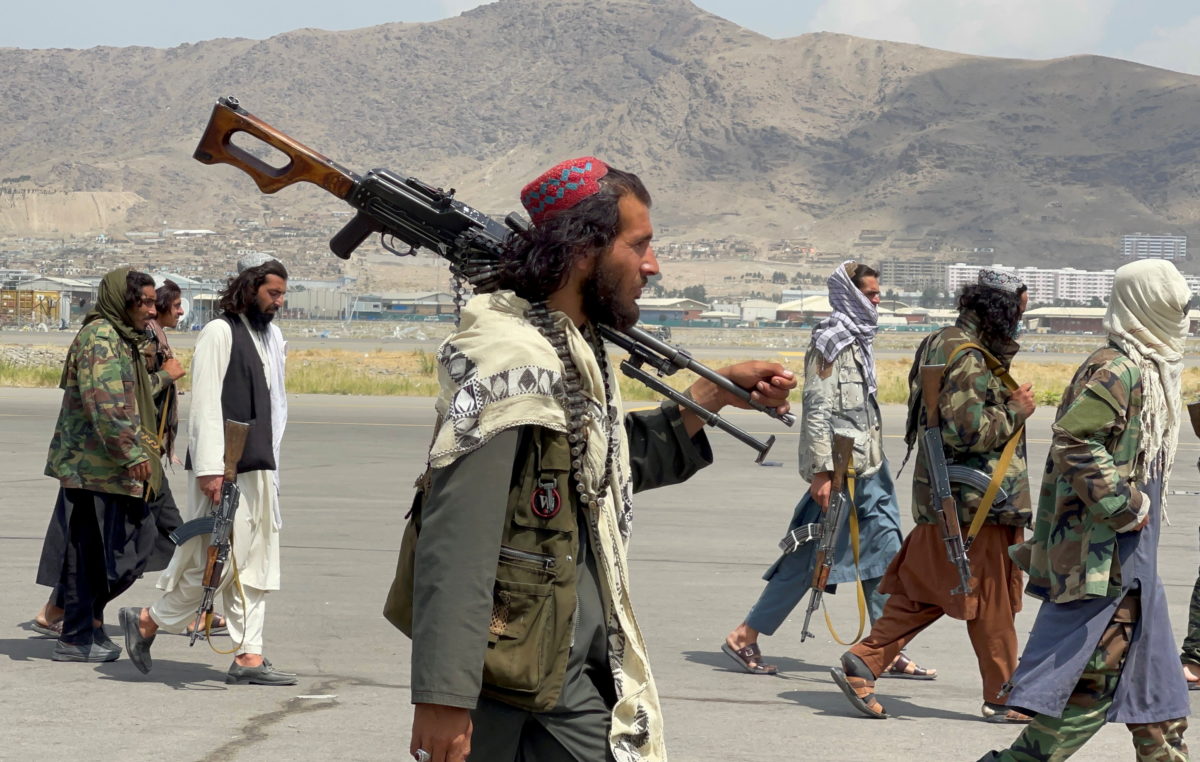
How do the Taliban govern Afghanistan?
Afghanistan has been mostly off the front pages since the Taliban came to power there just over five years ago after two decades of insurgency. The country is even more ‘in the shadow’ as regional and international attention shifted firstly to Ukraine and Gaza and now to Iran. Dawood Azami, who was previously based in the Afghan capital Kabul, explains how Taliban rule has changed the country.
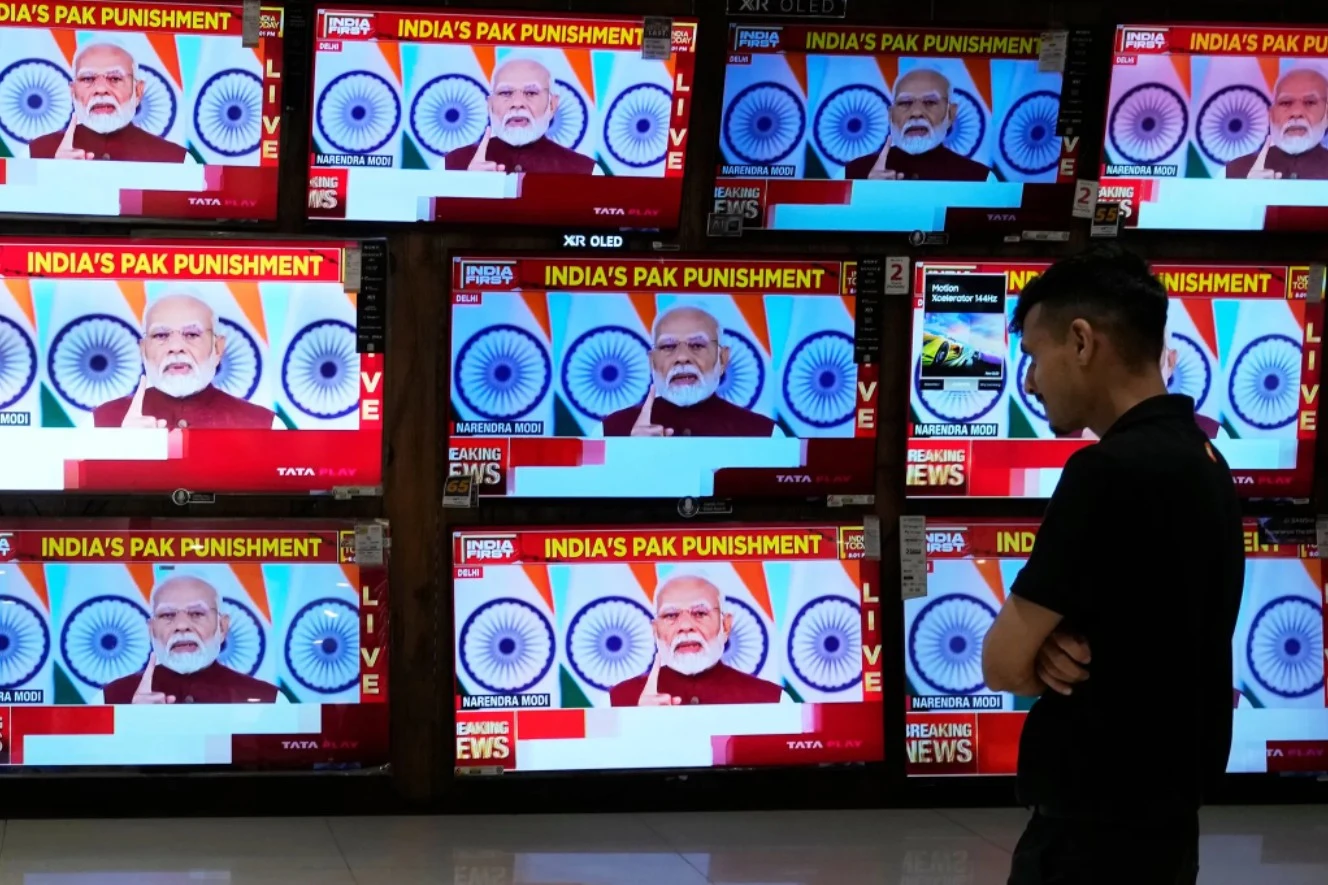
India’s media scene appraised
In India mainstream media – television channels and newspapers – are rapidly losing audiences, possibly because viewers and readers no longer trust them to deliver accurate news. But, as Kavita Chowdhury reports, the same trend is underway in other parts of South Asia, as is demonstrated by Gen Z’s preference for social media as a means of voicing their protests.
The Indus Treaty’s suspension: whose water is it anyway?
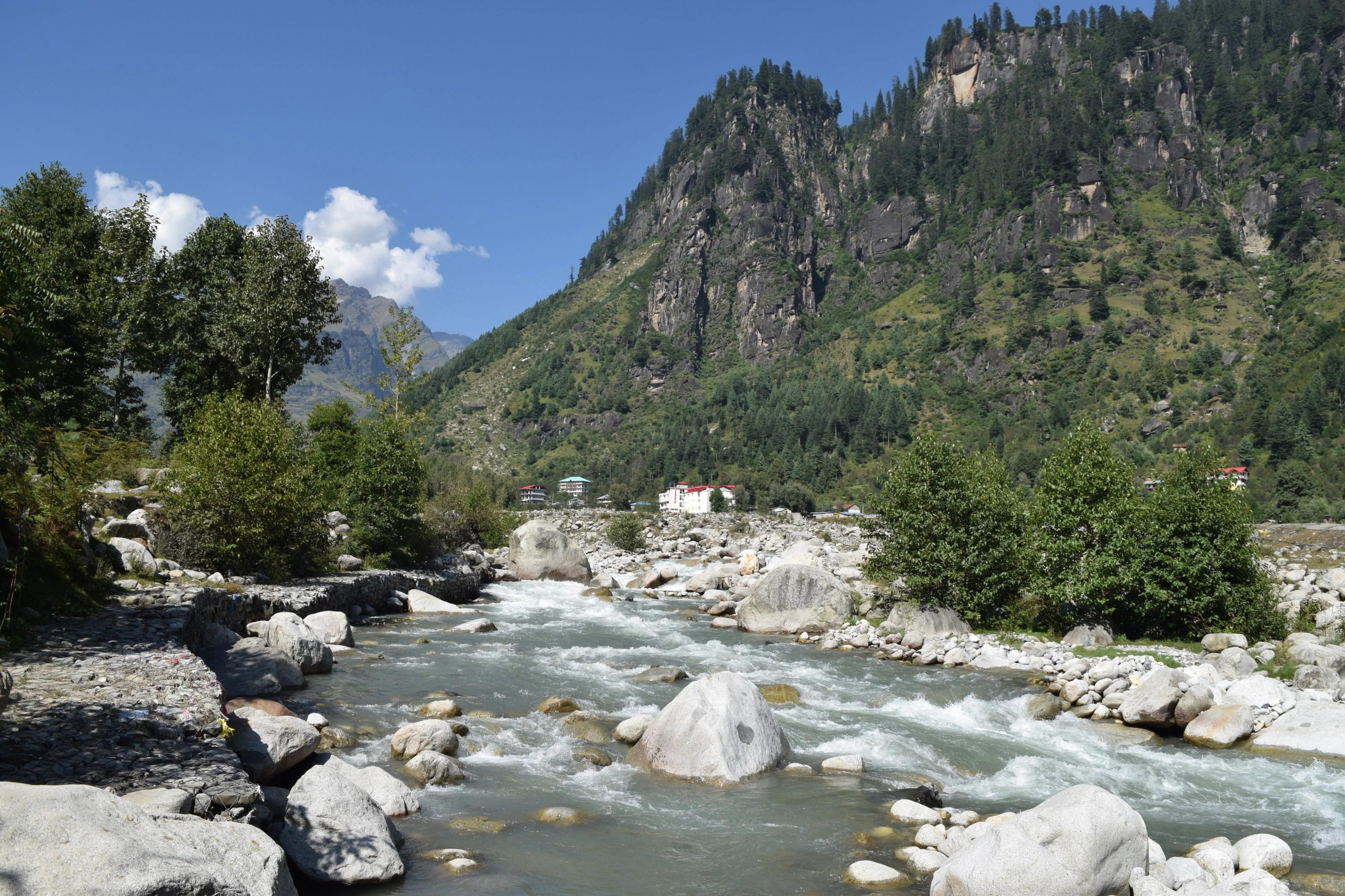
The Indus Waters Treaty was designed to divide a shared river system between two countries. Putting it in abeyance has intensified a legal and political confrontation with downstream Pakistan, where the Indus system is bound up with food and water security. But it has also exposed another layer of river politics within India. Water expert Udisha Saklani reports
Gen Z’s Asian awakening
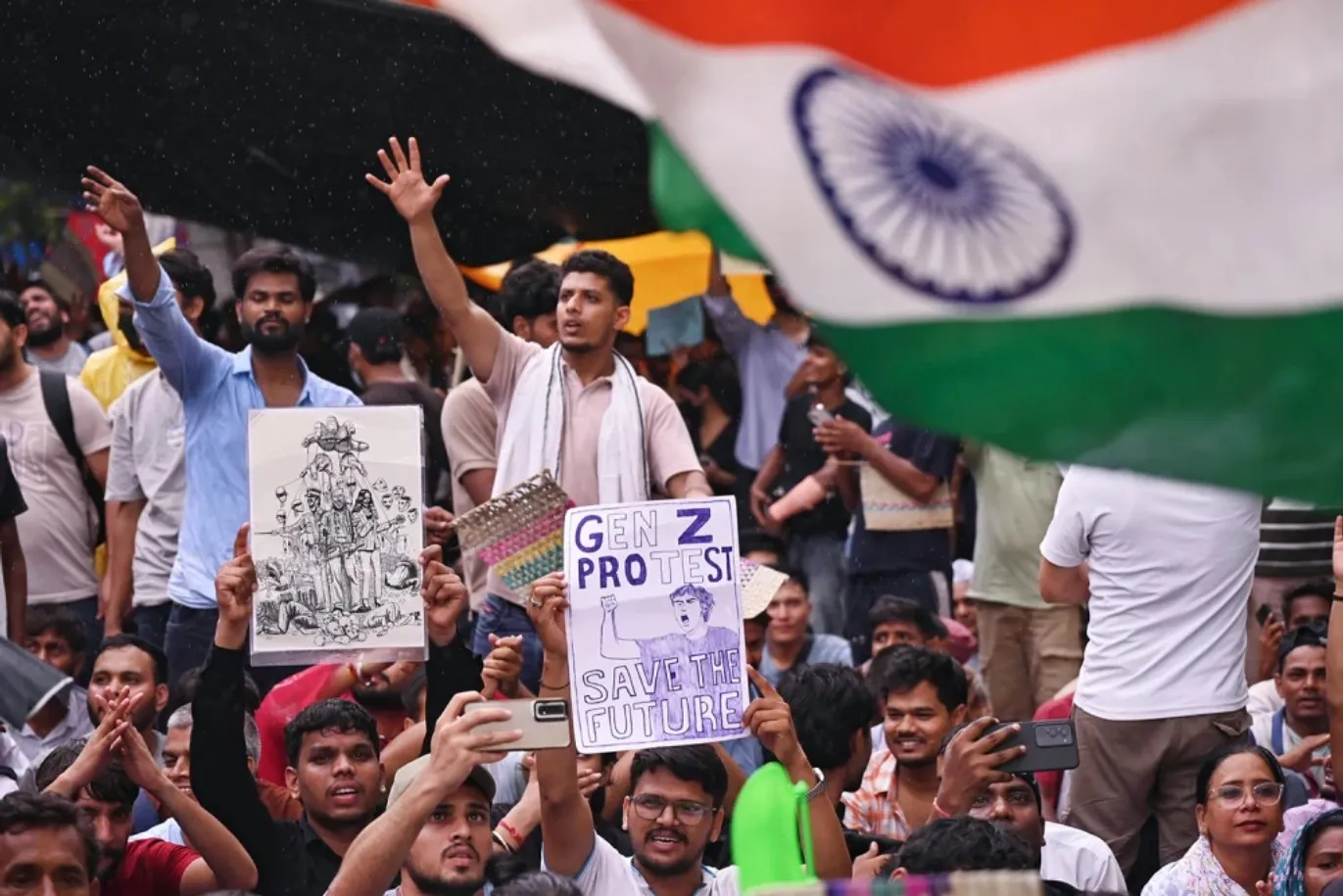
From India’s Cockroach Janta Party to uprisings in Bangladesh and Nepal, digitally networked movements are learning to disrupt and hold accountable political authority. Turning disruption into durable democratic change will be harder, reports Madhavi Ravikumar.
India’s media scene appraised
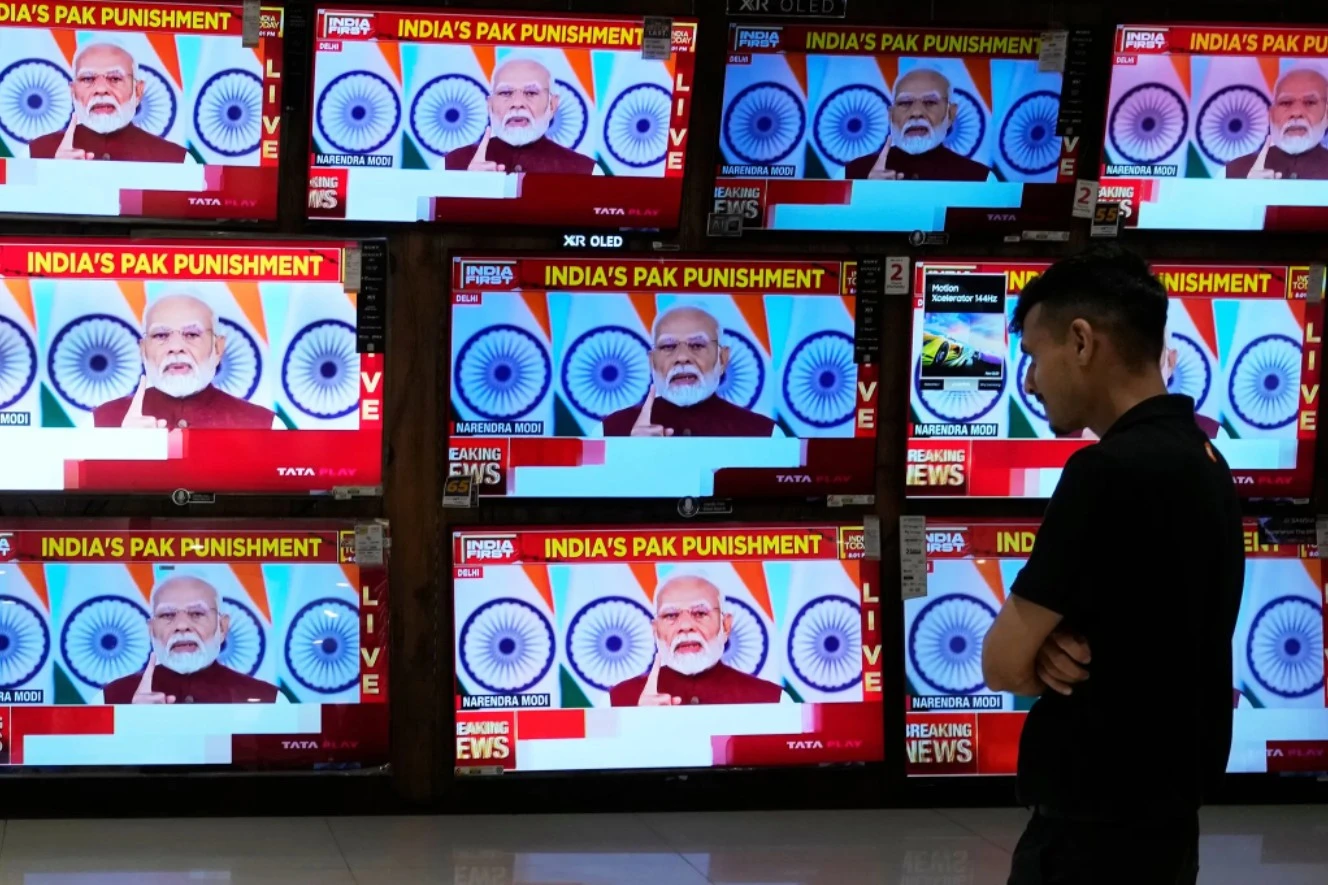
In India mainstream media – television channels and newspapers – are rapidly losing audiences, possibly because viewers and readers no longer trust them to deliver accurate news. But, as Kavita Chowdhury reports, the same trend is underway in other parts of South Asia, as is demonstrated by Gen Z’s preference for social media as a means of voicing their protests.
Alia’s story – it’s hard being a woman in Taliban-ruled Afghanistan
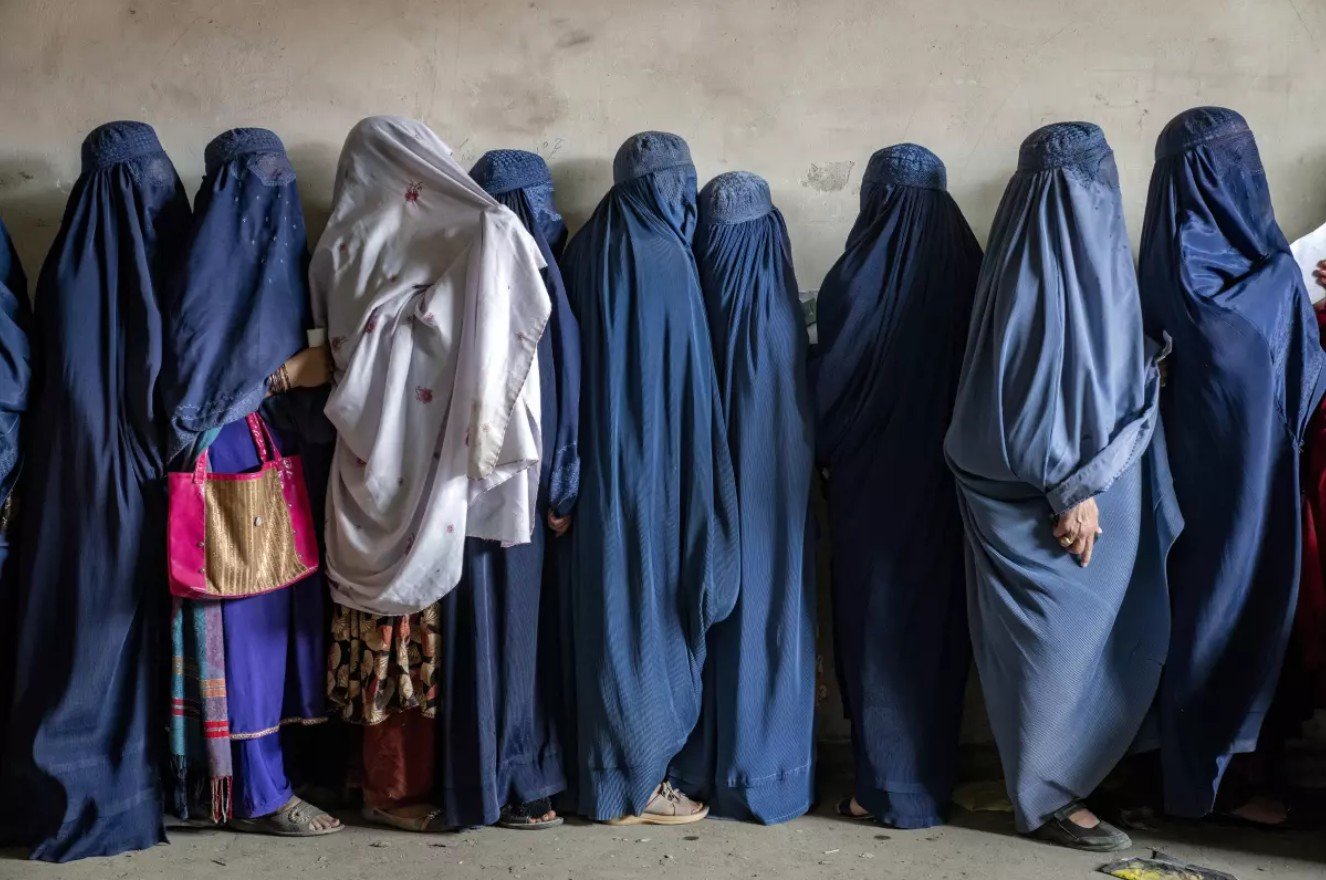
Understanding life in Afghanistan has been difficult since the Taliban came to power – for the second time – in August 2021. One of the few international journalists to have gained access to the country is BBC correspondent Yogita Limaye. Here she tells Alia’s story.

‘Was Partition a big mistake? I think so.’
Yavar Abbas lived the first part of his life in undivided British-ruled India and the second in Britain, maintaining close contacts with the land of his birth. Last year, at a celebration to mark the end of the Second World War in Asia, in which Yavar fought in Burma, he brought tears to the eyes of King Charles III and Queen Camilla by speaking publicly of the King’s battle with cancer. Yavar is nearing his 106th birthday, so Democracy Asia felt this centenarian deserved to express his personal view.
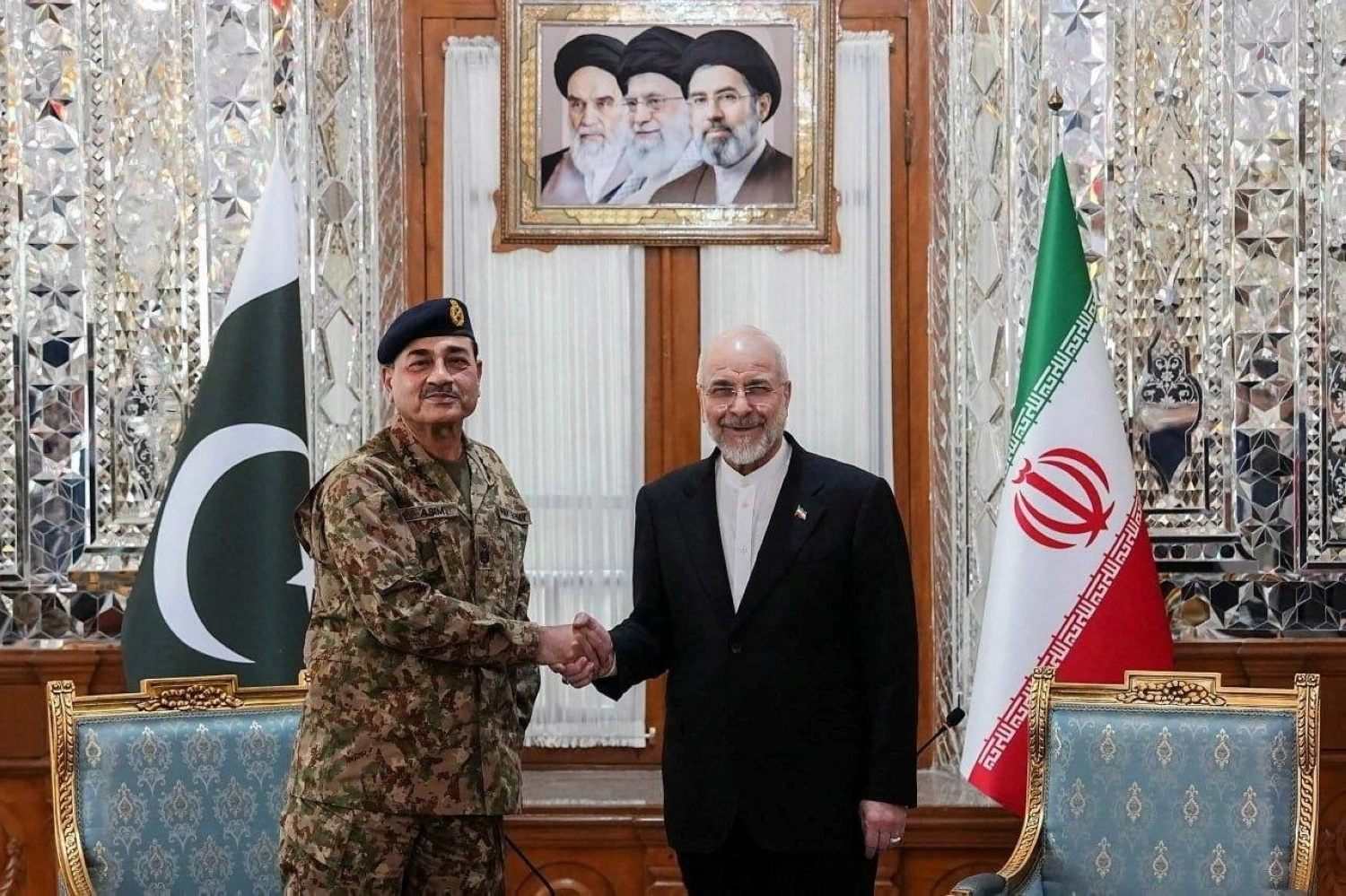
Today’s Pakistan: peacemaking abroad, insurgency at home
Pakistan’s army chief has been in the limelight as a peace broker on the international stage. But there are no talks or mediation for dissent at home, as Umber Khairi reports.
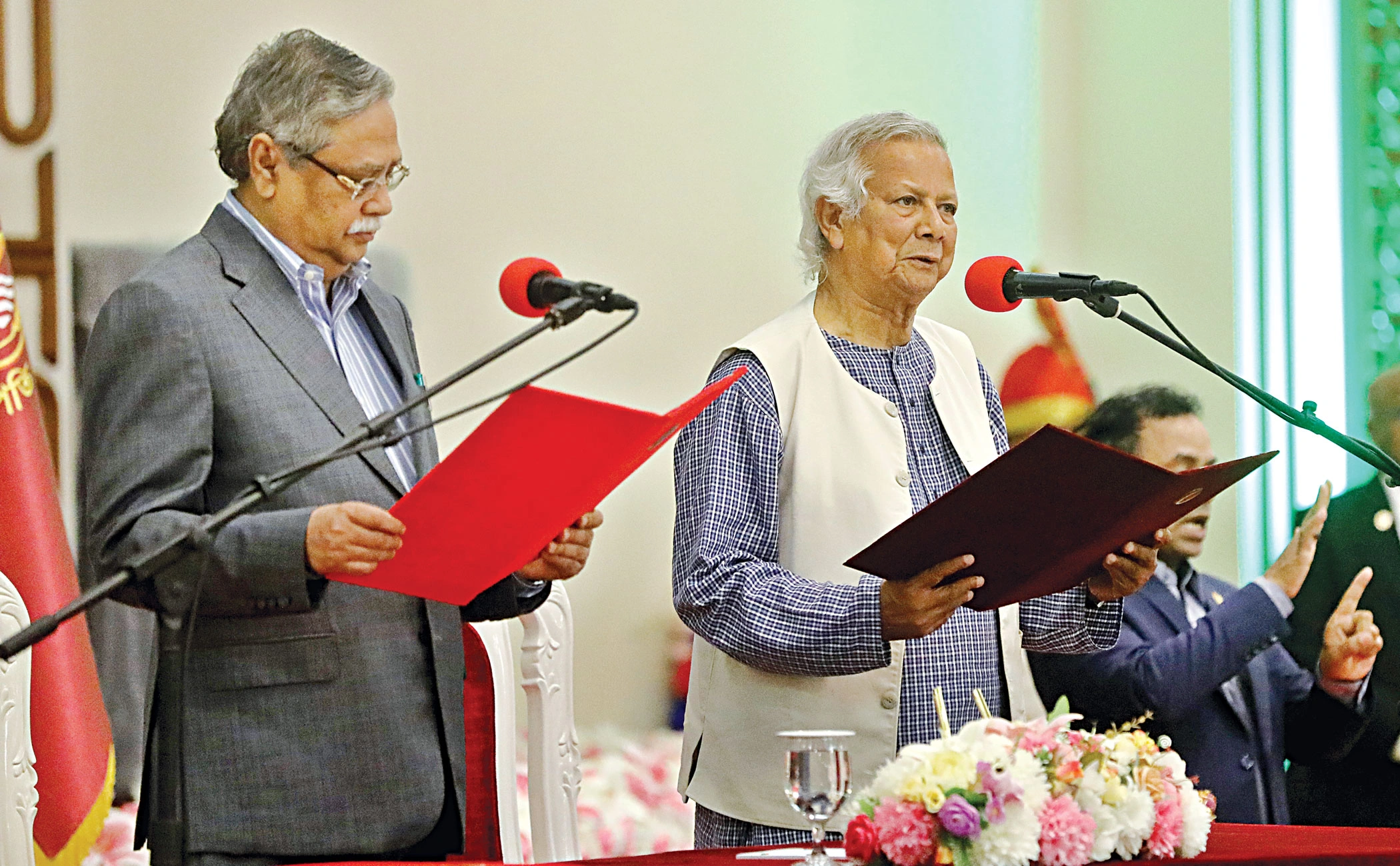
Two years on from Bangladesh’s August rebellion
In theory, last February’s national election has restored Bangladesh’s democracy after a period of authoritarian rule was ended by the July-August 2024 protest. In practice polling has restored the once powerful Bangladesh Nationalist Party, founded by former president Ziaur Rahman, and now led by Tarique Rahman. Long-time Bangladesh watcher Nicholas Nugent considers to what extent democracy has been restored.

India’s cockroach swarm: youth anger and democracy’s warning signal
In May an unexpected political emblem emerged in India’s increasingly restless democratic landscape: the cockroach. An insect commonly associated with filth, nuisance and extermination was transformed into a symbol of resistance after the Chief Justice of India likened unemployed young activists and online critics to ‘cockroaches’ and ‘parasites’. What might have passed as an insensitive remark sparked an extraordinary act of political reclamation. Within hours, the insult was transformed into a rallying cry. Madhavi Ravikumar reports.
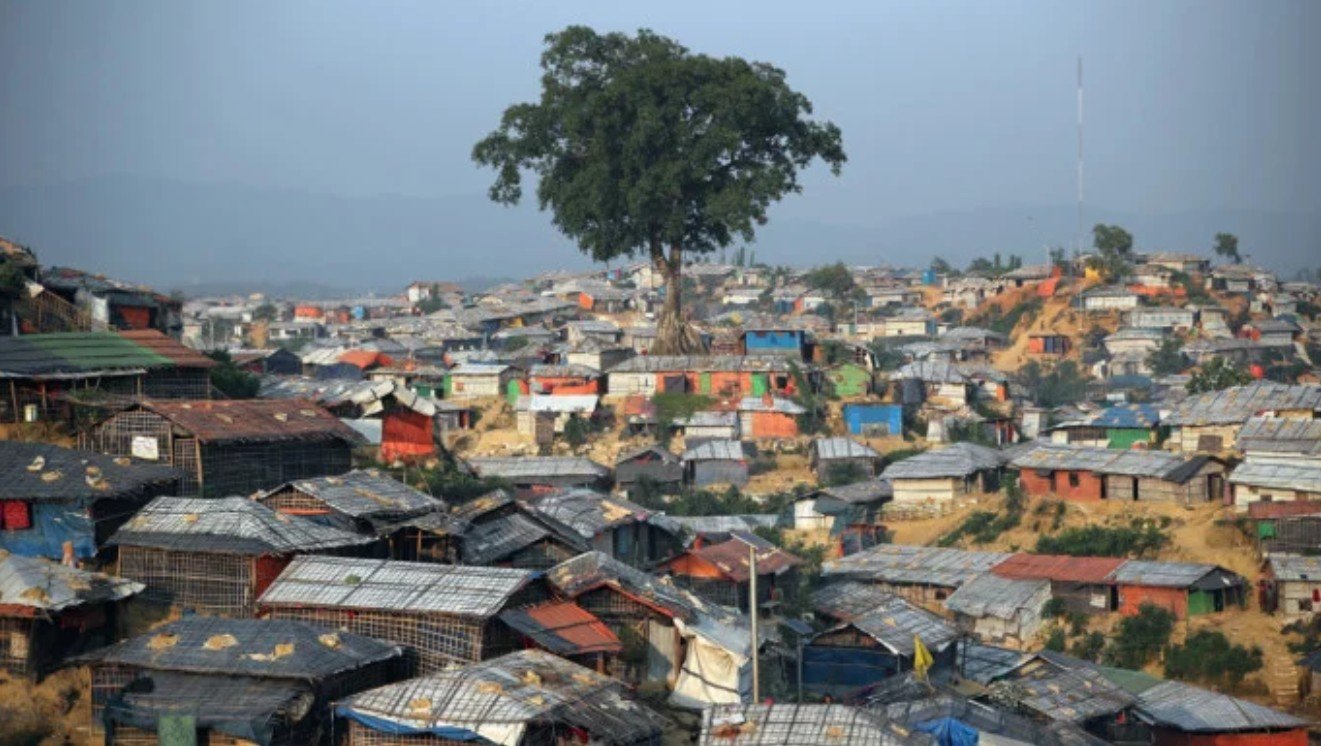
Bangladesh’s Rohingya community: a crisis without an exit
When Bangladesh’s new BNP-led government assumed office, Rohingya refugees once again found themselves listening closely to the language of power in Dhaka. The familiar words had returned: repatriation, shortage of funds, national security, and international cooperation. Sushmita S Preetha reports from Dhaka.
Most Viewed Articles
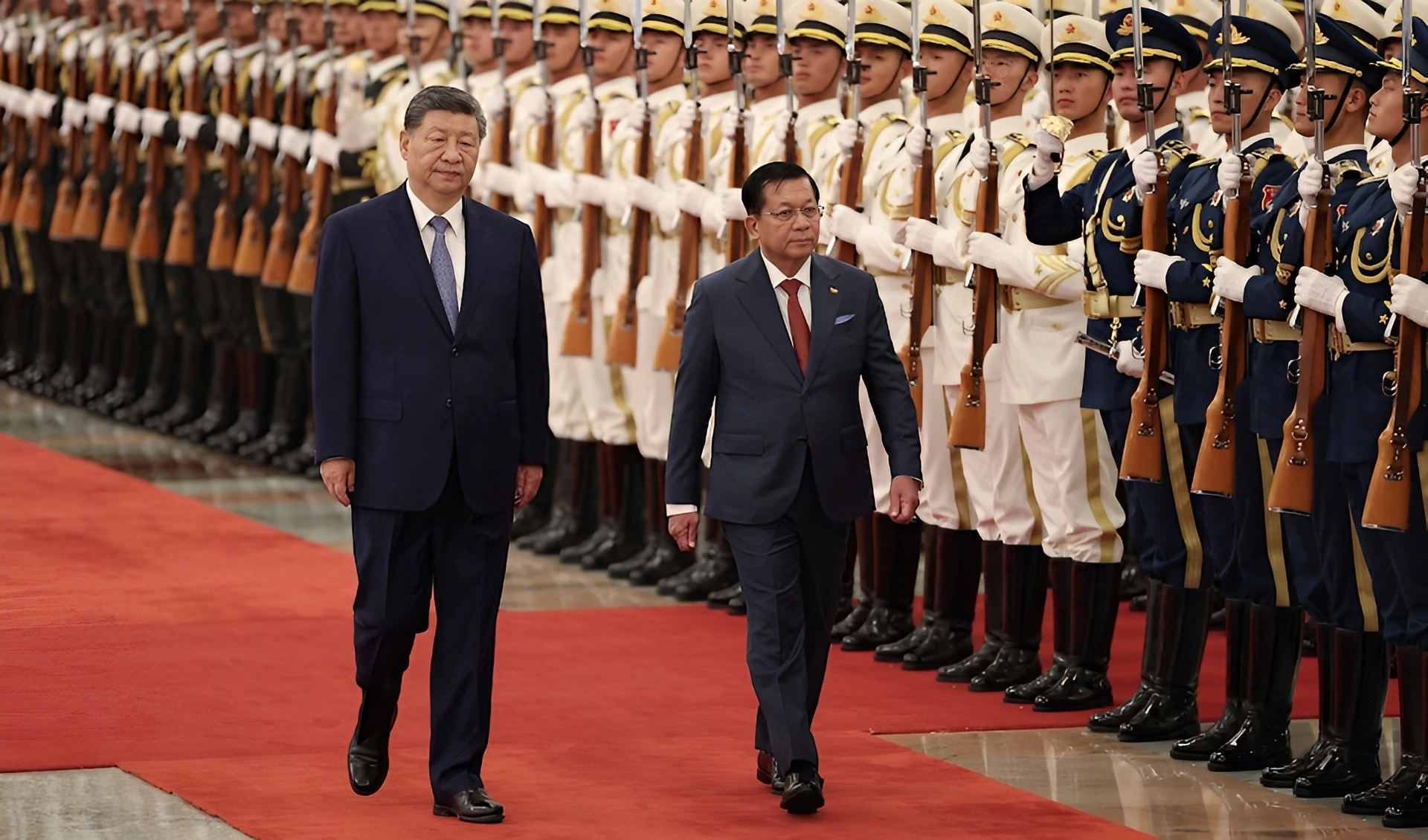
Myanmar: state of control
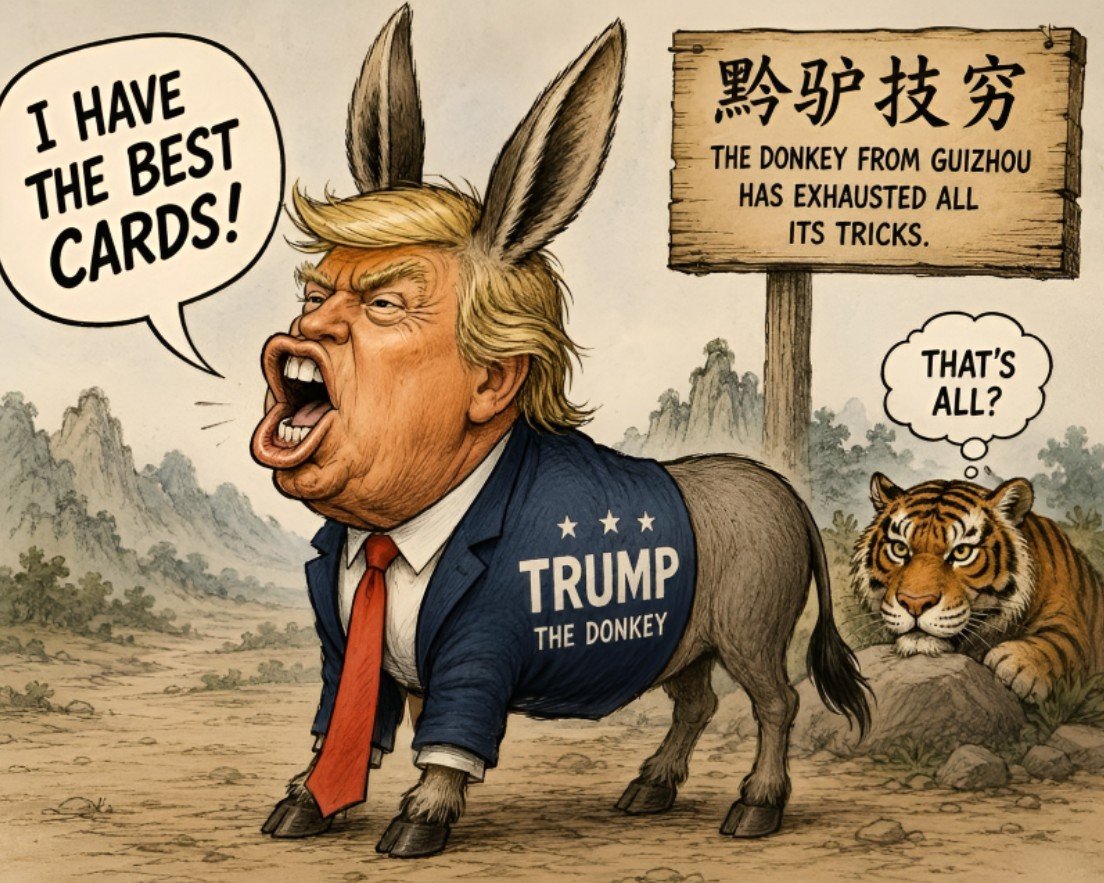
Trump, the nation builder