South Asian countries have been badly affected by the virtual closure of the Strait of Hormuz. Kavita Chowdhury reports on how fuel shortages are affecting people in India, Bangladesh and the Himalayan region.
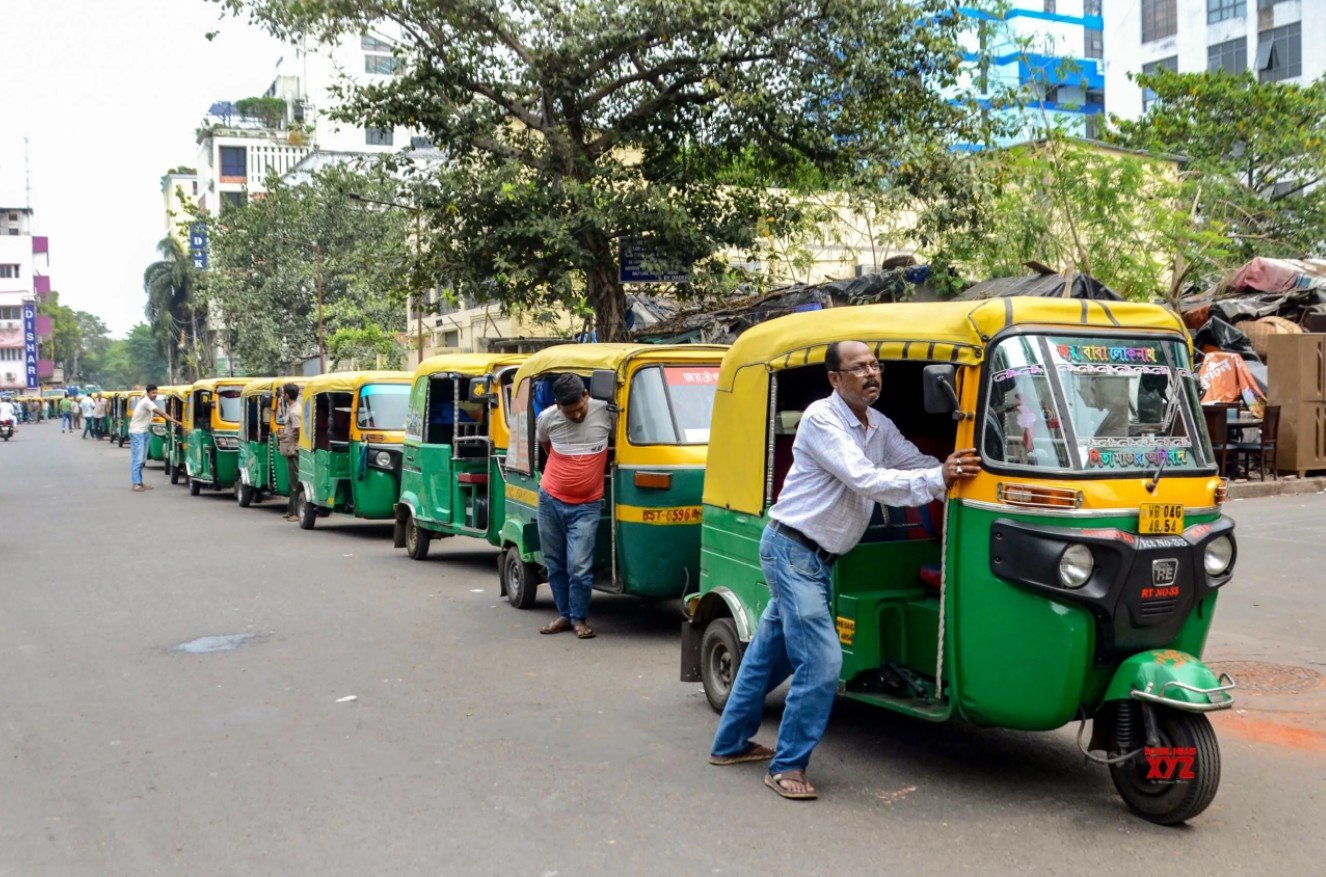
Auto-rickshaw drivers wait in long queues to refill LPG at a petrol pump in Kolkata as fuel shortages and rising energy prices linked to the Hormuz blockade disrupt daily transport services across South Asia. Photo: IANS
Auto-rickshaw driver Vishal Singh, while skilfully manoeuvring his three-wheeler through the congested lanes of Kolkata, informs his passengers of an imminent fare hike. ‘Two countries are fighting, and we are getting crushed,’ he says, referring to the war between Iran and the United States. The spike in compressed natural gas (CNG) prices has hit him hard, leaving him with shrinking daily earnings after fuel and rental costs. After spending most of his income on fuel and vehicle rent, very little is left to take home.
For many in South Asia, what was once distant geopolitics is now shaping everyday life. The ongoing war in West Asia has begun to directly affect the daily lives of ordinary people, not only in India but across its immediate neighbourhood. The language of global
conflict, once confined to television debates, has now entered everyday conversations in markets, buses and homes.
India depends heavily on imported energy. Nearly half its oil supply and a significant portion of its gas imports comes from the Gulf, making it especially vulnerable to disruptions. Any restriction in tanker movement or increase in freight and insurance costs is quickly reflected in domestic fuel prices.

Consumers queue outside an LPG distribution centre in India as supply disruptions and panic buying expose the region’s dependence on Gulf energy imports. Photo: Times of India
What has affected Indian households most is the disruption in the supply of cooking gas cylinders. Most Indian households rely on LPG for cooking, much of which is sourced from the Gulf. India is one of the world’s largest importers of LPG, making it particularly exposed to global supply shocks. The initial phase of the crisis saw long queues outside LPG distribution centres, panic buying and hoarding. In several cities, consumers reported delays in receiving refills, while smaller distributors struggled to meet demand. In response, the government prioritised household supply over commercial consumption, attempting to stabilise availability.
While domestic consumers continue to receive subsidised cylinders, the burden has shifted elsewhere. Commercial users – restaurants, food vendors and small businesses – have been forced to absorb the full impact of rising prices. The burden has been felt most sharply by small businesses. Take, for instance, a Kolkata biryani outlet. Its owner, Mohd Ahteram, admits that the cost of commercial LPG cylinders has become prohibitively expensive. ‘Commercial LPG is too expensive now,’ he says, adding that he has switched to coal to keep his business running. Unlike larger restaurants, small establishments cannot easily pass on higher costs to customers. ‘If we raise prices, customers will stop coming,’ he explains.

A restaurant in India temporarily switches to firewood for cooking after shortages and rising prices of cooking gas disrupted operations during the regional fuel crisis linked to the Hormuz blockade. Photo: Nirmal Harindran
Restaurants and small eateries across India have reduced menus, cutting fuel-intensive dishes, while others have shifted to alternative cooking methods such as tandoor ovens. Some have also reduced portion sizes or limited operating hours to manage costs. Even popular food delivery platforms are promoting ‘low-fuel’ or ready-to-eat options as cooking patterns change.
Rising fuel costs have had a cascading effect across the economy. Transport fares have increased, pushing up the cost of goods and essential commodities such as vegetables, milk and groceries. Wholesale traders report that higher freight charges have directly fed into retail prices. For households already grappling with inflation, this has significantly increased the cost of living.
The government response has been shaped by both economic and political considerations. Following the conclusion of state elections, the government announced austerity measures aimed at reducing fuel consumption. Citizens were urged to rely more on public transport, adopt remote working where possible and cut down on non-essential consumption. There were also appeals to reduce discretionary spending and conserve energy at the household level. Efforts to curb non-essential imports and conserve foreign exchange reserves highlight the scale of the challenge.
For ordinary citizens the crisis is about survival. Higher fuel costs have pushed up transport fares and the price of goods, creating a cascading effect across urban and rural economies. In several cities, there are reports of workers cutting back expenses or migrant workers returning to their home villages as living costs rise.
The ripple effects extend beyond India. In neighbouring Bangladesh, the crisis has had a similarly disruptive impact. Rising fuel prices have increased transport costs and affected daily life, particularly for small traders, street vendors and low-income households. In Dhaka, residents report fewer buses, shorter market hours and rising prices for basic goods. Public transport operators have reduced services as fuel costs rise, adding to commuter difficulties.

Commuters and traders in Dhaka face transport disruptions and reduced market activity as Bangladesh imposes energy-saving measures during the regional fuel crisis. Photo: Mehedi Hasan
Electricity shortages have added to the strain. The authorities have introduced rationing measures, including early closure of markets and restrictions on energy use. While such measures aim to manage limited supplies, they have also affected livelihoods and economic activity. Businesses that depend on evening trade have been particularly affected.
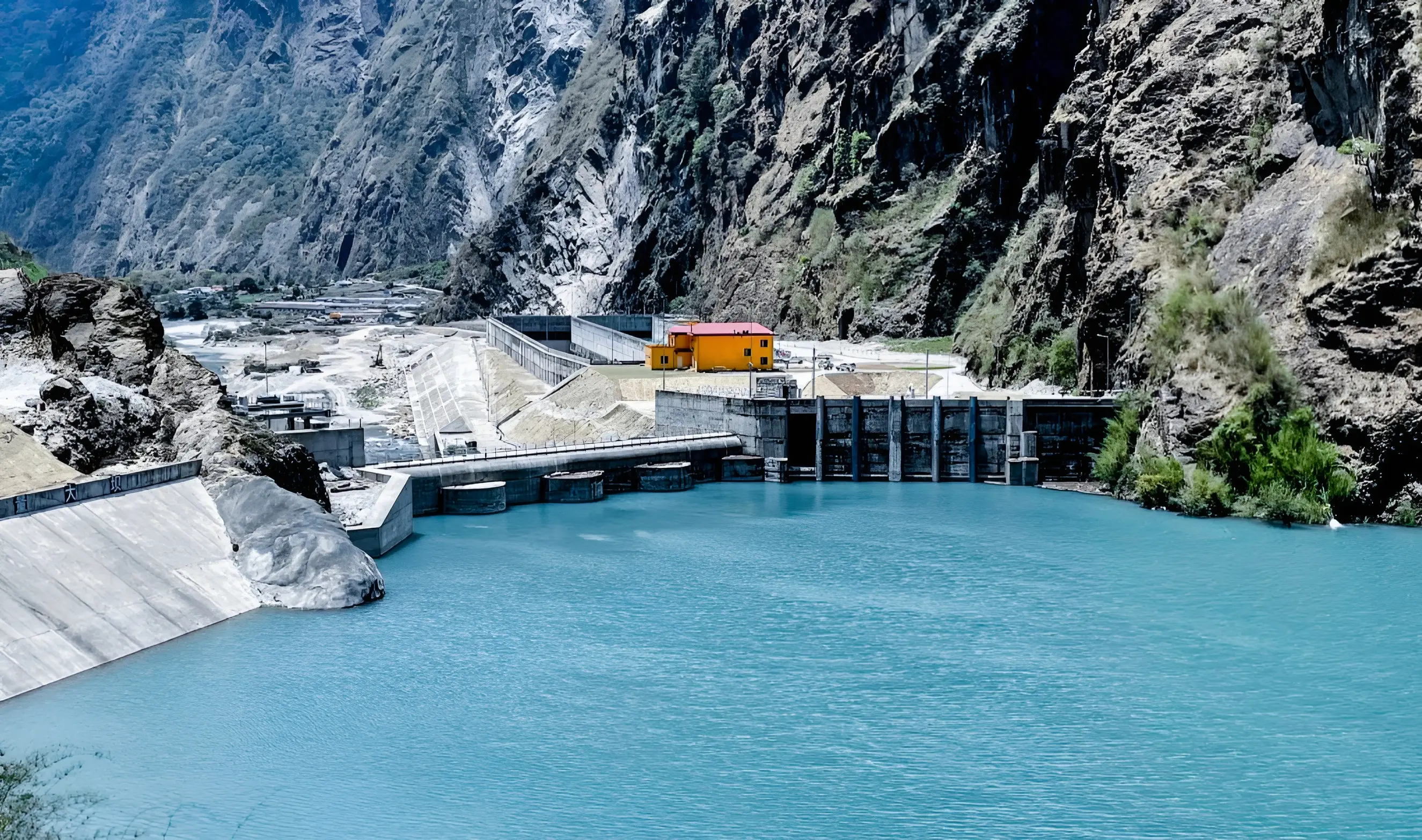
Nepal is heavily dependent on imported fuel, and rising prices have pushed up both transport and food costs. The government has introduced measures to reduce consumption, including shorter working weeks and reduced operating hours. While these steps help conserve fuel, they also slow economic activity. Construction and infrastructure projects have been affected by higher diesel costs. The impact is felt in everyday expenses. Higher transport costs have translated into increased prices for essential goods, placing additional strain on household budgets. The construction sector has also been affected, with rising diesel costs making projects more expensive and difficult to sustain. Small businesses and daily wage workers have been among the most affected.
Bhutan, too, relies almost entirely on imported fuel, making it particularly vulnerable to external shocks. Fuel prices have risen sharply, prompting the government to introduce energy-saving measures and encourage citizens to reduce non-essential travel. Public messaging has focused on conservation and reducing dependence on imported energy.
 Rising fuel prices in Nepal and Bhutan have increased transport costs and disrupted daily life across the Himalayan region. Photo: Reuters
Across South Asia, the pattern is strikingly similar. A distant conflict has triggered a chain reaction through energy markets, affecting transport, food prices and livelihoods. The crisis has highlighted the fragility of existing systems. South Asian economies remain deeply tied to global supply chains, and disruptions in one part of the world can quickly have far-reaching consequences. For millions of people, this has meant higher costs, reduced incomes and increased uncertainty.
There have also been shifts in behaviour. Governments and citizens alike are placing greater emphasis on energy conservation, the use of public transport and more efficient consumption patterns. In some cases, the crisis has accelerated a gradual shift towards alternative energy sources and more sustainable practices.
Yet these adjustments are unlikely to offset the immediate impact. The economic and social effects of the crisis continue to unfold, with the most vulnerable populations bearing the brunt of the disruption. For them, the war is not a distant geopolitical event but a daily struggle to manage rising costs and shrinking resources. The war has brought distant geopolitics into everyday life, raising costs and exposing the region’s dependence on fragile global energy routes. What began as a conflict thousands of kilometres away has become a defining economic challenge for millions, shaping how they travel, cook, work and live.