For much of the past two decades, South Asia’s energy security has been defined by distance, particularly its dependence on oil and gas imports from the Gulf. Recent volatility in the Middle East has added urgency to a quieter, longer-term trend: the push to trade electricity across the region’s own borders. Udisha Saklani reports.
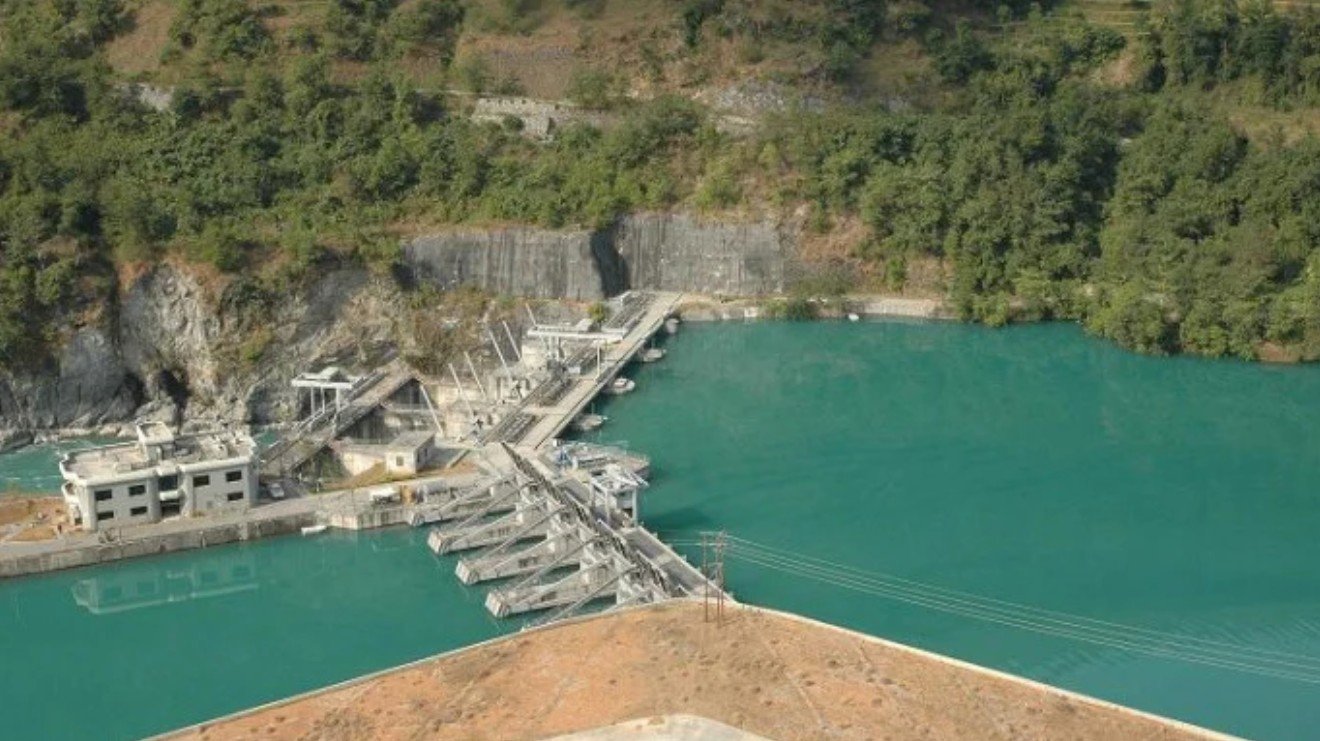
Arun-3 Hydropower Project in eastern Nepal illustrates how large-scale hydropower development is increasingly linked to regional electricity trade and cross-border energy cooperation. Photo: Collected
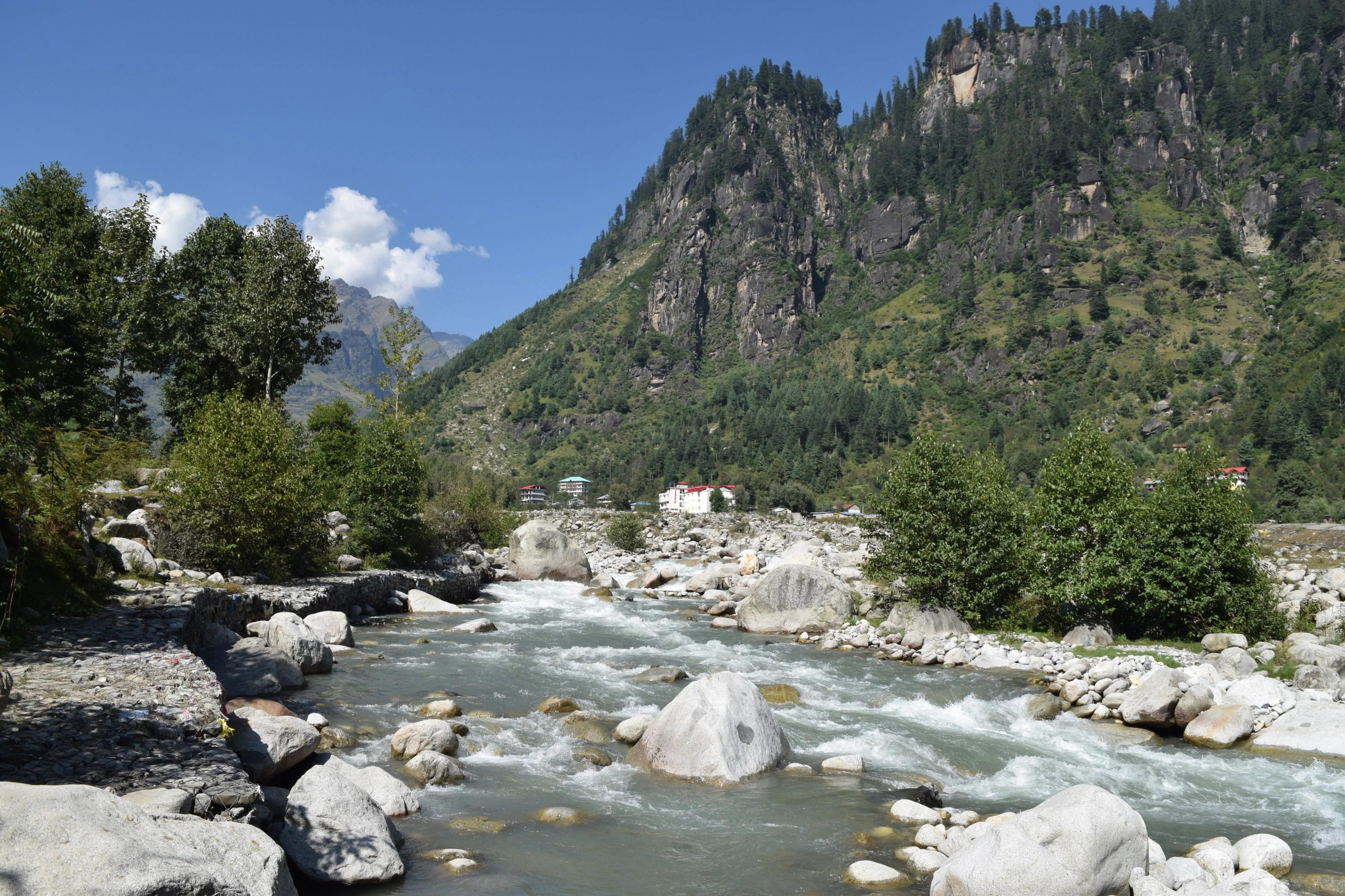
A t first glance, the case seems obvious. The region’s renewable resources are large and complementary, with tens of thousands of megawatts of untapped hydropower sitting in the Himalayan rivers of Nepal and Bhutan, alongside India’s rapidly expanding solar and wind capacity. Cross-border electricity trade has expanded, transmission lines have been built or upgraded, and new bilateral and even trilateral deals are emerging. Yet governance of electricity flows remains fragmented and highly sensitive to politics, producing an energy architecture that is interconnected without being integrated.
Hydropower and the promise of regional trade Nepal and Bhutan are central to this story. Nepal, which not long ago struggled with daily power cuts, now exports surplus hydropower to India through the wet season, and has recently begun sending small volumes of electricity onward to Bangladesh through India under a new tripartite arrangement. Bhutan’s case is more established: hydropower exports to India provide a steady revenue stream that few other small economies in the region can match.
For both countries, these exports are framed as a development strategy, turning an abundant resource into jobs, royalties and reduced dependence on aid. For importers such as Bangladesh,
cross-border trade can offer cheaper and cleaner electricity amid rising demand and constrained gas supplies.
 Cross-border transmission corridors are gradually linking South Asian electricity markets, connecting hydropower resources in the Himalayas with growing demand centres across the region.
The region’s seasonal rhythms also help. Himalayan hydropower peaks during the monsoon, just as solar output in parts of India dips with cloud cover. In principle, this complementarity could support a more flexible and efficient regional system.
A connected system without a common framework
Despite this complementarity, cross-border trade has developed through separate bilateral deals rather than a shared regional system. There is no single set of rules governing how power moves between countries. Instead, each arrangement is negotiated individually, and can change as regulations, politics or foreign policy priorities shift.
India sits at the centre of this system. Much cross-border power trade must pass through India’s transmission network and requires its regulatory approval. India is also the main buyer for power from Nepal and Bhutan. This gives India significant influence over project viability, pricing, and timing, while also creating uneven dependencies across the region.
 A clear example came in 2018, when India introduced rules that restricted imports from power projects with Chinese ownership or control. Nepal was most directly affected as it had been working with Chinese companies to build new hydropower plants, partly to avoid relying on India as its sole buyer. One such project, the 750 MW West Seti scheme, was being developed by the Chinese company Three Gorges. After Three Gorges withdrew, the project was later reassigned to an Indian state-owned company, and it became widely understood that India would not buy power from a Chinese-built plant. The episode highlights how a single regulatory shift in India can determine which projects are built and by whom.
Even so, this is not simply a case of one country always holding the upper hand. The balance shifts from project to project. Cooperation has allowed some large schemes to proceed; in other cases, political or regulatory changes have slowed them down or redirected them. What is emerging is less a fixed hierarchy than a constantly shifting set of dependencies.
Development, geopolitics, and the logic of infrastructure
Cross-border trade in South Asia sits at the intersection of development and geopolitics. For smaller countries such as Nepal and Bhutan, exporting hydropower is a way to earn revenue and plan their economies over the long term. For India, building energy links with its neighbours serves that purpose too, but it is also tied to broader strategic goals, such as maintaining regional stability and limiting the influence of outside powers in the region.
These priorities do not always align, but neither are they always in conflict. Nepal’s Arun-3 hydropower project illustrates both sides of this. It was shelved in the 1990s because of financial and political uncertainty, then revived years later once financing was restructured and India became involved. No single factor explains its trajectory; it reflected a combination of commercial viability, the terms of financing, and shifting regional geopolitics. Similar tension between long-term development goals and shorter-term political and financial pressures recurs in other large projects across the region.
Underlying all of this is a basic mismatch: infrastructure operates on a much longer timeline than politics. Hydropower projects, transmission lines, and the investments behind them are planned over decades and built to last even longer. Political priorities, by contrast, can shift in a fraction of that time. This mismatch creates real uncertainty for cross-border projects. Large hydropower schemes depend on long-term contracts to buy and sell power, but those contracts exist within diplomatic and regulatory relationships that can change. Infrastructure that requires years of steady cooperation to build can therefore be disrupted by a change of government, a new policy, or a shift in regional relations.
Where does this leave regional cooperation?
None of this suggests that cross-border trade will stall. The economics remain sound, and governments have a strong stake in sustaining it. But how the next phase is governed will matter as much as how far it expands.
 Electricity generated by Bhutan’s hydropower sector is transmitted to India through a growing cross-border grid, highlighting both the opportunities and dependencies shaping South Asia’s energy future.
So far, the regional cooperation frameworks have focused mainly on technical issues, such as grid standards, pricing rules, and dispute mechanisms, leaving a large question untouched: who gets access to the market, and on what terms. That gap will not close on its own, and treating it as secondary only defers tensions into future negotiations. Clearer rules and more independent dispute resolution would not remove politics, but would offer a steadier basis for planning than the current cycle of approvals, exclusions, and reversals.
 India’s rapid expansion of solar and wind capacity is reshaping the region’s energy landscape, with implications for future demand for imported hydropower. Photo: EPC World
The ground is shifting, too. India continues to expand its solar and wind capacity, but it is also leaning more heavily on coal to meet near-term demand, leaving the longer-term energy mix unsettled. This makes it harder for Nepal and Bhutan to assume India will remain a steady, predictable buyer of their hydropower, though the outcome is far from settled.
The real test ahead is not how many dams or transmission lines are built, but whether the connections they create can be developed into lasting institutions, rather than a patchwork of arrangements renegotiated each time the political ground shifts.