The 2026 World Cup has ended and Spain was triumphant. The final took place on 19 July, but for Asia it was over three weeks earlier when Japan lost to Brazil. Fans in China felt encouraged that their underachieving team, which dreams of adding to its 2002 sole appearance, was not that far behind regional rivals. There wasn't much happiness elsewhere on the continent in what has been a sobering summer. John Duerden considers why Asian teams did not perform better.
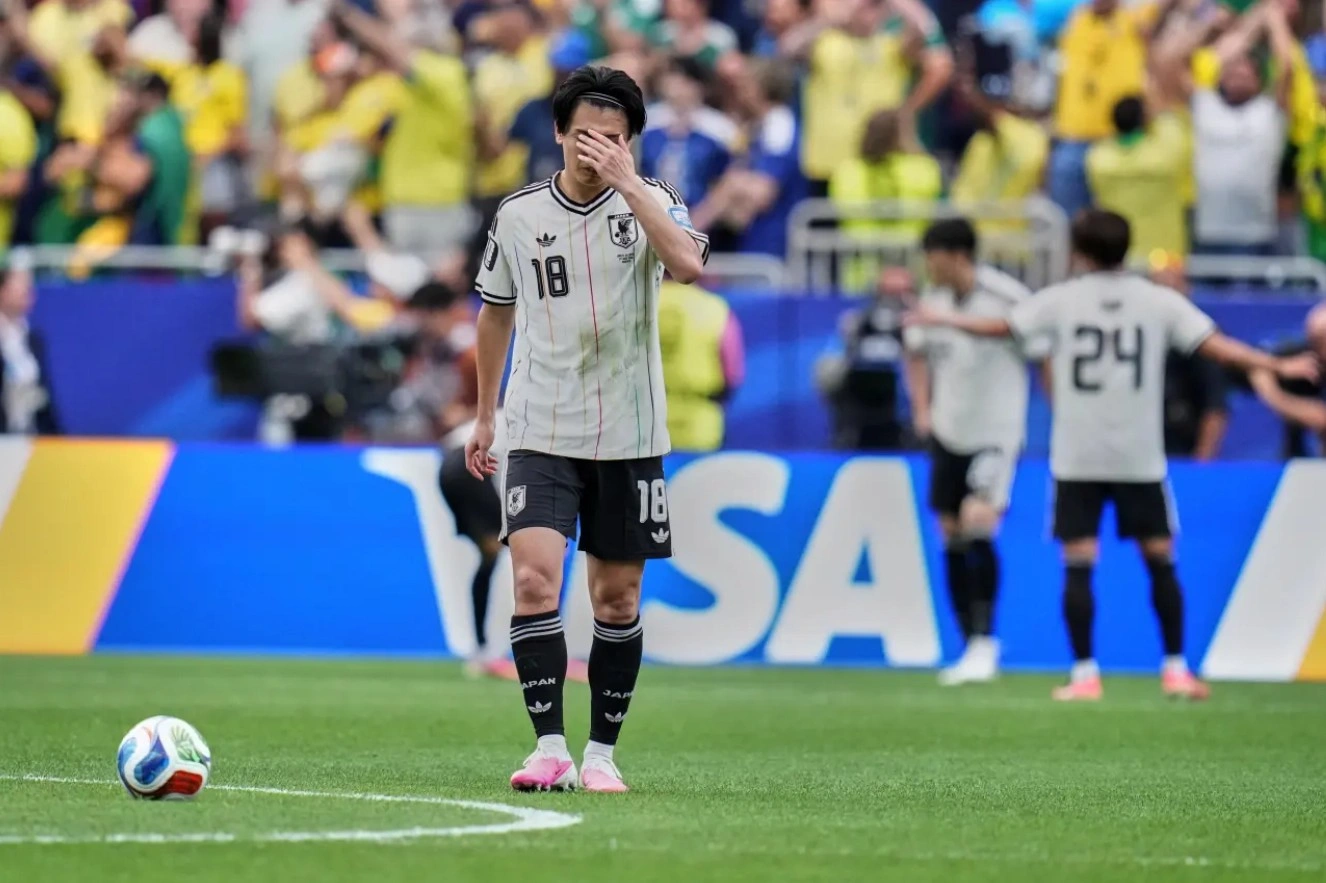
Japan’s Ayase Ueda reacts after Brazil scored during the Round of 32 at the 2026 FIFA World Cup. Japan’s exit marked the end of Asia’s strongest challenge in the tournament. Photo: Karen Warren/AP
India and China actually made World Cup headlines but not for their footballing prowess. Rather for leaving it to the last minute to agree deals with FIFA to broadcast the games. How much they paid was not revealed but is thought to be considerably less than the hundreds of millions that the Swiss-based organisation wanted. Such business success is not, however, replicated on the pitch. China came closer to qualification than India, and the poor performance of most of the continent’s hopefuls was seen in some ways, as a positive sign that Zhongguo or ‘the Middle Kingdom’ is not that far away from qualifying.
India has much further to go – and unlike China would be unlikely to qualify in 2030, even were FIFA to expand the tournament again to include 64 teams, as is being discussed. However, there were many reports of the passionate support that Indians showed for the established football powers such as the semi-finalists Argentina, France, England and Spain. Something similar happened in Pakistan and Bangladesh, leaving football observers in South Asia to remark that if this quadrennial interest was around all the time then the cricket-loving region could actually have teams of its own to support at the World Cup.
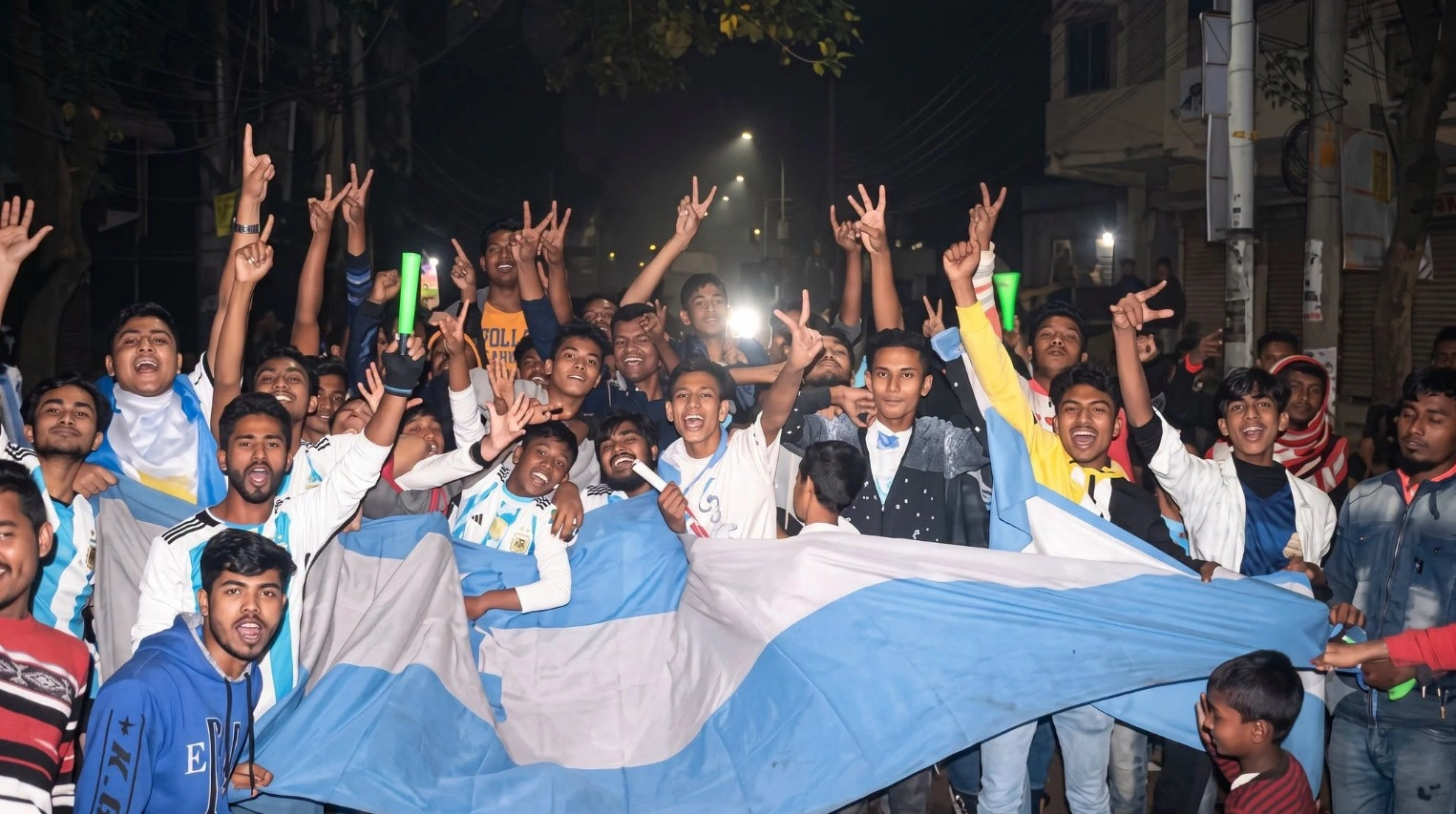 Football fans across South Asia enthusiastically followed the World Cup, even as India, Pakistan and Bangladesh remained absent from the tournament. Photo: Collected
This time round nine nations regarded by FIFA as coming from Asia started in the newly expanded 48-team competition which was co-hosted by the United States, Canada and Mexico. Only Japan made it out of the group stage into the final 32 – as well as Australia, which belongs to the Asian Football Confederation so for football purposes competes as an Asian nation.
As expected, Japan was the best and while the country’s long-term vision and patient execution continue to be the model for the rest to follow, there is a sense of missed opportunity. The Samurai Blue made it out of the group stage for the fifth time but have still to win a knockout match. Facing five-time champions Brazil in the Round of 32 was unfortunate. Japan narrowly lost but there were feelings back home that the team – missing four of its biggest stars through injury – was not aggressive enough against the South Americans and could actually have won with a bit more belief.
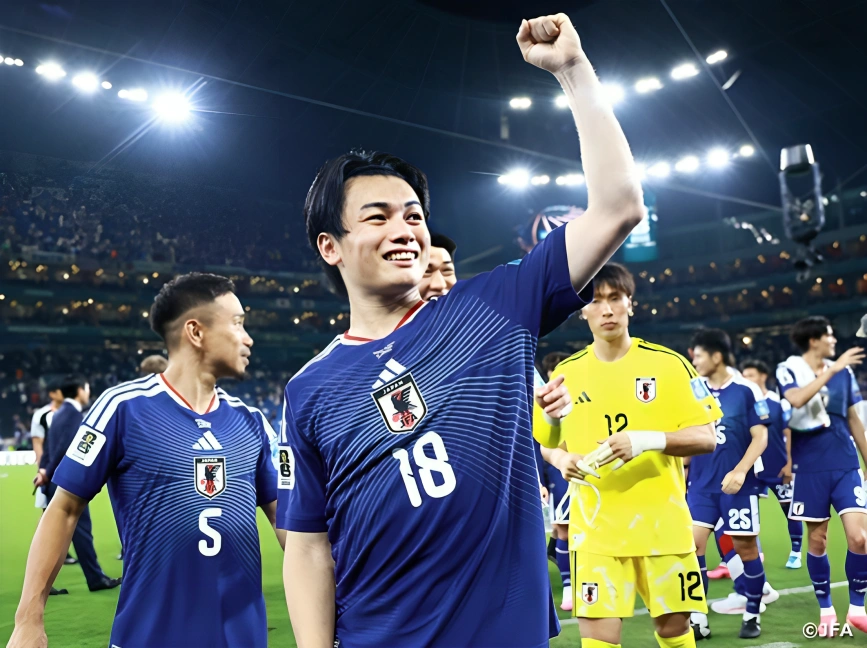 Japan's 'Samurai Blue' once again reached the knockout stage but remain in search of their first World Cup victory beyond the group phase. Photo: JFA
The debate in South Korea is very different. The ‘Taeguk Warriors’, as the national team are known, won their first game against the Czech Republic but then lost to Mexico and South Africa. Their dismal performances intensified the pre-tournament disquiet. The pre-tournament disquiet about how the Korea FA (which is supported by several companies including Hyundai) hired coach Hong Myung-bo.
President Lee Jae-myung made his feelings clear in a remarkable and unprecedented statement. ‘Once again, it has been proven that personnel decisions are everything,’ Lee said. ‘When “us versus them” is prioritised over competence, and an incompetent person is selected as a leader, the outcome is as clear as day.’ Many Koreans have felt the same about cronyism for years. Korea FA boss Chung Mong-gyu and coach Hong have resigned but more heads may roll as the ministry of sports and the police carry out their separate investigations into the FA.
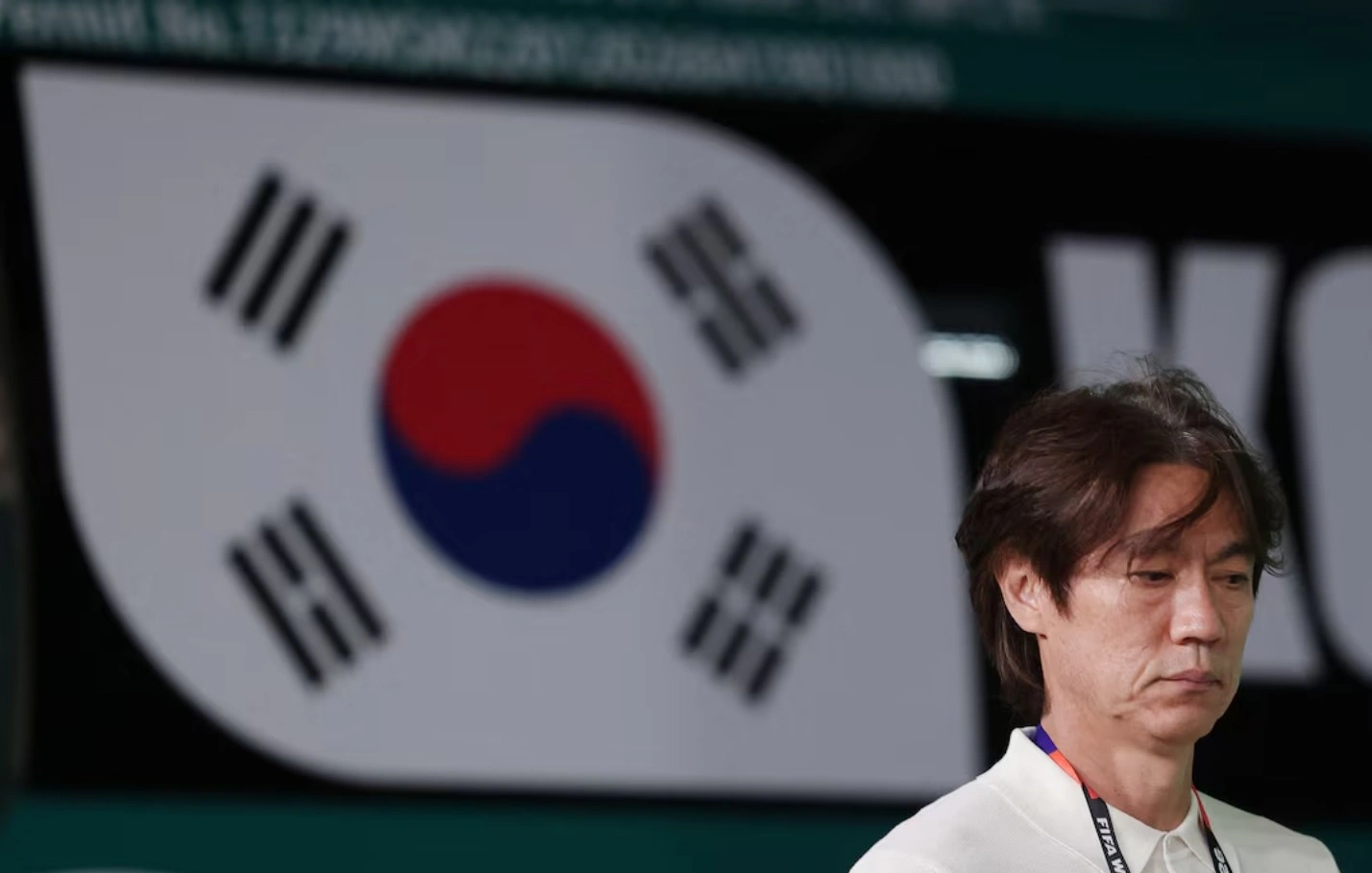 South Korea's disappointing World Cup campaign intensified scrutiny of the Korea Football Association and head coach Hong Myung-bo. Photo: Reuters
A more positive factor for Korea was the reception their footballers received in Mexico. K-Pop is such a hit that Mexican president Claudia Sheinbaum asked President Lee for boyband BTS to extend its stay in the country. Another Korean singer, EJAE, took part in the official opening ceremony in Mexico City while Blackpink’s Lisa was involved in the same in the United States. Korean cultural exports are in a healthier state than the national football team and made more of an impact on the tournament.
This World Cup demonstrated that the route to success is not just about exporting local players to the best leagues like England, Spain and Germany, as Japan has done. It is about using Europe as a development pathway for young talent. More than a quarter of players at the tournament were born in another country, a trend that looks set to continue in Asia. Indonesia, for example, have embraced their Dutch connections, at times fielding teams with as many as eight Netherlands-born players. It is a tempting shortcut to success, though there can be risks, as seen in 2025, when FIFA ruled that documents provided by Malaysia's FA – purporting to show that the grandparents of seven players were born in the Southeast Asian nation – had been forged.
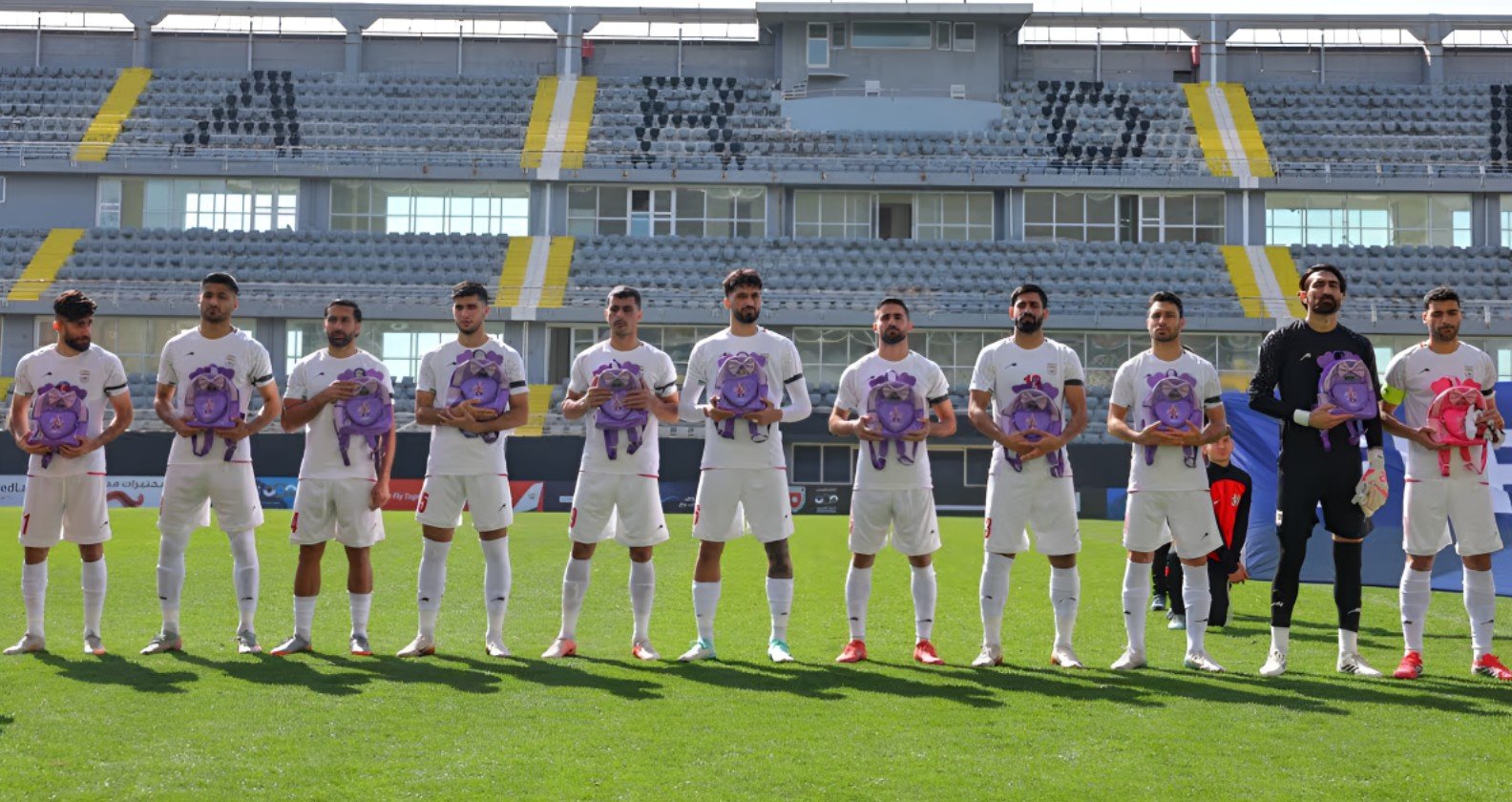
Of the nine teams in the Asian category, Iran was the unluckiest, missing out on the knockout stages by the narrowest of margins. Had Team Melli enjoyed the same treatment as the other 47, they would surely have made it out of the group stage for the first time. The domestic league had been cancelled from February due to the US-Israeli attacks, leaving many players without football for months. And there was constant uncertainty over visas into the United States. Their training camp was switched from Arizona to the Mexican border city of Tijuana, where the team had to return after every game. There were signs of frustration and captain Mehdi Taremi left one press conference remarking that there had been no questions about football.
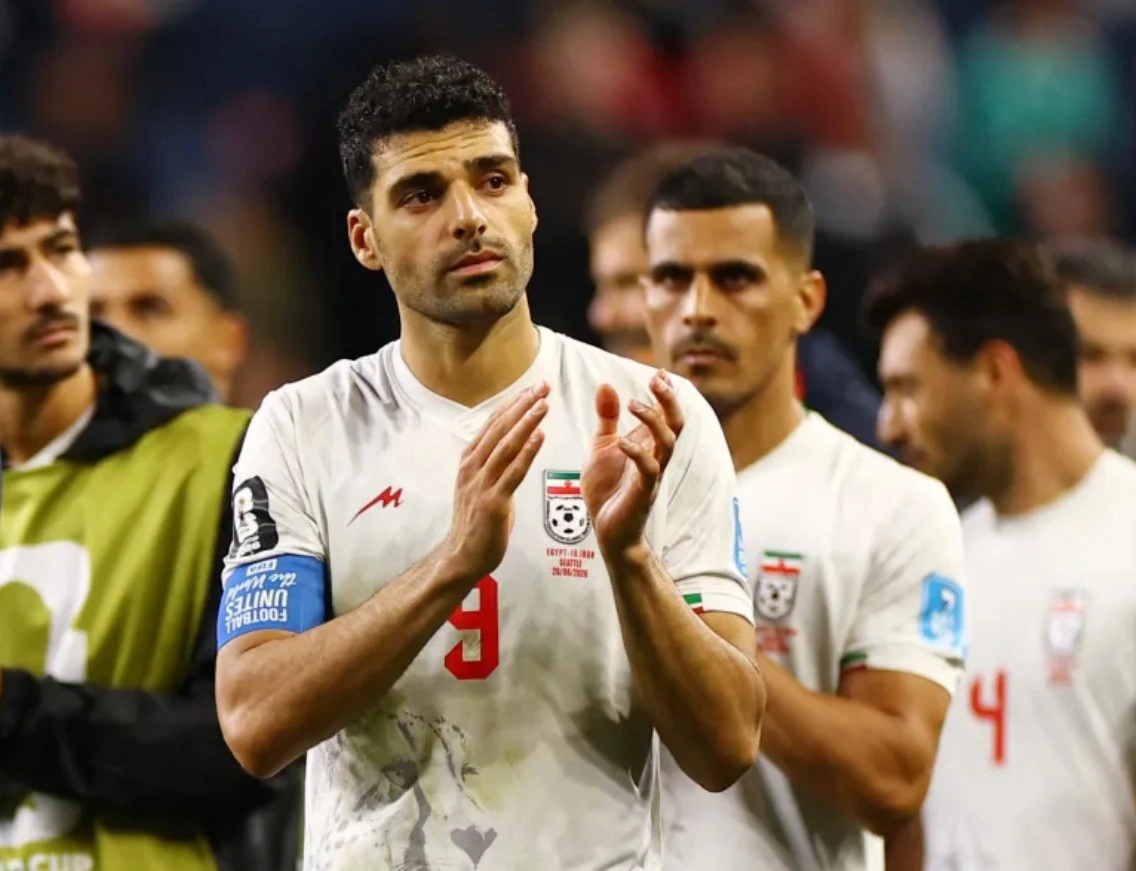 Iran's World Cup preparations were disrupted by regional conflict and travel restrictions, overshadowing the team's performances on the pitch. Photo: Reuters
Uzbekistan came out with zero points. However, due to government investment and long-term planning, the White Wolves are expected to be back. That is also the feeling in Kazakhstan, which left the Asian Football Confederation in 2002 to join its European equivalent, UEFA. Watching their Central Asian neighbour go to the World Cup has started a debate about whether moving was the right choice as Kazakhstan are unlikely to qualify for the World Cup through Europe anytime soon.
Asia offers an easier path, though the events of the summer show that this could actually be a problem. Raising standards at all levels would help the top teams challenge. It may take some time.