As former Philippine president Rodrigo Duterte goes on trial on 30 November for alleged crimes against humanity, the country continues to struggle with the deep remnants of the former leader’s violent anti-drug campaign. Diana Gomez Mendoza reports from Manila.
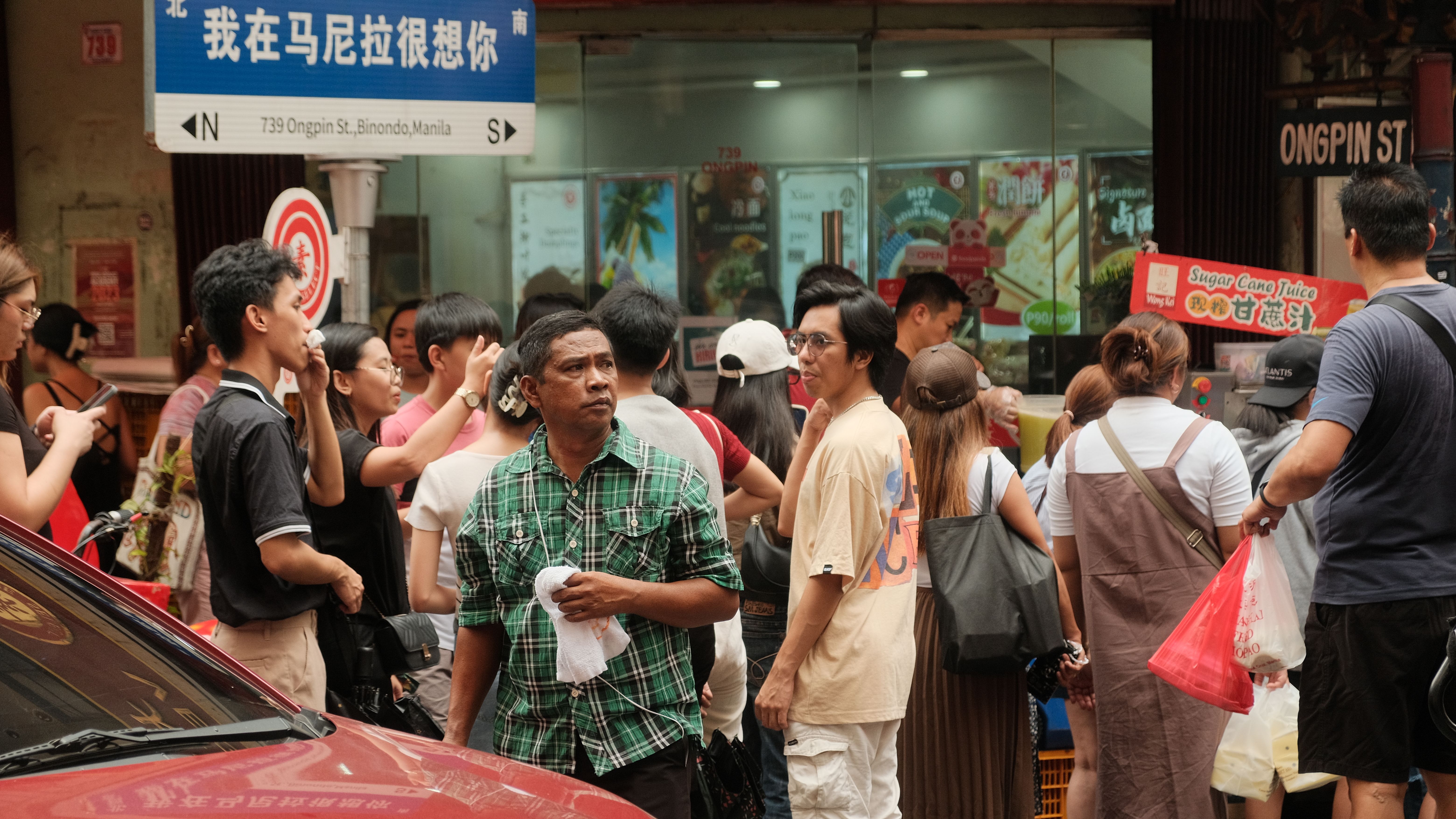
The Philippines continues to confront the social and public-health consequences of its former war on drugs as the country shifts towards more compassionate approaches to treatment and recovery. Photo: Zachary Angeles
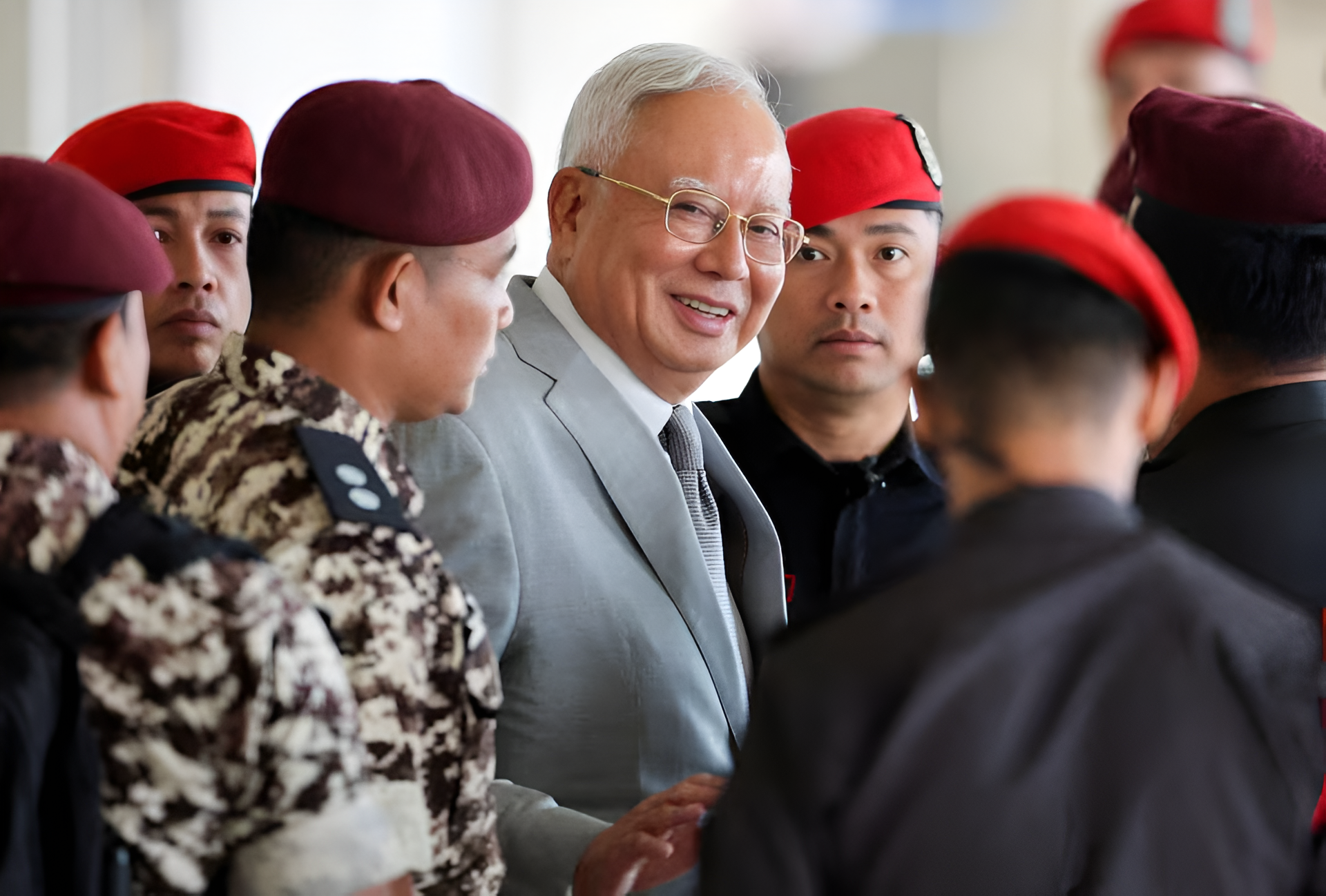
Arrested in March 2025, Duterte will face trial before the International Criminal Court’s Trial Chamber III in The Hague on three counts of crimes against humanity. These involved killings allegedly committed between 2011 and 2019, when he was mayor of Davao City and subsequently during his presidency.
‘Filipinos lost family members and loved ones as thousands were killed during the war on drugs in the Philippines, and people who use drugs were driven by fear due to stigma and punishment,’ said Dr Ivanhoe Escartin, formerly of the Department of Health (DOH), who oversaw the agency’s Dangerous Drugs Abuse Prevention and Treatment Program. Escartin, a psychiatrist who now teaches medical students at the National Center for Mental Health, said there is now ‘a more compassionate and less punitive approach’ under President Ferdinand Marcos Jr. ‘This time, there is a process that hopefully will improve,’ he said.
The psychiatrist was instrumental in setting up drug abuse treatment and rehabilitation centres around the country – there are now 23. These centres are specialised, accredited health facilities operated and regulated by the Department of Health to provide holistic medical, psychological, and social interventions for persons who use drugs.
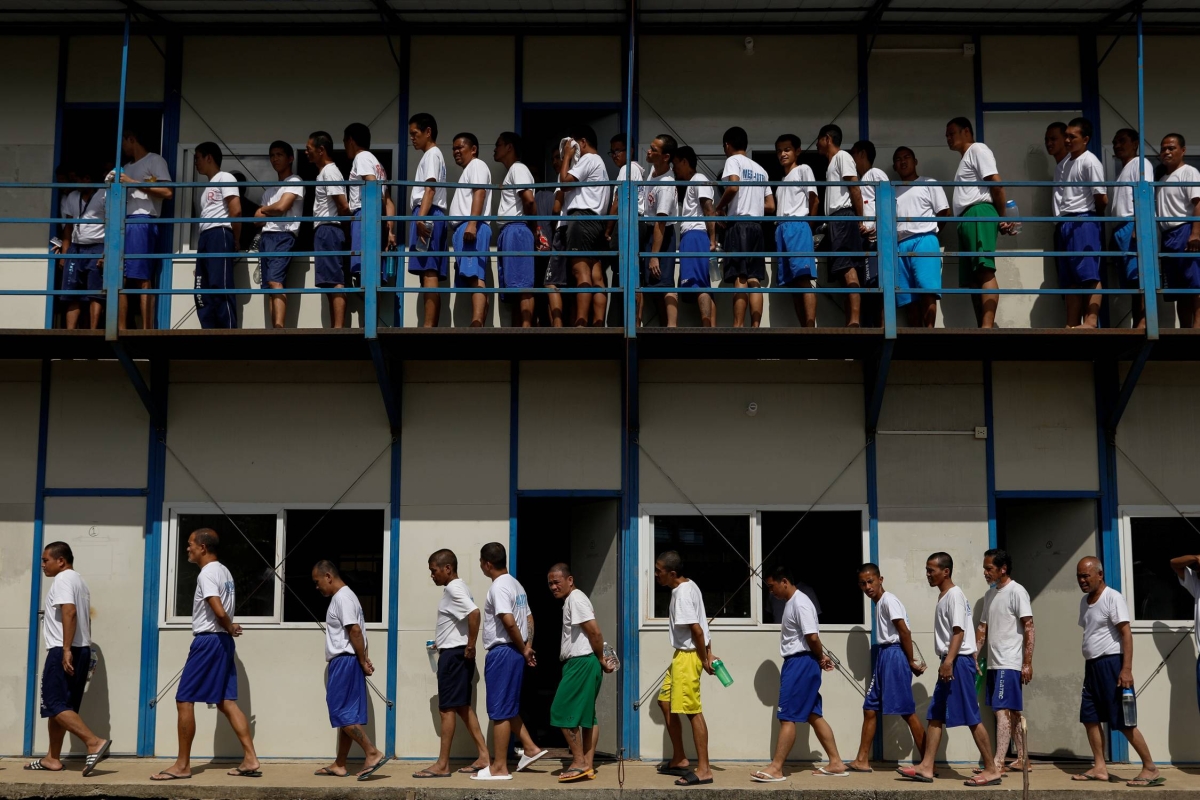 Drug rehabilitation centres in the Philippines provide medical,
psychological and social support for people seeking treatment for
substance use. Photo: Reuters
Escartin said, ‘We cannot have a war on drugs because no society has ever gotten rid of drugs,’ He continues to work on initiatives for drug demand reduction and advocates for early intervention for persons who use drugs.
Against this backdrop, arrests, drug buy-bust operations and confiscations continue. A regional trial court in Benguet province north of Manila sentenced two men to life in prison for selling 20 kilos of dried marijuana leaves valued at more than two million pesos (roughly US$32,500).
Marijuana remains the most used substance, especially in the provinces, but methamphetamine hydrochloride, locally known as ‘shabu’, is the leading illicit drug of abuse and is currently increasing in prevalence in Metro Manila and many other urban centres, according to the Dangerous Drugs Board (DDB) in its 2023 National Household Survey on the Patterns and Trends of Drug Abuse.
The DDB said ‘shabu’ is rapidly becoming the main highlight of law enforcement activities. In September 2026 alone, the Philippine Drug Enforcement Agency and the Philippine National Police carried out six anti-drug operations that resulted in the arrest of more than 300 suspects and the confiscation of hundreds of millions of pesos worth of ‘shabu’. While the DDB said the number of persons who use drugs has declined from approximately 1.67 million in 2019 down to 1.47 million in 2023, or 196,000 fewer individuals, ‘shabu’ accounts for over 95 per cent of drug-related treatment admissions in health facilities.
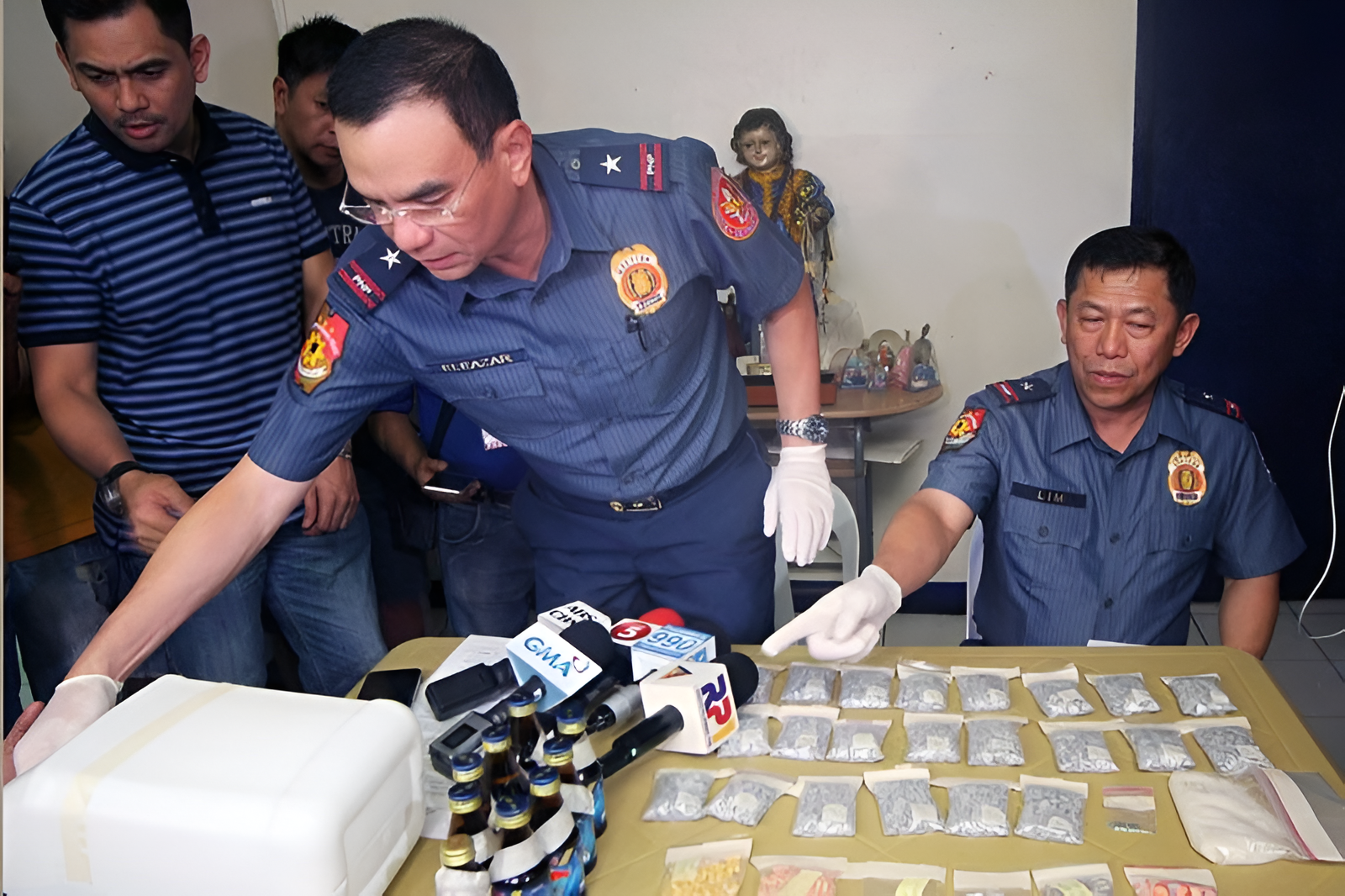 Methamphetamine, locally known as ‘shabu’, remains a major focus of
drug enforcement and treatment efforts in the Philippines. Photo: Joven
Cagande
The agency said the use of heroin, while also classified as a dangerous drug, is rare in the country, although possession of even five grams carries penalties of heavy fines and life imprisonment under the law, the Comprehensive Dangerous Drugs Act. Dr Joselito Pascual, an addiction specialist at the Philippine General Hospital, said ‘shabu’ continues to represent one of the country’s most formidable illicit drug challenges. ‘Its clinical consequences are familiar to our emergency departments and hospitals: severe intoxication, cardiovascular complications, agitation, seizures, and stimulant-induced psychosis,’ he said. ‘More than a decade ago, international reports described the Philippines as having one of the highest rates of methamphetamine use in East Asia. The illicit drug economy was estimated to be worth billions of dollars annually,’ he said.
In September, Pascual and his fellow specialists founded the Philippine Academy of Addiction and Recovery Medicine, where he is president, to provide evidence-based studies and treatment as the substance abuse landscape continues to change in the Philippines. The University of the Philippines has also opened a Drugs of Abuse Research Laboratory to supply health and law-enforcement agencies with testing data.
The United Nations Office on Drugs and Crime’s 2023 report on synthetic drugs in East and Southeast Asia noted that the Philippines, Malaysia and Indonesia, have for years been key transit countries for methamphetamine trafficking and large-scale production. The report said methamphetamine is the main substance used by those admitted for treatment, even as poly-drug use in the Philippines has been of concern for years, with drug authorities noting that persons use methamphetamine in combination with MDMA, various benzodiazepines and pharmaceutical drugs, and other substances.
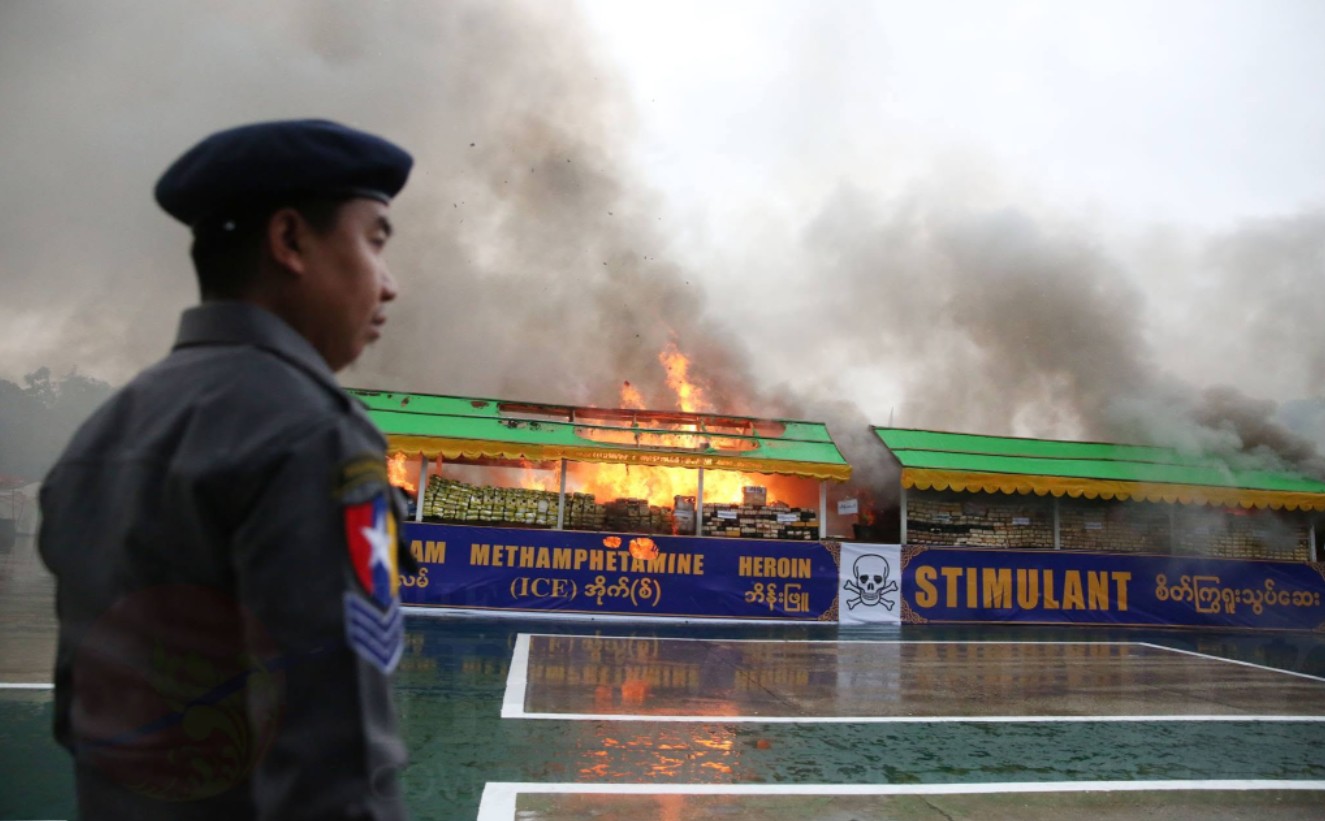
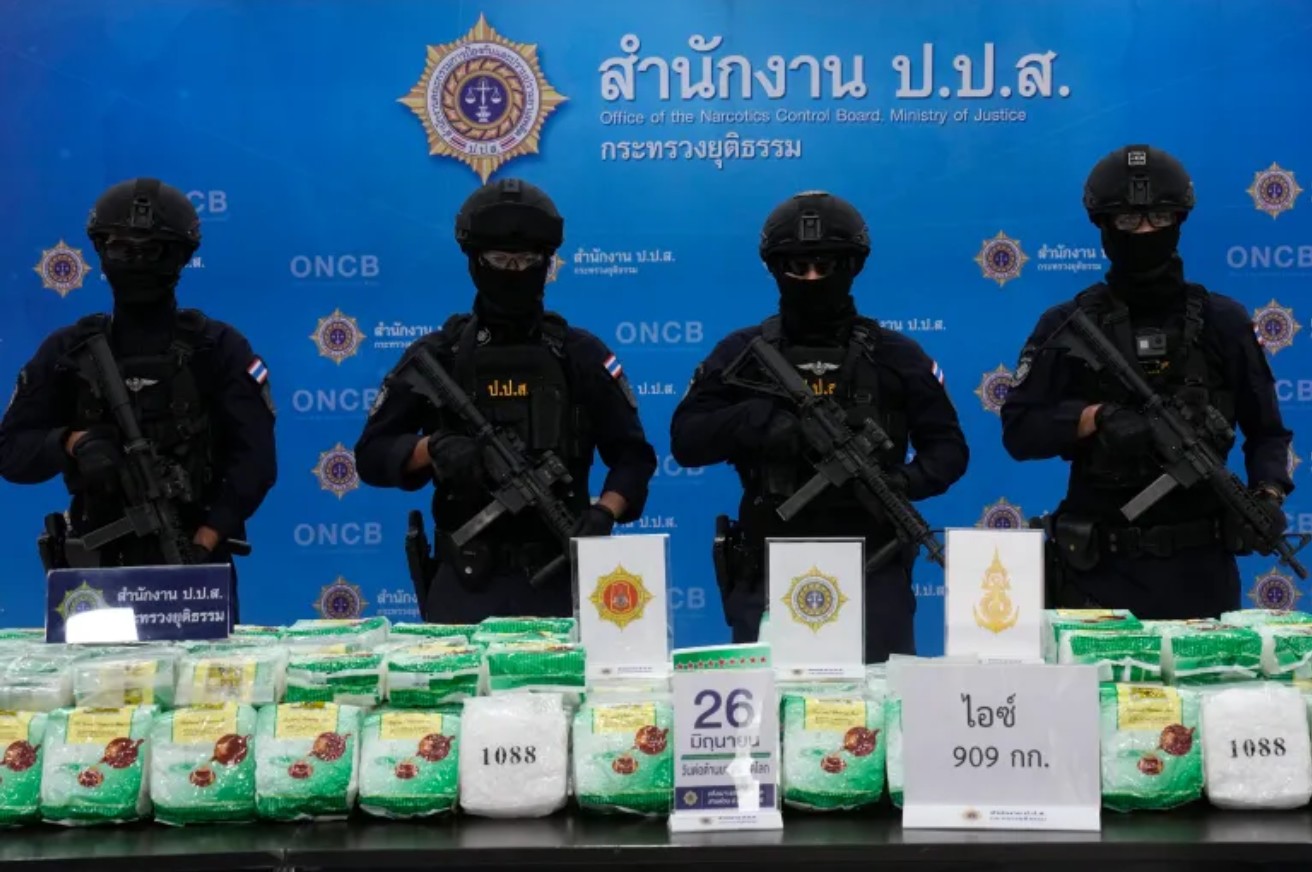 Thai police display seized crystal methamphetamine, highlighting the
regional challenge of tackling drug trafficking in Southeast Asia. Photo:
Sakchai Lalit/AP
Dr Pascual backed the report, saying that, next to marijuana and ‘shabu’, MDMA or ‘Ecstasy’ and other substances associated with recreational nightlife and rave culture have introduced another dimension of risk, particularly when illicit products contain mixtures of unknown substances.
Children, especially street adolescents and teenagers in cities and urban centres, are not spared from the drug situation, as many of them use ‘rugby’ or solvent, the most common substance of abuse. The DDB said the toluene-based ‘rugby’, a term for a popular brand of industrial glue, is recognised as a dangerous psychotropic substance that is highly toxic and ‘produces an intense, rapid high that can cause hallucinations and euphoria and can cause damage to the central nervous system, leading to cognitive impairment.’
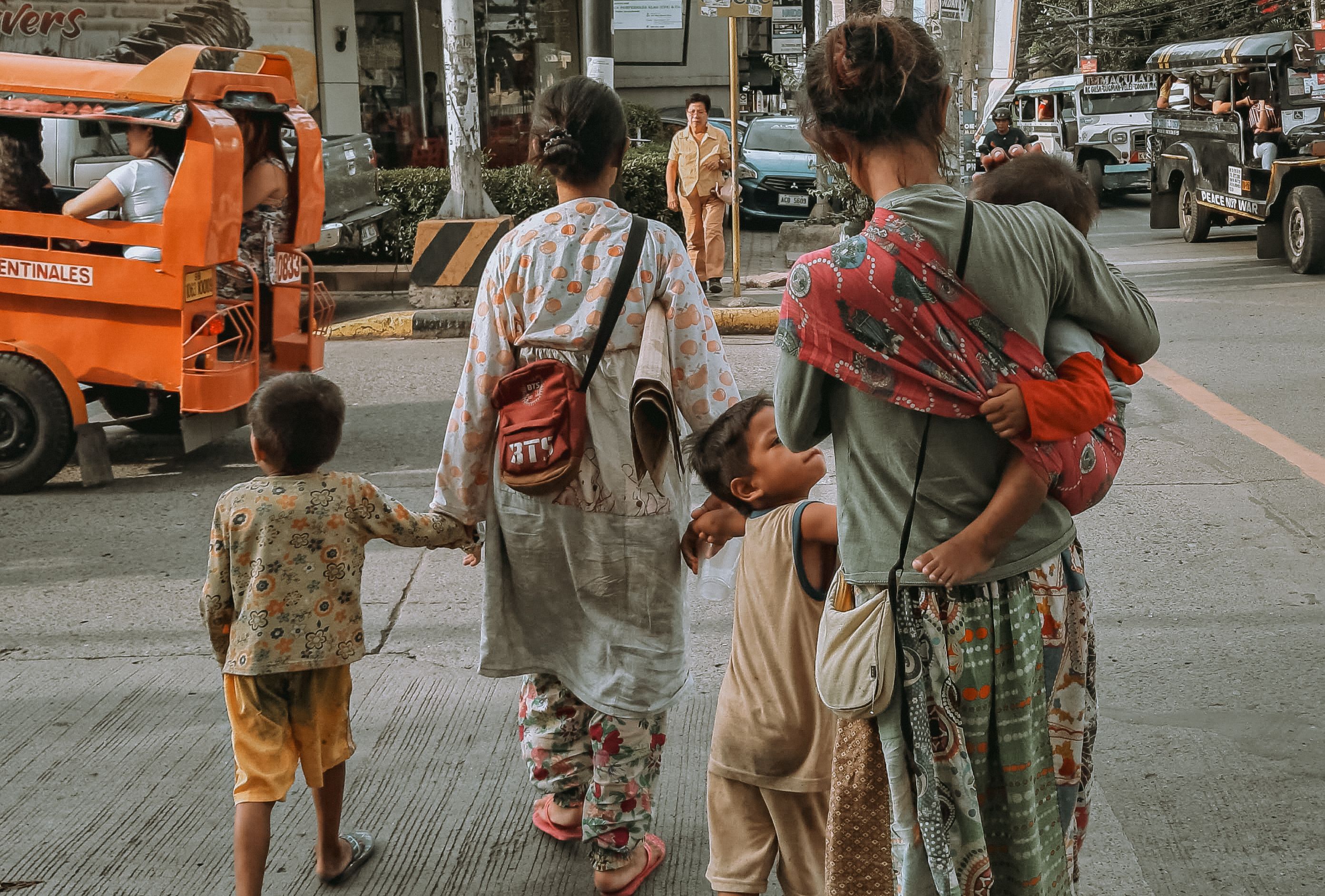 Street-connected children in the Philippines face heightened risks from
substance use, highlighting the need for protection, support and
evidence-based interventions. Photo: Lcue Par Jzul
Street children inhale the substance contained in small plastic bags or pieces of cloth while climbing over jeepneys or sprawled on the streets. For these marginalised street children who may be neglected or abused, the ‘high’ serves to numb their hunger and mental and emotional feelings of distress, depression and anxiety. The University of the Philippines has also pioneered an ongoing transdisciplinary study into the physical, chemical and psychological impacts of solvent abuse on the country’s street children.