The 20th Asian Games concluded on 4 October in the Japanese city of Nagoya, the third Japanese city to host the Games, after Tokyo in 1958 and Hiroshima in 1994. The main attention – for different reasons – was on the South Korean and Indian team performances, as John Duerden reports.
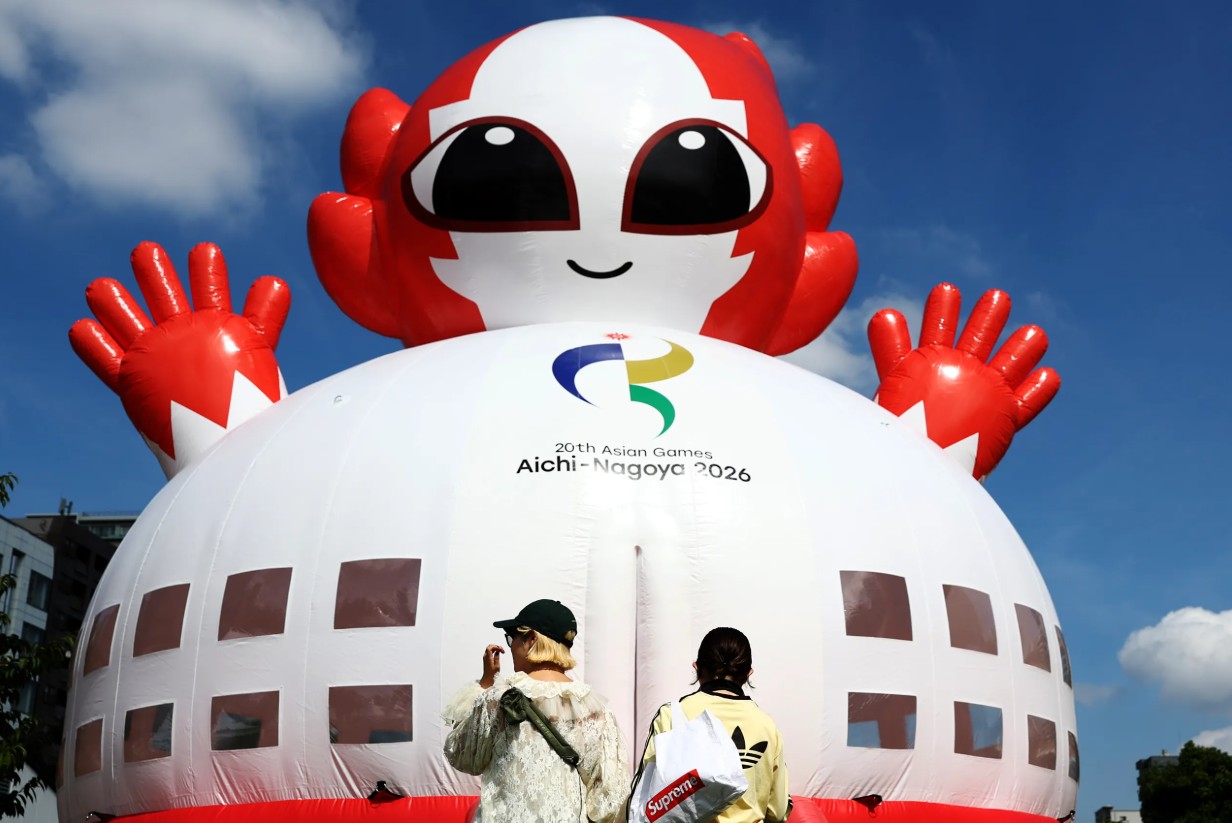
Honohon, the official mascot of the Aichi-Nagoya 2026 Asian Games, celebrating sporting achievement and competition across Asia. Photo: Yong Teck Lim/Getty Images
South Korea and India finished third and fourth in the medal standings of the Games but their main takeaways, from the second biggest multi-sports event in the world after the Olympics, were very different. Indians are concerned that the country's historic underachievement in sports is continuing despite recent investment, while in Seoul it is all about the army.
On 3 October, South Korea's football team won gold to give 20 of the 23 players exemption from the mandatory 18-21 months of military service. Within hours, public opinion was ablaze and government ministers were talking of changing the law that was introduced in 1973. This rewards artists and athletes for enhancing national prestige. For athletes, winning any medal at the Olympics, or gold at the Asian Games, is enough to reduce 18 months of military service into a mere three weeks of basic training with some community service. For football players, it is especially valuable. Careers are short but those at the top of the sport can have glory and large amounts of money, especially if they go to the big European leagues and do not have to return home early to enlist.
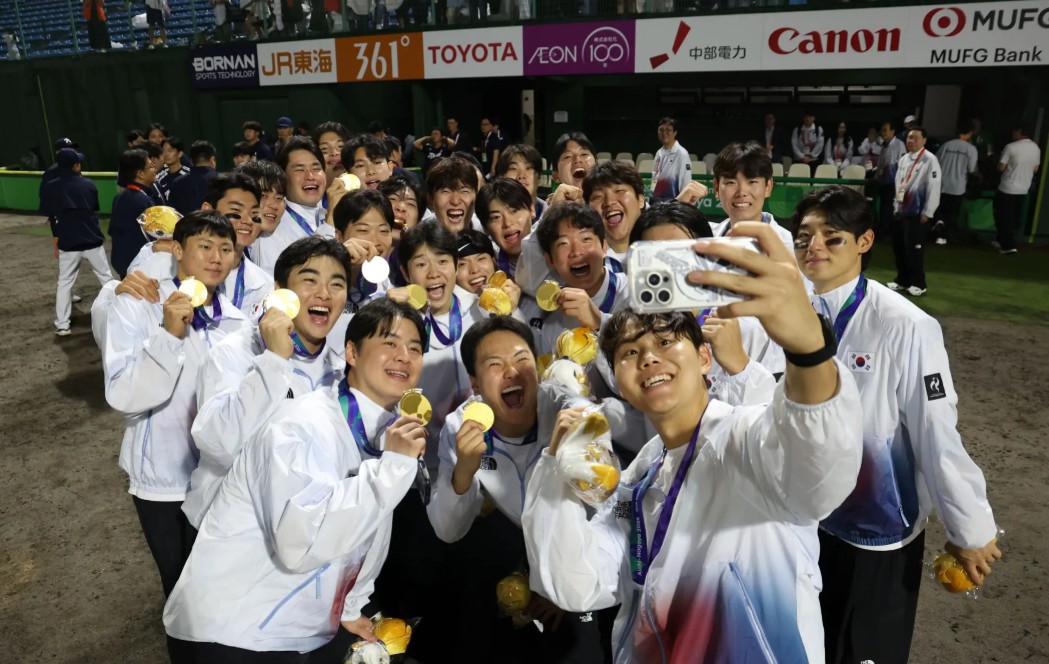
South Korean players celebrate their baseball gold at the Aichi-Nagoya 2026 Asian Games, highlighting the country’s strong performance at the tournament. Photo: Yonhap
It is a sensitive issue. The rest of society have to interrupt their careers or studies to enlist and stand on a frozen mountain near the border with North Korea. They do not take kindly to others using money, influence or even achievement to dodge the draft. The career of MC Mong, a popular rapper and entertainer, never recovered from allegations, which he denied, that he had pulled out perfectly healthy teeth to gain exemption. Over the years, many athletes have celebrated gold but knew not to talk too much about the other prize even though it was obviously more valuable. That did not happen this time and, now, there may not be another.
Shortly after victory, Yang Min-hyuk of English Premier League club Tottenham Hotspur said: ‘The medal and winning the championship weren't important. I played the game with only one thing in mind — the reward of a military-service exemption.’ Captain Lee Gi-hyuk showed his gold medal, boasting ‘I'm not going to the military’. Park Seung-soo of Newcastle United posted a photo on social media where he was wearing a ‘discharge cap’ given to soldiers who have completed their military service.
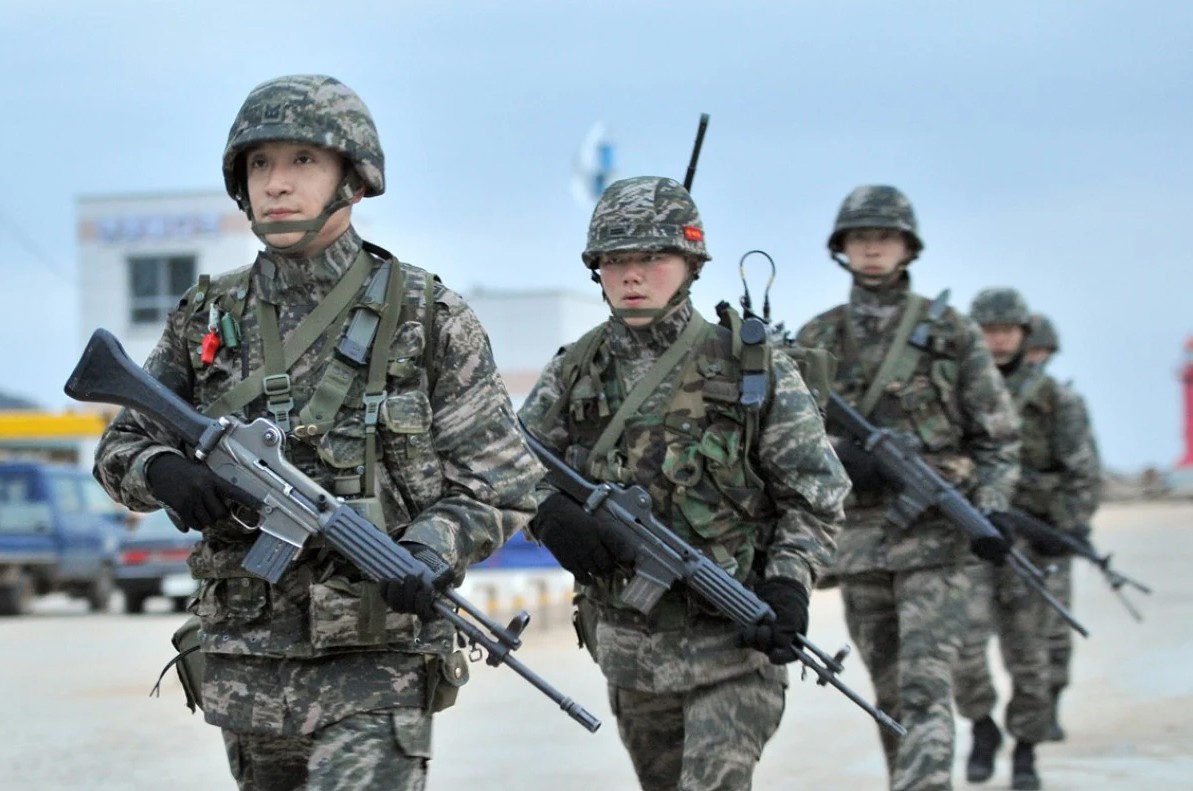 Mandatory military service remains a major part of South
Korean society, creating a sensitive debate over exemptions for
elite athletes. Photo: South China Morning Post
The players apologised quickly but the damage was done with social media ablaze and politicians getting in on the act, such as Ahn Cheol-soo of the People Power Party. ‘Some players' remarks after the match were outrageous,’ Ahn posted on social media. ‘Even the captain bragged about not having to serve in the military. Are all the young people who enlist every year fools?’
By the middle of the following week, Minister of Culture, Sports and Tourism Choi Hwi-young told a parliamentary committee that it was time for a change: ‘The values attached to fairness and public perceptions of military service have changed. I agree that the system should be comprehensively reviewed once again.’ There was already movement towards ending exemption anyway and the backlash could provide convenient cover for politicians. A report in 2025 recommended an army of at least 500,000 but that has shrunk to around 450,000 due to one of the lowest birth rates in the world. Ending exemptions for athletes and others may not make a huge difference but symbolically it matters.
In 1973, tours of duty lasted three years and medals were rare for Koreans. Much has changed. ‘South Korea now stands shoulder to shoulder with the world's leading nations,’ the Korea Herald editorialised. ‘The days when finishing first in Asia could meaningfully enhance the country's national prestige are long gone. It is time to reconsider...’
India would have liked more national prestige at the Asian Games, especially as it is in the race, as is South Korea, to host the 2036 Olympics. On 15 October, India's Sports Ministry met to review the Asian Games medal haul of 21 golds, seven fewer than in 2022. For a country of 1.4 billion, the lack of global sporting glory has long been a sore point especially as China dominated once again with 169 golds.
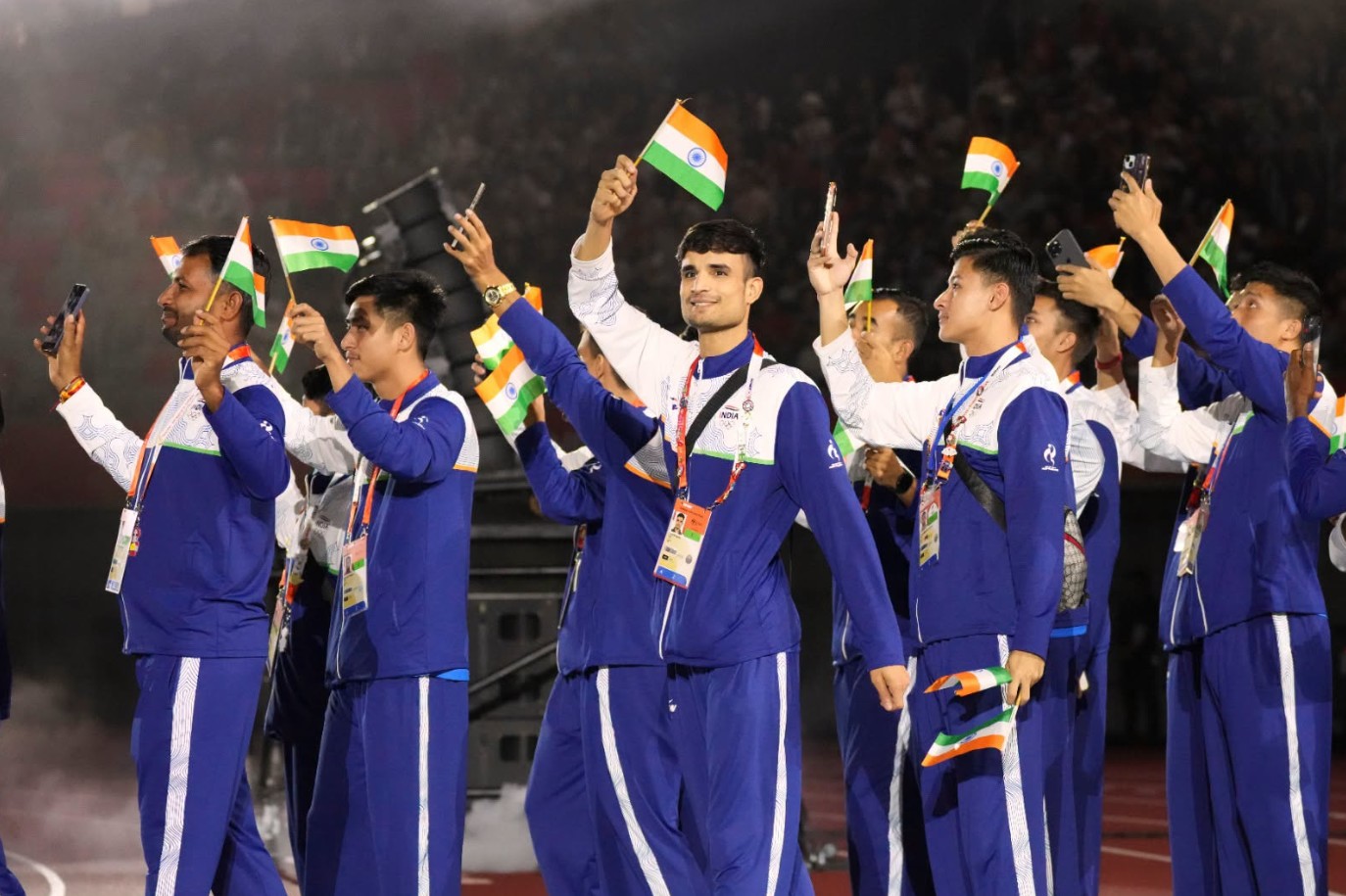 Indian athletes take part in the closing ceremony of the
Aichi-Nagoya 2026 Asian Games, following India’s fourth-place
finish in the medal standings. Photo: The Times of India
India has had success in team events such as cricket, hockey and kabaddi but there was only one gold in athletics, compared with six at the previous Games. ‘It underscored a stark reality,’ The Hindu said. ‘The country needs to raise its bar in medal-fetching individual sports such as athletics, swimming, gymnastics, fencing and cycling, which determine success in multi-disciplinary Games.’
That is easier said than done. Historically, public investment in sport and facilities has been patchy on the subcontinent with a reliance on individual states – such as Odisha – to lead the way. The national dominance of cricket, sucking attention, sponsorship and broadcasting dollars, though it should help that cricket becomes an Olympic sport from 2028.
But Narendra Modi's government has been spending. The flagship Khelo India initiative was launched in 2017 to strengthen grassroots sports participation, talent development and sporting infrastructure. In July, a further US$3.75 billion was allocated to the scheme for the next five years. A ministry source told domestic media: ‘The problem is not spending; it is the absence of proportionate outcome and any accountability for the money spent.’ He went on: ‘There was a significant gap between investment and performance across nine disciplines involving 34 athletes, mainly in shooting and badminton. It was the youngsters and debutants who saved India's campaign in the last few days. These questions will have to be answered.’
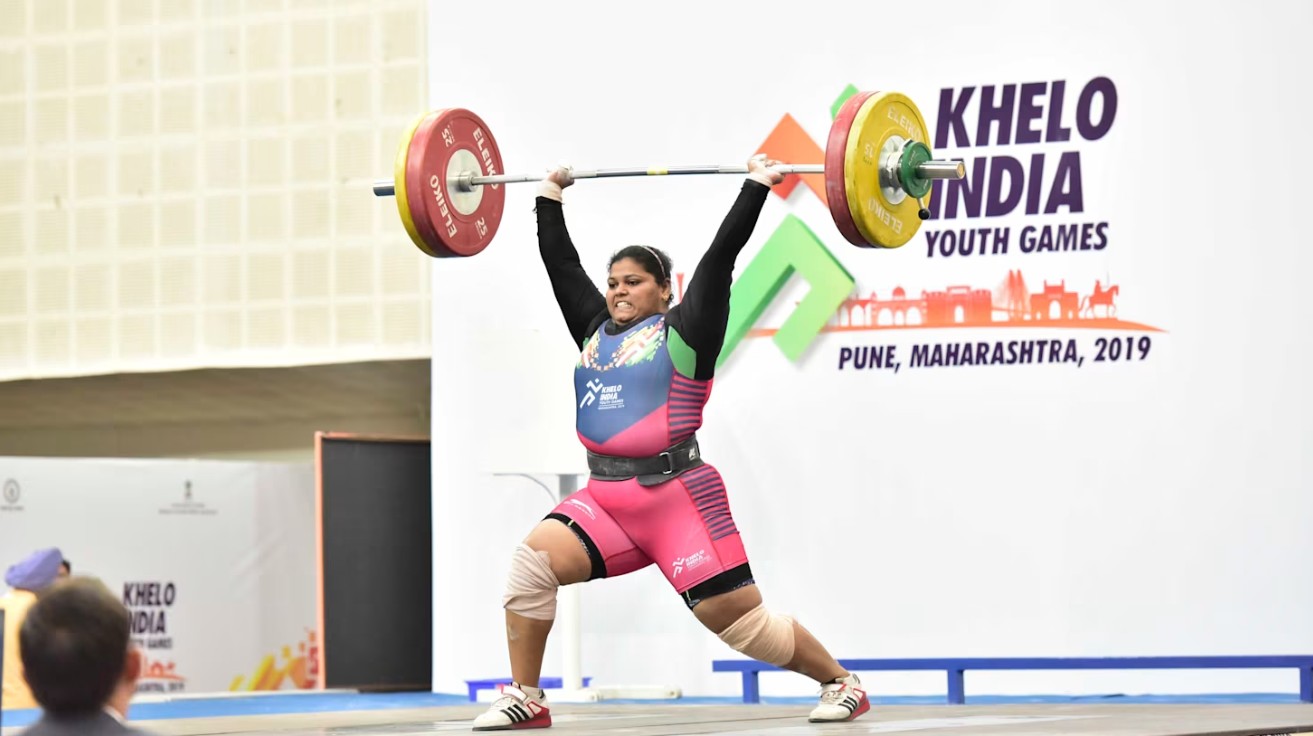 India’s Khelo India initiative aims to strengthen grassroots participation,
develop talent and improve sporting infrastructure, but questions
remain over results and accountability. Photo: Shivaji Juvekar/Press
Information Bureau - Government of India
The official vision sees India as a top 10 ranking Olympic nation by 2036 and top five 12 years later. As the country was ranked 71 in 2024 without winning even one gold medal, there is a long way to go even if hosting the Games, as India wants to do in Modi's home state of Gujarat in 2036, usually helps. Athletes would, however, be more motivated than ever on home soil as would South Korea's, even if the prize of military exemption is no longer on offer.