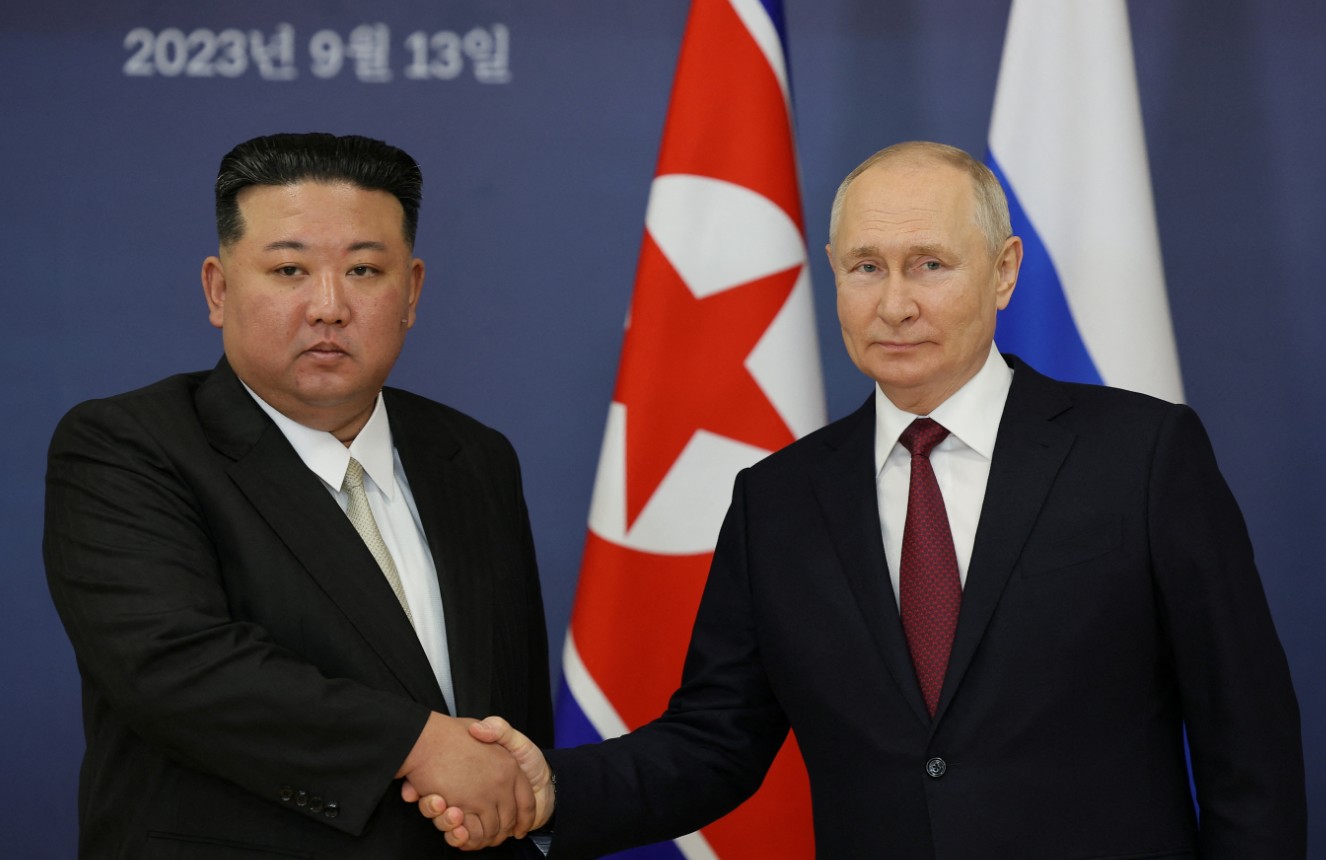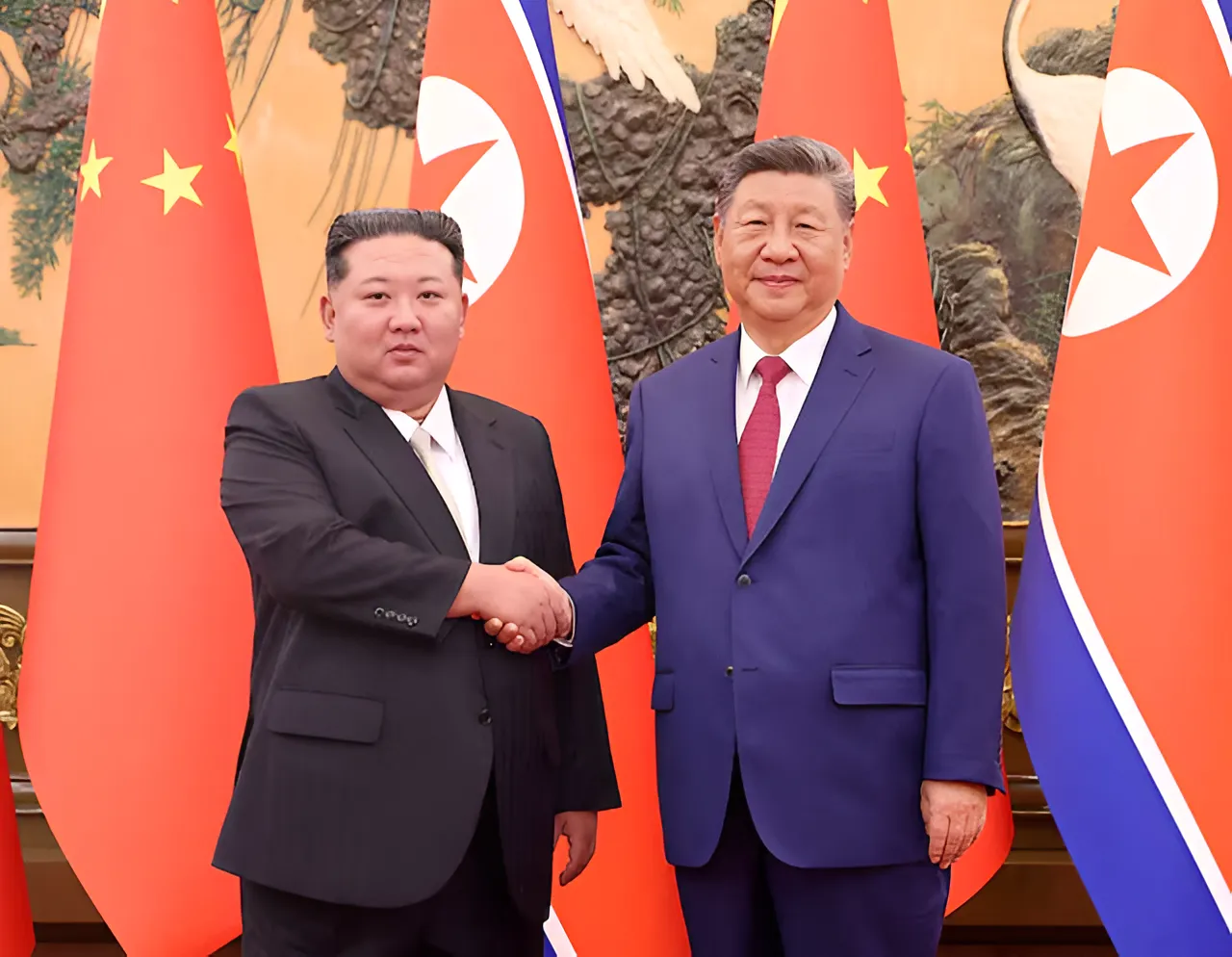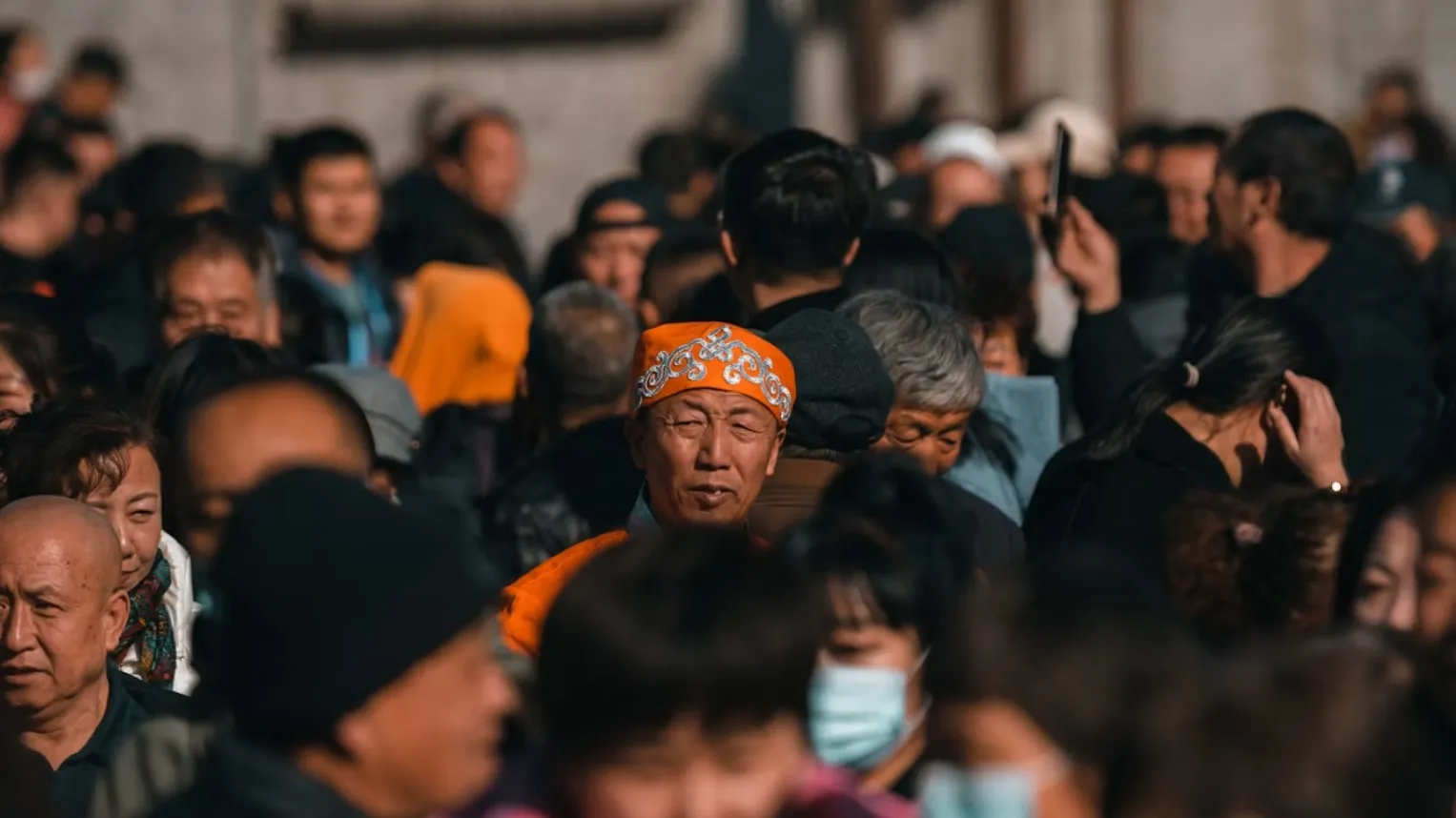
President Trump’s state visit to China in May attracted enormous attention across the country. Social media buzzed with commentary, speculation and mockery in equal measure. Lijia Zhang writes that beneath the jokes lies something more serious: Donald Trump has become a symbol of how profoundly Chinese perceptions of the United States have changed.
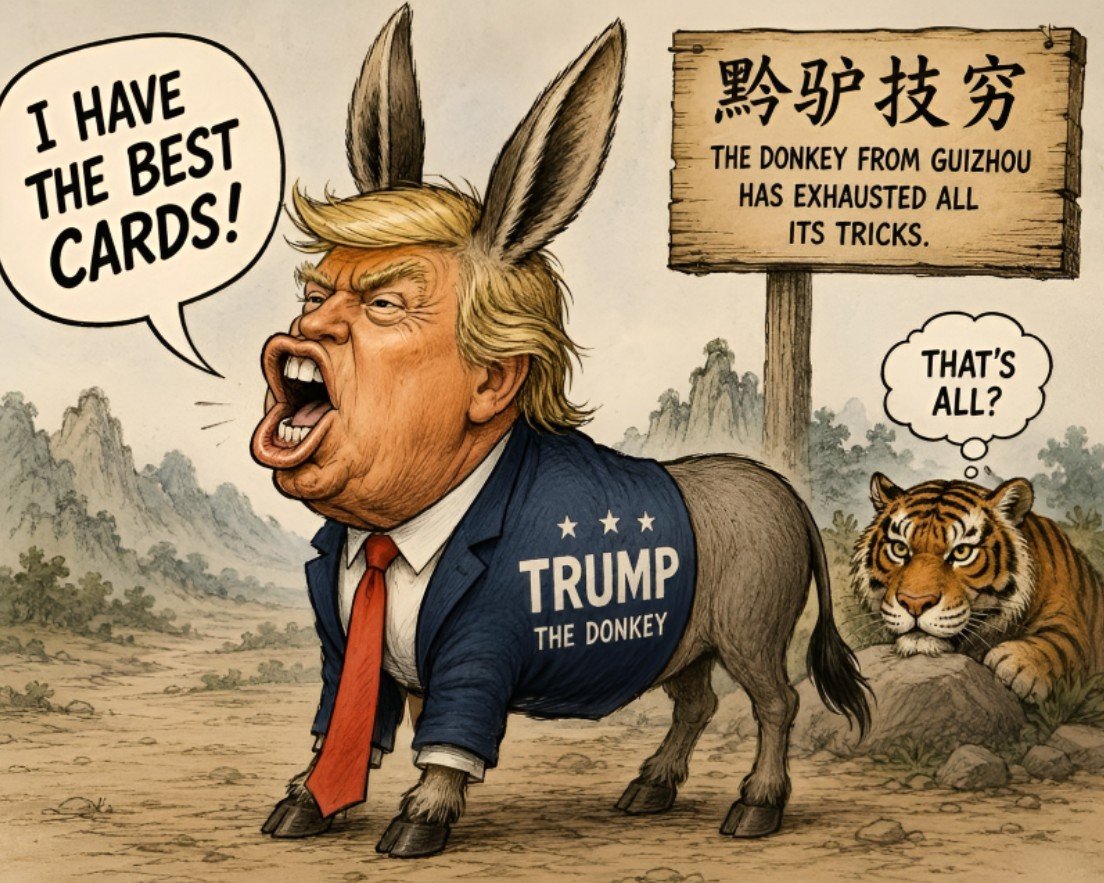
Image AI generated
At first, Trump was seen less as a politician than as a reality television character who had somehow wandered into the White House. Chinese netizens mocked his hair, marvelled at his rhetorical excesses and, for a time, even admired his supposed business success. Over the years, however, amusement has faded and hostility has grown.
This shift reflects not only changing Chinese perceptions of America, but also a deeper transformation in how China sees itself and its place in the world. Most revealing was the nickname Chinese netizens gave Trump: ‘Chuan Jianguo’ (川建国), which roughly translates as ‘Trump the nation builder’.
 Chinese social media users helped popularise the nickname “Chuan Jianguo” — reflecting the belief that Donald Trump’s policies unintentionally strengthened China. Photo: Freepik
Jianguo is an immensely popular Chinese name, borne by nearly a million people. The joke was that Trump was actually helping to make China stronger. By launching trade wars and trying to cut China off from advanced technologies, he unintentionally accelerated Beijing’s push for technological self-reliance and fuelled nationalist sentiment. More importantly, many Chinese believe his erratic behaviour and foreign policy blunders weakened the United States and gave China greater diplomatic room to manoeuvre.
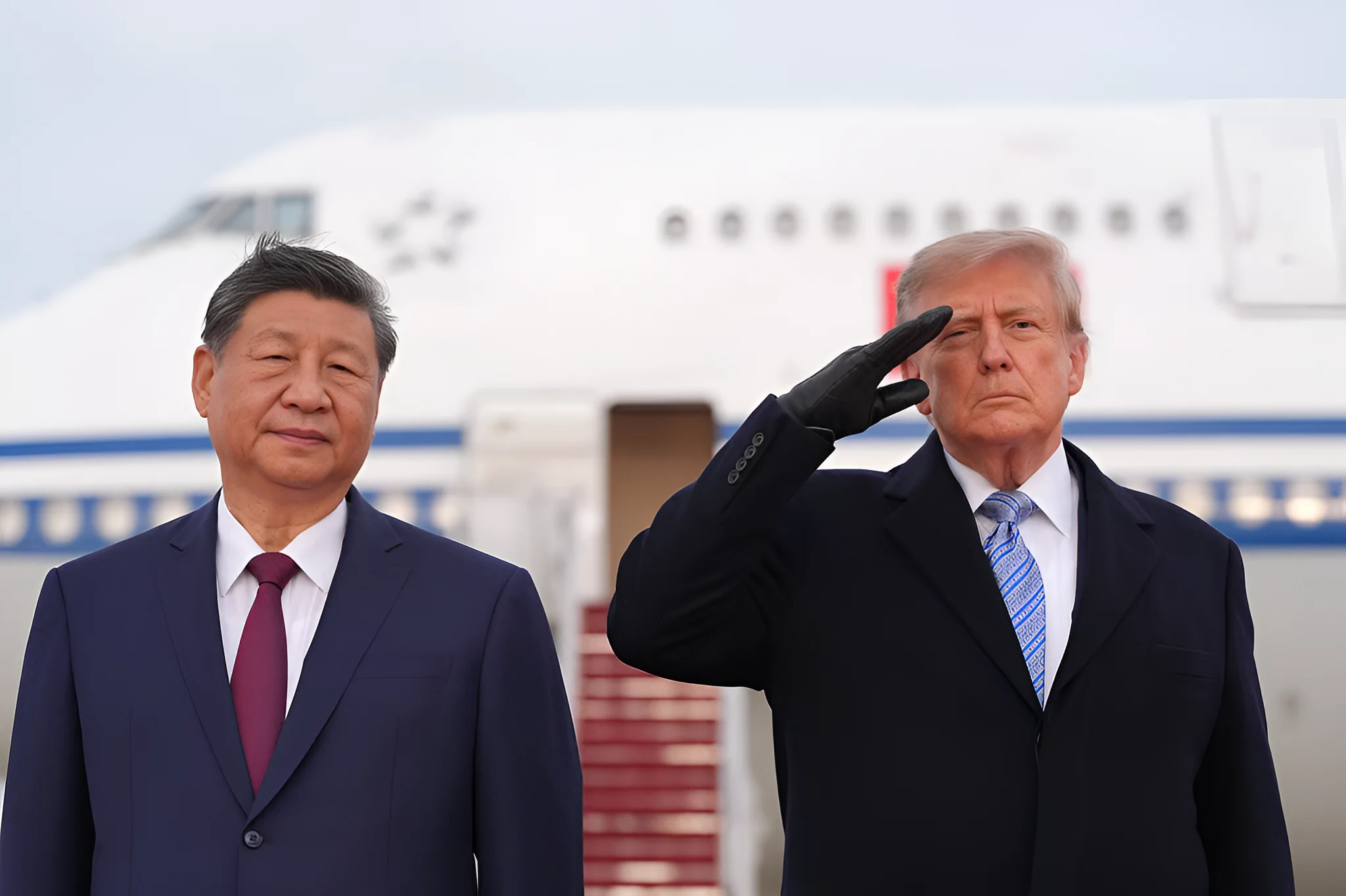
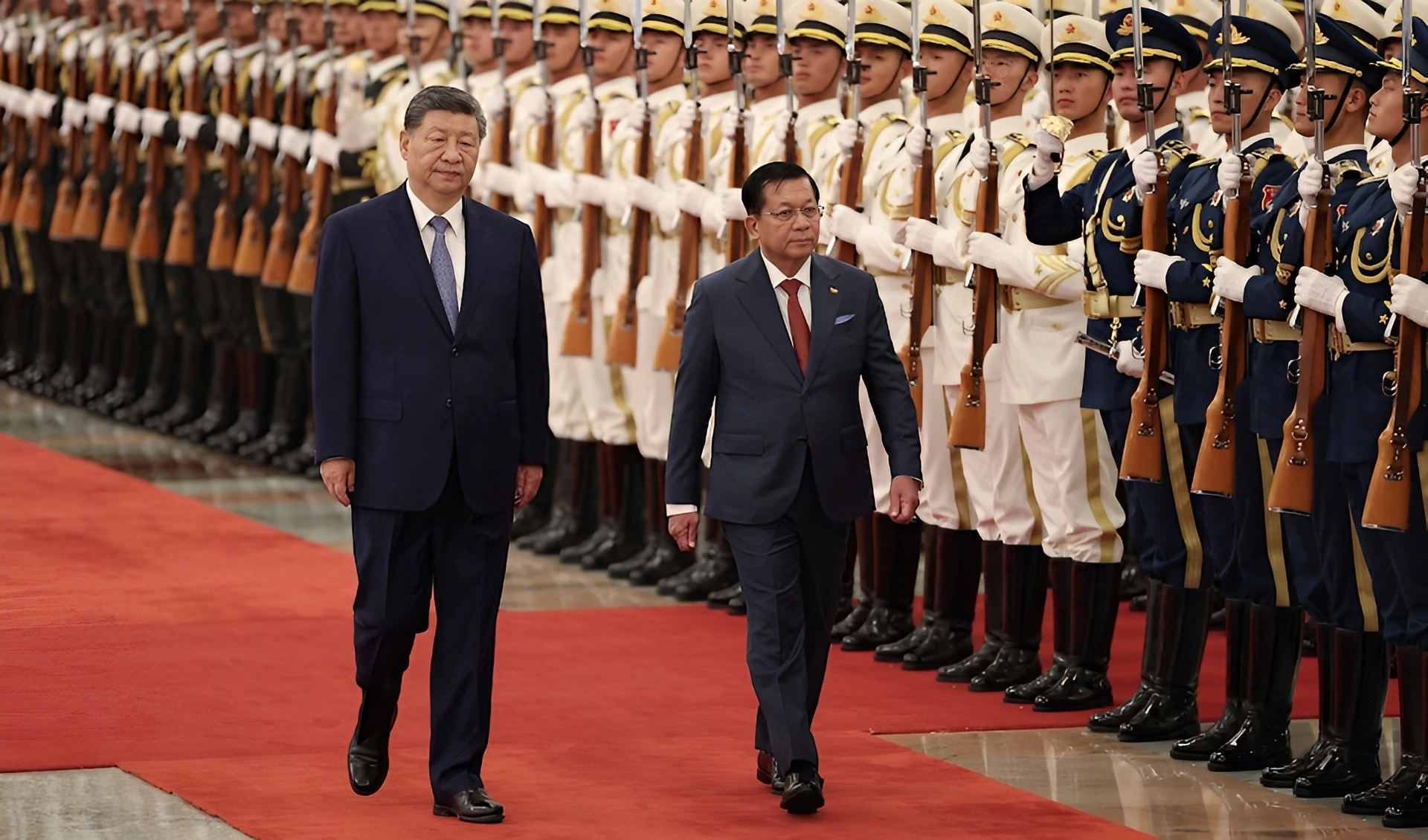
 US President Donald Trump and Chinese President Xi Jinping during a high-profile meeting in Beijing — a relationship that evolved from cautious engagement into open strategic rivalry.
When Donald Trump first entered office in 2017, his victory was greeted with relief in China. Unlike Hillary Clinton, who was more vocal on human rights issues, Trump appeared transactional rather than ideological. After decades of hearing American politicians lecture China on rights issues, some Chinese felt Trump might actually be easier to deal with. I remember being surprised to hear positive comments about him from ordinary Chinese people. Some admired his bluntness and unpredictability. Others simply enjoyed the spectacle.
Trump’s 2017 state visit to Beijing now feels like a moment from another era. China welcomed him with extraordinary pomp: military honours, a lavish banquet in the Forbidden City and carefully choreographed displays of respect. At the time, Beijing still approached Washington with a mixture of caution and admiration.
Yet even during that visit, subtle shifts were already visible. Trump openly praised the Chinese leader Xi Jinping while simultaneously embracing ‘America First’ nationalism and
increasingly confrontational rhetoric on trade. What followed was not engagement but escalating rivalry.
As Trump launched tariffs, sanctions and attacks on Chinese companies, Chinese attitudes hardened. The campaign against Huawei in particular struck a nerve, widely seen as an attempt to suppress China’s technological rise. Trump was transformed in the Chinese imagination from entertainer into adversary.
 Restrictions on companies like Huawei intensified China’s push for technological self-reliance and domestic innovation. Photo: DIGITIMES
Ironically, however, Trump may have strengthened the very country he sought to contain. During the Mao era, China had pursued self-reliance out of ideological necessity. Under Trump, technological self-reliance returned as a strategic imperative. Beijing doubled down on domestic innovation, semiconductors and supply-chain resilience.
The transformation was psychological as much as economic.
I belong to a generation that grew up when America possessed an almost mythical aura. In the China of my youth, the United States symbolised modernity, prosperity and freedom. I fantasised about seeing the country with my own eyes, perhaps even living there one day. Even its Chinese name, Meiguo—literally ‘beautiful country’—carried a certain romance. Like many Chinese of my generation, I learned English partly out of fascination with the West.
Today, that aura has faded dramatically. Many Chinese no longer look at the United States with awe, but with the cooler gaze reserved for an equal, a rival or even a wounded giant.
 Beijing’s skyline stands as a marker of China’s expanding economic confidence amid shifting global power perceptions. Photo: Morio/CC BY-SA 4.0
Trump did not create this shift alone, of course. China’s own rise played the decisive role. Yet Trump accelerated the process by exposing American divisions and volatility to the world. The world’s most powerful nation no longer appeared calm, rational and invincible. Instead, it looked polarised, fragmented and increasingly uncertain of itself.
Chinese state propaganda has also helped shape this changing perception. Social media is frequently flooded with disturbing images of homelessness, drug abuse, gun violence and political chaos in the United States. These clips are often presented as evidence of a civilisation in decline.
For decades, many Chinese viewed America with a mixture of admiration and inferiority. That emotional imbalance has largely disappeared. Younger Chinese are now more likely to see the United States simply as another great power: formidable, certainly, but flawed, divided and no longer beyond comparison.
This psychological shift is now shaping China’s negotiations with the United States. Beijing today speaks with noticeably greater confidence than it did a decade ago. Chinese officials no longer present the country as a cautious developing nation seeking acceptance into a Western-led order. Instead, China increasingly behaves like a power that believes history is moving in its favour.
 Everyday life on the streets of New York City, a city often used to represent both the strengths and social complexities of the United States. Photo: Andy C/CC BY-SA 3.0
That confidence was especially visible during Trump’s May visit, when Xi Jinping warned that mishandling the Taiwan issue could lead to conflict. Such language reflects not only strategic calculation, but also a growing belief within China that the balance of power is shifting. Today, although few in China actively desire conflict, there is a stronger sense that China can endure pressure and that America itself appears weakened by internal division.
A famous Chinese idiom helps explain this evolving mood: 黔驴 技穷 (qian lü ji qiong) – ‘the donkey from Guizhou has exhausted all its tricks’. The story tells of a tiger initially terrified by a donkey it has never seen before. The donkey brays loudly and kicks. But once the tiger realises the donkey has only a few tricks, its fear disappears. When the donkey has exhausted its limited ‘skills’, the tiger pounces and kills it.
So the idiom 黔驴技穷 refers to someone who appears formidable at first but turns out to have very little substance: one might think of Donald Trump. One day after launching ‘Project Freedom’, he abandoned it. Why? He had run out of tricks – or, as he might prefer to put it, cards.
Many Chinese invoke this idiom when discussing American attempts to contain China. Tariffs, sanctions and technological restrictions once seemed overwhelming. But after years of confrontation, many now feel the United States has revealed the limits of its power. The fear has diminished.
This may be Trump’s greatest unintended legacy in China. He altered not only how Chinese people saw America, but how China saw itself. What began as mockery of an unconventional American president evolved into a broader reassessment of global power, national identity and the meaning of American power itself.
For many Chinese today, the tiger no longer trembles before the donkey from Guizhou.