As Hormuz tensions rise, China’s words – and silences – tell a clearer story than the headlines. China is not winning the Iran war, but it is not losing it either, as Howard Zhang reports.
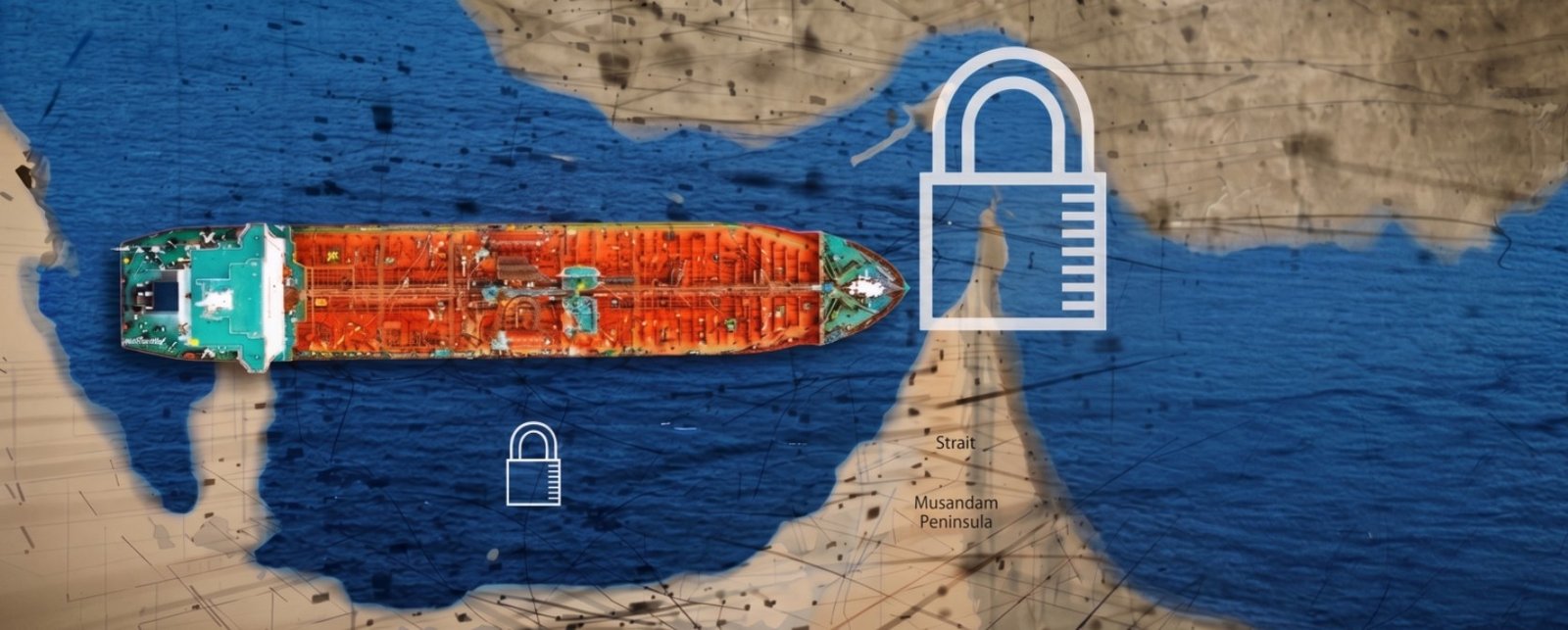
Oil tankers transit the Strait of Hormuz, a critical global chokepoint where rising tensions are exposing China’s economic vulnerabilities despite its cautious diplomatic posture. Image: AI-generated
As the Iran war has escalated and tensions around the Strait of Hormuz have intensified, Beijing’s response has been strikingly consistent and quietly revealing. Chinese officials have openly condemned disruption to shipping as a threat to ‘the common interests of the international community’, called for an immediate ceasefire, and urged all sides to return to political dialogue. At the same time, state media continues to stress ‘root causes’, placing responsibility for escalation squarely on the United States.
On the surface, this is familiar territory: criticism of Washington, rhetorical sympathy towards Iran, and appeals for stability. Taken together – and read alongside China’s actions – this messaging points to something more nuanced. It suggests a power that is not celebrating the crisis, but trying to contain its risks.
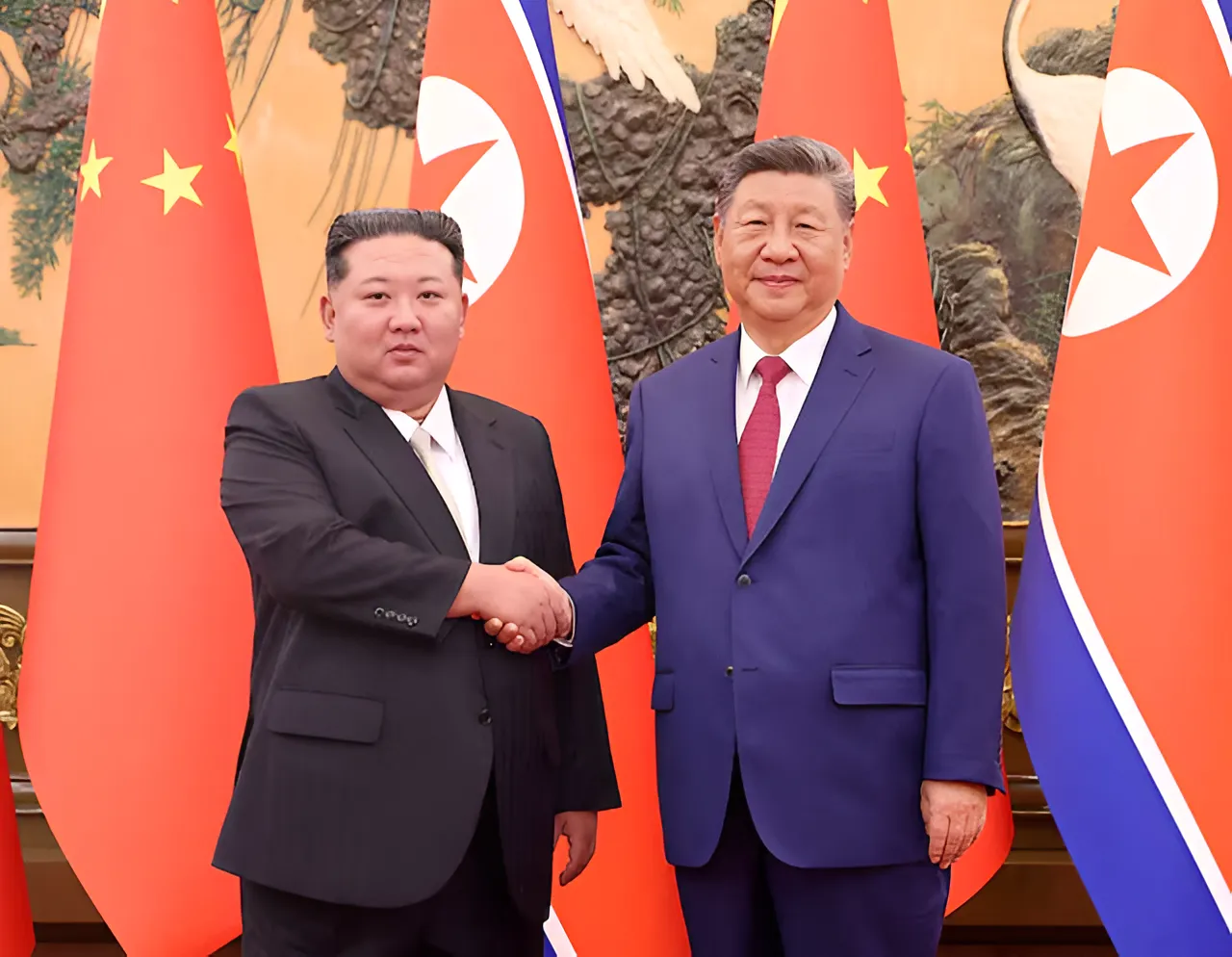
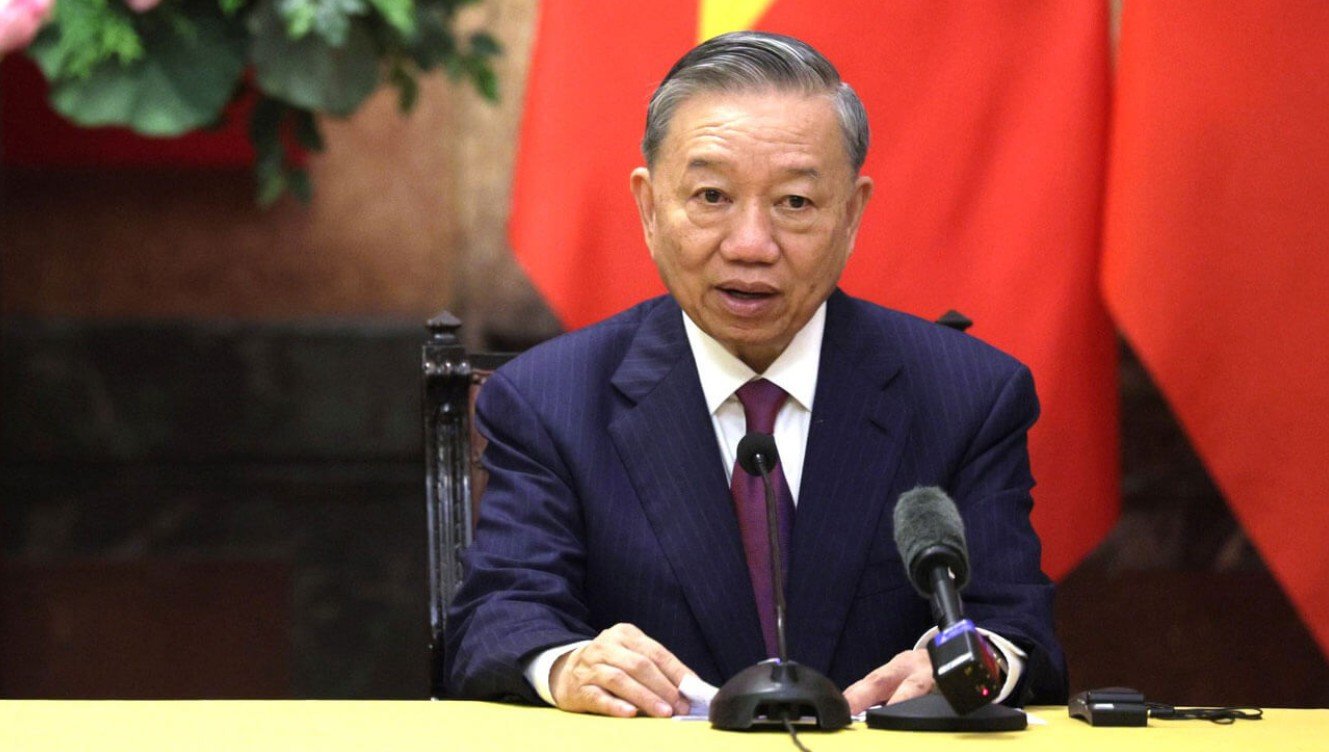
 Chinese President Xi Jinping has called for ceasefire and stability, reflecting Beijing’s preference for containment over escalation in the Iran conflict. Photo: AP
Two competing narratives
Two arguments continue to frame China’s position. One holds that China is quietly winning. The United States is distracted, Beijing appears composed, and American attention is diverted from the Indo-Pacific. The other argues that China is losing. Iran, one of Beijing’s strategic partners, has been weakened; the talks China supported have faltered; and the crisis is now disrupting the energy flows and trade routes on which China depends.
 The Iran conflict is increasingly viewed through the lens of US–China competition, with debate over whether Beijing is gaining strategic advantage or facing new vulnerabilities.
Recent developments suggest the second argument has strengthened, though the reality remains more complicated than either side allows.
The breakdown of ceasefire efforts is instructive. Reporting by the Wall Street Journal indicates that China has encouraged Iran to engage in talks and lent diplomatic support to de-escalation. Yet Beijing declined to offer any form of guarantee or enforcement mechanism. When the process faltered, it had no practical means of sustaining it.
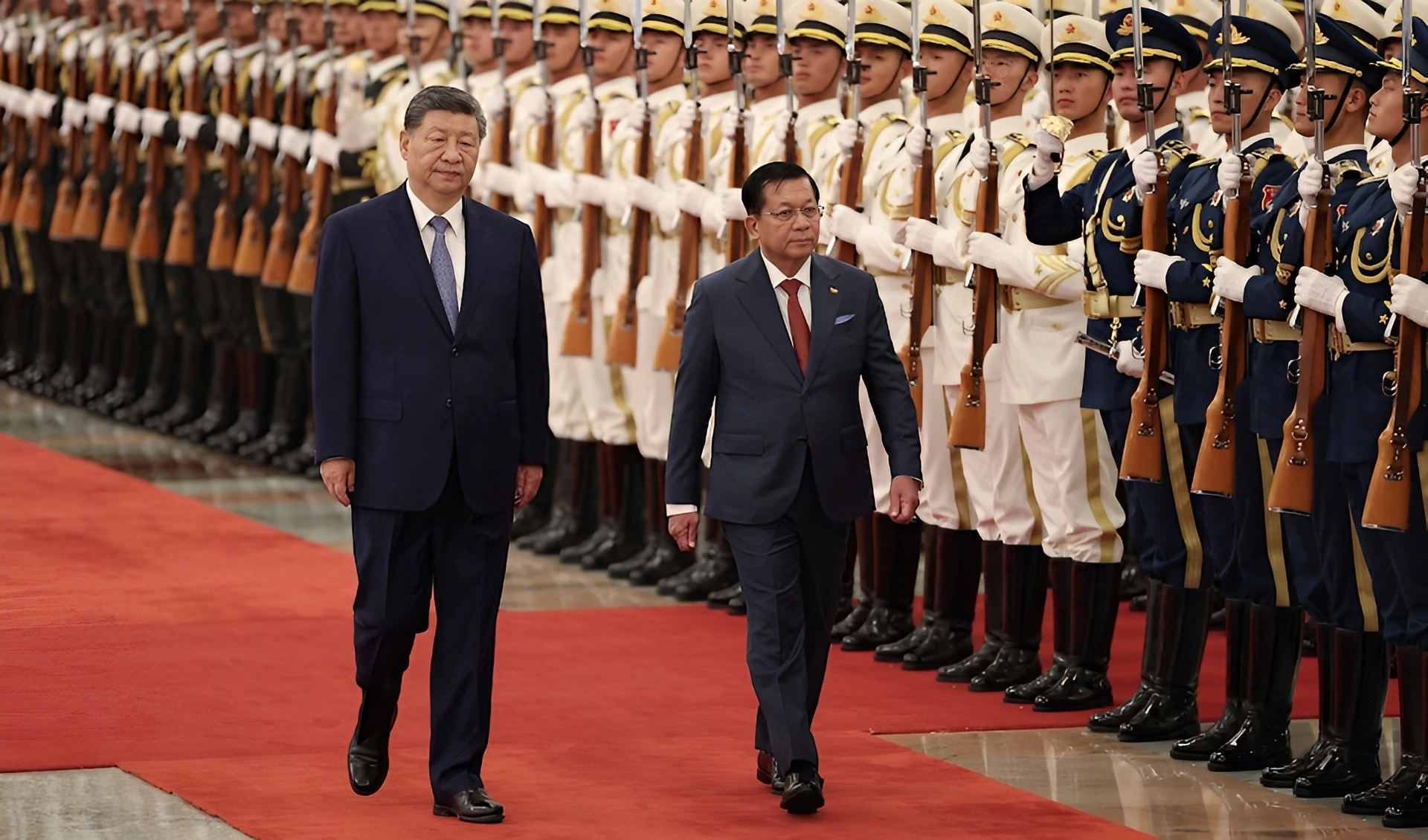
 Chinese President Xi Jinping meets Abu Dhabi Crown Prince Khaled bin Mohamed bin Zayed Al Nahyan in Beijing as China steps up regional diplomacy while avoiding firm security commitments—underscoring the limits of its role as a mediator in the Iran conflict. Photo: Xinhua/Huang Jingwen
Coverage in The Guardian makes a similar point: China has been keen to present itself as a stabilising actor, but has not assumed the responsibilities that such a role would normally entail. This reflects a consistent pattern. China positions itself close enough to claim diplomatic credit, but not so close that it must bear the cost of failure.
Hormuz: exposure laid bare
The situation in the Strait of Hormuz has brought China’s vulnerability into sharper focus. A recent Reuters report notes Beijing’s increasingly forceful language against disruption in the strait, warning of risks to global trade while continuing to call for restraint and negotiation. Yet analysis by the Centre for Strategic and International Studies suggests that Chinese and Hong Kong-flagged shipping through Hormuz has fallen markedly since the conflict began.
In practical terms, this means that China’s position as Iran’s largest oil customer does not guarantee secure passage when the strait becomes contested. Strategic alignment does not translate into operational protection. China’s export growth has slowed as the conflict pushes up energy prices, transport costs and global uncertainty. The International Monetary Fund (IMF) has also warned that a prolonged conflict could weigh on global growth. For China’s economy, which is reliant on manufacturing and external demand, this is a direct challenge rather than a distant risk. It weakens the notion that Beijing can simply benefit from American distraction while remaining insulated from the consequences.
 Disruptions to shipping routes and rising energy costs are beginning to impact China’s trade-dependent economy, underscoring its exposure to instability in Hormuz. Image: AI-generated
Yet it would be misleading to conclude that China is simply losing ground. Analysis from the Foreign Policy Research Institute (FPRI) suggests that oil transiting Hormuz represents a smaller share of China’s overall energy mix than often assumed, given its reliance on coal, renewables and diversified supply chains.
Similarly, work by the Carnegie Endowment for International Peace points to a longer-term dynamic: repeated oil shocks may accelerate the global shift towards electrification and renewable energy, areas in which China already holds a significant advantage. In that narrower sense, China may prove more resilient than some competitors, even while experiencing short-term disruption.
China’s own messaging remains the most revealing guide. At the surface level, official rhetoric continues to criticise the United States and frame the crisis in terms of escalation and responsibility. Beneath that, however, the emphasis is consistent and striking. In official statements, Beijing’s focus is overwhelmingly on ceasefire, restoration of shipping and regional stability. This points to a clear underlying priority.
China does not want Iran to prevail decisively. Nor does it want Iran to collapse. What it seeks is containment: a rapid end to hostilities before the damage spreads further.
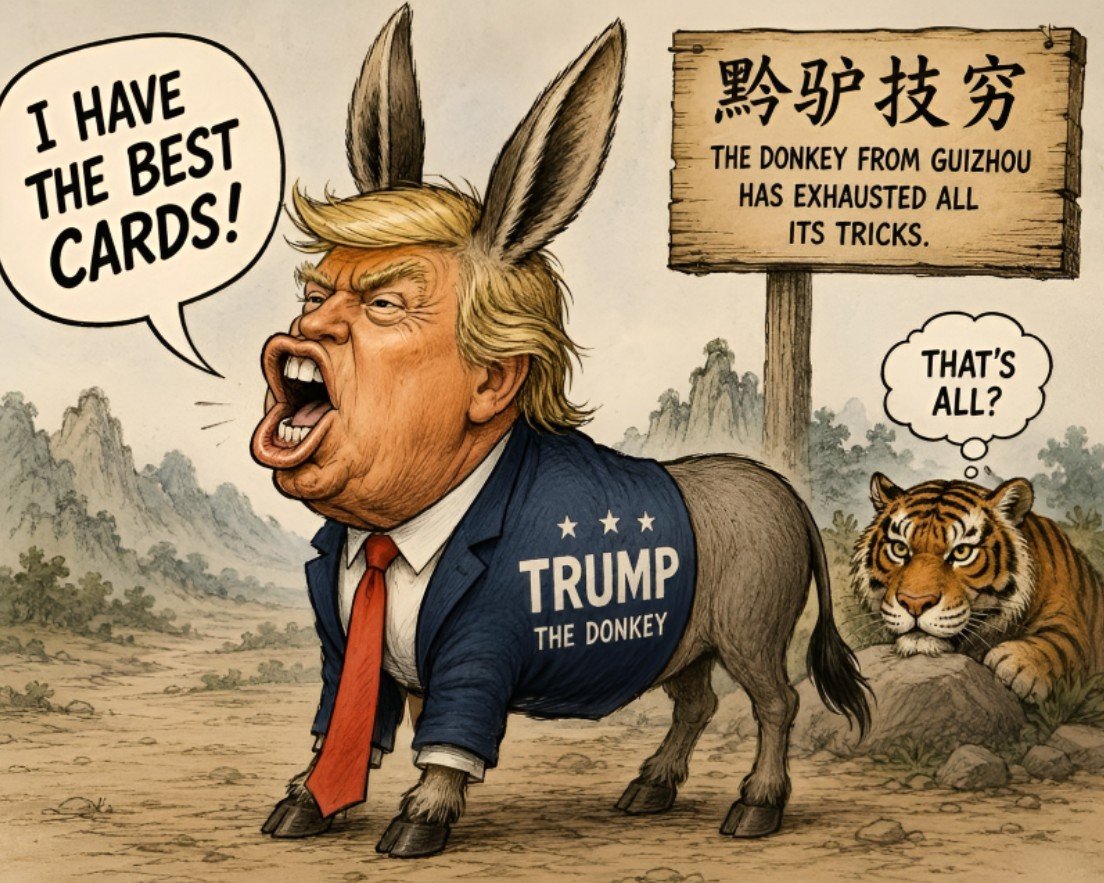
This hierarchy becomes clearer still when viewed alongside leader-level signalling. On 10 April, Xi Jinping marked the 55th anniversary of Ping-Pong diplomacy, calling for renewed people-to-people ties and a ‘stable, healthy and sustainable’ relationship with the United States. On its own, this might appear routine. In context, it is highly instructive.
 Xi Jinping and Donald Trump at a previous meeting, as Beijing signals that stabilising ties with Washington remains a higher strategic priority than deepening alignment with Iran.
While state media continues to criticise Washington over the Middle East, Xi is invoking one of the defining moments of US–China rapprochement — a reminder that strategic reset remains possible even in periods of tension.
This aligns with external analysis. In a recent interview with Geopolitical Futures, George Friedman argued that Beijing’s push for rapid de-escalation reflects a desire to stabilise relations with Washington ahead of a potential visit by Donald Trump, with an eye to securing a more favourable trade outcome. Taken together, these signals point to a reality that Beijing rarely states openly: its relationship with the United States remains far more consequential than its alignment with Iran.
Winning, losing — or something else entirely? The notion that China is ‘winning’ the Iran war now appears overstated. The failure of talks and the disruption around Hormuz have exposed the limits of its influence and the persistence of its vulnerabilities. At the same time, China is not a straightforward loser. It retains structural advantages in energy diversification and may yet benefit from longer-term shifts in the global economy. The most accurate assessment lies between the two.
China is not winning the Iran war. It is attempting — with mixed success — to limit exposure, preserve flexibility and extract modest advantage from a deteriorating situation. Its messaging, its diplomacy and its silences all point in the same direction.
Beijing’s objective is not victory. It is to ensure that the crisis does not become one it cannot control.