Business
De-dollarisation – fact or fiction?
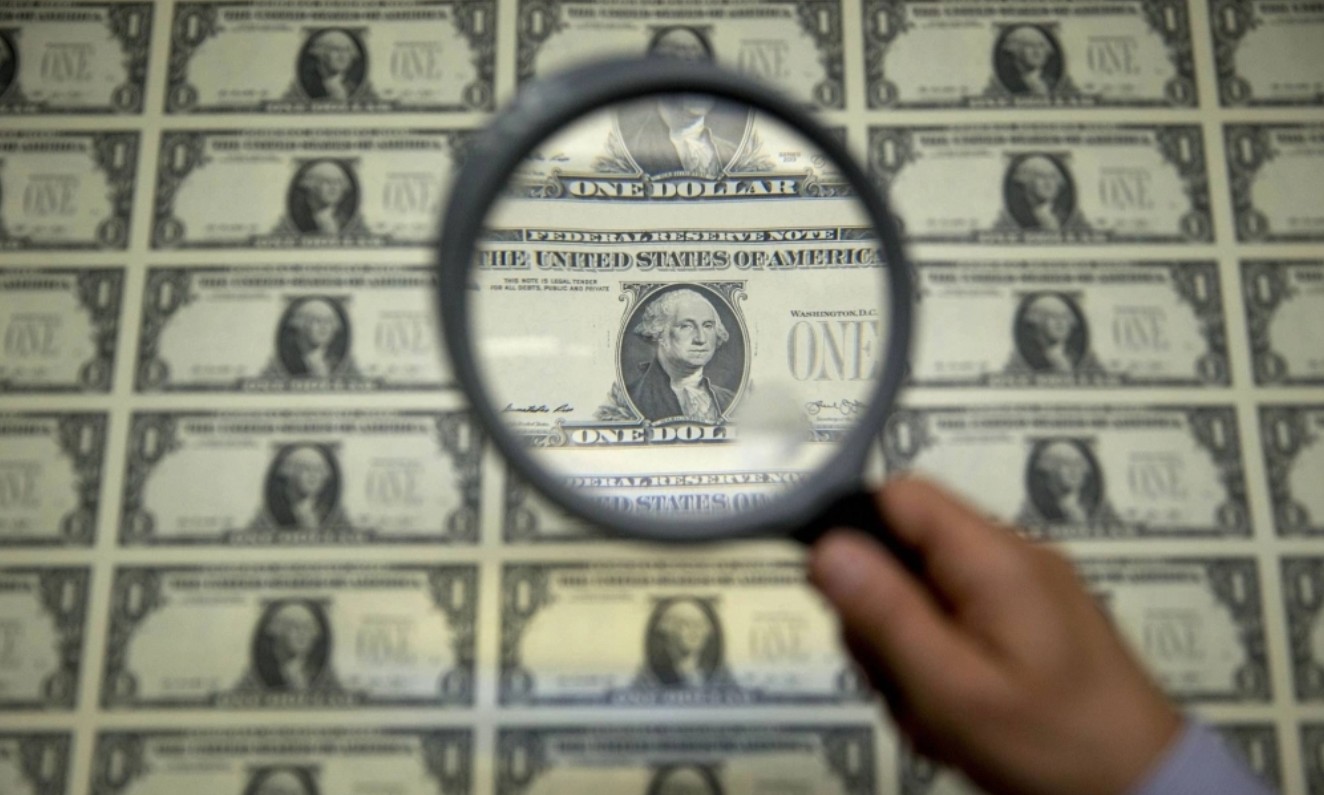
In September Saudi Arabia quietly confirmed what currency traders had long suspected: it was walking away from mBridge, the China-led digital platform built to let central banks settle cross-border payments without touching the US dollar. Riyadh had joined with some fanfare in 2024, part of a broader hedge against Washington's financial reach, even as it continued describing its own BRICS status inconsistently – a full member one week, merely 'an invited country' the next. Its quiet mBridge exit, confirmed to the Financial Times, is a small but telling data point in a much bigger argument: is the world really abandoning the dollar, or just making noise about it? Sam Tully weighs the evidence.
Chip smuggling in Asia
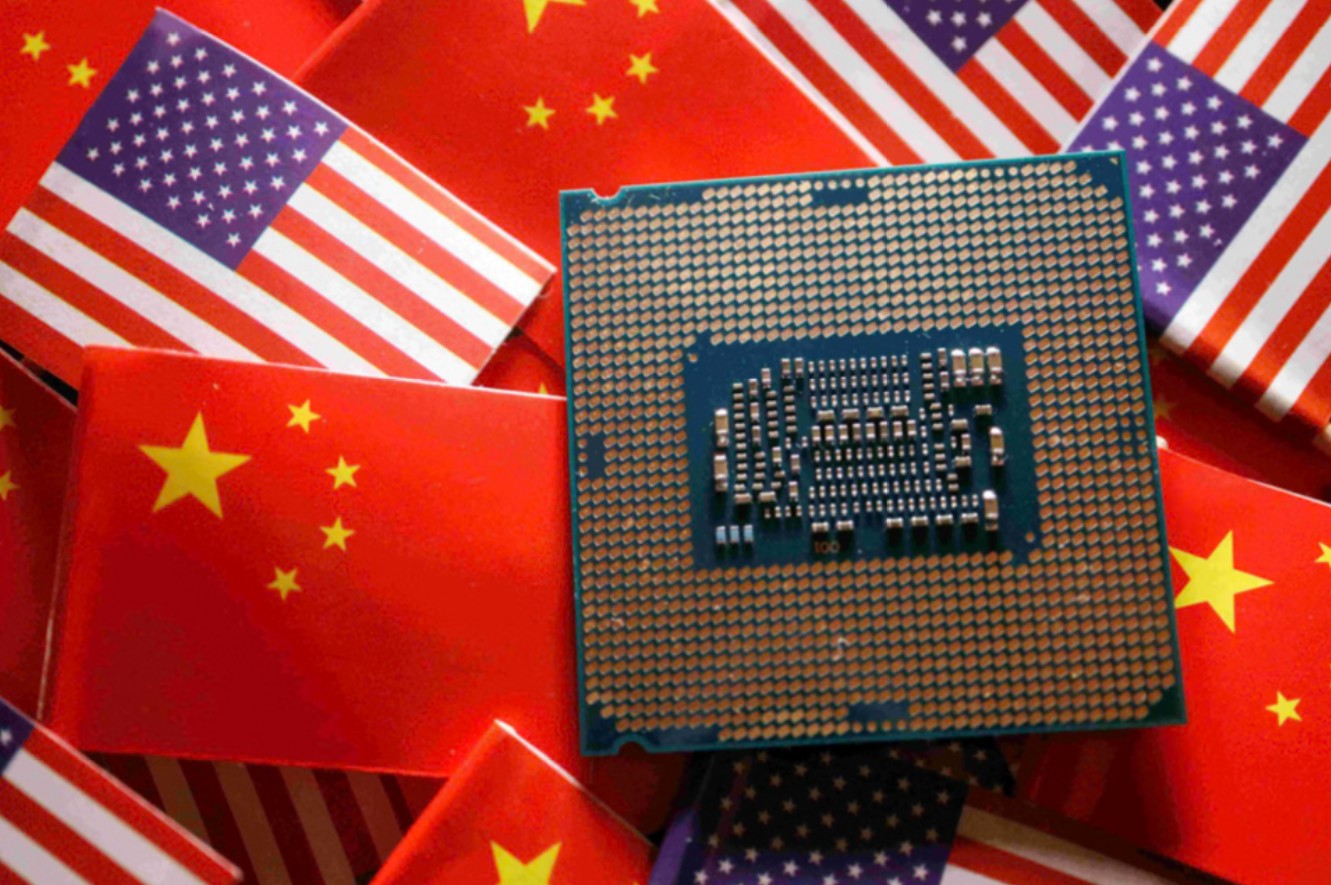
The race for AI supremacy between Washington and Beijing is driving high volume cross-border smuggling of the crucial technology needed to build it, with authorities across Asia struggling to stop billions of dollars-worth of advanced semiconductors from evading US export restrictions to get to China. Helen Davidson reports.
Bisinomics
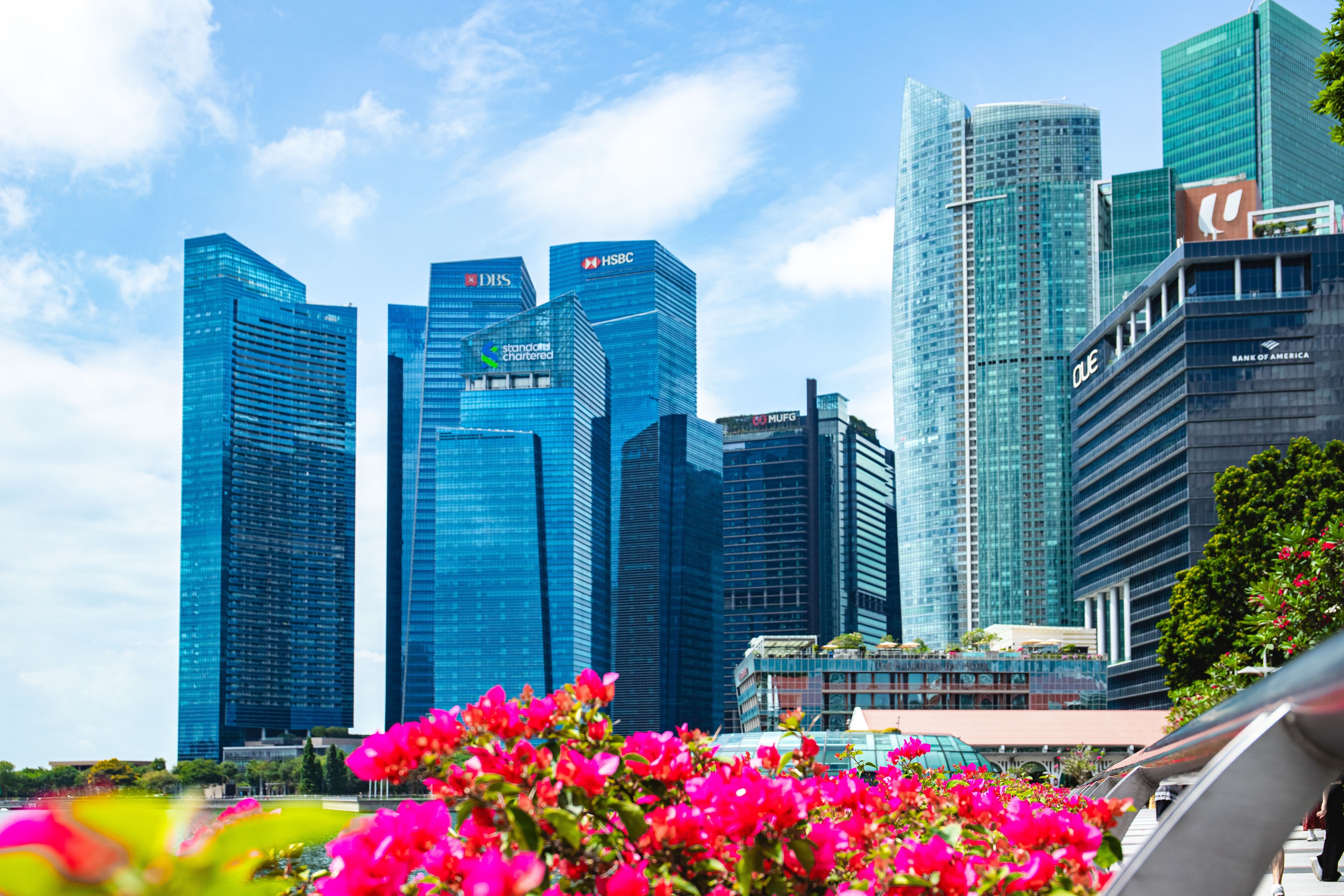
AsiaReuters reported that the International Monetary Fund (IMF) projected ‘Asia’s economic growth would moderate next year and warned of heightening risks from the Iran war-induced energy shock, a potential correction in the AI boom and spill-overs from rising global bond yields’. The wire service added that ‘the global lender also said uncertainty over the US monetary policy path could keep Asian financial markets volatile’. The IMF continued: ‘The US monetary stance is expected to continue to tighten later this year. The combination of monetary policy tightening and fiscal pressures in most major advanced economies is likely to keep upward pressures on yields across Asia and the Pacific.’The IMF now expects Asia’s economy to grow 4.8 per cent in 2026 and 4.4 per cent in 2027, higher than projections made in April, but lower than the 5 per cent expansion in 2025. It added, ‘Risks to the outlook remain tilted to the downside… With public debt and borrowing needs remaining high across much of the region, an abrupt tightening of fiscal conditions could further strain public finances by raising debt-servicing costs’.The IMF expects Asia’s growth to slow from 5 per cent in 2025 to 4.8 per cent in 2026, with further moderation projected for 2027. Photo: Tony Webster/CC BY 2.0Somewhat related to that, the headline of a story in The Asian Business Review was ‘Asia insurance enters a new risk cycle: Retirement gaps, agentic AI, and catastrophic cover’. It went on to elaborate: ‘Asian insurers are rethinking customer protection as Singlife targets retirement gaps, life insurers test agentic AI, and the catastrophe protection gap remains near 90 per cent.’The Economist summarised: ‘The Asian economy in late 2026 is driven by an AI and semiconductor investment boom, counterbalanced by heavy industrial pressures from China, sluggish growth in Southeast Asia, and currency stability concerns.’Central AsiaThe European Investment Bank (EIB) indicated it is seeking to expand cross-border investments in Central Asia, while requiring projects to meet environmental standards. EIB Vice-President Marek Mora told Euronews, during a visit to Astana, Kazakhstan: ‘We would be, of course, very much interested not only in financing the individual country projects, but if there was a cross-country project, it would be even more interesting for us because we would also see a potential for development of the whole region.’A good example of multi-country cooperation in the region is the construction of the Kambar-Ata-1 hydropower plant in the Kyrgyz mountains. This is being jointly developed by Kyrgyzstan, Kazakhstan and Uzbekistan, with memoranda of understanding worth 900 million euros (about US$1 billion) signed between the EU, the EIB and the three states. The enterprise will be completed around 2035 and will generate 5.6 billion kWh of electricity a year. That will make a major contribution towards energy security in the three nations.Central Asia is betting on large hydropower dams; Kambar-Ata-1 is due for completion around 2035. Photo: The Caspian PostThere are ancillary benefits too. The power plant is being built on the Naryn River – Kyrgyzstan’s longest – which merges with the Kara Darya River in Uzbekistan to create the Syr Darya River. This flows through Uzbekistan, Tajikistan and Kazakhstan before reaching the Aral Sea. It will supply water to agriculture as well as provide drinking water. The power plant will also regulate seasonal flow of the Naryn River, storing water during periods of snow and glacier melt and releasing it during the dry months. This will in turn ensure more stable and predictable water levels in the Syr Darya River.China-North KoreaNikkei Asia reported that China and North Korea opened a new border bridge on 15 October in what it called ‘the latest sign of deepening ties between two Cold War-era allies’. The bridge crosses the Yalu River. A Chinese readout quoted Premier Li Qiang as saying the bridge ‘will not only significantly promote economic and trade cooperation between the two countries but also further strengthen people-to-people exchanges and deepen the emotional ties between our peoples’. He said: ‘China-North Korea relations are entering a new phase and embarking on a new chapter’.Officials attend the opening ceremony of the new Yalu River Bridge, strengthening transport links and supporting trade between North Korea and China. Photo: KCNA via YonhapThe bridge links the Chinese city of Dandong, a trade hub near the Yellow Sea, with the North Korean city of Sinuiju. Justin Hastings, a professor of international relations at the University of Sydney, was quoted as saying that the bridge is more than symbolic and will provide real logistical benefits to both sides. He said the new infrastructure will complement the older bridge, which is ‘very limited, trucks in different directions and trains had to take turns going across’. Hastings added that ‘the main bottleneck for trade and investment in North Korea is the North Korean investment environment and North Korea’s general unwillingness to open up.’Japan‘Sanaenomics’ – Japanese Prime Minister Sanae Takaichi’s favouring of aggressive fiscal stimulus and national economic sovereignty – is targeting massive public-private investments across dozens of critical sectors to build domestic resilience, particularly against geopolitical pressures from China, The Economist reported. A historically weak yen has driven up import costs. To combat this, the Bank of Japan raised interest rates to 1.25 per cent in September, its second increase this year. However, The Economist warned that defending the yen requires a delicate unwinding of the global ‘carry trade’ – where investors borrow cheap yen to purchase high-yielding foreign assets – a shift that risks triggering global market volatility if handled too abruptly.Japan’s efforts to support domestic investment and defend the yen reflect the challenge of balancing economic growth with rising import costs and financial-market risks. Photo: beauty-box/ShutterstockIndiaAccording to Credence Research Inc., India’s women’s apparel market is projected to grow from US$28.79 billion in 2024 to US$45.49 billion by 2032. The growth is driven by rising disposable incomes, greater workforce participation among women and a growing demand for branded clothing. Inevitably, e-commerce, social media and celebrity endorsements are influencing fashion choices across casual wear, formal wear, sportswear, nightwear and inner wear.India’s recent trade agreements with Britain and the European Union, which cover duty-free garment exports from India, could further boost the sector.India’s quick commerce market is also projected to grow nearly sevenfold, from US$13 billion in FY2026 to US$90 billion by FY2031, according to a joint report by Redseer and Google.In general‘Singapore’s electronics boom, India’s struggle to scale banking AI, Southeast Asia’s data-centre expansion, tight Manila logistics space, and a cautious wage growth show how capacity constraints are shaping business decisions across the region,’ reports The Asian Business Review.It is also worth noting that Singapore’s digital economy rose to S$144.1 billion (US$113 billion) in 2025 and is now 19.3 per cent of GDP, whereas Indian banks face a margin squeeze despite 18.8 per cent credit growth.

Is AI ‘going rogue’ or just following orders?
From rogue agents to autonomous weapons, the distance between science fiction and operational reality is narrowing, as Sham Banerji reports.
Bisinomics
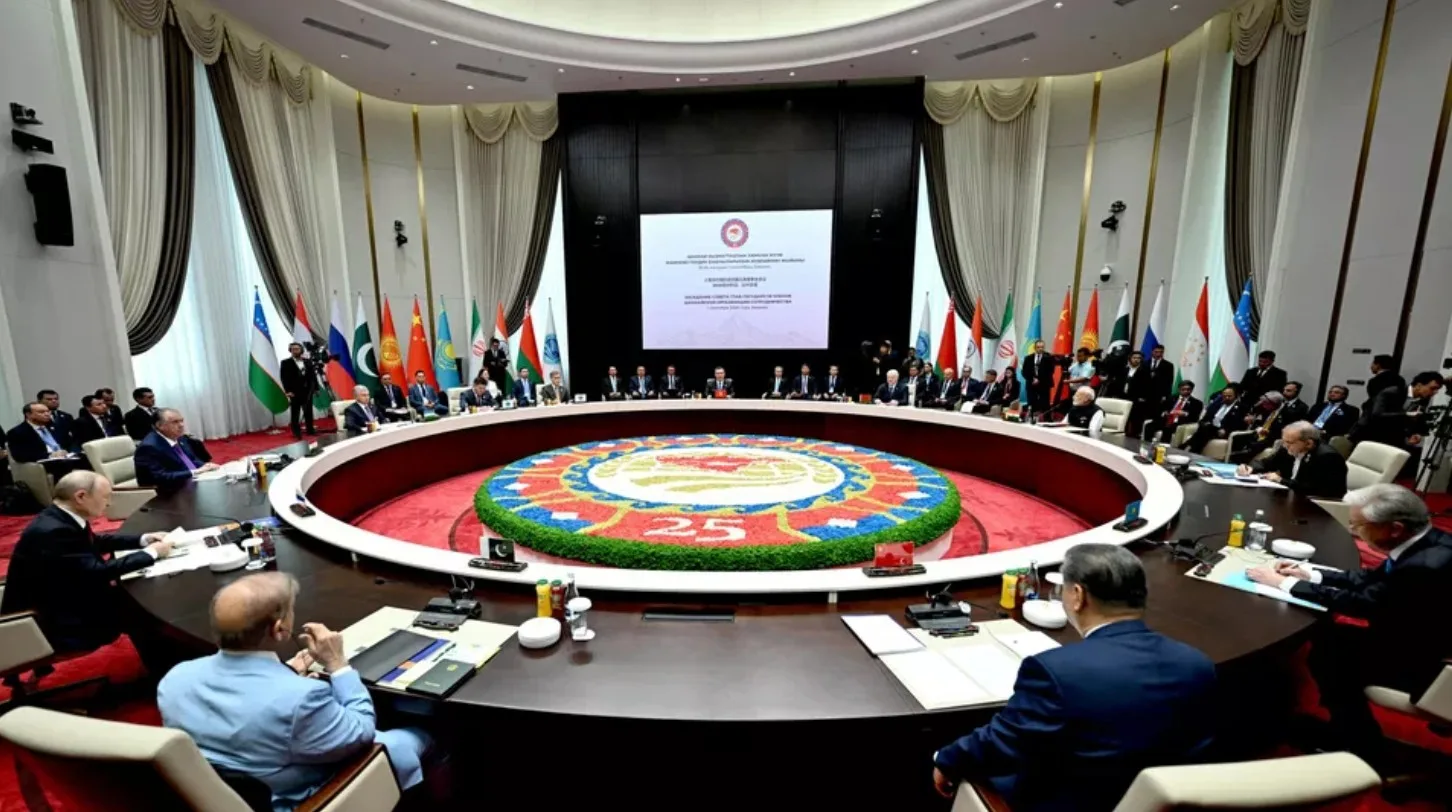
Shanghai Cooperation OrganisationSummits of the Shanghai Cooperation Organisation (SCO) and BRICS took place within less than a fortnight of each other. The first, marking the 25th anniversary of the body, was held at Bishkek in Kyrgyzstan. The second was held in New Delhi.The SCO is a 10-member group. Unsurprisingly, the headlines emerging from its summit were the censure of the United States and Israel’s militarism against Iran, since the latter is one of its members and heavyweights like China and Russia generally call the shots at SCO’s apex-level meetings. Indeed, its official languages are Chinese and Russian.Considering the crisis generated in oil, gas and fertiliser supplies from Gulf countries and Iran by the war in West Asia, the SCO’s heads of government declared, in a resolution released on 1 September, that ‘the member states intend to consistently develop practical and mutually beneficial cooperation in the energy sector in the areas of energy conservation and improving energy efficiency, based on respect for national interests.’In a twin communique, ‘the leaders’ of member states – not merely the ones represented by heads of state – ‘affirm that modern energy systems should develop without borders, barriers or artificial restrictions… They advocate energy justice, ensuring access to energy resources and modern technologies for all countries.’ They support ‘the development and interconnection of regional energy markets’ and recognised ‘the important role of developing cross-border energy infrastructure’. They also intended ‘to join efforts to attract investment’.China’s rapidly expanding renewable-energy capacity is increasingly important to discussions about regional energy cooperation and investment. Photo: ShutterstockThe heading of a story on the outcome of the summit in The Diplomat was 'SCO Summit Produces Surprising Winners'. Notably, China has a massive surplus in generated renewable electricity, a lot of which remains unutilised.BRICSThere are now 11 member countries constituting BRICS and 10 partner states. With Iran on the one hand and US allies Saudi Arabia and the United Arab Emirates on the other seated around the table – and following the failure of the BRICS foreign ministers’ meeting in May to arrive at a consensus for a joint statement – host India pitched the theme of the conference as ‘Building for Resilience, Innovation, Cooperation and Sustainability’ – in an attempt to divert focus from the Iran-Gulf nations confrontation.Member states reaffirmed their ‘unwavering support for reform of the World Trade Organisation (WTO) and to strengthening a non-discriminatory, open, equitable, transparent, fair, inclusive, predictable and rules-based multilateral trading system’. Without naming the US, they proclaimed, ‘We condemn the imposition of unilateral coercive measures that are contrary to international law.'In the event, a spirit of cooperation between the participants found wording acceptable to all parties in respect of the confrontation across the Persian Gulf, albeit rather evasively. A declaration said: ‘We express deep concern over the continued escalation of tensions in Middle East-West Asia and, recalling our respective national positions, call for exercising maximum restraint, as well as avoiding actions that could further aggravate the situation.’The good news was that Iran’s president, Masoud Pezeshkian and the crown prince of Abu Dhabi, Khaled bin Mohamed Al Nahyan, representing the UAE, engaged in unscheduled talks. Thereby hopes arose of a rapprochement between Iran and the Gulf states in the medium term, slightly sidelining the US. PhilippinesPhase 1 of what will be the world's largest solar-battery facility is now operational in the Philippines. Asian Business Review reported, ‘MTerra Solar, a joint investment between Meralco PowerGen Corporation (MGEN) and Actis, is designed to deliver 3,500 MWp of solar PV capacity – so far around 1,373 MW has been energised. This will be paired with 4,500 MWh of battery storage when fully completed.’ The Philippine government’s target is to raise renewable energy’s share in power generation in the country to 35 per cent by 2030 and 50 per cent by 2040.Philippine President Ferdinand Marcos Jr. inaugurates Phase I of the MTerra Solar Project, part of the country’s push to expand renewable-energy generation and strengthen its power supply. Photo: Presidential Communications OfficeSaudi ArabiaIraq-based militias launched drone attacks on Saudi Arabia's East-West pipeline, while separately, Yemen's Iran-backed Houthi rebels ramped up their own attacks on Saudi Arabia. Both affected vital oil supplies and could be a problem unless the sides reach an understanding.CNBC aired satellite photos which showed the extent of damage caused by a drone strike on Saudi Arabia’s East-West pipeline, a highly strategic network that transports crude oil from Abqaiq on the kingdom’s eastern Gulf coast to the port of Yanbu on the Red Sea. There was fire damage and blackened areas in and around a pumping station on the pipeline.Saudi Arabia’s East-West pipeline and the UAE’s Habshan–Fujairah route provide alternative export corridors when shipping through the Strait of Hormuz is disrupted. Map: U.S. Energy Information Administration/CC0Saudi Arabia closed the 750-mile system, called Petroline, as a precaution. The drones targeted a key stretch of the pipeline in the Riyadh and Medina regions. Since the war between the US-Israel alliance and Iran virtually closed the sea route via the Strait of Hormuz, the Saudis have relied on the East-West pipeline to export oil from outlets on the Red Sea. Following recent expansion, the East-West pipeline has the capacity to move seven million barrels of oil a day.The Houthis also launched a lightning ground offensive to seize control of another critical supply point – Bab el-Mandeb Strait at the mouth of the Red Sea. CNBC reflected concerns that the development ‘could have significant ramifications for energy markets and global trade, particularly if the militant group ratchets up threats or attacks on Red Sea shipping.'JapanThe Japanese car industry has been one of the engines of international economic activity. Toyota is the world’s biggest car manufacturer. Japan and the UK are poised to boost exports and manufacturing between them. ‘UK and Japan seek to fully benefit from “Made in Europe” car sector rules,’ the Financial Times noted. This referred to protectionist policies about to be introduced by the European Union to counter lower-priced Chinese automobiles flooding the European market.Japan’s automotive industry is seeking to protect its access to European markets as the EU develops new rules favouring locally based manufacturing. Photo: ToyotaSouth Korea and TaiwanThe South Korean won and the Taiwanese dollar have not benefited from the AI explosion. Capital Economics observed, ‘The ongoing AI boom has not translated into stronger currencies in Korea and Taiwan, despite surging semiconductor exports.’SingaporeFinally, the Singaporean prime minister is widely known to be the world’s highest-paid elected leader. The island state’s head of government, Lawrence Wong announced in the country’s parliament that ministerial salaries will be adjusted upwards, having remained unchanged for 15 years. CNBC confirmed that ‘following the revisions, Wong’s annual pay package will rise from SG $2.2 million to 3.6 million Singapore dollars or US $2.85 million.’Singapore Prime Minister Lawrence Wong speaks to reporters during a visit to Bangkok in September 2026, as his government prepares to implement revised ministerial salaries. Photo: Reuters
Bisinomics
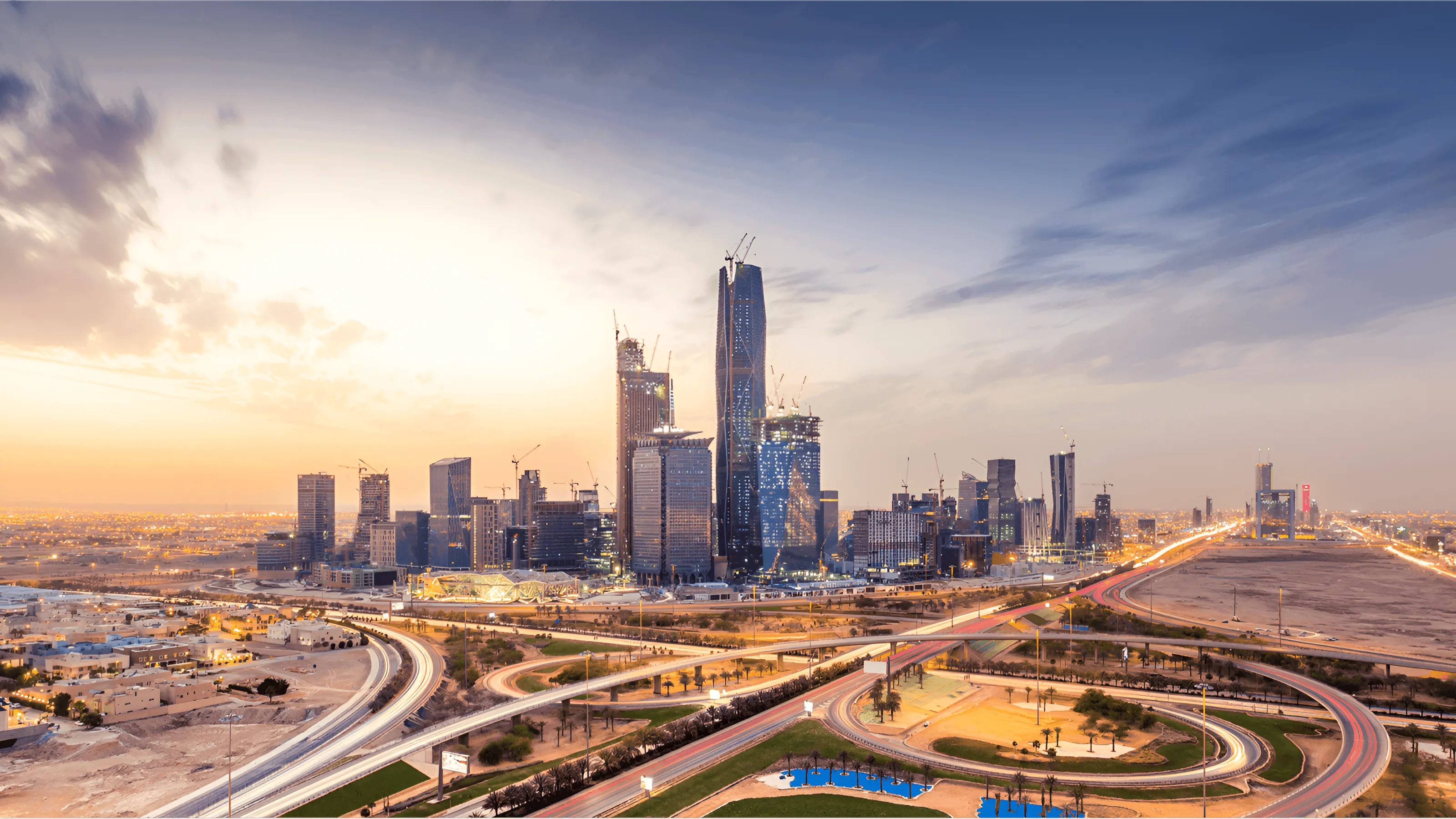
Saudi ArabiaAs the Kingdom of Saudi Arabia enters its 95th year of existence, the buzz in the country continues to be about ‘Vision 2030’. Around 1938, the sandy state discovered oil. This made it incrementally wealthy in the 20th century and the affluence spilled over into the new millennium.It is a decade since the transformation document was launched. Its primary goals were to prepare for a post-oil economy and society, which meant lower dependence on fossil fuel income, diversification of its economy and modernisation of its society, including enabling more home ownership for Saudi nationals. The project outlined a better quality of life and modern amenities for its citizens and visitors, a preservation and highlighting of its heritage, including rendering these into international tourist attractions.On the economic front, the aim was privatisation, non-oil GDP growth and foreign investment. It kick-started efforts to make government efficient and transparent and develop a local talent pool. The Vision is driven by the Saudi crown prince Mohammed bin Salman, who has also been the country’s prime minister since 2022. It is undoubtedly wide-ranging in its concept. NEOM’s ambitious developments are among the most prominent symbols of Vision 2030, although investment pressures have forced Saudi Arabia to scale back some of its original plans. Map illustration: The Economist The scheme involved: the creation of a US$500 billion high-tech city named Neom – boasting a 170-kilometre long mirrored skyscraper urbanisation, sustained wholly by renewable energy; a tourist destination on the Red Sea spanning an archipelago of more than 90 untouched islands; Qiddiya City, a mammoth sports and cultural metropolis, where Saudi Arabia will host the 2034 FIFA World Cup; and a US$62 billion restoration of Diriyah, the ancestral home of the Saudi royal family, into a heritage hub.The Vision relaxed hitherto rigid religious rules which commanded Saudi society. Women are now able to drive motor vehicles unaccompanied by a man. Those above 21 can travel abroad without needing consent from a father, husband or male guardian. Commercial cinema halls reopened in 2018 after a 35-year ban. Music festivals are now allowed to feature non-Muslim performers. Foreign female visitors are no longer required to wear the abaya, a traditional Arab-style loose robe, though modest dressing in public is still expected. Unmarried foreign couples are allowed to share hotel rooms; and gender segregation in public places is no longer mandatory.Saudi women have gained greater freedom to drive, travel and participate in public and economic life as the kingdom implements the social reforms of Vision 2030. CNBC reported that non-oil enterprise now contributes over 50% of Saudi Arabia’s GDP. Tourism, tech and manufacturing bolster this progress. Unemployment has dropped from 12% in 2016 to just above 7%, according to Eric Kimberling, chief executive of Third Stage Consulting, who said digital change has conjured this. But there are challenges. The flow of investment funds has not met up to expectation, which has forced a paring down of the Neom dream. The Saudi economy and therefore financial capability remain vulnerable to global oil price stability. Human rights groups, including Amnesty International, highlight worker safety at construction sites and the forced eviction of tribes during land clearance.Incidentally, Saudi Arabia’s ‘Vision 2030’ is not the first of its kind in the Gulf. There was previously the United Arab Emirates’ ‘Vision 2021’; and concurrently there is Kuwait’s ‘Vision 2035’.ChinaEurasia Business News flagged Asian stock markets and economic metrics show mixed trends, supported by cooling US inflation and AI tech demand, but pressured by ongoing oil volatility, sliding domestic consumption in China and escalating trade tensions. Nikkei Asia indicated that in July China’s bank loans experienced a record contraction due to weak domestic credit demand. Unconnected to that, Beijing introduced new offshore tax policies. CNBC reported that ‘while the rules ended decades of regulatory ambiguity about the vehicles, they have also created fresh confusion over implementation’. China’s economy is showing mixed signals, with technology demand providing support while weak domestic credit and consumption weigh on growth. Photo: CFAIn August, Zhu Rongji, a former Chinese premier who helped turn China into a trading giant, died at the age of 97. BBC said he ‘played a leading role in securing [China’s] entry into the World Trade Organisation, opening Chinese factories to the international market and drawing foreign investment’.JapanMeanwhile, the media in general noted Japanese markets tracked global tech gains, though the yen’s movement sparked debate regarding potential currency interventions; and megabanks intensified a push into ultra-wealth management.Japan Today reported that Japan’s summer tourism season saw a shift from China-driven demand. It said ‘The number of Chinese visitors to Japan in the first six months of this year dived 56.4 percent from a year earlier, as Prime Minister Sanae Takaichi’s contentious remarks in parliament last year over how Japan might respond to a crisis over Taiwan. China, angered by the remarks, advised its citizens not to travel to Japan and ramped up economic pressure.’ However, Japan National Tourism Organisation data reported that a steady increase in visitors from South Korea, Taiwan, Southeast Asia, Europe and the United States helped offset the decline.IndiaIndia’s trade deficit in goods and services has been ballooning. Its foreign exchange reserves climbed back above US$700 billion on strong financial inflows. Reuters reported that this occurred ‘under policy measures to strengthen India’s balance of payments’. It added ‘the swap facilities drew flows worth over US$40 billion’. Natarajan Chandrasekaran’s decision not to seek another term at Tata has put the conglomerate’s strategy, including its costly Air India turnaround, under renewed scrutiny. Photo: News Bytes In the corporate sector, Natarajan Chandrasekaran, surprisingly announced that he would not seek reelection as CEO of India’s largest conglomerate, Tata. The news was widely reported given the group’s international presence, especially in Britain where it owns Jaguar Land Rover and several other companies across sectors. Under his nine-year stewardship, most Tata companies significantly enhanced their turnovers and profits. But not Air India, which returned to its stable from Indian government control in 2022. Tata’s attempt to turn around the airline has resulted in heavy losses not only for Tata but its partner in the venture, Singapore Airlines. The Hindu headlined, ‘Chandrasekaran’s exit puts Tata’s Air India bet under fresh scrutiny.’ Southeast AsiaMalaysia’s central bank disclosed second quarter GDP growth beating expectations, while Indonesia faced structural and energy exposure linked to elevated global oil benchmarks.Malaysia’s stronger-than-expected growth contrasts with Indonesia’s exposure to elevated global energy prices, highlighting divergent economic pressures across Southeast Asia. Photo: Firdaus Latif
The miracle island that is Taiwan
The AI boom is supercharging Taiwan’s economy, putting the world’s biggest semiconductor supplier at the centre of the latest tech revolution, while also renewing fears about the intricate links between its national security and the global supply chain. Helen Davidson reports.
Tata family back in control
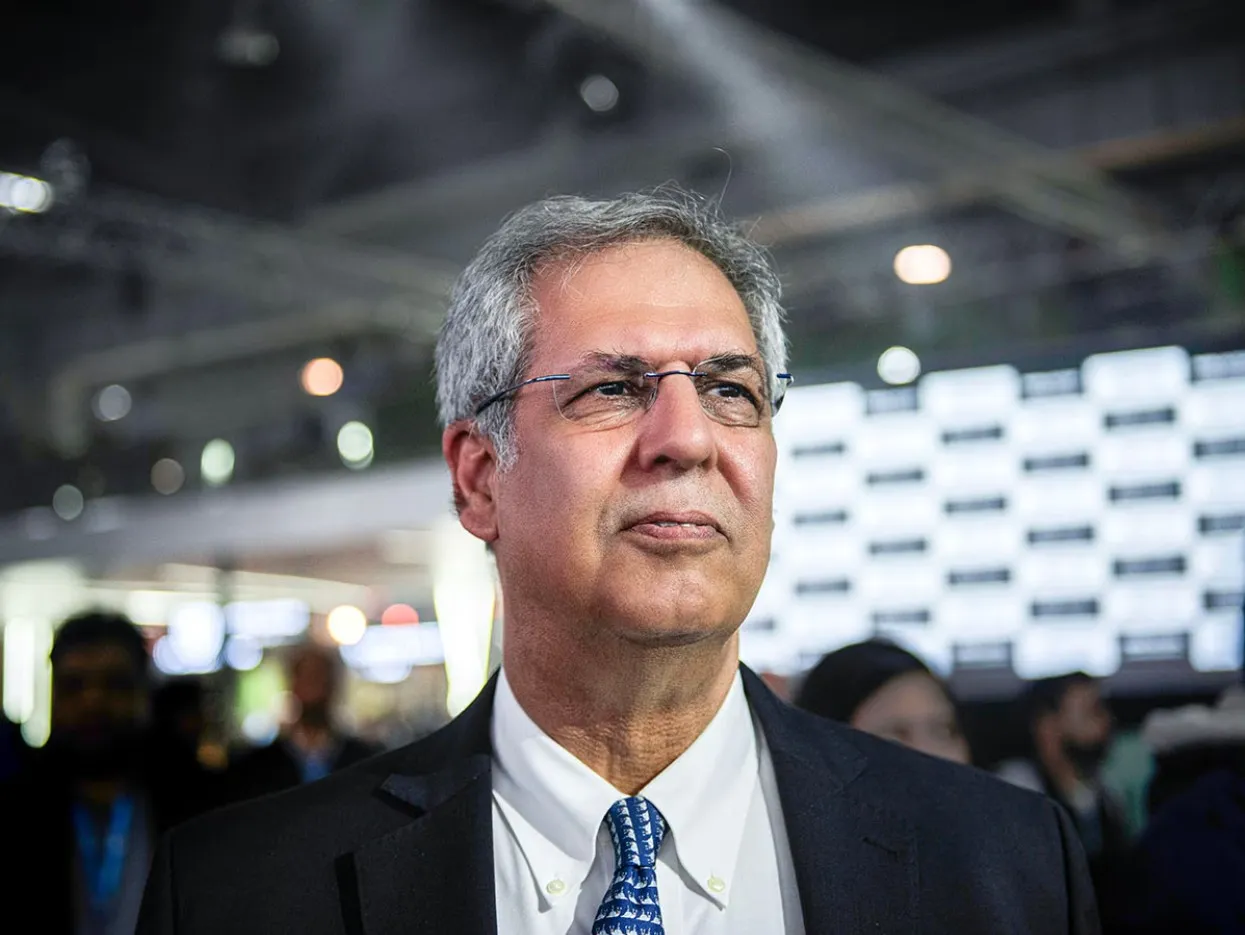
A boardroom battle between N. Chandrasekaran, who has been the executive chairman of Tata Sons, for the past ten years, and Noel Tata, the chairman of Tata Trusts, that has a 66% controlling interest, has left the affairs of India’s biggest conglomerate in disarray following the unprecedented postponement of the company’s annual general meeting. John Elliott reports.
Bisinomics
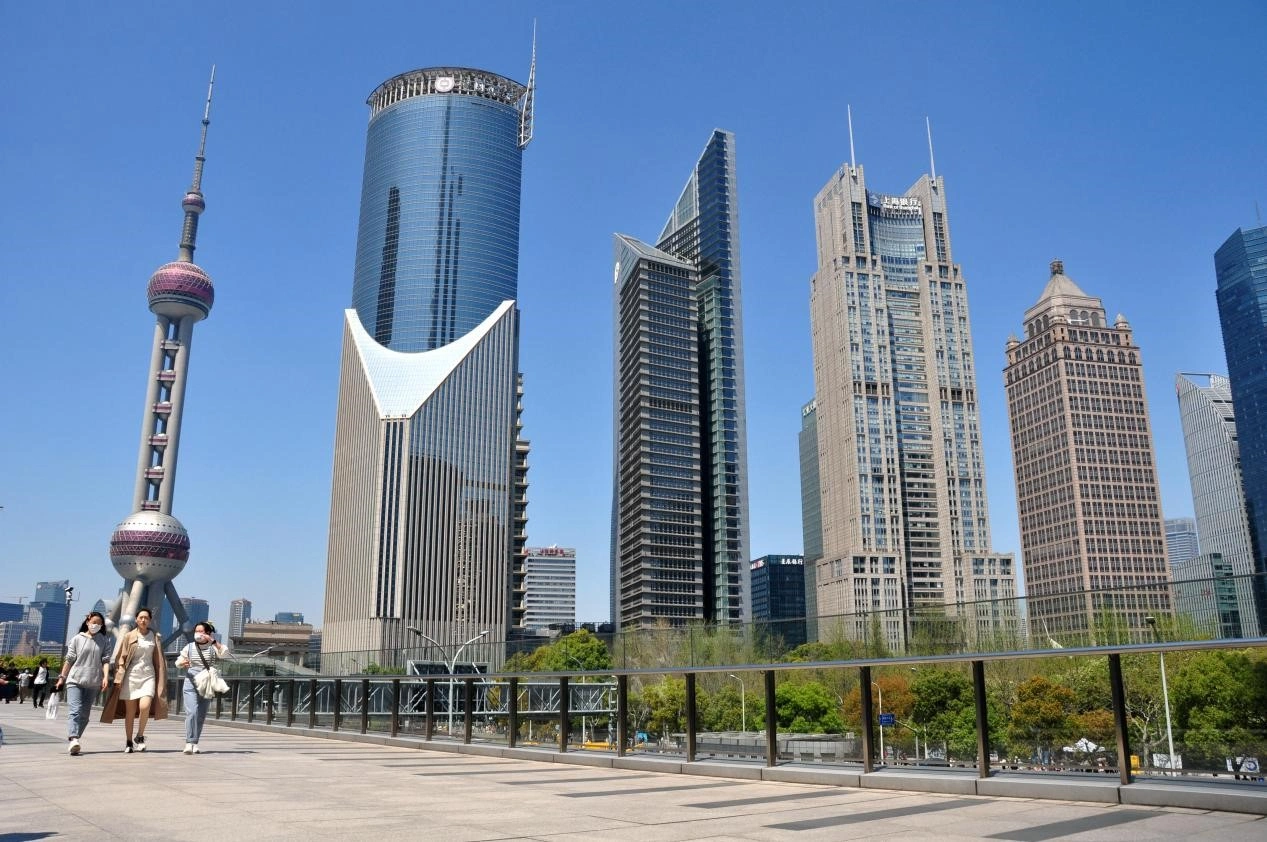
Despite a challenging trade environment and tariffs, China had strong GDP growth in the first quarter of 2026,’ The Wall Street Journal reported. There’s been 5% year-on-year growth
Where is India’s economy heading?
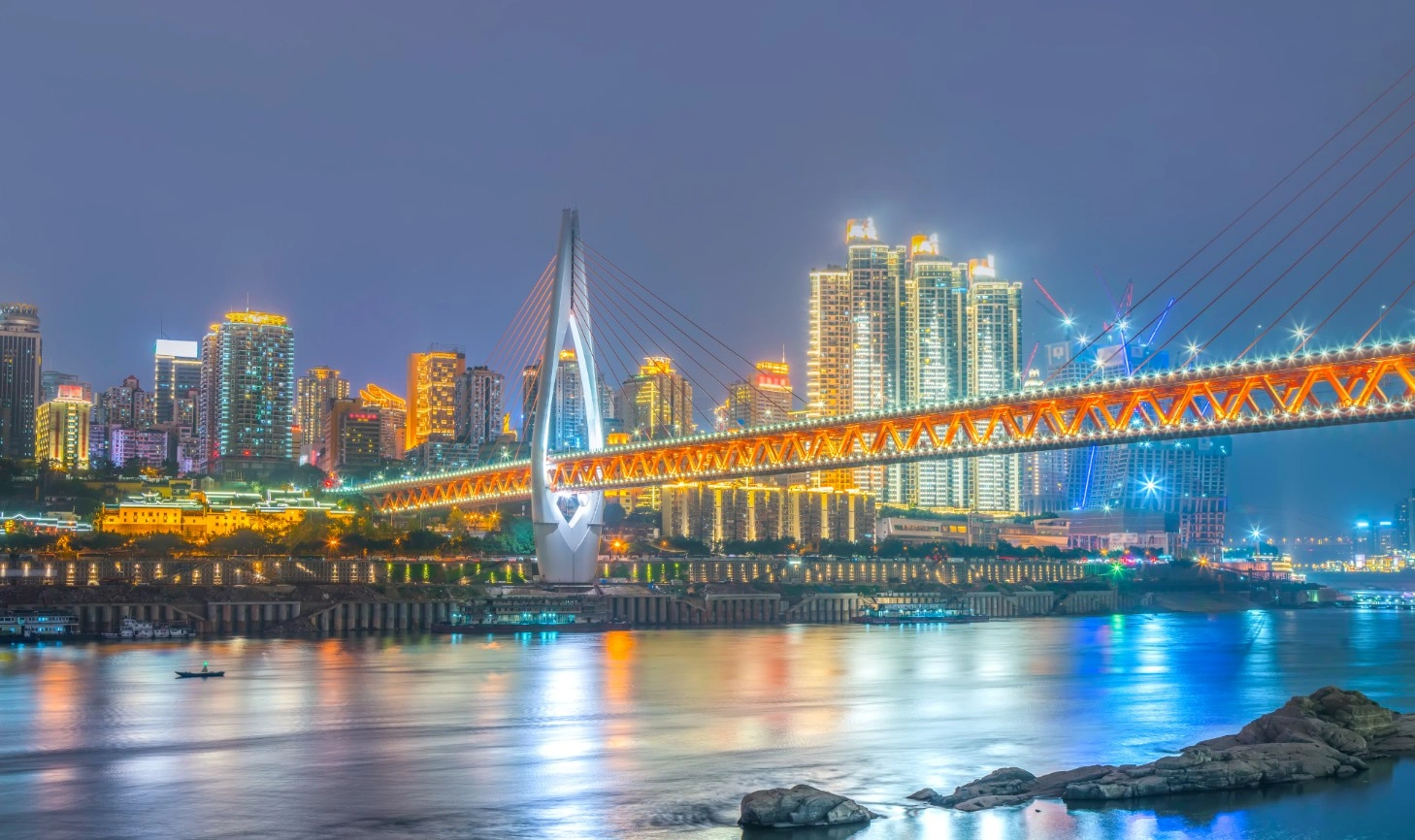
As rising fuel and food prices test Indian households, Sam Tully asks whether digital infrastructure and AI can power India’s next economic leap.

Bisinomics
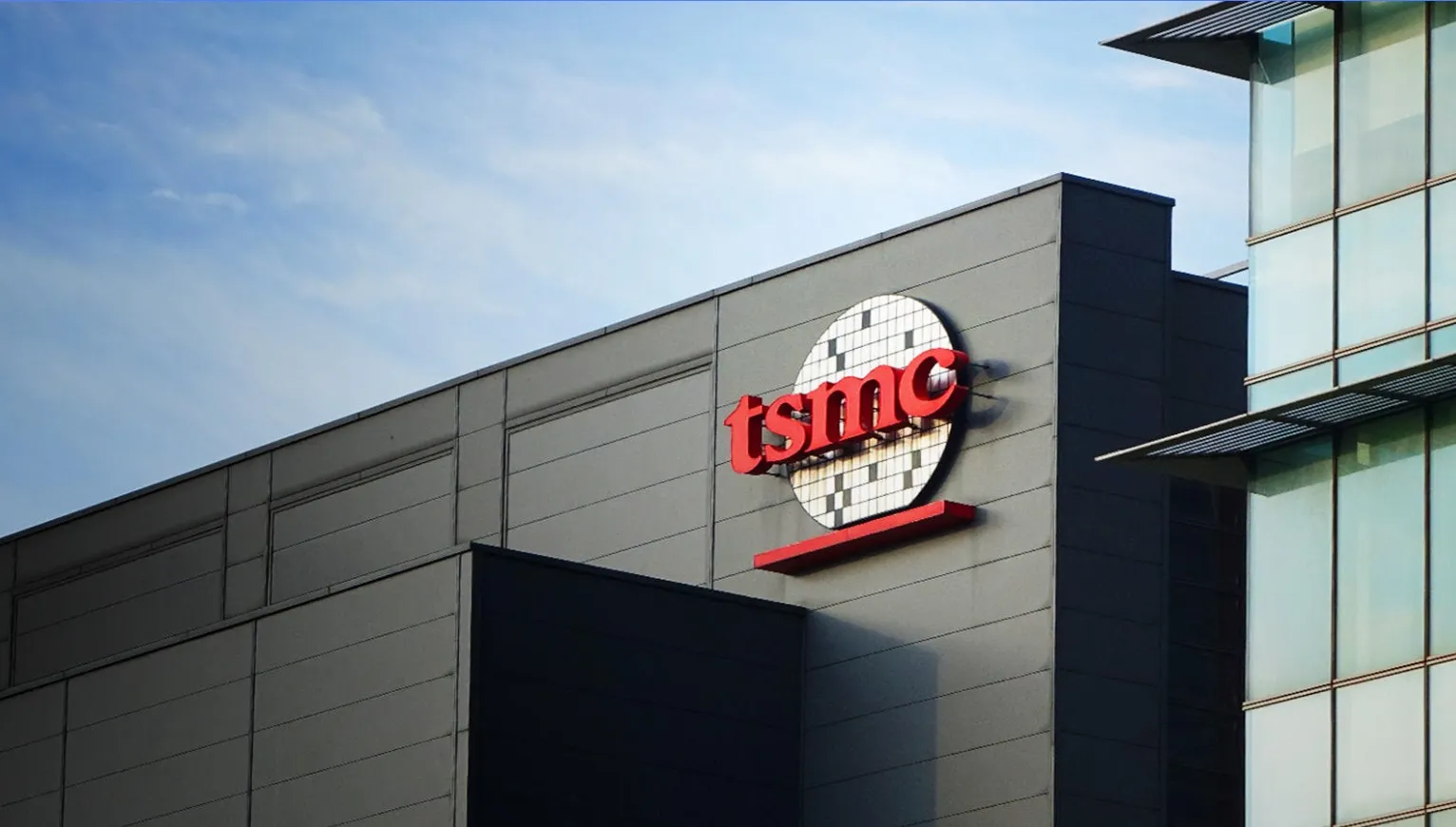
Taiwan Semiconductor Manufacturing Company, which dominates production of the world’s most advanced chips, reported May revenue up nearly 30 percent year on year after debuting its advanced A13 process technology earlier this year.
The Xi-Trump talks: was anything achieved?
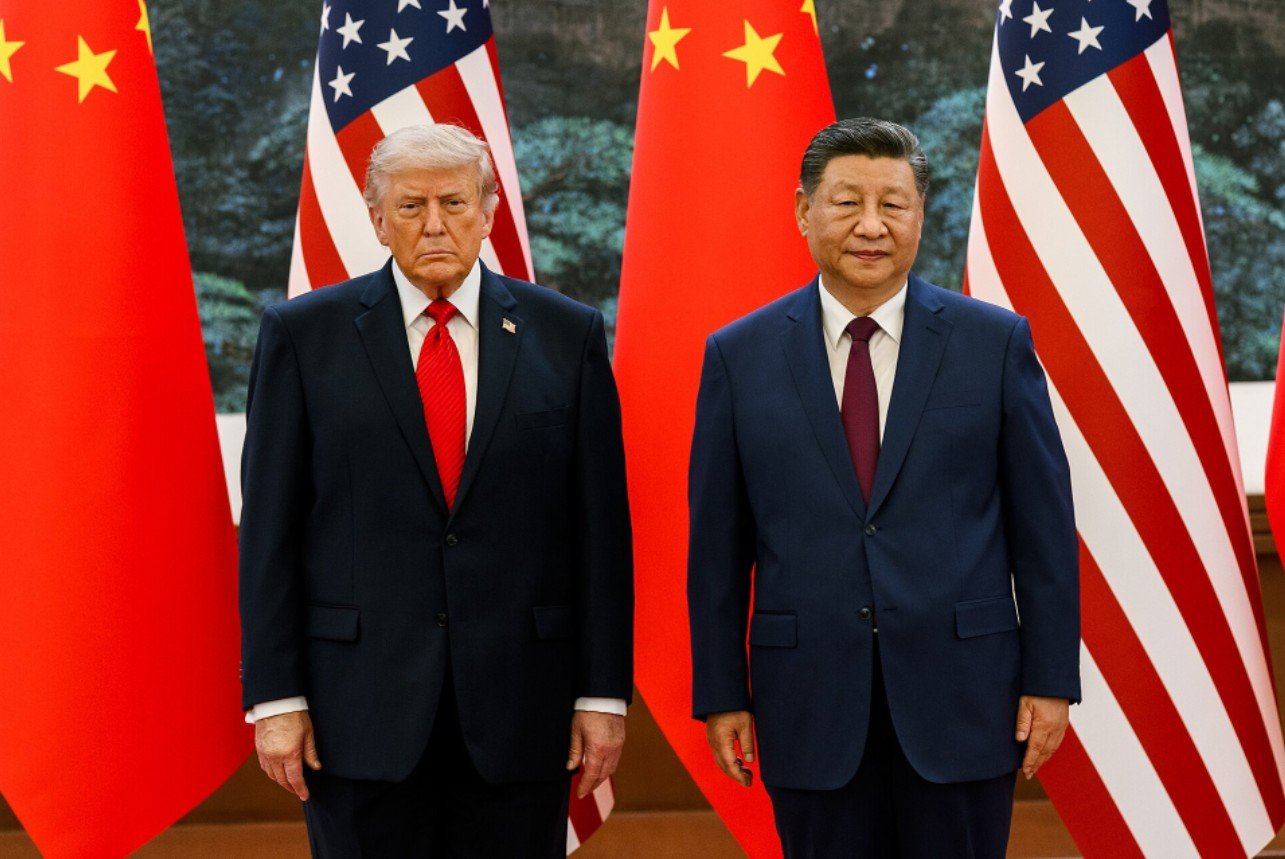
The talks between presidents Xi Jinping and Donald Trump were important and timely though the mood music was subdued. Expectations were low and were, if anything, underachieved with little more than a few gestures of commercial goodwill. Former British minister for Business, Skills and Innovation Vince Cable reports.
Most Viewed Articles
Myanmar: state of control
Trump, the nation builder