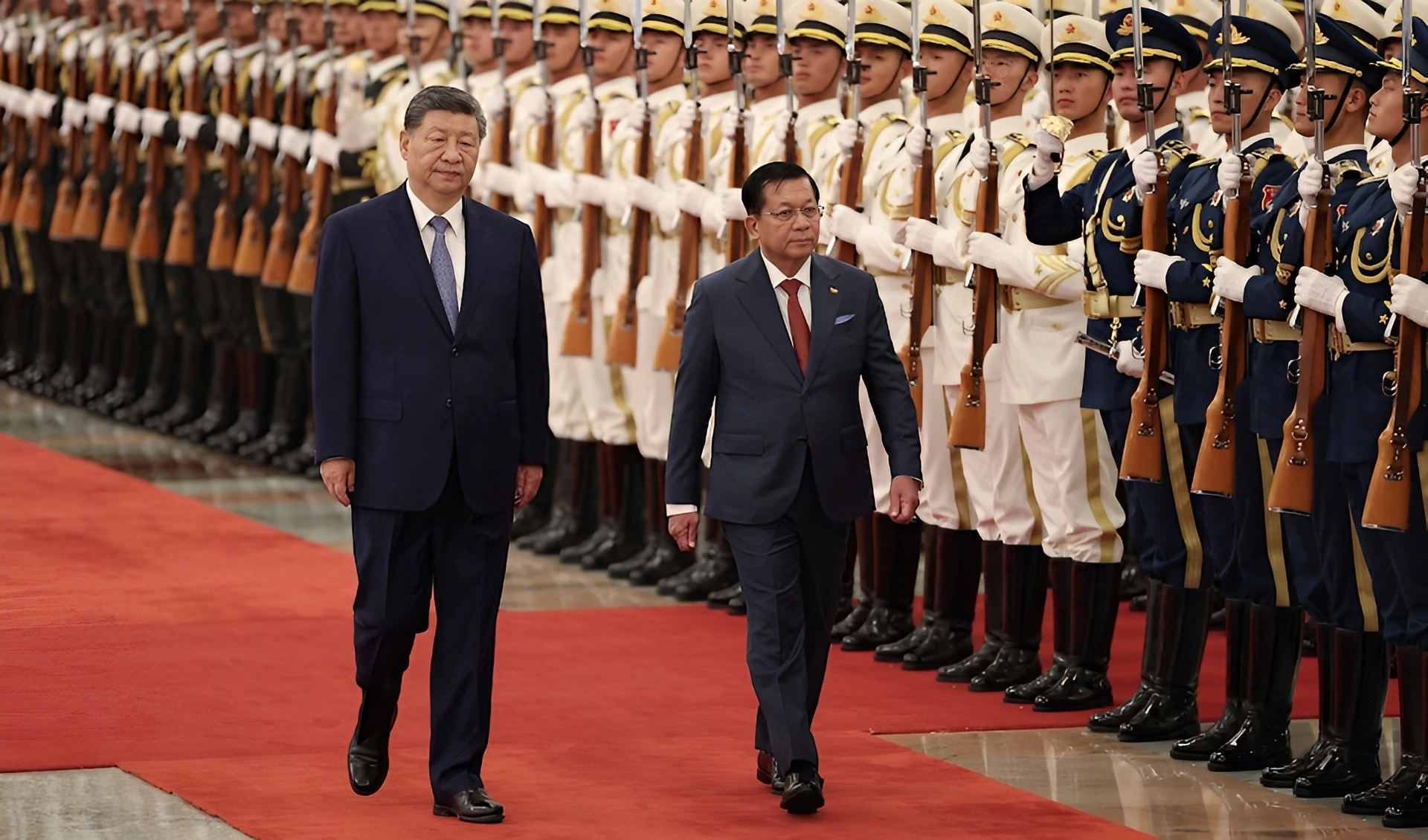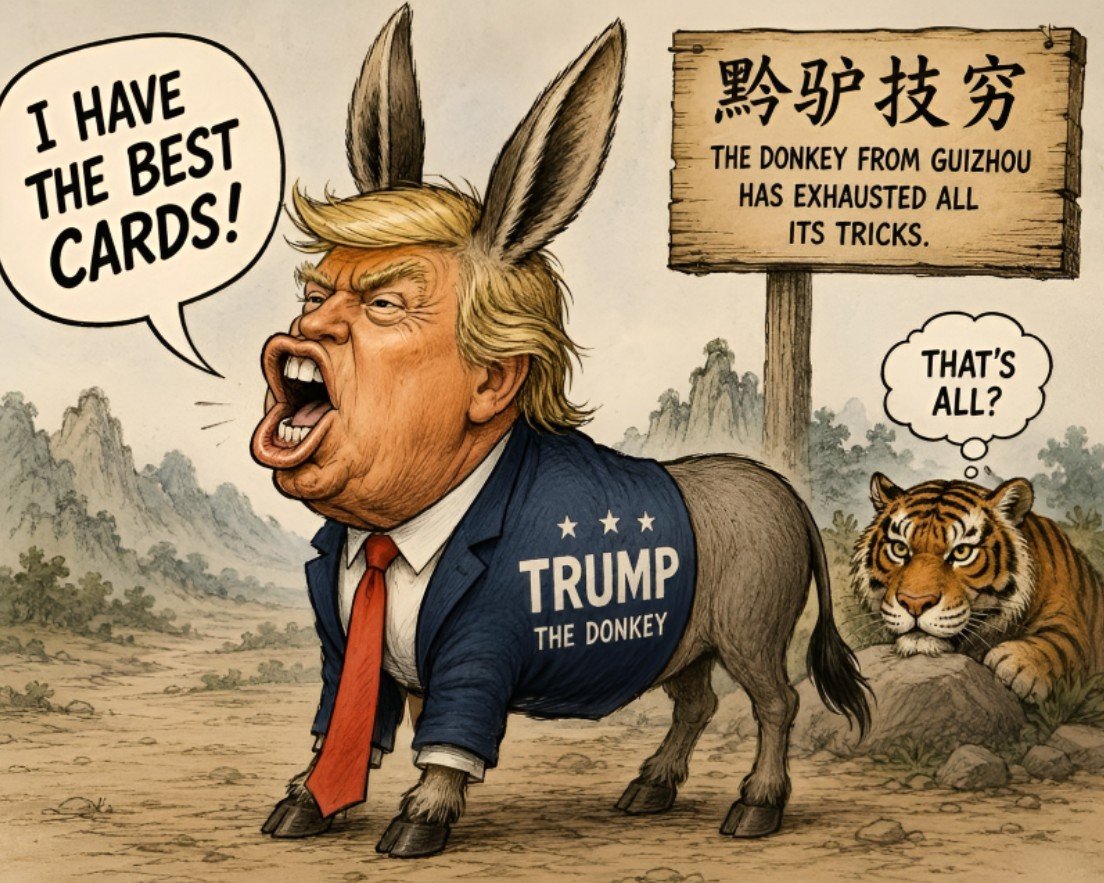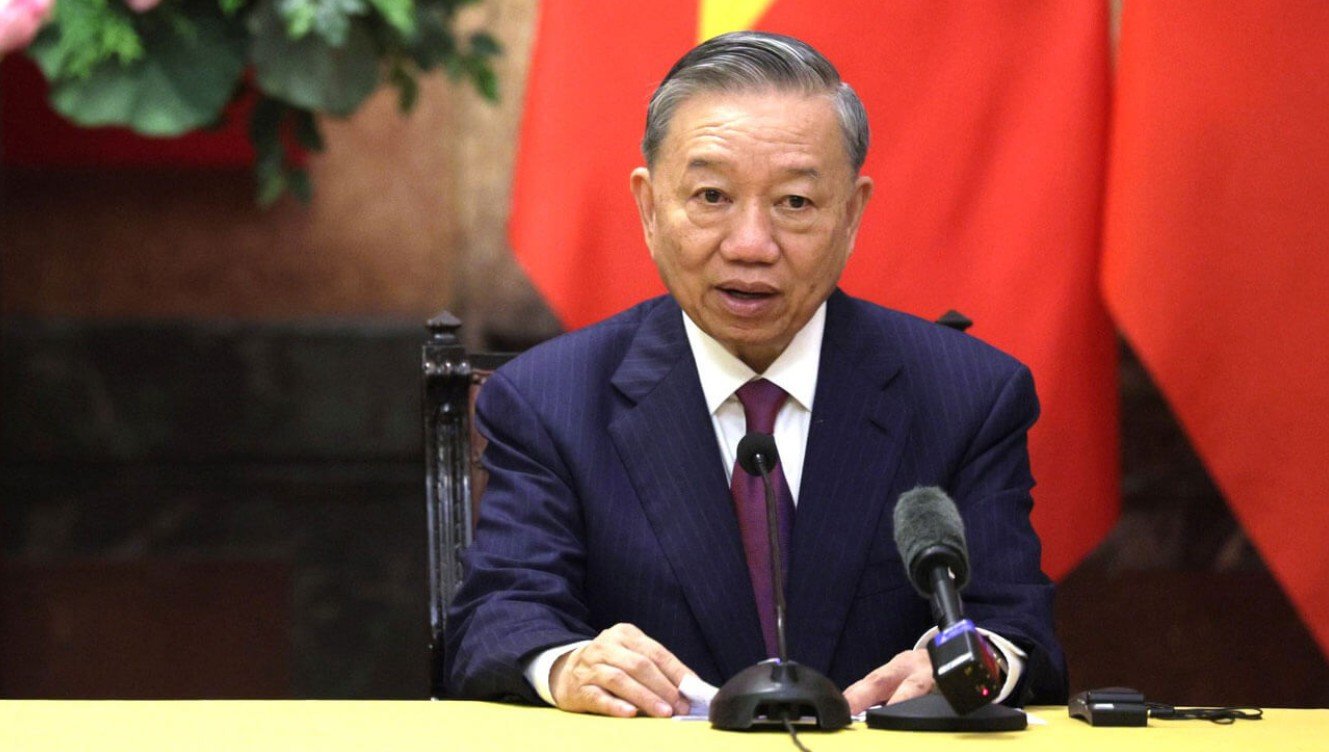
The United States’ military operation in Venezuela, culminating in the abduction and rendition to New York of its president, Nicolas Maduro, is potentially an economic blow to China. Chinese credit to the South American country amounts to around US$10 billion. The South China Morning Post, quoting analysts, reported that Caracas could challenge the very legitimacy of the debts.
Iran
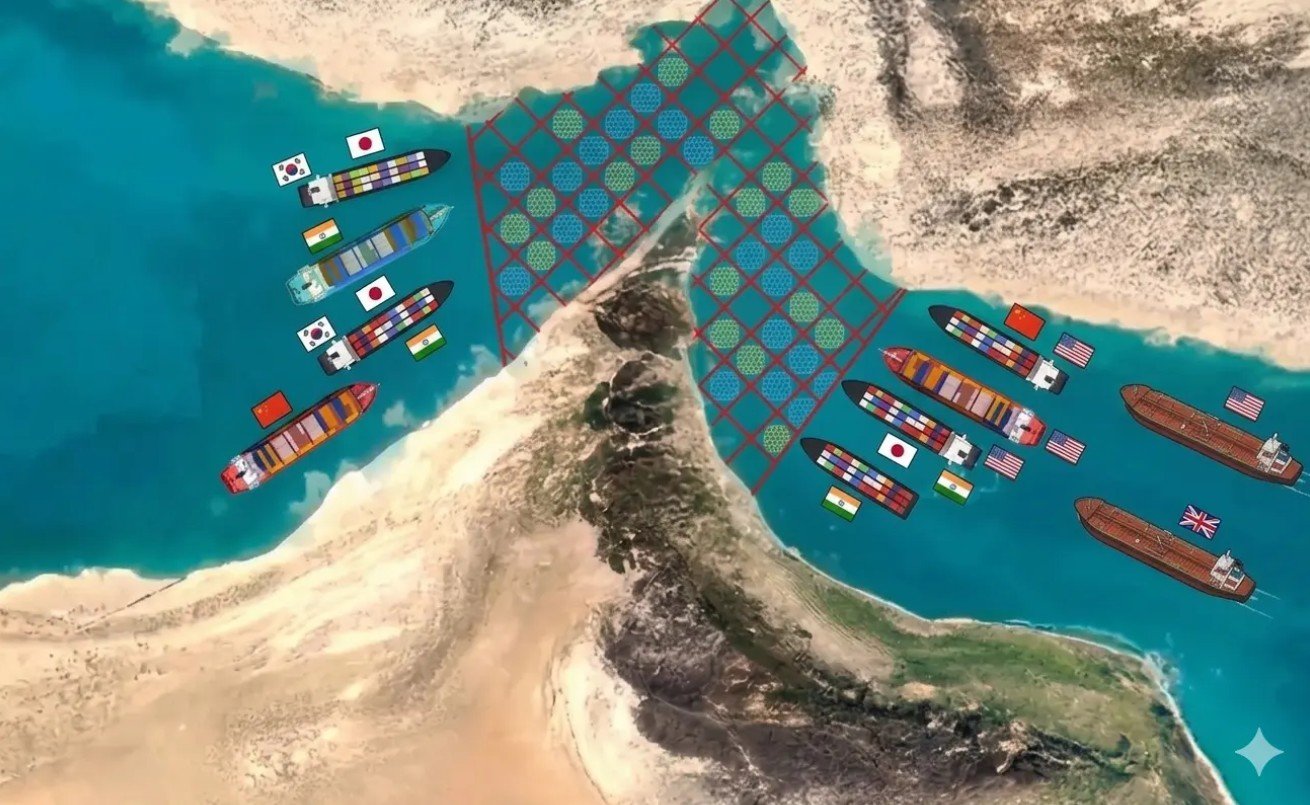
International crude oil and natural gas prices surged sharply after Iran – as a tactical response to Israel and the United States’ military attacks – choked the movement of non-Iranian vessels through the Strait of Hormuz.
The International Energy Agency (IEA) estimated that in 2025 around 20 million barrels of crude oil and related products passed through the 100-mile stretch of water daily, equal to about 25 percent of the world’s seaborne oil traffic.
The IEA also calculated that about 19 percent of global liquefied natural gas (LNG) is shipped through this waterway. Revenues of major exporters, such as Saudi Arabia, Iraq, Kuwait and Qatar were thus significantly affected. The latter, the world’s second-largest exporter of LNG, announced a production halt at its 77 million tons per annum facility and declared force majeure on shipments.
Countries dependent on energy from overseas, especially Asian nations east of the Gulf, such as India, the world’s third largest importer – were not only burdened by a steep hike in prices but confronted by a potential short-term shortage, especially of LNG.
Iran, while being ceaselessly pounded by bombs, missiles and drones, continued to fulfil its commitments until its gas field in South Pars, one of the world’s largest, was struck by Israel.
Neighbouring Iraq, which depended on supplies from the field, was the immediate sufferer. Iran retaliated for the damage to South Pars by hitting an industrial site in Ras Laffan in Qatar.  Iranian oil flows were mainly directed towards China – the world’s biggest importer. According to trade data analyst Kpler, it was continuing to receive 1.25 million barrels a day. China pressed Iran not to disrupt energy movement through the Strait of Hormuz. Beijing had already turned to Moscow to replace shipments from Venezuela, stopped since the ouster of its president Nicolas Maduro in a commando operation ordered by US President Donald Trump in January.
One of the consequences of the blitz on Iran was food prices fast approaching a level where poorer families were finding consumption unaffordable. Iranian media quoted bakers and grocers as saying advance payments made by wealthy customers were enabling them to extend credits to others for bread and meat. Meanwhile, a flight of capital from Iran accelerated. Central Bank of Iran figures suggested more money left the country than entered it from its trade surplus.
The run-up to Nowruz, the Persian New Year holiday, on 20 March usually sees an economic bustle in Iran with the buying of presents, new clothes and widespread festivities. This year, with Iranians fearing to venture out of their homes because of the Israeli and US bombardment, retail came to a standstill, thereby delivering another blow to Iran’s fiscal well-being.
Gulf Cooperation Council
The Qatar-based television news network Al Jazeera quoted an associate professor of politics and international relations at Zayed University in Dubai, Khaled Almezaini, as saying, ‘Disruptions to aviation, tourism, shipping routes and energy exports combined with higher insurance premiums and freight costs mean the region is likely losing hundreds of millions of dollars per day in economic activity.’
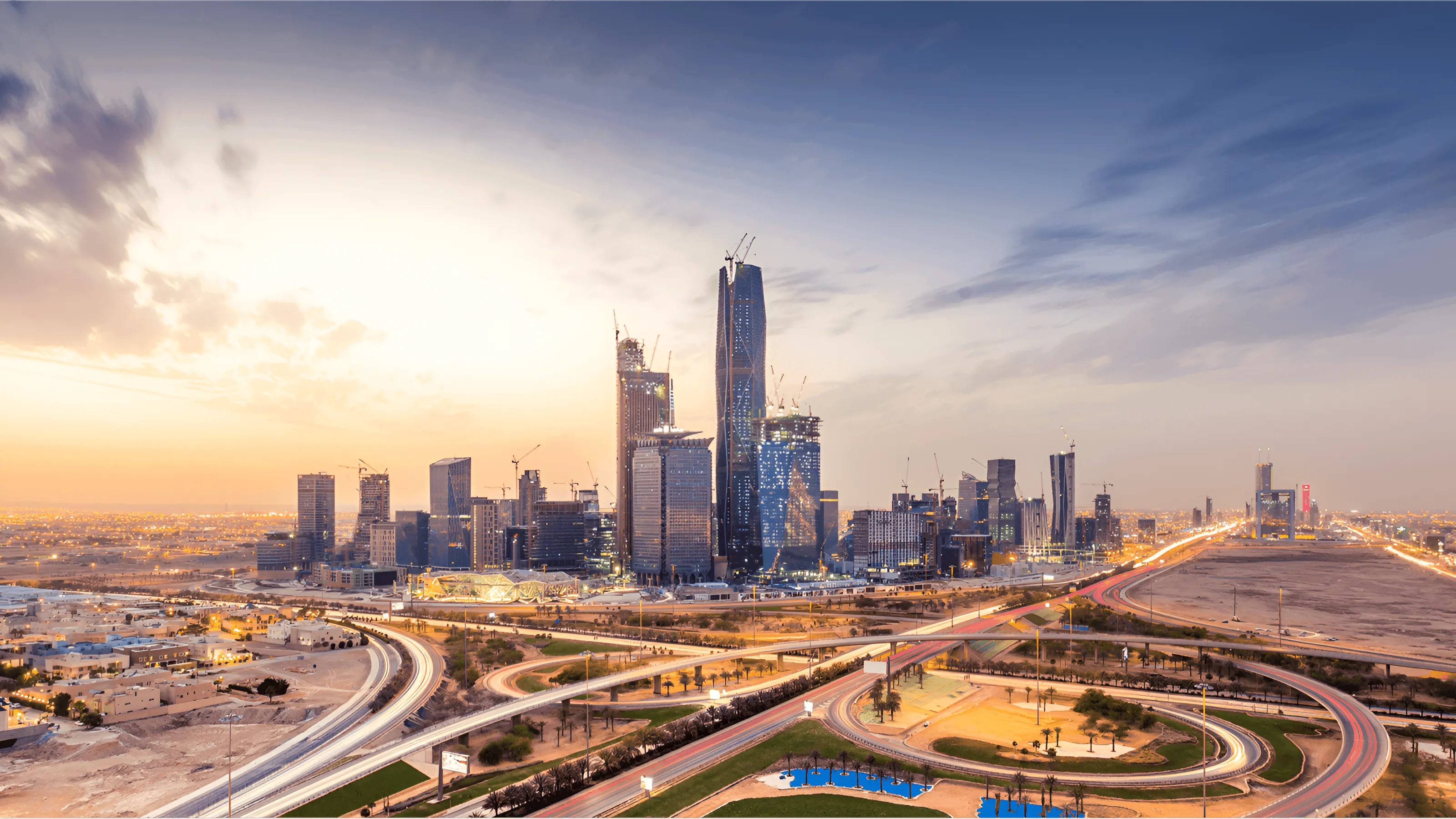
Despite aggressive diversification in recent decades, a large proportion of the GDPs of GCC member countries Qatar, Kuwait, Bahrain, Saudi Arabia, the United Arab Emirates (UAE) and Oman are founded on oil and gas production. All have faced a barrage of retaliatory drones and missiles from Iran, which have caused destruction in varying degrees. The first three are particularly exposed to Iran choking off the Strait of Hormuz.
The short-term impact of Shia Iran hitting out at Sunni Arab states is a throttling of their vital energy exports. In the medium term, foreigners from the world over who have been attracted to the area as an investment destination, a business hub, a place of residence (perhaps to escape paying taxes in their countries of origin) or a sandy riviera may now think twice about its charm and safety. An analyst from the UAE at an International Institute for Strategic Studies (IISS) seminar in London felt maintaining US military bases on their territories could be up for review as a long-term peace formula with Iran. That would demand mutual trust, which has presently plummeted.
Malaysia
Some Southeast Asian destinations are feeling the pinch of air flight cancellations and rising prices because of the war in West Asia. But others, such as Malaysia, may be better positioned to weather the storm, even capitalise on it.
Thailand and Indonesia – including the much sought-after resort of Bali – have been among the most vulnerable to the shock. European visitors to these countries preferred to shy away because of longer flights triggered by planes having to avoid the airspace of the conflict zone.
But Malaysia is different. European tourists, who account for only 15% of its trade, stay longer and spend more. Yet, this could be offset by strong demand from East Asia, India and ASEAN countries. 'We are in a sweet spot at the moment, very much like Singapore,’ Nigel Wong, president of the Malaysian Association of Tour and Travel Agents, told the Singaporean news channel CNA.
Japan  Signage at a gas station in Kyodo Japan reads ‘Sorry, out of gasoline because of Trump’. Photo: Kyodo News
The crude oil crunch compelled the Japanese government to roll out gasoline subsidies, after forecourt prices reached an unprecedented high. Japan Times reported that snack maker Yamayoshi Seika had stopped producing six of its items, notably its flagship Wasabeef potato chips, because manufacturing these required heavy oil usage and oil was in short supply.