
South East Asia
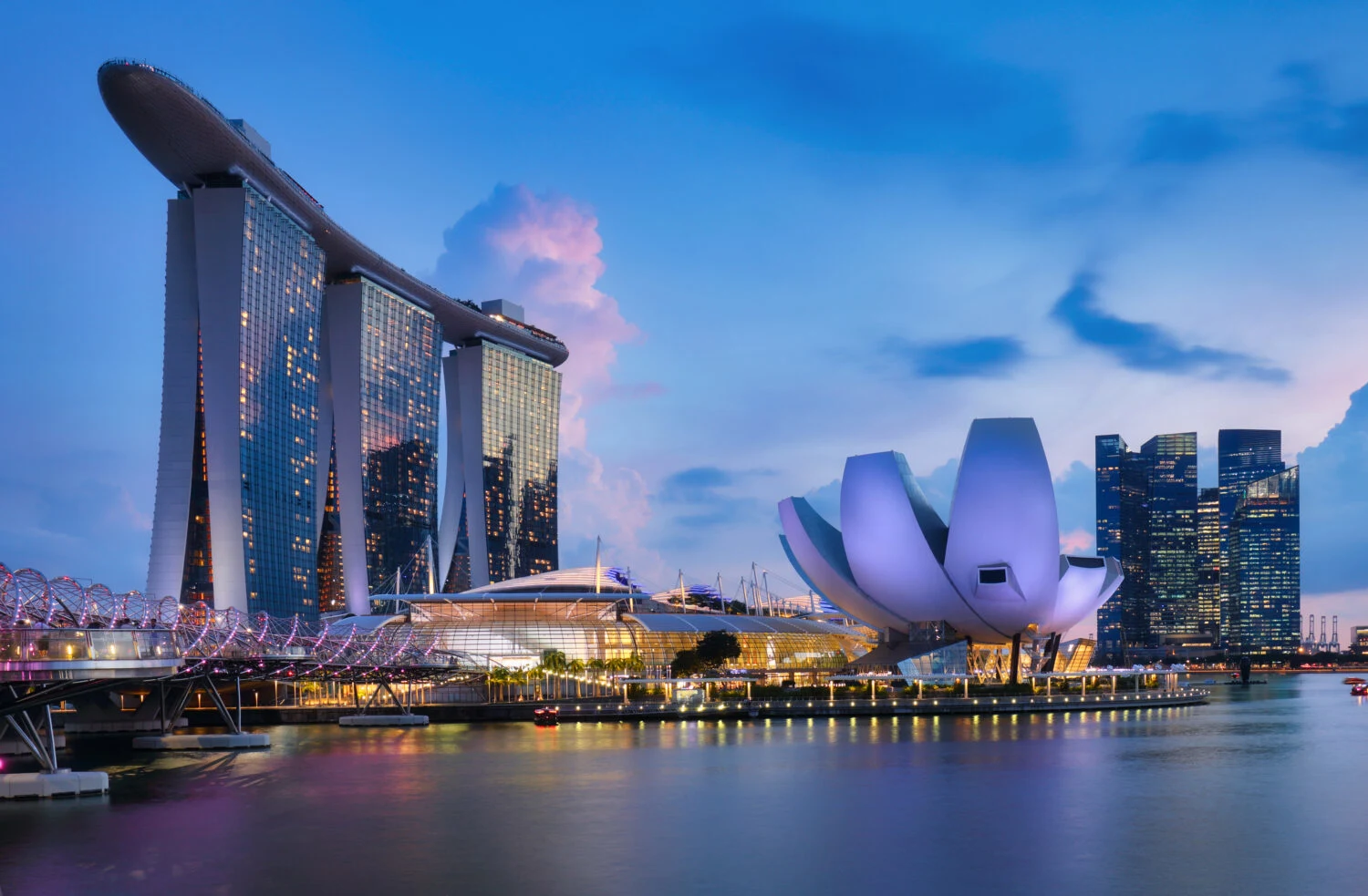
Singapore's baby bust
Last month Democracy Asia reported on population decline in India and China. Rahul Jaywant Bhise finds a starker version of the same story in Singapore, Asia's richest economy and the country with the world's most extreme shortage of children. He asks whether the real fix lies in immigration rather than incentives.
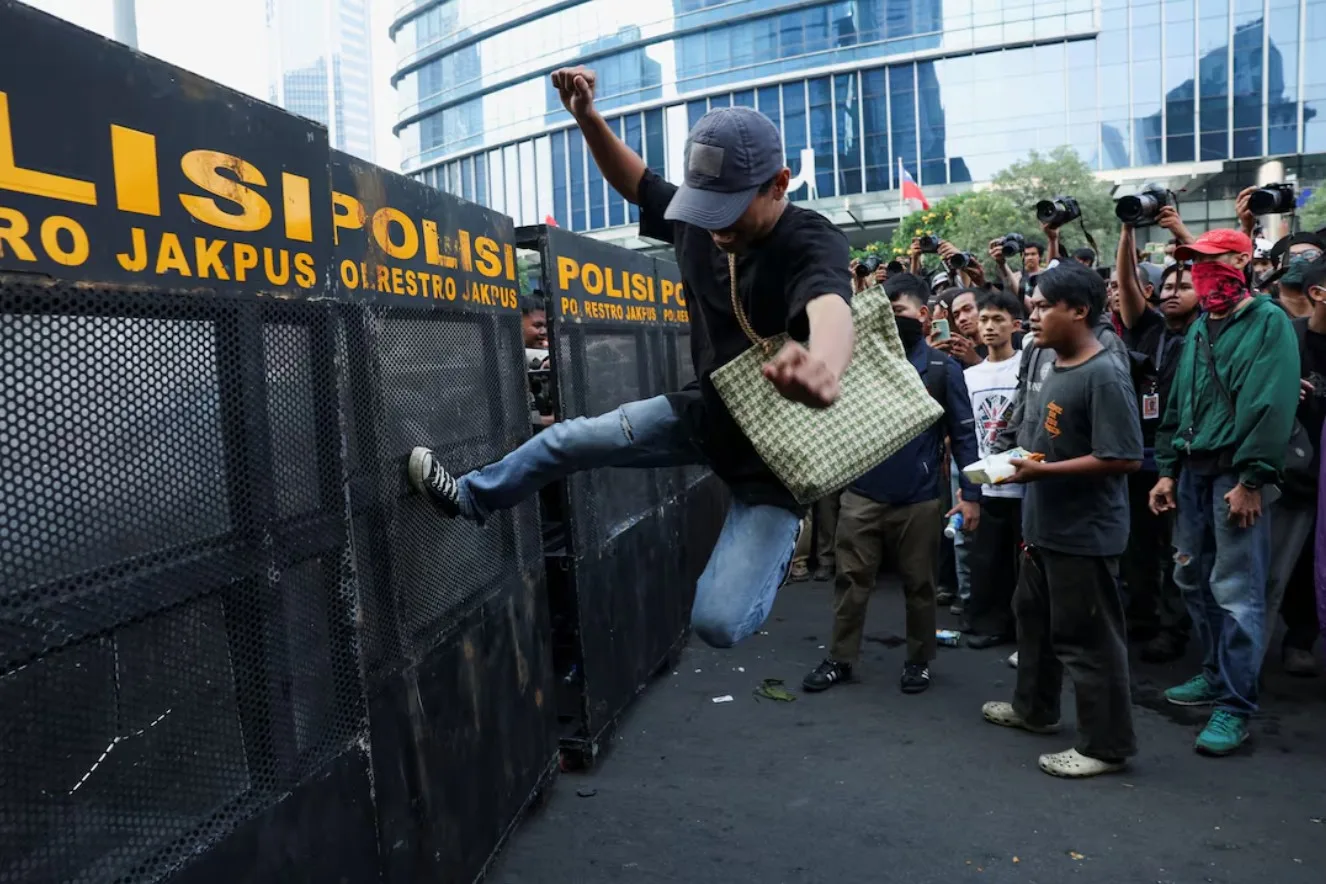
Indonesia’s Gen Z Problem
An outbreak of violence on the streets of Jakarta in August raised fears of the kind of social unrest witnessed last year, the worst riots the capital had witnessed since 1998 when the dictator Suharto fell. Joseph Rachman reports on fears of a repeat.
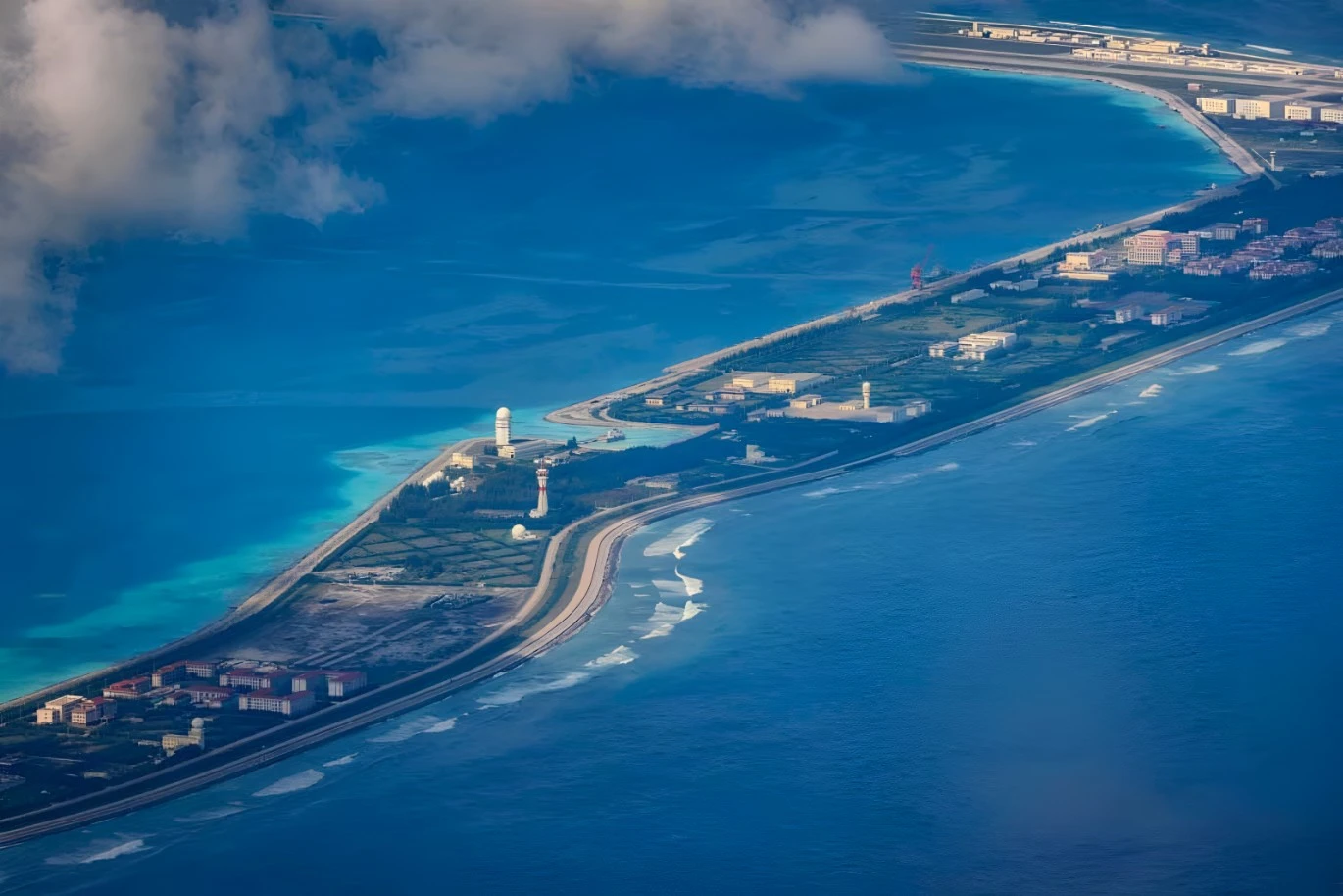
The South China Sea: Beijing’s victory without war
It is ten years since the Permanent Court of Arbitration in The Hague delivered what appeared to be a landmark victory for international law. In a sweeping judgment, the court rejected China's claims to almost the entire South China Sea ruling that Beijing’s so-called ‘nine-dash line’ had no legal basis. The Philippines, which brought the case, had won – or so it seemed at the time. Now it seems less clear cut, as Humphrey Hawksley reports.
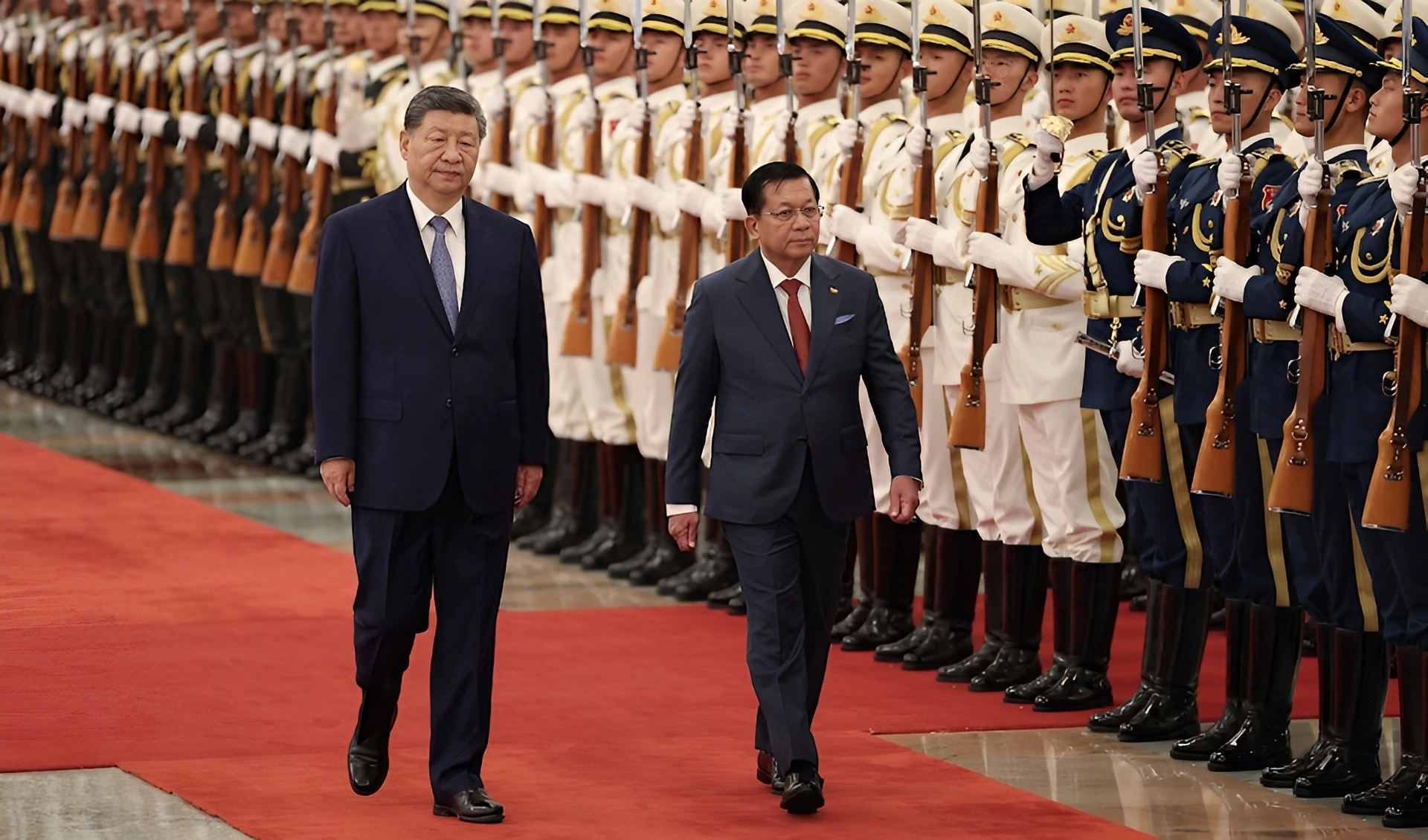
Myanmar: state of control
Throughout Asia, Myanmar is the country whose government controls the least of its terrain, probably barely more than 60 per cent. Yet neighbouring governments of India, China and Thailand, tired of waiting for peace to break out, are negotiating with the newly civilianised government to establish crucial trade routes across Myanmar’s territory. Nyein Chan Aye questions whether this approach can succeed.
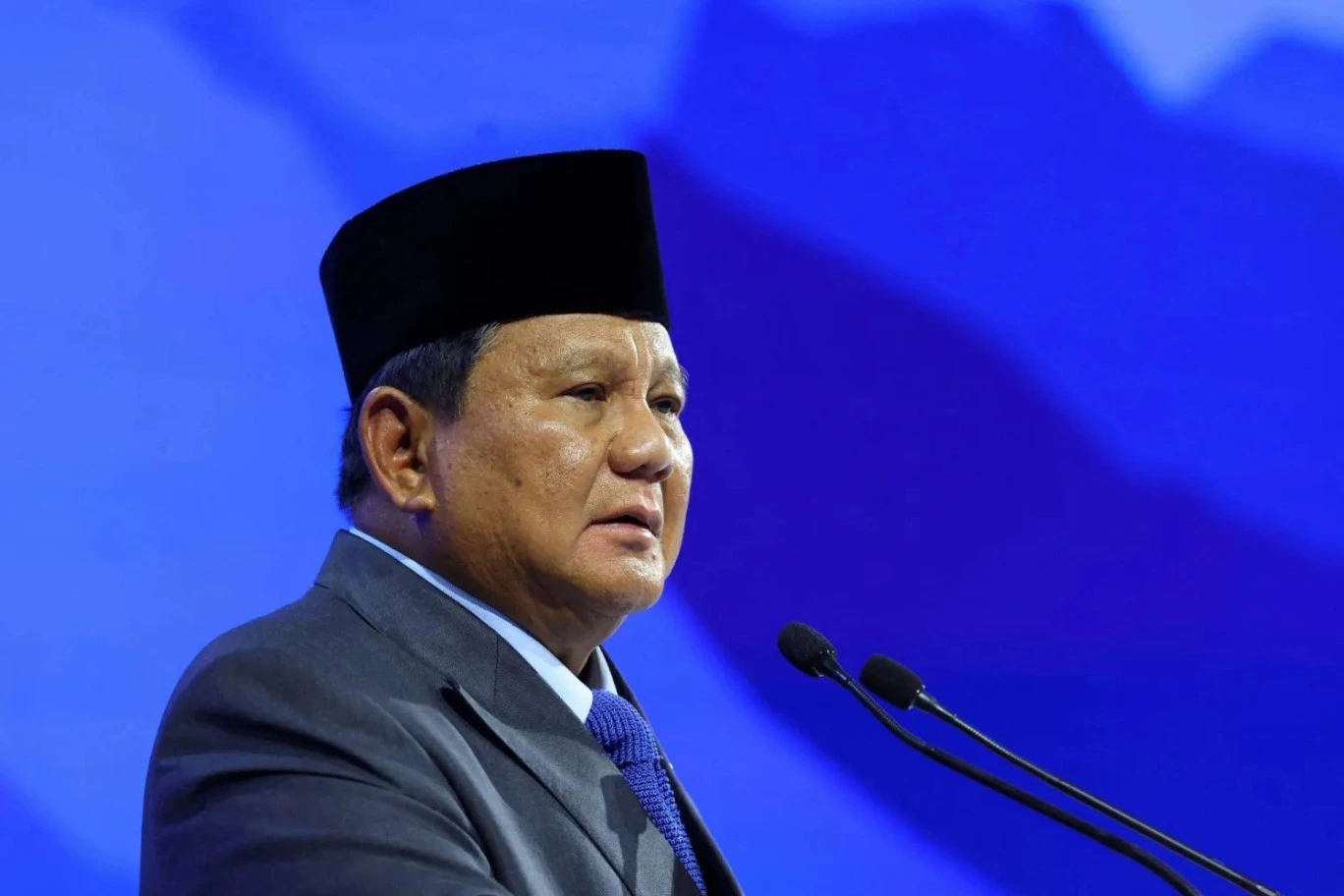
Tension in Prabowo’s Indonesia
The head of the country’s controversial and wildly expensive ‘free’ school meals programme is dismissed. Then the country’s chief prosecutor resigned after gold bars were found in his home, amid suggestions of large-scale corruption. What is going on in South East Asia’s largest economy? Joseph Rachman reports.
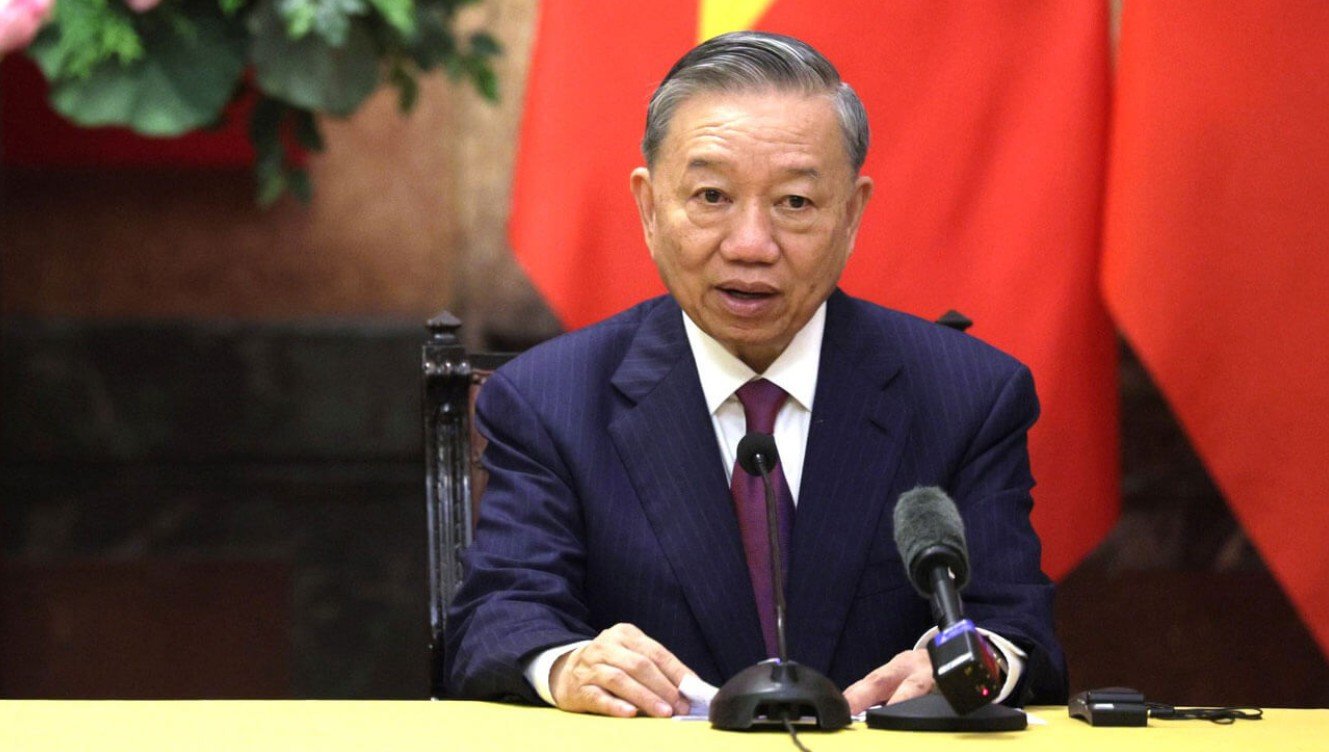
The China-fication of Vietnam
From the history archives to the state media to the presidency, something is happening in Vietnam. New rules, new restrictions and new structures all point to a change in the political system, as Bill Hayton reports.
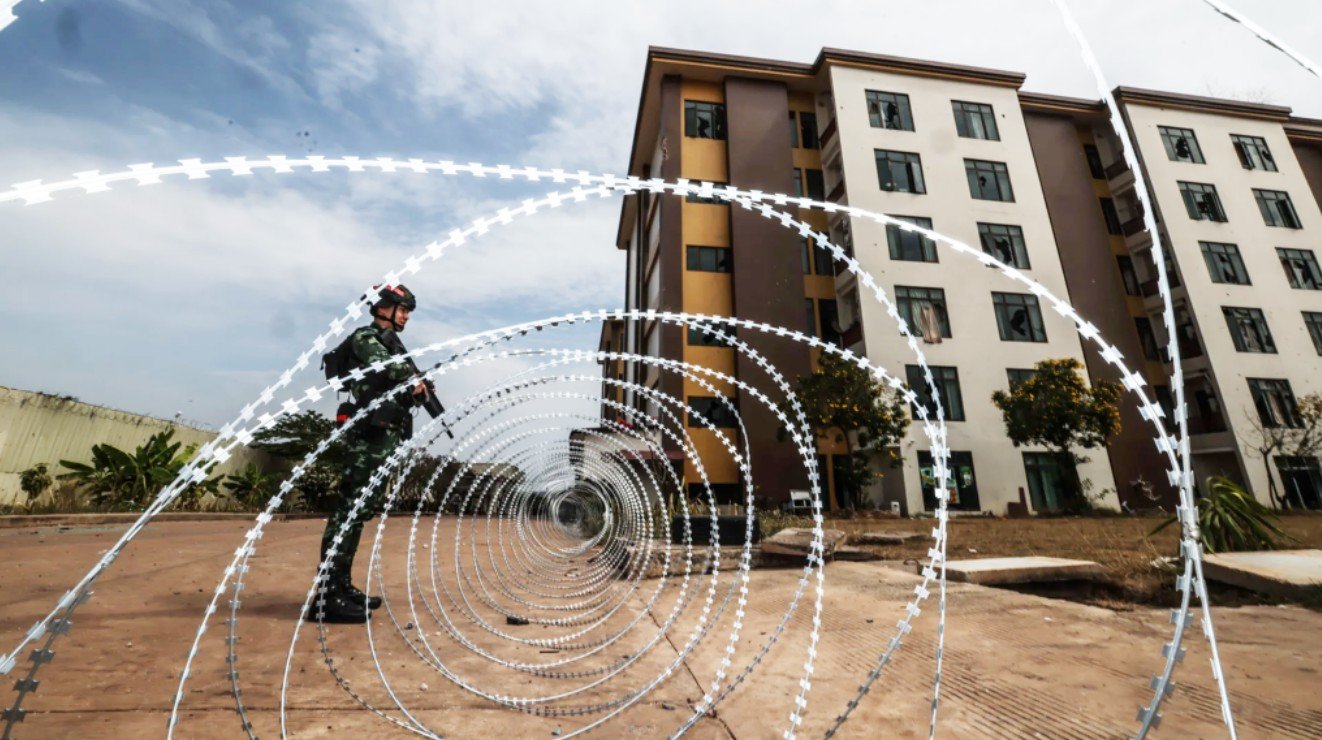
Cambodia cracks down, but scam networks move on
Cambodia wants to show the world it is finally cleaning up its multibillion-dollar scam economy. But locals and experts warn that the syndicates’ roots remain deep, and that the business is dispersing across Southeast Asia rather than disappearing. Nyein Chan Aye reports.
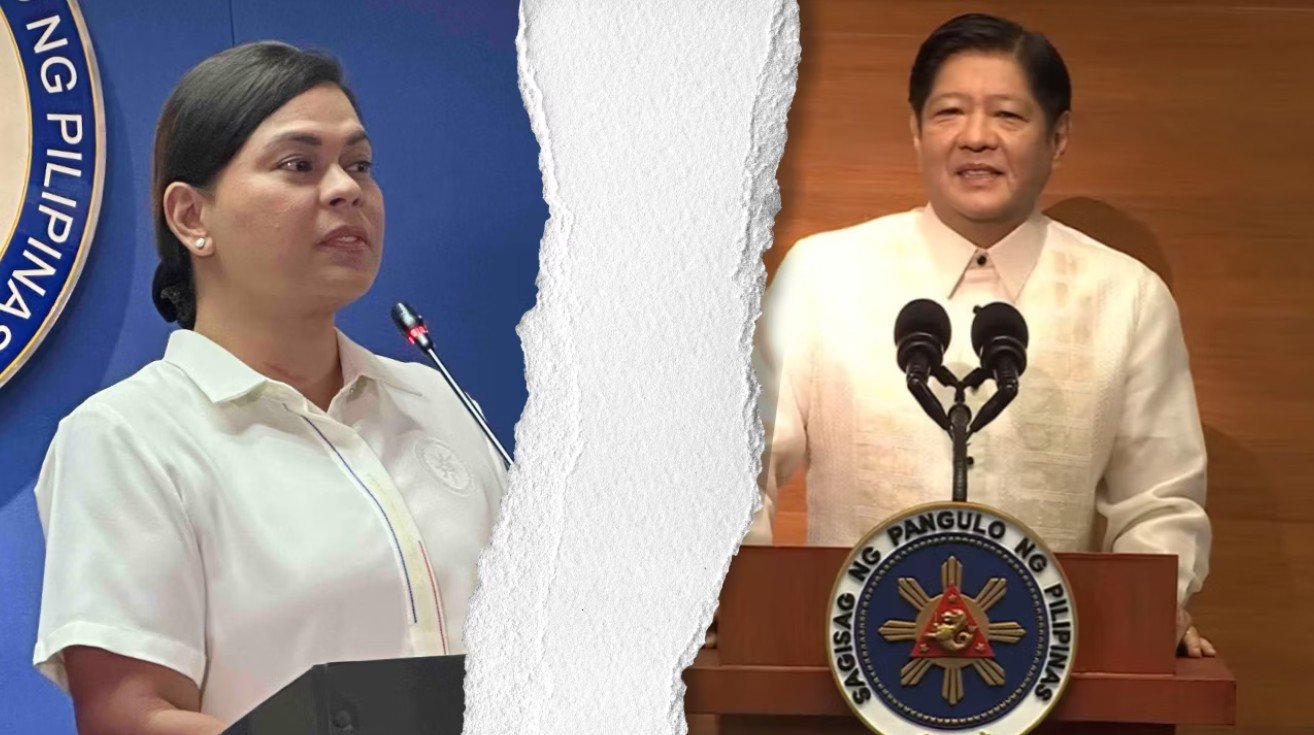
Clan warfare in the Philippines takes on an international dimension
The International Criminal Court (ICC) in the Dutch city of The Hague has announced it will go ahead with the prosecution of Rodrigo Duterte, a former president of the Philippines, on three counts of crimes against humanity relating to the war on drugs, Duterte’s signature policy as president. Jonathan Miller, who has been following the saga, reports.
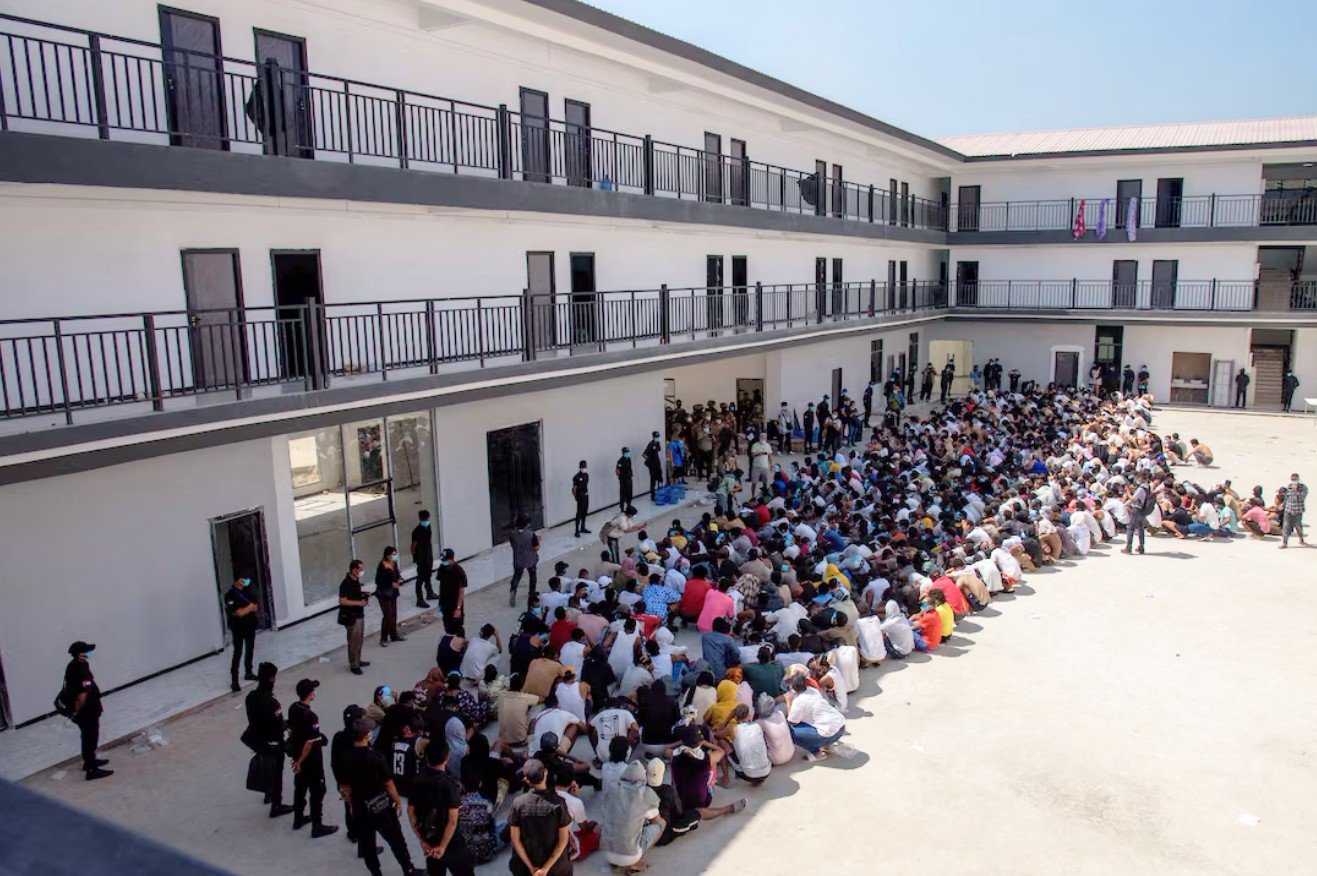
How scam centres control Myanmar
A major problem facing Myanmar’s military leader Min Aung Hlaing, now rebranded as the country’s civilian-style president, is to take control of the myriad ‘scam centres’ - illegal operations that run online fraud schemes such as phishing, fake investments and scam romances. Despite efforts by the country’s army, Myanmar’s scam economy has not been dismantled but is instead dispersing, adapting, and embedding itself more deeply across conflict-hit borderlands, as Nyein Chan Aye reports.
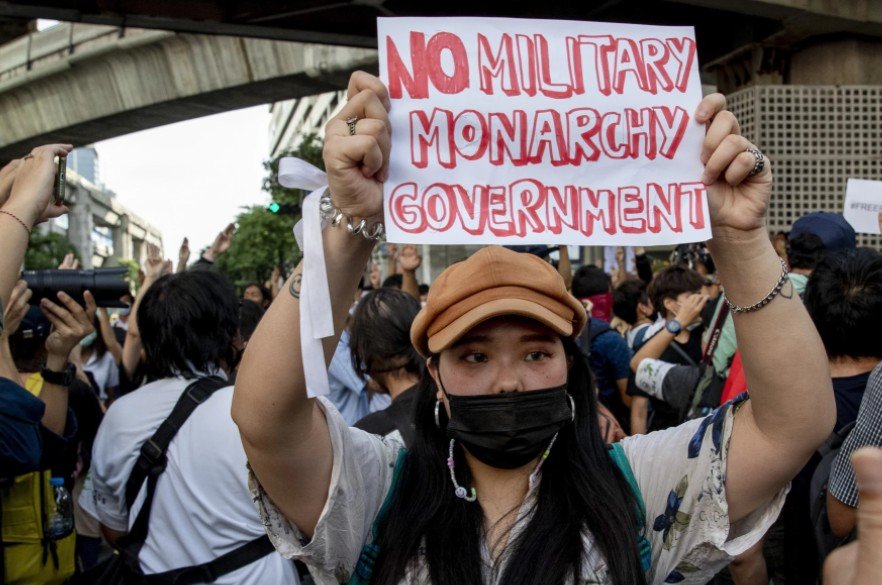
Election leaves Thai army in charge, helped by the ‘Cambodia factor’
Thailand’s snap election of 8 February produced two clear winners, the conservative Bhumjaithai Party and Thailand’s armed forces. The party’s aggressive support for the military during last year’s clash with Cambodia proved a decisive factor. Pravit Rojanaphruk explains how the election has reinforced the army’s role in a country where it is often described as a ‘state within a state’.
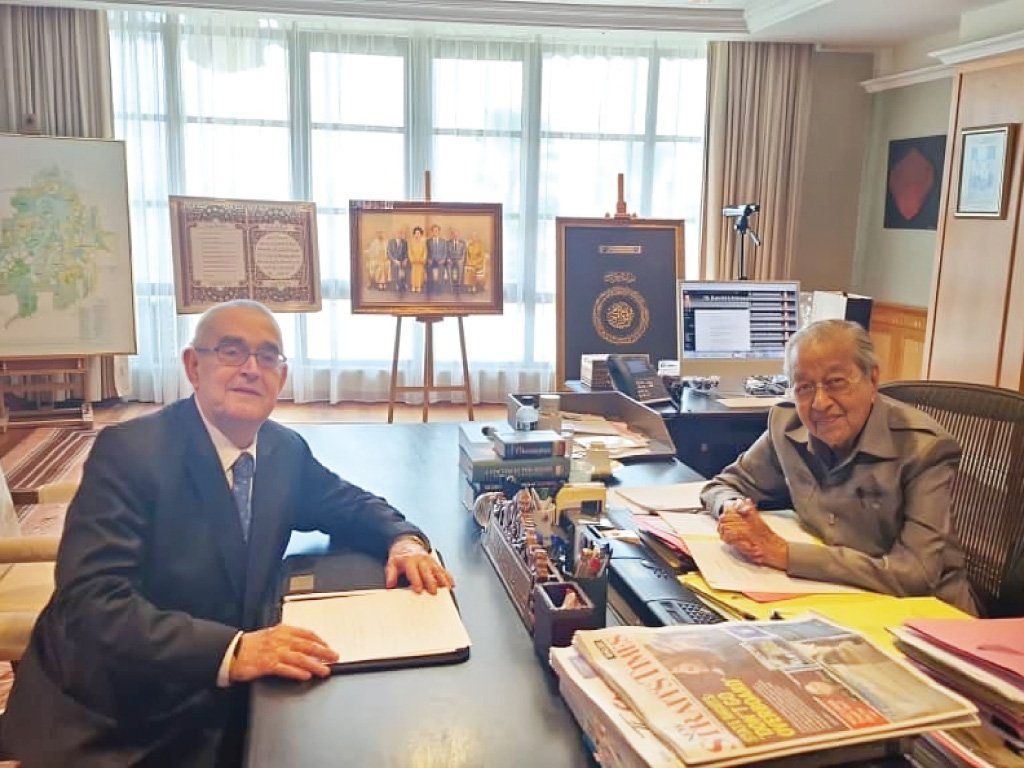
How democracy and elective monarchy sit side-by-side in Malaysia
Malaysia has an unusual system of governance in that both its parliament and its monarch are elected. But while adult citizens elect their parliamentary representatives, the king is elected from a field of nine sultans, hereditary rulers of their respective states, and only sultans get to vote.
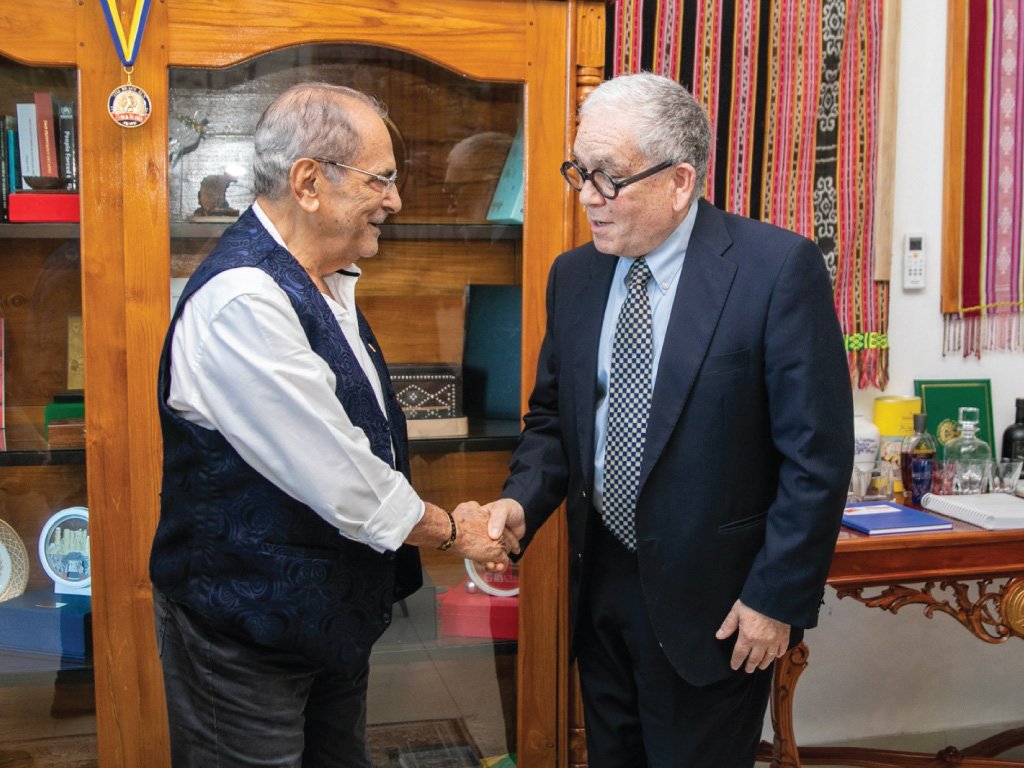
Holding Myanmar’s rulers accountable
As Myanmar’s military rulers attempt to consolidate their hold on the country through elections, intended to restore at least a semblance of civilian rule, an independent programme outside the country known as the Myanmar Accountability Project (MAP) is on a regional mission to hold the military authorities accountable for their brutality. Director of MAP, Chris Gunness, reports on a visit to Timor-Leste.
Most Viewed Articles
Myanmar: state of control
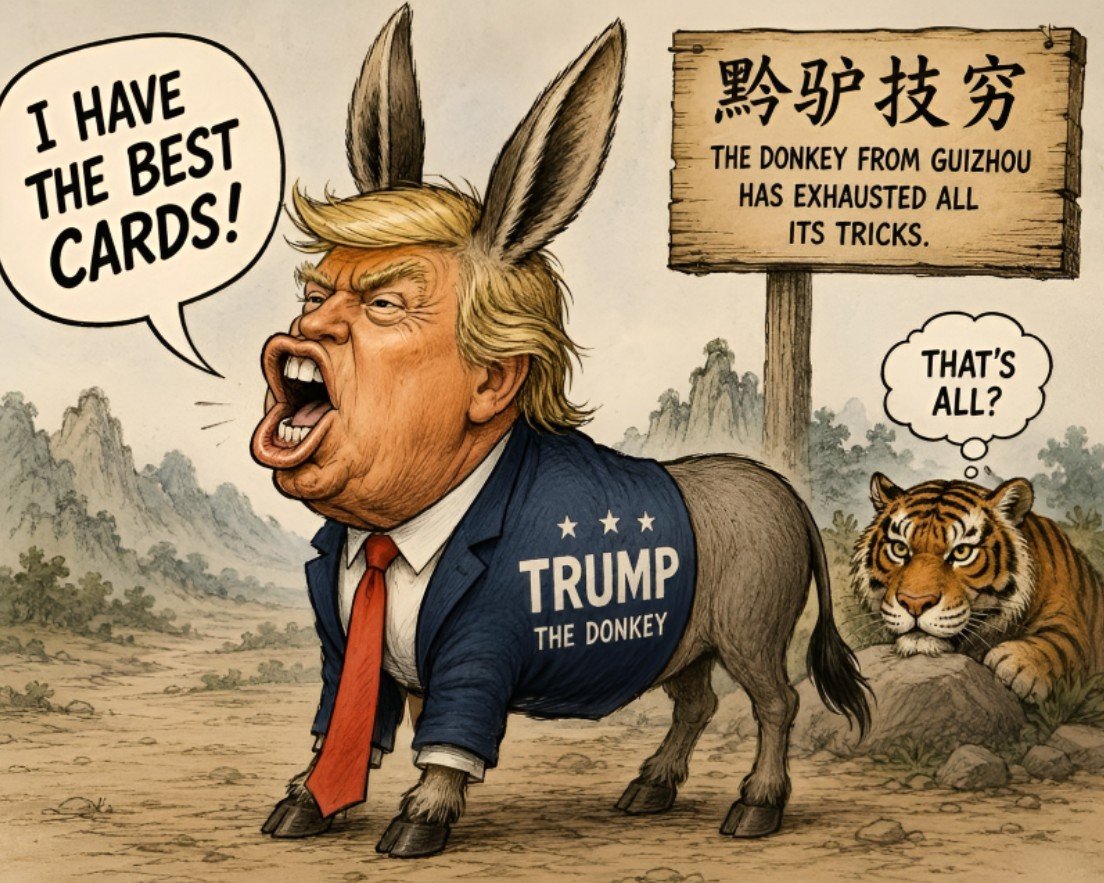
Trump, the nation builder