West Asia
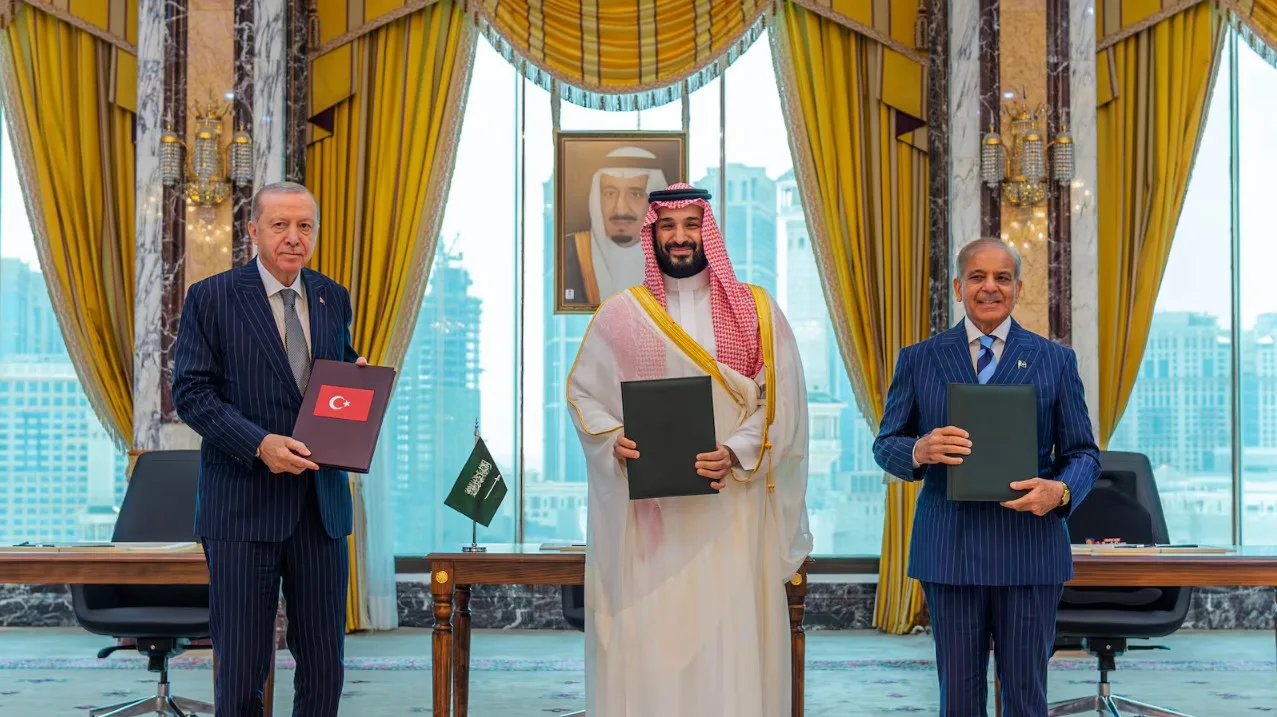
Mecca defence alliance
With the Iran war dragging into its sixth month with no exit in sight, the leaders of Saudi Arabia, Pakistan and Turkey gathered in Mecca on 7 August to sign a trilateral defence agreement. Built on the earlier Saudi–Pakistan defence pact, the Mecca defence alliance marked a shift in the power dynamics of West Asia, as Zahid Hussain reports from Islamabad.
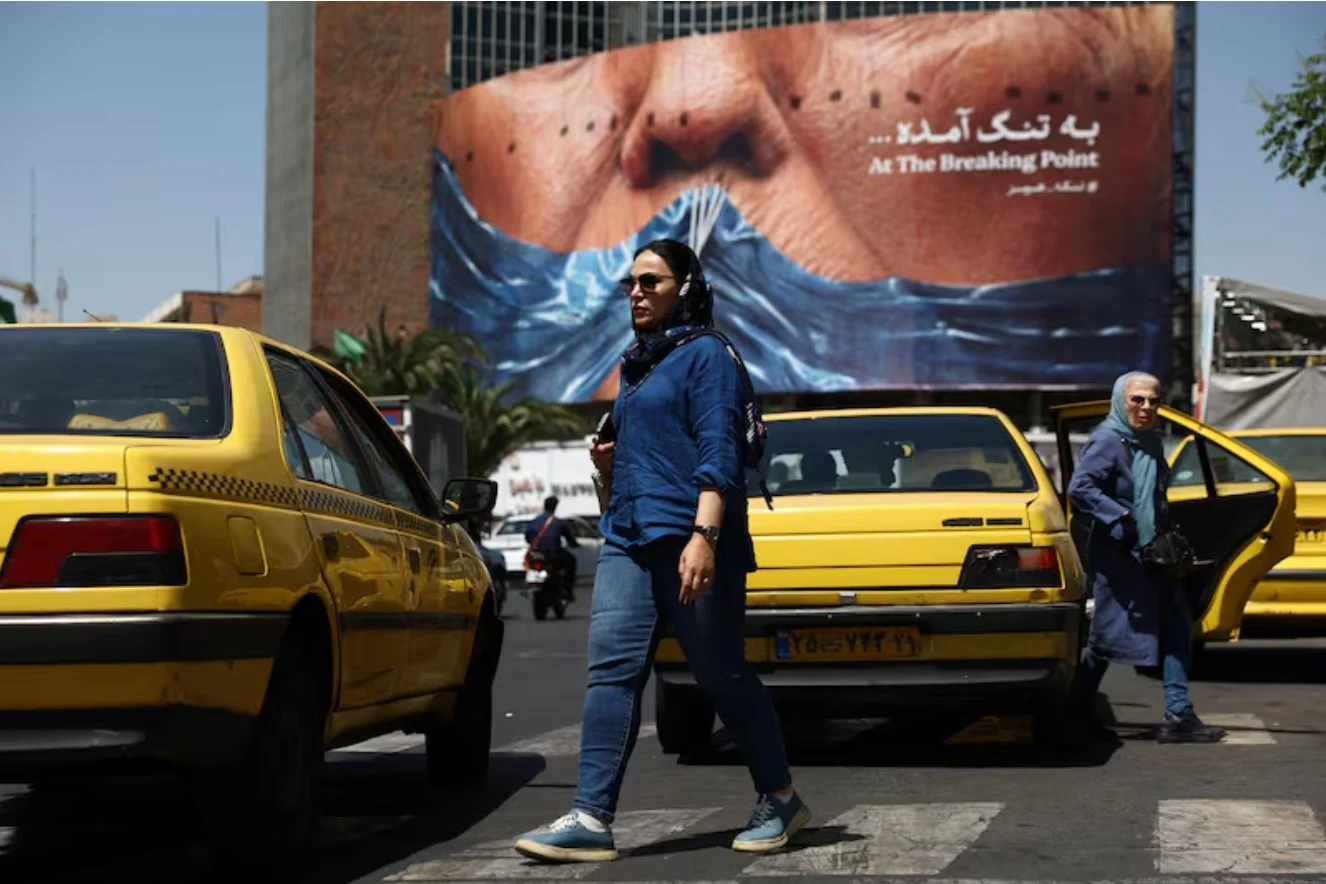
War deepens Iran’s economic crisis
Eight months after the United States and Israel first bombed Iran, and with peace efforts making little progress if any, the country’s economic crisis has worsened and the regime are said to fear a fresh uprising. Nazenin Ansari, managing editor of Kayhan London and Kayhan Life, reports.
Living and dying in Shiraz during the January uprising
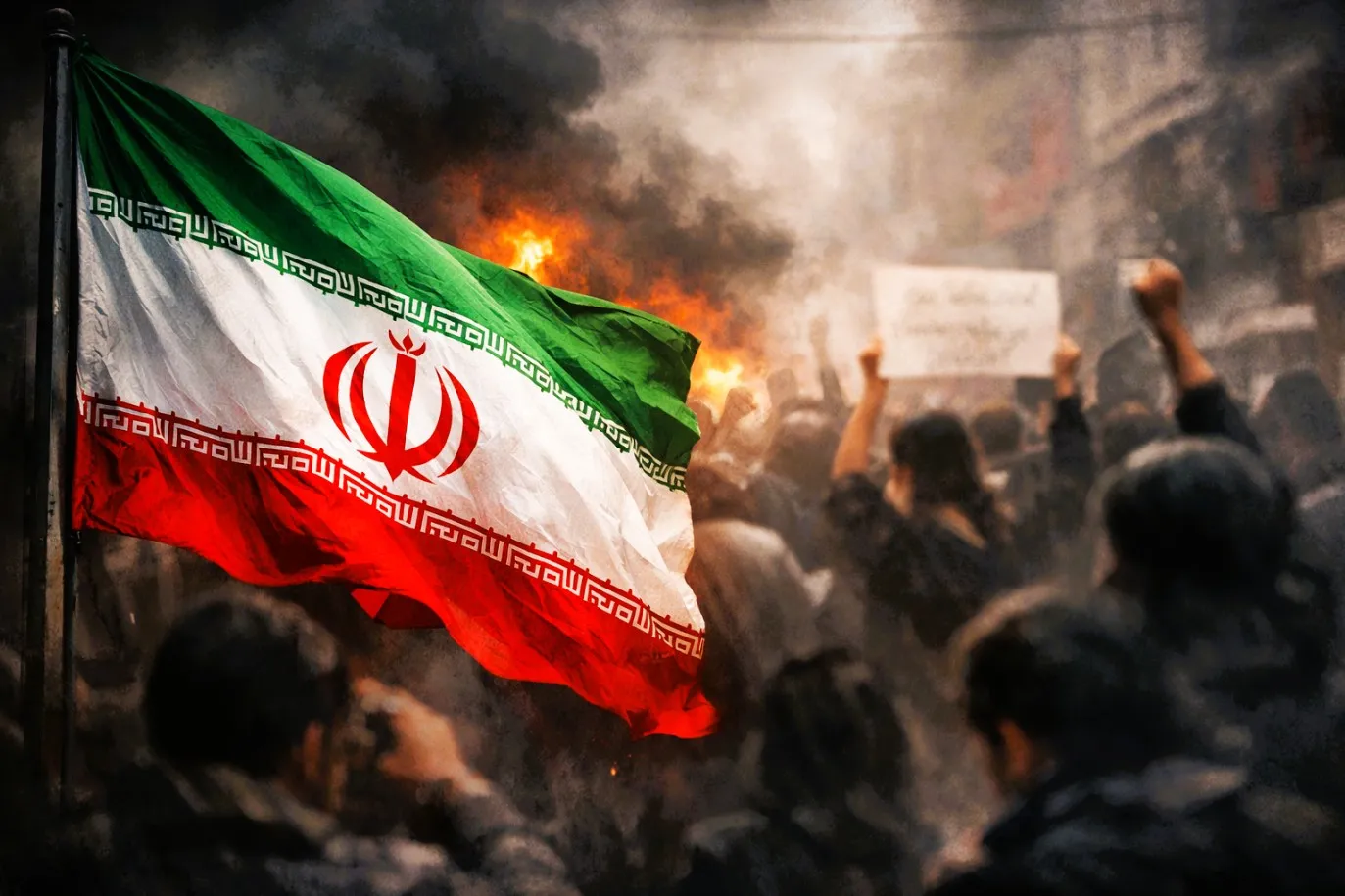
The war between Iran and the US and closure of the Strait of Hormuz have deflected attention from the political situation within Iran. The international conflict followed anti-regime protests in January across the country focussed on the high cost of living, which led to a ruthless crackdown by the Islamic regime. Several thousand protestors were killed when the security forces turned their guns on their own people, according to human rights organisations, and at least 26 of those detained have subsequently been executed. Others charged with offences such as ‘waging war against God’ and ‘speeding corruption on earth’ have been sentenced to death, including some in the south western city of Shiraz. Amir Golestani, who was in Shiraz to mourn and bury his father at the time, was an eye witness to street protests in Shiraz.
Iran: A deal that feels like betrayal
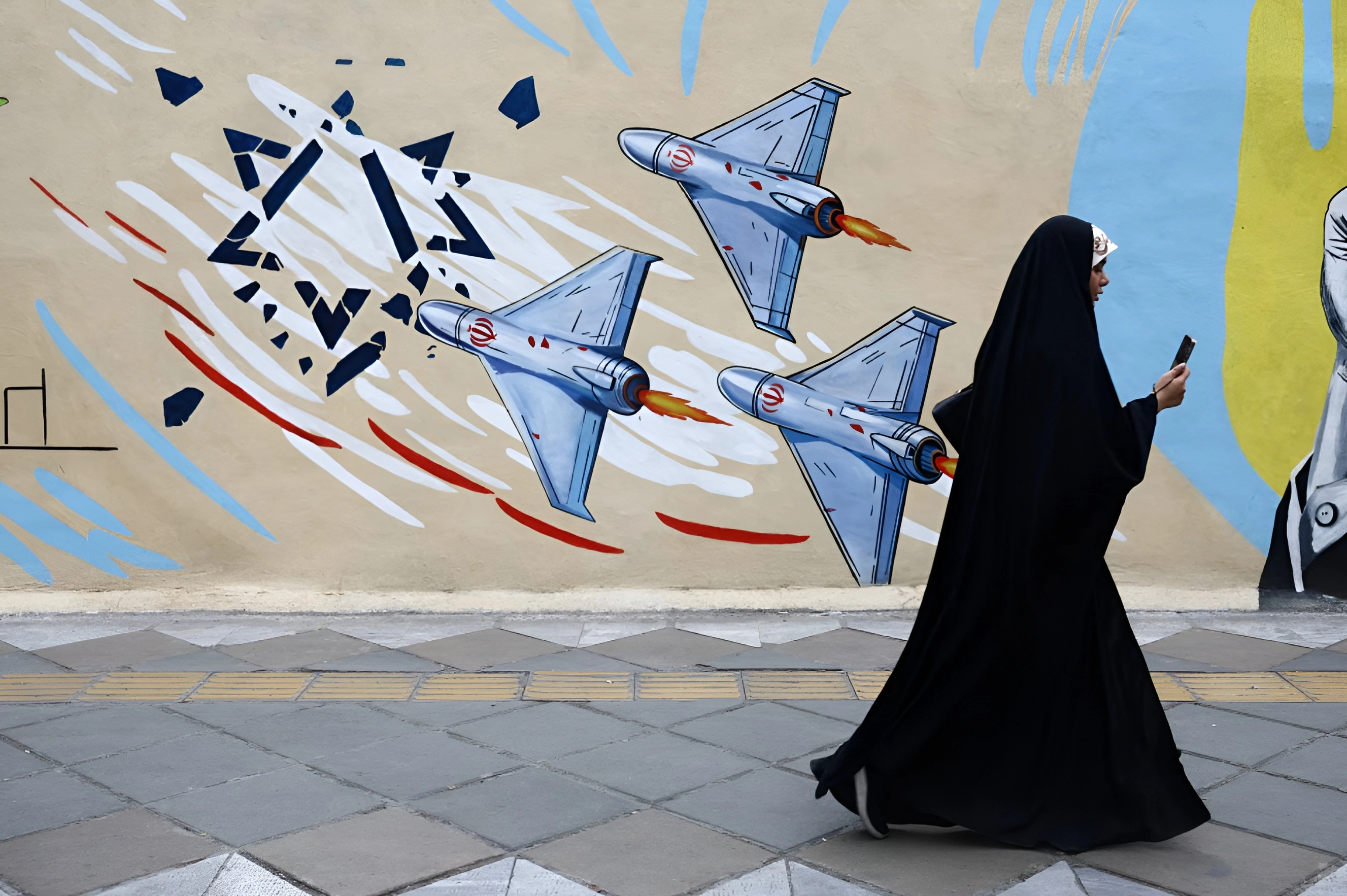
The ceasefire announced in mid-June between Iran and the US, and signing by both of a memorandum of understanding, raised hopes for an end to the war. Full-scale war may have ceased, but a game of ‘tit for tat’ for control of the Strait of Hormuz is underway between the combatants: Iran strikes at passing ships, the US hits Iranian missile bases or boats, and Iran responds by targeting US bases on the western side of the Gulf. Meanwhile Fariba Sahraei has been finding out how the memorandum of understanding has been received inside Iran.
Iran’s blackout state
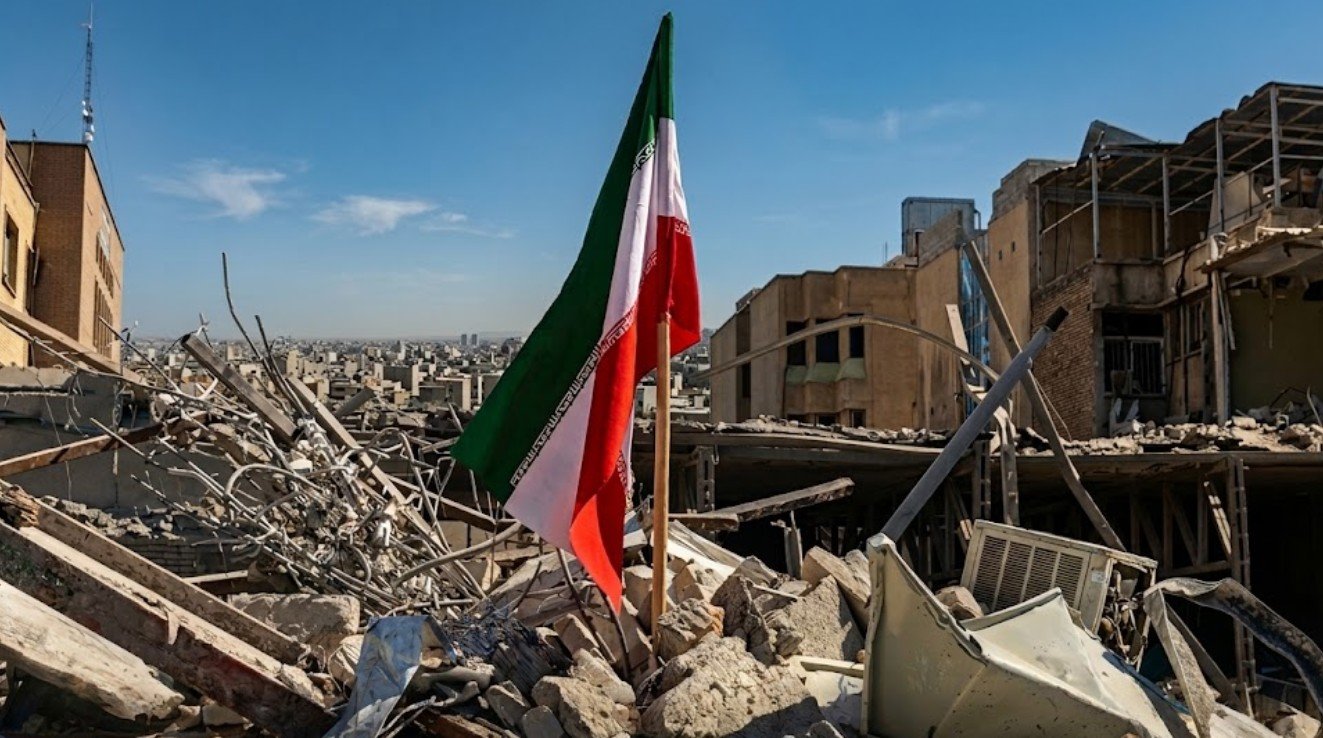
Iran has been under an internet blackout since the war began at the end of February. This follows an earlier 21-day blackout in January during the nationwide uprising against the Islamic Republic. Together, the two shutdowns mean Iranians have been cut off from the global internet for roughly 72 per cent of the year so far. As Nazenin Ansari reports, this suggests that the core conflict in Iran may not be between Tehran and foreign adversaries, but between the Islamic Republic and Iranian society itself.
Dire straits: the farming crisis
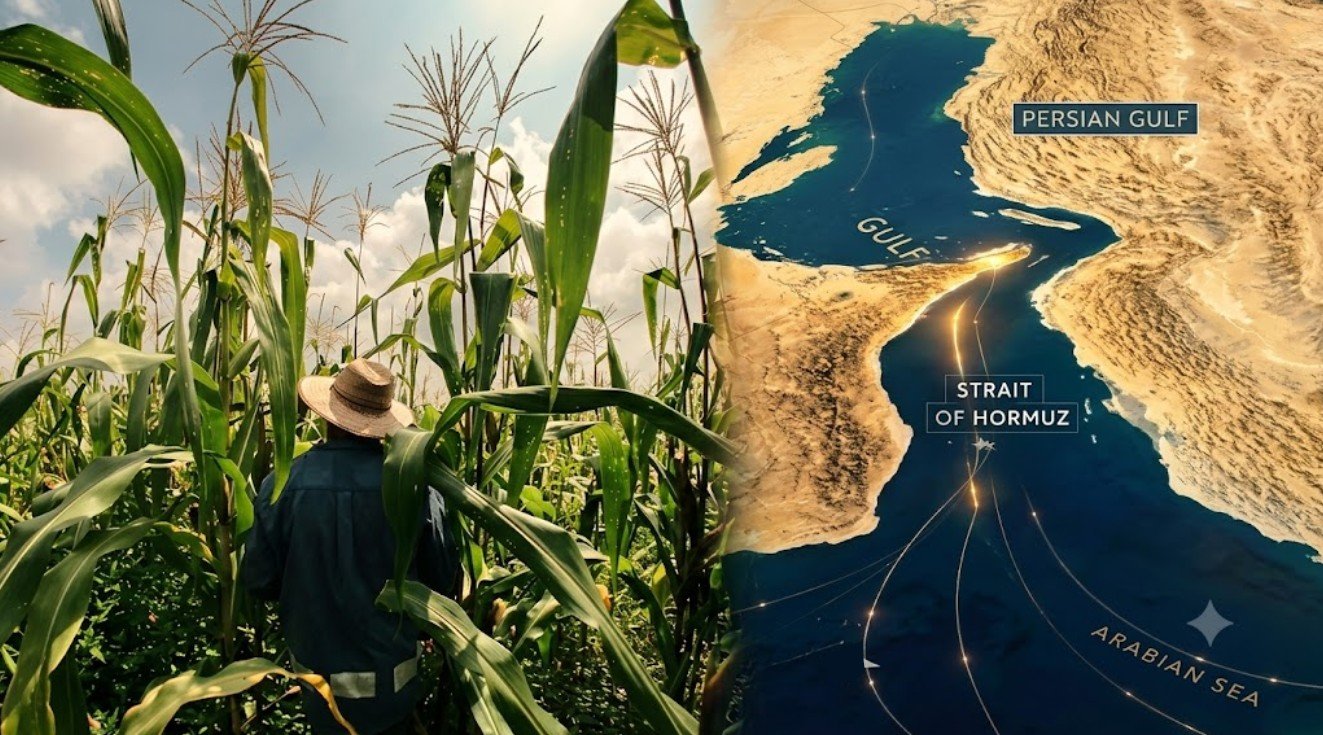
In eastern India, the effects of the Iran war are showing up not in fuel queues or port delays but in the calculations farmers make before sowing. The kharif season begins with the southwest monsoon, which advances across India during June. That is when demand rises for urea, India’s most widely used nitrogen fertiliser. If supplies are tight at this time the consequences appear later in weaker harvests. Rahul Jaywant Bhise writes on how the blockade of the Strait of Hormuz is turning an energy shock into a fertiliser and food-security crisis across Asia.
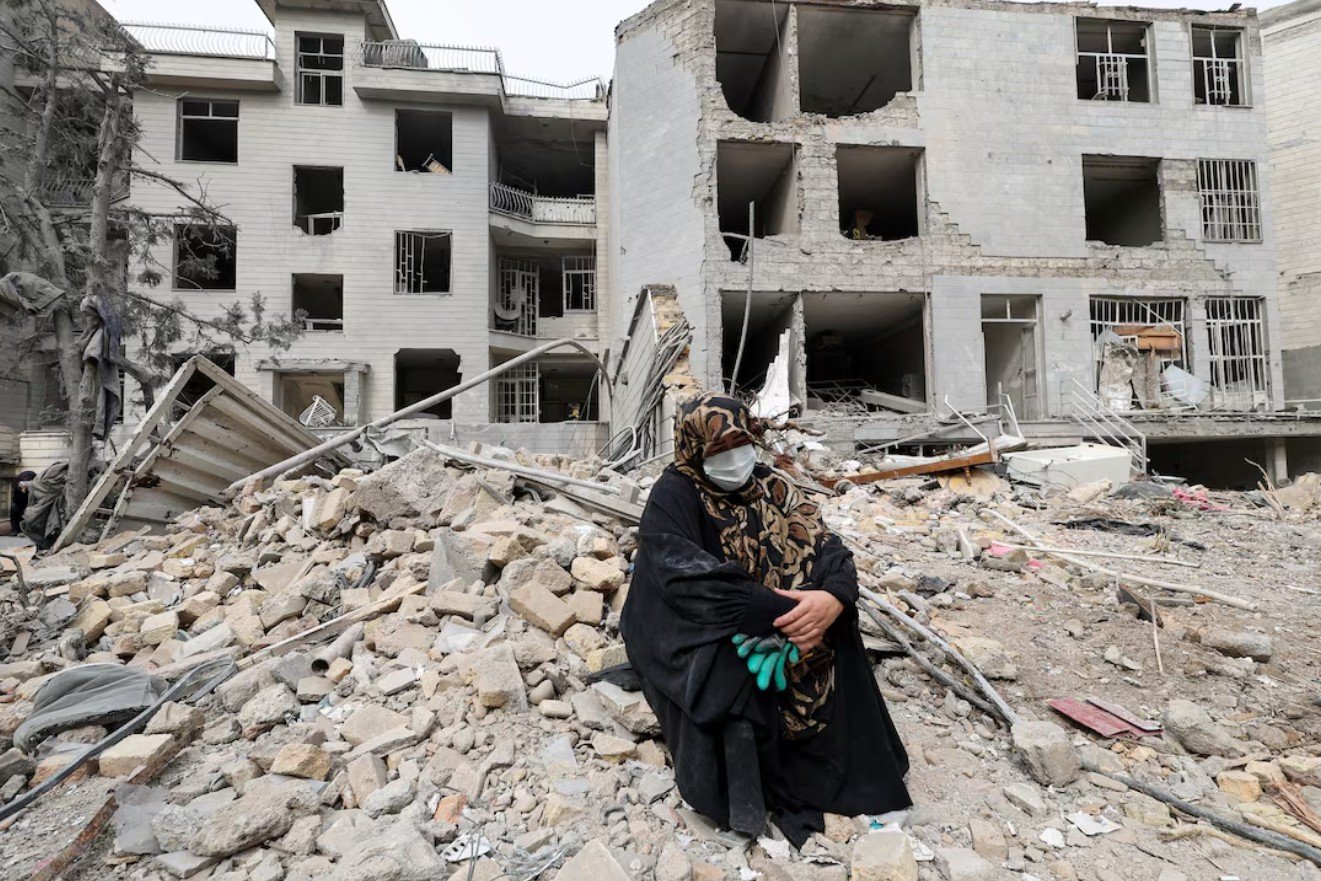
Life in limbo: Iran under a fragile ceasefire
The bombings may have stopped, but life in Iran feels anything but normal. Weeks after a fragile ceasefire ended the 40-day war between Iran, the United States and Israel, the nation remains trapped in a state of fear, exhaustion and uncertainty, as Fariba Sahraei reports.
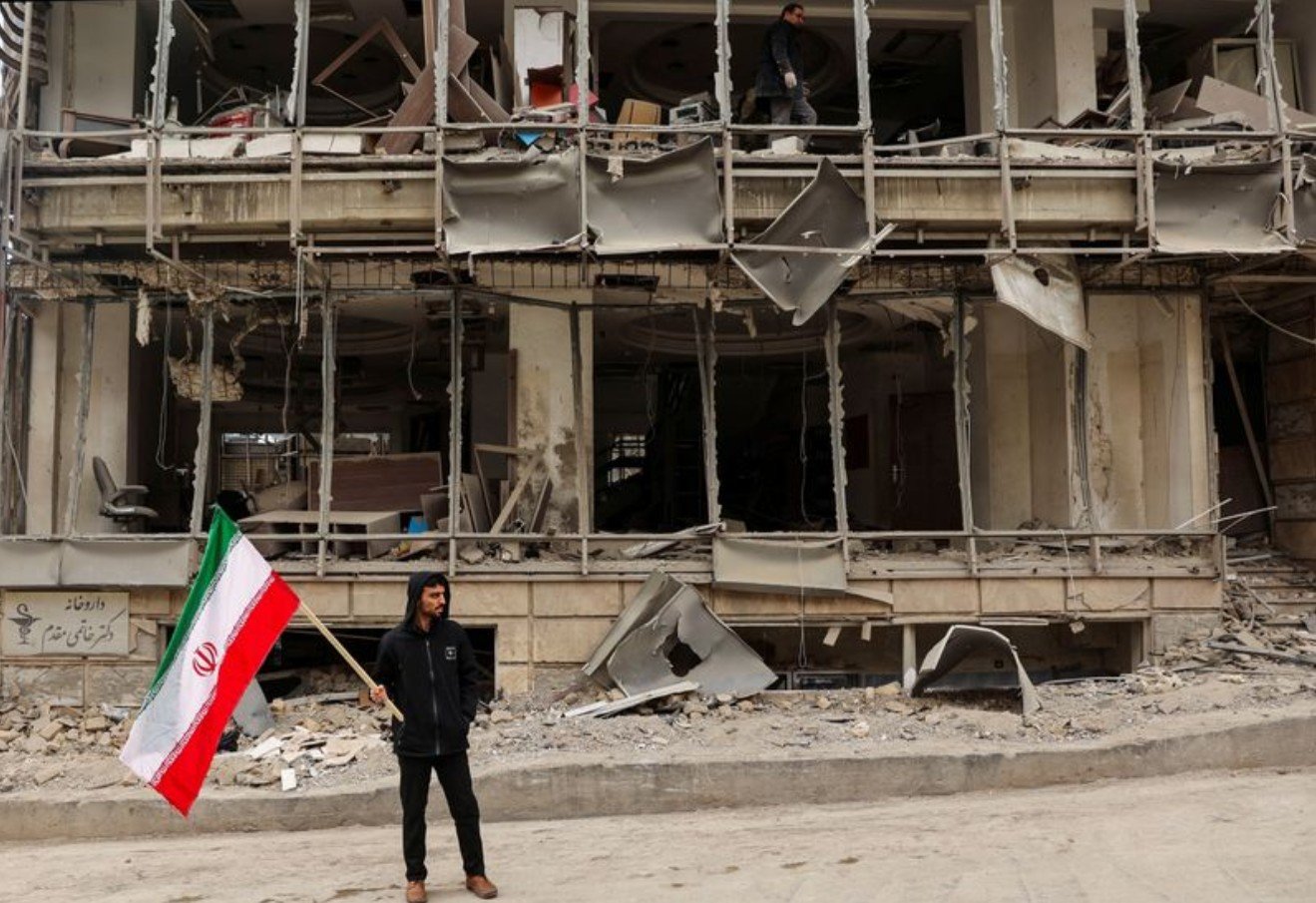
The war nobody is winning
The Iran war may be drawing to a close but with no clear conclusion, let alone any clear winner. The initial focus by the US and Israel on the country’s political leadership and its nuclear fuel has shifted towards control of the Strait of Hormuz. Beyond the combatants themselves, non-oil producing nations in Asia who get most of their fuel from the Gulf have been the main losers, as Nicholas Nugent reports.
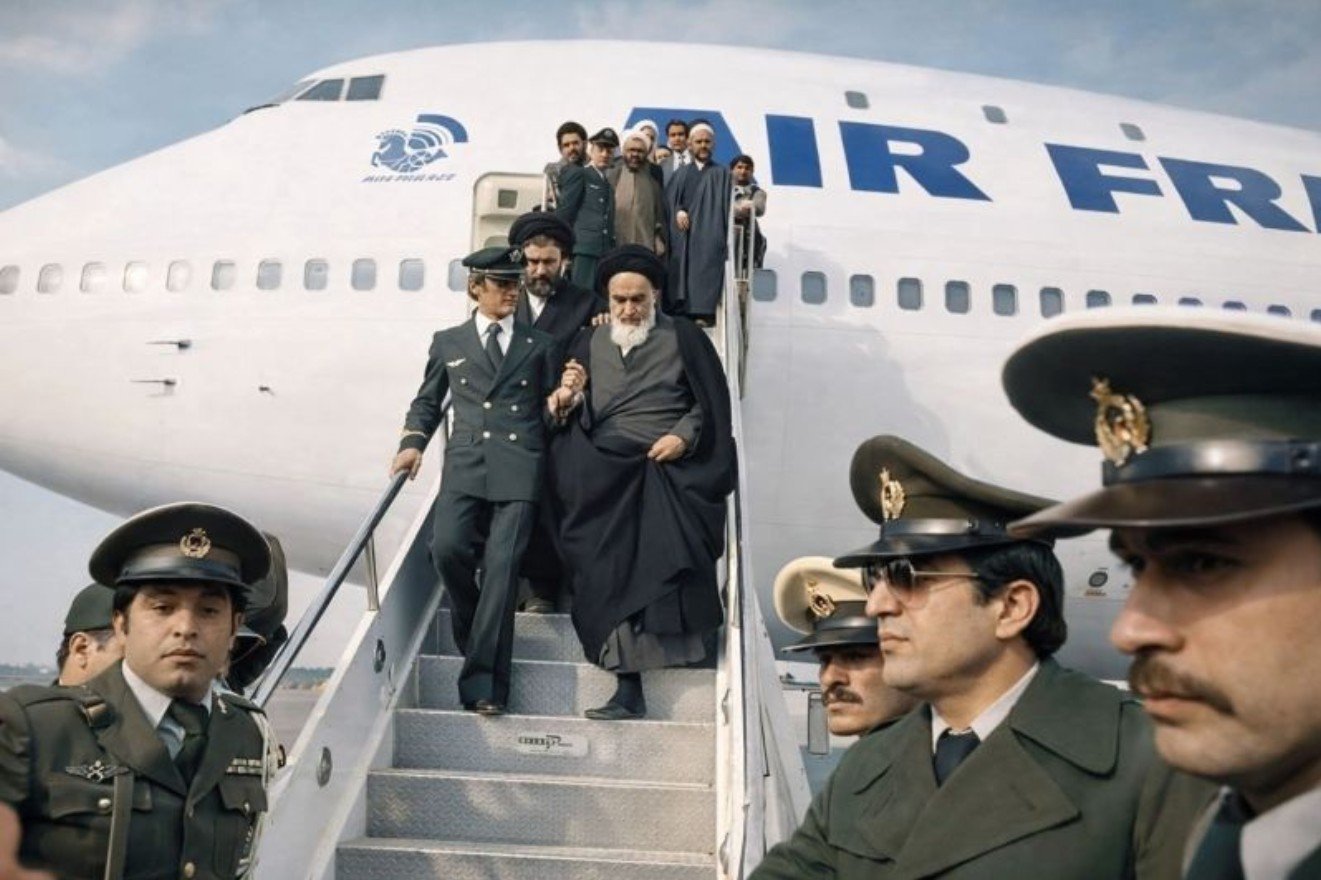
The legacy of ‘regime change’ in Iran
There has been much speculation as to whether the bombing of Iran by Israel and the US and the killing of Supreme Leader Ayatollah Ali Khamenei will mark the end of the Islamic Republic and restoration of democratic government. Richard Oppenheimer witnessed at first hand the start of the revolution that brought the Ayatollahs to power 47 years ago.
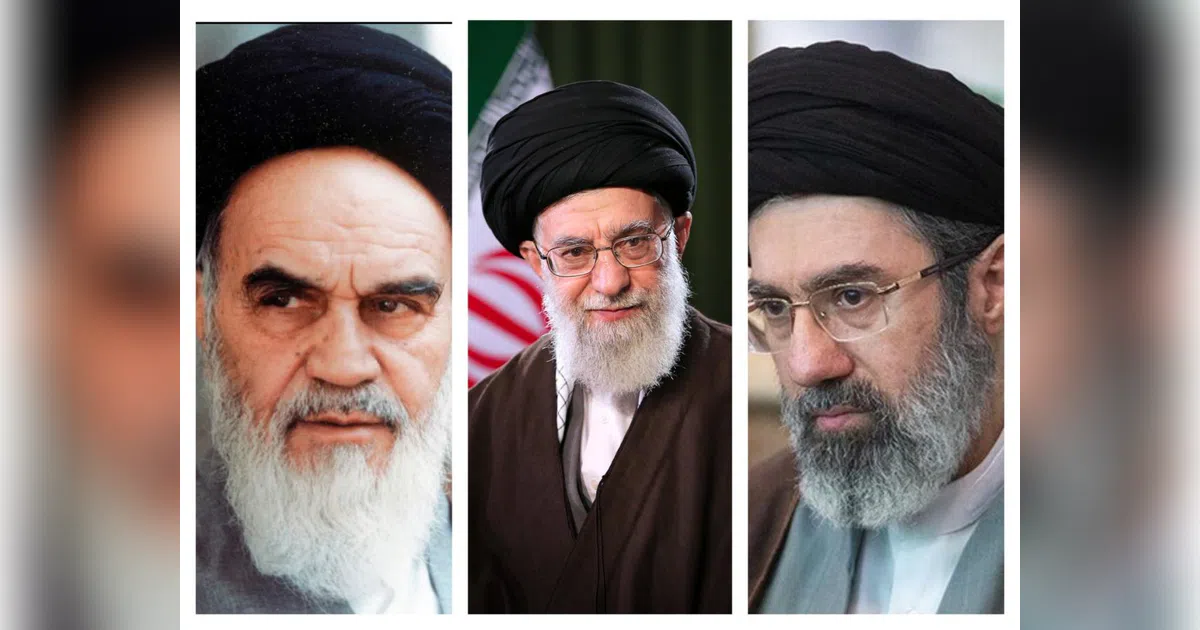
How Iran governs itself
The Council for Foreign Relations (CFR) based in New York explains how Iran is governed. Democracy Asia publishes this extract with the permission of the CFR.
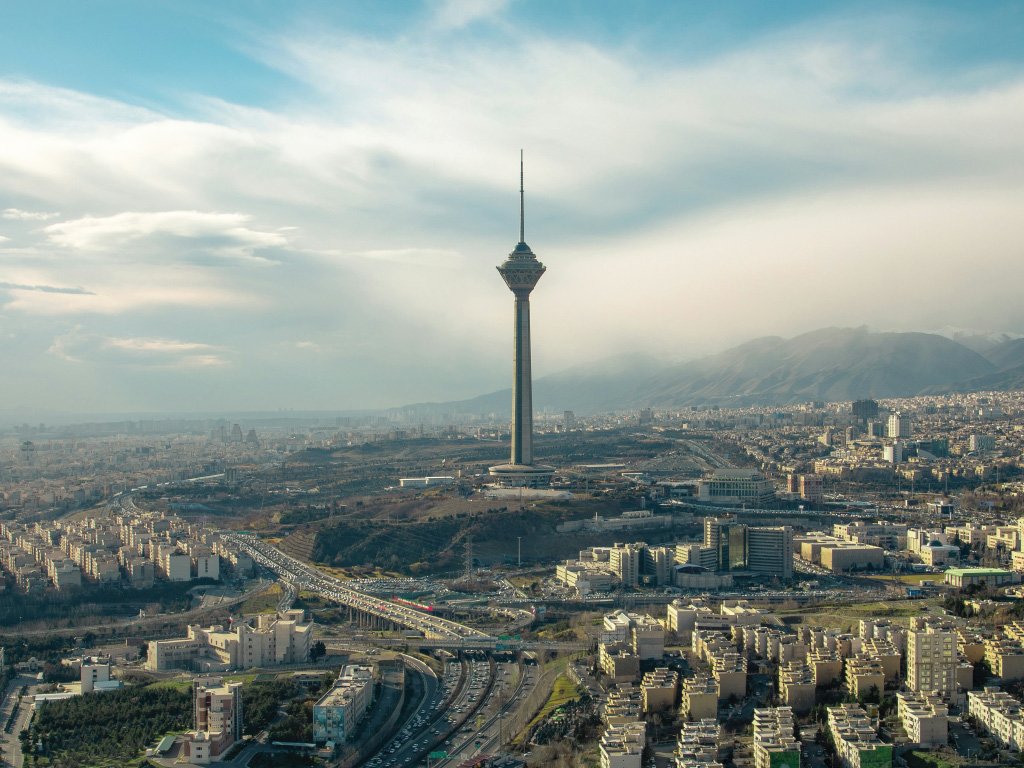
Taking a longer view
The Islamic Republic of Iran has just celebrated the 47th anniversary of its founding. Amid the bunting and fireworks foreign reporters detected a sense of foreboding they had not experienced previously.
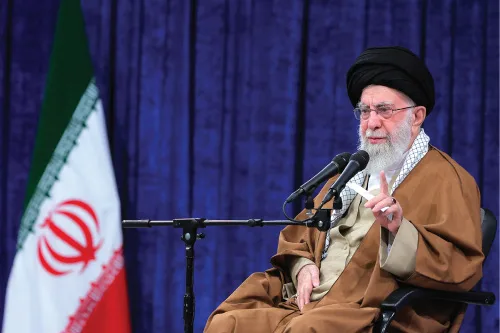
Ayatollah in deep water with Iran on the boil
Since early January Iranians have been on the streets protesting as the value of the rial falls, creating a cost of living crisis and raising questions as to whether Supreme Leader Ayatollah Khamenei can survive this latest rebellion against his rule. Kasra Naji reports.
Most Viewed Articles
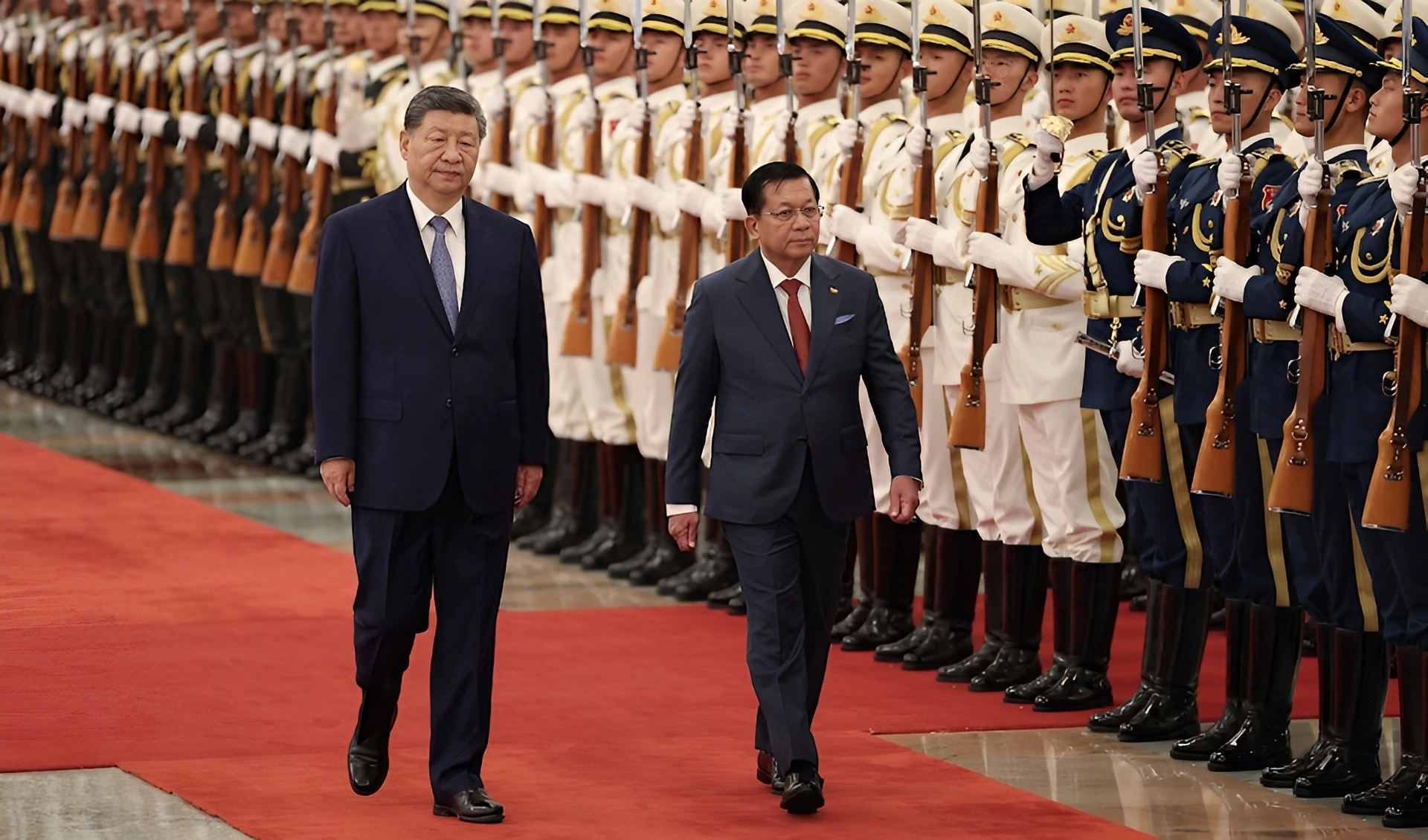
Myanmar: state of control
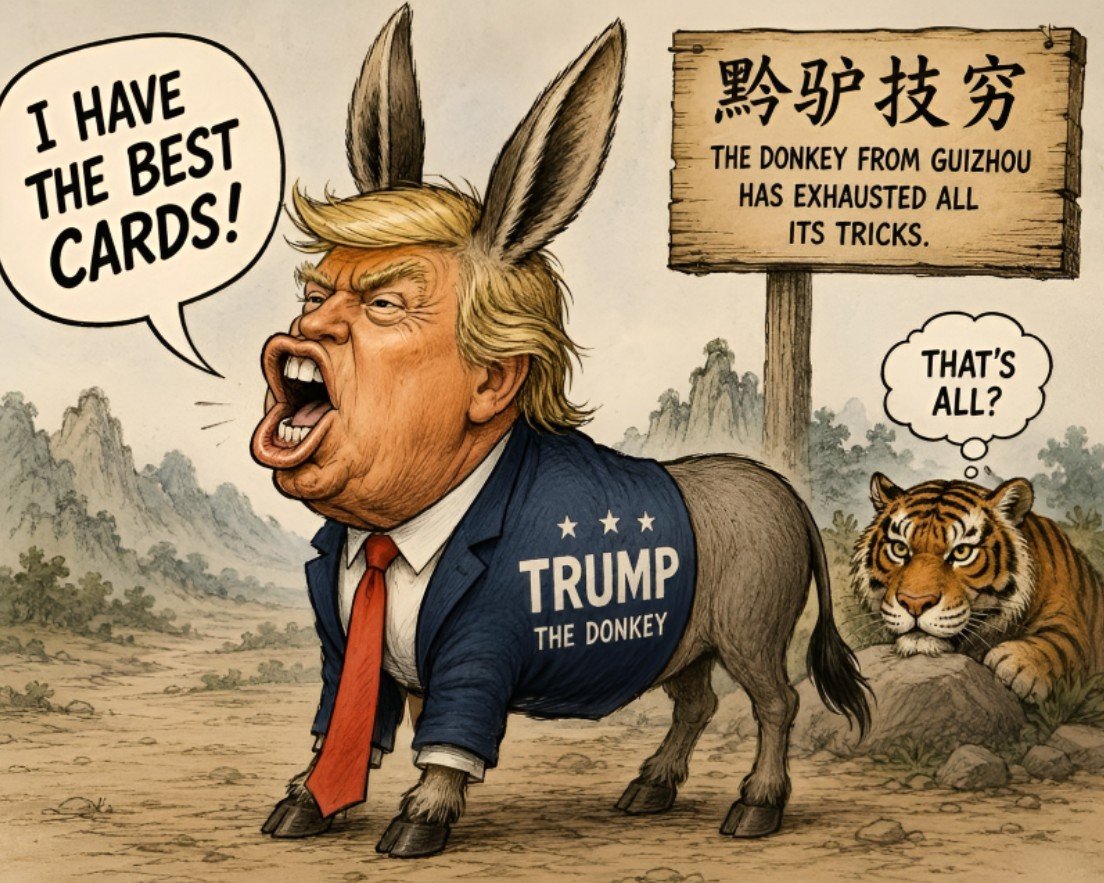
Trump, the nation builder