The bombings may have stopped, but life in Iran feels anything but normal. Weeks after a fragile ceasefire ended the 40-day war between Iran, the United States and Israel, the nation remains trapped in a state of fear, exhaustion and uncertainty, as Fariba Sahraei reports.
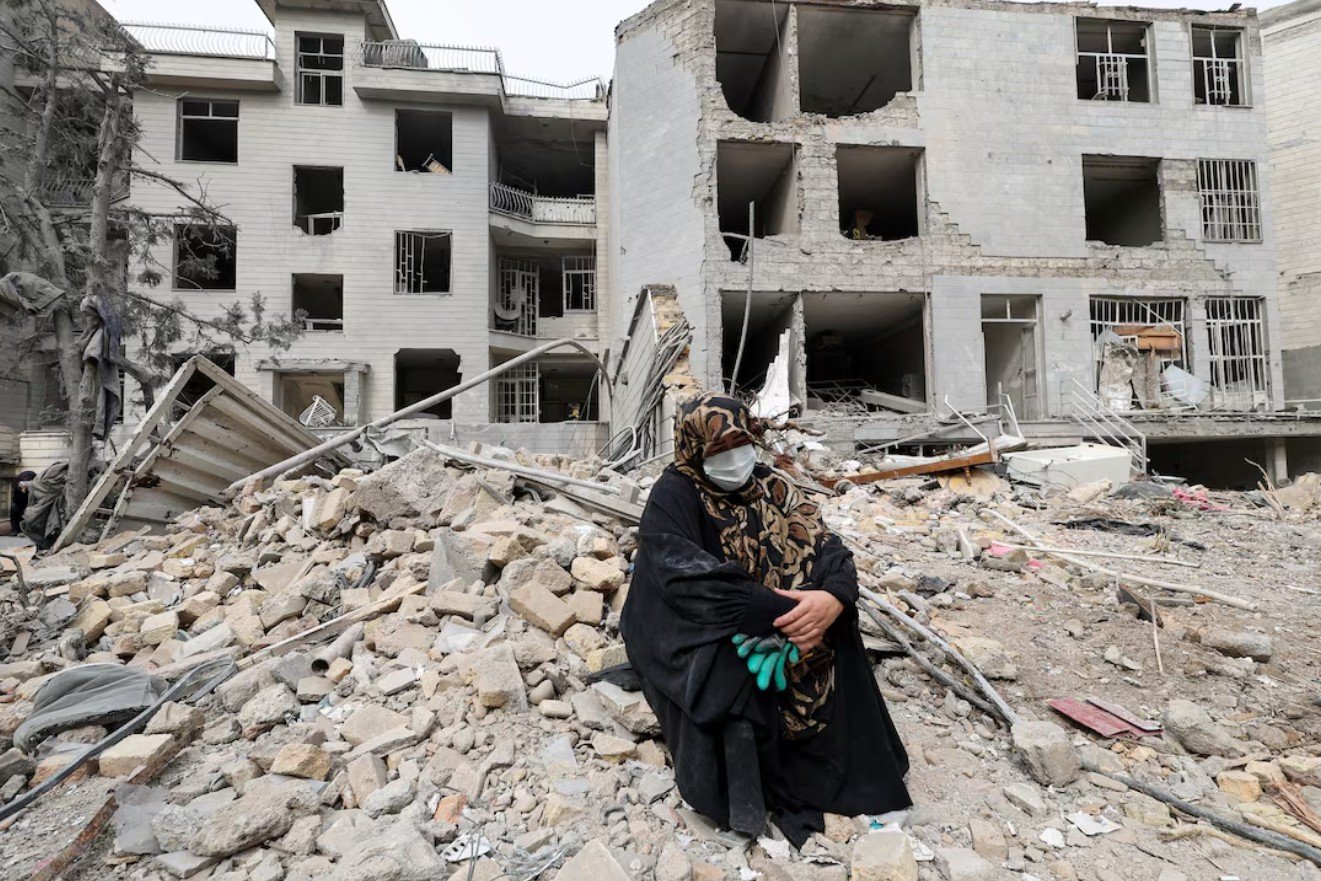
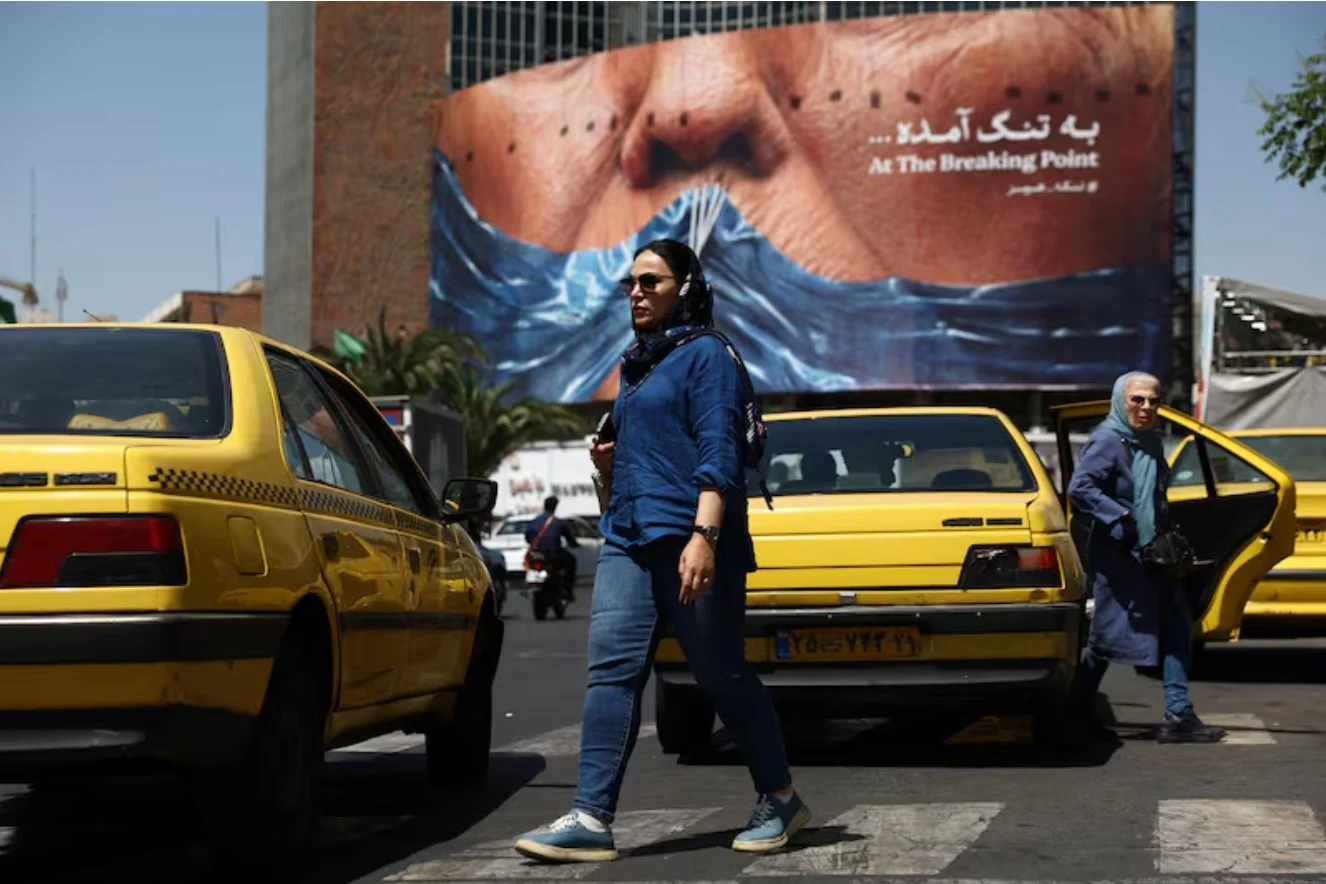
Fear and exhaustion hang over Tehran as ordinary Iranians struggle through economic collapse, repression and the lingering trauma of war. Photo: Reuters
In Tehran, the atmosphere is tense and subdued. Repression has intensified, the economy is nearing collapse, unemployment is on the rise and deepening poverty is pushing ordinary people to the brink.
‘We are only trying to survive,’ says Armin, a Tehran resident whose name has been changed for security reasons. ‘We are living under a naval blockade. Goods can no longer enter Iran, and that alone has created enormous fear among people. We are terrified.’
Beneath the fragile ceasefire, life is overshadowed by anxiety, fear and uncertainty. ‘The country feels suspended between war and collapse,’ says Armin. ‘People no longer talk about dreams or freedom. Everyone is focused on survival.’

Despite free fares introduced during the crisis, Tehran’s metro stations remain subdued as fear, uncertainty and economic hardship keep manyresidents indoors.
The metro is now free yet stations remain unusually quiet. Despair is visible everywhere as food prices soar and fears of food shortages grow. ‘At every moment, we fear famine is coming,’ Armin says. ‘People buy and store whatever they can. The stress is destroying everyone.’ Prices rise almost daily, pushing large parts of the middle class toward poverty and leaving poorer families struggling to survive.

Soaring inflation and shortages of basic goods are pushing millions of Iranians deeper into poverty.
The US naval blockade of Iran has dealt a severe blow to the country’s already fragile economy. Surging inflation has deepened public anxiety, while essential imports have slowed dramatically, leading to shortages of medicine, baby formula and basic household goods. The effects are felt in nearly every household. Iran’s currency has plunged to a record low of 1,830,000 rials to the US dollar, affecting every aspect of daily life. Before the war started it was around 42,000 to the dollar. ‘A pack of eggs now costs almost five times more than before the war. Prices rise every day,’ says Sadra, another Tehran resident whose name has been withheld for security reasons. ‘Bread has become extremely expensive. So has petrol, oil, car parts, and rent.’
The economic consequences of the war, compounded by deep-rooted corruption, have been devastating. According to Iranian official statistics, the annual inflation rate has risen to more than 53 per cent, while food prices have reportedly risen by over 115 per cent. Several major industries, including steel, petrochemicals and car manufacturing, reportedly suspended operations during the war or cut production, triggering waves of layoffs across the country.

Medicine shortages and rising healthcare costs are leaving vulnerable patients across Iran at risk. Photo: Reuters
The healthcare system has been hit hard by the crisis. Medicine shortages and soaring prices are putting lives at risk across Iran. According to the country’s pharmacists’ association, the cost of some medications has reportedly risen by as much as 400 per cent, while pharmacies are struggling to supply critical drugs to patients. ‘My mother suffers from severe heart disease, but her medication, Plavix, has almost disappeared from pharmacies,’ says ‘Saeed’, a shopworker in Tehran. ‘Earlier this year, a sheet of pills cost 3,000,000 rials. Now it costs nearly 16,000,000, a more than five times price increase. We simply can’t afford it anymore.’
Alongside the economic collapse, repression has also intensified. By the end of May, Iranians had endured more than 90 days without access to the global internet, leaving a population of nearly 90 million people cut off from the outside world as authorities feared another wave of anti-government protests. ‘Our voice has been cut off,’ says Armin. ‘Without the internet, we are living under enormous mental pressure. Many businesses depended on the internet. Now they are ruined. We are facing extreme psychological stress, anxiety and hardship in every possible way.’

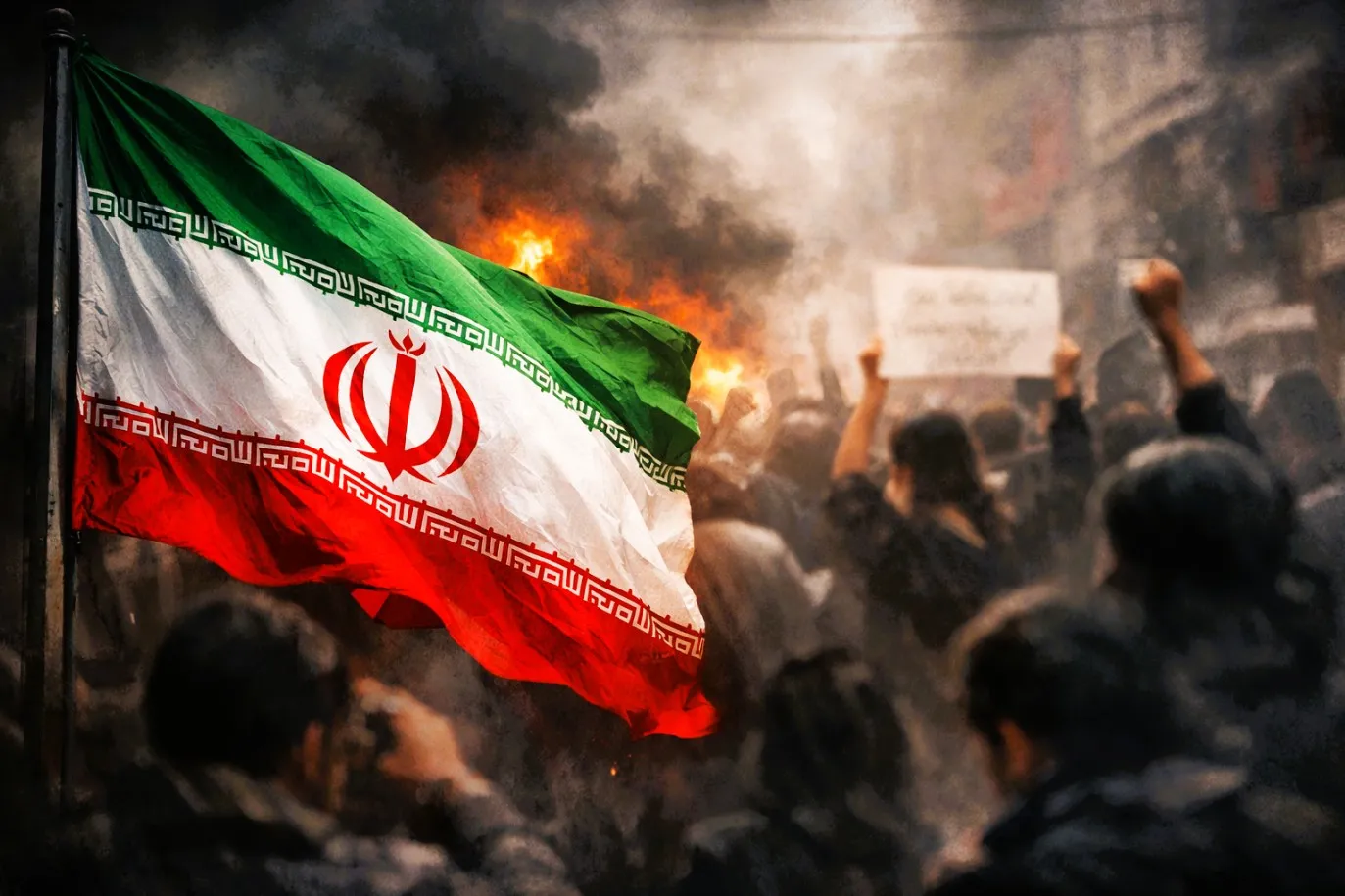
Internet blackouts, surveillance and street checkpoints have deepened fear and isolation inside Iran. Image AI generated
Cities are dominated by surveillance, arrests and checkpoints. Security forces routinely stop people, searching mobile phones for VPNs and social media activity. ‘None of us dares to go outside with our mobiles anymore,’ Sadra says. ‘They stop people in the streets and check everything. We delete apps. We hide everything.’
At night, Tehran takes on a different face. Security forces, Basij militia families and regime supporters gather in major squares waving flags and blasting songs and slogans in an apparent effort to intimidate opponents. Executions have intensified since the ceasefire. Rights groups and residents report a sharp rise in executions since the ceasefire, including prisoners accused of espionage or collaboration with the enemy. Almost every day, one or two political prisoners are executed on charges of espionage or ‘collaboration with the enemy’.
For many anti-regime Iranians, the war shattered lingering hopes that external pressure might ultimately lead to regime change in Iran. Earlier this year, millions of protesters poured into the streets demanding freedom, only to face bullets by security forces, during which thousands were massacred in cold blood. Now, many believe the regime has emerged from the war more dangerous than before.
‘Donald Trump keeps talking about regime change,’ Sadra says bitterly. ‘Nothing has changed. The same people are still in power. The regime has become wilder now.’ Yet despite the regime being significantly weakened, many believe the Islamic Revolutionary Guard Corps (IRGC) is now relying on its last remaining card to stay in power: threatening to keep the Strait of Hormuz closed, thereby disrupting the global economy.
Both Tehran and Washington continue to claim victory even as peace talks remain deadlocked. Inside Iran, however, many people are gripped by growing hopelessness and fear. The psychological toll is becoming impossible to ignore. Mental health professionals report rising depression and suicide attempts.
‘It’s been 50 days without work, without internet, without normal life,’ Sadra says. ‘Everyone feels emotionally dead.’ Even ordinary conversations have become dangerous. ‘Every time we speak on the phone, we warn each other: ‘Don’t say this. Don’t mention that,’ he says. ‘We feel like hostages of a regime that has become more dangerous and unpredictable than ever.’ The trauma of the war remains vivid. Many feel trapped between US-Israeli bombs and the regime’s bullets.
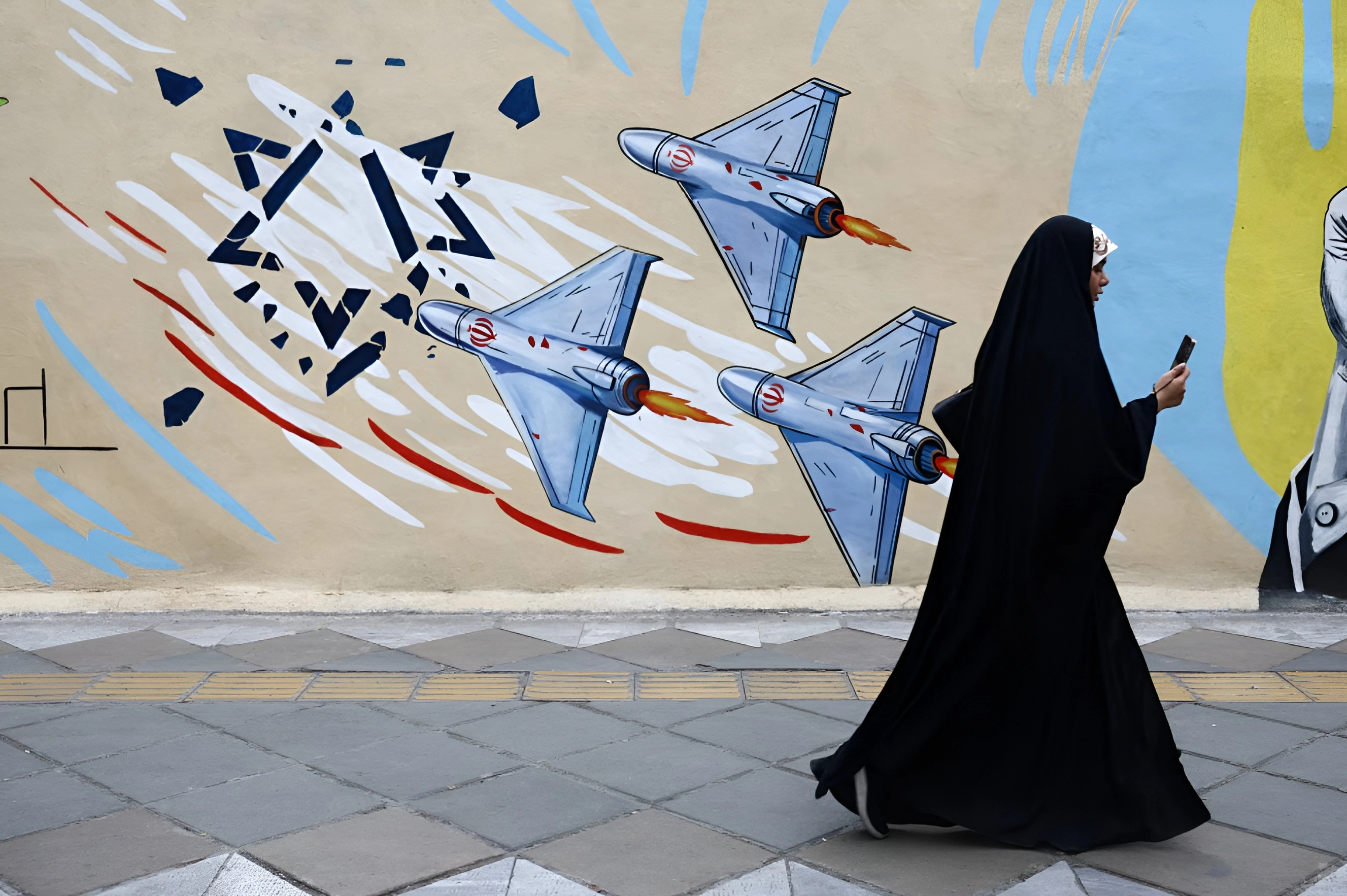
 A woman walks past a banner of Iran’s slain Supreme Leader at Tehran University. After US and Israeli strikes killed much of the country’s top leadership, Iran now faces deep economic crisis and growing uncertainty.
‘What are we supposed to do?’ Sadra asks. ‘Go into the streets? We’ll be shot dead. All we want is a normal life. That’s all.’ Many Iranians feel stuck, unable to challenge the regime, fearful of another war, yet increasingly unable to endure the crushing conditions surrounding them. ‘When we hear thunder, we think the war has started again,’ Armin says. ‘We hoped this war might finally lead to freedom. But instead, everything has become worse.’
For now, the bombings have stopped, but for millions of people inside Iran, the fear has not disappeared. Donald Trump says the ceasefire with Iran is now on ‘life support’ and that the US naval blockade will continue. The question now is whether Iran’s economy can survive the pressure, or whether growing desperation and food shortages will trigger new waves of anti-regime protest.