The ceasefire announced in mid-June between Iran and the US, and signing by both of a memorandum of understanding, raised hopes for an end to the war. Full-scale war may have ceased, but a game of ‘tit for tat’ for control of the Strait of Hormuz is underway between the combatants: Iran strikes at passing ships, the US hits Iranian missile bases or boats, and Iran responds by targeting US bases on the western side of the Gulf. Meanwhile Fariba Sahraei has been finding out how the memorandum of understanding has been received inside Iran.
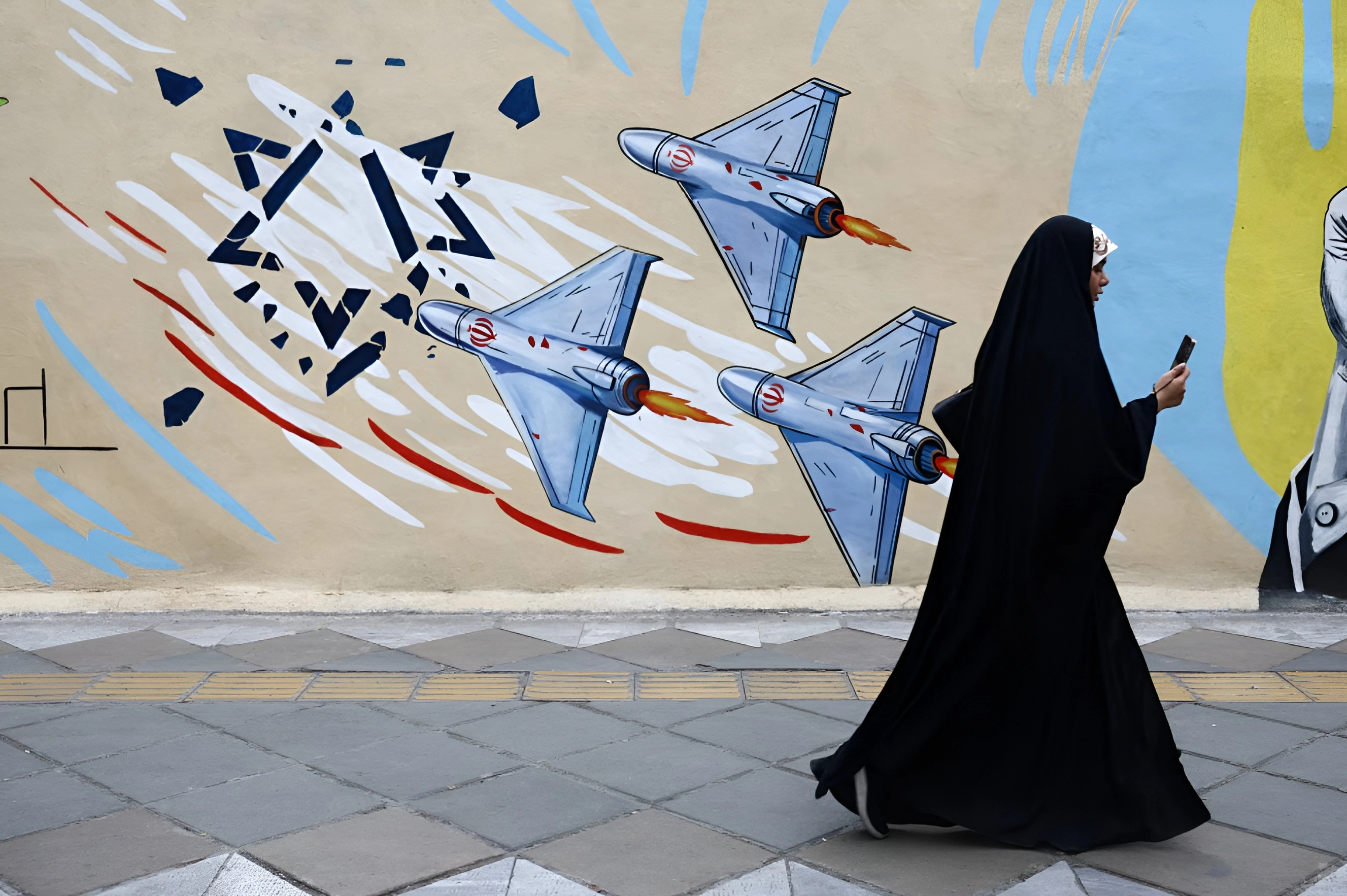
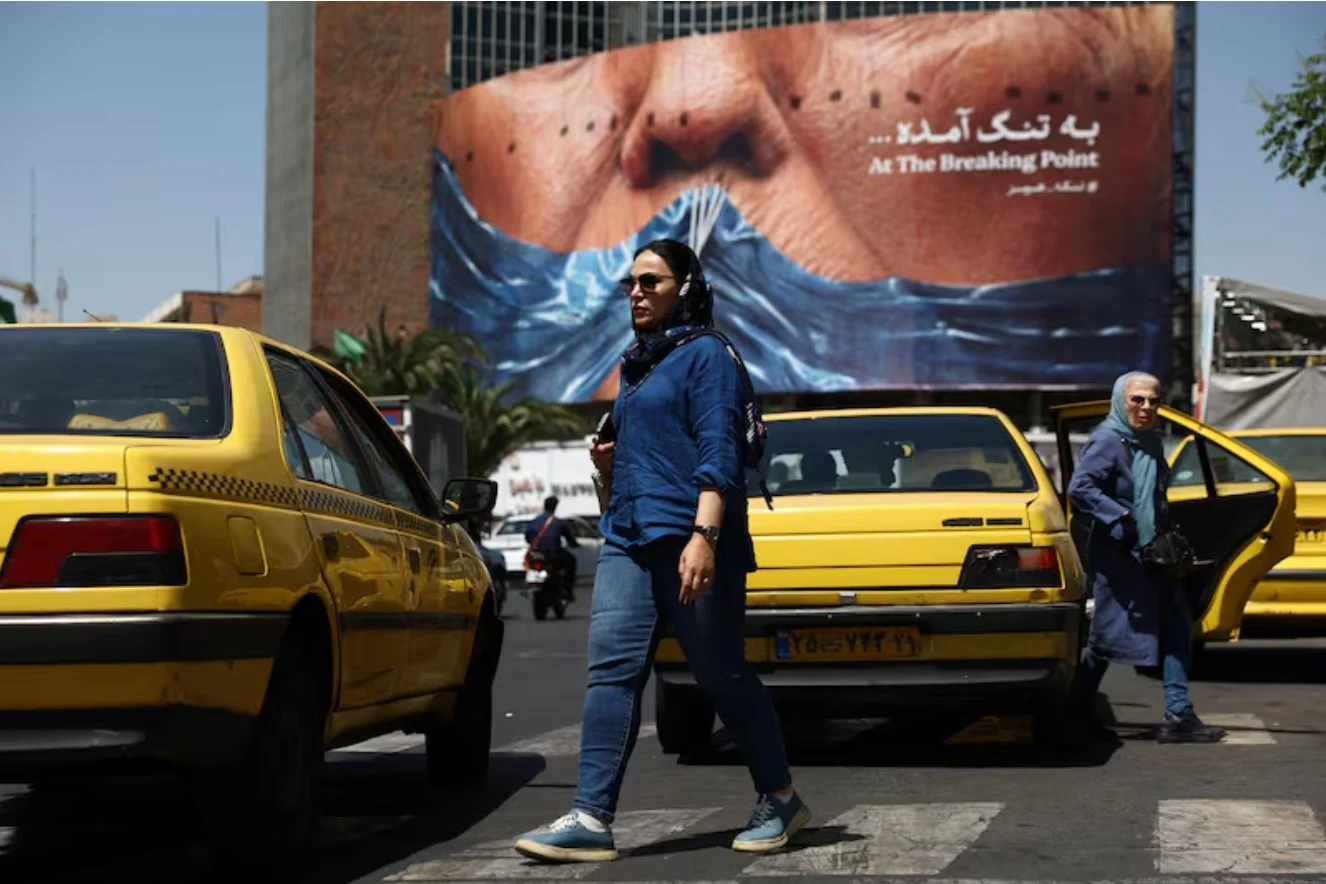
A woman walks past an anti-Israeli mural in Tehran. While governments hail diplomacy, many Iranians say the ceasefire has brought little relief from political repression and economic hardship. Photo: Majid Asgaripour/WANA
For those who had hoped the war might lead to the collapse of the Islamic Republic, the agreement has brought nothing but disappointment, distress and a profound sense of betrayal. They described the deal as one negotiated between governments while ignoring the aspirations of millions of Iranians who have spent years confronting economic hardship, political repression and repeated waves of unrest.
‘I was deeply disappointed and angry when I heard the memorandum had been signed,’ said Navid, a 38-year-old artist, whose name has been changed to protect his identity. ‘For nearly two months we lived with bombings, fear, and constant stress. We thought this war might finally bring an end to the suffering we have endured for decades. Instead, everything stayed the same.’
Hopes raised – then dashed
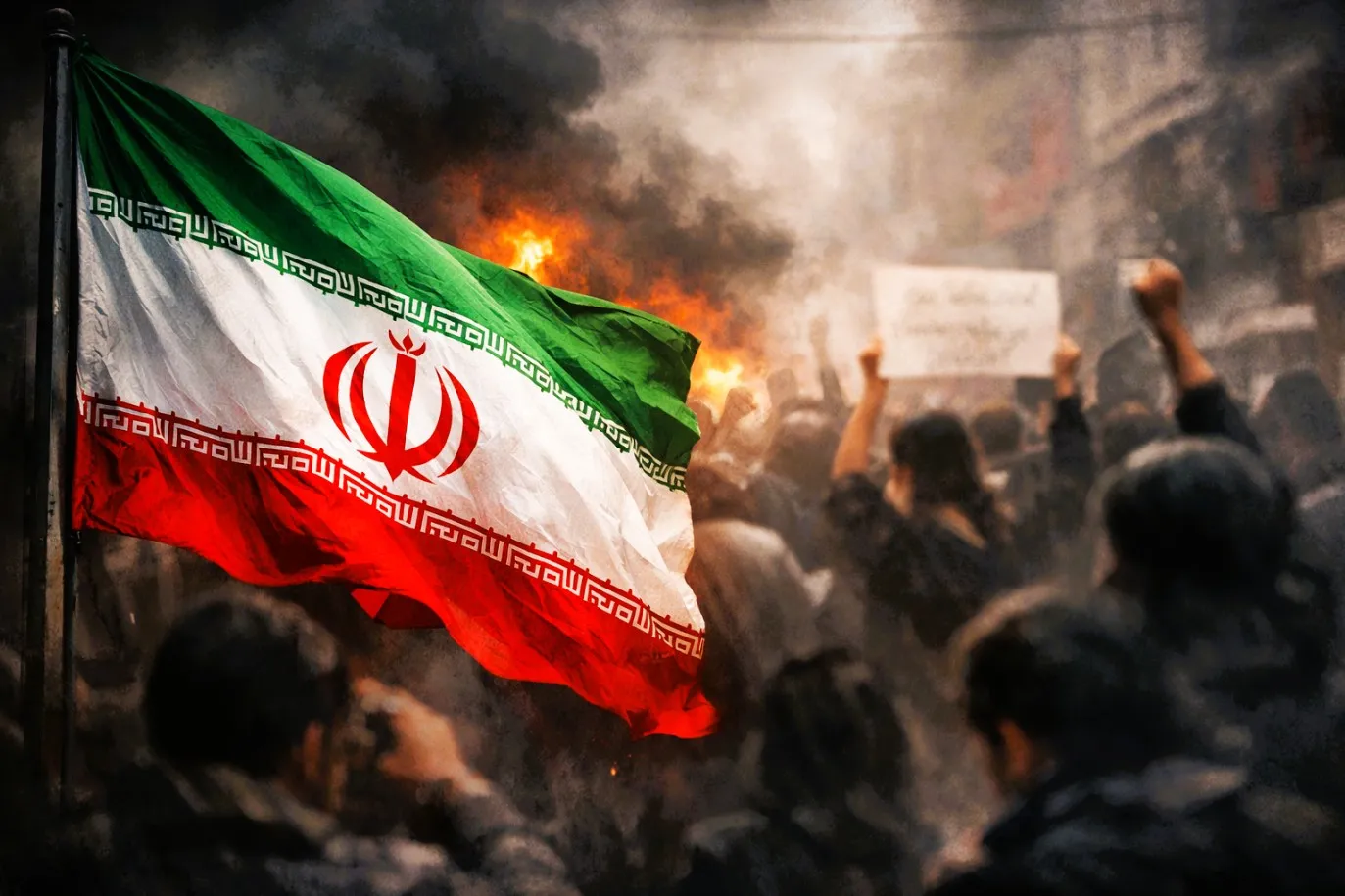
The start of the conflict followed months of political turmoil inside Iran. Nationwide protests and the massacre of thousands of protesters, possibly the bloodiest in modern history, left deep scars on society before military operations by the US and Israel dramatically escalated the crisis. Many senior military commanders were killed, key military and nuclear facilities were damaged, and the Islamic Republic faced its most serious challenge in decades.
That expectation was reinforced by statements from President Donald Trump in the weeks before the US ‘Operation Fury’ was launched. He warned Tehran against using violence against demonstrators and publicly urged Iranian protesters to continue demonstrating, declaring that ‘help is on its way’.
For some inside Iran, those remarks carried enormous symbolic weight. ‘When the military operation began, many people believed that help had finally arrived,’ Navid said. ‘We thought this might be the beginning of real change.’ Instead, the ceasefire followed by the memorandum of understanding convinced many that geopolitical interests had once again taken precedence over the fate of the nation.
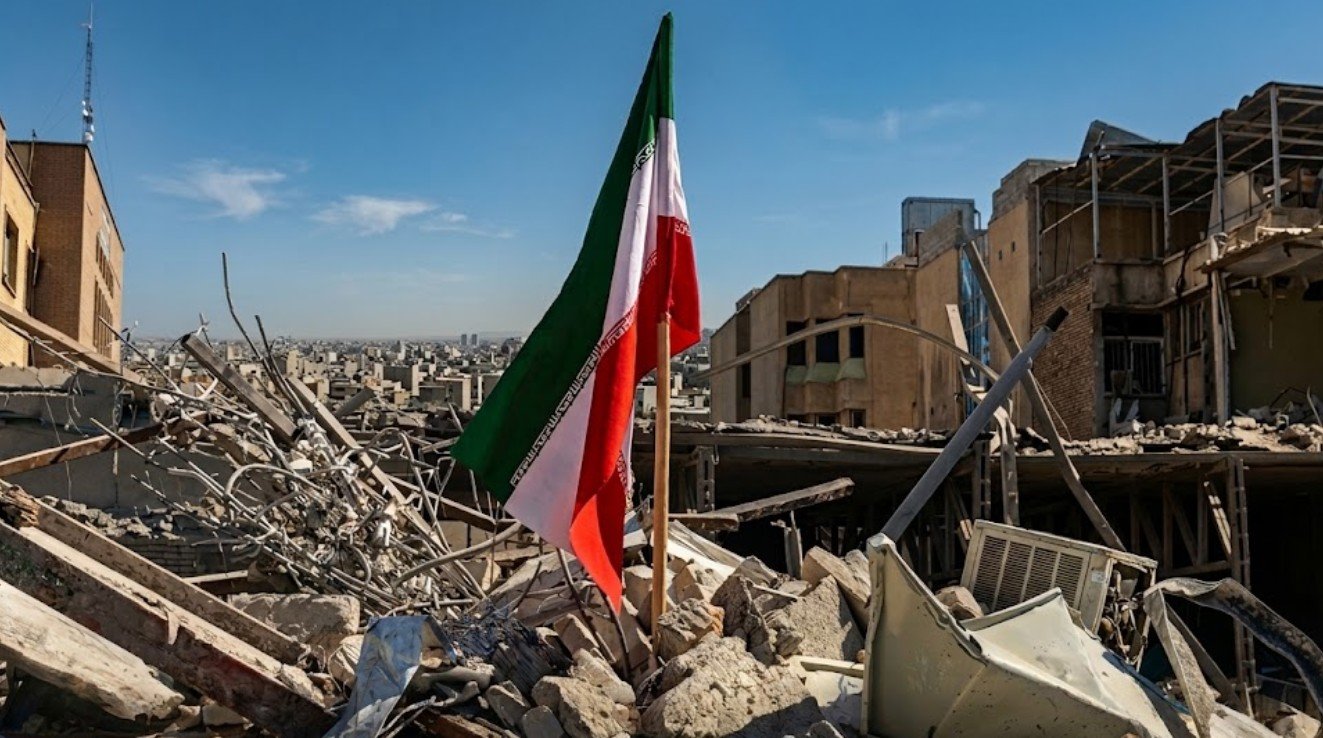
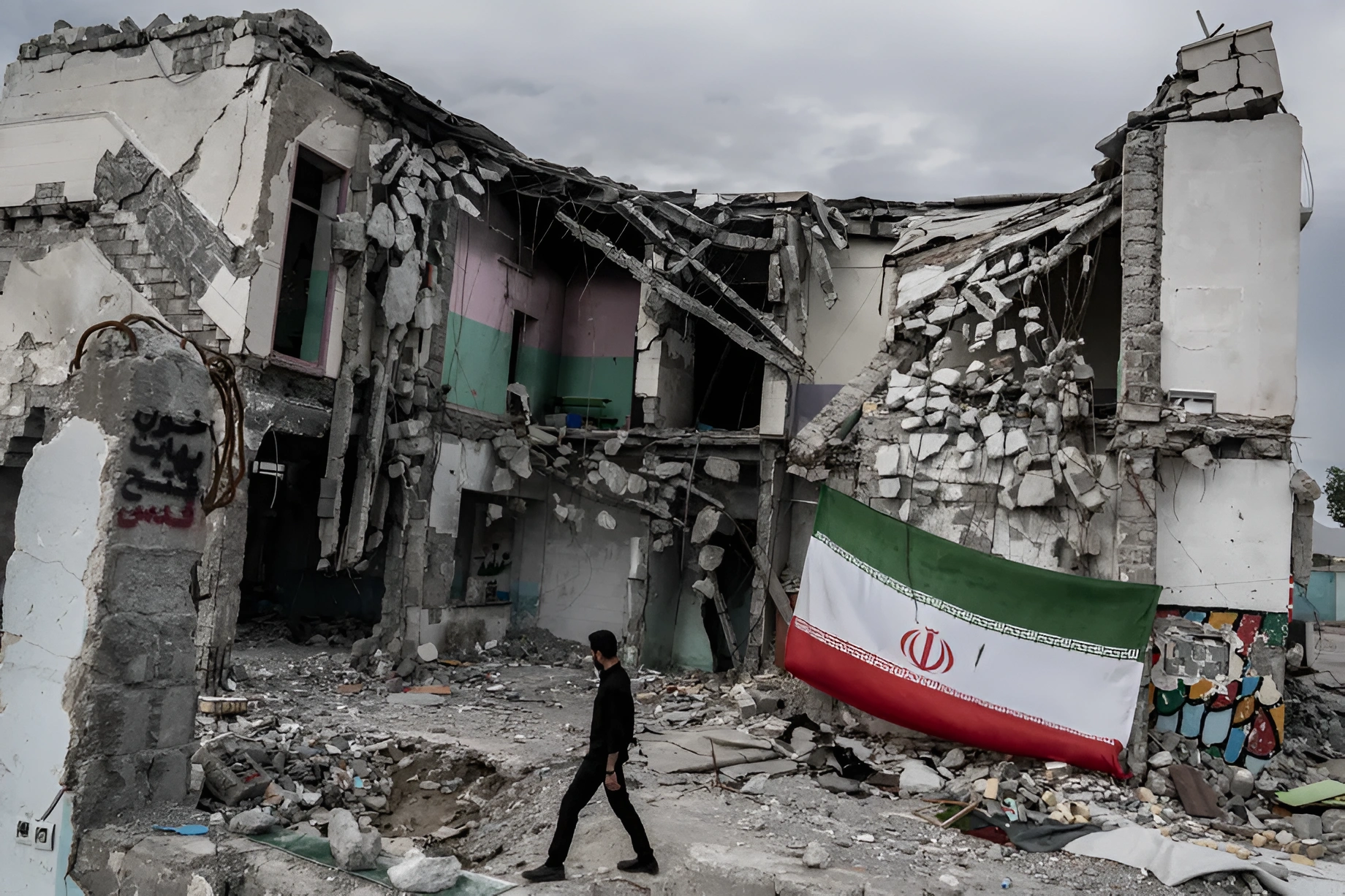 Damage from recent strikes in Tehran underscored the human cost of the conflict before the ceasefire was announced. Photo: Hamid Vakili/Anadolu Agency
Navid questions why Trump had told Iranian protesters that ‘help is on the way’. ‘Trump changed his position. He betrayed us. He used the Iranian people as leverage to justify his war on Iran and to strengthen his negotiating position,’ Navid said.
Negin, a 27-year-old resident of Tehran whose name has been changed for security reasons, expressed a similar sense of disappointment. ‘Why tell Iranian protesters that help was coming?’ she asks. ‘In the end, he reached an agreement that served his own interests while allowing the same regime that oppresses us to survive.’ Many of those interviewed described the agreement not simply as a diplomatic compromise but as the collapse of hopes that the conflict might produce lasting political change. ‘We lost so many young people during January protests,’ said Nastaran, another Tehran resident whose identity has also been concealed. ‘Then came the war. We lived through bombings. We had no internet for 90 days. People lost their jobs. We endured all of that, only to see another agreement signed with the same regime!’
Left out of the deal
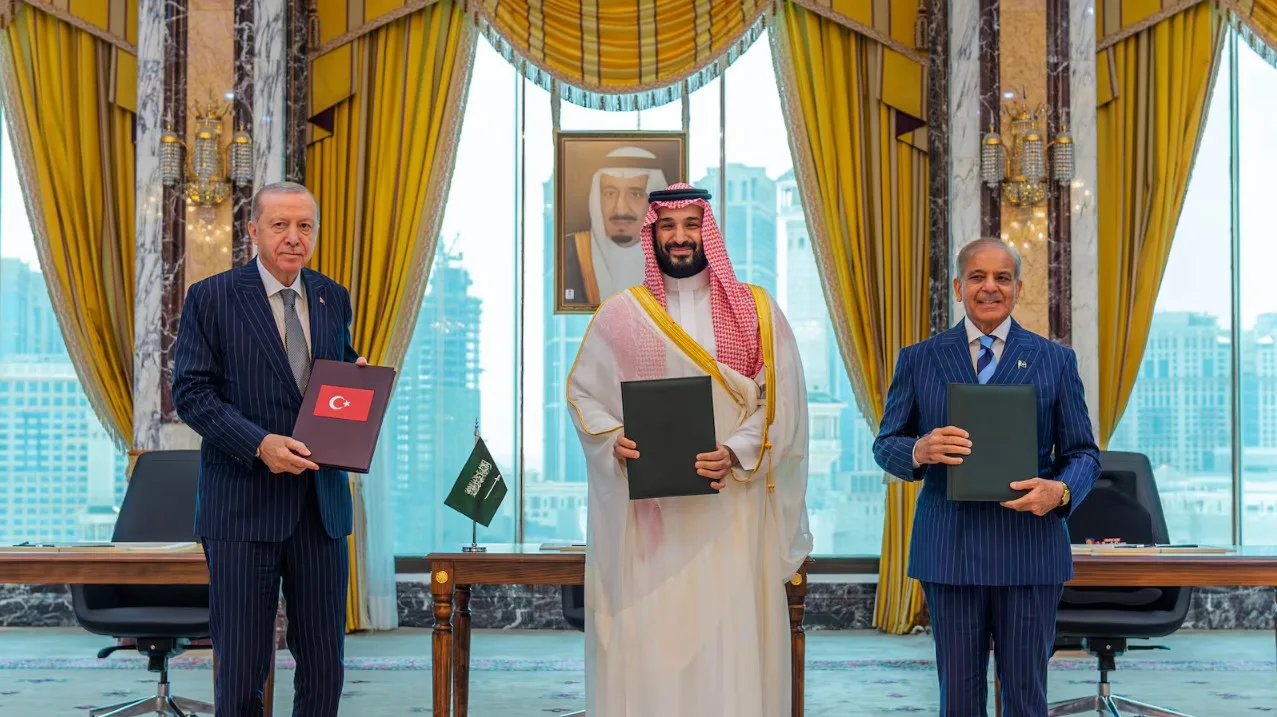
The agreement signed by Trump and Masoud Pezeshkian, Iran’s president, is intended to end the war between the US and Iran on all fronts, including Lebanon, and establish a framework for negotiating a broader nuclear agreement. Under its terms, Washington would begin easing sanctions and release frozen assets, and in return, Tehran would reopen the Strait of Hormuz.
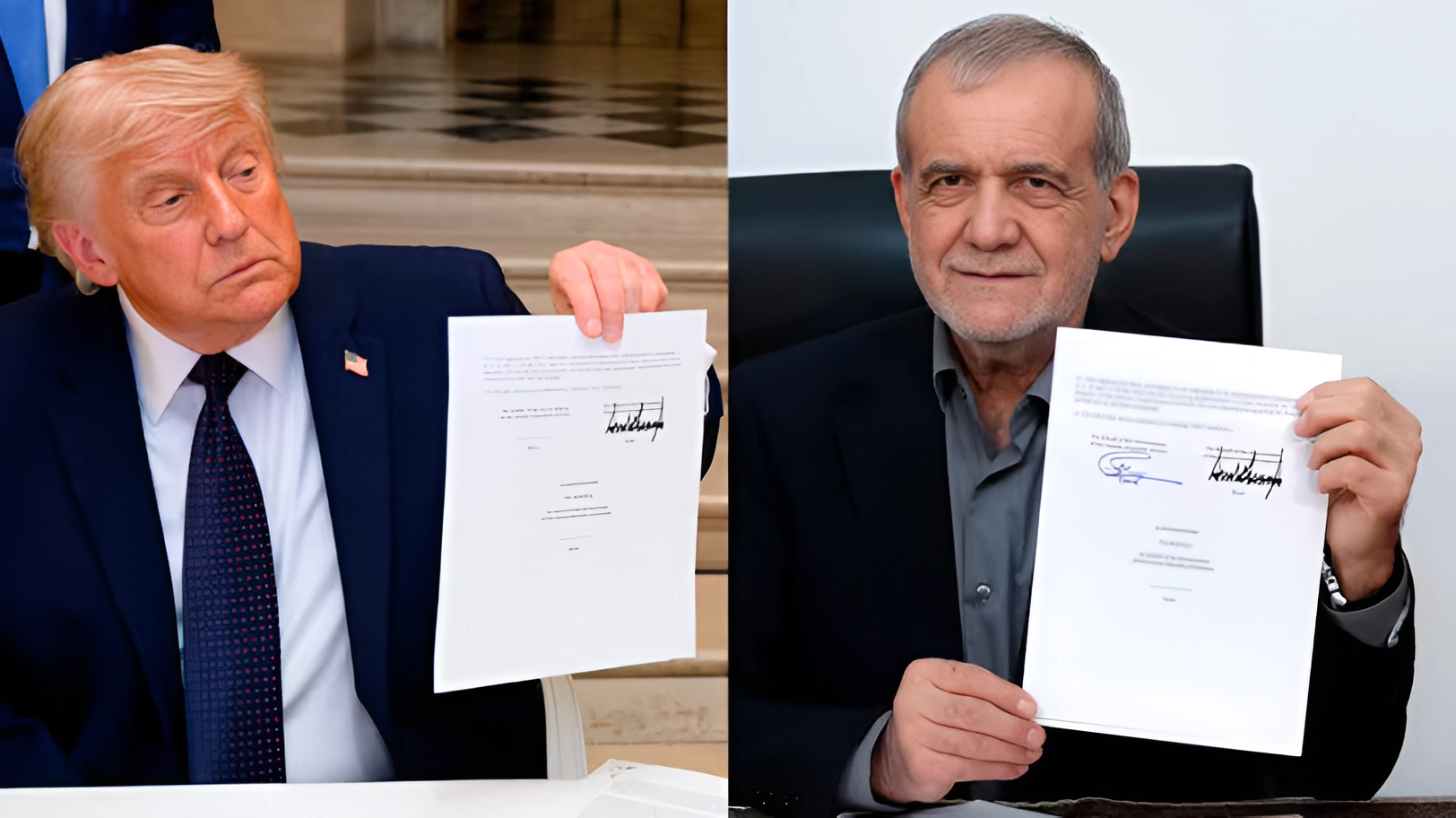 US President Donald Trump and Iranian President Masoud Pezeshkian display the memorandum of understanding signed on June 17. Photo: EPA
For many of those interviewed, however, one omission overshadowed every provision. ‘I asked myself one question,’ Navid said. ‘Where are the people of Iran in this agreement?’ To him, the answer was clear. ‘They're nowhere.’ ‘The people of Iran have no place in the US memorandum of understanding,’ said Nastaran. ’We don't matter to our own government, and we don't matter to the rest of the world either.’ She paused before adding: ‘We are nothing more than tools for others to use in pursuit of their own interests.’
For Iran's 90 million people, two wars in six months have brought only deeper economic hardship, tighter political repression and growing uncertainty about the future. ‘Neither the war nor this agreement has ever belonged to the Iranian people,’ Navid said. ‘The Islamic Republic dragged the country into it to preserve itself. Now it has reached an agreement for exactly the same reason.’ ‘What have we gained?’ he asks. ‘More fear. More stress. More poverty.’
While foreign governments present the accord as the beginning of a diplomatic breakthrough, those I spoke to say life inside Iran is unchanged. ‘Has the repression decreased?’ Nastaran asks. ‘No. Every night the squares are filled with armed Basij forces because they're afraid people will protest again.’ ‘Arrests have increased. Executions have increased.’ Interviewees I spoke to rejected suggestions that recent political changes represented a meaningful shift in the nature of the Islamic Republic.
At the G7 summit in France, Trump said Iran now had ‘a new group of leaders’ who are ‘very smart’ and ’far less radicalised’. Sima, a Tehran resident who participated in the January protests, dismissed that assessment. ‘I don't see any difference,’ she said. ‘What's interesting is that Trump now claims that the regime has changed. But I completely disagree. Their thinking is exactly the same as that of their predecessors. I see no change whatsoever.’
Although the conflict eliminated several senior Iranian political and military figures, including Supreme Leader Ali Khamenei, interviewees consistently argued that the institutions of power remain intact. ‘The system survived,’ Sima said. ‘For ordinary people, nothing has changed.’
Waiting for relief that may never come
Interviewees say they have little confidence that ordinary citizens will benefit. Instead, they believe any financial gains will bolster the regime and its proxy groups across the region, rather than improve daily life at home. ‘If Iran's frozen assets are released, ordinary people will not benefit,’ said Navid. ‘It will go toward strengthening the regime's proxy groups in the region, purchasing military equipment and missiles, or disappearing into the corruption of regime officials and the Islamic Revolutionary Guard Corps (IRGC).’
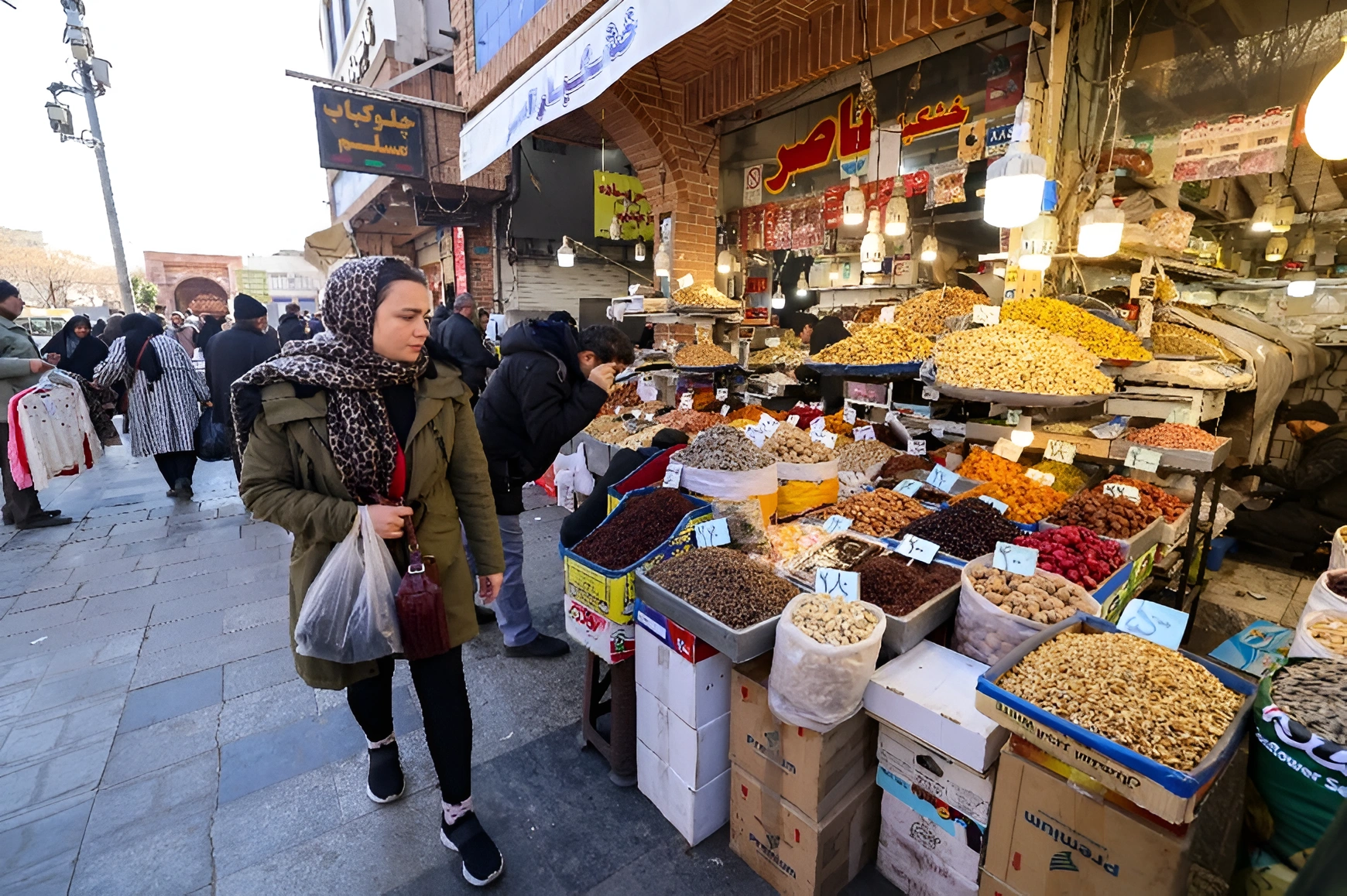 Shoppers at a market in Tehran. Many Iranians say rising prices and economic hardship continue despite the ceasefire. Photo: AL Monitor
‘Our lives become more expensive every day,’ Nastaran said. ‘Prices change almost by the hour.’ She questions whether increased oil revenues would ever improve living standards. ‘People keep saying Iran will be able to sell more oil,’ she says. ‘But we've asked this question for years: where does the oil money go? It never reaches ordinary Iranians.’ To many interviewees, economic hardship has become inseparable from a broader sense of political exclusion. ‘They don't care about us,’ Nastaran said. ‘Even if billions of dollars are released, our lives won't change.’
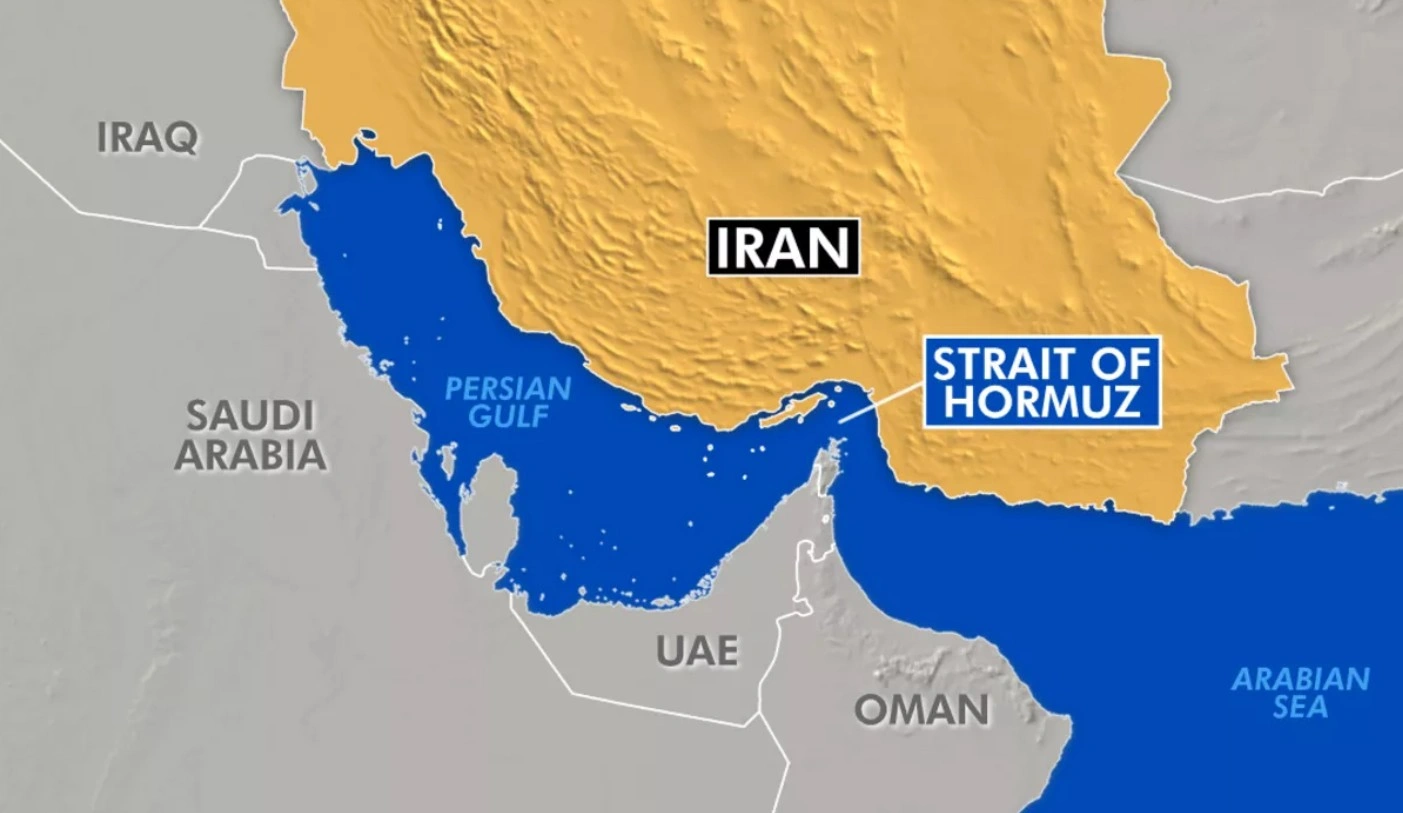 Strait of Hormuz, where tensions between Iran and the United States continue despite the ceasefire. Map Illustration: Bloomberg
Iran points to the closure of the Strait of Hormuz as proof of strength, while Donald Trump says the US degraded Iran’s military capabilities and reopened the strategic waterway. Caught between these competing claims, many Iranians feel betrayed and abandoned, seeing themselves as the main losers of a conflict they had once hoped would bring down the regime.