The war between Iran and the US and closure of the Strait of Hormuz have deflected attention from the political situation within Iran. The international conflict followed anti-regime protests in January across the country focussed on the high cost of living, which led to a ruthless crackdown by the Islamic regime. Several thousand protestors were killed when the security forces turned their guns on their own people, according to human rights organisations, and at least 26 of those detained have subsequently been executed. Others charged with offences such as ‘waging war against God’ and ‘speeding corruption on earth’ have been sentenced to death, including some in the south western city of Shiraz. Amir Golestani, who was in Shiraz to mourn and bury his father at the time, was an eye witness to street protests in Shiraz.
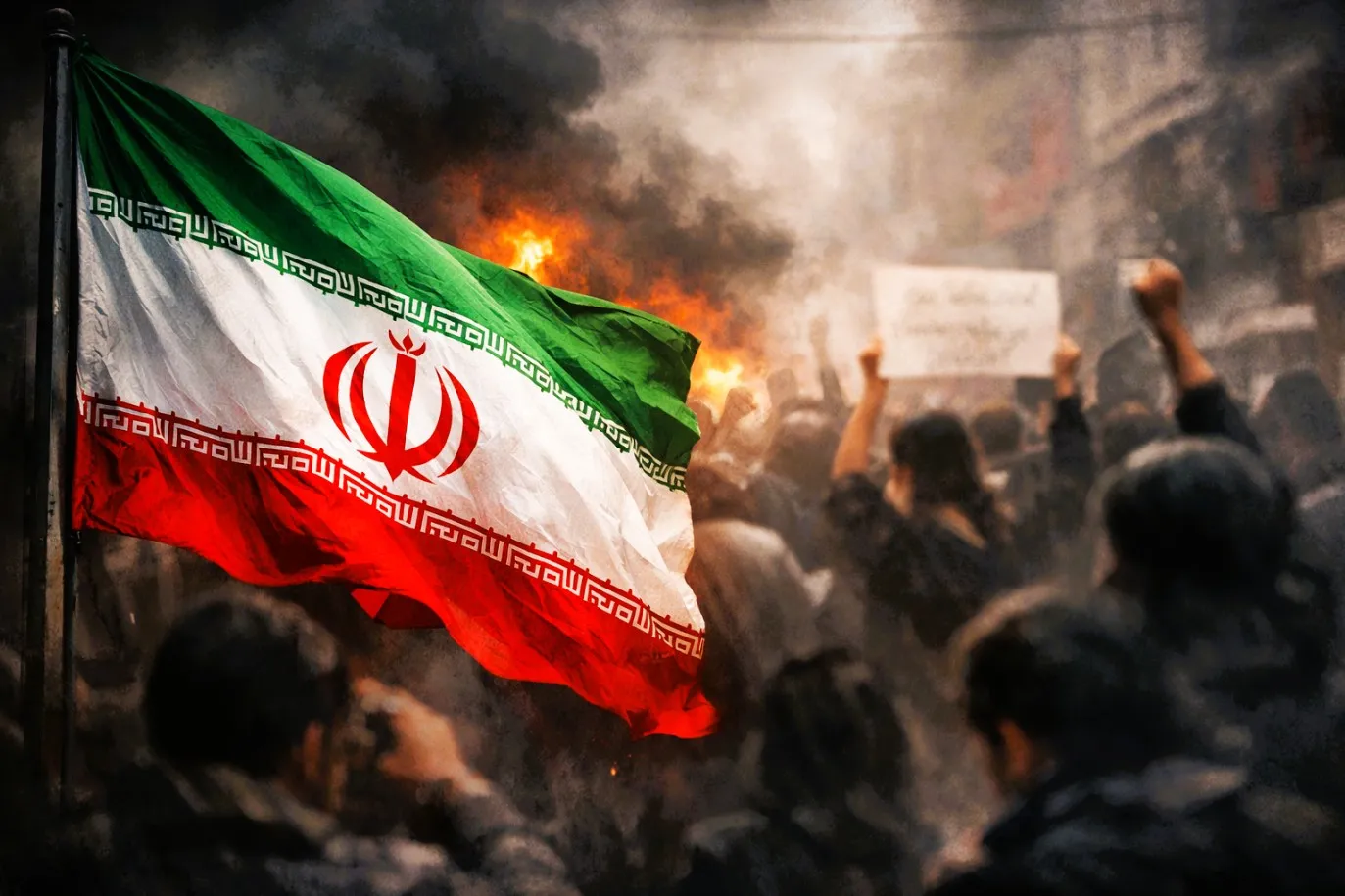
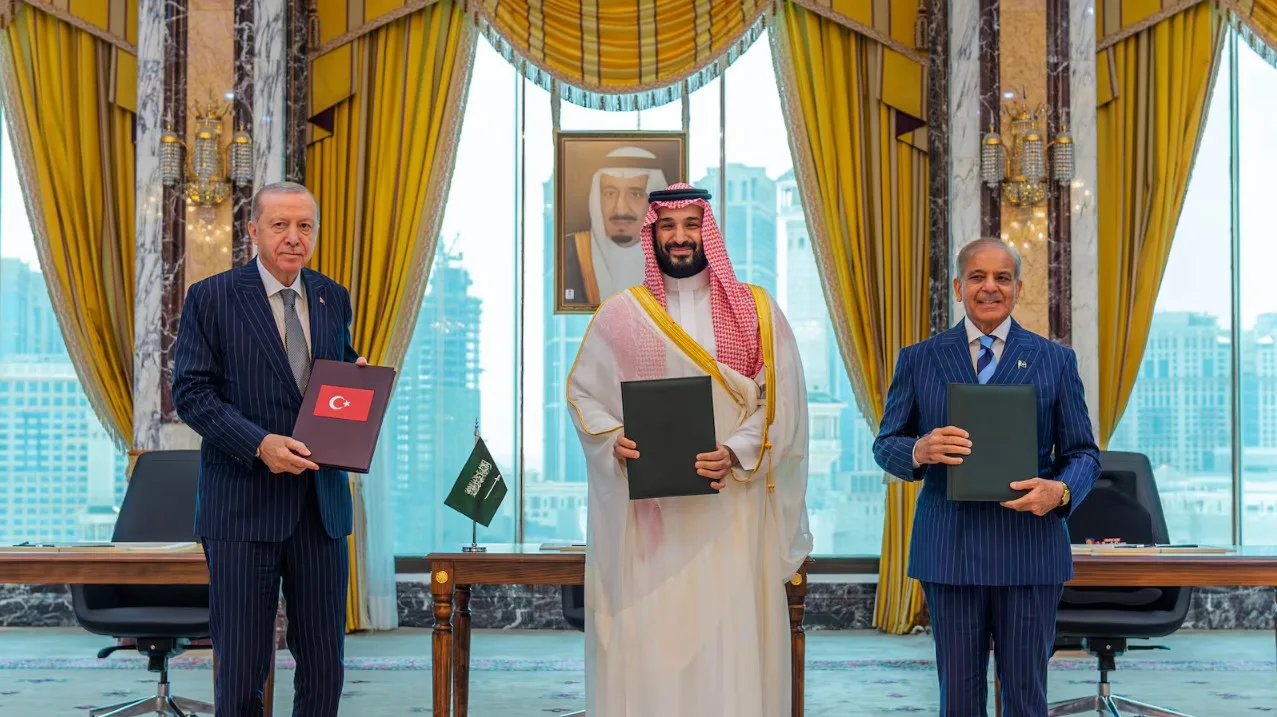
An illustration of the January 2026 uprising, when protests over the cost of living spread across Iran and confronted the Islamic regime with its deepest challenge in years.
My father died in Shiraz just as Iran was beginning to rise again. The moment he didn’t answer his phone I felt the world tilt. A friend broke down the door and found him lying cold and still in the kitchen as silent and frozen as he was. That same day I had read a tweet that filled me with dread: ‘A new cycle of protests is forming in Iran.’ Strikes and protests were reported to be spreading from Tehran's sprawling bazaar across the country.
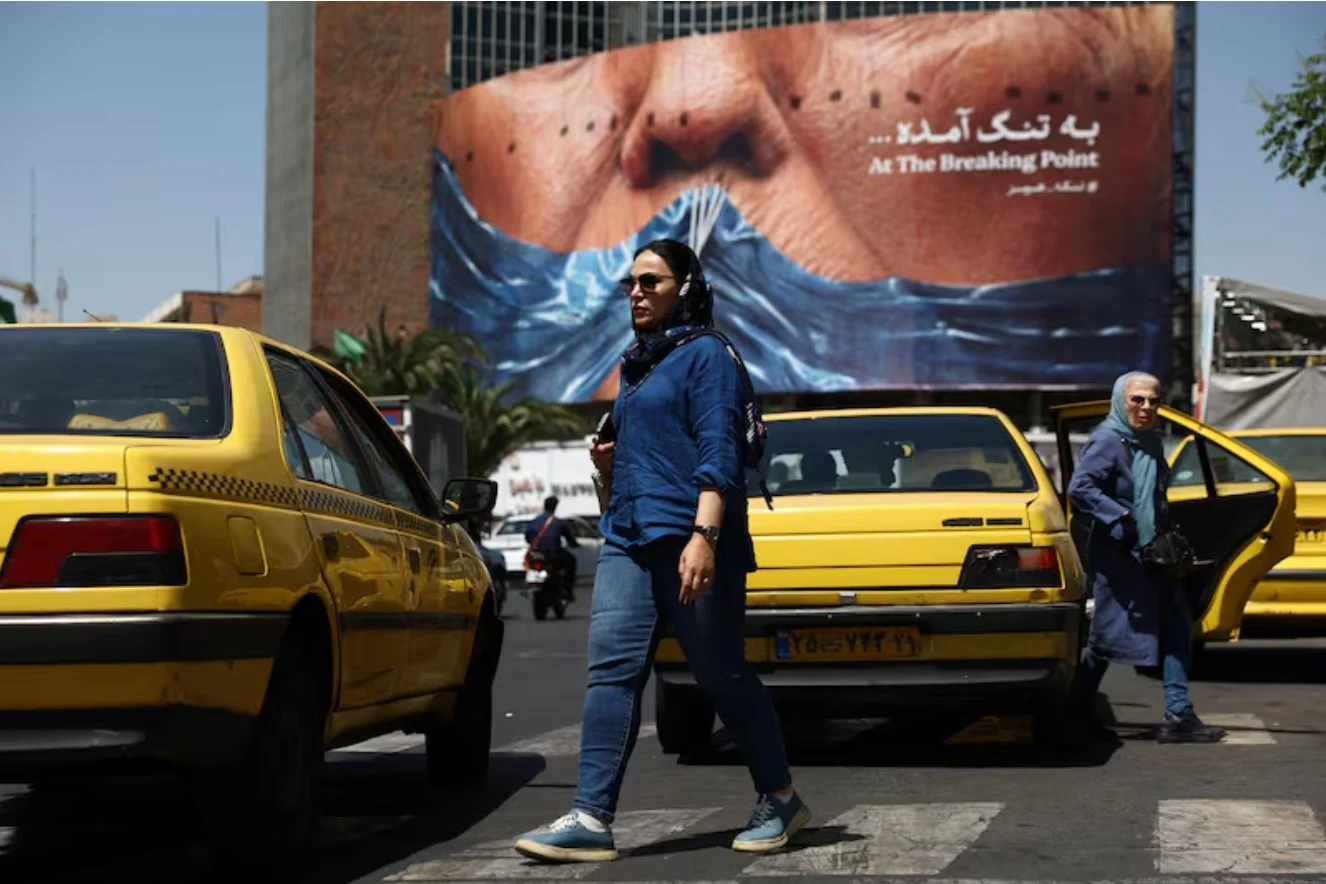
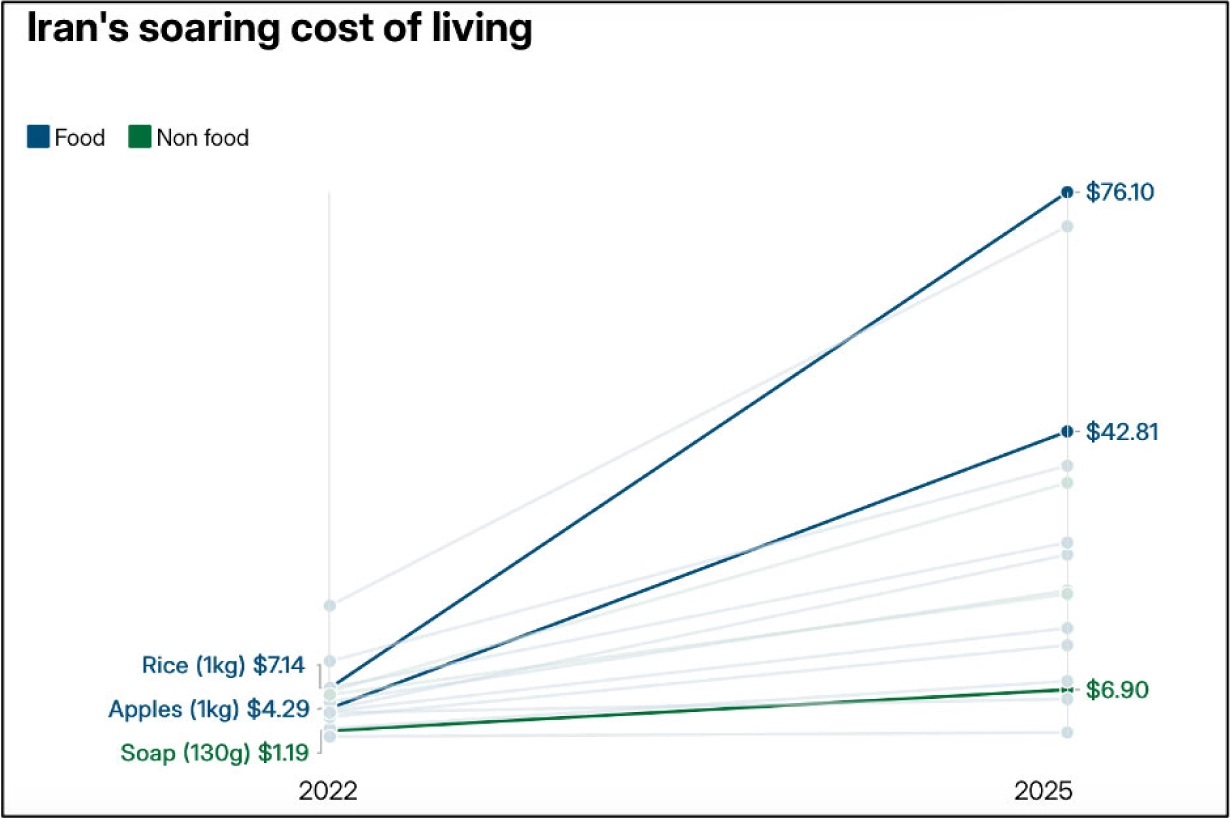 Soaring prices added to the economic hardship that fueled Iran’s January 2026 protests, turning the cost of living into a wider source of public anger. Graph Source: The National
My father’s death and the country’s unrest arrived together, two shocks fusing into one deep, burning ache. His life mirrored Iran’s upheavals: born in Abadan in the southwest, he lived through the Anglo-American coup of 1953, the boom of the 1960s, the 1979 Revolution, the eight-year war with Iraq, the abortive pro-reform Green Movement in 2009, the bloody November 2019 crackdown, and the Woman, Life, Freedom uprising of 2022. He was blissful when the nuclear deal, known as the JCPOA, was signed in 2015. He was scared during the unrest of 2019, disgusted in 2022 by the regime’s brutality. He laughed under Israeli bombardment in June 2025, reassuring me over the phone, ‘Everything is okay… don’t worry’. He had witnessed a coup, a pandemic, two wars, and a revolution. And now he was no longer.
When I landed in Shiraz, my cousin handed me the keys to my father’s car. I stayed with my mother, who had arrived from another city, at my aunt’s house on Moali'abad Street, already tense and restless. At night, the streets were clogged with cars. Armed Security forces stood beside their motorcycles in black uniforms, bulked-up shoulders, hidden faces – alien, as if they belonged to no city, no people. We buried my father on 31 December. After the burial, I returned to his apartment, stepping through the clothes my mother had laid out to donate. I could no longer tell where grief ended and unrest began.
On 3 January, the Supreme Leader spoke of putting ‘rioters’ in their place – a green light to shoot. Strikes and unrest spread. A video circulated of a protester on Moali'abad splashing gasoline on an officer and setting him ablaze. People laughed nervously, but the laughter was brittle, edged with fear. On 6 January, gunfire echoed through my father’s window. Chants mixed with the sound of gunshots. Shiraz had risen. The next nights were a blur of tension. A call on Iranians to protest, by the exiled former crown prince Reza, spread by word of mouth. Even older, pro-regime people took it seriously.
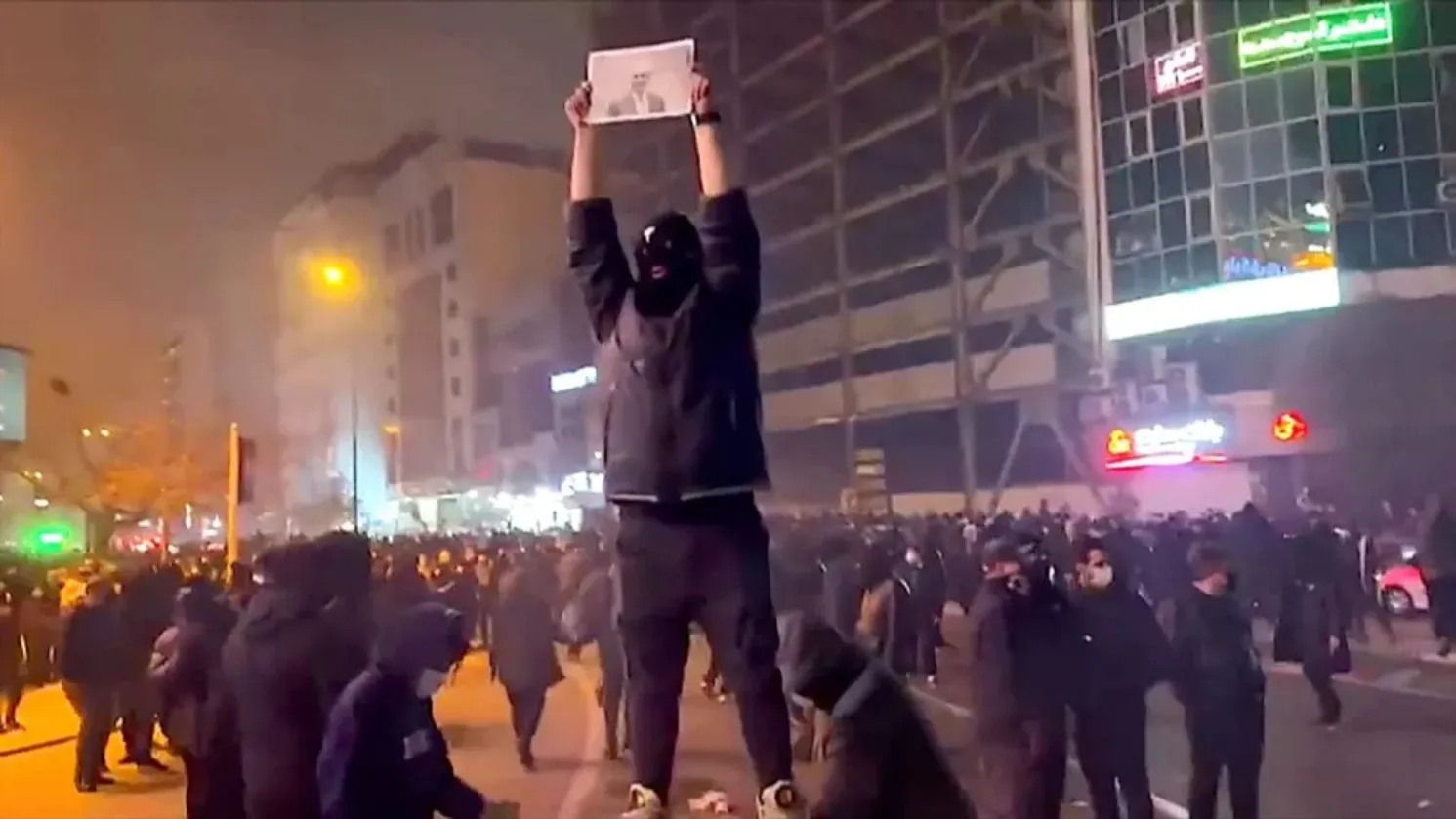 A protester holds a portrait of Reza Pahlavi during demonstrations in Tehran, reflecting the competing visions of Iran’s political future that emerged during the January uprising.
On 8 January, my mother and I drove toward a family friend’s house. The city was tightening like a fist. Armed security forces on motorcycles passed us. Groups in black moved toward Park Intersection. My mother begged me to turn back, but I wanted to see. When we reached the crossroads, flames engulfed it. A black mass of people filled the boulevard. The chant ‘Death to the Dictator’ rose above everything. I reversed the car as my mother trembled beside me.
Back in our alley, women’s voices echoed from windows: ‘Death to Khamenei,’ ‘This is the Final Battle,’ ‘Pahlavi will Return’. I felt pulled toward the burning intersection, toward the epicentre of the city’s rage. My mother pleaded, ‘Your dad just died, don’t look for trouble.’ But I couldn’t stay inside. I walked toward Park Intersection. A disabled teenager in a wheelchair chanted with a raspy voice. Barricades – uprooted bus stops and street signs – blocked the roads, yet there were no security forces. Their absence felt ominous. People moved rapidly, gathering, lighting fires, shouting, but still no sign of the Revolutionary Guard or the hated militia, the Basij, despite their bases being close by.
Inside the family home, surrounded by chatter and confident predictions that ‘the regime will fall tomorrow,’ I felt estranged. My father’s death, the burning streets, and the forced normality collided painfully. Returning home around 1am, we drove through streets strewn with broken glass and the smell of burnt rubber and plastic. It felt like the aftermath of a storm.
The next day, the 9th, the city bore the scars: scorched boulevards, welded ATMs, shuttered banks, blackened asphalt. At a nearby café, the young barista told me she had been trapped in a dead-end alley by Arabic-speaking forces – echoing rumours that the regime had brought in fighters belonging to its proxies in Iraq and Lebanon. She said she escaped only because one Iranian officer told her, ‘Go,’ allowing her to escape. Her terror mirrored my own disorientation.
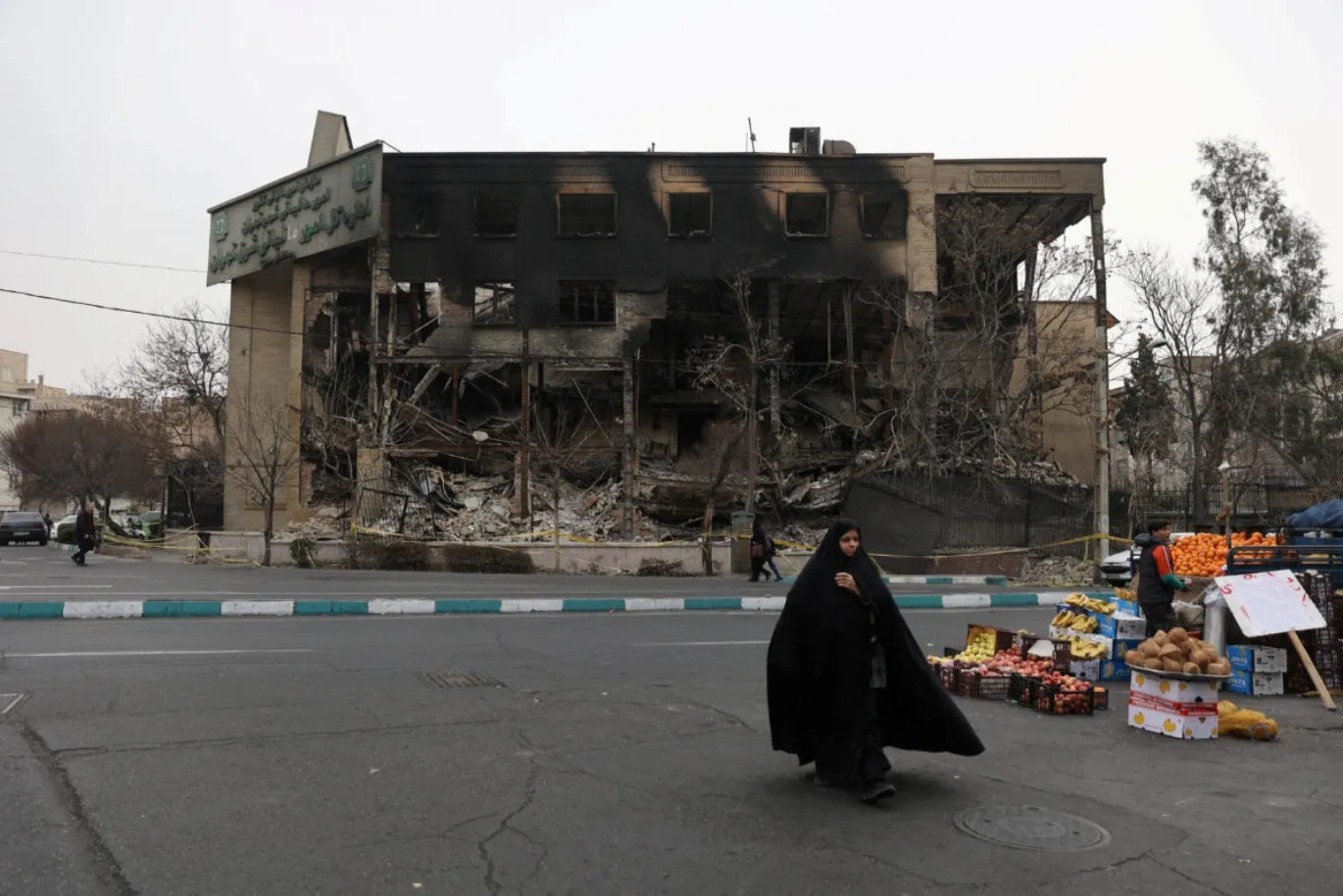 A state tax building burns during protests in Tehran in January 2026. Photo: Majid Asgaripour/Reuters
That night, chants erupted again. In my father’s flat, I packed his belongings while my mother prayed over the Quran. I played his guitar, repeating the melody he taught me as a child: ‘This is a political song, don’t sing it in school.’ The notes blended with the sound of gunshots and screams from the alley. Grief could not settle; it was constantly broken by the roar outside.
Drawn out again, I entered a world transformed: masked faces, hurried steps, suspicion in every glance. Fires burned at both ends of our narrow side street. An old woman with a walker urged me forward: ‘Don’t be afraid, they’ve taken everything from us.’ Gunfire erupted near Park Intersection, sending a flood of people running back towards me. I was swept into the tide, trapped between fire and a dead-end alleyway.
A masked man pacing like a conductor of collective fury led the chants - ‘Death to the Dictator,’ ‘Pahlavi will Return’. The sounds of gunshots were drowned by the chanted slogans. ‘Shame on You’ and ‘Basiji, IRGC, you are our ISIS’. I thought of my father. ‘What a homecoming it turned out to be, dad,’ I whispered. Someone spray-painted on the asphalt: ‘Khamenei is a Murderer’ and ‘Long Live the Shah’. A young protester said, ‘It’s useless this way. We need a leader.’
Right then, a shot rang out so close it felt as if it were aimed directly at us. Someone yelled at me loudly: ‘Get inside, get inside!’ The sea of people surged back amid screams of ‘Shame, Shame’. We kept the door open for runners to come inside. The sound of gun fire was constant now and wouldn't stop, and it was followed by a sound like an explosion nearby.
‘Come on, kill us, come on, you bastards!’, the man leading the chants screamed. He dashed toward the top of the alley, then returned. Turning to me, he said, ‘keep the doors open!’ The following day and night everything seemed to have returned to normal. The internet had been cut off since the night before. There was no information as to what was happening across the city or indeed the country. I went alone to my father's grave to see his gravestone and bid him farewell. Amid all my personal emotions, I told him, ‘Iran will be free, dad, but you aren't here to see it’.
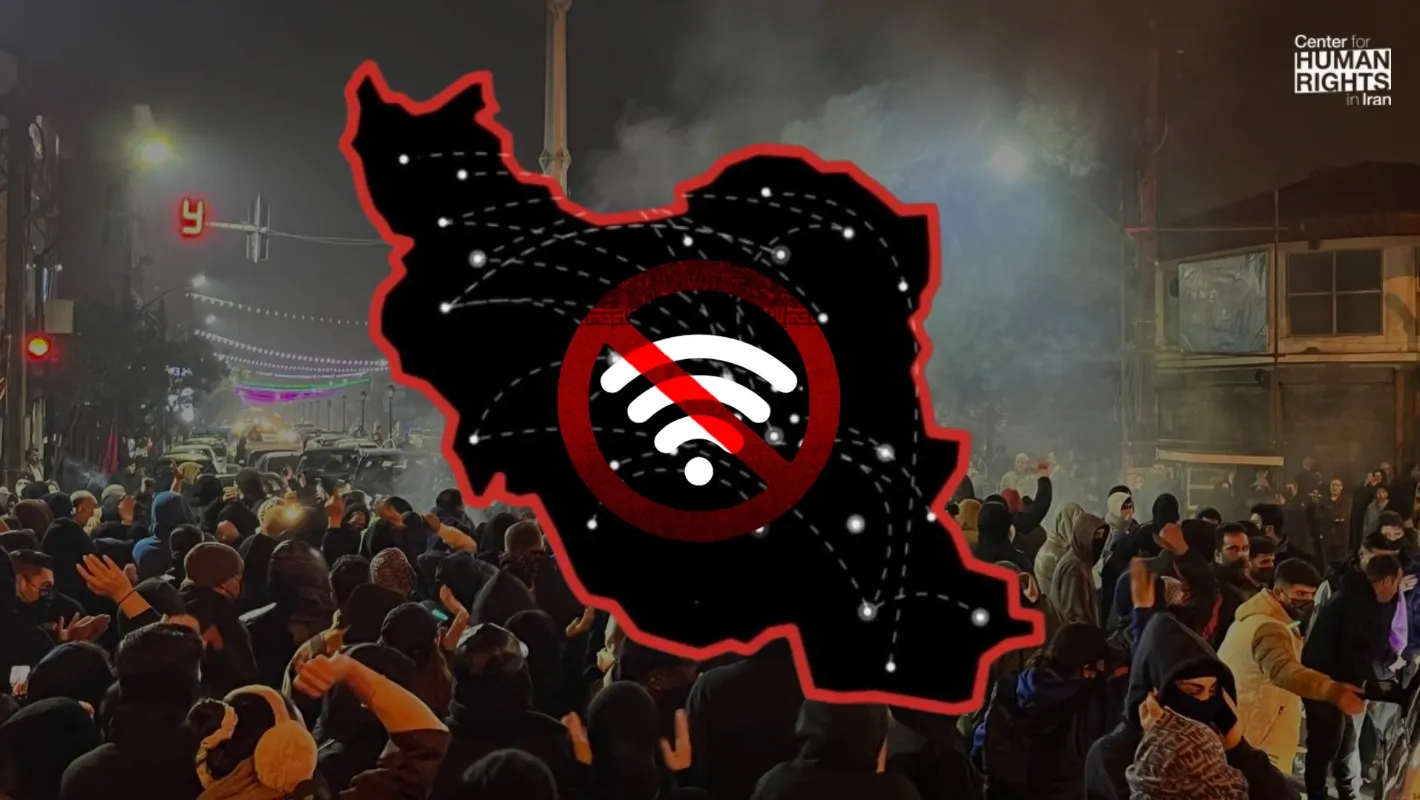 Iran’s nationwide internet blackout cut protesters and the wider public off from the outside world during the uprising. Illustration: Center for Human Rights in Iran
The next day, on a rainy morning, I embraced my mother and headed to the airport. Leaving Iran, I carried both griefs, the private one and the national one, across borders. It took me ten days just to comprehend what had happened to us. The torrent of lonely young souls flooded in on my screen; we finally understood what blood had been spilled in every single alley in Iran. Thousands had been killed in the streets of Tehran and other big and small cities and towns across the country. The regime had turned its guns against its own people in an incomprehensible way.
And through it all, I kept hearing my father’s lullaby: ‘Sleep, my boy… the whole world is a fleeting tale.’