The 1MDB scandal brought down the Malaysian government after US financial investigators and investigative journalists showed that around US$5 billion had been stolen from the country’s sovereign wealth fund. What came to be known as the world’s greatest financial scandal led to the arrest and jailing of former prime minister Najib Razak as well as the son of a former prime minister of Kuwait. A new study shows that those responsible for the fraud, including Malaysian Jho Low, attempted to cover their tracks by inflating the costs of China-backed projects in Malaysia. Investigative journalist Clare Rewcastle Brown, author of a new book The China Contract, tells the story.
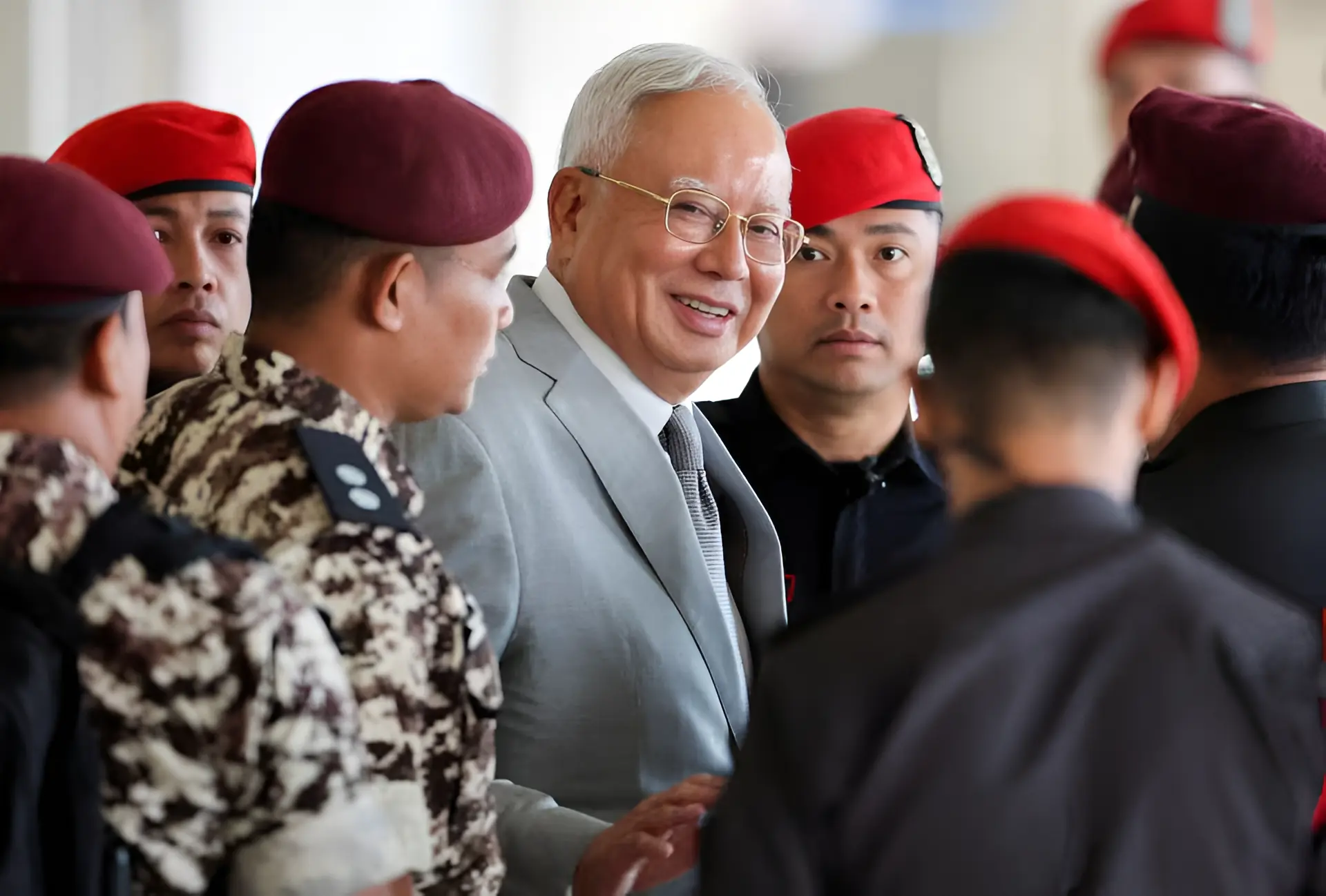
Najib Razak’s government was brought down by the 1MDB scandal, which exposed the diversion of billions of dollars from Malaysia’s sovereign wealth fund. Photo: Hasnoor Hussain/Reuters
Najib Razak served as Malaysia’s prime minister from 2009, until his coalition’s defeat at the polls in 2018. From an early stage in his premiership, Najib was determined to build a war chest to secure his position as prime minister. He tasked the youthful, Penang born, ex-Harrovian, Jho Low, to act as his proxy in setting up a sovereign wealth fund, One Malaysia Development Berhad (1MDB), that would borrow billions on behalf of the taxpayer to invest in profit-making ventures and develop the economy, or so it was claimed.
The actual plan was to divert those billions to fund Najib’s political patronage and the lavish lifestyle of his second wife, Rosmah Mansor. Jho Low duly organised the theft of the bulk of 1MDB’s borrowed money, diverting much of it for his own use which he splurged on an ostentatious display of wealth that started to catch headlines – bringing attention from reporters like myself.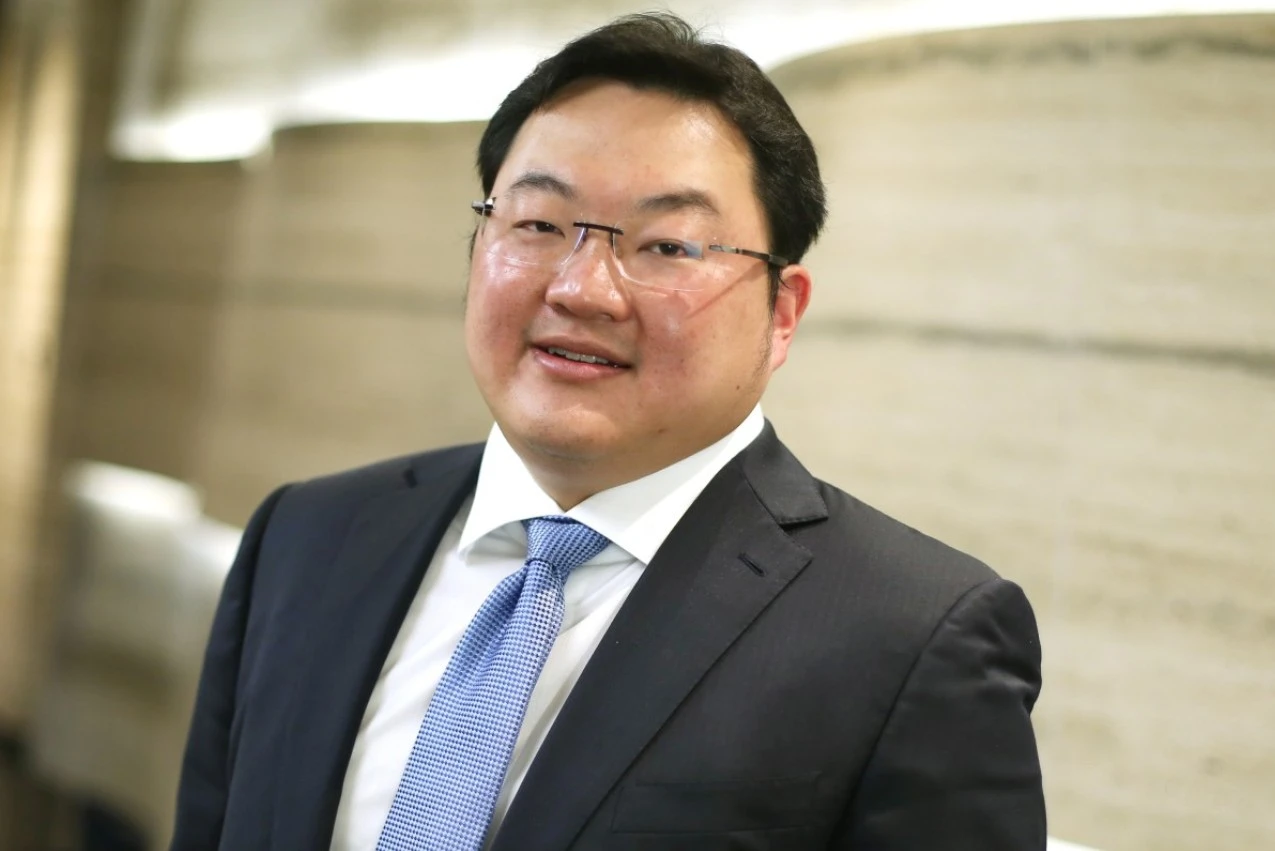 Jho Low, Najib’s associate and alleged proxy in the 1MDB scheme, is accused of helping orchestrate the diversion of billions of dollars from the fund. Photo: Sam Tsang
In July 2016 the reckoning came with a devastating public press conference by the US Department of Justice announcing the seizure of $1.7 billion worth of property in the United States purchased with the stolen money, including the film Wolf of Wall Street owned by a production company belonging to Rosmah’s son. Najib was left struggling to deny the forensically detailed money trails revealed by the US investigation and trying to refinance the mountain of debt of borrowed money that had disappeared into such frivolous expenditures.
Jho Low, advised by the Southeast Asia boss of Goldman Sachs, Tim Leissner (now jailed in the US) and an associate, Malaysian Roger Ng, initially planned to disguise the thefts by floating the fund on the Kuala Lumpur stock market. Najib, in his dual role as finance minister, could encourage government linked companies and pension funds to invest. The exposure put paid to that scenario leaving the conspirators with hundreds of millions in debt repayments which they needed to pretend could be met by 1MDB itself to maintain their falsely audited narrative that no money had actually gone missing.  US investigators traced billions of dollars allegedly stolen from 1MDB through a global network of accounts, companies and luxury assets. Photo: Reuters
Jho Low reached out to Beijing for his ‘Big Boss’ and started to employ his contacts in the Gulf. The urgent task was to find a way to purloin further billions from the Malaysian taxpayer in order to channel funds back into 1MDB to pay off its increasingly frustrated creditors, who included IPIC, the Abu Dhabi petroleum wealth fund. The original thefts and money laundering were performed with the none too scrupulous assistance of a shocking number of international banks and professionals who turned a collective blind eye to off-shore jiggery pokery by the increasingly suspicious Jho Low. The Malaysian perpetrators used China’s Belt and Road initiative to disguise the next round of thefts.
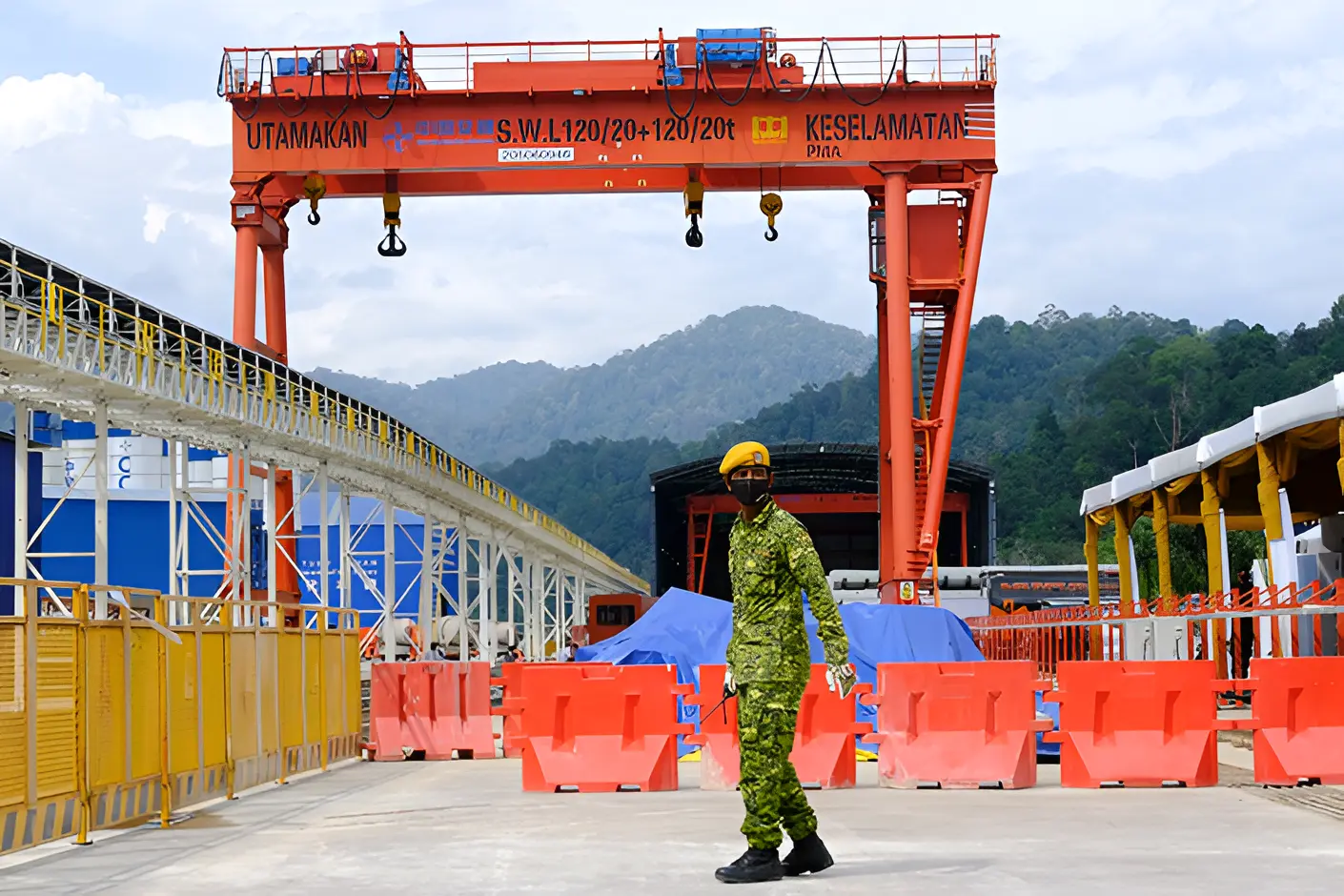 Malaysia’s East Coast Rail Link, a China-backed infrastructure project that became entangled in allegations that inflated costs were used to help cover 1MDB debts. Photo: Bloomberg
The scheme due to be presented to the Malaysian cabinet on 27 July 2016 was to inflate the proposed budget to link Malaysia’s east coast to Port Klang on the Malacca Strait by 100 per cent, turning it into a Belt and Road project to be financed through a loan from China under the Chinese construction giant CCCC. A leaked document detailed how the extra money, $8 billion, would be siphoned out over five years to pay off 1MDB debts and other costs run up by Jho Low’s activities.
Much of this would be undone by the subsequent government which scaled back the cost of the now virtually completed contract considerably after Najib was defeated at the 2018 election. In the meantime, the desperate prime minister had raised another $2 billion through a second Belt and Road ‘pipeline’ project which specifically allowed for 88 per cent of the project money to be loaned up front, again from China’s Exim Bank. That cash had disappeared and the projected Trans Sabah Gas Pipeline and Peninsular West Coast ‘multi-product’ oil Pipelines remained largely unbuilt (to be later scrapped). It was not till 2020, when I received a call from Syrian French national Bachar Kiwan, that I was able to solve what happened.
Through Kiwan I learnt that Jho Low had arranged a meeting with the Kuwait prime minister to discuss yet another Belt and Road project proposed by China for which the young Malaysian was mysteriously acting as the broker. The project, again billed as an $8 billion investment, was also a façade. Nonetheless, Jho was given Chinese diplomatic support and accompanied on his visit to Kuwait by an impressive array of senior Chinese officials including Li Shan, CEO of the Belt and Road Finance Corporation.
The purpose of these arrangements was to channel the cash from the bogus Malaysian pipeline project into a company belonging to the Kuwaiti prime minister’s son, Sheikh Sabah Jaber Mubarak al-Sabah, which was designated as the local agency for CCCC, which once again was the nominated contractor.
Malaysia’s pipeline loans were to be channeled through CCCC subsidiaries into the Kuwaiti accounts of Sheikh Sabah and then on through a Cayman Island offshore entity, which then employed a fake land purchase from 1MDB. This provided funds to pay a major debt owed to Abu Dhabi, which had bailed out Najib in the first instance and was by 2017 angrily demanding repayment. All of these transactions went through accounts at China’s ICBC Bank in Chinese yuan, thereby avoiding the scrutiny of western banking regulators.
Had Najib continued in office he would, as a result of these compromising actions have been indebted to China for his survival. Democracy prevailed at the 2018 elections when the electorate united in disgust at the plunder already revealed to have taken place through 1MDB.
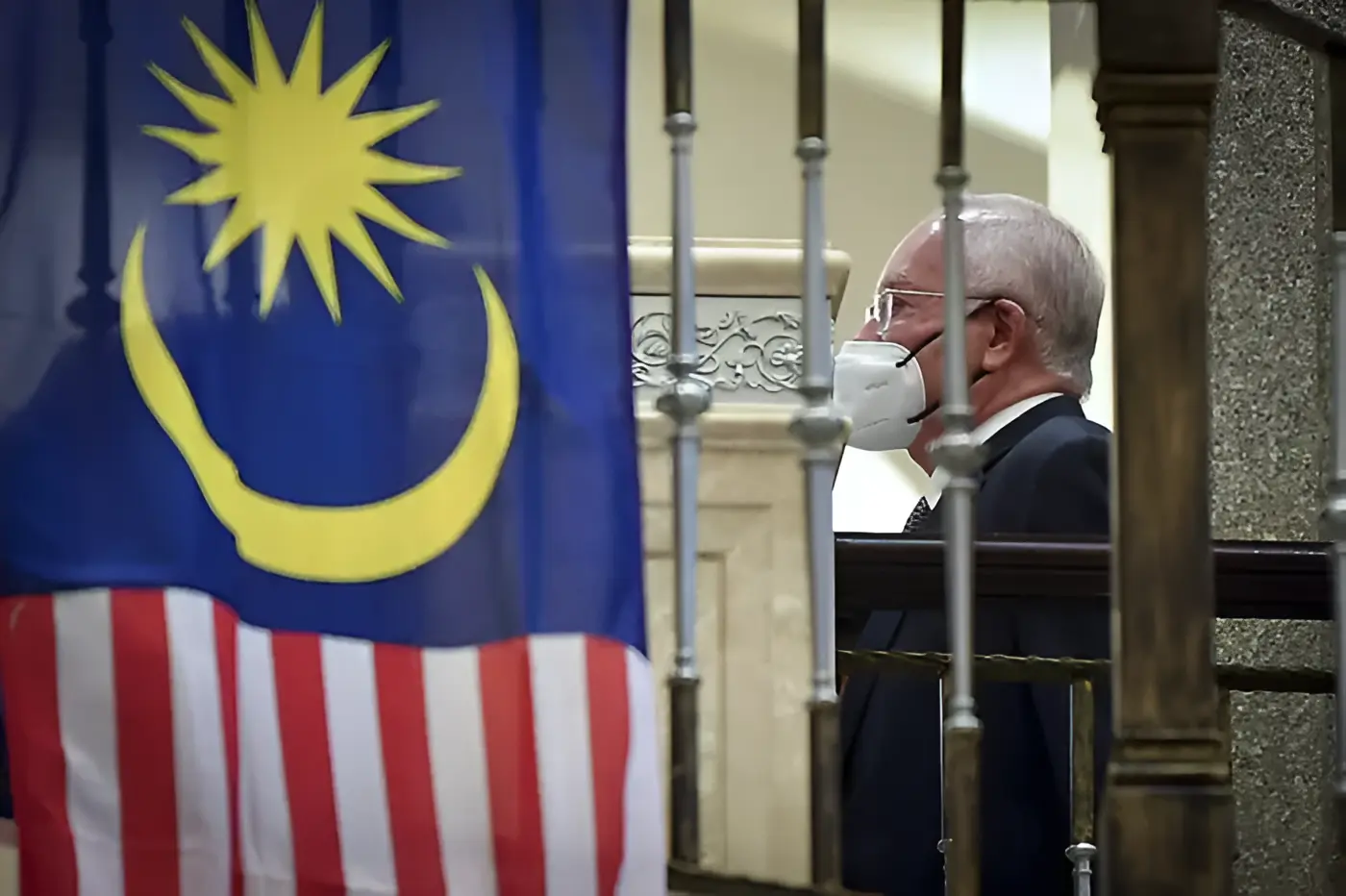 The 1MDB scandal ultimately led to Najib Razak’s downfall and convictions, while Jho Low remains at large despite years of investigations into the missing billions.
My later coverage of the Kuwaiti cover up would have a similar impact. The former prime minister initially protected his son by arresting Kiwan under various pretexts and was able to stave off official enquiries. However, once the story came out, popular anger prevailed there also with the arrest and conviction of Sheikh Sabah. In Malaysia, Najib was convicted in 2025 on four charges of abuse of power and twenty-one charges of money laundering for his presiding role over the thefts from 1MDB and sentenced to a further 15 years’ imprisonment. He had been jailed earlier for a related, Jho Low assisted, multi-million dollar theft from Malaysia’s public sector pension fund. Jho Low remains on the run in China with an apparent stash of billions with which he has sought to buy pardons from both Malaysia and the United States, without success.
In both Malaysia and the Gulf, public interest reporting played a role in informing against high-level corruption which led to the rightful downfall of those who had abused office for the purposes of power and self-enrichment.