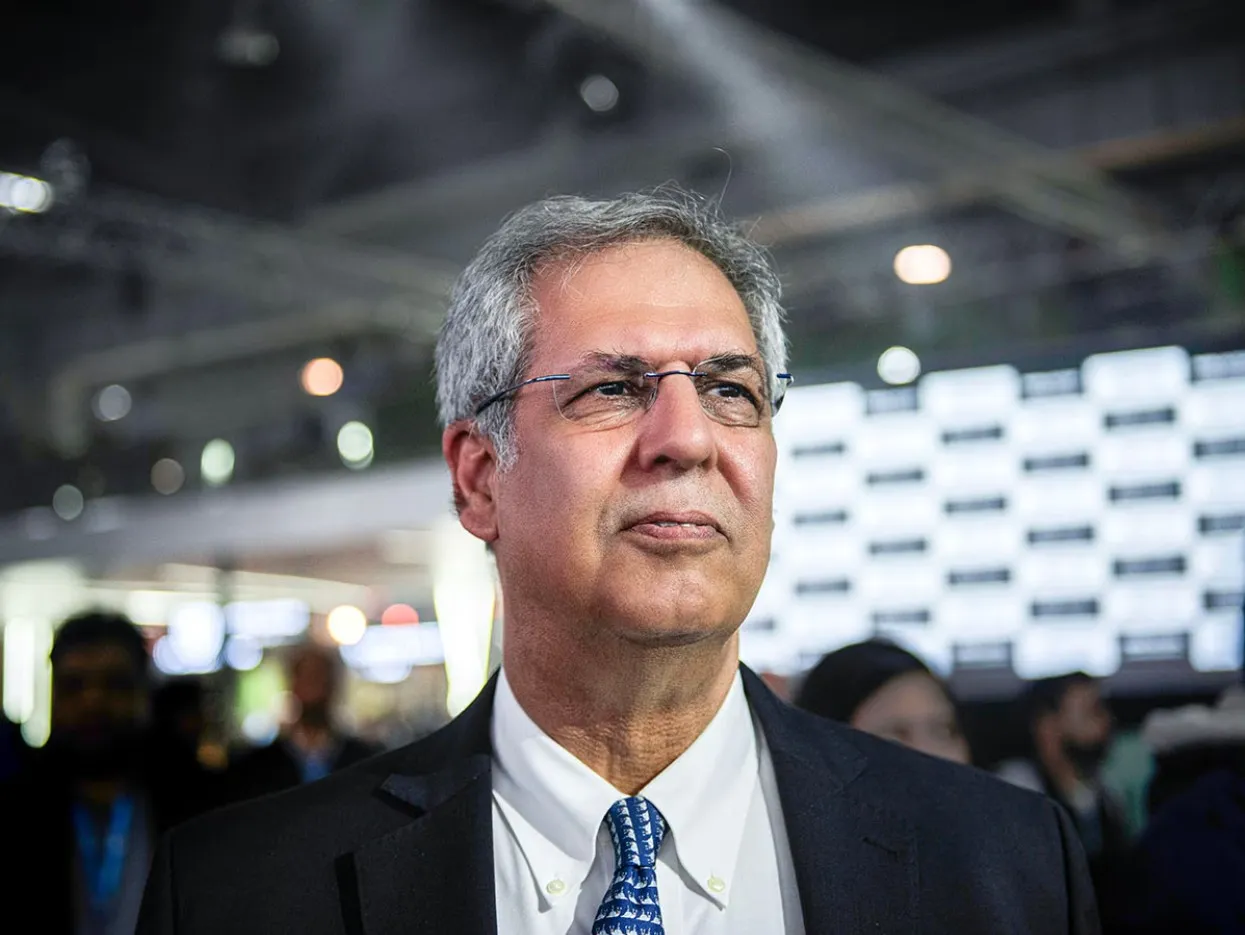
India-born Karan Bilimoria, founder of Cobra Beer, has spent his career promoting links between Britain and India. A former chancellor of the University of Birmingham and now a member of Britain's House of Lords, he spoke to Nicholas Nugent about business, politics and the UK–India relationship.
Entrepreneur and peer Karan Bilimoria built Cobra Beer into a global brand before taking a seat in Britain’s House of Lords, championing business links between the UK and India.
Karan Bilimoria came to Britain as a student, studying first to become a chartered accountant and subsequently earning a degree in law at Cambridge University. It was at Cambridge that he became what he calls a ‘dissatisfied customer', drinking ‘gassy’ beer while eating at an Indian restaurant. He thought he could do better. ‘I hated the fizzy beers and lagers I was presented with and came up with the idea of a beer that had the refreshment of a lager and smoothness of an ale combined, which would accompany all food and particularly Indian food.’
The next stage was pure luck, says Bilimoria. He was introduced to an established brewery in Bangalore whose chief brewmaster was Dr Cariappa, a great nephew of the famous Indian general. The younger Cariappa had studied brewing in the Czech Republic, a country famous for beer, and together they crafted Cobra Beer in India.
‘I’ve always had an ambition to bring India and the UK together, and Cobra Beer is an Indo-British product.’ For its first seven years Cobra was brewed exclusively in India and imported to the UK. Production later moved to Britain, and today the beer is brewed in several countries and sold in more than 40. Cobra Beer was created to accompany Indian food, combining the refreshment of lager with the smoothness of ale. Photo: Denis Jones
Beer was the starting point of Bilimoria’s business career, which has also involved Indian food in Britain. When Cobra was launched, there were around 6,000 Indian restaurants in the UK, a huge potential market. Today there are about 12,000, many of which serve Cobra.
Bilimoria says he feels equally at home in India, where he was born in Hyderabad in 1961, and Britain, where he studied before starting his business career. In 2020 he became president of the Confederation of British Industry (CBI), just as the Covid pandemic struck. He describes it as ‘the worst crisis since the Second World War’ and says he was privileged to help British business navigate that difficult period. As president of the Confederation of British Industry (CBI), Bilimoria represented British business during the economic disruption caused by the Covid pandemic.
Lord Bilimoria was chancellor of the University of Birmingham, another role he calls a great privilege, and continues to lecture on business at his own seat of learning, Cambridge University. He is currently the UK chairman of the ICC, the International Chamber of Commerce, a role he took over just as President Trump held what he called his ‘liberation day’, imposing tariffs on goods imported into the US. It is clear that Bilimoria favours free trade and reform of the World Trade Organisation to promote that cause internationally. Citing India, he says protectionism has never really worked in the past.
‘My focus has always been India which I remember as a closed, inward-looking country.’ He believes he played a role in changing that. ‘I believed that one day India would open up and, sure enough, in 1991 it did.’ Appointed UK chair of the Indo-British partnership, his counterpart in India was Narayana Murthy, the founder of Infosys. I asked: ‘Why is India far behind China in moving to become a developed country?’ China’s autocratic environment has helped it advance, he says. ‘It is already a superpower, way ahead globally, not just of India.’ He doesn’t conceal his admiration for China’s development while pointing out that India, by contrast, has a democratic government.  India’s growing economy and technology ambitions underpin Bilimoria’s optimism about the country’s global economic future.
Asked which countries in Asia he would advise investors to focus on, Bilimoria immediately names India, which he says has become the fastest-growing major economy in the world. He credits Prime Minister Narendra Modi and notes that the AI Impact conference hosted in Delhi in February reflected India’s growing technological ambitions. He also sees potential in Japan, whose new prime minister Sanae Takaichi, he suggests, is modelling herself on Margaret Thatcher.
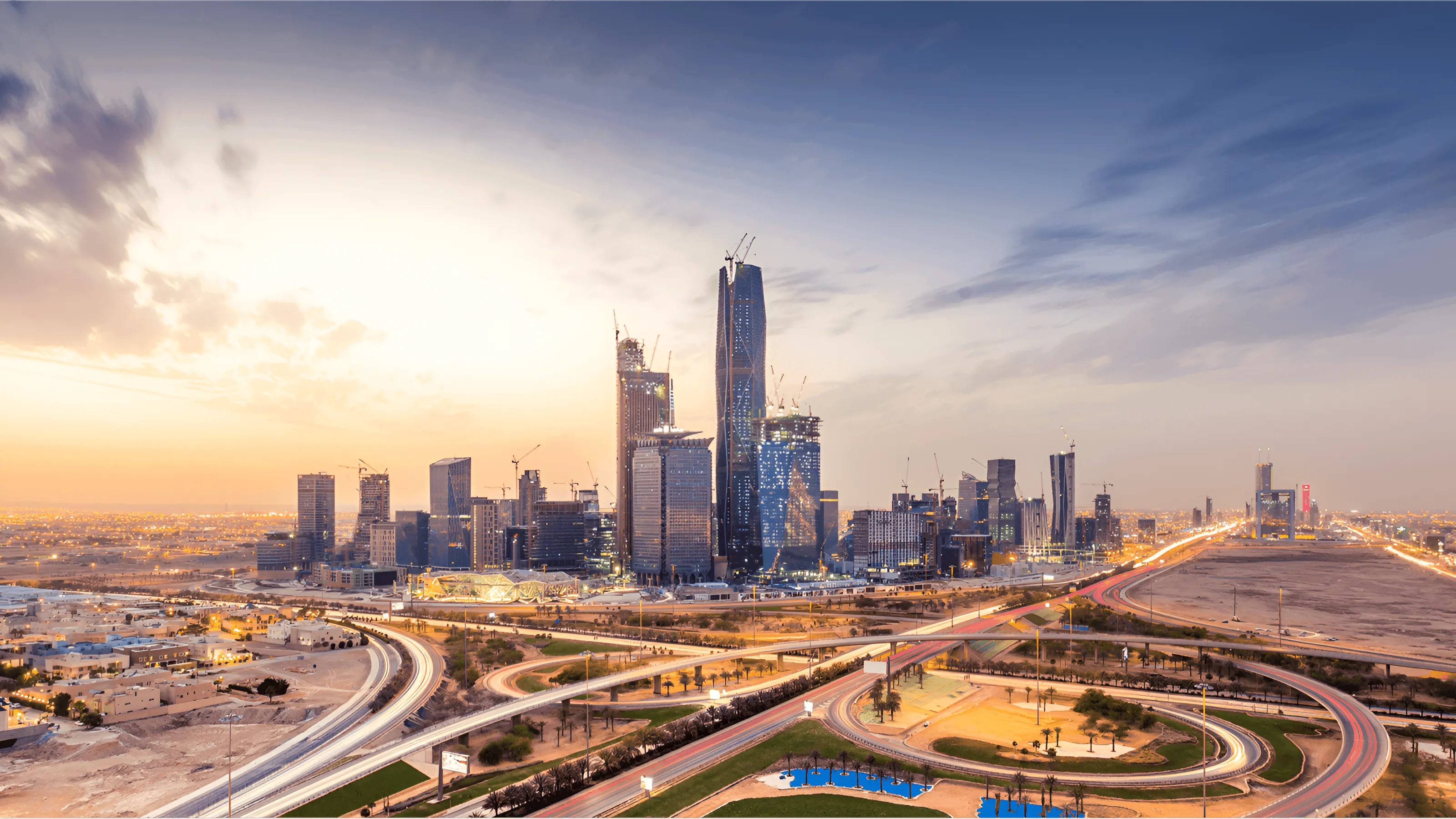
Other markets on Bilimoria’s investment radar include Vietnam, the Philippines, Indonesia and Saudi Arabia. During an investment visit to Saudi Arabia in 2003, he says he was struck by how seriously the country was pursuing economic development, particularly through links with British schools and universities.
So how did the former beer baron become a real baron with a seat in the House of Lords and playing a role in passing legislation? ‘I have always been interested in politics and started debating at school aged 14.’ He went on to debate at the Cambridge Union debating society. He resisted a temptation to stand as an MP, the conventional way to become a member of parliament. The former prime minister, Tony Blair, widened access to the membership of the upper house, the House of Lords. He applied and was admitted, giving him the rank of ‘baron’ as Lord Bilimoria of Chelsea, his full title.  The House of Lords, where Lord Bilimoria contributes to debates and scrutinises legislation as part of Britain’s upper chamber.
He is a big supporter of the House of Lords which is the less powerful chamber of the British parliament: ‘The strength of the House of Lords makes it almost the cornerstone of our democracy’, he says. ‘Although not elected, we are the equivalent of the senate in another country.’ Revealing his Britishness as well as his pride in exercising a parliamentary role he explains the role of the Lords: ‘We challenge government and scrutinise legislation. It works because we have the greatest depth and breadth of expertise of any parliamentary chamber in the world by a factor of ten.’ He says the US senate consists largely of lawyers while the House of Lords includes university leaders, former cabinet secretaries, former high court judges, authors, scientists and doctors. ‘In any field that we debate you will have world experts to contribute and that is what gives us our authority.’ Lord Bilimoria is no longer a foreign-born outsider describing how things work but a proud British participant in the process.
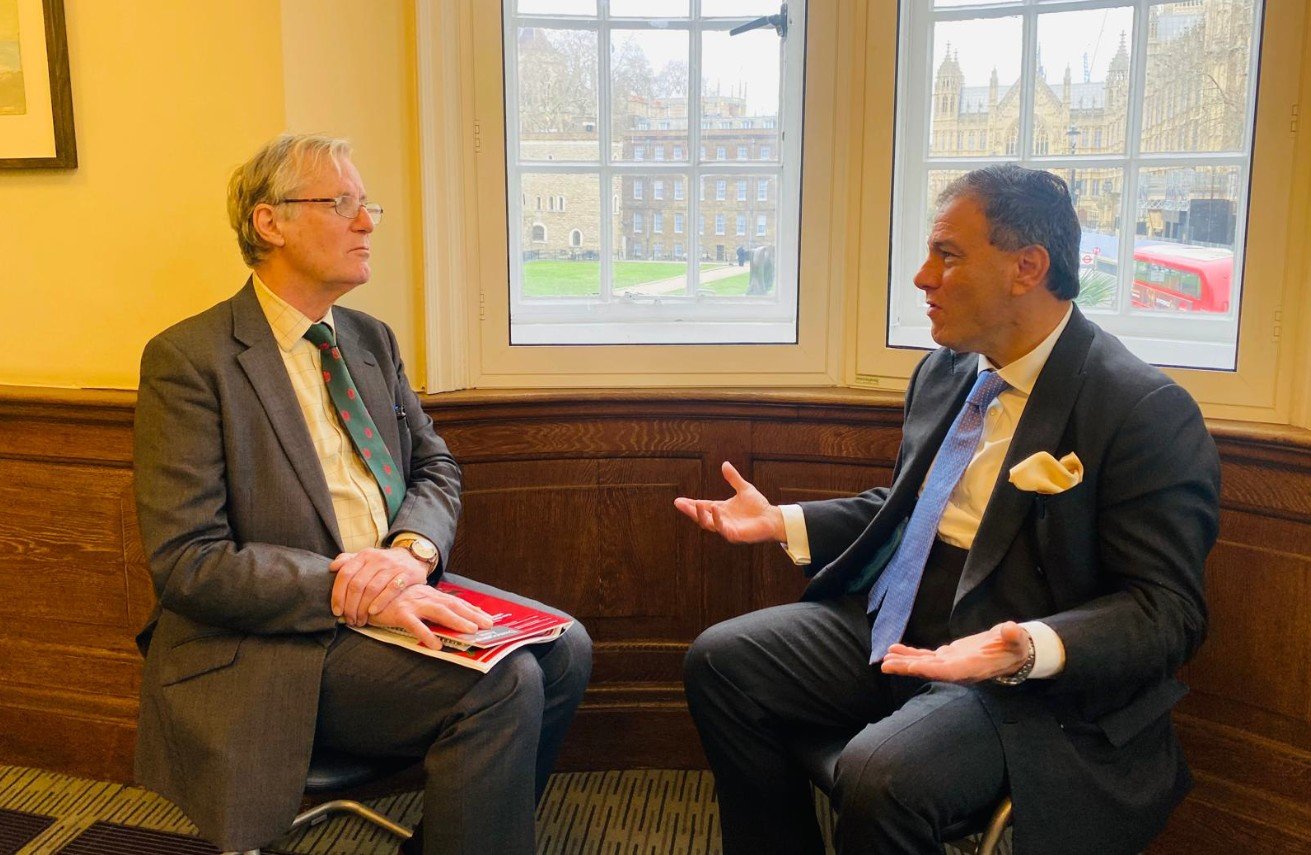
Karan Bilimoria holds the February issue of Democracy Asia during his interview with Nicholas Nugent, reflecting on business, politics and the evolving UK–India relationship.
Asked whether he feels more British or Indian, Bilimoria quotes the Indian-born Nobel laureate Amartya Sen: “We all have multiple identities.” ‘I am Indian, a British Asian, a Zoroastrian Parsi and British – and proud of all of them.’ His use of the pronoun ‘we’ shows the extent to which he has become a patriotic Britisher: ‘We are still the sixth largest economy in the world, even after Brexit — a gateway to Europe… because we have always been a free trading nation.’ We have phenomenal international universities, the Nobel prize winning tradition of Cambridge University in particular, before adding ‘and of course premier league football!’