Despite a challenging trade environment and tariffs, China had strong GDP growth in the first quarter of 2026,’ The Wall Street Journal reported. There’s been 5% year-on-year growth
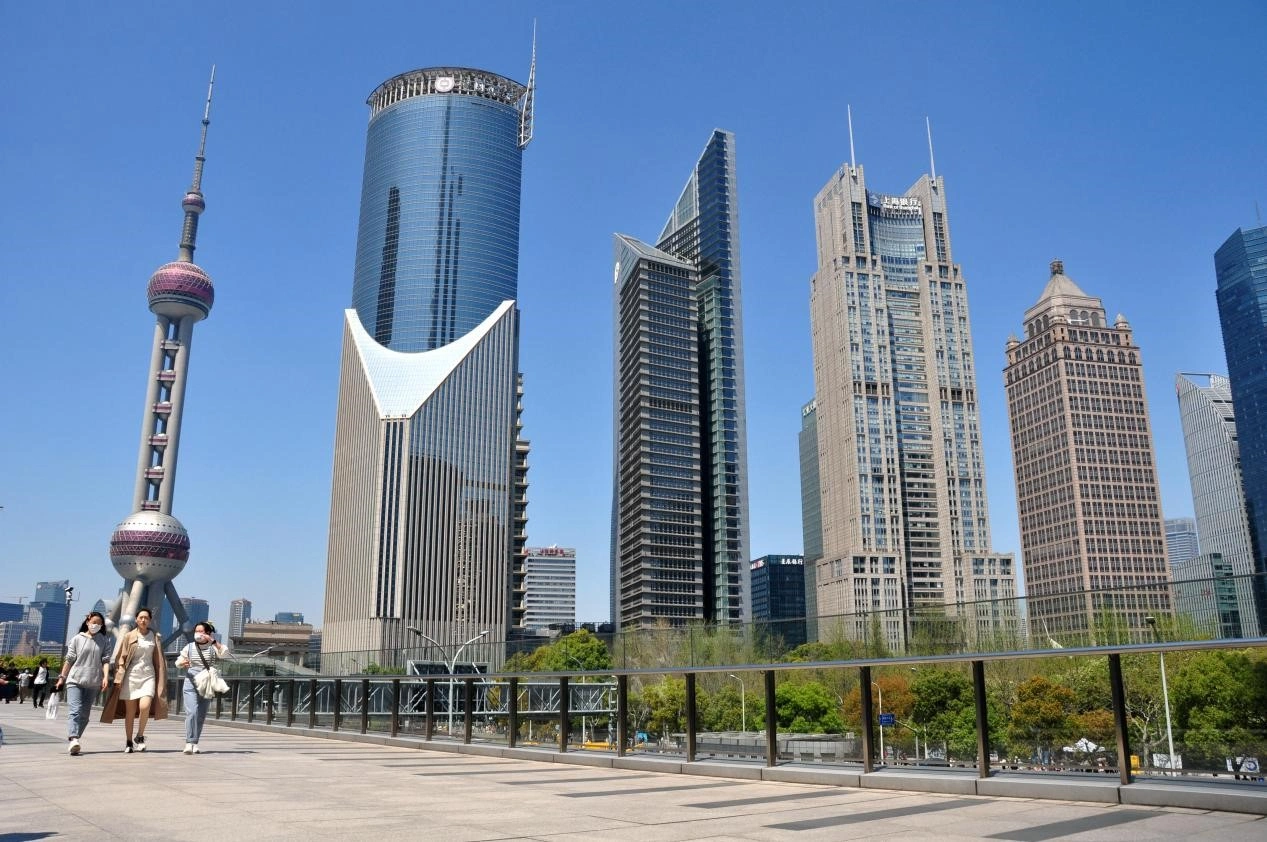
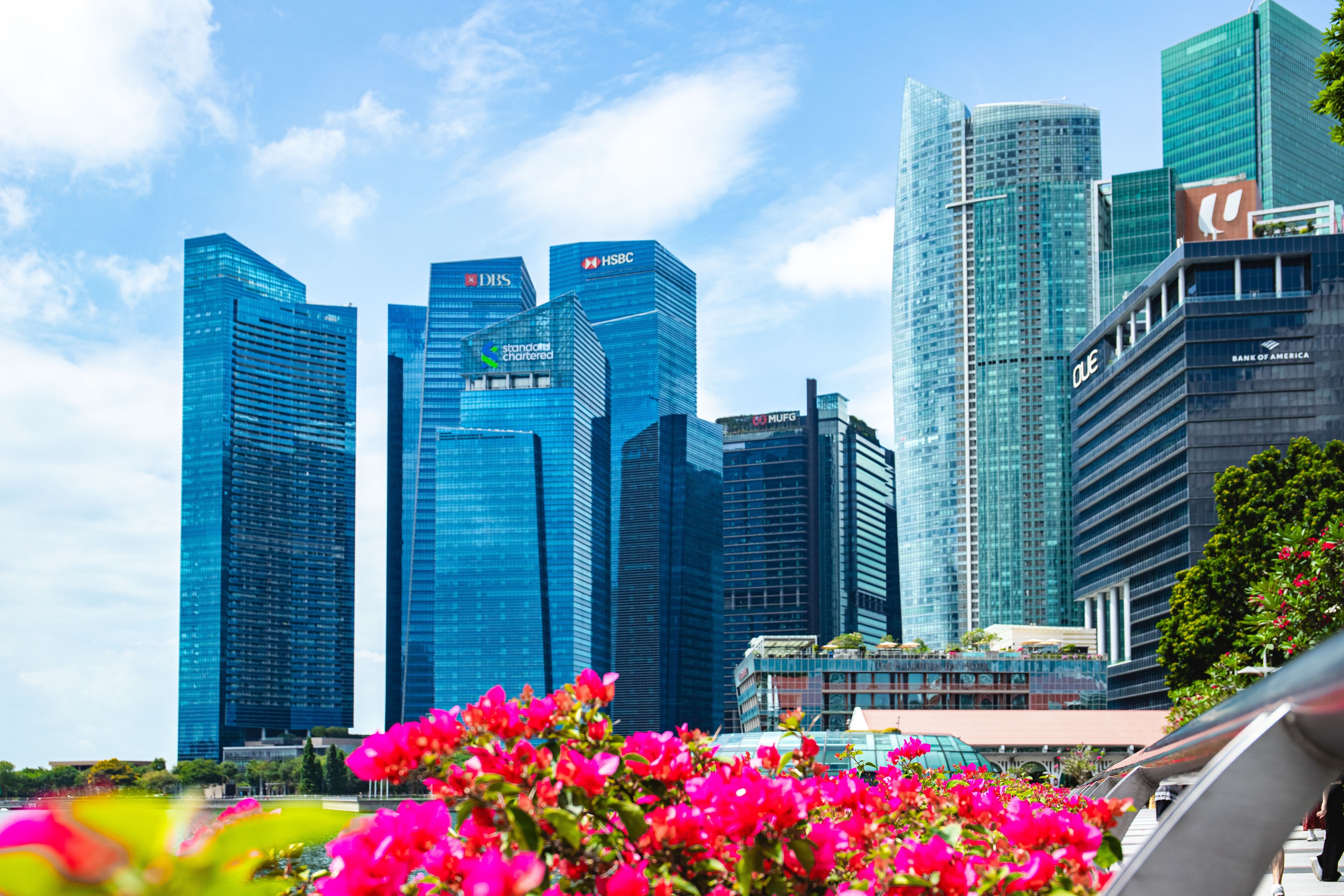
Shanghai's Lujiazui financial district remains a symbol of China's economic strength. Photo: People's Daily Online
China
‘Despite a challenging trade environment and tariffs, China had strong GDP growth in the first quarter of 2026,’ The Wall Street Journal reported. There’s been 5% year-on-year growth. Keyu Jin, an economist and professor, told the publication, ‘Chinese companies have been adapting since 2018… One of the major goals of Chinese companies, every single Chinese company you talk to, they have expansionary plans. So, they’re really pushing their goods abroad. One is because, domestically, it’s just so competitive… so all of them have a strategy to go abroad. EM, emerging markets, demand is very strong from Chinese goods that benefit from pretty low inflation.’
More recent reporting from Bloomberg Asia expressed a different view, though, in a report entitled, ‘China’s Economy Stumbles With Growth Unexpectedly Below Target’. It went on to detail: ‘China’s economy slowed more than expected last quarter (meaning Q2 of 2026) to the weakest in more than three years, raising pressures on policymakers to speed up public spending to ensure their annual growth goal is met.’
Japan
Nvidia chief executive Jensen Huang visited Japan from 15 to 17 July. During the visit, he promoted semiconductor cooperation, met executives from Kioxia, Tokyo Electron and Fujitsu, and announced robotics partnerships with Fanuc and Yaskawa Electric. Japan has been slow on the uptake in the arena of AI, and has suddenly woken up.
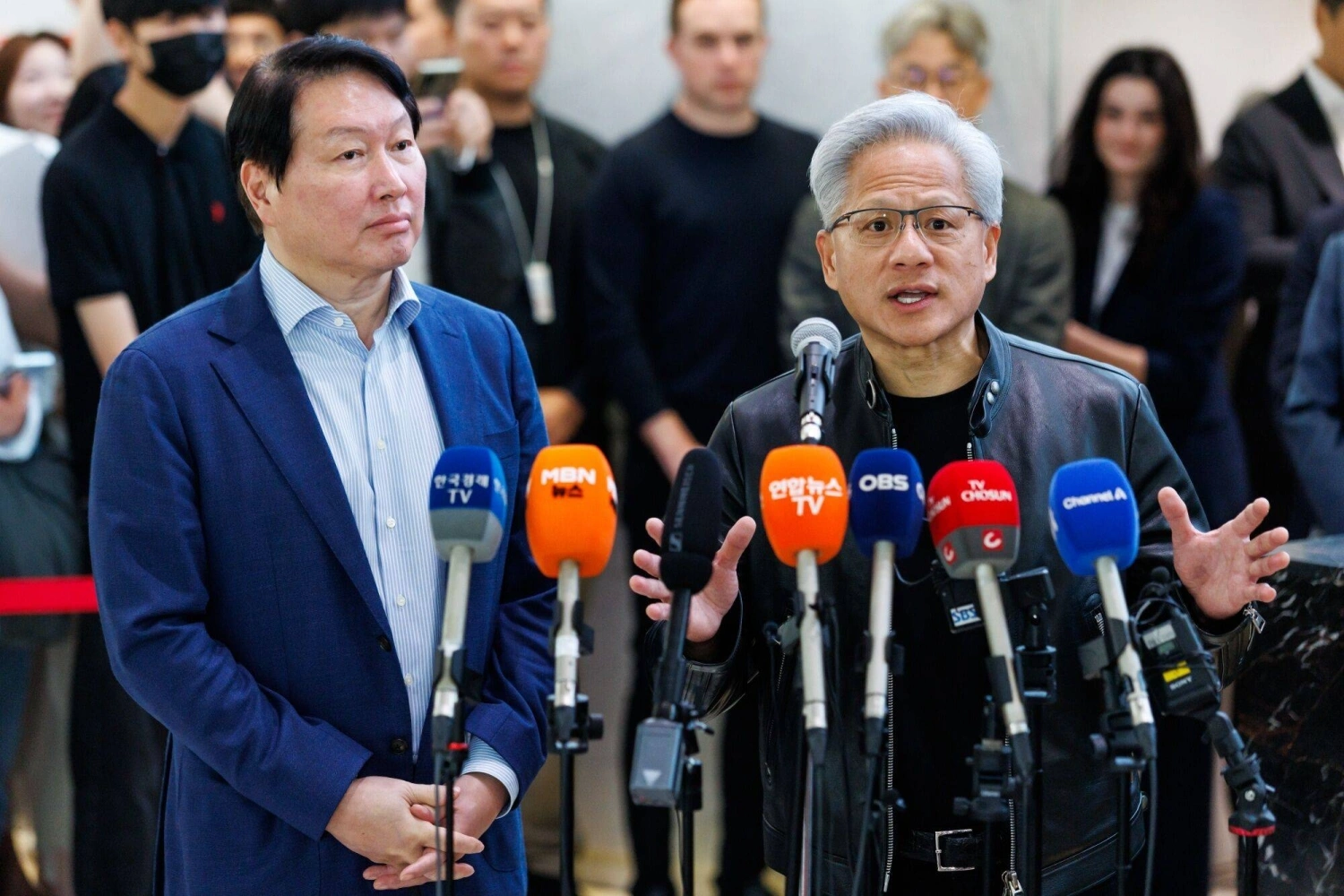 Nvidia chief Jensen Huang (right) and SK Group chairman Chey Tae-won discuss AI and semiconductor collaboration, reflecting Asia's accelerating technology race. Photo: Reuters
Japan’s Toyota wears the crown as the world’s biggest carmaker. But it is facing stiff competition from China’s low-cost electric-vehicle maker, BYD, which threatens to overtake its sales outside the US.
India
A CNBC Asia Pacific header blared, ‘Modi is exporting India’s workforce to a world turning against immigration.’ The report accompanying it pointed out, ‘Labor mobility deals have become a feature of many recent bilateral deals India has signed with Russia, Israel, New Zealand, Finland and the European Union.’ It analysed: ‘Modi’s push for labor exports comes as remittances, roughly 3% of India’s GDP, have become an important source of government finances.’ It further commented, ‘Unlike Chinese workers, who are returning home to aid local technological advancements, experts say India lacks the opportunities to provide cutting-edge work to its highly skilled labor force.’
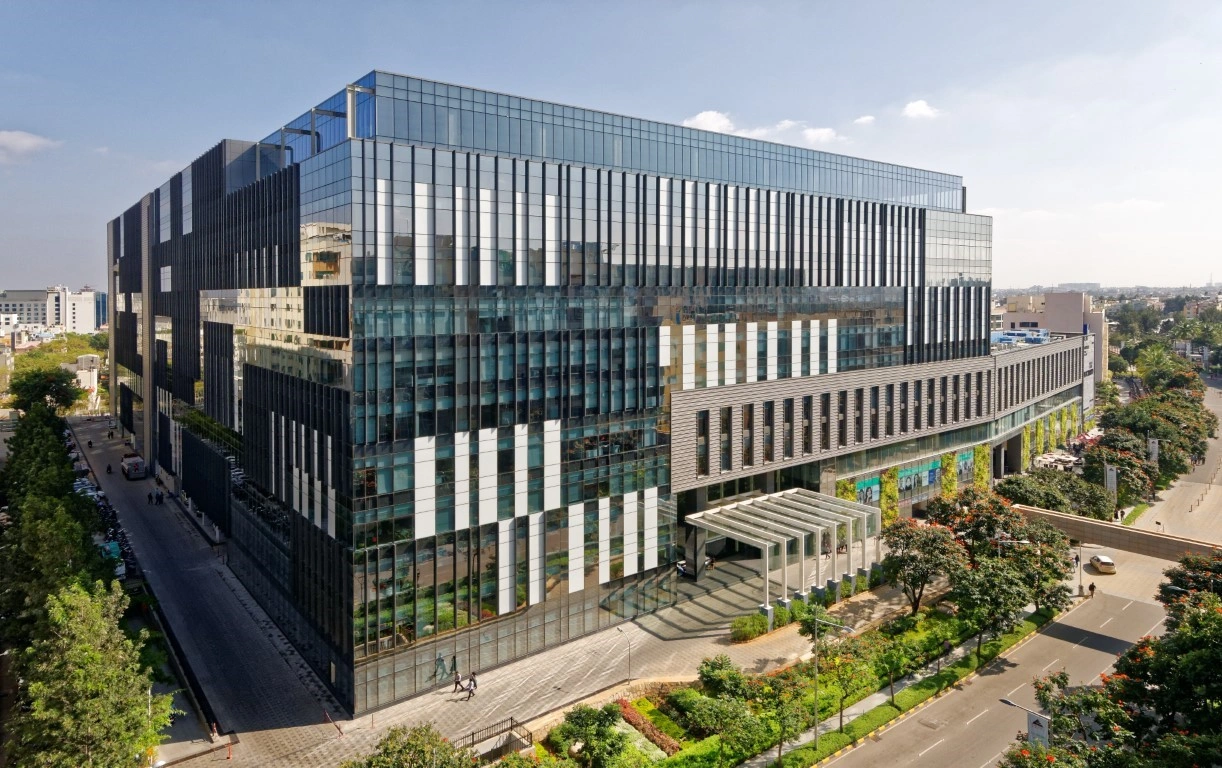 Manyata Tech Park in Bengaluru, one of India's largest technology hubs, reflects the country's efforts to adapt its IT sector to the AI era. Photo: MFAR
‘India is helping to power the AI boom – but will it shape the future or just serve it?’ the Financial Times asked. It went on: ‘Thirty years of growth in outsourced tech services has transformed India’s economy. However, AI’s expansion is forcing the tech sector to evolve.’ The question it posed was: ‘Whether data annotation to train AI models and humanoid robots is enough for India to thrive in the AI era?’
South Korea
‘South Korea raises 2026 Growth, Inflation Forecasts,’ said a WSJ banner, adding, ‘Growth in Asia’s fourth-largest economy is accelerating, driven by the continued semiconductor boom and policy measures.’ Robust chip exports and fiscal stimulus underline the buoyancy.
UAE
The United Arab Emirates topped the 2026 Global Passport Index ranking. The GPI scoring system assigns 50% weight to visa-free travel and commercial flights availability, 25% to how friendly a country is to foreign investors, including tax regimes and business environment, and another 25% to environmental performance, personal freedoms and global reputation. There is undoubtedly a relative lack of civil liberties and media freedom in the UAE. Meanwhile, Dubai has also felt the effects of Iran’s counterattack against the US and Israel’s military campaign against Iran. A WSJ despatch read, ‘Dubai Plots a Postwar Comeback That Repairs Its Shattered Image.’
Central Asia
Kazakhstan has joined the AI bandwagon. The Times of Central Asia reported that the country’s $10 billion AI data centre project in Ekibastuz is moving into deployment.
The paper also reminded the world that the Baikonur Cosmodrome in Kazakhstan – a facility from the Soviet era – remains a ‘launchpad for discovery and diplomacy’. American astronaut Anil Menon and Russian cosmonauts Pyotr Dubrov and Anna Kikina blasted off on a Russian Soyuz MS-29 spacecraft to the International Space Station, where they will spend eight months on two expeditions. It commented, ‘Baikonur continues to show how nations can cooperate in space even when relations are strained.’
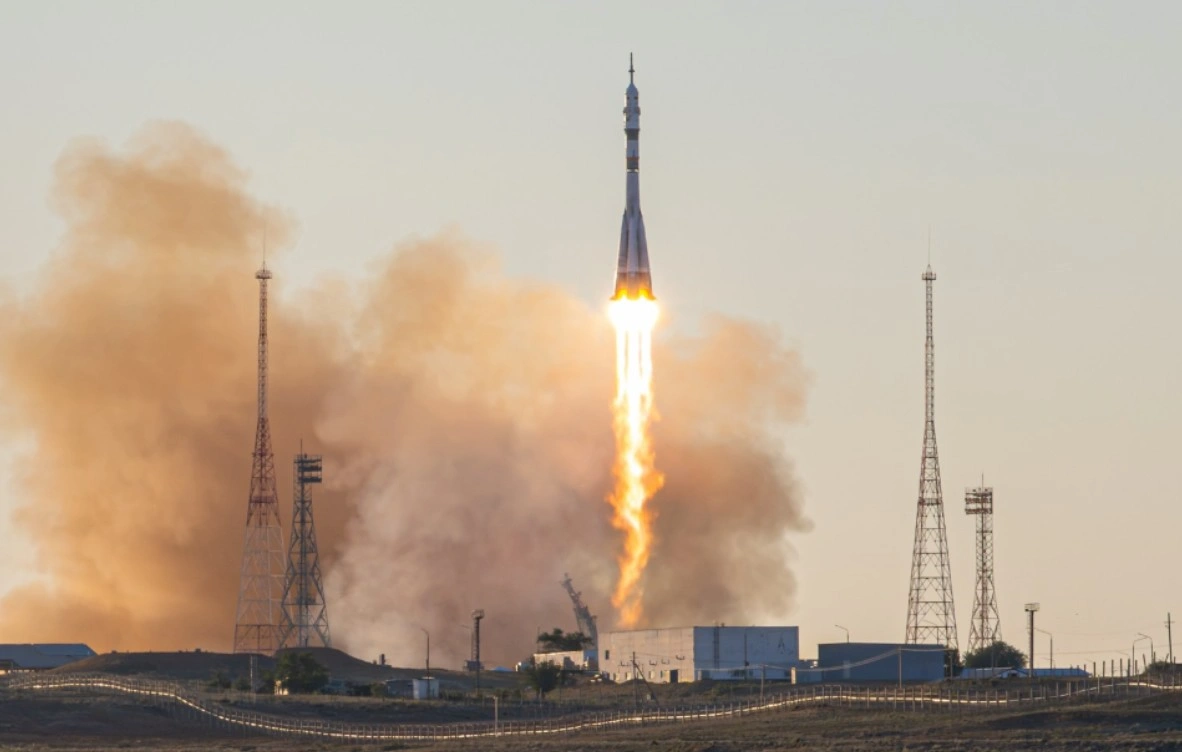 A Soyuz spacecraft lifts off from Kazakhstan's Baikonur Cosmodrome, highlighting the country's continuing role in global space cooperation. Photo: John Kraus/NASA
Singapore
Singapore’s growth slowed to 5.7% in Q2 2026, but manufacturing expanded 12.2% as semiconductor demand stayed firm. However, given that US-Iran hostilities had resumed somewhat in July and uncertainty over supply chains continued, Proxima’s 2026 Global Supply Chain Resilience Outlook assessed, ‘Singapore businesses are better prepared for major supply chain disruptions than their peers in other surveyed markets.’ 23% of businesses can withstand shocks for up to six months.
Bangladesh
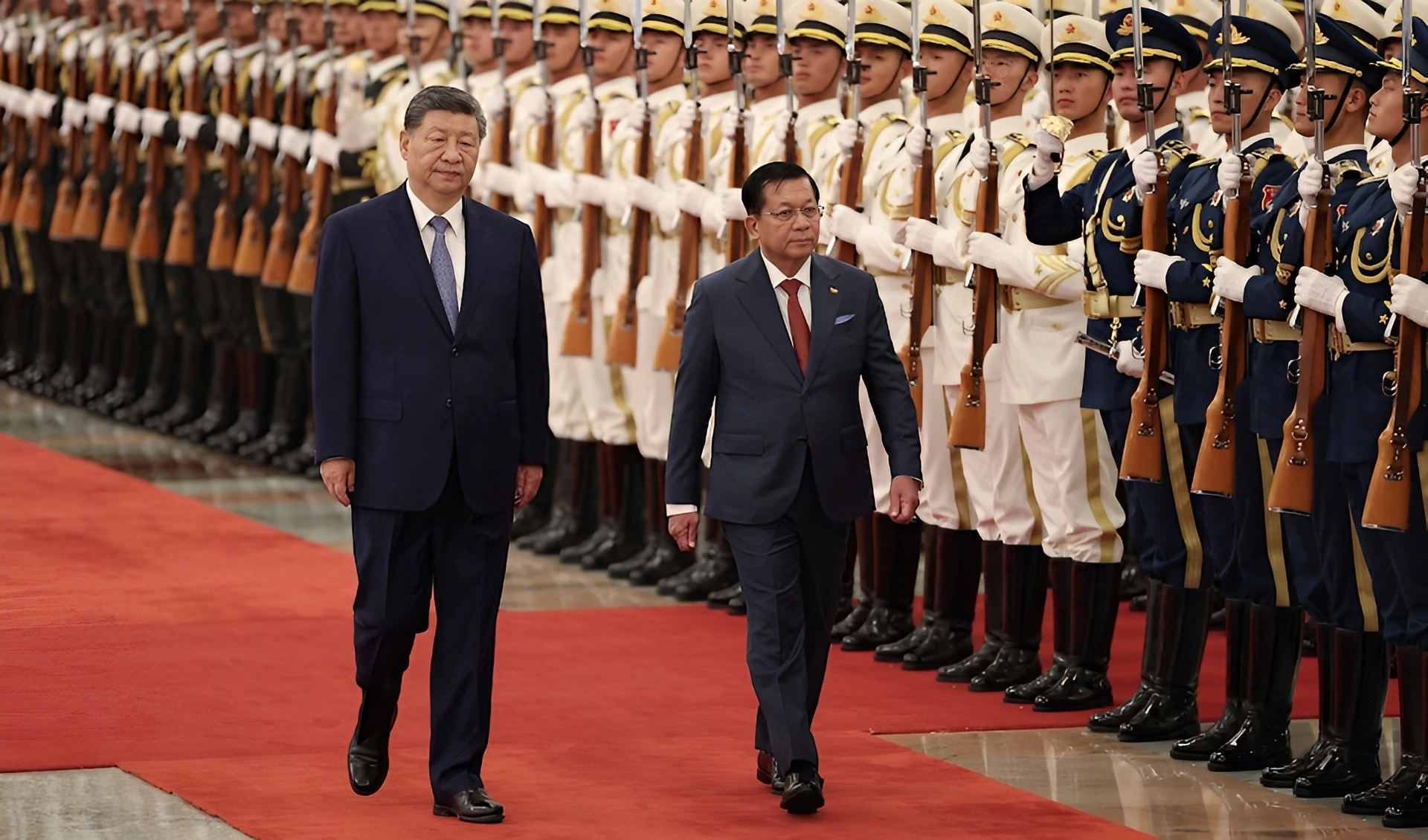
‘Indian security analysts alarmed by Bangladesh-China port deal,’ was the caption of an article in Nikkei Asia. This referred to Dhaka signing a memorandum of understanding in Beijing to develop an economic zone near Mongla Port, Bangladesh’s second busiest port, just 80 kilometres from the Indian coast. India was supposed to undertake the work under a 2015 agreement, but the interim government formed by Muhammad Yunus after the ouster of pro-India Prime Minister Sheikh Hasina scrapped the project in October 2025. It was the newly elected Bangladesh Nationalist Party government, led by Prime Minister Tarique Rahman, that subsequently signed the memorandum of understanding with China during his visit to Beijing in June 2026.
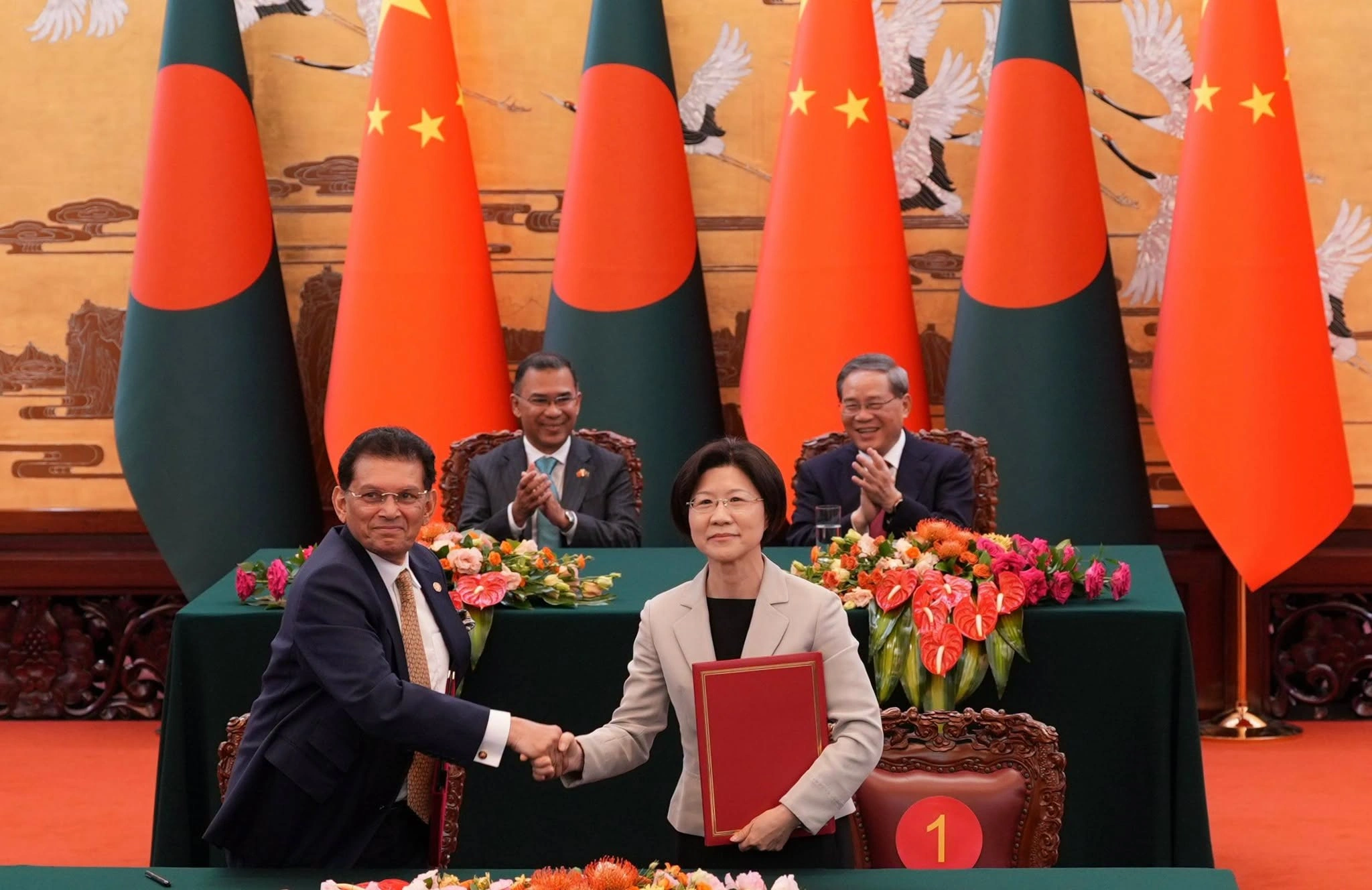 Bangladesh and China sign cooperation agreements in Beijing, reflecting Dhaka's growing economic partnership with Beijing, including the development of an economic zone near Mongla Port. Photo: PMO
Rahul Bhonsle, a retired Indian brigadier and director of Security Risks Asia, a New Delhi consultancy, felt, ‘Our (India’s) own slow progress [led] to China seizing the opportunity.’
Finally…
Finally, the WSJ ran a story which said, ‘Forget France: China Is the New Foie Gras Champion.’ It added, ‘The Asian country makes 11,000 tons of bird-liver delicacy annually – and it costs a little more than half its French counterpart.’ Whether it tastes as good is, of course, the question. French connoisseurs are likely to dispute that it does. Nadia Meliani, a French chef, moved to Beijing a decade ago to open a restaurant. Today she ‘is working long days at a foie gras farm in northeast China trying to nail the perfect, mouthwatering flavor,’ the WSJ reported.