A boardroom battle between N. Chandrasekaran, who has been the executive chairman of Tata Sons, for the past ten years, and Noel Tata, the chairman of Tata Trusts, that has a 66% controlling interest, has left the affairs of India’s biggest conglomerate in disarray following the unprecedented postponement of the company’s annual general meeting. John Elliott reports.
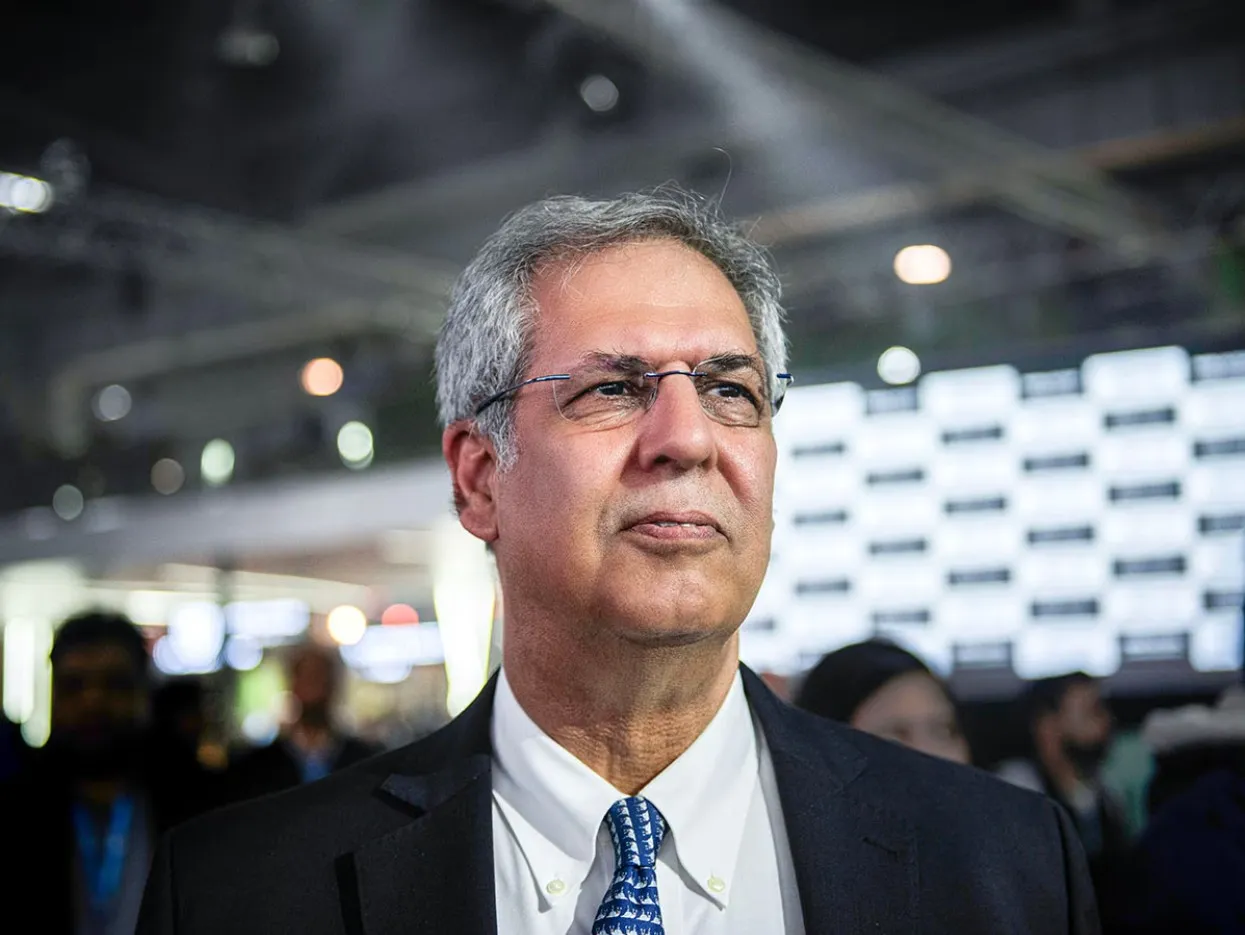
Noel Tata, chairman of Tata Trusts, is at the centre of the latest leadership struggle at India’s Tata conglomerate, whose trusts hold a controlling 66% interest in Tata Sons. Photo: Amit Verma
The battle came to a head in August when Chandrasekaran unexpectedly announced that he would not seek a third five-year term as chairman when his current five years end next February. Technically he is now not even a director because he needed to be routinely reappointed at the AGM, which might now take place in September after a board meeting that will consider Chandrasekaran’s announcement.
These moves mark the climax of bitter family differences and ego clashes that have coloured events at the top of the $280bn group for decades. Subject to the AGM and any moves by the board, Noel Tata has come out the winner, having triggered Chandrasekaran’s decision to leave. With Chandrasekaran going, Noel is gaining the group leadership that he was denied when his elder half-brother, Ratan Tata, retired as Tata Sons chairman in 2012. At the time, he was seen by many in Mumbai and elsewhere as the natural successor.
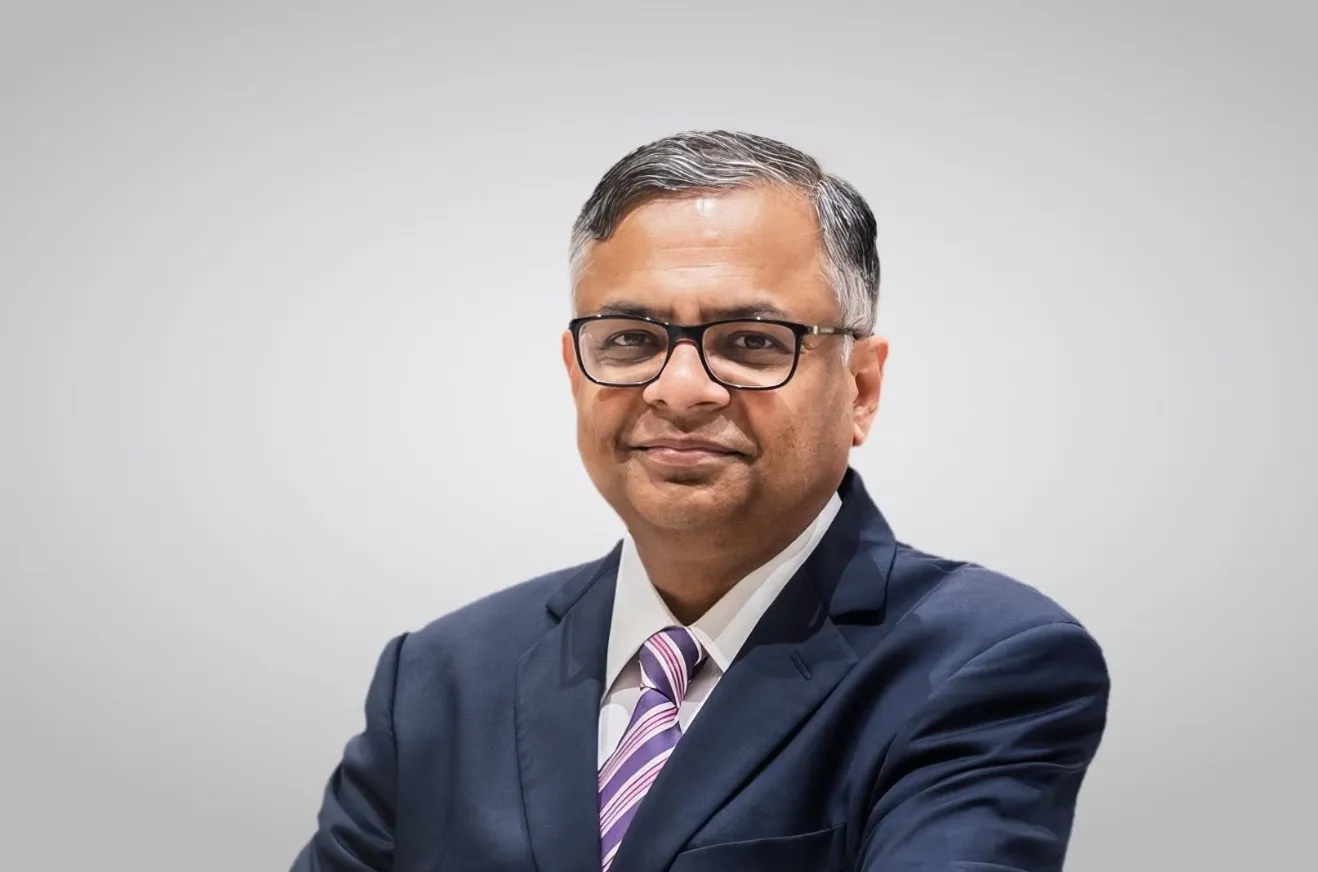 Chandrasekaran, executive chairman of Tata Sons, announced that he would not seek a third term, bringing his decade at the helm of the group towards an unexpected close. Photo: Tata Group
Ratan Tata’s legacy is now in the hands of the half-brother whom he did not rate. Noel’s managerial advancement was restricted by Ratan during the 21 years that he was chairman, allegedly because he doubted Noel’s ability, but basically, observers say, because of their family history. Ratan Tata’s parents had a difficult divorce. His father later married Simone Dunoyer from Switzerland, and Noel was born. The two boys grew up separately and it seems that Ratan never accepted his stepmother or half-brother. Noel then complicated the family base by marrying Aloo Mistry, the daughter of Pallonji Mistry whose Shapoorji Pallonji group is Tata’s largest minority shareholder with an 18% stake (which it now wants to sell).
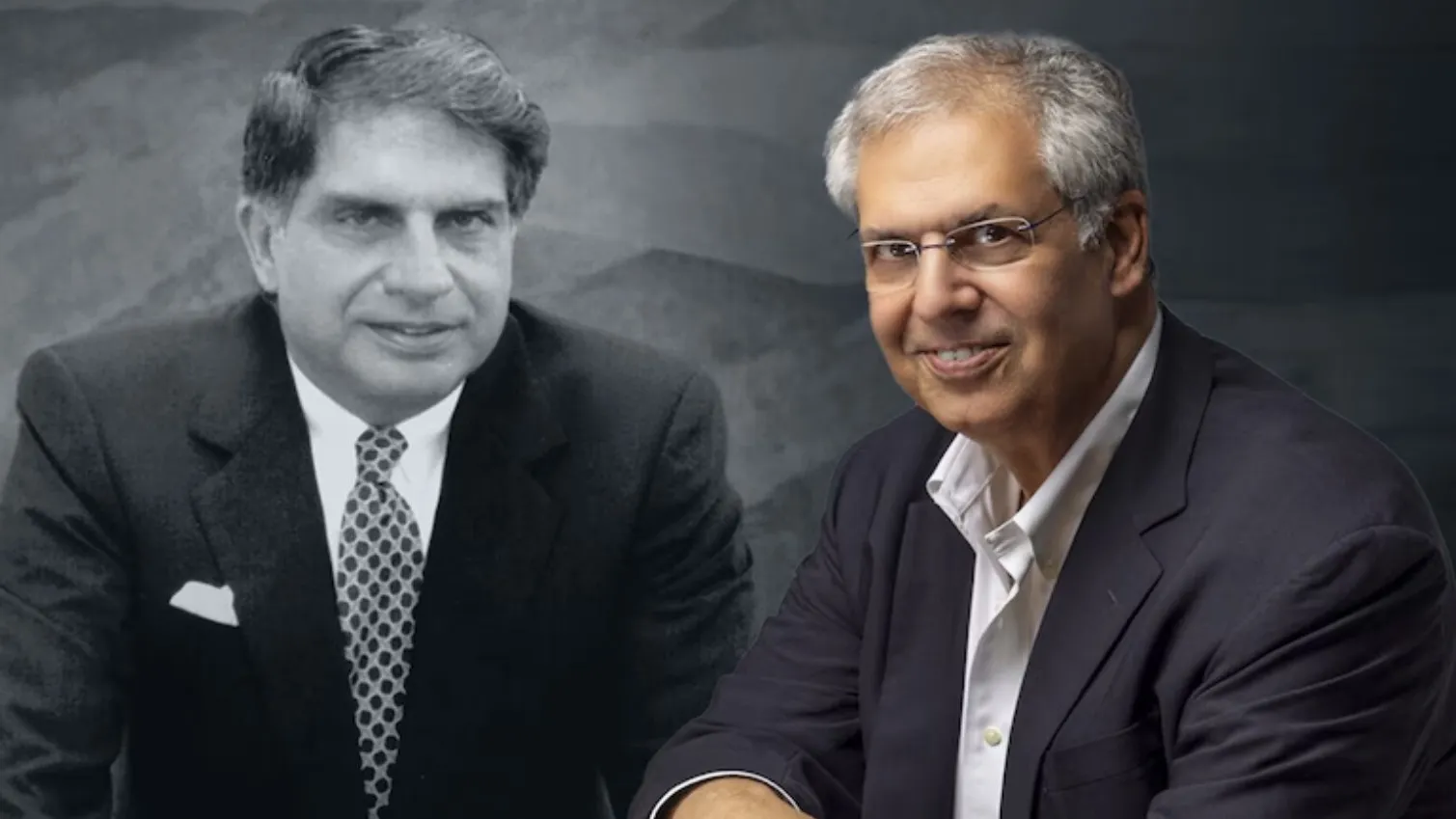 Ratan Tata and his half-brother Noel Tata belonged to different branches of the family, a relationship that shaped the succession struggles at the top of the Tata group. Photo: NDTV
Helped initially by his mother, Simone, who was regarded as a trailblazer in cosmetics and fashion retailing, Noel proved his ability by turning Tata’s Trent retail business into a success against strong competition, hitting $2bn revenues last year. He also developed Tata’s international trading company. Ratan is quoted in a recent biography saying, somewhat dismissively, ‘perhaps, if Noel had had the experience of handling difficult assignments, he could have established his credentials more forcefully… For Noel to compete successfully for the top post he should have greater exposure than he has had… Partly, his not having it has been his own choice.’
Tata is generally revered as India’s most respectable large business. It is devoted to charitable enterprise and patriotic principles that guide corporate decisions over its 1.1m employees and 30 operating companies, ranging from salt to software and Jaguar cars, from hotels to aviation and defence.
The image however began to unravel after Ratan retired as chairman of Tata Sons in 2012. He remained head of the trusts that have a controlling 66% share in the group and, in 2016, age 78, staged a boardroom coup that ousted his chosen successor as chairman, 50-year-old Cyrus Mistry (brother of Noel’s wife). Ratan replaced him with Chandrasekaran, who ran the highly profitable Tata Consultancy Services software business, again sidelining Noel. (Cyrus died later in a car crash).
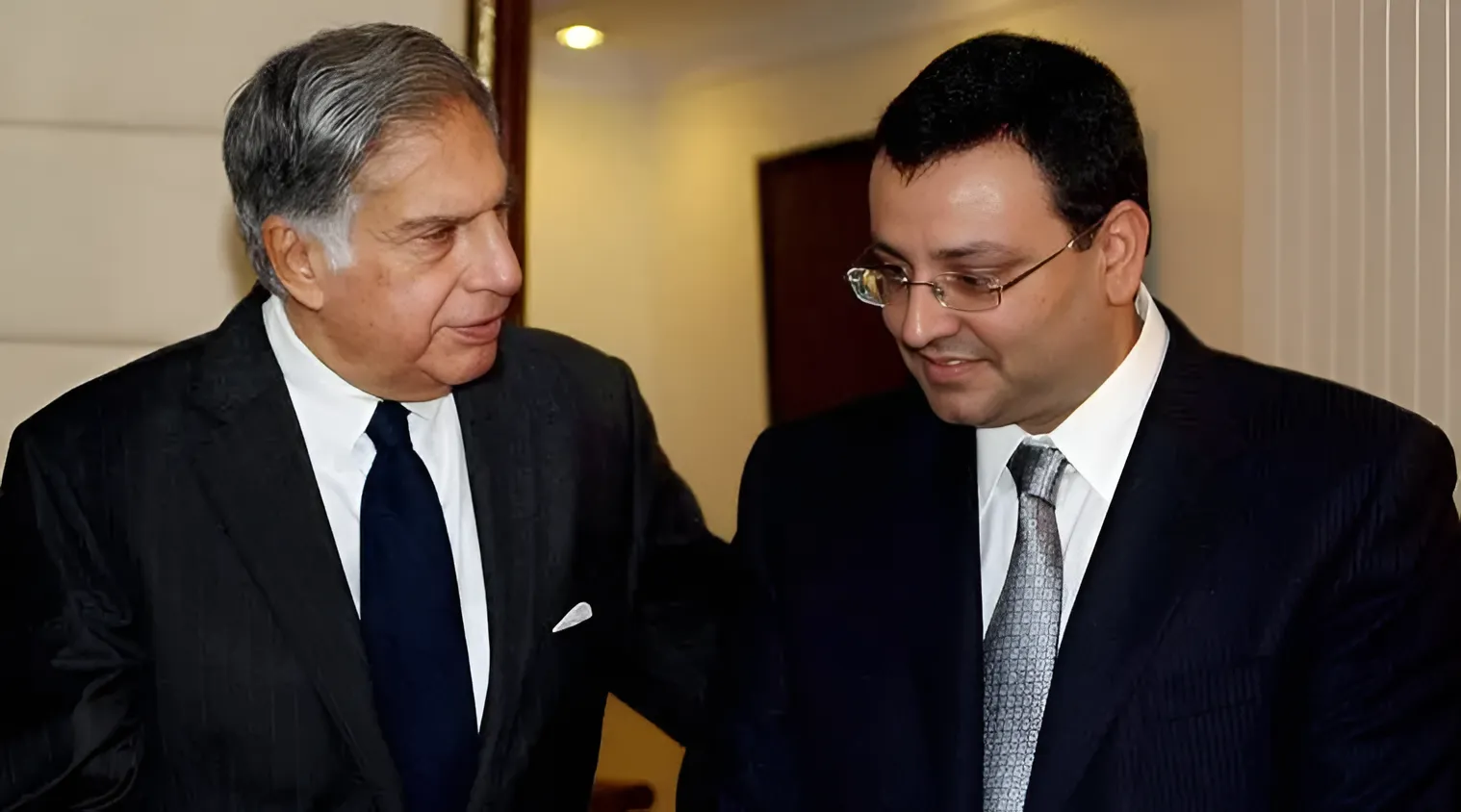 Ratan Tata’s decision to remove Cyrus Mistry as Tata Sons chairman in 2016 was another defining episode in the group’s long-running succession and governance battles. Photo: PTI
Mistry had not been removed for bad management, though there were criticisms of his style and some of his decisions. He went primarily because he did not show sufficient respect and deference to Ratan. Some of his more brash aides also upset the serenity of Tata’s Bombay House headquarters. Unlike Mistry, Chandrasekaran managed his relationship with Ratan expertly, but does not seem to have felt the need to do the same with Noel Tata, probably because, like others, he underestimated Noel’s ability to be tough and exert authority.
Chandrasekaran has had some failures, notably trouble-prone Air India. There have also been losses on new digital and other ventures with major expansion into AI. But growth has been good with revenues of $185bn, and many of the problems left by Ratan, such as the Tata Motors’ declining Indian car business, have been turned into successes. That is reflected in a bullish annual report for 2025-26. Air India’s losses more than doubled to nearly $3bn in 2025-26 and accounted for some 80% of the group companies’ total losses.
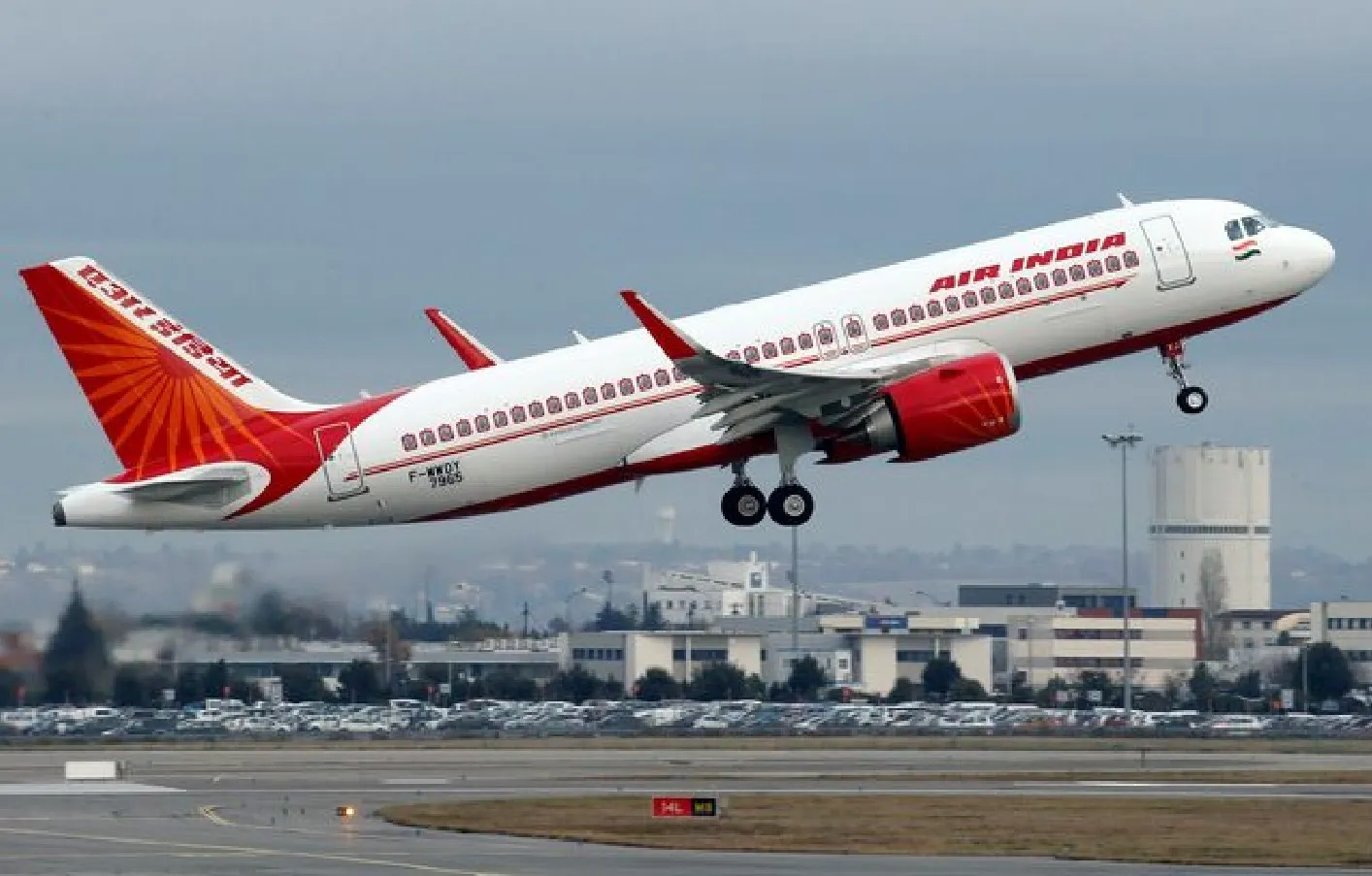 Air India, acquired by the Tata group in 2022, has become one of the most difficult parts of N. Chandrasekaran’s expansion strategy, with losses rising sharply in 2025–26. Photo: Reuters
There were splits among trustees throughout last year about appointments and governance issues. This escalated to the point where Chandrasekaran and Noel went to Delhi last October for a meeting that received considerable media publicity with Amit Shah, the home minister and the prime minister’s troubleshooter, and Nirmala Sitharaman, the finance minister. They have had more meetings recently, attending separately, which underlines how concerned the government is about stability in this vast business empire that straddles so many parts of the Indian economy.
Chandrasekaran has good links with the government because he had hired S. Jaishankar as a global affairs adviser for just over a year in 2018-19, after Jaishankar retired as foreign secretary and before he was appointed foreign minister. But it seems he may have over-estimated the support that access could yield in his growing differences with Noel.
Despite the problems – and tensions over whether Tata Sons should follow a Reserve Bank of India instruction to be floated on the Bombay Stock Exchange – the two main trusts proposed Chandrasekaran for a third term. This however was questioned at a Tata Sons board meeting in February by Noel who was critical about losses. Not a risk-taker, Noel has also raised concern about Chandrasekaran’s $120bn five-year expansion plan for the group.
The proposal of the third term ‘was not carried through because one of the Board Members did not support it,’ Chandrasekaran said in his resignation statement, referring to Noel without naming him. In the absence of unanimous support, Chandrasekaran said he had, as chairman, deferred the decision.
Noel apparently did nothing after that to solve the impasse, so Chandrasekaran announced his decision on August 12 as a public statement without any warning or discussion with Noel. He said his announcement would also leave enough time to find a successor, and that search will now begin. The statement was meant to avoid the risk of an embarrassing situation at the AGM, which was adjourned because there was not a quorum following an unconnected issue involving the Charities’ Commission that prevented the two main Tata trusts’ directors attending.
Noel lacks Ratan’s commanding (though shy) presence but now has the opportunity to prove that he can preside over the group as head of the trusts. He cannot also be chairman of Tata Sons because Ratan, after he retired from that position, changed the rules so that one person cannot hold both posts.
As Ratan never married, Noel is securing his own family's role in Tata's future. He has appointed his 32-year-old son Neville, who has managerial roles in the retail businesses, to the two top trusts. Noel’s two daughters, Leah and Maya, are employed in the group’s hotels and in retail.
First, however, Noel needs to lead the choice of a strong candidate to succeed Chandrasekaran and then allow the winner freedom to run the group and be its public face.