The AI boom is supercharging Taiwan’s economy, putting the world’s biggest semiconductor supplier at the centre of the latest tech revolution, while also renewing fears about the intricate links between its national security and the global supply chain. Helen Davidson reports.
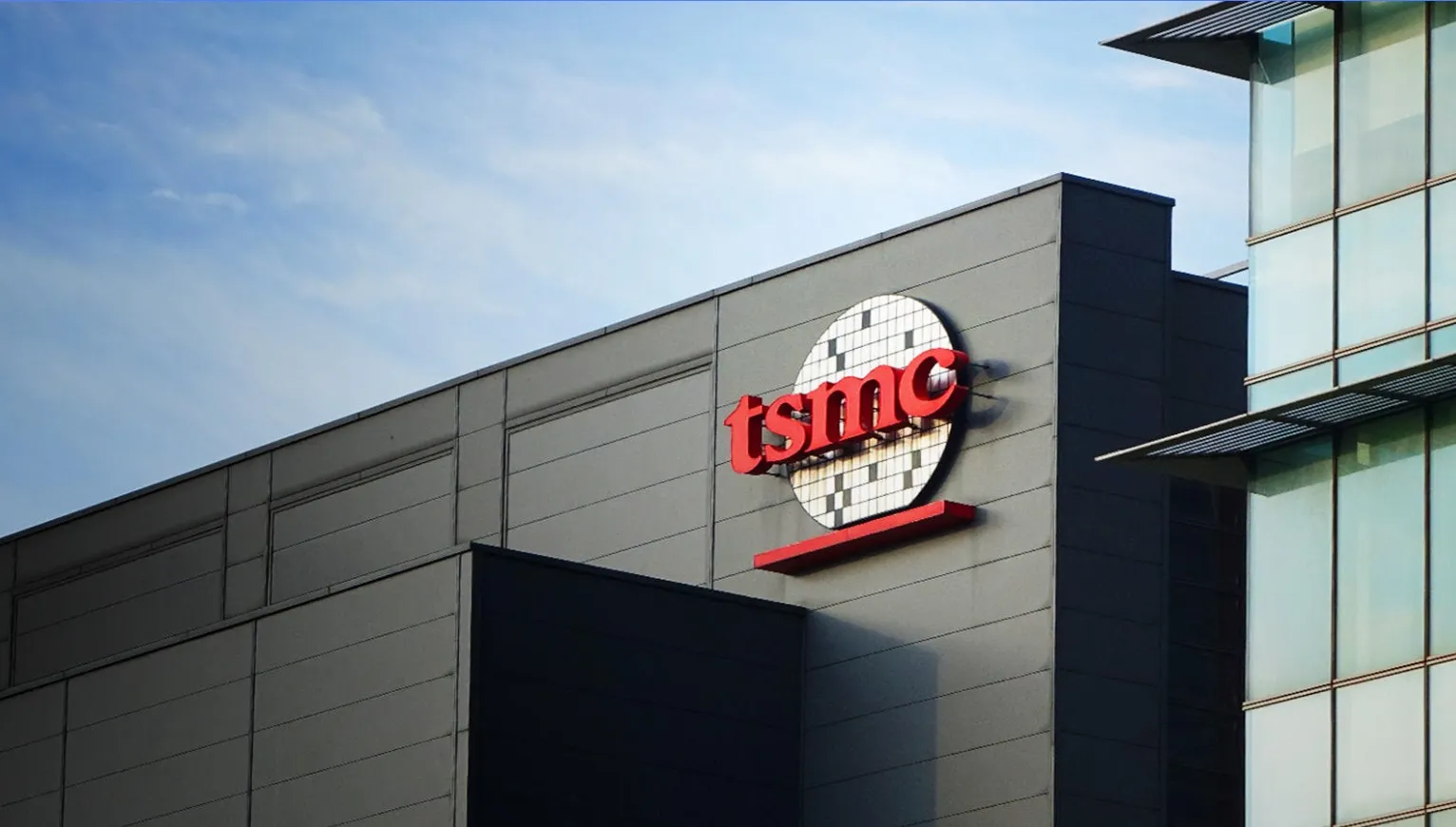
TSMC’s semiconductor industry puts Taiwan at the centre of the global AI boom. Photo: TSMC
Taiwan, a self-governing democracy of 24 million people, produces more than 90% of the most advanced chips that are needed in everything from mobile phones to missiles. This concentration of supply – led by the Taiwan Semiconductor Manufacturing Company (TSMC) – has long been dubbed a ‘silicon shield’ because of a theory that the world might be more inclined to help protect Taiwan from violent Chinese annexation, in order to keep its ‘high tech’ production line out of Communist Party control.
Beijing claims Taiwan is a province of China, and has vowed to ‘reunify’ it with the mainland, by force if necessary. Taiwan’s government and people overwhelmingly reject the prospect of Chinese rule. Under Xi Jinping, China’s military has been preparing for a full-scale invasion which, analysts suggest, could be close.
Audrey Tang, Taiwan’s former digital minister, says the ‘silicon shield’ moniker does not guarantee safety but ‘is a way of saying that disruption in Taiwan would be extraordinarily costly for everyone, giving many countries an interest in preventing it’. But parties like the US are uncomfortable with this risk and, in recent years, have pushed for decentralisation of production away from Taiwan, as insurance against the possibility of a Chinese takeover of the island and its semiconductor, or ‘chip’, supply.
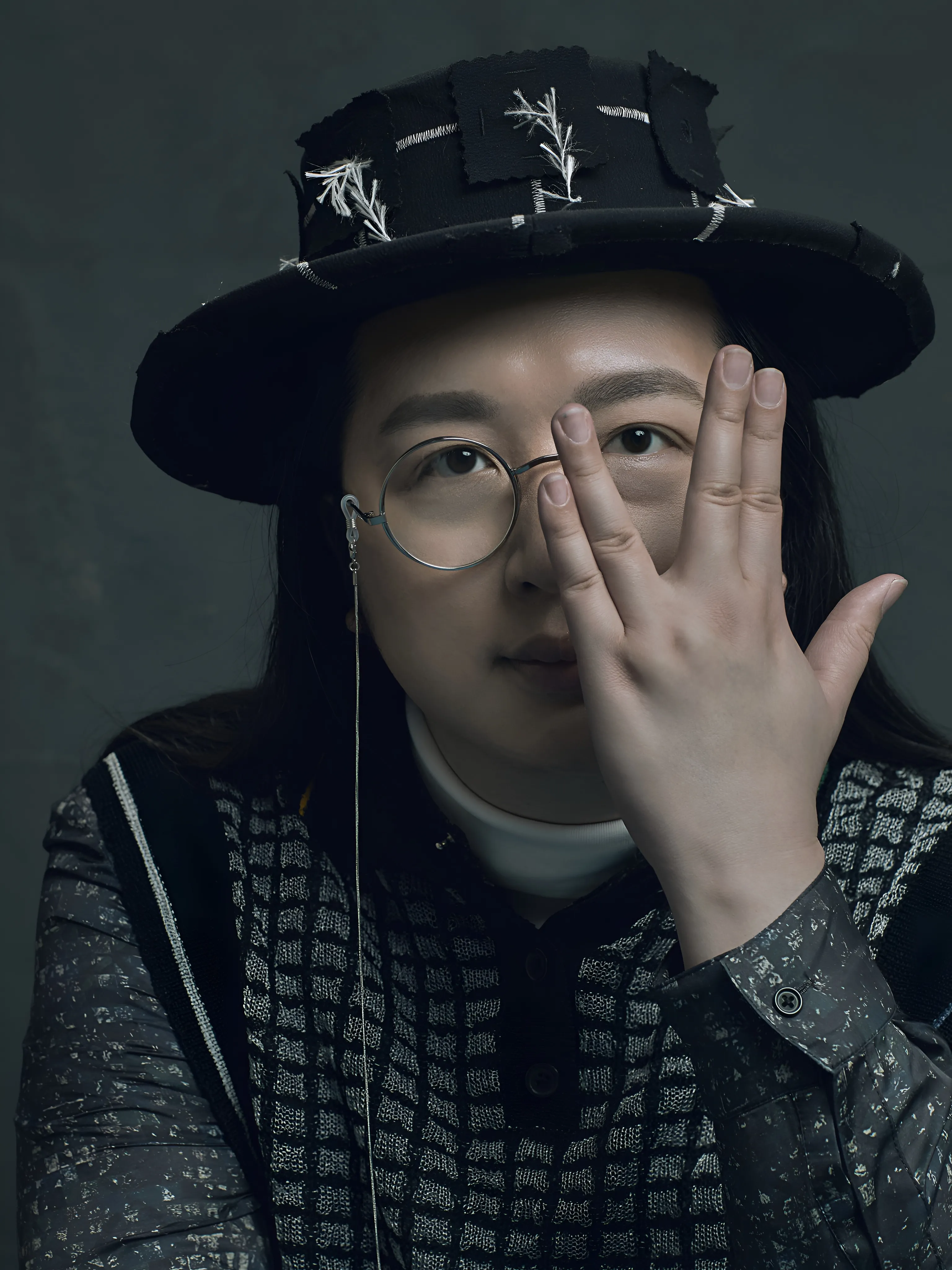
Former Taiwan digital minister Audrey Tang has described the island’s semiconductor industry as a critical part of global resilience. Photo: Kaii Chiang/CC BY-NC-SA 4.0
The US used inducements, encouragements and punitive tariffs to push for TSMC and other chip firms to move production offshore or to collaborate with American and other foreign companies. In 2022 the Biden administration introduced the CHIPS and Science Act to help secure US access to the most advanced 2-nanometre chips. Under threat from Donald Trump’s industry-specific tariffs, TSMC last year pledged more than $100bn to expand its production on US soil. It also expanded to Japan and Germany.
The decentralisation push has worried some in Taiwan. Opposition figures have questioned what would become of Taiwan’s national security if the ‘sacred mountain that protects the country’ – TSMC – moved to the US. ‘When TSMC first announced its US investment plans, there was considerable debate and criticism in Taiwan,’ says Kristy Hsu, the director of the Taiwan ASEAN Study Center at the Chung Hua Institution for Economic Research. ‘Some people were concerned about possible technology leakage and the risk of hollowing out Taiwan’s semiconductor industry.’
Then AI happened. Suddenly Taiwan’s chip supply was even more crucial and urgent, as tech giants and governments rushed to be the first and best in development of the largely unregulated industry that was advancing at a dizzying speed. Few were willing to wait for the planned foreign production to get up and running. Nvidia announced it would open a new headquarters in Taipei, and its CEO Jensen Huang declared Taiwan to be ‘the epicentre of the AI revolution’.
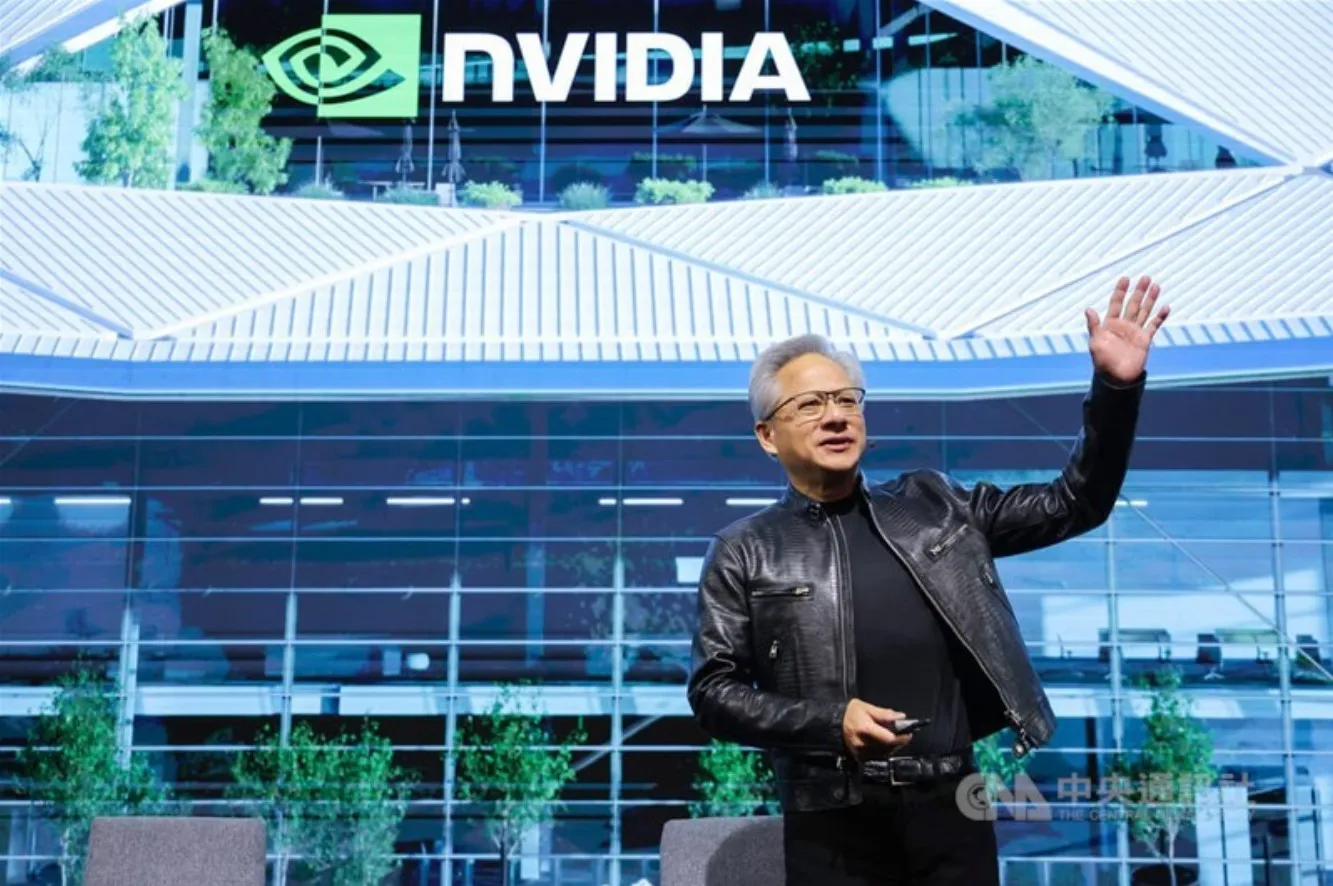 Nvidia CEO Jensen Huang has called Taiwan the 'epicentre' of the AI revolution. Photo: CNA file photo
By the middle of this year, Taiwan was struggling to meet the demand for high-end chips, and was also producing more than 60% of the world’s AI servers. Exports are soaring, and the island’s economy has boomed with figures not seen since the ‘Asian tigers’ era of economic growth in the 1980s and 90s. In June, TSMC broke records for revenue growth, and then broke them again in July.
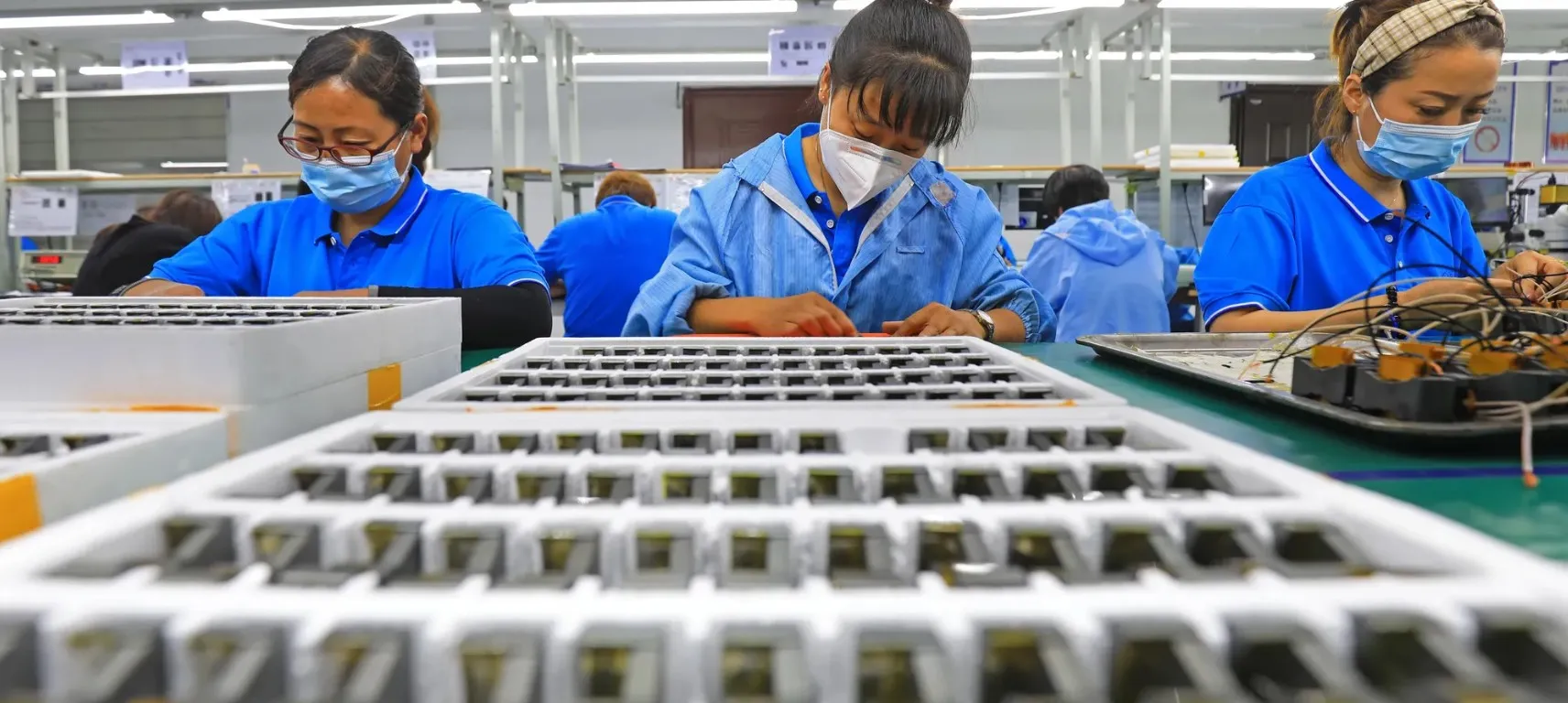 Taiwan’s chipmakers are racing to meet surging global demand for AI hardware. Photo: Shutterstock
Seizing the momentum, Taiwan’s government deftly evolved its rhetoric, pivoting the chips narrative to one that is all about AI, even though manufacturers are still largely making the same products. The president, Lai Ching-te, lauded the industry's growth and called for Taiwan to create a workforce pipeline for 500,000 AI professionals by 2040. Taiwan also dedicated itself to becoming a key ‘non-red’ supplier of sensitive AI infrastructure and hardware for countries that fear the security vulnerabilities of using Chinese-made tech.
‘There is now an intentional effort by the Taiwan government to connect Taiwan’s unique strength and its core position that it occupies in the global semiconductor supply chain to the booming discussion about global AI growth,’ says William Yang, senior East Asia analyst for the International Crisis Group. ‘This has also become a very important component in Taiwan’s overall national security regime, where economic security is increasingly becoming inseparable from the discussions about overall national security. [Its role in the supply chain] gives it bargaining power, and leverage with other large democratic economies.’
Taiwan’s silicon shield appeared to have been strengthened, and US concerns renewed. US commerce secretary Howard Lutnick demanded 40% of Taiwan’s chip manufacturing be moved to the US. ‘You can't have all semiconductor manufacturing 80 miles from China,’ he said in February. ‘That's just illogical... we need to bring it back.’ Taiwan’s government responded that while the industry could expand more into the US, Lutnick’s 40% goal was impossible.
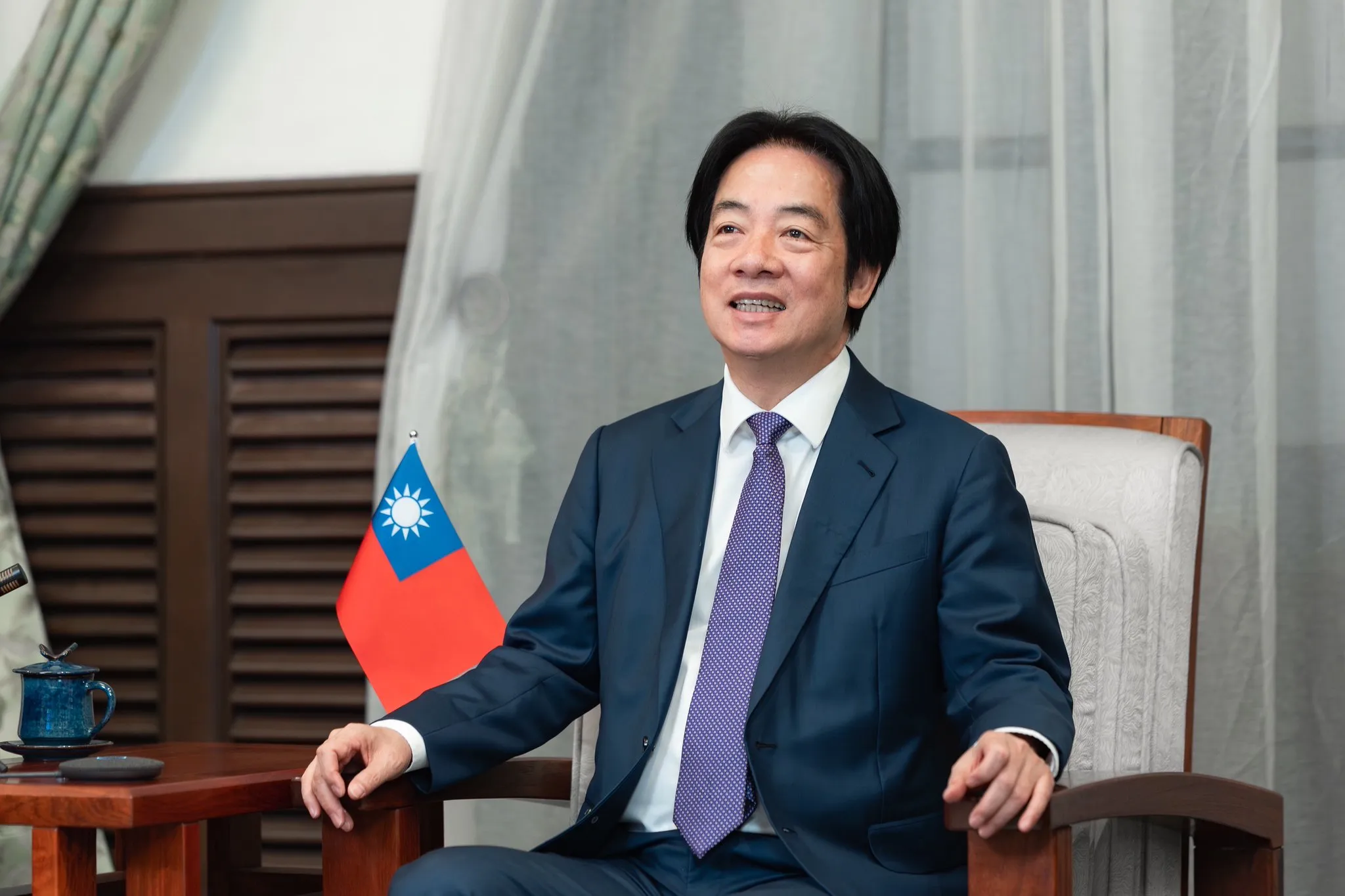 President Lai Ching-te has linked Taiwan’s semiconductor strength to its economic and national security. Photo: Liu Shu fu/Office of the President
Taiwan’s success as a semiconductor manufacturing hub is built on more than half a century of research and development, and what Tang calls a ‘game-changing’ manufacturing model that centres on making customers’ designs instead of competing with them. Coupled with a fine-tuned local pipeline of workers from training to employment, Taiwan raced ahead of competitors. AI has changed the game slightly. Tang says the AI industry is much more globally integrated than semiconductors, but Taiwan is still ‘one of the physical foundations’. ‘Taiwan firms manufacture leading processors, package them, and build much of the server, networking, power and cooling infrastructure around them,’ says Tang. ‘At the same time, Taiwan does not control the whole stack… The leading model companies and cloud platforms are mainly from the US, Netherlands, and South Korea.’
It means there is more of a ‘if one falls, all fall' dynamic, which maintains the silicon shield in a different way. ‘Taiwan’s security should not depend on keeping the world artificially vulnerable,’ says Tang. ‘A better goal is resilient interdependence: enough redundancy to survive disruption, but enough shared investment and trust so that coercion remains costly.’
Few know where the AI boom will lead. The discourse is peppered with outlandish predictions ranging from the utopian replacement of all human work to the biggest bubble pop we’ve ever seen. The hypergrowth of the industry, particularly from China, which is finding and building its own advanced AI tech, also threatens Taiwan’s decades-old lead. ‘Taiwan is exposed because so much of its economy depends on a small number of overseas customers and a famously cyclical industry,’ says Tang.
Hsu says the challenge for Taiwan in navigating this is twofold. ‘First, it must continue working very hard to maintain the global competitiveness of its AI hardware industries, where competition and technological change are extremely rapid. Second, it needs to strengthen areas where it currently has limited capabilities... Taiwan is already in a very strong position in AI hardware, but maintaining that position cannot be taken for granted. The next stage will be about both defending existing strengths and filling strategic gaps.’
But for now, Yang says Taiwan’s role is ‘still very central, no matter what’. ‘This is important leverage the Taiwan government has identified, and has latched on to.’