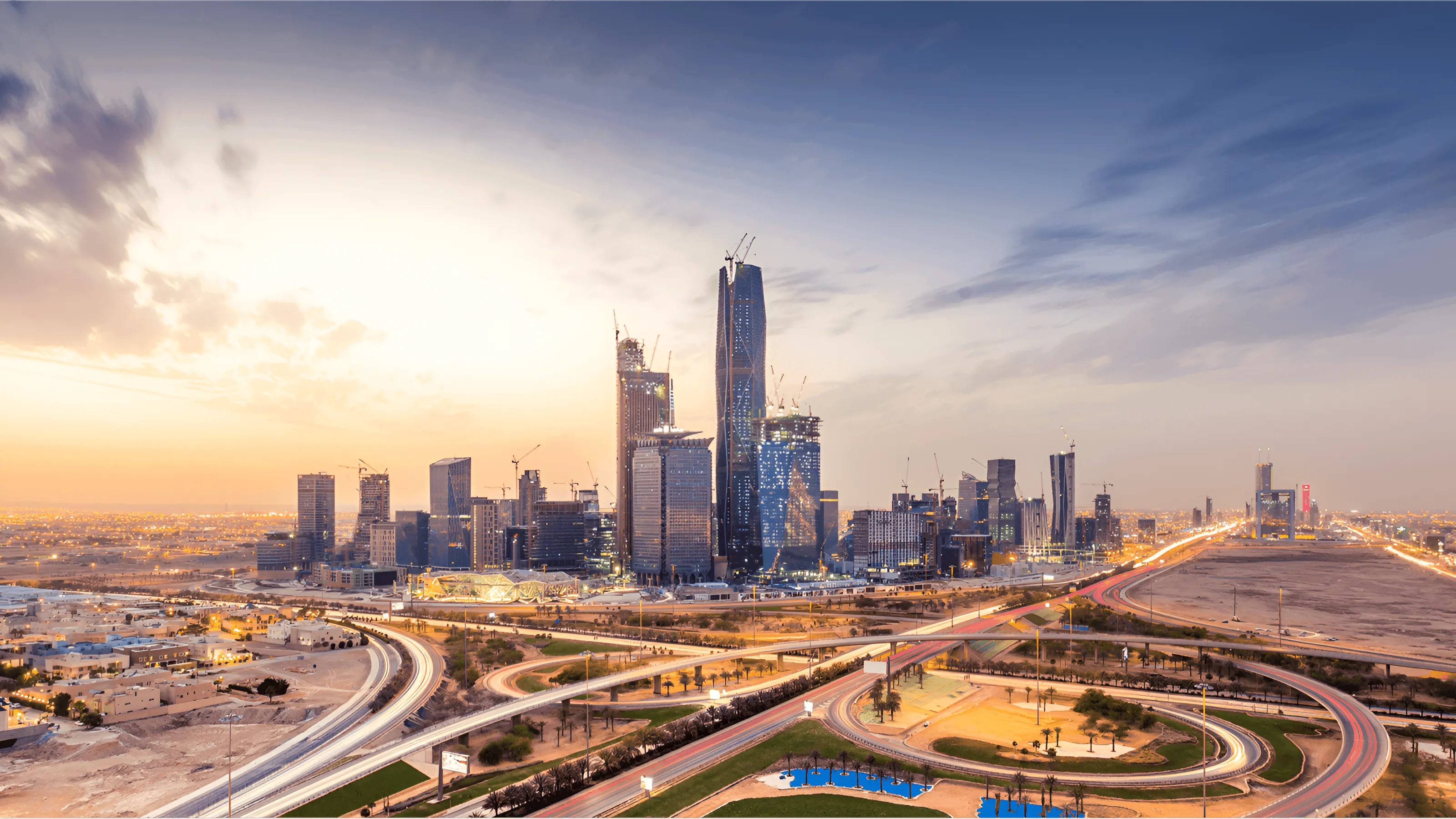
Riyadh’s rapidly changing skyline reflects Saudi Arabia’s Vision 2030 drive to diversify its economy and modernise society beyond its historic dependence on oil. Photo: Shutterstock/File Photo
Saudi Arabia
As the Kingdom of Saudi Arabia enters its 95th year of existence, the buzz in the country continues to be about ‘Vision 2030’. Around 1938, the sandy state discovered oil. This made it incrementally wealthy in the 20th century and the affluence spilled over into the new millennium.
It is a decade since the transformation document was launched. Its primary goals were to prepare for a post-oil economy and society, which meant lower dependence on fossil fuel income, diversification of its economy and modernisation of its society, including enabling more home ownership for Saudi nationals. The project outlined a better quality of life and modern amenities for its citizens and visitors, a preservation and highlighting of its heritage, including rendering these into international tourist attractions.
On the economic front, the aim was privatisation, non-oil GDP growth and foreign investment. It kick-started efforts to make government efficient and transparent and develop a local talent pool. The Vision is driven by the Saudi crown prince Mohammed bin Salman, who has also been the country’s prime minister since 2022. It is undoubtedly wide-ranging in its concept.
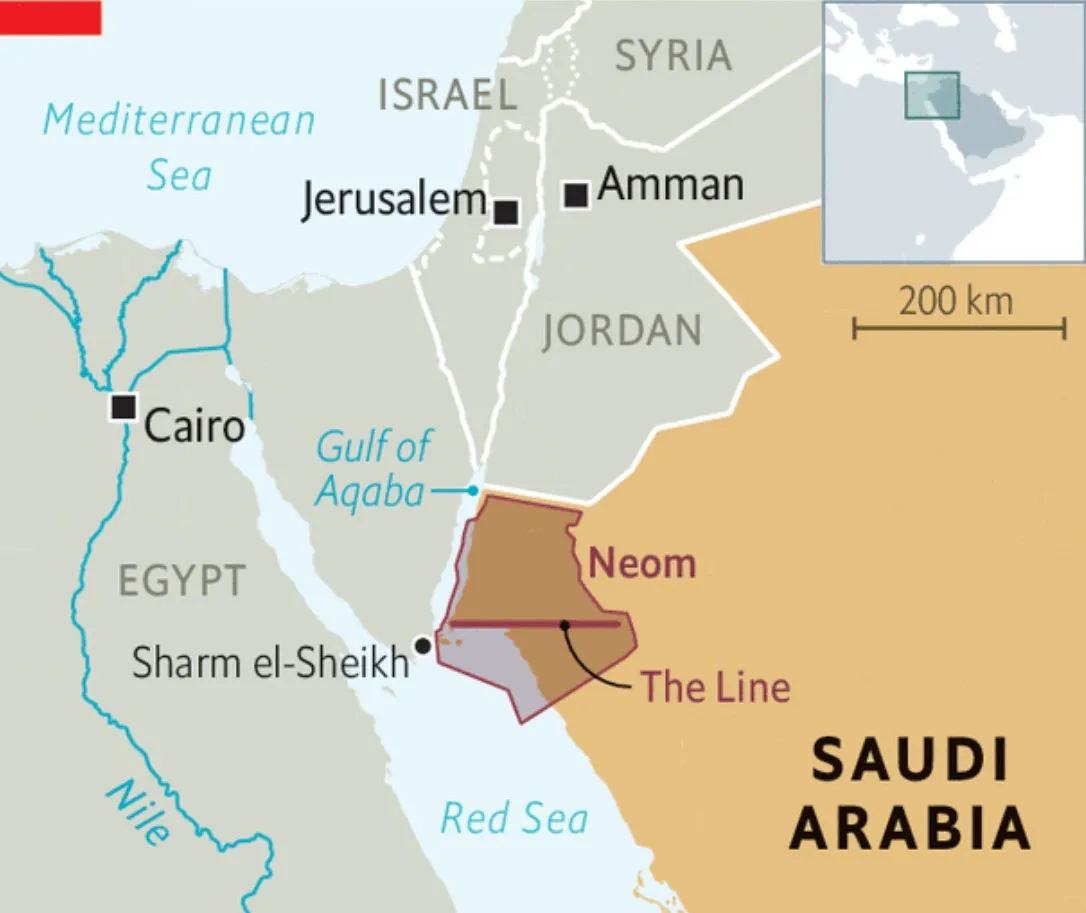 NEOM’s ambitious developments are among the most prominent symbols of Vision 2030, although investment pressures have forced Saudi Arabia to scale back some of its original plans. Map illustration: The Economist
The scheme involved: the creation of a US$500 billion high-tech city named Neom – boasting a 170-kilometre long mirrored skyscraper urbanisation, sustained wholly by renewable energy; a tourist destination on the Red Sea spanning an archipelago of more than 90 untouched islands; Qiddiya City, a mammoth sports and cultural metropolis, where Saudi Arabia will host the 2034 FIFA World Cup; and a US$62 billion restoration of Diriyah, the ancestral home of the Saudi royal family, into a heritage hub.
The Vision relaxed hitherto rigid religious rules which commanded Saudi society. Women are now able to drive motor vehicles unaccompanied by a man. Those above 21 can travel abroad without needing consent from a father, husband or male guardian. Commercial cinema halls reopened in 2018 after a 35-year ban. Music festivals are now allowed to feature non-Muslim performers. Foreign female visitors are no longer required to wear the abaya, a traditional Arab-style loose robe, though modest dressing in public is still expected. Unmarried foreign couples are allowed to share hotel rooms; and gender segregation in public places is no longer mandatory.
 Saudi women have gained greater freedom to drive, travel and participate in public and economic life as the kingdom implements the social reforms of Vision 2030.
CNBC reported that non-oil enterprise now contributes over 50% of Saudi Arabia’s GDP. Tourism, tech and manufacturing bolster this progress. Unemployment has dropped from 12% in 2016 to just above 7%, according to Eric Kimberling, chief executive of Third Stage Consulting, who said digital change has conjured this.
But there are challenges. The flow of investment funds has not met up to expectation, which has forced a paring down of the Neom dream. The Saudi economy and therefore financial capability remain vulnerable to global oil price stability. Human rights groups, including Amnesty International, highlight worker safety at construction sites and the forced eviction of tribes during land clearance.
Incidentally, Saudi Arabia’s ‘Vision 2030’ is not the first of its kind in the Gulf. There was previously the United Arab Emirates’ ‘Vision 2021’; and concurrently there is Kuwait’s ‘Vision 2035’.
China
Eurasia Business News flagged Asian stock markets and economic metrics show mixed trends, supported by cooling US inflation and AI tech demand, but pressured by ongoing oil volatility, sliding domestic consumption in China and escalating trade tensions.
Nikkei Asia indicated that in July China’s bank loans experienced a record contraction due to weak domestic credit demand. Unconnected to that, Beijing introduced new offshore tax policies. CNBC reported that ‘while the rules ended decades of regulatory ambiguity about the vehicles, they have also created fresh confusion over implementation’.
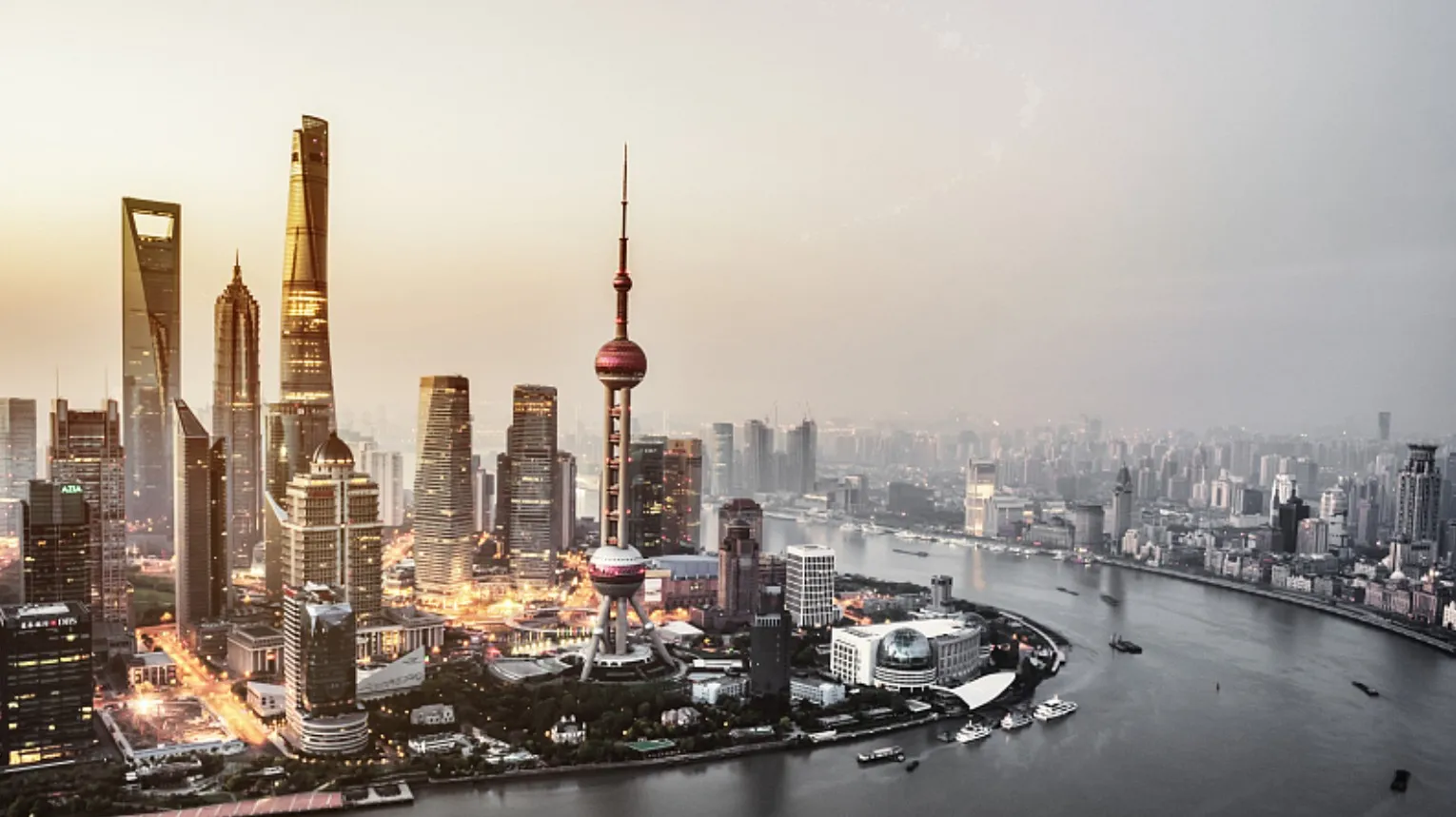 China’s economy is showing mixed signals, with technology demand providing support while weak domestic credit and consumption weigh on growth. Photo: CFA
In August, Zhu Rongji, a former Chinese premier who helped turn China into a trading giant, died at the age of 97. BBC said he ‘played a leading role in securing [China’s] entry into the World Trade Organisation, opening Chinese factories to the international market and drawing foreign investment’.
Japan
Meanwhile, the media in general noted Japanese markets tracked global tech gains, though the yen’s movement sparked debate regarding potential currency interventions; and megabanks intensified a push into ultra-wealth management.
Japan Today reported that Japan’s summer tourism season saw a shift from China-driven demand. It said ‘The number of Chinese visitors to Japan in the first six months of this year dived 56.4 percent from a year earlier, as Prime Minister Sanae Takaichi’s contentious remarks in parliament last year over how Japan might respond to a crisis over Taiwan. China, angered by the remarks, advised its citizens not to travel to Japan and ramped up economic pressure.’
However, Japan National Tourism Organisation data reported that a steady increase in visitors from South Korea, Taiwan, Southeast Asia, Europe and the United States helped offset the decline.
India
India’s trade deficit in goods and services has been ballooning. Its foreign exchange reserves climbed back above US$700 billion on strong financial inflows. Reuters reported that this occurred ‘under policy measures to strengthen India’s balance of payments’. It added ‘the swap facilities drew flows worth over US$40 billion’.
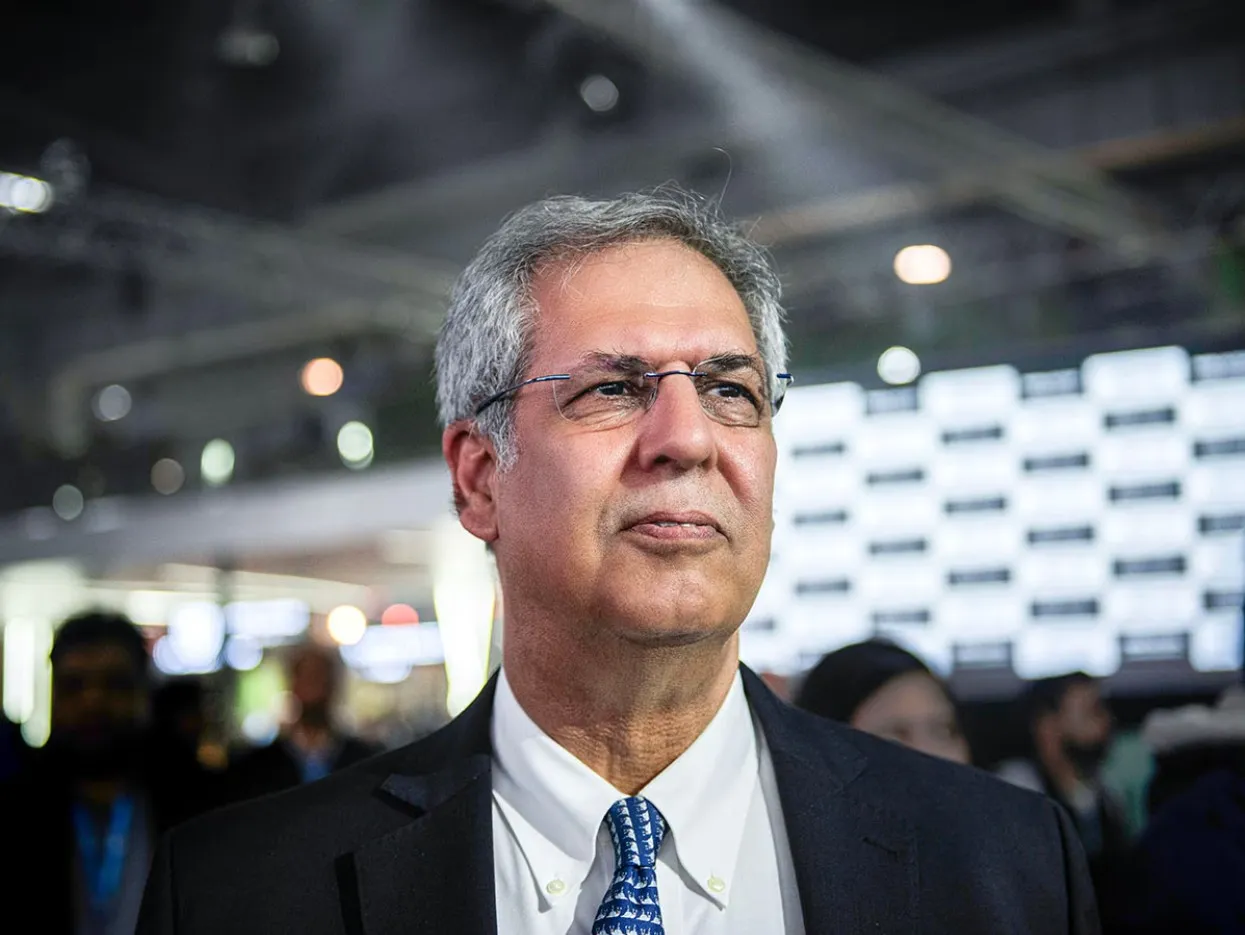
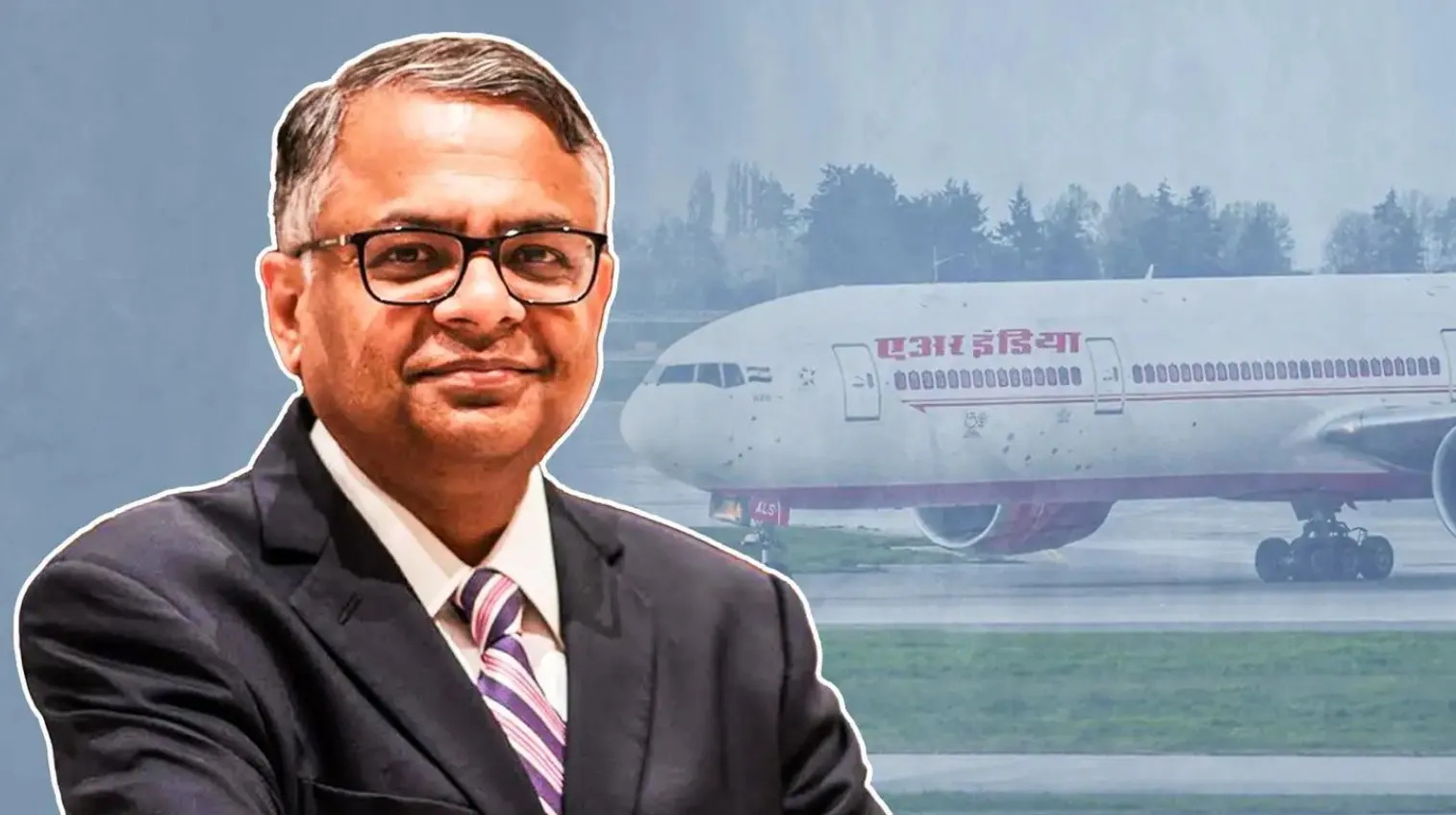 Natarajan Chandrasekaran’s decision not to seek another term at Tata has put the conglomerate’s strategy, including its costly Air India turnaround, under renewed scrutiny. Photo: News Bytes
In the corporate sector, Natarajan Chandrasekaran, surprisingly announced that he would not seek reelection as CEO of India’s largest conglomerate, Tata. The news was widely reported given the group’s international presence, especially in Britain where it owns Jaguar Land Rover and several other companies across sectors. Under his nine-year stewardship, most Tata companies significantly enhanced their turnovers and profits. But not Air India, which returned to its stable from Indian government control in 2022. Tata’s attempt to turn around the airline has resulted in heavy losses not only for Tata but its partner in the venture, Singapore Airlines. The Hindu headlined, ‘Chandrasekaran’s exit puts Tata’s Air India bet under fresh scrutiny.’
Southeast Asia
Malaysia’s central bank disclosed second quarter GDP growth beating expectations, while Indonesia faced structural and energy exposure linked to elevated global oil benchmarks.
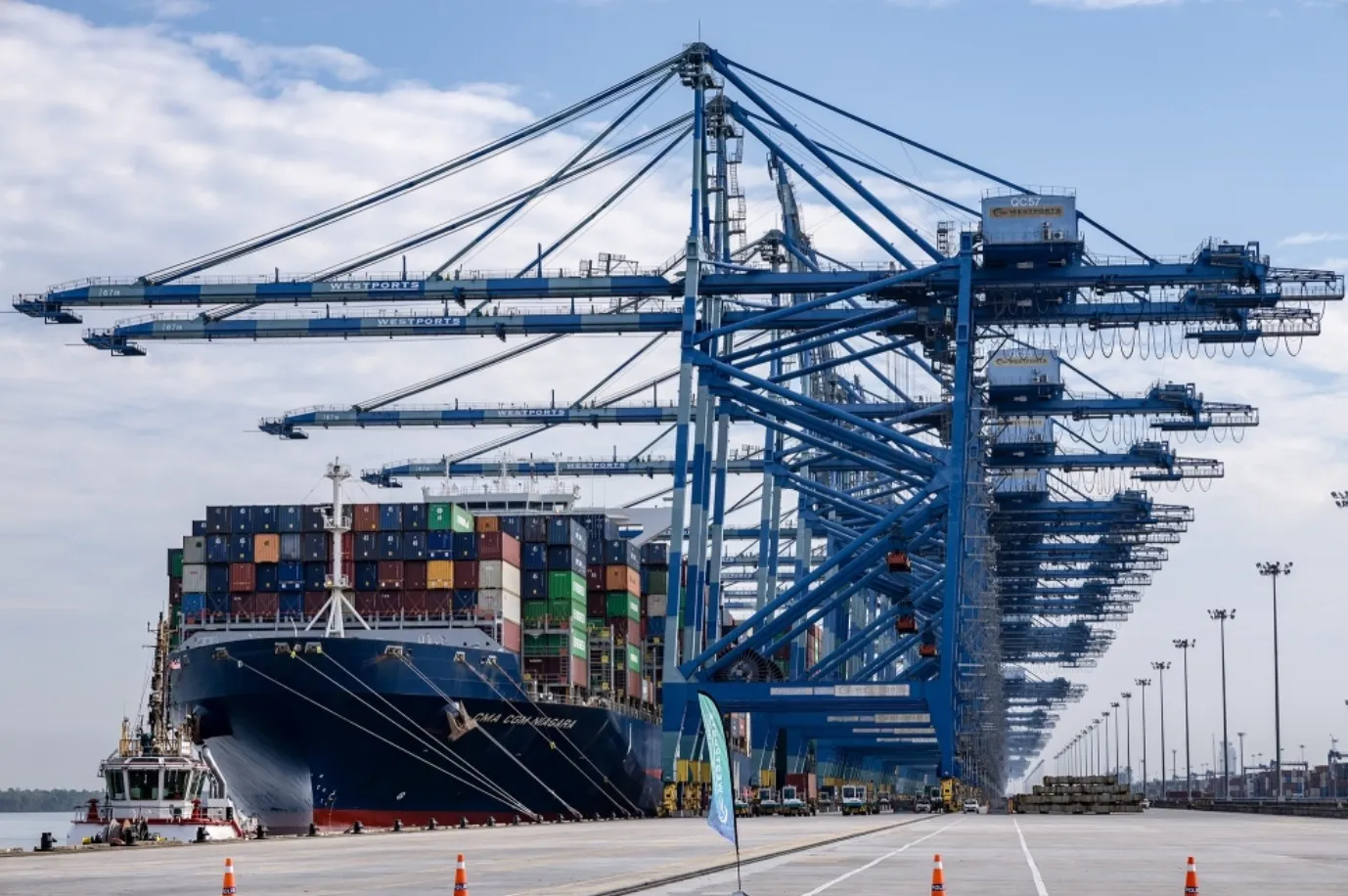 Malaysia’s stronger-than-expected growth contrasts with Indonesia’s exposure to elevated global energy prices, highlighting divergent economic pressures across Southeast Asia. Photo: Firdaus Latif