There has been an unusual burst of diplomatic activity between Beijing and Pyongyang in recent months, capped by Xi Jinping's visit to Pyongyang in June. As Xi prepares for talks with Donald Trump again in September, Howard Zhang questions why Beijing is redefining its relationship with North Korea and how that plays into the wider US-China competition for influence over the peninsula.
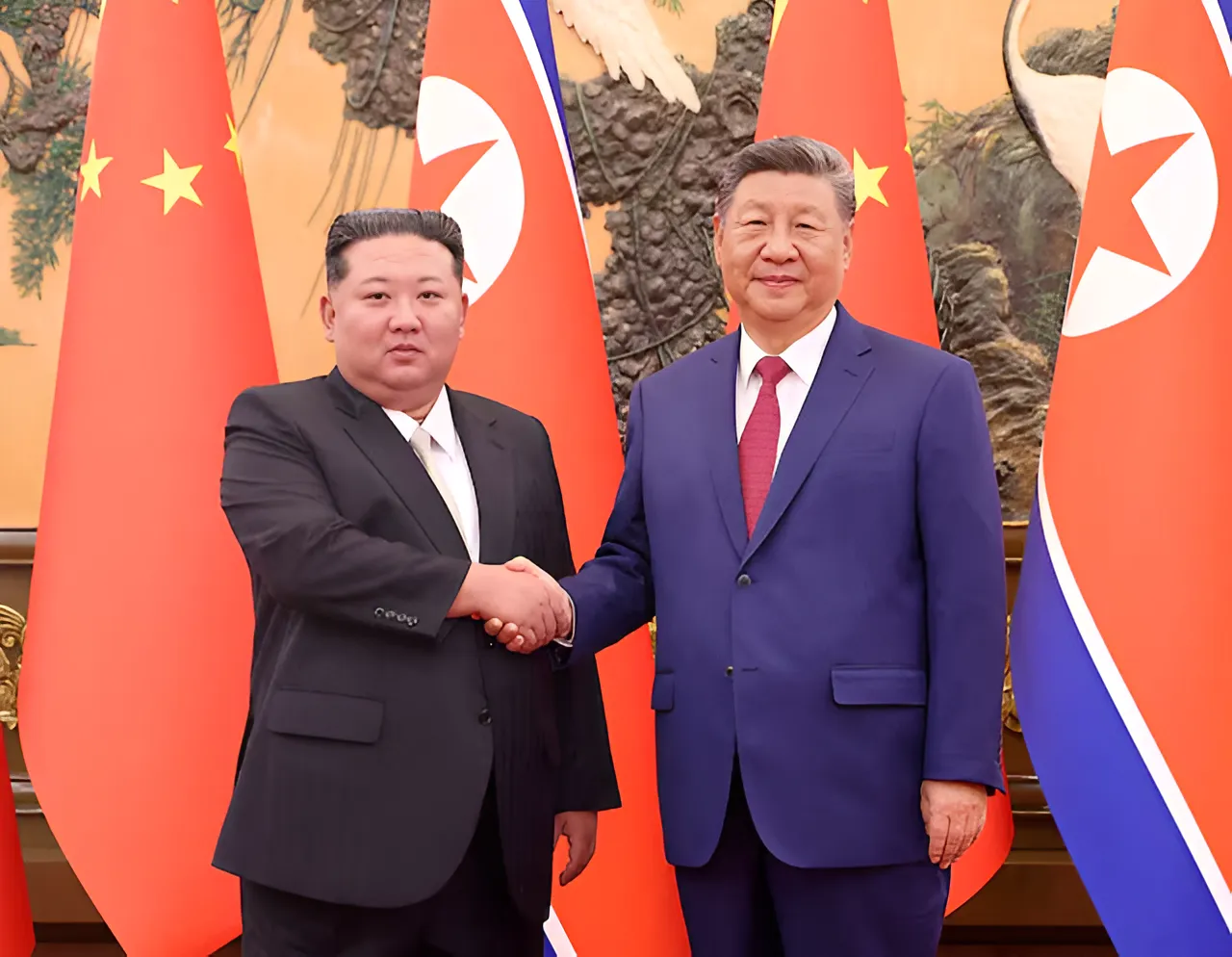
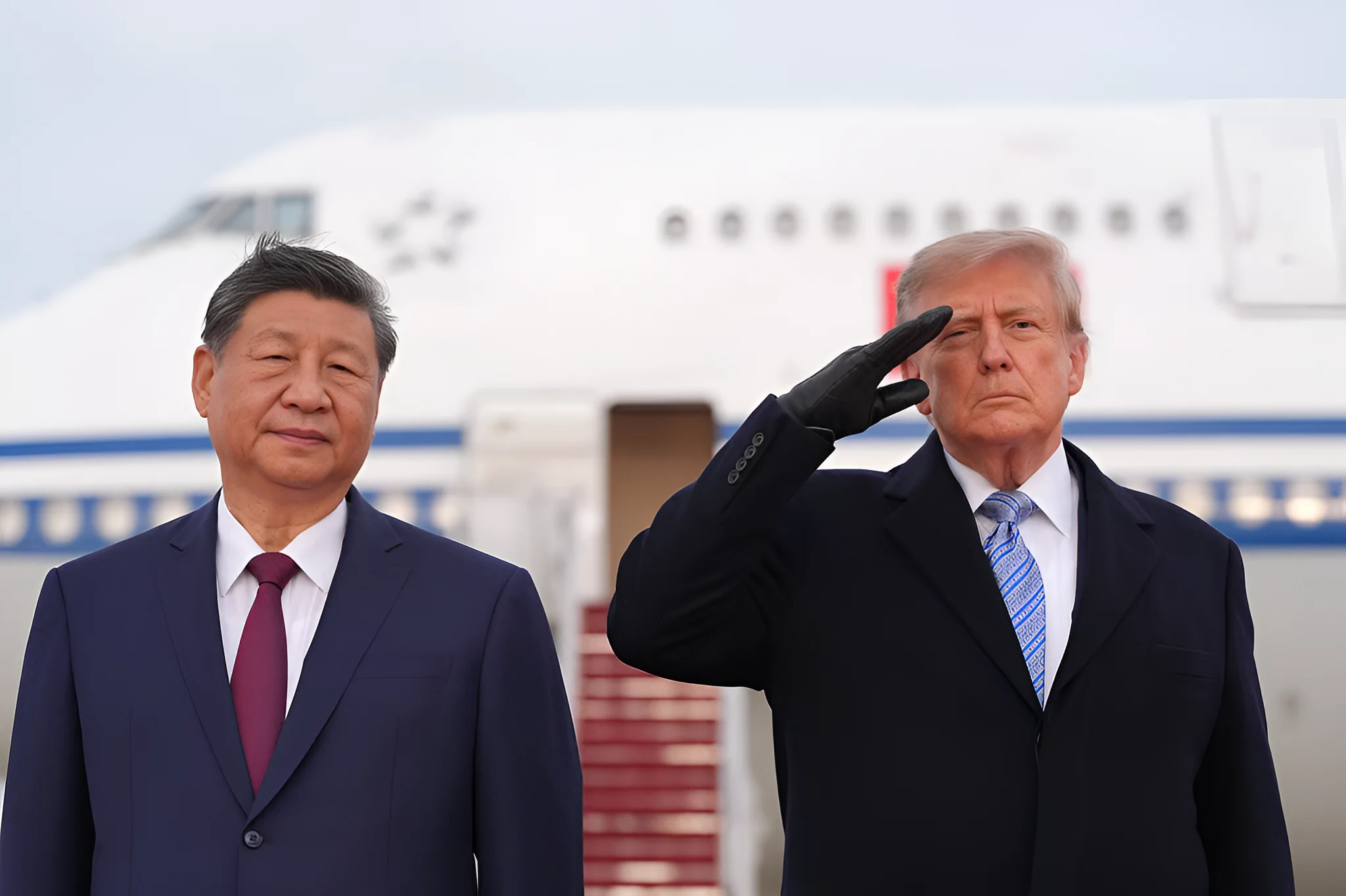
President Xi Jinping and North Korean leader Kim Jong Un during Xi’s June 2026 visit to Pyongyang, as Beijing and Pyongyang move to rebuild their strategic relationship. Photo: Reuters
Photographs from the North Korean capital told a familiar story: military bands, goose-stepping honour guards, flower-waving crowds and choreographed embraces beneath giant portraits of Kim Il Sung and Kim Jong Il. Chinese state media declared that Xi's visit had opened ‘a new historical starting point’ in relations.
Xi subsequently welcomed North Korean premier Pak Thae Song to Beijing, where the two sides marked the 65th anniversary of the 1961 Treaty of Friendship, Cooperation and Mutual Assistance with an unusually emphatic exchange of messages. Xi pledged China's commitment to its 'traditional friendship' with North Korea, its support for Kim Jong Un's leadership of the socialist cause, and its determination to safeguard shared interests and 'a favourable strategic environment'. Kim called the relationship a 'strategic choice,' describing it as heading towards 'a model of the strongest and most strategic relations between socialist countries'.
Taken at face value the message was simple: closer ties. But official warmth and strategic trust rarely move in lockstep. The more interesting question is why Beijing has suddenly become so keen on Kim again. Long-time watchers of the relationship know that the frequency of senior China-North Korea meetings is a good gauge of its temperature. The Washington-based Center for Strategic and International Studies (CSIS) Beyond Parallel database records 161 documented high-level visits since 1953, yet shows a marked decline in contact under Xi and Kim compared with their predecessors, Hu Jintao and Kim Jong Il. The pattern is striking for how uneven it is: periods of intense engagement, followed by years of thin contact, followed by sudden acceleration.
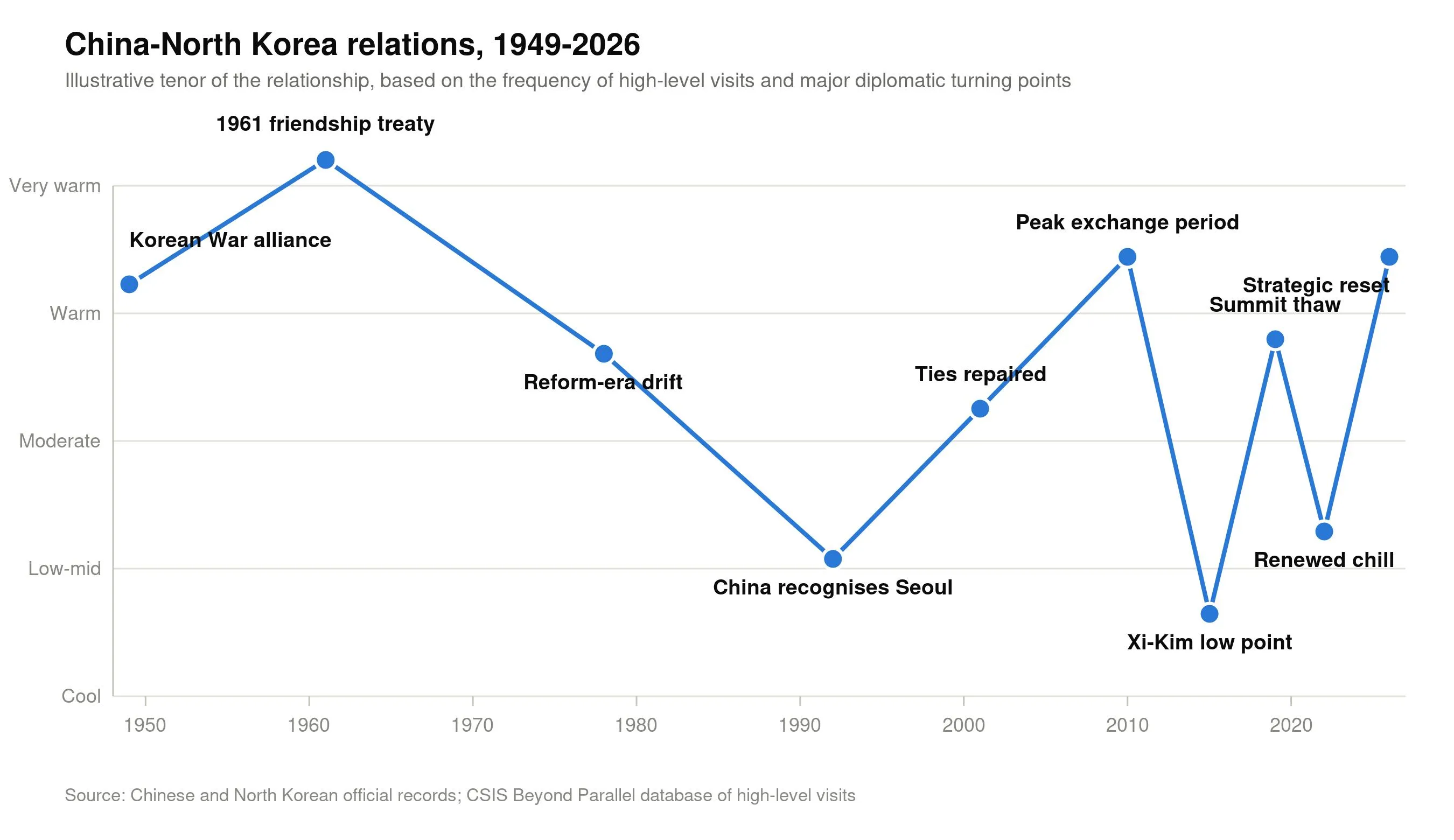
The early Xi-Kim years were among the coldest on record. Beijing was frustrated by North Korea's nuclear tests; Pyongyang resented China's willingness to back UN sanctions and court South Korea, whose president, Park Geun-hye, Xi visited before he ever met Kim. For several years Xi and Kim barely spoke. The recent surge in diplomacy demands an explanation.
History explains part of the answer
China and North Korea have always needed one another, but they have never wanted exactly the same things. China's intervention in the Korean War in the early 1950s almost certainly saved Kim Il Sung's regime and the 1961 treaty, still China's only active mutual-defence pact, supplies the alliance's legal foundation. Yet even at its closest, Pyongyang avoided dependence on Moscow or Beijing: Kim Il Sung's doctrine of juche, usually translated as self-reliance, was as much about guarding strategic autonomy as resisting the West.
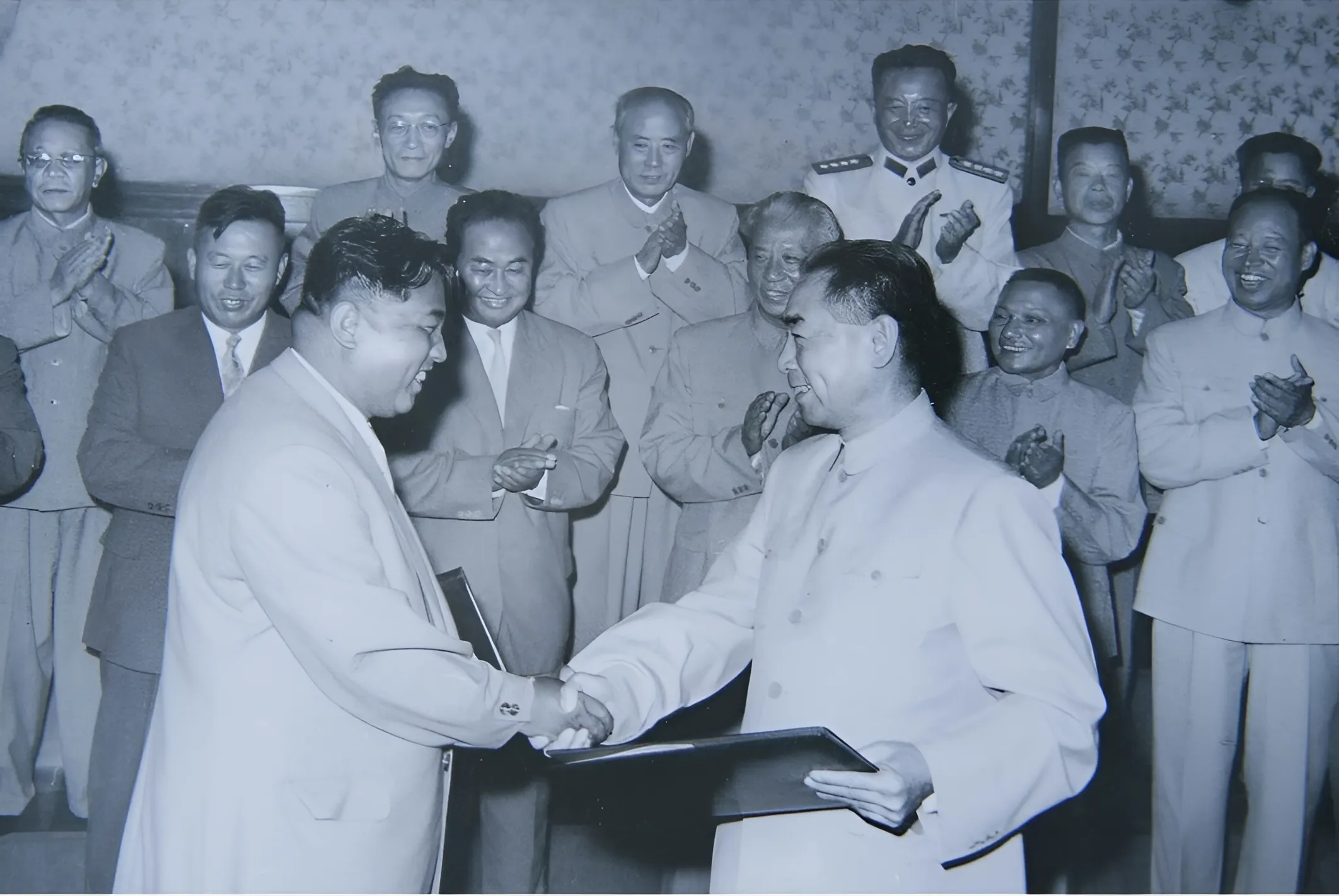 North Korean leader Kim Il Sung and Chinese Premier Zhou Enlai sign the Treaty of Friendship, Cooperation and Mutual Assistance in Beijing on 11 July 1961, establishing the formal foundation of the two countries’ enduring alliance. Photo: Wikimedia
That instinct hardened after Deng Xiaoping opened China's economy and normalised relations with Seoul. Beijing hoped North Korea would follow suit, liberalising while keeping one-party rule, and showcased Shenzhen and Shanghai to visiting delegations for decades – a calculated pitch to demonstrate what economic reform could deliver without compromising state control. Kim's family drew the opposite lesson: reform had transformed China's economy, but also loosened the controls on which the Kim dynasty depends. The same divergence appeared over nuclear weapons. For two decades Beijing argued that denuclearisation and stability could be pursued together, underwriting its role in the Six-Party Talks on the assumption that denuclearisation was negotiable. And it backed UN sanctions on that same premise. Those assumptions no longer look sufficient.
North Korea changed first
Most Western accounts of the current thaw start with Beijing. It makes more sense to start with Kim. Rachel Minyoung Lee, a North Korea expert at the Stimson Center, makes the useful point that outside observers often assume every North Korean move is aimed at Washington. Increasingly, that is the wrong lens: Kim has been running a strategy of his own.
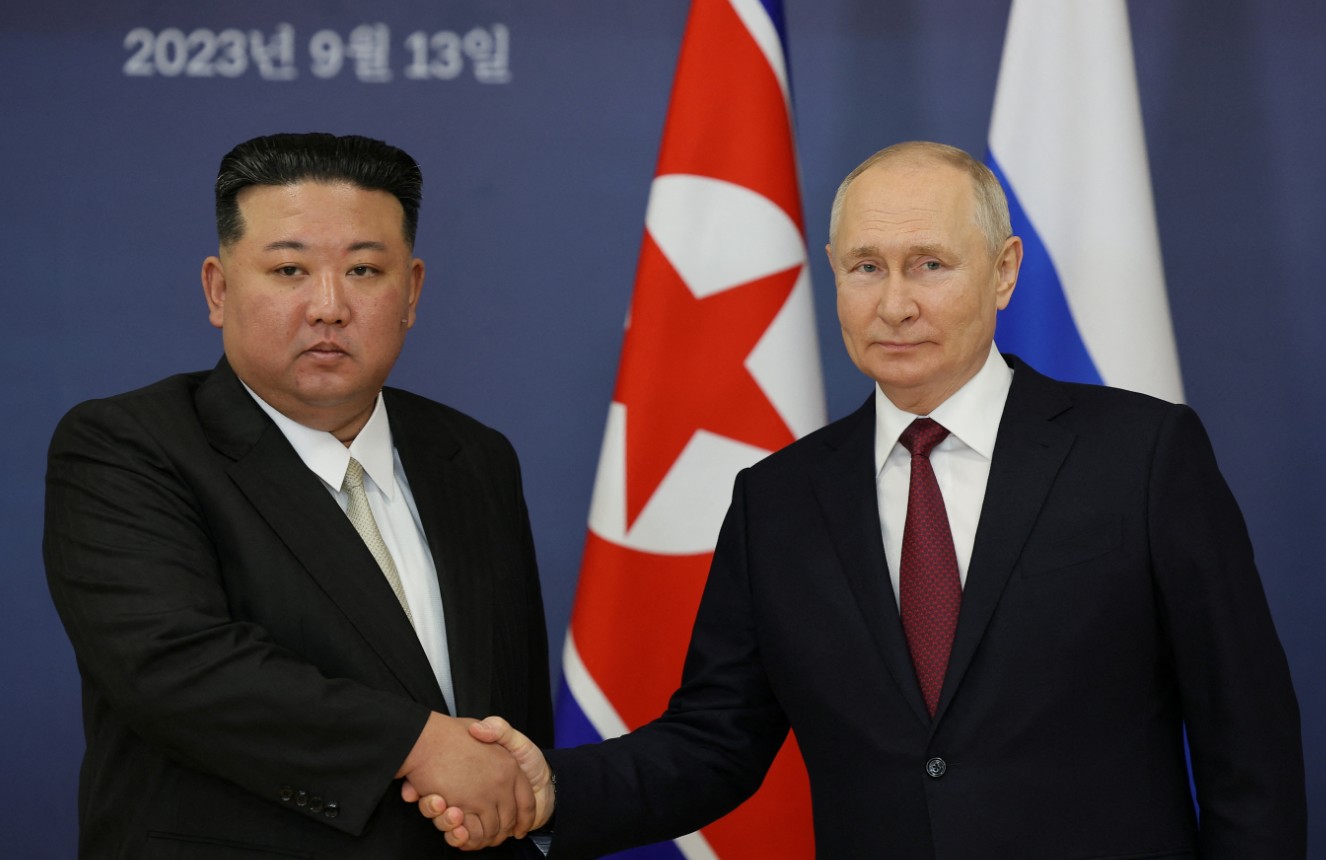
Since around 2023, Pyongyang has abandoned the assumption that reunification is realistic and that nuclear weapons are a bargaining chip. Russia, driven by its need for munitions in Ukraine, has re-emerged as a great-power patron willing to accept the nuclear arsenal – something Beijing refuses. Russia cannot replace China as North Korea's economic lifeline, but it has ended Beijing's exclusivity. Kim now has room to manoeuvre.
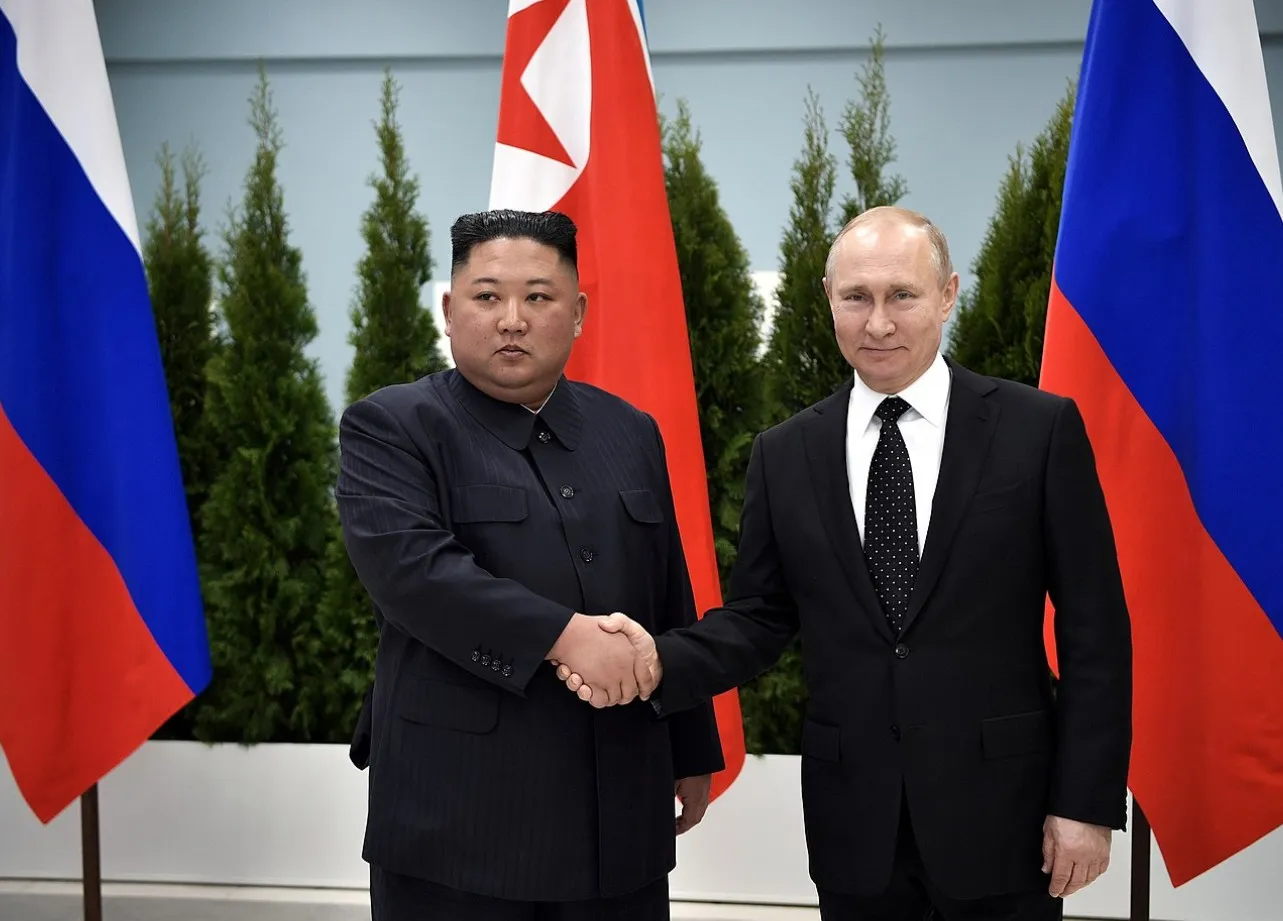 Kim Jong Un’s expanding partnership with Russia has given North Korea another powerful patron, reducing China’s traditional leverage over Pyongyang. Photo: Kremlin.ru/CC BY 4.0
Which brings us back to Xi
From Beijing's side, the regional picture has shifted too: competition with America has intensified, security cooperation between Washington, Tokyo and Seoul has deepened, Russia has returned as an actor on the peninsula, and Taiwan remains a live source of tension. Xi has strong reasons to keep North Korea tied to China rather than drifting towards Moscow.
China's foreign minister Wang Yi visited Pyongyang in April, his first trip there since 2019. Xi followed in June. Pak Thae Song then brought a delegation to Beijing, where Xi urged both sides to maintain 'strategic resolve' and accelerate the agreements reached with Kim. Wang Huning, the party's fourth-ranked leader and its most senior ideological figure, visited Pyongyang in July. The rhetoric has shifted with the schedule: Xi and Kim are now introduced first as general secretaries of their parties rather than heads of state, and senior leader Cai Qi told the treaty reception that the two men had guided relations into 'a new historical period'.
Beijing has not recognised North Korea as a legitimate nuclear power and still says, when pressed privately, that it wants denuclearisation. But it has no realistic way of reversing what is now a fait accompli. Recent summit statements give the issue far less prominence than strategic coordination and sovereignty. Some South Korean diplomats argue privately that China would not simply let denuclearisation go, since a permanently nuclear North Korea strengthens the case for a stronger Japanese military, feeds South Korea's own nuclear debate, and undermines a non-proliferation system in which Beijing has a stake.
They are not wrong. But foreign policy rarely offers ideal choices, and for Xi, preserving influence over Kim and limiting Russia's hold on him now looks more urgent than reviving talks with little chance of success. Beijing has not abandoned denuclearisation as a goal; it has postponed it, and that has consequences well beyond the peninsula. Japan and South Korea will invest further in missile defence and trilateral coordination with Washington, and the debate over an independent South Korean deterrent will be harder to suppress. By drawing closer to a nuclear North Korea to shore up its own position, China risks accelerating precisely the regional militarisation it says it opposes.
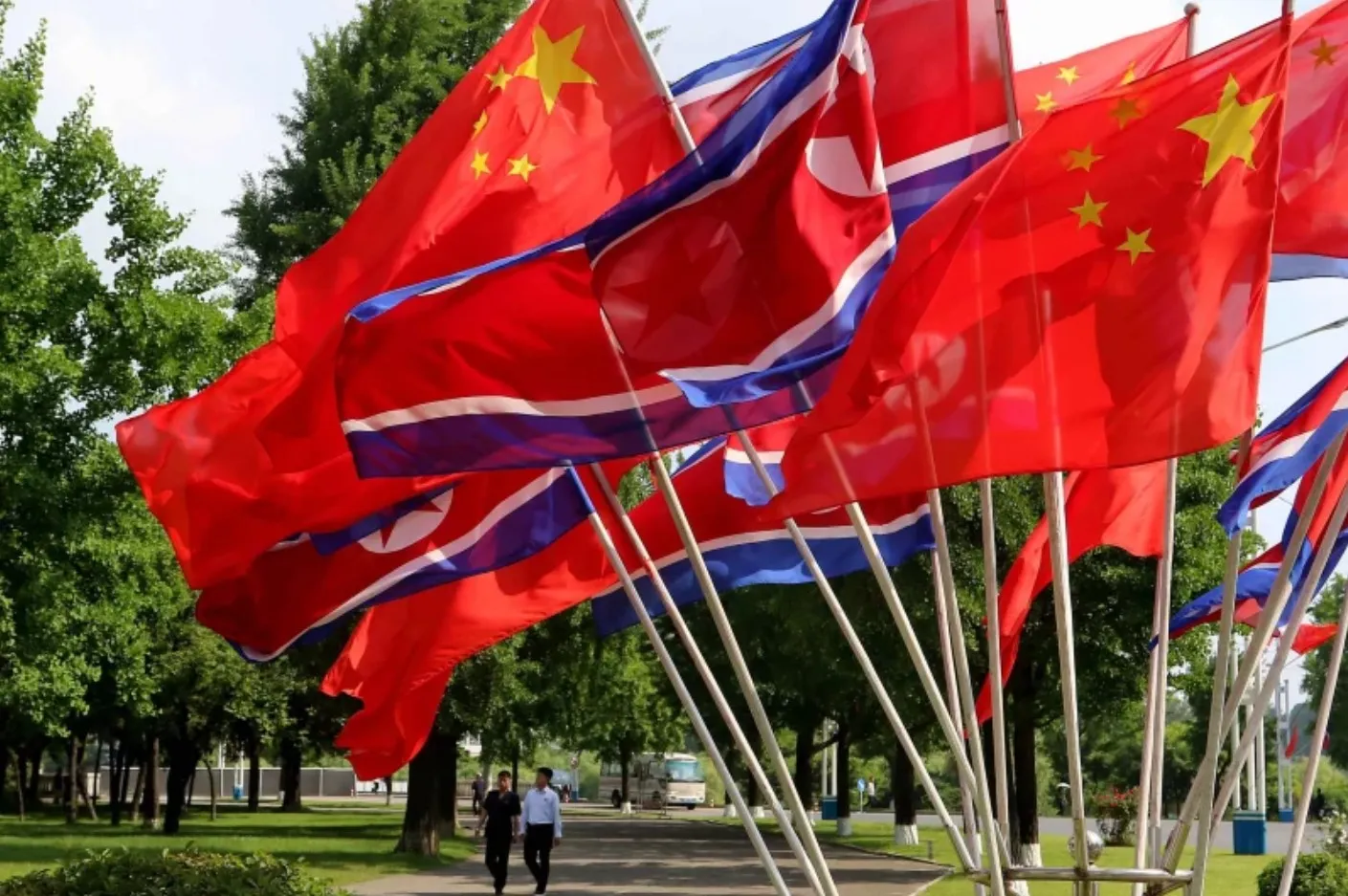 Chinese and North Korean flags in Pyongyang during renewed diplomatic engagement, reflecting the public warmth of a relationship Beijing is now seeking to strategically recalibrate. Photo: Jon Chol Jin/AP
Xi is not simply restoring an old alliance. He is redefining it for a world in which North Korea is more nuclear, Russia is more relevant, and China's old assumptions about both no longer hold. The warmth on display this summer is genuine. It is also a sign that Beijing has concluded the relationship can no longer be left to drift.