Japan stands at a historic crossroads. Deep within the stone walls of the Imperial Palace, an existential crisis is unfolding that pits 1,500 years of tradition against the demographic realities of the 21st century. At the heart of this controversial debate is an increasingly urgent question: should women be allowed to ascend the Chrysanthemum Throne? From Tokyo, Yoshiteru Uramoto reports.
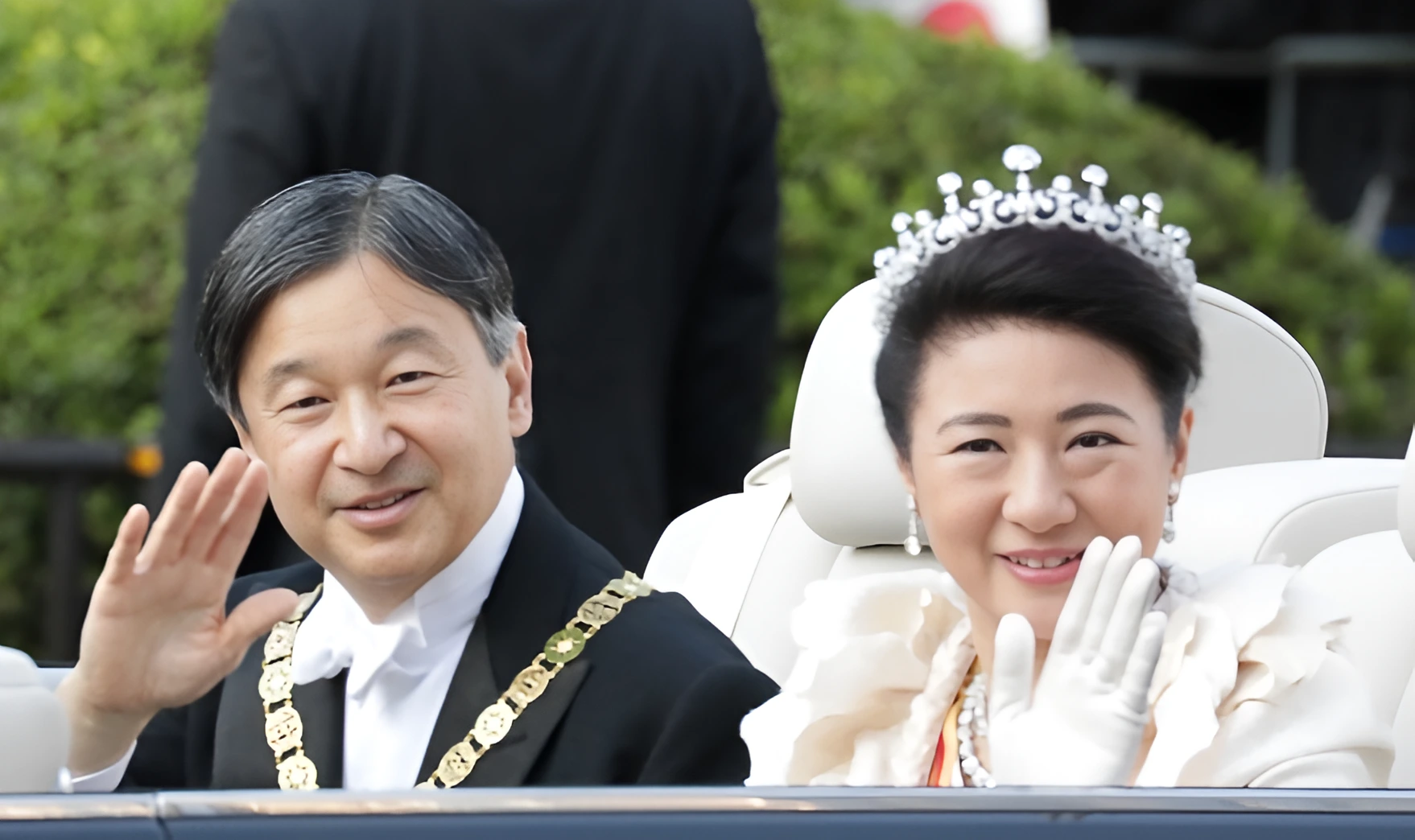
Emperor Naruhito and Empress Masako, whose family stands at the centre of Japan’s debate over the future of the Imperial succession. Photo: 首相官 邸ホームページ/CC BY 4.0
For centuries, Japan’s imperial line has been presented as a symbol of continuity, stability and national identity. But today, the future of the world’s oldest continuous monarchy is being shaped less by ceremony than by demography. Under a post-war law that allows only male-line succession, the Imperial Family is shrinking to the point where officials fear the dynasty may eventually run out of heirs. The government has now moved to ease the pressure – but without abandoning the core principle that only men may inherit the throne.
While the world’s oldest continuous monarchy is steeped in Shinto rituals and ancient lineage, its future is currently dictated by the rigid 1947 Imperial House Law. Enacted during the post-World War II allied occupation, it stipulates that only descendants of the male line can inherit the throne. Today, that law has created a succession bottleneck so narrow it threatens to end the dynasty entirely.
The schoolgirl’s question
The growing disconnect between the law and modern society was captured in a poignant exchange reported by the Mainichi evening paper. During a public forum, an elementary school girl posed a naive but devastating question: ‘Why is only a male the symbol of Japan?’ The response from the nation’s leading intellectuals was telling. Professor Hidetsugu Yagi of Reitaku University and Professor Kisara Kimura of Tokyo Metropolitan University – both experts on the constitution – struggled to answer. While acknowledging the ‘gross inconsistencies’ and ‘irrationality’ of the current system, they could only refer to a fear of losing ‘unique traditional values’. Their failure to provide a clear answer to a child reflects a government paralysed by its own reverence for a male-only past.
Compromise, but not a change
Under the administration of Prime Minister Takaichi, the government is moving to address the royal ‘manpower’ crisis without touching the controversial core of male-only succession. The proposal submitted to the Diet offers two primary palliatives. First, it suggests that female members should be allowed to stay within the Imperial Family after marriage. Currently, princesses are stripped of their titles if they marry commoners, a rule that has rapidly depleted the family’s ranks. Second, it suggests reinstating male members from former princely branches – stripped of their status in 1947 – through adoption.
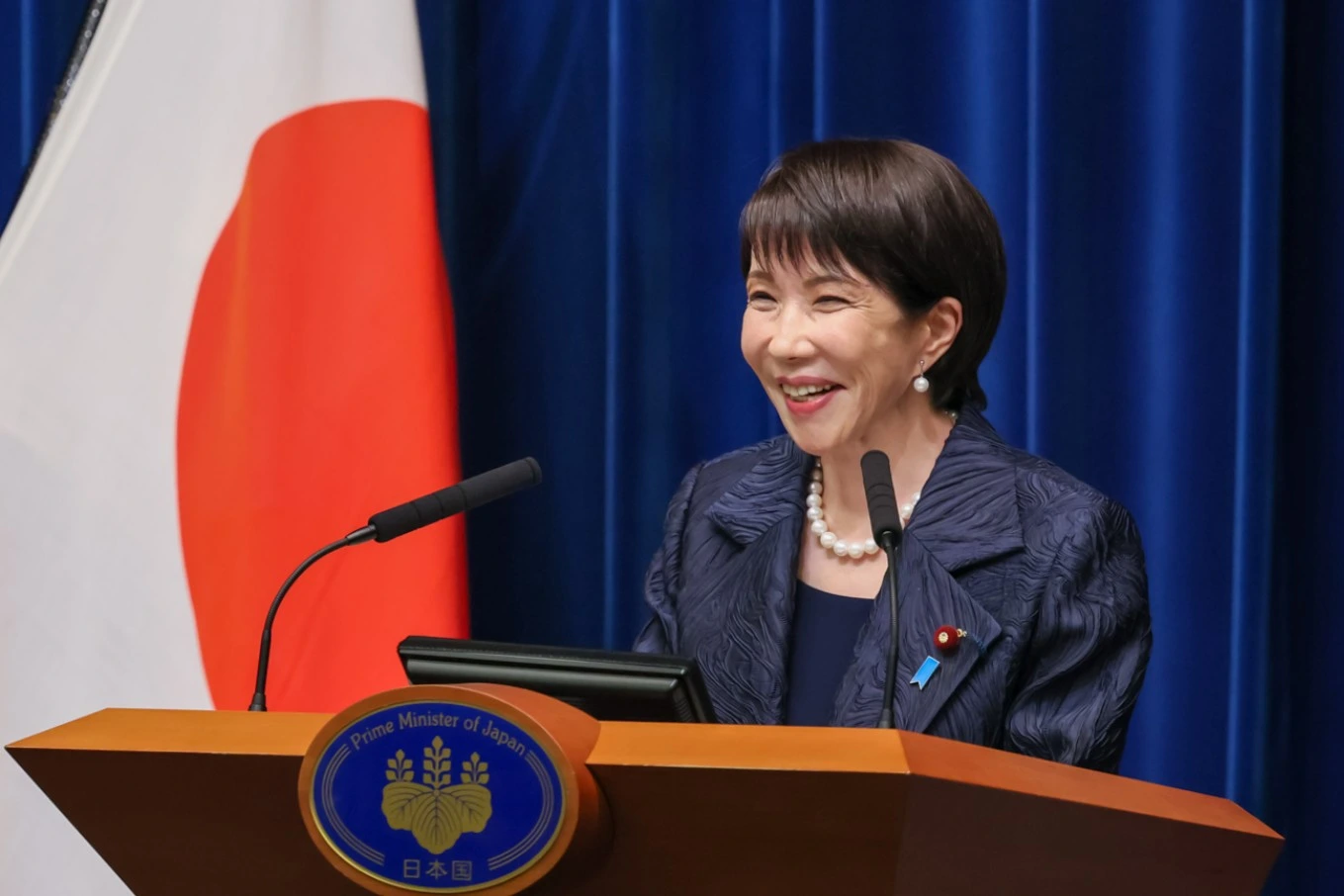 Japanese Prime Minister Takaichi is overseeing reforms aimed at preserving the Imperial Family’s male line amid a succession crisis. Photo: Prime Minister's Office of Japan
Crucially, an imperial official recently commented that these adopted males could eventually serve as emperors. This strategy aims to protect the ‘male-line’ at all costs. However, critics like Takenori Noda of the Mainichi Shimbun argue that this is a desperate measure to secure the lineage while ignoring the obvious solution: allowing the emperor’s daughter to lead. The chief Cabinet Secretary, responding to concerns about the ‘adoption plan’, made clear that this revision does not exclude or restrain discussion of future women female emperors and palace families.
A history of exceptions
Traditionalists argue that male-only succession is an ‘unbroken’ cultural pillar. Yet, history tells a more nuanced story. Japan has seen eight reigning empresses, such as Empress Suiko in the 6th/7th centuries and Empress Go-Sakuramachi in the 18th century. While conservatives dismiss these as ‘regents’ or ‘stop-gaps’, their existence proves that the throne has, in times of crisis, relied on women to maintain the state’s symbolic centre.
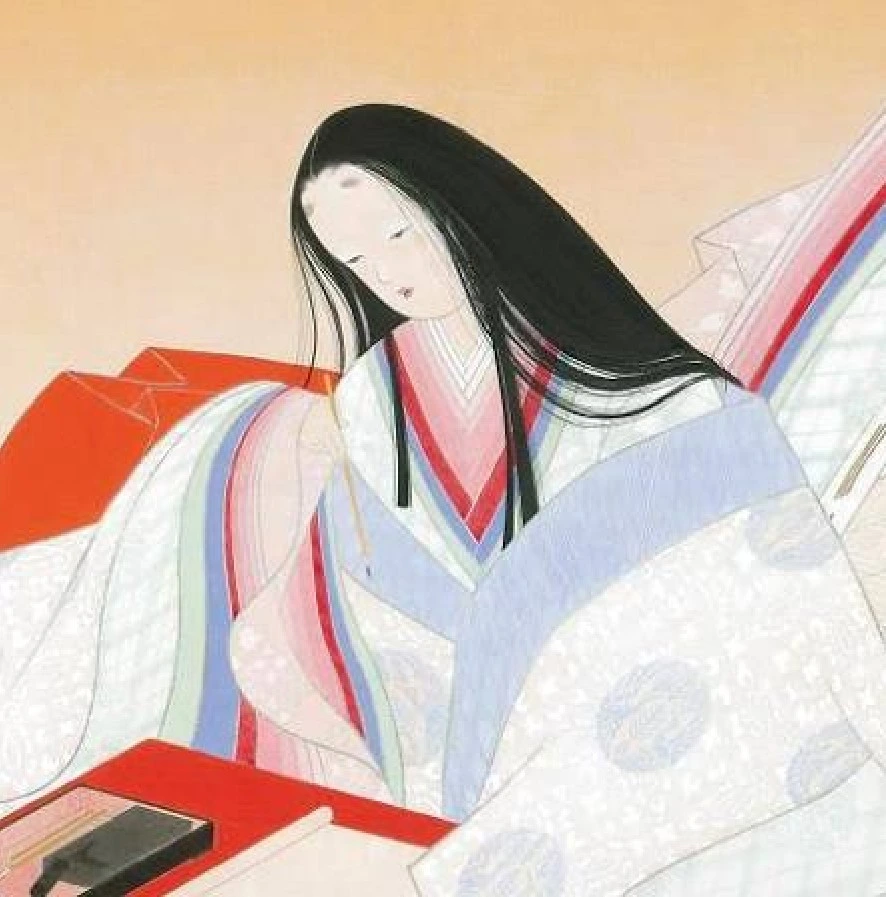 A modern portrait of Empress Go-Sakuramachi, Japan’s last reigning empress, who ruled from 1762 to 1770.
Today’s crisis is purely mathematical. The family currently has only three heirs: the Emperor’s brother, Crown Prince Akishino; his elderly uncle, Prince Hitachi; and his nephew, Prince Hisahito, now 19. If Hisahito does not have a son, the line ends. This pressure on a single teenager has led many, including the respected historian Masayasu Hosaka, to argue that the current model violates the spirit of Japan’s modern constitution, which prizes human rights and gender equality.
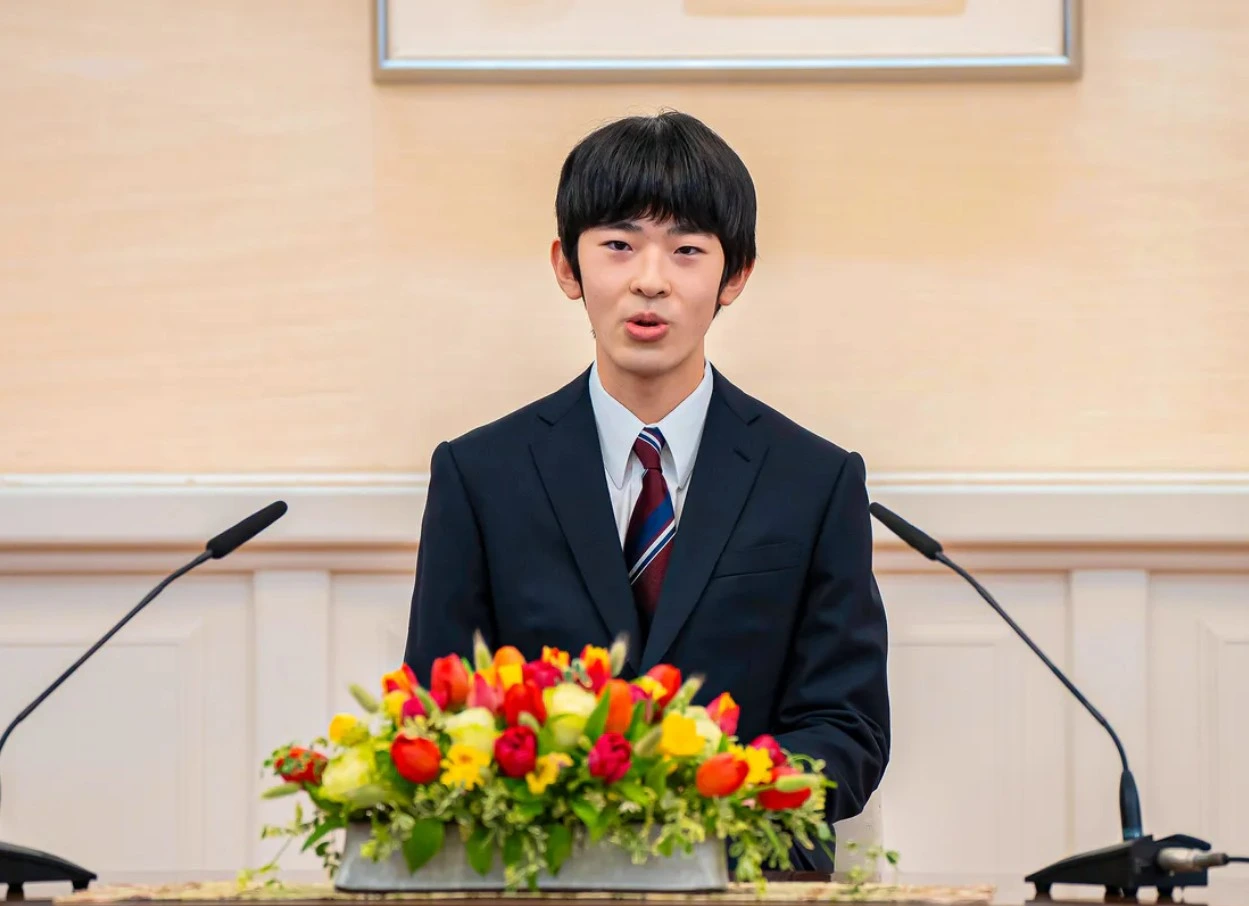 Prince Hisahito is currently the Imperial Family’s only young male heir. Photo: Imperial Household Agency of Japan/AP
The ‘Aiko’ factor
While the government remains cautious, the Japanese public is not. An Asahi Shimbun survey conducted in May showed that 72% of respondents support a reigning empress. The focus of this popular support is Princess Aiko, the 24-year-old only child of the incumbent, Emperor Naruhito.
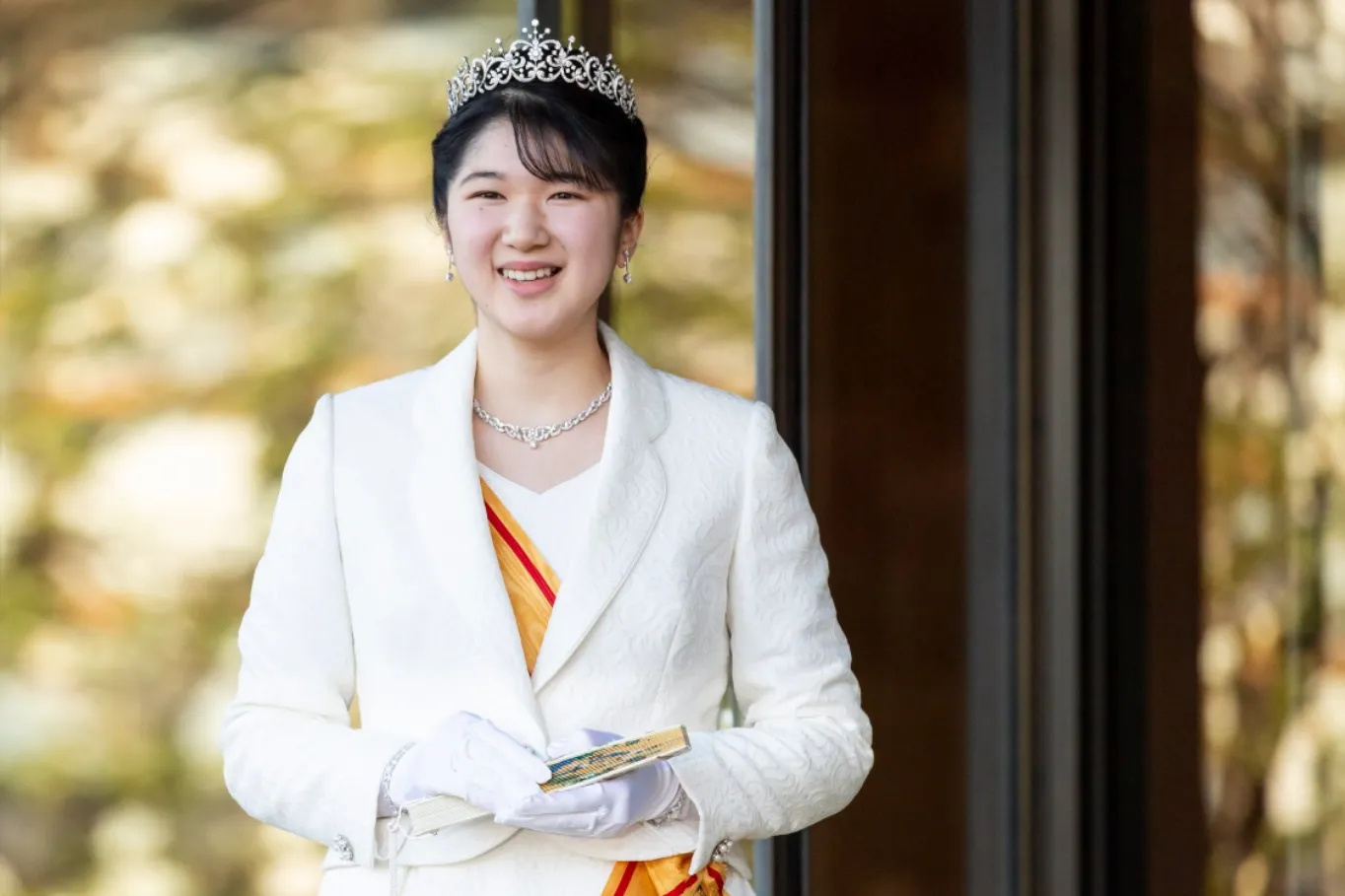 Princess Aiko has become a focus of growing public support for a reigning empress. Photo: Yuichi Yamazaki/Getty Images
Aiko is immensely popular, and tabloid newspapers are filled with stories reflecting a ‘rising expectation’ for her to fulfill a symbolic role. Liberal parties, including the Japanese Communist Party, have amplified these calls, pushing for a revision that would align the monarchy with modern Japanese values. They argue that a monarchy that excludes women is increasingly seen as a relic rather than a unifying symbol.
The International Context
Japan stands as an outlier among modern constitutional monarchies. Others like the United Kingdom, Sweden and the Netherlands have all moved to ‘absolute primogeniture’, where the eldest child succeeds regardless of gender. In 2015, the UK officially ended centuries of male preference, a move that was seen as vital for the monarchy’s survival in a democratic age.
In Japan, the debate is more than legal; it is a battle for national identity. The Shinto religion, closely tied to the throne, emphasises a specific type of purity and continuity. For traditionalists, allowing a ‘female-line’ emperor (the child of a princess and a commoner) would be an irreversible break with the past.
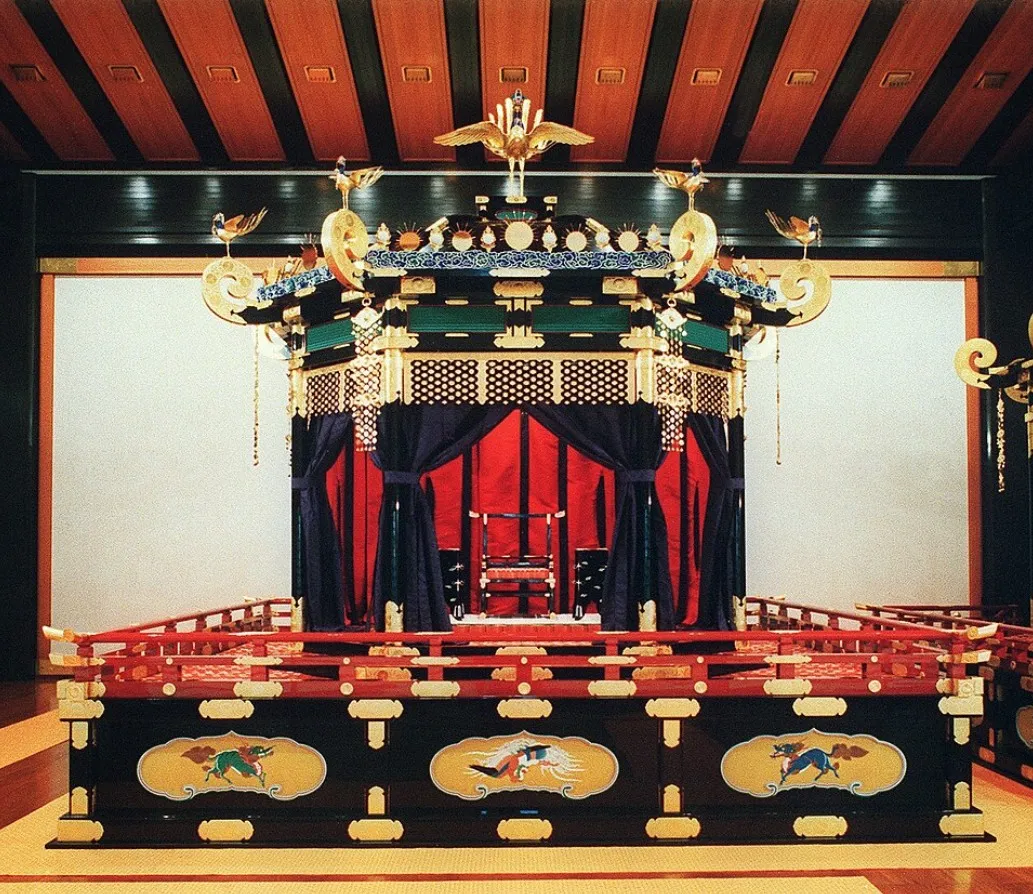 The Takamikura, Japan’s Imperial Throne, at the centre of the country’s debate over the future of succession. Photo: Prime Minister's official residence (首相官邸)/CC BY 4.0
Japan has taken a major step to reshape the future of the Imperial Family. On 17 July the Diet passed the bill to revise the Imperial Household Law changing both marriage and adoption. It is the first revision to the main body of the law in more than 75 years. The Takaichi Government has bought itself a few decades of time through adoption and status retention. However, they risk losing the ‘healthy symbolic status’ of the emperor as a figure who balances the nation toward a peaceful future.
The revision of the Imperial Household Law is a mirror reflecting Japan’s broader struggle with modernisation: whether the Chrysanthemum Throne can adapt to the 21st century or remain a prisoner of the rigid 1947 Imperial Household Law. The clock is ticking on a dynasty that has survived eras of war and revolution, but now faces its greatest challenge: the simple reality of equality.