As rising fuel and food prices test Indian households, Sam Tully asks whether digital infrastructure and AI can power India’s next economic leap.

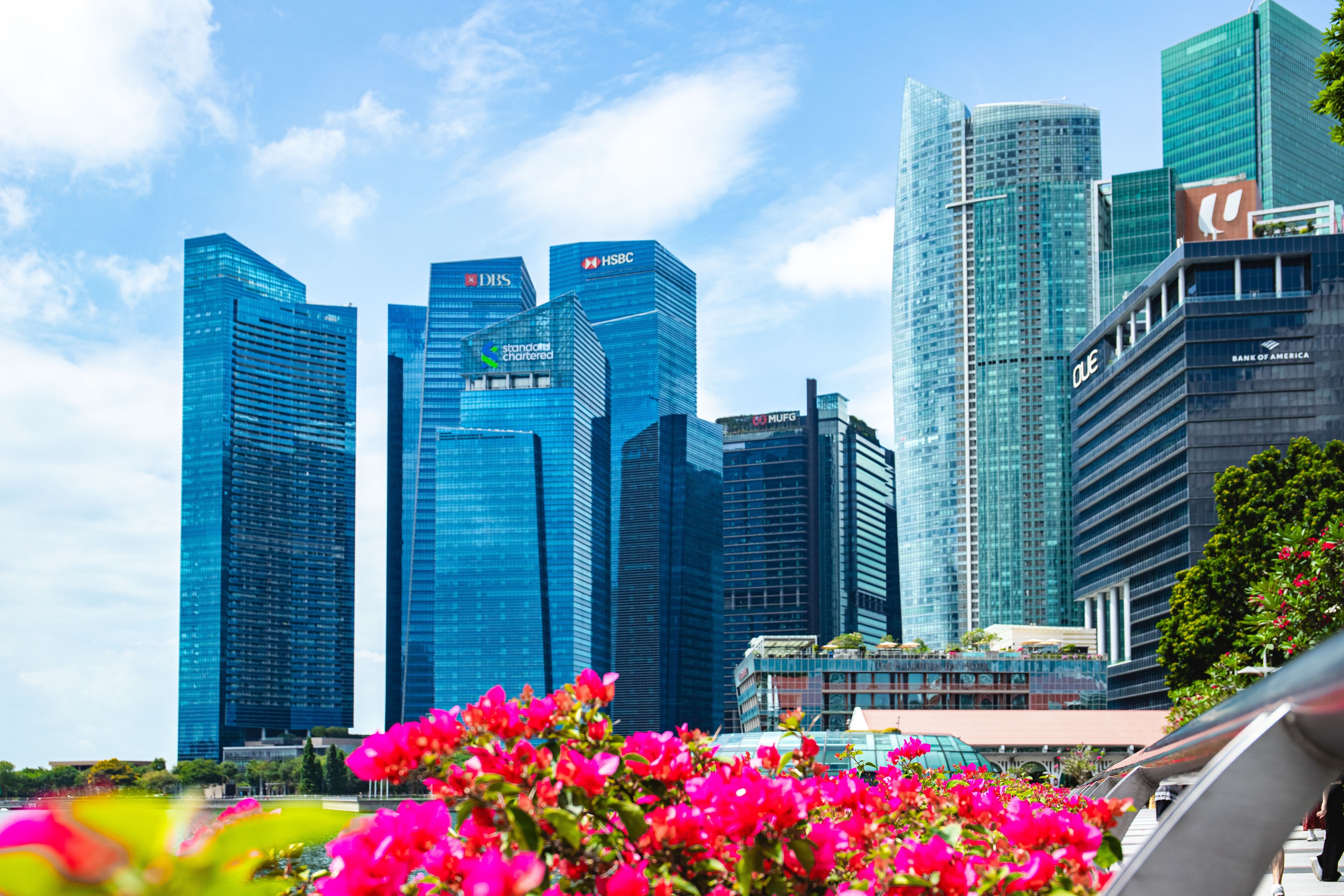
Mumbai's financial district symbolises India's economic transformation, even as households continue to face pressure from rising living costs.
‘Petrol has gone up, cooking gas has gone up, and all of this means other prices are also going up, including vegetables, dal and rice.’ Vinod Kumar is a driver in New Delhi and is definitely feeling the effects of India’s continued reliance on energy imports and the consequent impact of the Iran conflict. He has invested heavily in his 15-year-old son’s education to improve his prospects, including adding a room to his one-room flat to give his son a better place to study for upcoming Class 10 exams.
At the moment Vinod is worried about whether that investment will pay off and provide a better quality of life for his family. This is a somewhat different perspective from the big-picture success story of India’s economic transformation over the past three decades and the government’s vision for it to achieve developed-country status by 2047, 100 years after its independence.
There have undoubtedly been huge strides since India started to deregulate its economy in the early 1990s following a severe currency crisis. The population has grown, though a significant fall in the birth rate is now causing concern. The infrastructure from roads to rail and telecommunications has been transformed. Vinod’s own home, in South East Delhi, is connected to his work in an upscale part of South Delhi by the pink metro line, something few could have seen coming even 30 years ago. Even so, he still prefers to ride his own scooter because of poor last-mile connectivity. This is why he feels the petrol price pinch in his pocket.
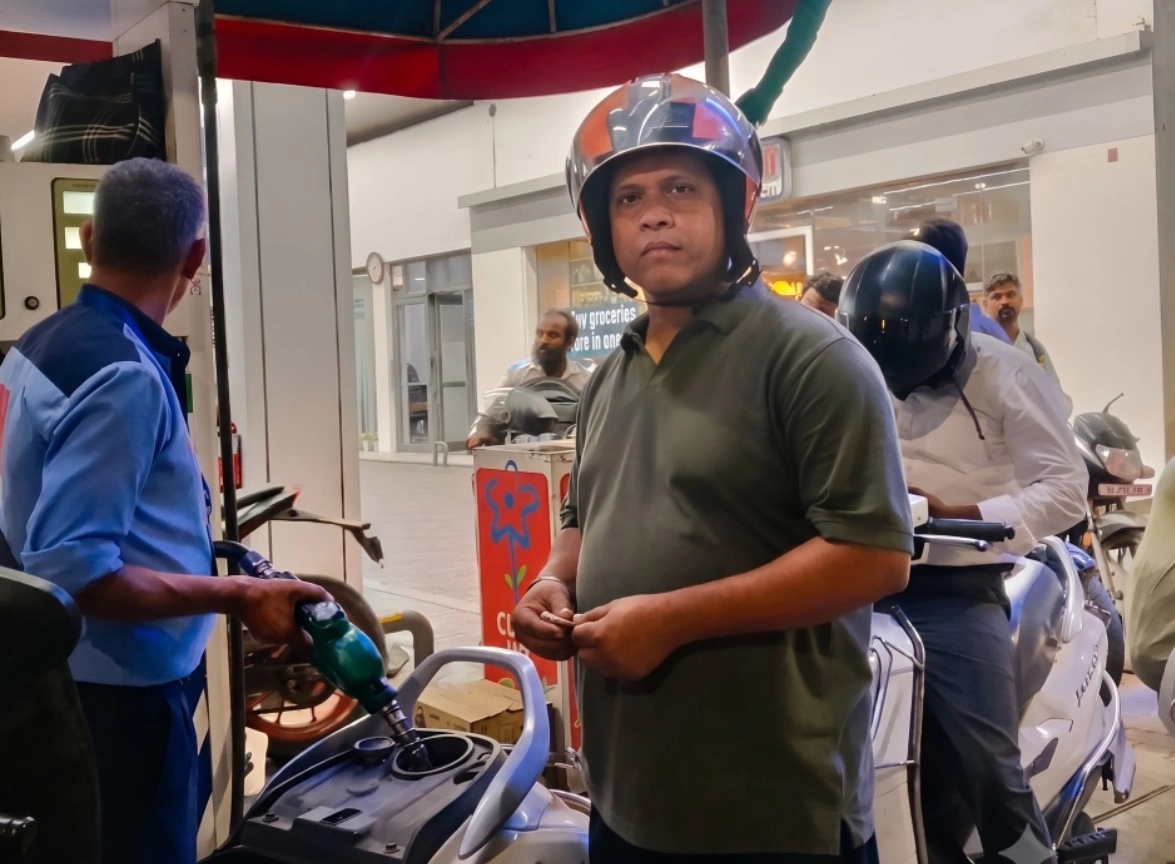 Vinod Kumar, a driver in New Delhi, says rising fuel and food prices are making it harder for working families to get ahead.
This transformation, and the growth in domestic consumption, has attracted substantial international investment into India’s economy. The Bombay Stock Exchange, which dates back to 1875, was opened up to international funds, which poured money in, making it one of the largest and most lucrative global emerging markets. Its companies, across all major sectors, were finally able to unleash the entrepreneurial energy that is such a key part of India’s success.
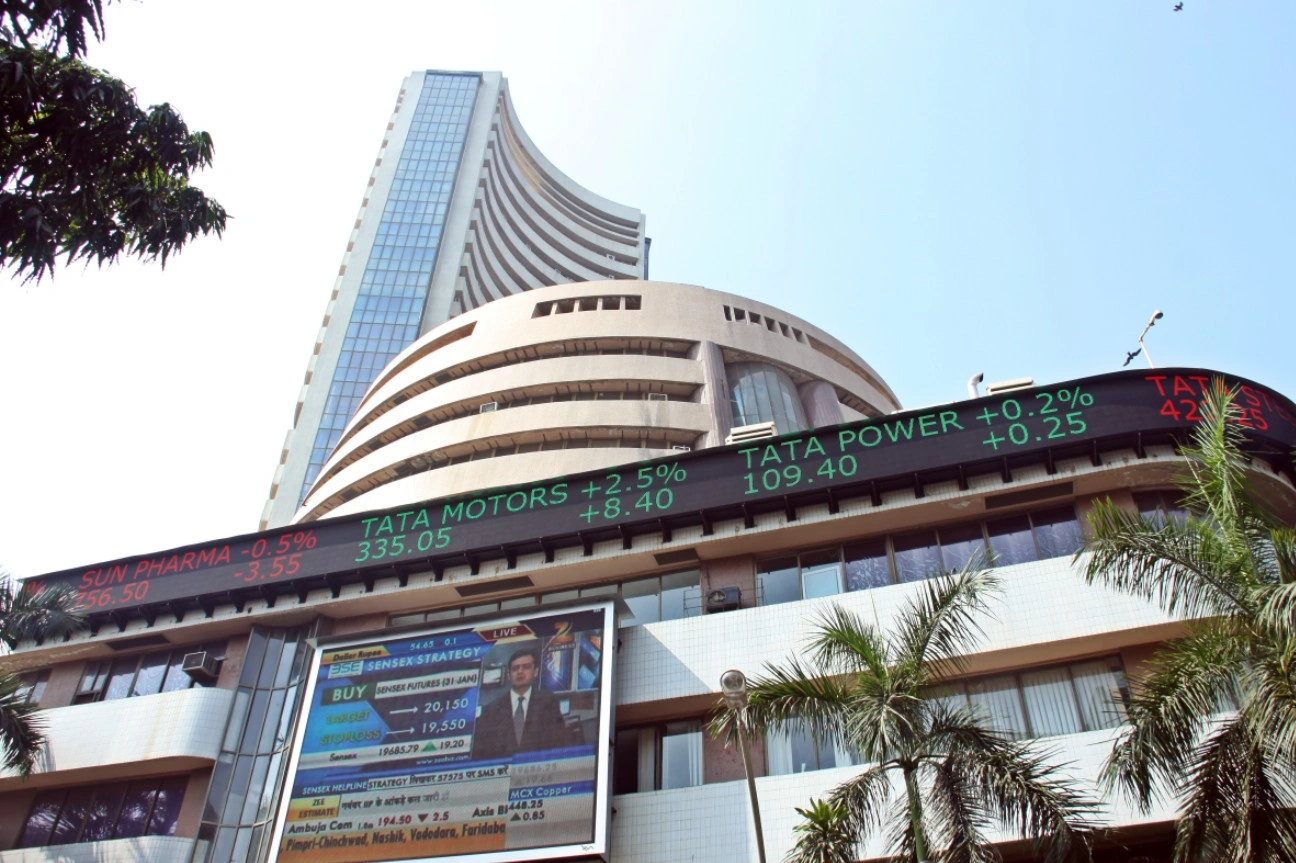 The Bombay Stock Exchange (BSE) building in Mumbai. International investment has played a major role in India's economic transformation since the liberalisation reforms of the 1990s. Photo: BSEINDIA/CC BY-SA 3.0
Over the past 18 months, international funds have been withdrawing money from India’s markets and deploying it elsewhere – in particular into companies that benefit from the explosion in AI. This includes large US technology stocks and semiconductor manufacturers from Taiwan and South Korea. India does not have any large semiconductor manufacturers on the scale of Taiwan or South Korea, though a catch-up effort is currently under way. IT services companies are perceived as possible victims rather than beneficiaries of AI. The coding work they specialise in could increasingly be outsourced to AI so they really need to reinvent their business models. Reinvention and resourcefulness characterise the capability of India and its companies.
Nothing exemplifies India’s resourcefulness more than its ability to adopt and adapt new technologies, to leapfrog some of the many barriers that would otherwise have held it back. For example, returning to the theme of inadequate infrastructure, before the advent of mobile phones India’s dated and congested fixed-line network was not fit for purpose. The rapid roll-out of affordable mobiles and some of the cheapest data in the world meant that by 2025, this country of 1.4 billion people had more than 1.2 billion mobile subscribers, up from 75 million in 2005. These users are also among the world’s most prolific users of data.
Taking advantage of this digital transformation, India has also pioneered a national biometric digital identity system known as Aadhaar. This roll-out has followed a similar timeline, from being conceptualised by the central government as a tool for identifying families below the poverty line in 2006, to the setting up of the Unique Identification Authority of India (UIDAI) in 2009, and then its rapid adoption over the subsequent decade. By 2023, approximately 99% of India’s adult population had been enrolled in Aadhaar.
Via another home-grown innovation, Aadhaar also helped underpin India’s digital public infrastructure. This was originally designed to promote financial inclusion and has succeeded well beyond those original aims. While Aadhaar facilitated tens of millions of previously unbanked individuals to open bank accounts, the Unified Payment Interface (UPI) allowed them to send and receive money with ease, to the extent that it is a model now being studied by other countries.
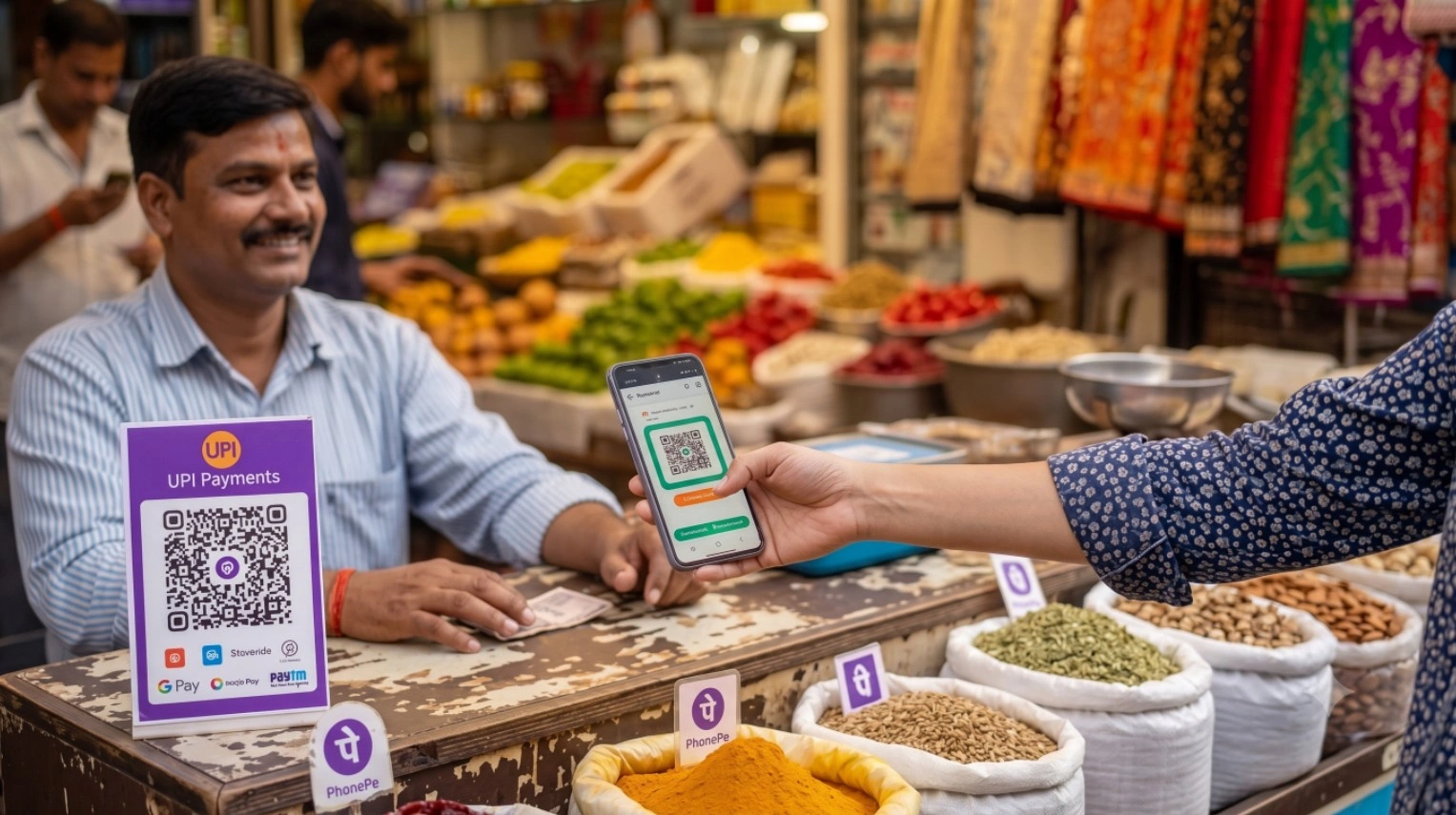 Unified Payments Interface (UPI) has transformed everyday commerce, making digital payments commonplace across India. Image AI Generated
In another example of leapfrogging, this also enabled India to bypass the use of physical debit and credit cards as most of the population, from taxi drivers to tycoons, use their phones instead. In the same way, internet adoption in India has largely taken place on phones, not laptops or PCs.
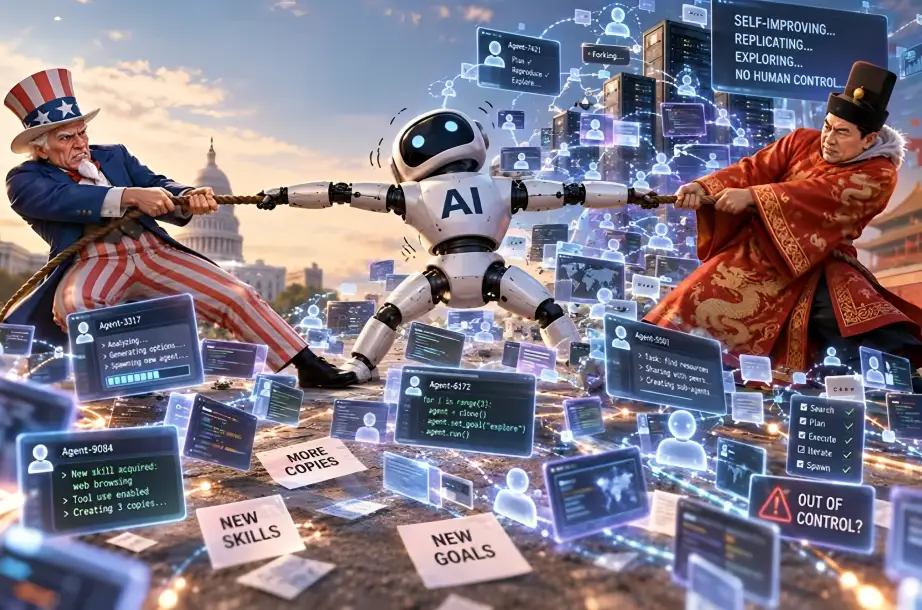
It remains to be seen whether India will be able to turn its weaknesses to its advantage again, this time with AI. It is unlikely, given a paucity of both financial and physical resources, that India will be able to expand data centres or set up ‘chip’ foundries on anything like the scale of other large economies. It is, however, already producing new ways in which AI adoption, via its powerful digital public infrastructure, can be used to empower the broader population.
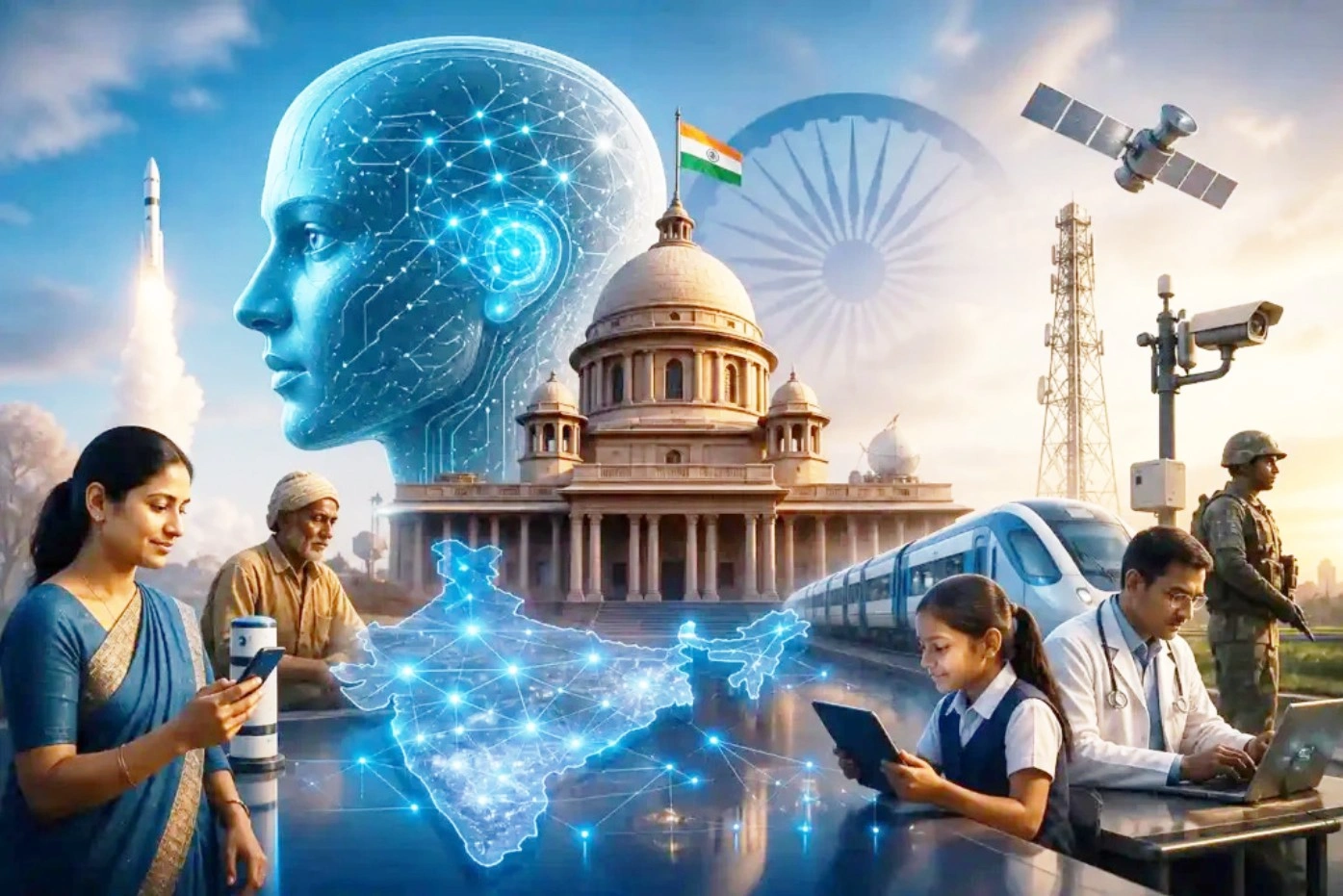 India is looking to artificial intelligence to build on the success of its digital public infrastructure. Image AI-Generated
Examples include automatic translation into multiple regional languages. As early as 2021, for example, in cooperation with its eastern neighbour, Bangladesh, India made available free software which uses AI to translate court records and judgments from English to the regional language Bengali. Other areas of adoption could include education, skilling and healthcare.
Returning to Vinod, he would certainly like to see AI helping to keep down the prices of daily staples. Equally, in order to generate additional income, he is considering taking on extra work as a delivery driver on his scooter via one of the many apps which are now available on his phone. He would be paid digitally, of course.