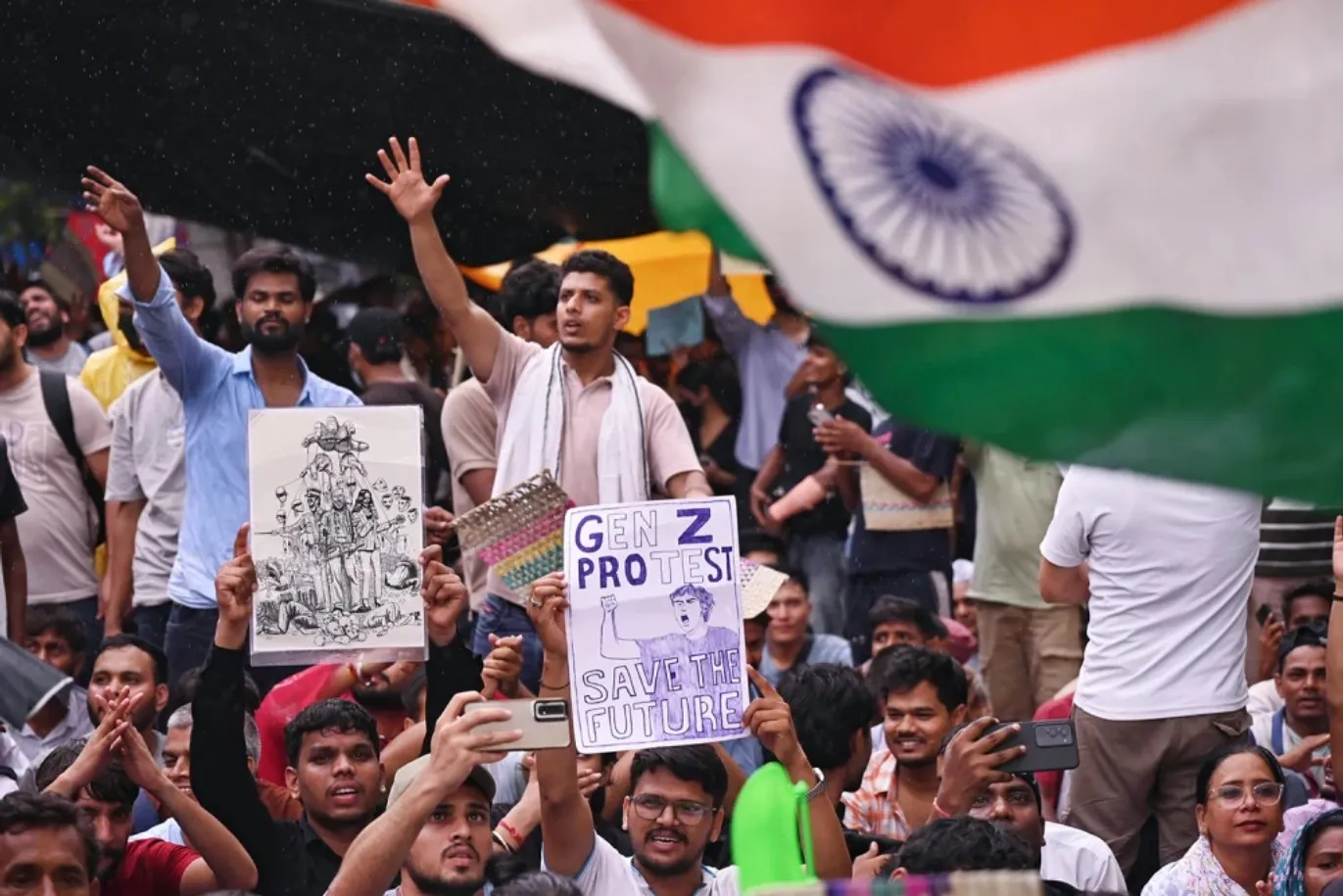
Voters in Bangladesh have delivered a landslide victory to BNP leader Tarique Rahman, who has been sworn in as the new prime minister. The vote came 18 months after a Gen Z-led revolution sent the autocratic leader Sheikh Hasina into exile.
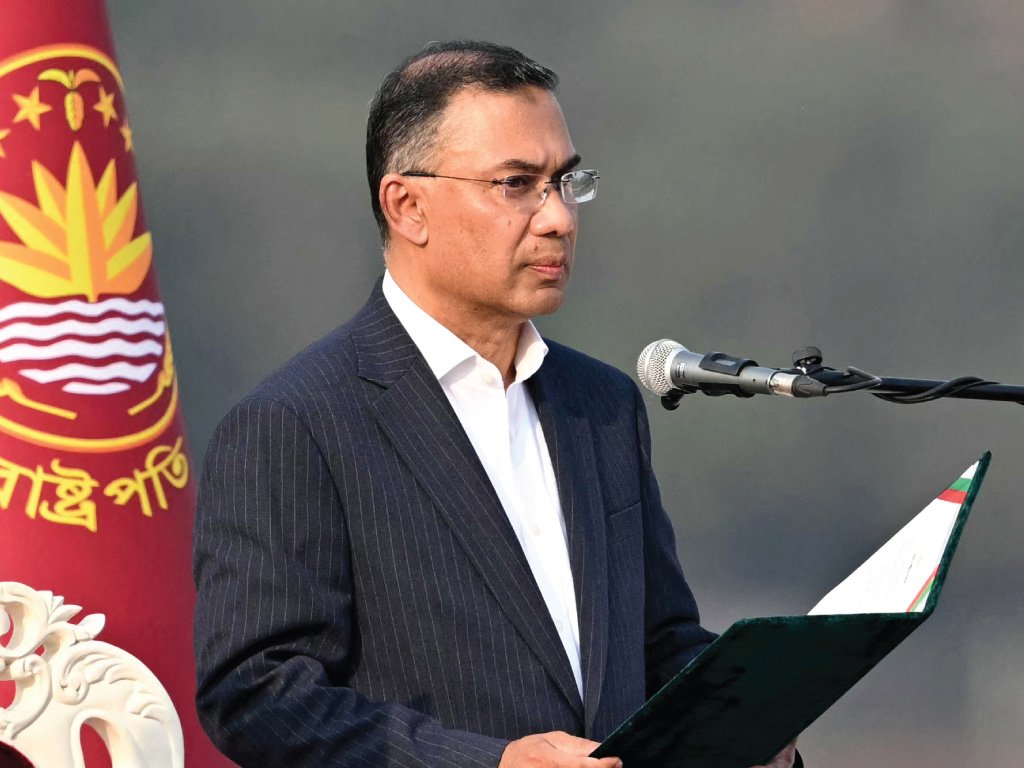
Voters in Bangladesh have delivered a landslide victory to BNP leader Tarique Rahman, who has been sworn in as the new prime minister. The vote came 18 months after a Gen Z-led revolution sent the autocratic leader Sheikh Hasina into exile. Hopes of significant reform inspired by the 2024 uprising have faded amid the rise of Islamist sentiment in the Muslim majority country. Cyrus Naji reports from Dhaka.
Month of official campaigning culminated in the 12 February election, which has given Tarique Rahman’s Bangladesh Nationalist Party an overwhelming majority with 212 seats in the 299-seat parliament. Turnout was also striking with 59% of the country’s 126 million voters casting their ballots, helping make it a credible election after three non-competitive polls under former prime minister Sheikh Hasina. The last general election, in January 2024, saw low turnout figures under the weight of a dissatisfied young population and allegations of vote rigging. Sheikh Hasina’s party, the Awami League, was barred from contesting this poll.
A national holiday contributed to a festive atmosphere. Workers travelled on the roofs of buses and trains from the capital to their outlying home districts to vote. Families boarded launches and walked miles through Bangladeshi rural, riverine hinterland to reach polling stations. The following day young women wore their best saris and stuck flowers in their hair to celebrate the Bengali Pohela Falgun spring festival. One media outlet dubbed it

Bangladeshis across the country turned out in large numbers to vote, with 59 percent participation in the first competitive election in over a decade. Photo: AFP
‘Election ul Fitr’, referring to the annual Eid holiday. The prevailing feeling was that the country was restoring democratic rule after a prolonged hiatus.
Uncertainty over an election’s outcome was a new thing for Bangladeshis. Many expressed their relief at the BNP’s comfortable victory despite the dramatic resurgence of the right-wing Islamist Jamaat-e-Islami. With no comprehensive,

Passengers arrive at Kamalapur Railway Station as people begin returning to the capital following the 13th National Parliament Election and nationwide referendum. Travel movement increased after the conclusion of voting and the extended public holidays. Photo: AFP
Nationwide opinion polls to rely on, it had seemed possible that Jamaat – which has never had more than 11 seats in the Bangladeshi parliament – might win outright after it formed an alliance with the National Citizen’s Party, or NCP, made up of many of the student revolutionaries of July 2024.
The alliance was controversial with some of the student party’s female members describing it as a “betrayal”, owing to the Jamaat’s ambiguous stance on women’s rights. In recent interviews, the Jamaat’s leader, or Amir, Shafiqur Rahman asserted that women were ineligible for leadership positions, while party leaders have expressed a paternalistic concern for “women’s safety”, including proposals such as reducing women’s working hours with full pay. The party didn’t nominate any female candidates, a move they described as contingent on

Shafiqur Rahman casts his vote in the 13th National Parliament election, in which Jamaat-e-Islami secured its largest-ever parliamentary presence. Photo: AFP
Circumstances: “It’s difficult for women to travel around the country to political gatherings,” said Mardia Momtaz, a civil engineer and prominent member of the Jamaat’s women’s wing. “But eventually it will happen, Inshallah,” she added. “There is no policy to bar women from coming forward.”
In the event, the Jamaat won 68 seats, the largest-ever seat share for an Islamist party in South Asia, while the NCP won 6. Together they will form the opposition to Tarique Rahman’s BNP government, thanks in part to reforms implemented by the interim government designed to dilute the power of the ruling party and prevent a return to Hasina-style autocracy. These give the opposition control over key parliamentary committees and the power to shape the legislative agenda. With a Jamaat and NCP-led Islamist bloc in Parliament, socially progressive policies will likely recede from the BNP’s agenda.
The BNP was founded by Rahman’s father, General Zia ur Rahman, in 1978, as he made the transition from Chief Martial
Law Administrator to civilian president amid a string of coups and countercoups. After the end of direct military rule in 1991, Bangladeshi politics was dominated by fierce rivalry between the BNP, led by General Zia’s widow and Tarique Rahman’s mother, Begum Khaleda Zia, and Hasina’s Awami League, despite no real ideological differences between them. Both are dynastic, centrist parties intimately associated with the Bangladesh liberation war of 1971 but subsequently implicated in decades of corruption and crony-capitalism. Today, the broad, smiling face of Hasina’s father, Bangladesh’s first prime minister, Sheikh Mujibur Rahman, has been replaced on posters and banners up and down

Women celebrate Pohela Falgun following the election, as concerns grow over women’s rights under a strengthened Islamist opposition.
The country with images of the former freedom-fighter General Zia, slim and severe with his military cap and aviator sunglasses.
The interim government had banned any expression of support for the Awami League though it has been claimed that up to 20% of the country still supports the banned party. From exile in New Delhi, Sheikh Hasina demanded the cancellation of what she called “this voterless, illegal and unconstitutional election” as well as the resignation of the country’s interim leader, Nobel peace laureate Muhammad Yunus. The election turnout suggests Awami League supporters will be unable to exert any real pressure on the BNP government.
The BNP’s first priority will be to reform the state, according to its manifesto. Rahman has been careful to avoid criticising Professor Yunus’s interim stewardship of the country but the party’s policies offer an implicit rebuke. By his own account, state reform was Yunus’s main task in government. He reformed labour and cyber-security law and the structure of the judiciary while packaging other proposed reforms into a referendum held alongside the election, which voters could accept or reject.

Bangladesh’s National Parliament, where debates over executive power and democratic reform will define the next phase of governance. Photo: AI Generated
Although the ‘yes’ vote won, the BNP has made clear it will implement only those measures with which it agrees. In coming months Bangladeshi politics will be defined by a struggle between the BNP and the Jamaat-led opposition over the extent of executive authority and the nature of the state. Tarique Rahman has asked the public and the international community to trust his good faith: “Whenever BNP has run the state, it has always practised good governance and also free expression,” he said, at a public event days before the election.
Some have a different view of the BNP’s credentials: a leaked US diplomatic cable described Rahman as “a symbol of kleptocratic government and violent politics”. Rahman represents the old guard of Bangladeshi politics and a decades-old political class that the uprising of 2024 sought to reject. Those close to him insist that he has changed. During 17 years in exile, he gave no live interviews or press conferences.
When I interviewed him days before the election, he was unwilling to be drawn. The rehabilitation of the Awami League depended “on the people”, the appointment of the President depended on “my senior leaders” and he denied communal strife: “As far as my knowledge goes, I don’t think in Bangladesh we ever had communal issues,” referring to relations between the Muslim majority and Hindu minority. He continued: “Whoever has any issues, the existing law will deal with the matter – everybody has the right to the law.” The meaning of those words will become clear over the coming months and years, but the political history of Bangladesh does not inspire confidence in that assertion.