Politics
The hidden cost of Himalayan hydropower
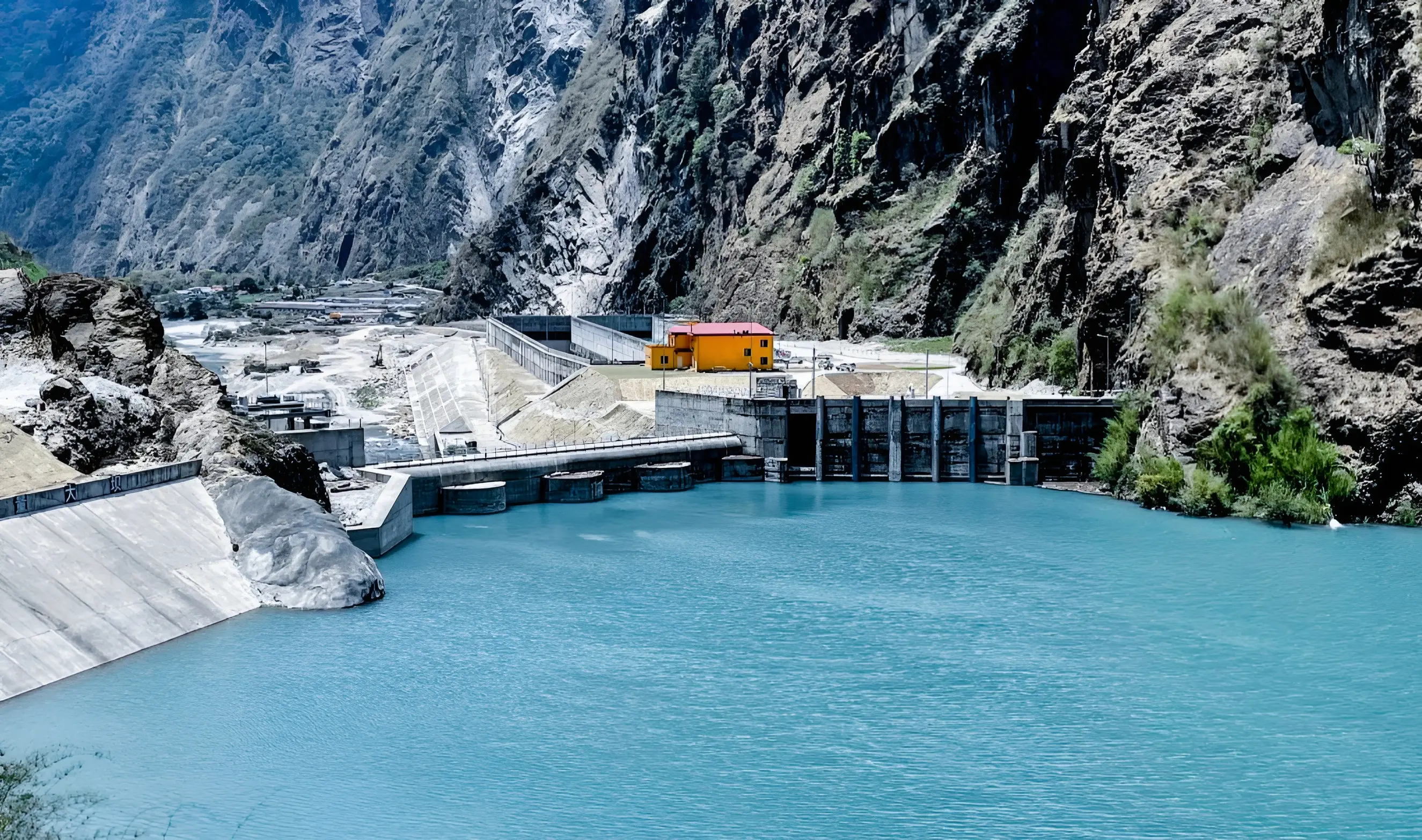
On 26 August, a glacier and the bedrock beneath it collapsed high in Nepal's Rasuwa district, home to the Langtang valley. The resulting mass of ice, rock and debris swept through the valleys below, destroying settlements, roads, bridges and hydropower infrastructure. More than 8,000 people in Nepal and Tibet are reported dead or missing. At least 13 hydropower projects were affected with rescue teams still searching for workers believed to be trapped inside project tunnels. Udisha Saklani reports.
Trump-Xi summit: The 'reasonable' men's truce
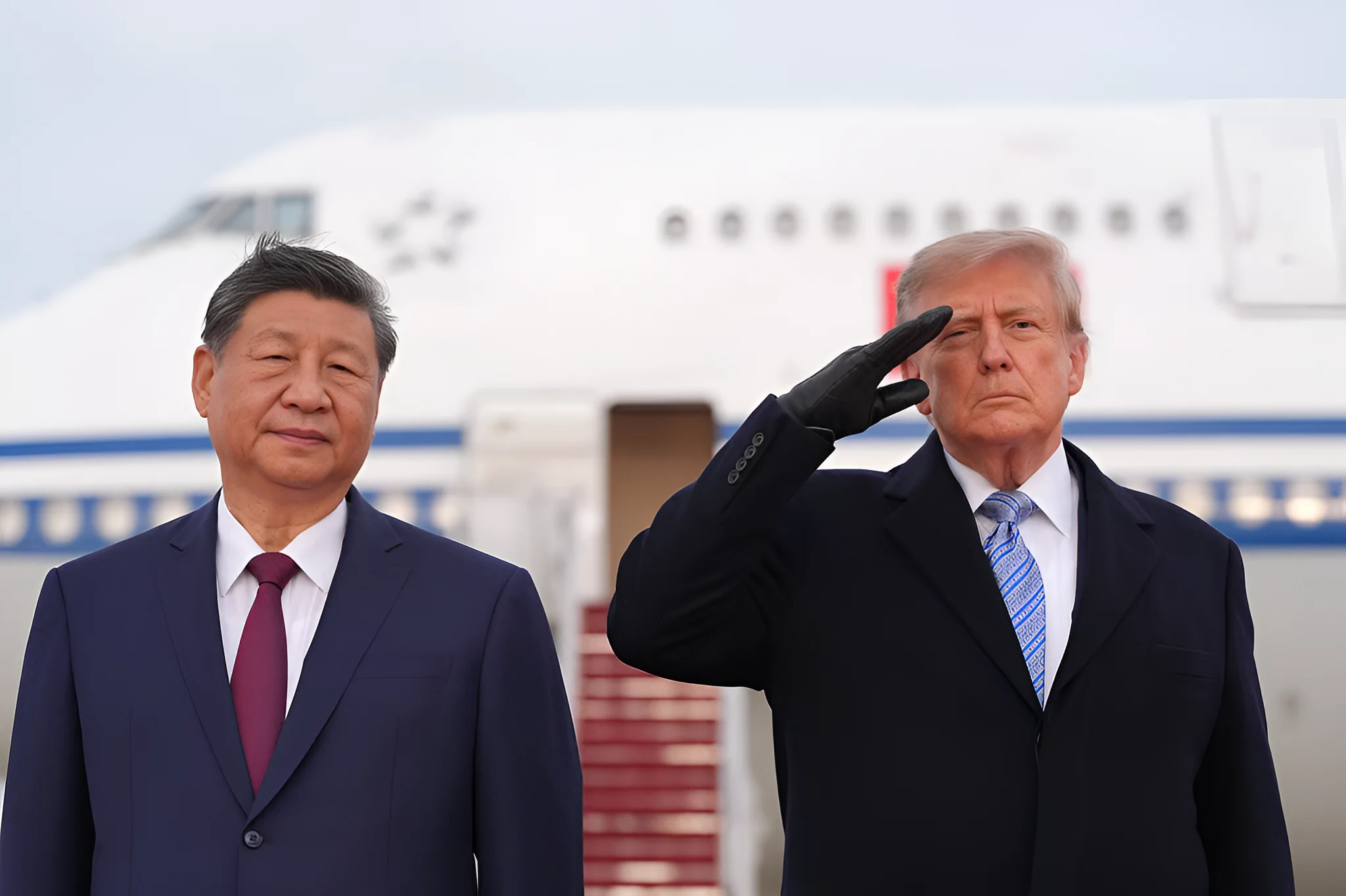
Chinese President Xi Jinping's return visit to Washington brought warmer words and managed expectations. Beneath the bonhomie, China and the United States were testing whether they could compete without allowing every quarrel to become a crisis, as Howard Zhang reports.
Mecca defence alliance
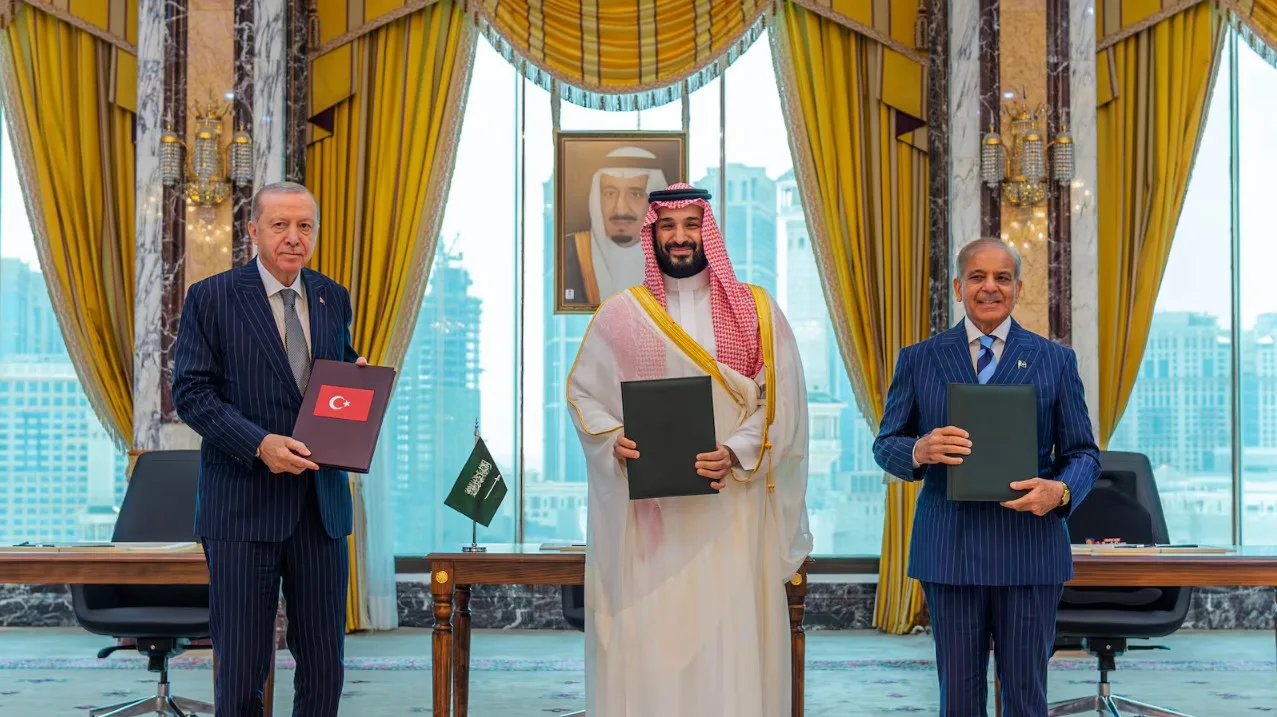
With the Iran war dragging into its sixth month with no exit in sight, the leaders of Saudi Arabia, Pakistan and Turkey gathered in Mecca on 7 August to sign a trilateral defence agreement. Built on the earlier Saudi–Pakistan defence pact, the Mecca defence alliance marked a shift in the power dynamics of West Asia, as Zahid Hussain reports from Islamabad.
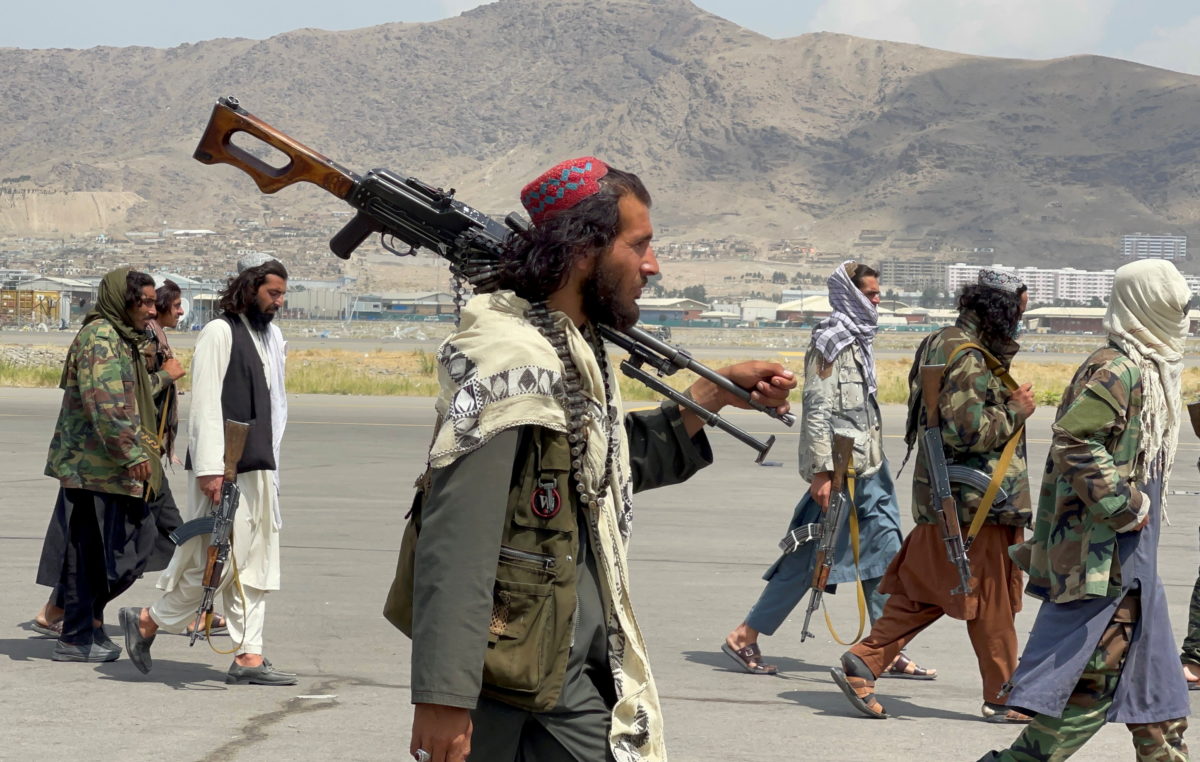
How do the Taliban govern Afghanistan?
Afghanistan has been mostly off the front pages since the Taliban came to power there just over five years ago after two decades of insurgency. The country is even more ‘in the shadow’ as regional and international attention shifted firstly to Ukraine and Gaza and now to Iran. Dawood Azami, who was previously based in the Afghan capital Kabul, explains how Taliban rule has changed the country.

War deepens Iran’s economic crisis
Eight months after the United States and Israel first bombed Iran, and with peace efforts making little progress if any, the country’s economic crisis has worsened and the regime are said to fear a fresh uprising. Nazenin Ansari, managing editor of Kayhan London and Kayhan Life, reports.
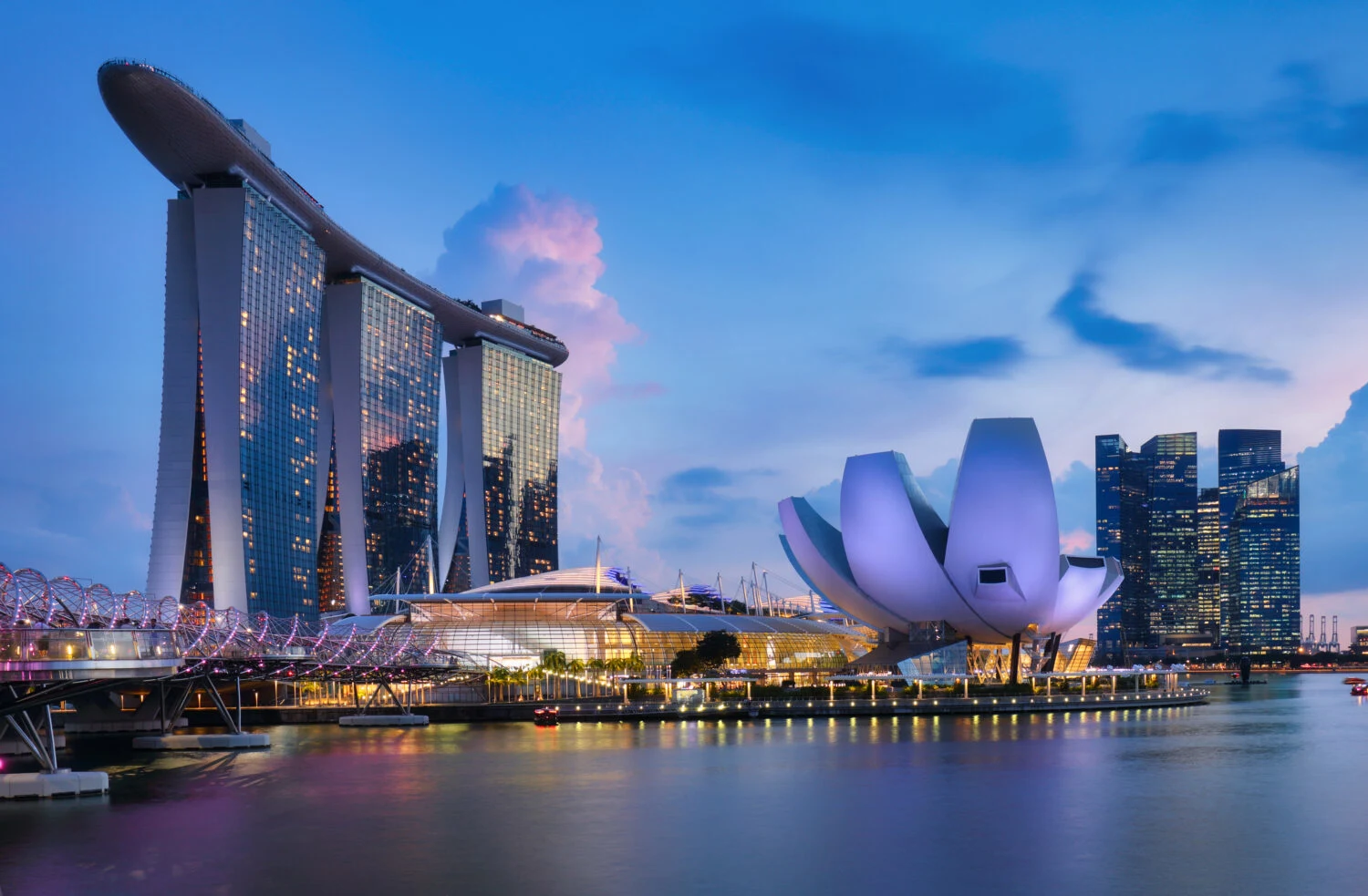
Singapore's baby bust
Last month Democracy Asia reported on population decline in India and China. Rahul Jaywant Bhise finds a starker version of the same story in Singapore, Asia's richest economy and the country with the world's most extreme shortage of children. He asks whether the real fix lies in immigration rather than incentives.
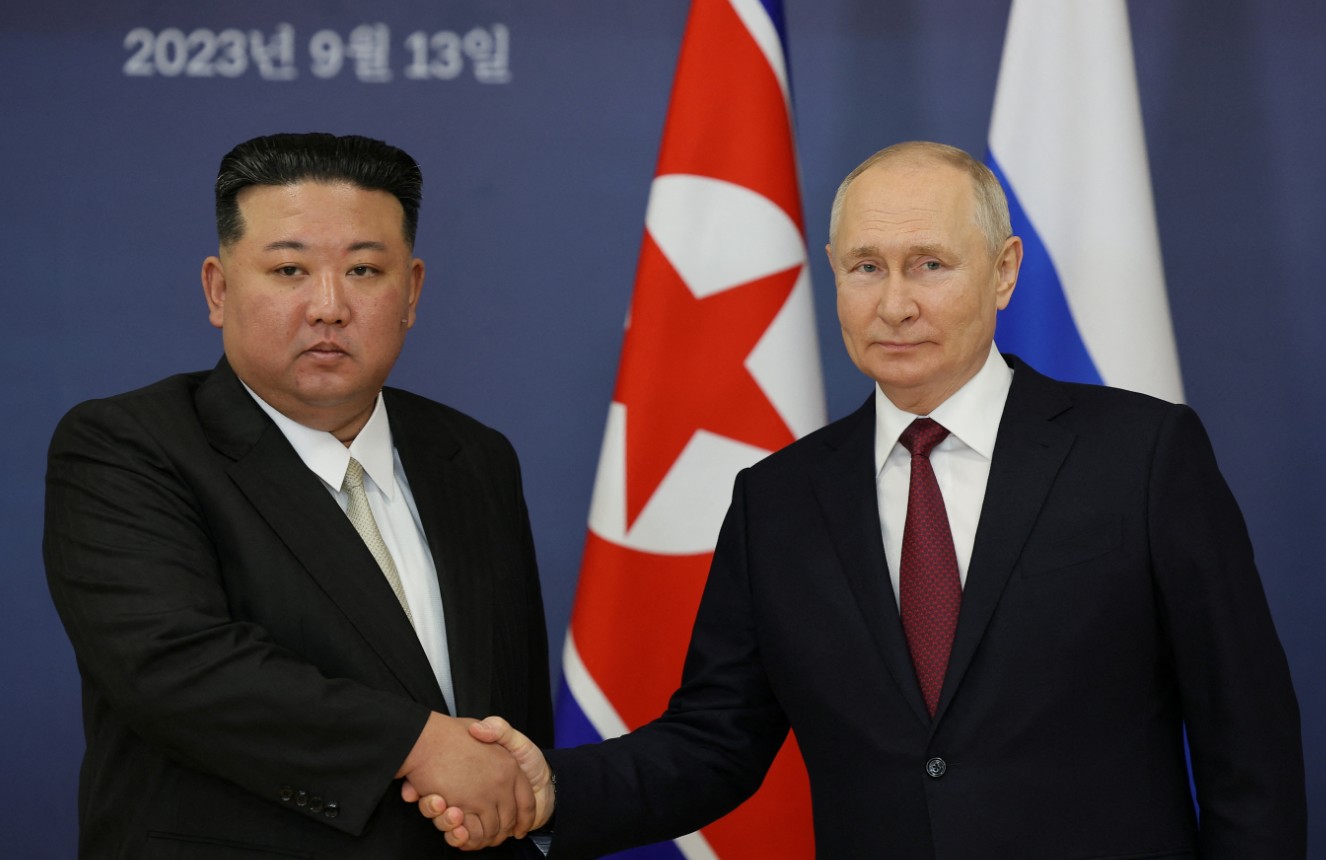
Is North Korea now a full participant in Russia’s war against Ukraine?
In September 2022, the first reports surfaced that North Korea was covertly supplying Russia with artillery shells for its invasion of Ukraine. At the time, Pyongyang's rejection was blunt. 'We have never exported weapons or ammunition to Russia before, and we will not plan to export them,' a defence ministry spokesperson said, telling Washington to 'keep its mouth shut'.
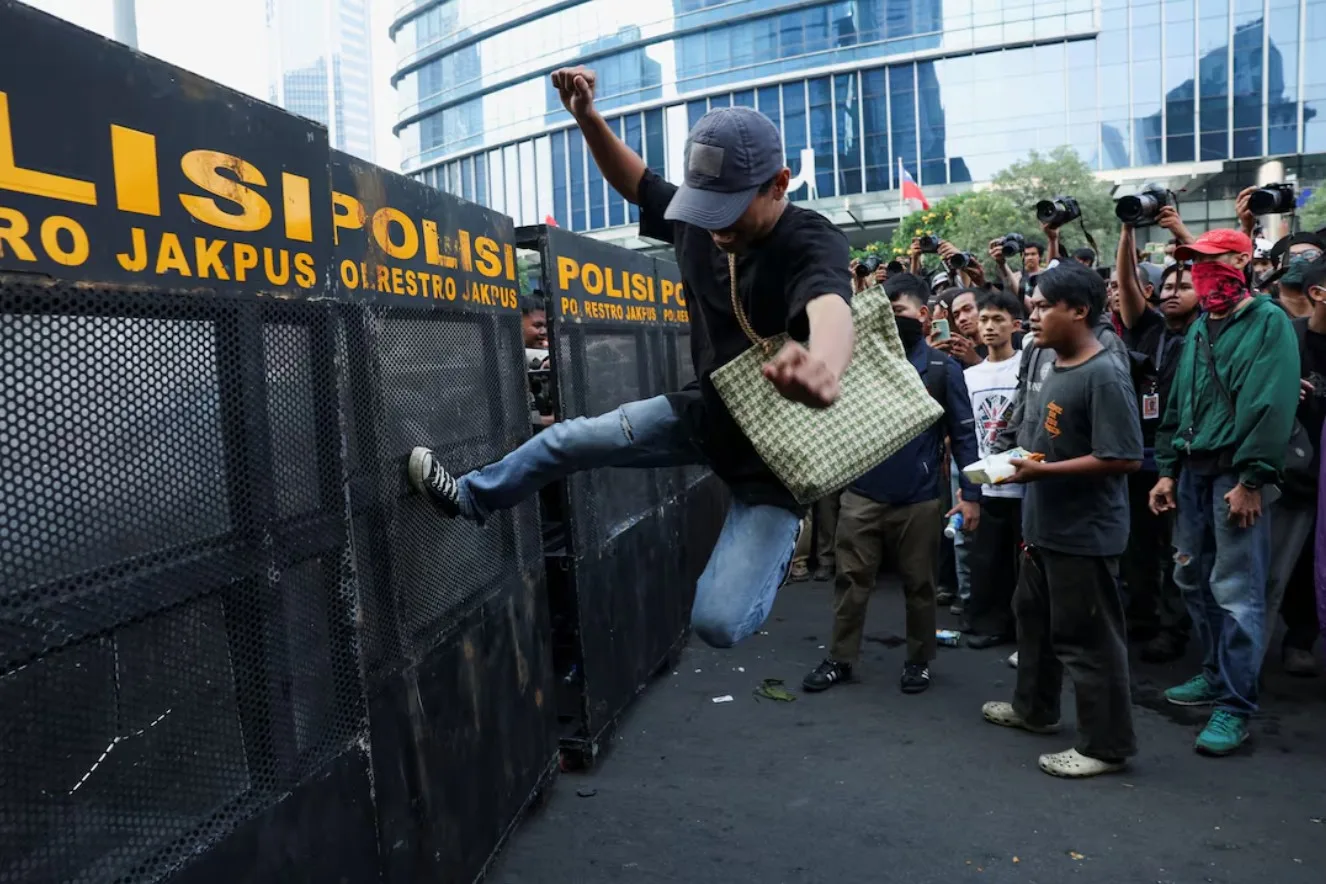
Indonesia’s Gen Z Problem
An outbreak of violence on the streets of Jakarta in August raised fears of the kind of social unrest witnessed last year, the worst riots the capital had witnessed since 1998 when the dictator Suharto fell. Joseph Rachman reports on fears of a repeat.
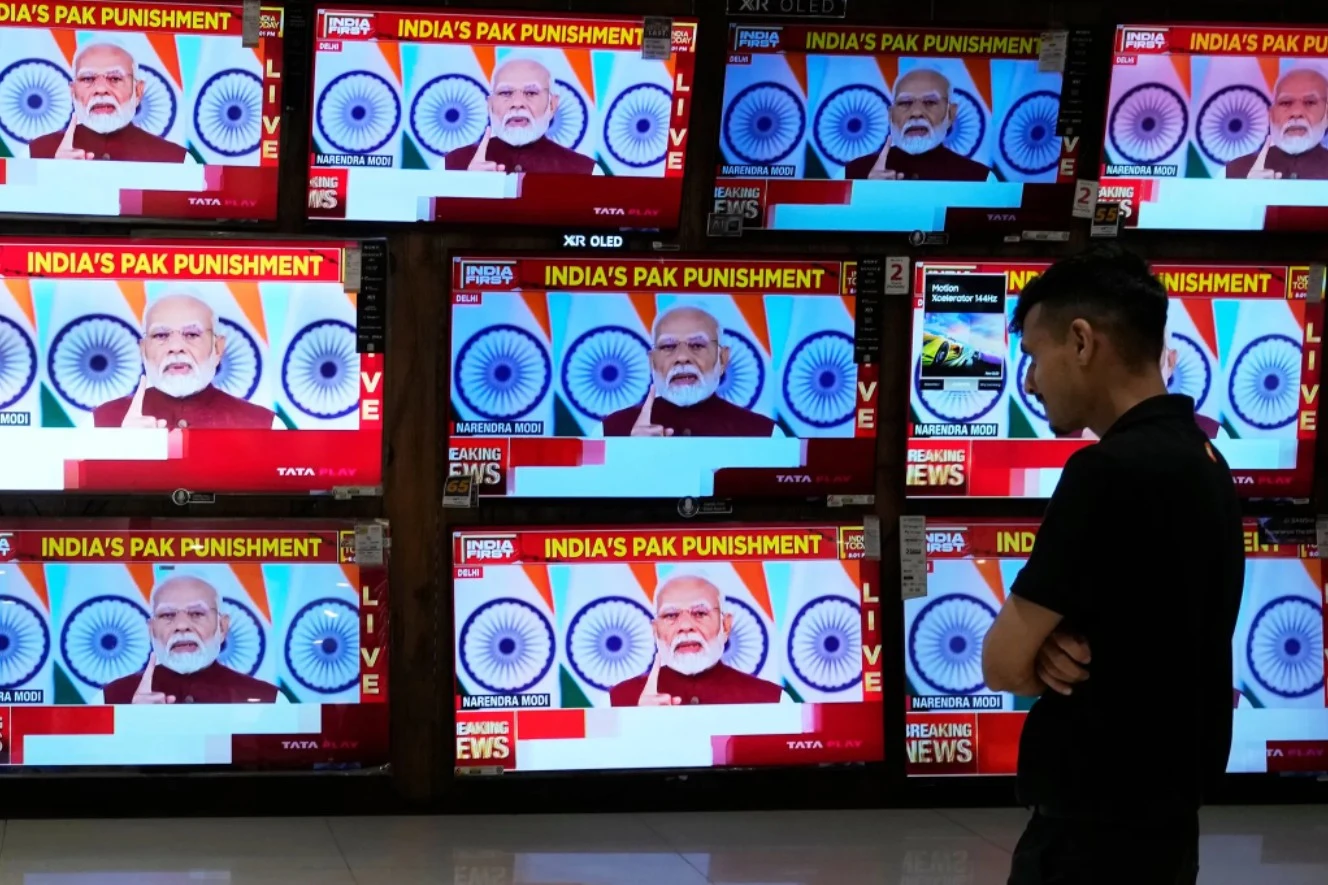
India’s media scene appraised
In India mainstream media – television channels and newspapers – are rapidly losing audiences, possibly because viewers and readers no longer trust them to deliver accurate news. But, as Kavita Chowdhury reports, the same trend is underway in other parts of South Asia, as is demonstrated by Gen Z’s preference for social media as a means of voicing their protests.
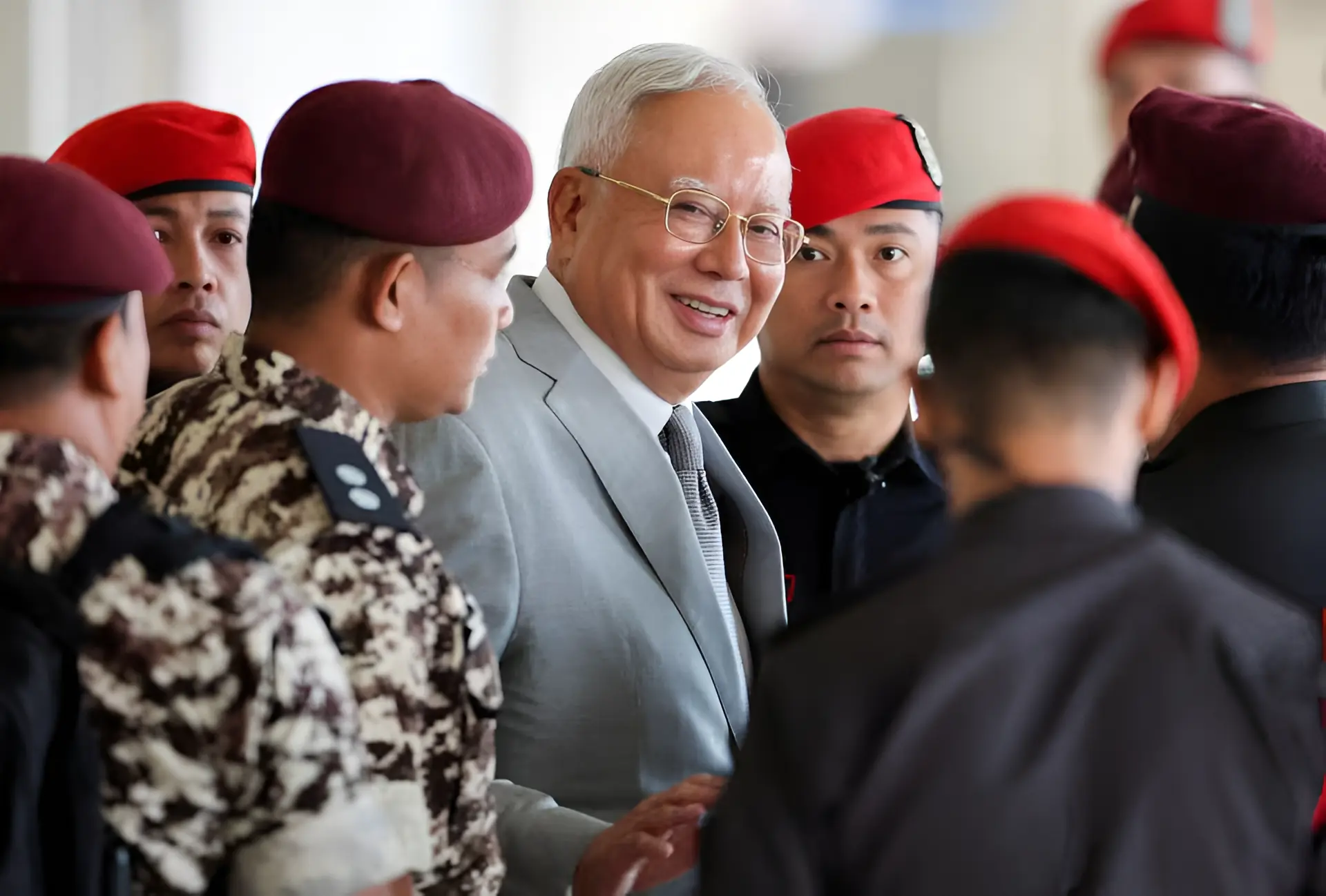
Update on the scandal that brought down a government
The 1MDB scandal brought down the Malaysian government after US financial investigators and investigative journalists showed that around US$5 billion had been stolen from the country’s sovereign wealth fund. What came to be known as the world’s greatest financial scandal led to the arrest and jailing of former prime minister Najib Razak as well as the son of a former prime minister of Kuwait. A new study shows that those responsible for the fraud, including Malaysian Jho Low, attempted to cover their tracks by inflating the costs of China-backed projects in Malaysia. Investigative journalist Clare Rewcastle Brown, author of a new book The China Contract, tells the story.
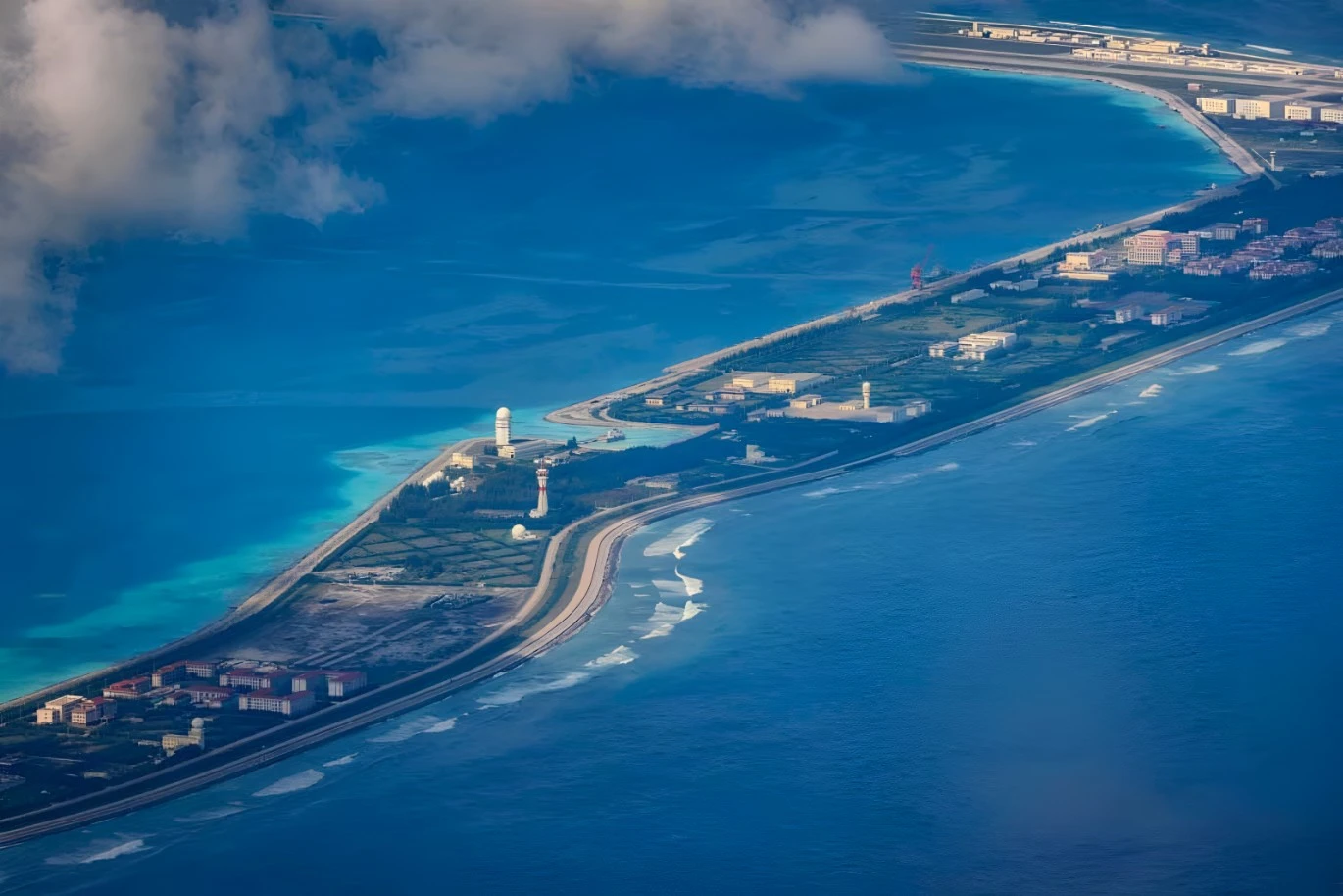
The South China Sea: Beijing’s victory without war
It is ten years since the Permanent Court of Arbitration in The Hague delivered what appeared to be a landmark victory for international law. In a sweeping judgment, the court rejected China's claims to almost the entire South China Sea ruling that Beijing’s so-called ‘nine-dash line’ had no legal basis. The Philippines, which brought the case, had won – or so it seemed at the time. Now it seems less clear cut, as Humphrey Hawksley reports.
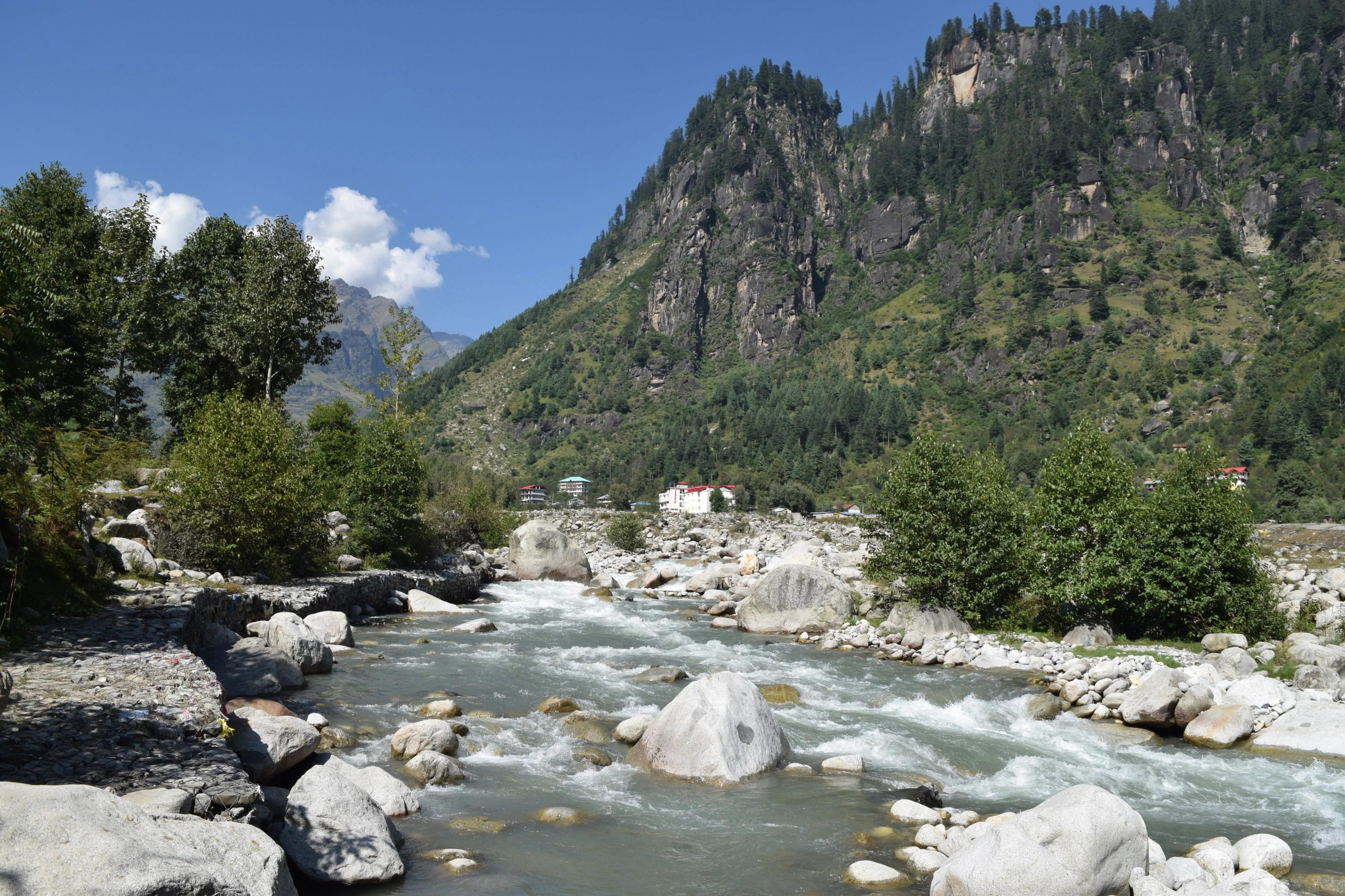
The Indus Treaty’s suspension: whose water is it anyway?
The Indus Waters Treaty was designed to divide a shared river system between two countries. Putting it in abeyance has intensified a legal and political confrontation with downstream Pakistan, where the Indus system is bound up with food and water security. But it has also exposed another layer of river politics within India. Water expert Udisha Saklani reports
Most Viewed Articles
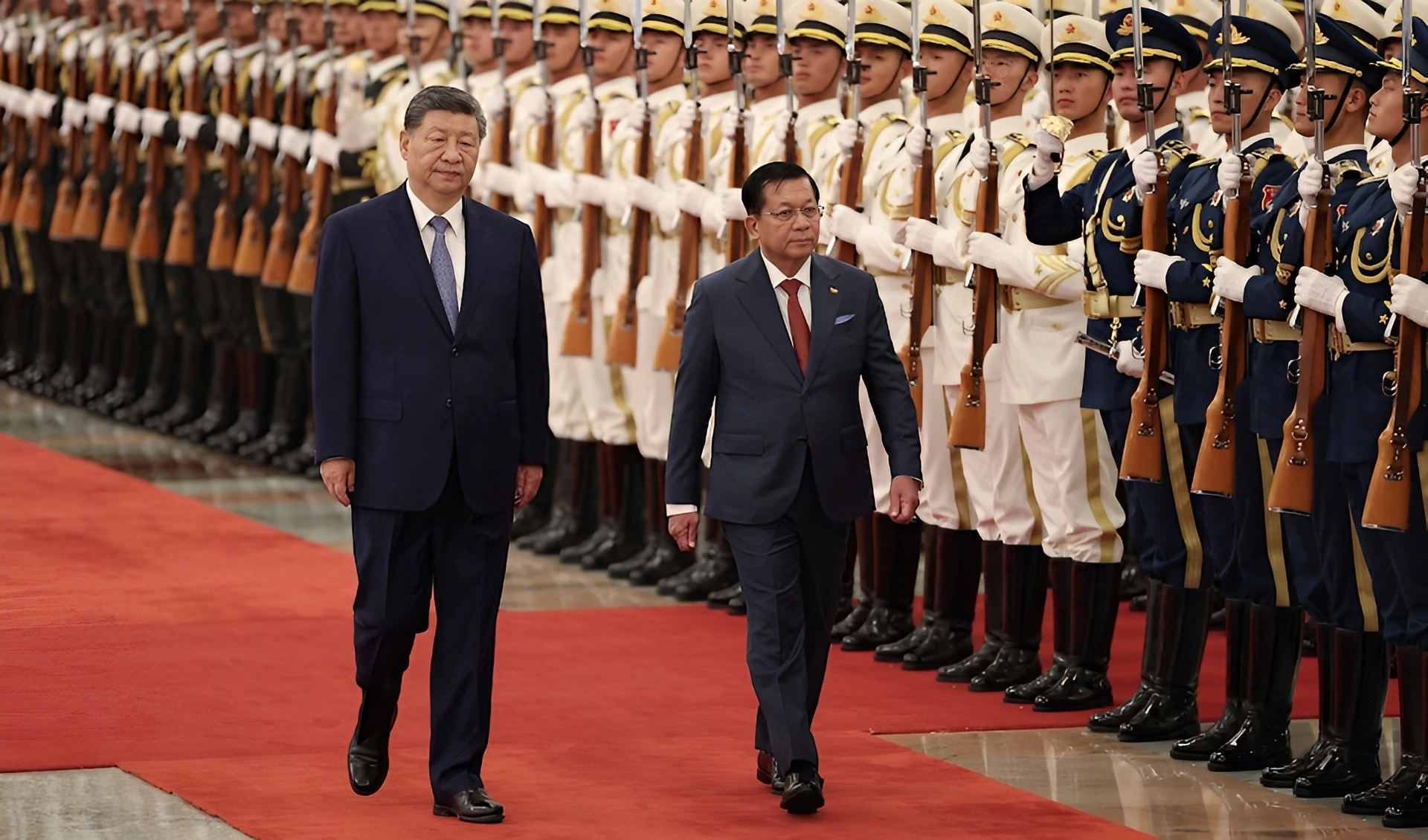
Myanmar: state of control
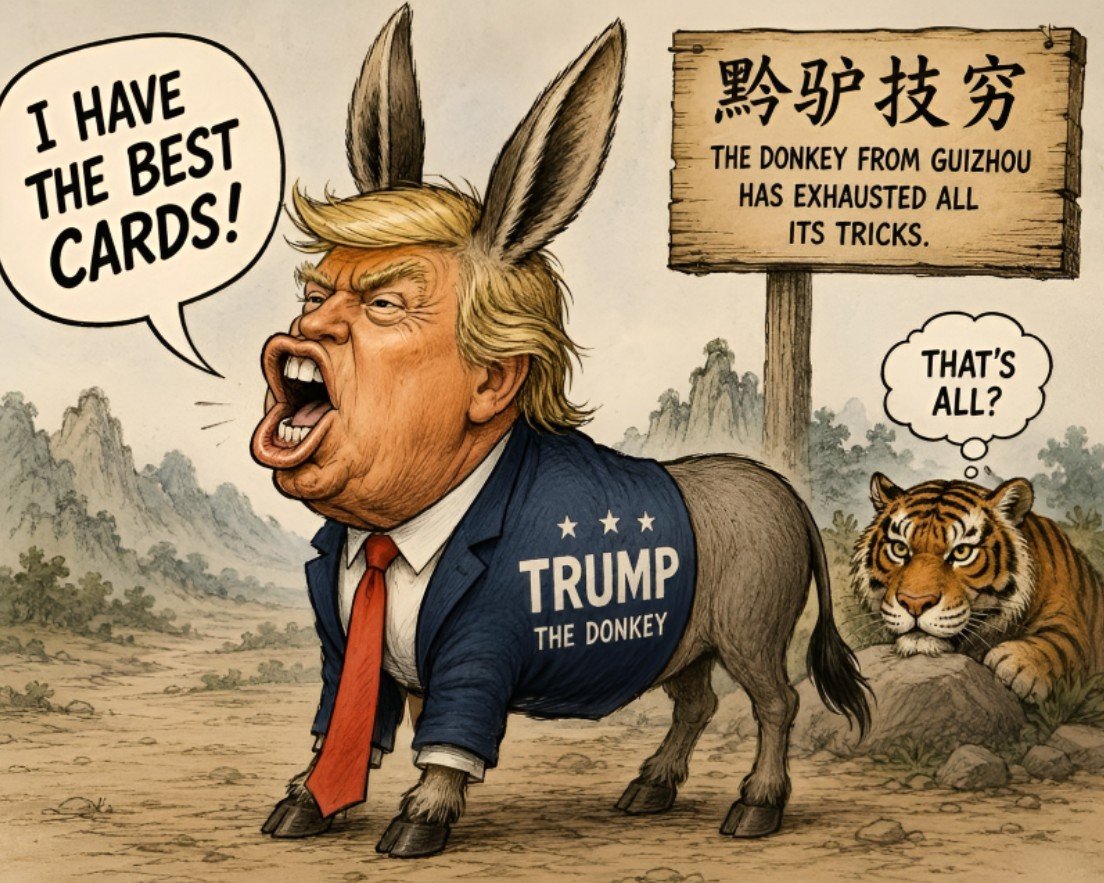
Trump, the nation builder