The Indus Waters Treaty was designed to divide a shared river system between two countries. Putting it in abeyance has intensified a legal and political confrontation with downstream Pakistan, where the Indus system is bound up with food and water security. But it has also exposed another layer of river politics within India. Water expert Udisha Saklani reports
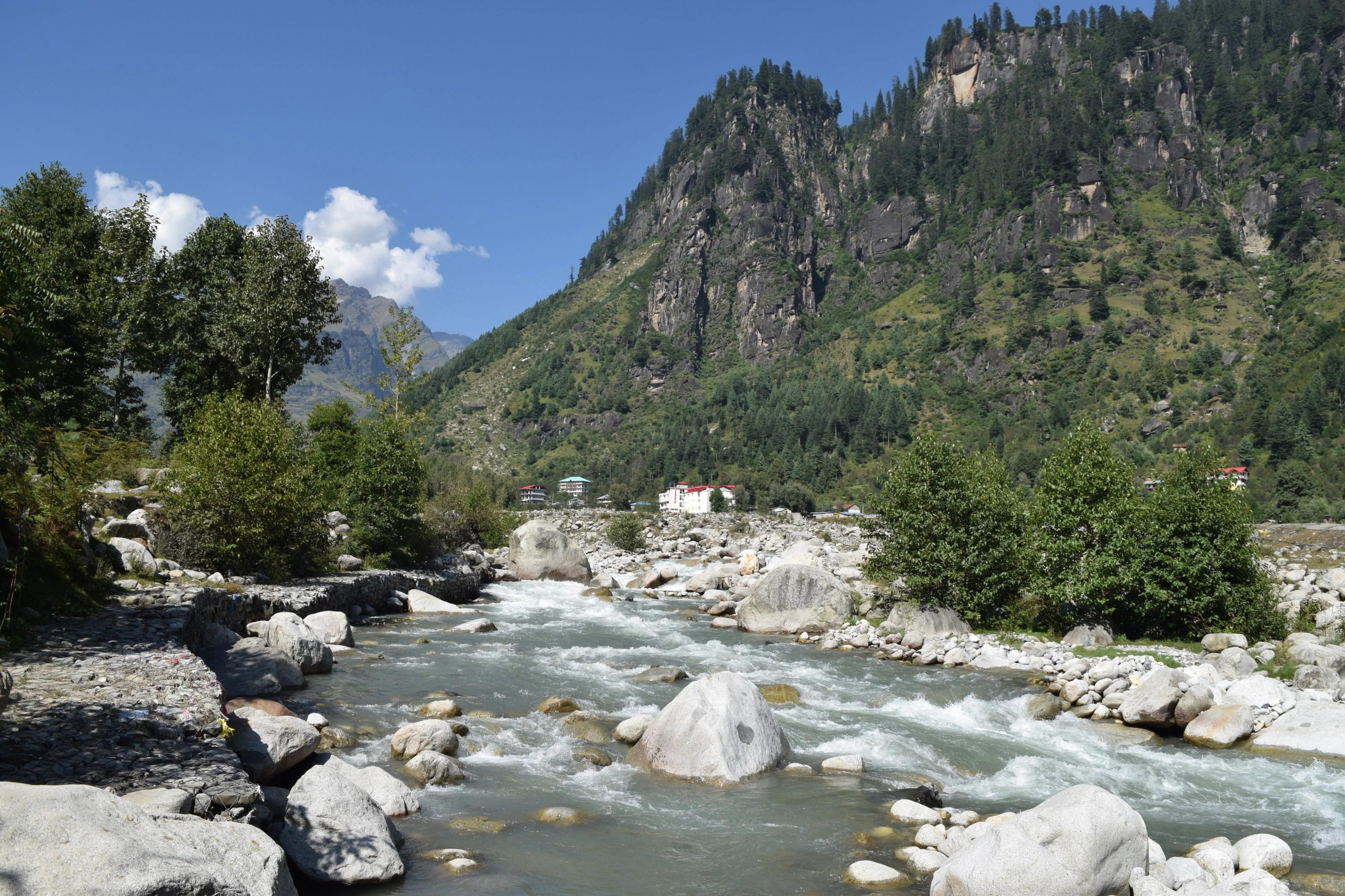
The River Indus rises in Tibet, flows through the Indian region of Ladakh - seen here - before entering Pakistan at Gilgit-Baltistan. Photo: Nicholas Nugent
For nearly 65 years, the Indus Waters Treaty between India and Pakistan has been a durable feature of an otherwise volatile India-Pakistan relationship. Signed in 1960, after nine years of negotiations under World Bank mediation, the Indus Waters Treaty remained in force through wars, military stand-offs and repeated breakdowns in diplomatic relations between the nuclear-armed neighbours.
The treaty divides the six main rivers of the Indus basin between the two countries. India received unrestricted use of the eastern rivers – the Ravi, Beas and Sutlej – while the western rivers – the Indus, Jhelum and Chenab – were reserved largely for Pakistan, with India retaining specified rights for irrigation and hydropower. Geography helps explain the stakes. Pakistan is the downstream state on the three western rivers allocated to it, the Indus, Jhelum and Chenab, all of which pass through India or Indian-administered territory before entering Pakistan.
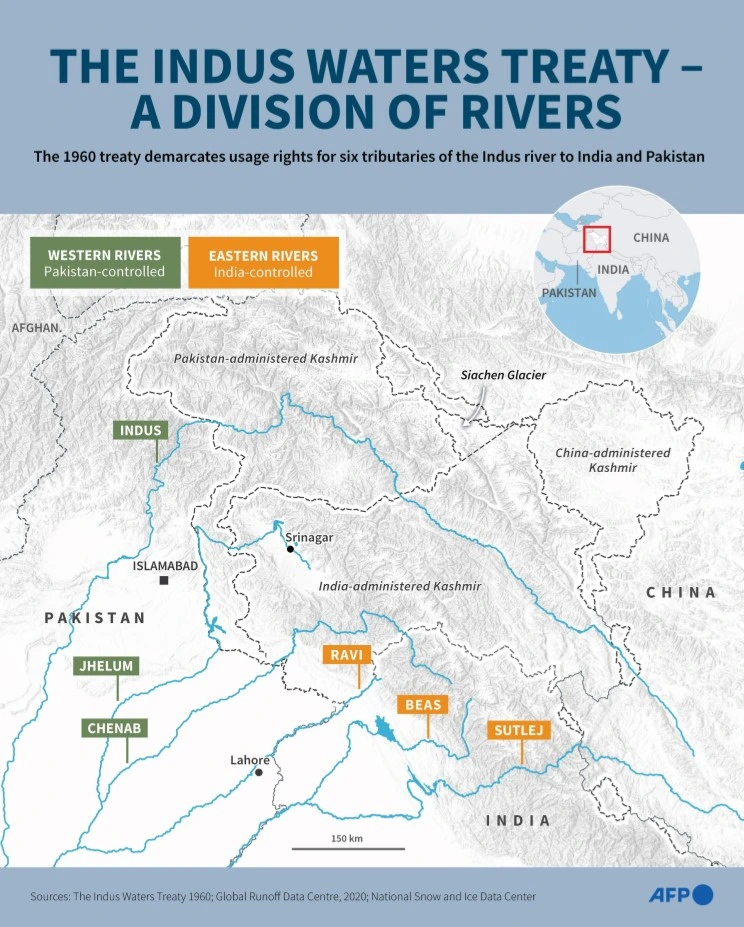
Map illustration: AFP
The long-standing arrangement which the treaty provided was thrown into uncertainty on 23 April 2025. A day after gunmen killed 26 people near Pahalgam in Jammu and Kashmir, India announced that the treaty would be held ‘in abeyance’, linking the decision to what it alleged was Pakistan’s support for cross-border terrorism. Pakistan denied involvement. More than fifteen months on, India’s stand has not shifted and in July its foreign ministry said the freeze would continue until Pakistan ‘credibly and irrevocably’ ends its support for ‘cross-border terrorism’.
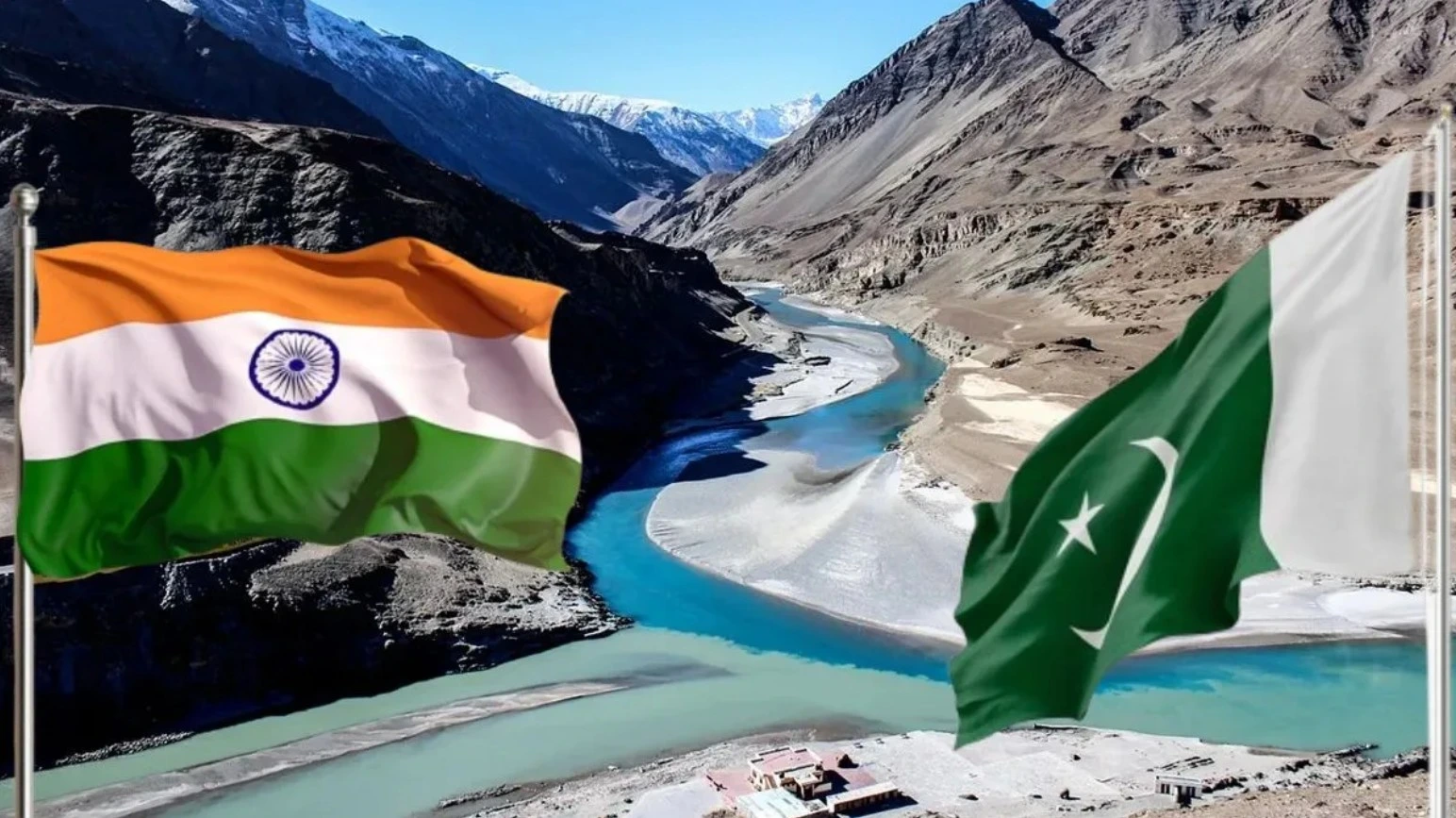 India’s suspension of the Indus Waters Treaty has turned a long-standing water-sharing arrangement into a new source of confrontation with Pakistan. Photo: Pixabay/India TV
Pakistan has challenged the suspension on legal grounds, arguing that the treaty contains no provision for unilateral suspension. Article XII allows modification or termination through a duly ratified agreement between the two governments. After the suspension, Pakistan’s National Security Committee described Indus water as a ‘vital national interest’ and warned that any attempt to stop or divert water allocated to Pakistan would be treated as an ‘act of war’. The anxiety is not rhetorical. The Indus Basin Irrigation System is the backbone of Pakistan’s agricultural economy, and irrigated land supplies more than 90 per cent of the country’s agricultural production.
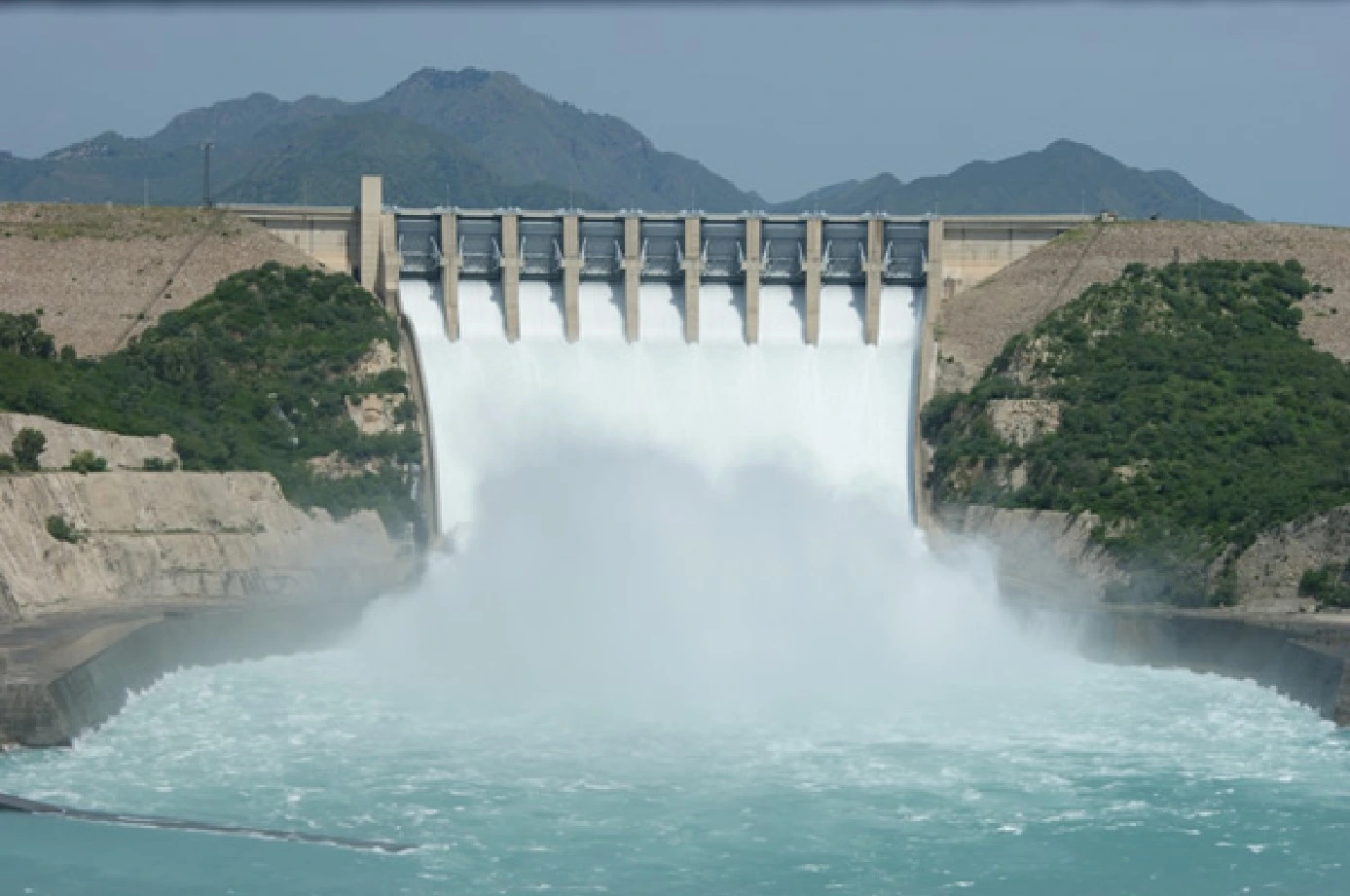 Tarbela Dam on the Indus River is a major part of Pakistan’s water infrastructure, supporting irrigation and water security downstream.
Pakistan has continued to pursue the dispute through the treaty’s legal mechanisms. A Court of Arbitration constituted under the treaty held that India’s decision to place the treaty in abeyance could not suspend proceedings or deprive the Court of jurisdiction. India rejects the court’s competence, favouring instead the treaty’s separate ‘neutral expert’ mechanism for resolving technical differences. The two mechanisms operate independently under the treaty, leaving India and Pakistan pursuing different legal tracks even as the treaty itself remains in abeyance from India’s perspective.
The treaty suspension has largely been reported as an India-Pakistan confrontation. But it has also opened another, less visible, question within India. If India is eventually able to make greater use of the western rivers, where should that water go?
One possible answer began to emerge soon after the suspension when India’s water ministry launched a feasibility study on a 113-kilometre canal linking the Chenab in the Himalayan territory of Jammu and Kashmir with the Ravi-Beas-Sutlej river system further south. Officials described the proposal as a way of moving ‘surplus flows’ towards the northwestern Indian states of Punjab, Haryana and Rajasthan. Jammu and Kashmir pushed back immediately with its chief minister questioning why water should be sent to Punjab while Jammu itself faced shortages. He also criticised the treaty itself as being ‘most unfair’ for the people of Jammu and Kashmir.
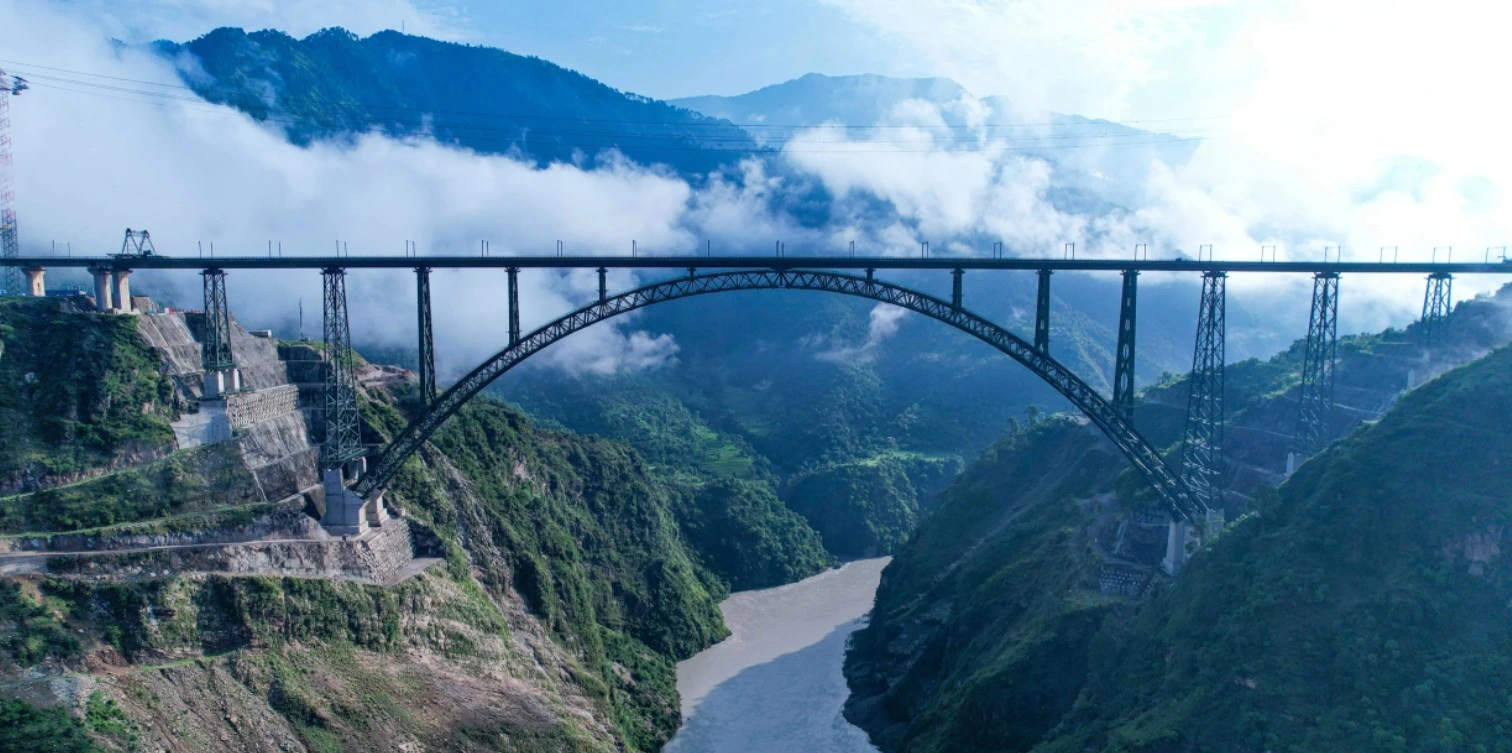 The Chenab Bridge spans the Chenab River in Jammu and Kashmir, one of the western rivers at the centre of India’s water-sharing dispute. Photo: COWI
Punjab and Rajasthan have made their own claims to additional water. That makes even the idea of ‘surplus’ water politically contested. Water described as available for diversion south is also water Jammu and Kashmir says it needs locally. India has institutions for dealing with disputes over shared rivers. But political claims over water can emerge well before any formal process begins, as an older dispute illustrates. The Sutlej-Yamuna Link (SYL) canal was designed to carry Ravi-Beas water to Haryana, but remains unfinished despite Supreme Court orders, a dedicated water tribunal and decades of negotiation.
At the centre of the dispute is a familiar argument over how much water is actually available and who is entitled to it. Punjab maintains that there is no longer enough surplus water to share.
This is more than a technical proposal to move water between river systems. It shows how quickly the possibility of greater Indian use of the western rivers is being drawn into older domestic struggles over scarcity and entitlement. A question long framed through India-Pakistan relations is now also becoming one of allocation within India. Greater Indian use of Chenab water would not make those disputes disappear; it would raise questions over whether that water should first benefit Jammu and Kashmir, Punjab or states further downstream. More fundamentally: who gets to define what counts as ‘surplus’? And which existing claims should take priority?
Canals and dams may take years to build, but the struggle over where the water belongs has already begun.