Ravi Mehrotra was trapped in Tehran when the Islamic Revolution enveloped Iran in 1979. Mehrotra, a marine engineer from India, was at the time the acting managing director of a joint venture between the Shipping Corporation of India and the Iranian government. Ashis Ray heard his story.
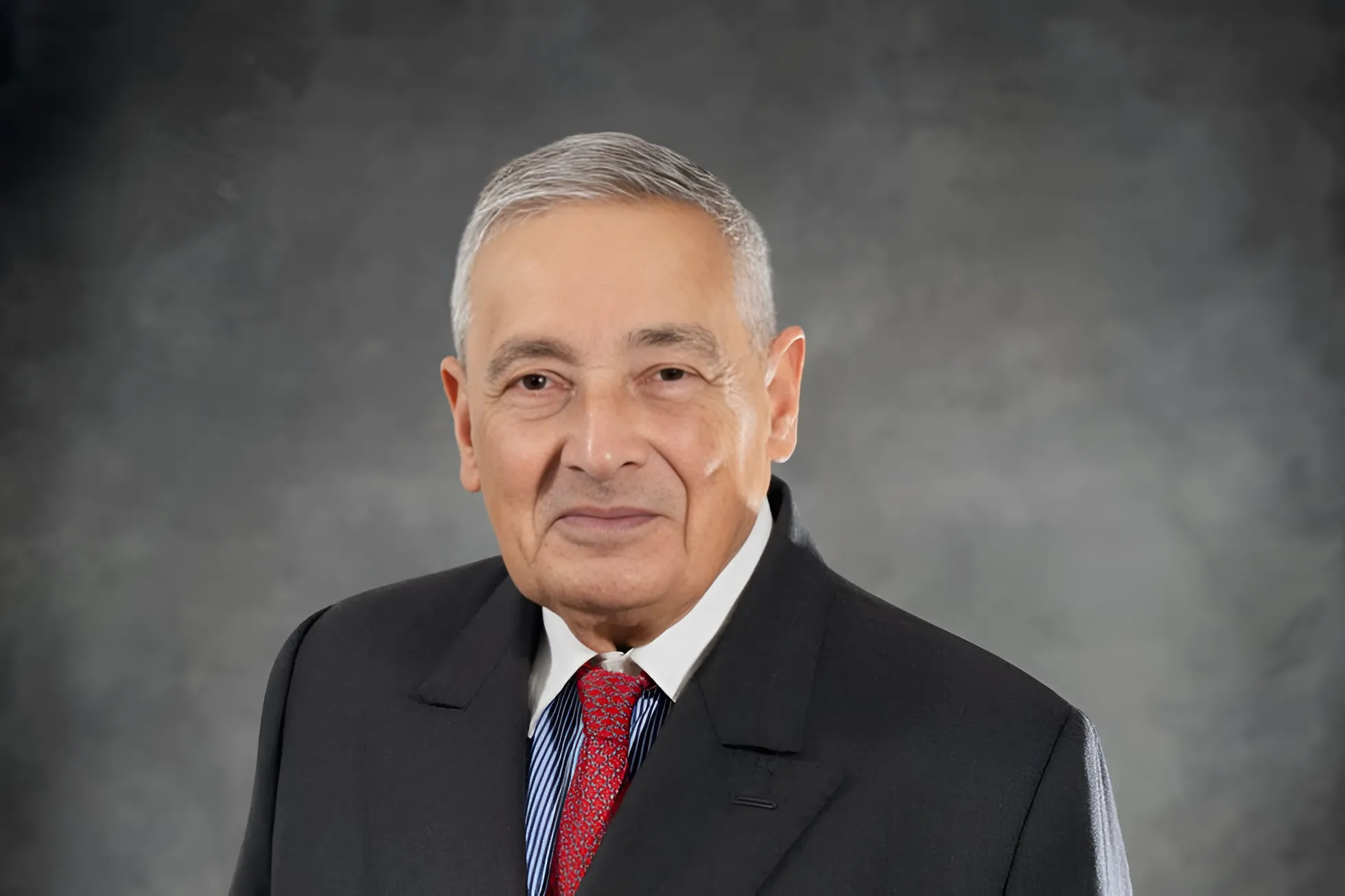
Ravi Mehrotra, founder of Foresight Group, built an international shipping and energy business after beginning his career in Iran during the 1979 Islamic Revolution. Photo: Foresight Group
Mehrotra telexed his head office in Bombay (now Mumbai) to ask if he should return to India. His headquarters replied: ‘We have no problem with the revolutionary government. If it is too bad, you cannot live (there), then you come back. Otherwise, you continue, we’ll see (when) the dust settles.’
The new regime in Iran anointed Ayatollah Ruhollah Khomeini, a Shia cleric, as its supreme leader. According to Mehrotra, Khomeini told the head of his Revolutionary Council, ‘I need a shipping adviser with three conditions; who has to be non-Iranian, non-Muslim and non-American.’ Mehrotra added: ‘They searched around. I was the only foreigner in Iran those days which [sic] fitted these three requirements.’
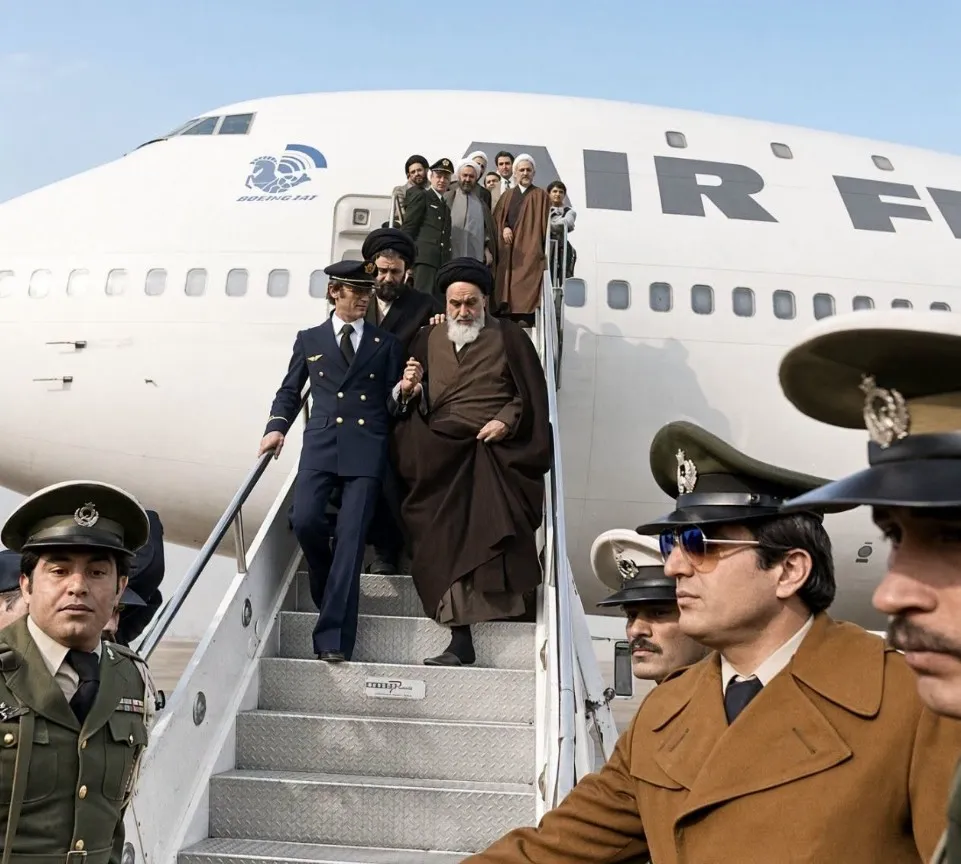 Ayatollah Ruhollah Khomeini became Iran’s supreme leader after the 1979 Islamic Revolution, during which Ravi Mehrotra was appointed as a shipping adviser. Photo: Bettmann/Bettmann Archive
Soon after, members of Iran’s dreaded Islamic Revolutionary Guard Corps descended on Mehrotra’s workplace and dragged him away to what he described as a ‘dark room’ with ‘a beam light’ focused on him for ‘interrogation’. Here, according to him, a man speaking ‘perfect American English’ came and sat before him.
‘He threw a pad in front of me and a pencil. He said: “Write your terms.” I said: “Terms for what? I don’t know what you are talking about.” He said: “What you expect if we hire you.” I threw back (the pad). I said: “I am a very proud Indian, you cannot buy me out. My country has not done anything wrong to me; I will not sell myself. If I come and join at high wages, they’ll say I’ve sold myself.”’
Three or four days later, Mehrotra recounted, ‘Again the same team landed with all the guns in my office. “Come with us (they ordered); it’s very important, come.”’ This time the Iranian with an American accent explained, ‘He (Khomeini) banged his hand on the table (and said) I want him only. If he has refused it, he is the right person.’
Mehrotra remembered he responded: ‘I am a Government of India employee. Go to Delhi, take government permission. It doesn’t matter whether I work for joint venture or work for you; they will transfer me.’ Then, beaming from ear to ear, he recollected: ‘After 72 hours (a) telex came from (the Indian) Ministry of Shipping (which said): “Our prime minister Morarji Desai is really happy that the first foreigner in Iran to be hired is an Indian. Go ahead immediately and join.” So I joined.’
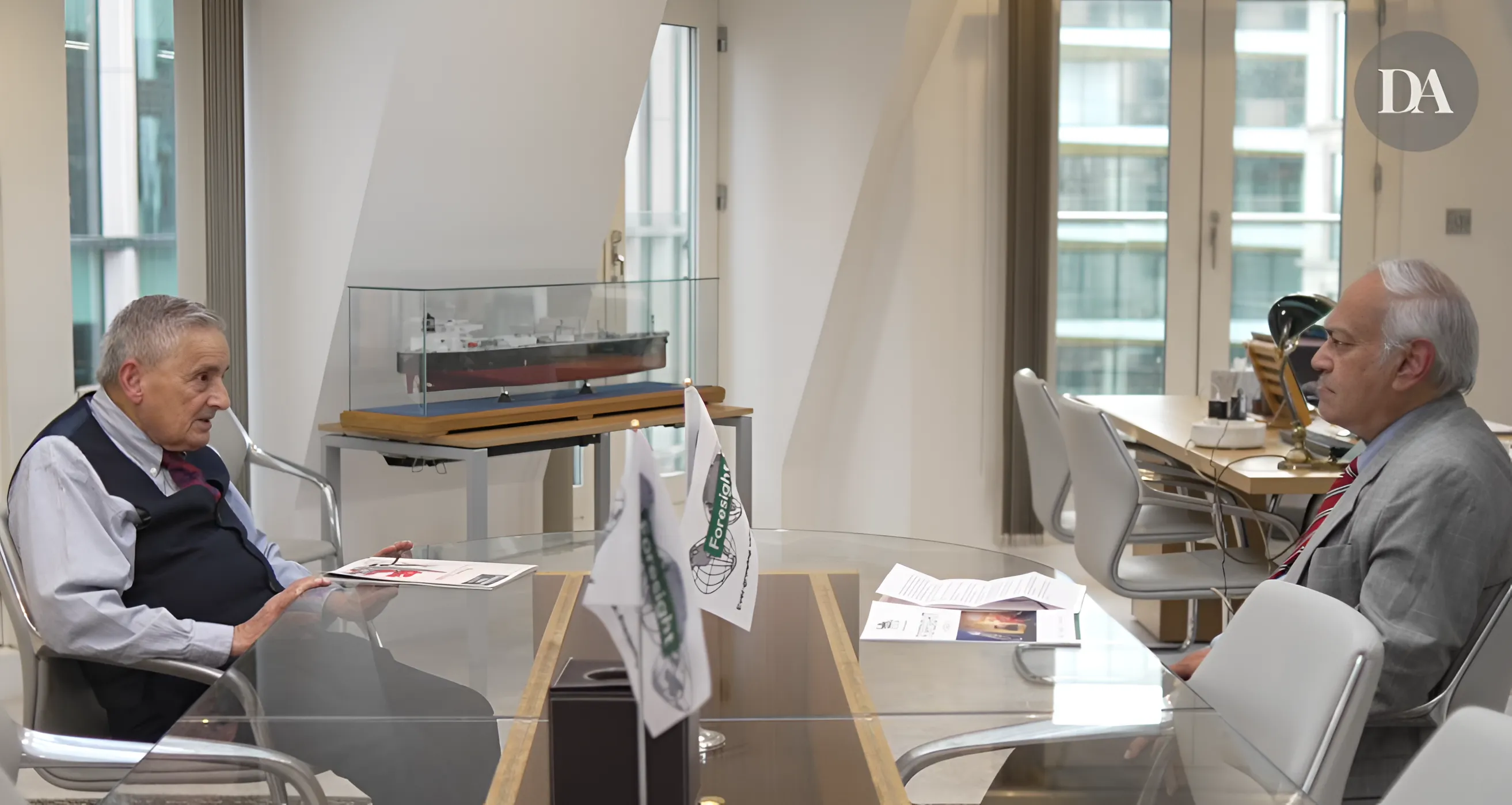 Ashis Ray interviews Ravi Mehrotra about his extraordinary journey from Iran’s shipping industry to building Foresight Group. Photo: Democracy Asia
Oil exports were Iran’s lifeline, but it lacked maritime shipping capability. This is where Mehrotra came in. In a mere five years, he expanded Iran’s shipping fleet nearly sevenfold, from 21 to 144 vessels. But he was not happy with what he witnessed during that period: ‘They (were) becoming more religious instead of (running a) democratic government. So, I went to resign and said I want to leave. If you are happy then let me go.’ He departed for London in 1984 to establish Foresight Shipping, now known as Foresight Group.
Mehrotra declared animatedly, ‘I had not taken a single paisa from anyone, but I helped everyone in shipping… That is how I am the most well-known face in maritime history.’ He said he arrived in Britain ‘with no money’, but with worldwide connections. He helped shipowners to achieve their goals through his contacts in return for a broker’s commission. ‘Somewhere 1 per cent, somewhere 1.5 per cent to create some capital for myself.’
Meanwhile, the war between Iran and Iraq intensified, with Iraqi forces attacking Kharg Island, the nerve centre of Iran’s energy exports. Non-Iranian tankers stopped loading oil from there. Mehrotra received an SOS from Iran saying, ‘Iran will finish. Handle this. Come back.’ Mehrotra stated he replied, ‘Sorry I cannot come back. But if you give me the job, I can handle it… So, Foresight, which was not known to anyone, suddenly became a world leader in shipping.’
The Khomeini regime placed a rolling £100 million bank guarantee at Foresight’s disposal. The latter leased ships on Tehran’s behalf, earning a 2 per cent commission, which amounted to £5–6 million a year. Western shipping companies refused to do business directly with Iran but had no objection to being chartered by Foresight, a London entity.
‘Everyone thought I was a bag carrier of Khomeini; so, no banker asked me (any questions) when I started buying ships for myself. That is how Foresight started.’ When the Iran–Iraq war concluded in 1988, Mehrotra felt Foresight’s purple patch would now end. ‘That is how I diversified into oil drilling,’ he recalled. Foresight’s tankers – among the world’s largest – carry crude oil and liquefied petroleum gas (LPG) across the oceans. Its oil and gas rigs are installed from the Persian Gulf to India to China. Then came this year’s West Asia war.
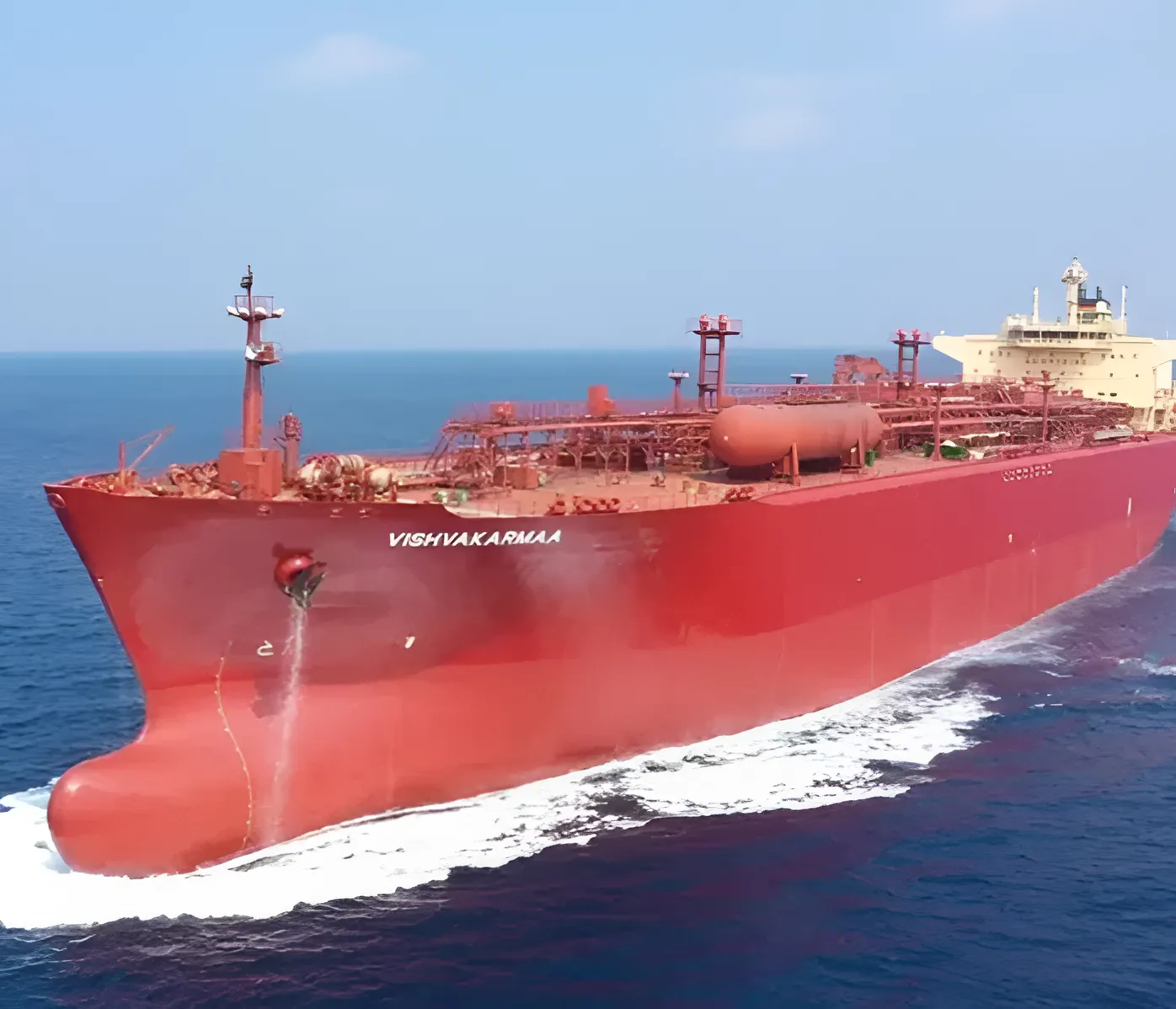 Foresight Group expanded from shipping into oil and gas, with its tankers transporting crude oil and liquefied petroleum gas across international waters. Photo: Foresight Group
‘Two ships (chartered to Indian public sector undertakings) were inside (the Persian Gulf) fully loaded and they could not go out. I was in real trouble, because keeping the gas on the ship for long… is a sitting bomb... Government of India used their best offices with the Government of Iran and gave us a 12-hour window to pass through in the night and that is what we did. So, our ships are out, but our two oil rigs which were working with the Abu Dhabi National Oil Company are still stuck inside. That is the loss we are bearing… whereas the shipping is a godsend bonanza… Where one ship was doing three voyages a month, now it takes three months to do one voyage. So, the “ton-mile” of the cargo has increased so much, the rates have gone through the roof. So, the shipping will compensate the loss in the drilling.’
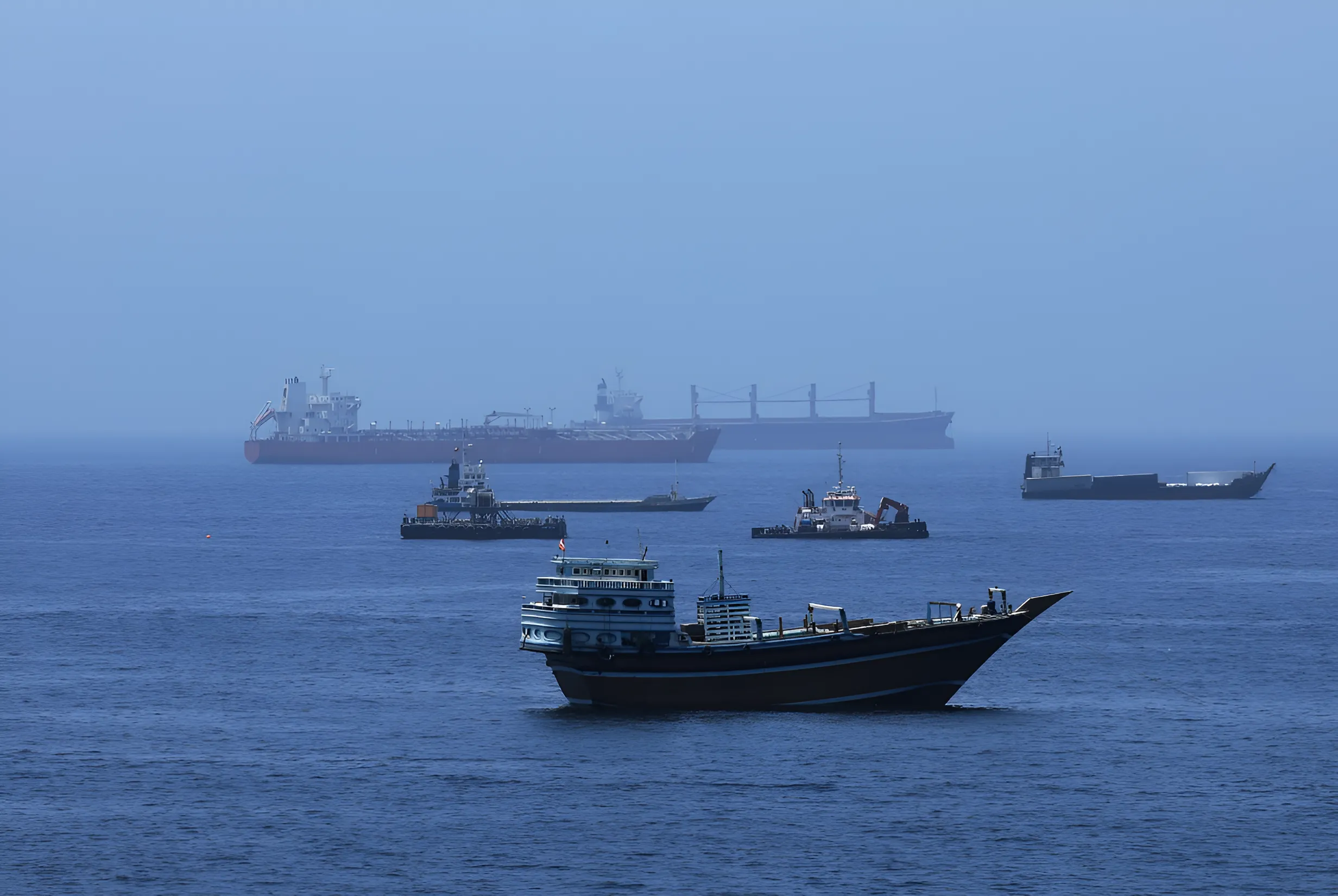 The West Asia conflict has disrupted shipping through the Persian Gulf, leaving vessels and offshore oil rigs exposed to operational risks while driving up freight rates. Photo: Shady Alassar/Getty Images
Today, Foresight’s turnover is US$2 billion. It aims to grow this to US$50 billion by 2084, which would be its centenary year. How will it navigate this route? The amiable 83-year-old Mehrotra’s answer was, ‘Diversification.’ Indeed, he is due to visit the United States to meet the provost of the Massachusetts Institute of Technology to chart a course.