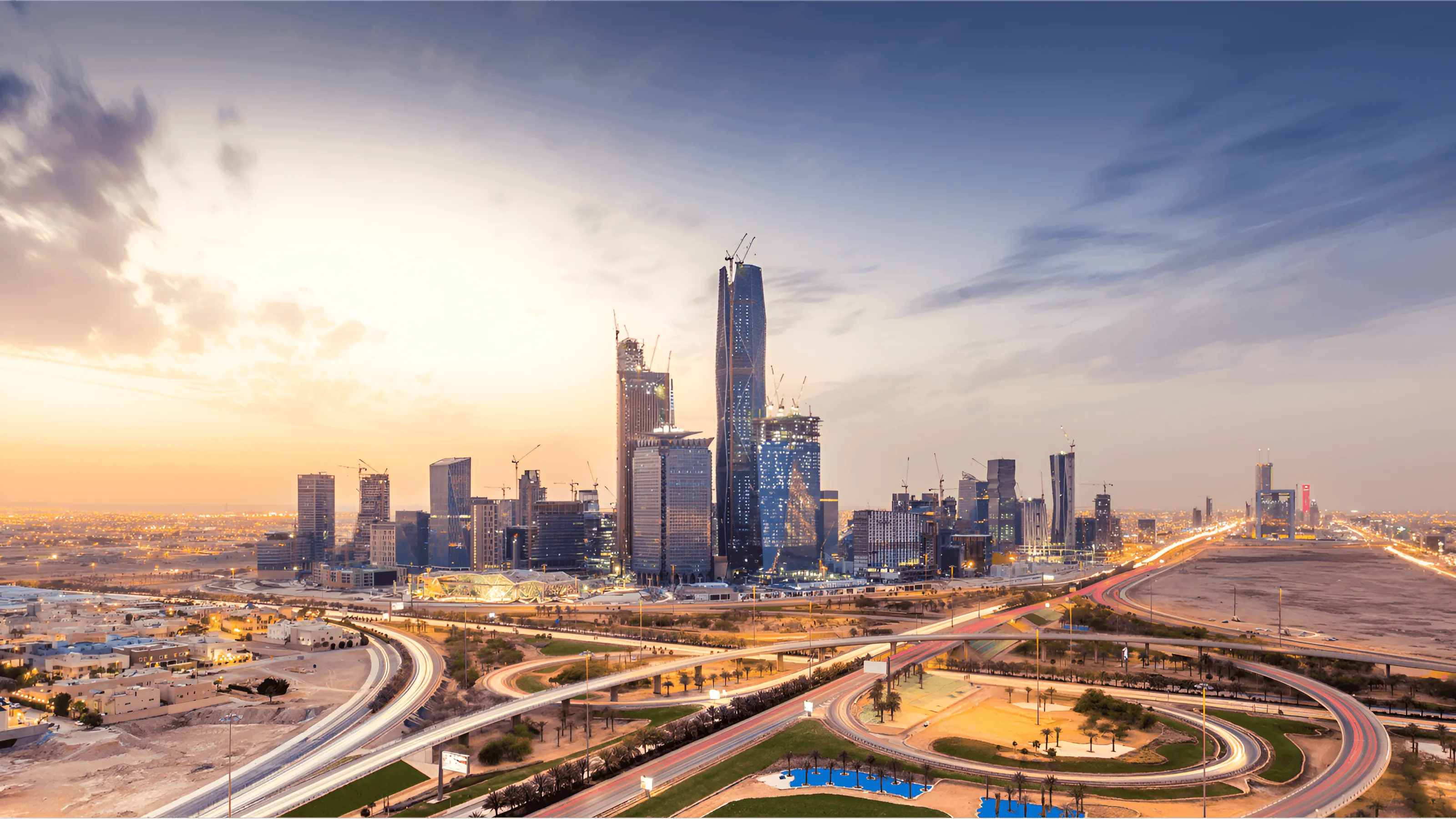
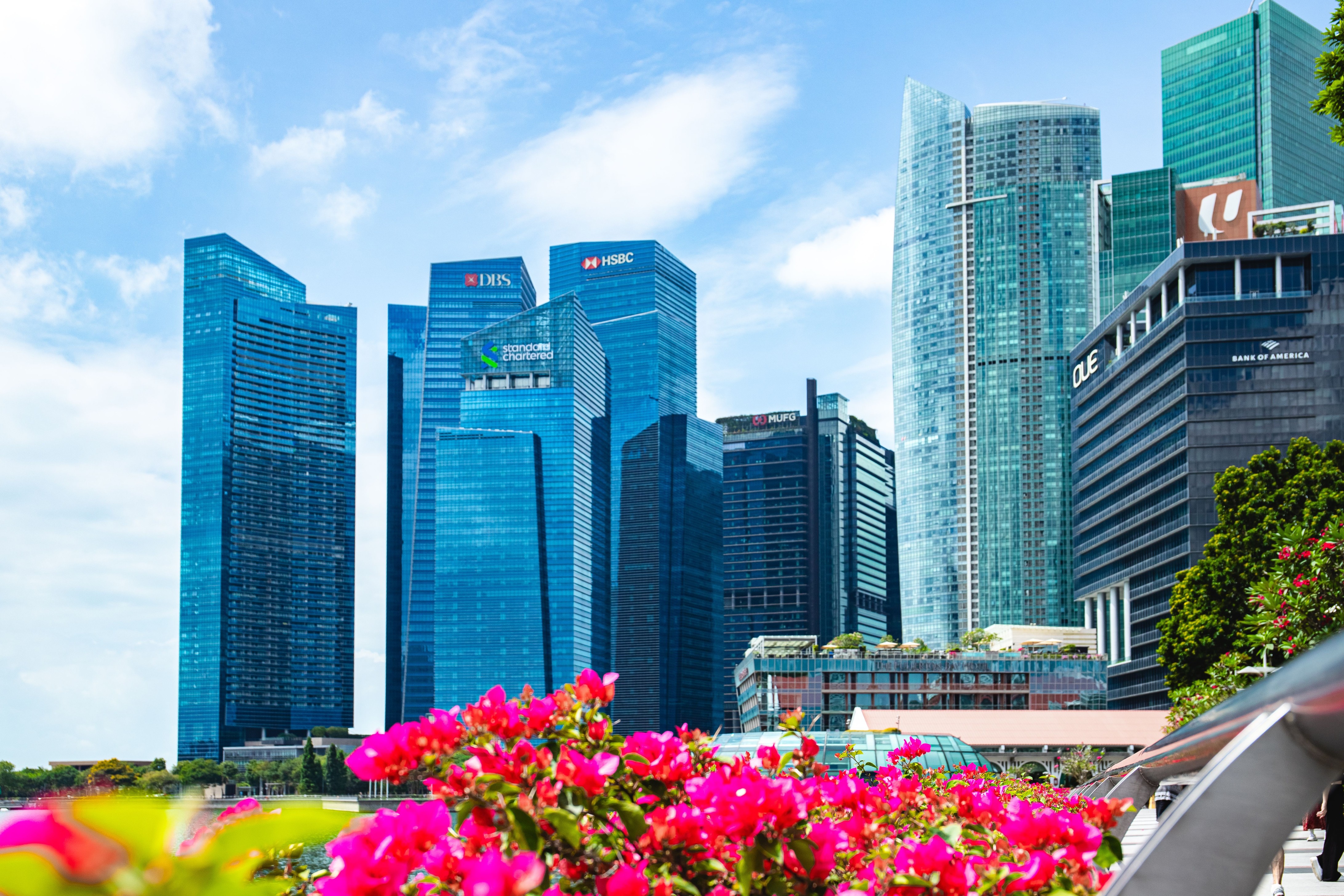
Singapore’s Marina Bay skyline reflects Asia’s economic dynamism, where technology investment and expanding markets coexist with financial pressures and uneven growth. Photo: Solomonik Viktor
Asia
Reuters reported that the International Monetary Fund (IMF) projected ‘Asia’s economic growth would moderate next year and warned of heightening risks from the Iran war-induced energy shock, a potential correction in the AI boom and spill-overs from rising global bond yields’. The wire service added that ‘the global lender also said uncertainty over the US monetary policy path could keep Asian financial markets volatile’. The IMF continued: ‘The US monetary stance is expected to continue to tighten later this year. The combination of monetary policy tightening and fiscal pressures in most major advanced economies is likely to keep upward pressures on yields across Asia and the Pacific.’
The IMF now expects Asia’s economy to grow 4.8 per cent in 2026 and 4.4 per cent in 2027, higher than projections made in April, but lower than the 5 per cent expansion in 2025. It added, ‘Risks to the outlook remain tilted to the downside… With public debt and borrowing needs remaining high across much of the region, an abrupt tightening of fiscal conditions could further strain public finances by raising debt-servicing costs’.
 The IMF expects Asia’s growth to slow from 5 per cent in 2025 to 4.8 per
cent in 2026, with further moderation projected for 2027. Photo: Tony
Webster/CC BY 2.0
Somewhat related to that, the headline of a story in The Asian Business Review was ‘Asia insurance enters a new risk cycle: Retirement gaps, agentic AI, and catastrophic cover’. It went on to elaborate: ‘Asian insurers are rethinking customer protection as Singlife targets retirement gaps, life insurers test agentic AI, and the catastrophe protection gap remains near 90 per cent.’
The Economist summarised: ‘The Asian economy in late 2026 is driven by an AI and semiconductor investment boom, counterbalanced by heavy industrial pressures from China, sluggish growth in Southeast Asia, and currency stability concerns.’
Central Asia
The European Investment Bank (EIB) indicated it is seeking to expand cross-border investments in Central Asia, while requiring projects to meet environmental standards. EIB Vice-President Marek Mora told Euronews, during a visit to Astana, Kazakhstan: ‘We would be, of course, very much interested not only in financing the individual country projects, but if there was a cross-country project, it would be even more interesting for us because we would also see a potential for development of the whole region.’
A good example of multi-country cooperation in the region is the construction of the Kambar-Ata-1 hydropower plant in the Kyrgyz mountains. This is being jointly developed by Kyrgyzstan, Kazakhstan and Uzbekistan, with memoranda of understanding worth 900 million euros (about US$1 billion) signed between the EU, the EIB and the three states. The enterprise will be completed around 2035 and will generate 5.6 billion kWh of electricity a year. That will make a major contribution towards energy security in the three nations.
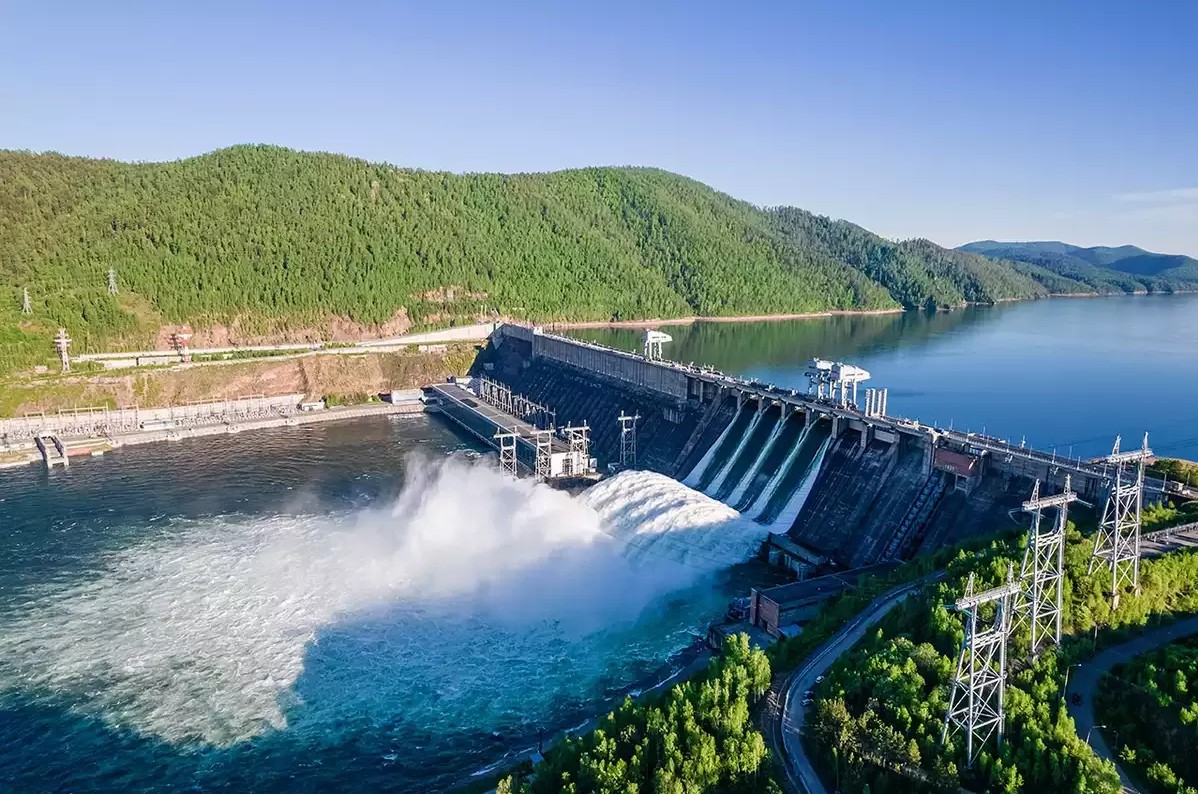 Central Asia is betting on large hydropower dams; Kambar-Ata-1 is due for
completion around 2035. Photo: The Caspian Post
There are ancillary benefits too. The power plant is being built on the Naryn River – Kyrgyzstan’s longest – which merges with the Kara Darya River in Uzbekistan to create the Syr Darya River. This flows through Uzbekistan, Tajikistan and Kazakhstan before reaching the Aral Sea. It will supply water to agriculture as well as provide drinking water. The power plant will also regulate seasonal flow of the Naryn River, storing water during periods of snow and glacier melt and releasing it during the dry months. This will in turn ensure more stable and predictable water levels in the Syr Darya River.
China-North Korea
Nikkei Asia reported that China and North Korea opened a new border bridge on 15 October in what it called ‘the latest sign of deepening ties between two Cold War-era allies’. The bridge crosses the Yalu River. A Chinese readout quoted Premier Li Qiang as saying the bridge ‘will not only significantly promote economic and trade cooperation between the two countries but also further strengthen people-to-people exchanges and deepen the emotional ties between our peoples’. He said: ‘China-North Korea relations are entering a new phase and embarking on a new chapter’.
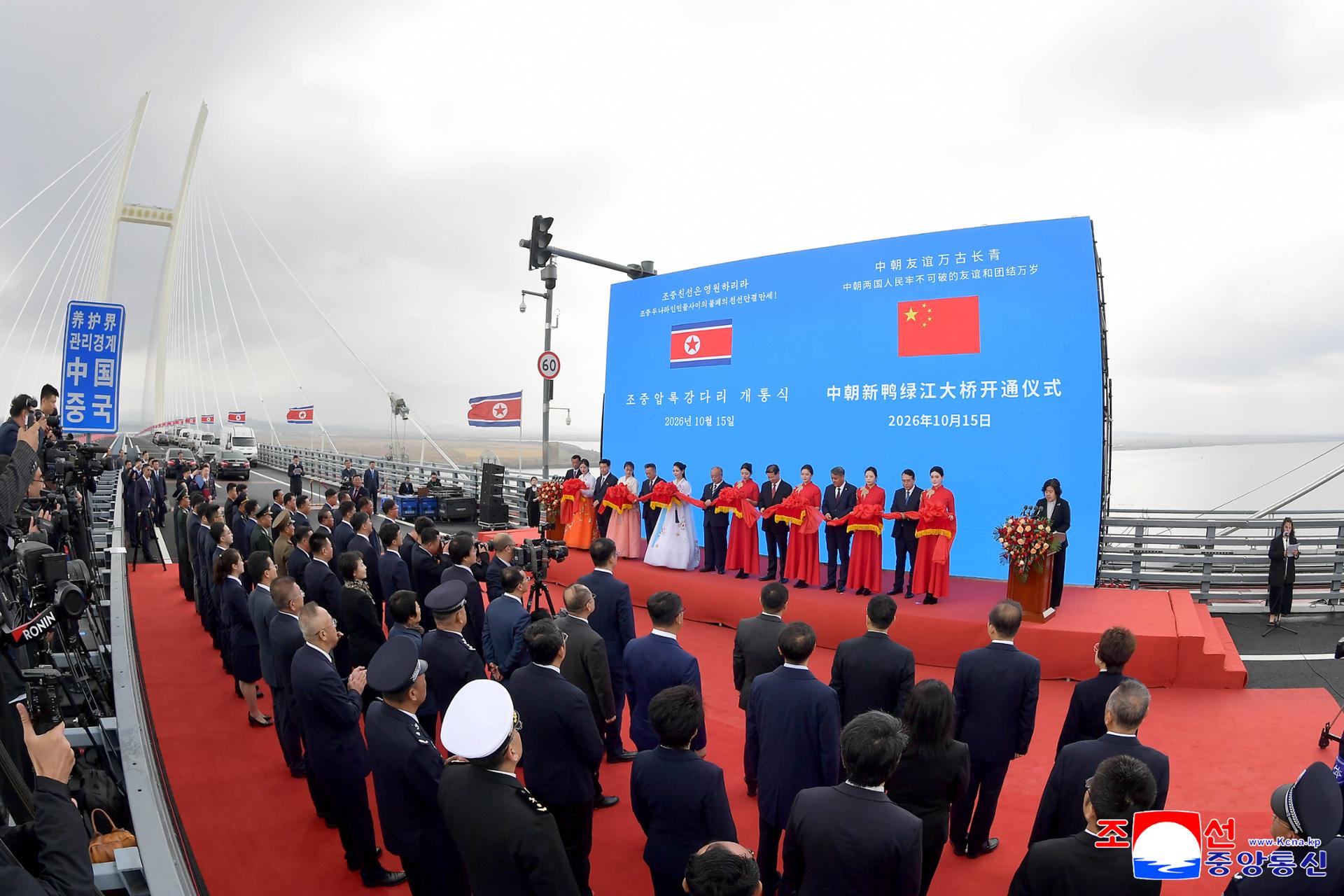 Officials attend the opening ceremony of the new Yalu River Bridge,
strengthening transport links and supporting trade between North Korea
and China. Photo: KCNA via Yonhap
The bridge links the Chinese city of Dandong, a trade hub near the Yellow Sea, with the North Korean city of Sinuiju. Justin Hastings, a professor of international relations at the University of Sydney, was quoted as saying that the bridge is more than symbolic and will provide real logistical benefits to both sides. He said the new infrastructure will complement the older bridge, which is ‘very limited, trucks in different directions and trains had to take turns going across’. Hastings added that ‘the main bottleneck for trade and investment in North Korea is the North Korean investment environment and North Korea’s general unwillingness to open up.’
Japan
‘Sanaenomics’ – Japanese Prime Minister Sanae Takaichi’s favouring of aggressive fiscal stimulus and national economic sovereignty – is targeting massive public-private investments across dozens of critical sectors to build domestic resilience, particularly against geopolitical pressures from China, The Economist reported. A historically weak yen has driven up import costs. To combat this, the Bank of Japan raised interest rates to 1.25 per cent in September, its second increase this year. However, The Economist warned that defending the yen requires a delicate unwinding of the global ‘carry trade’ – where investors borrow cheap yen to purchase high-yielding foreign assets – a shift that risks triggering global market volatility if handled too abruptly.
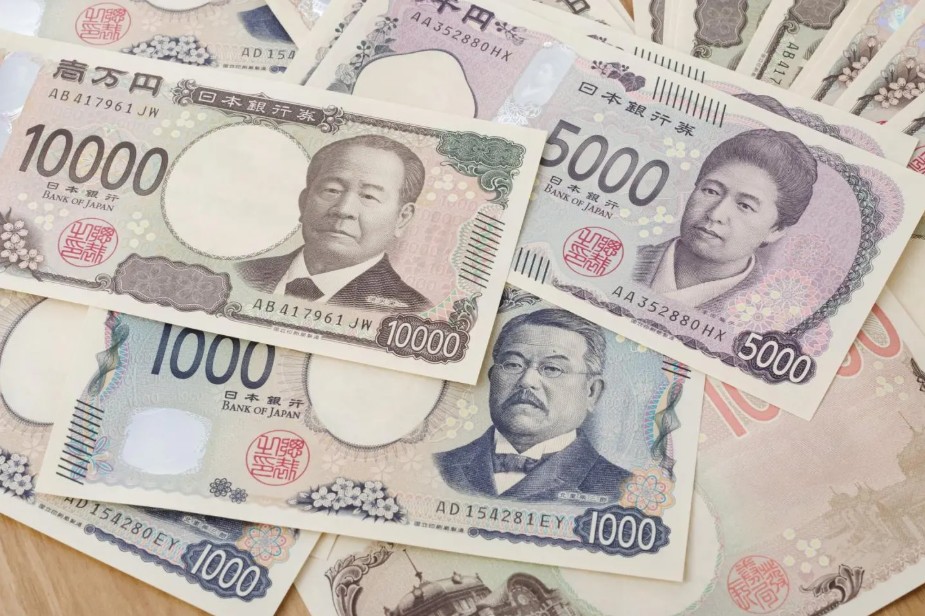
Japan’s efforts to support domestic investment and defend the yen reflect the challenge of balancing economic growth with rising import costs and financial-market risks. Photo: beauty-box/Shutterstock
India
According to Credence Research Inc., India’s women’s apparel market is projected to grow from US$28.79 billion in 2024 to US$45.49 billion by 2032. The growth is driven by rising disposable incomes, greater workforce participation among women and a growing demand for branded clothing. Inevitably, e-commerce, social media and celebrity endorsements are influencing fashion choices across casual wear, formal wear, sportswear, nightwear and inner wear.
India’s recent trade agreements with Britain and the European Union, which cover duty-free garment exports from India, could further boost the sector.
India’s quick commerce market is also projected to grow nearly sevenfold, from US$13 billion in FY2026 to US$90 billion by FY2031, according to a joint report by Redseer and Google.
In general
‘Singapore’s electronics boom, India’s struggle to scale banking AI, Southeast Asia’s data-centre expansion, tight Manila logistics space, and a cautious wage growth show how capacity constraints are shaping business decisions across the region,’ reports The Asian Business Review.
It is also worth noting that Singapore’s digital economy rose to S$144.1 billion (US$113 billion) in 2025 and is now 19.3 per cent of GDP, whereas Indian banks face a margin squeeze despite 18.8 per cent credit growth.