The race for AI supremacy between Washington and Beijing is driving high volume cross-border smuggling of the crucial technology needed to build it, with authorities across Asia struggling to stop billions of dollars-worth of advanced semiconductors from evading US export restrictions to get to China. Helen Davidson reports.
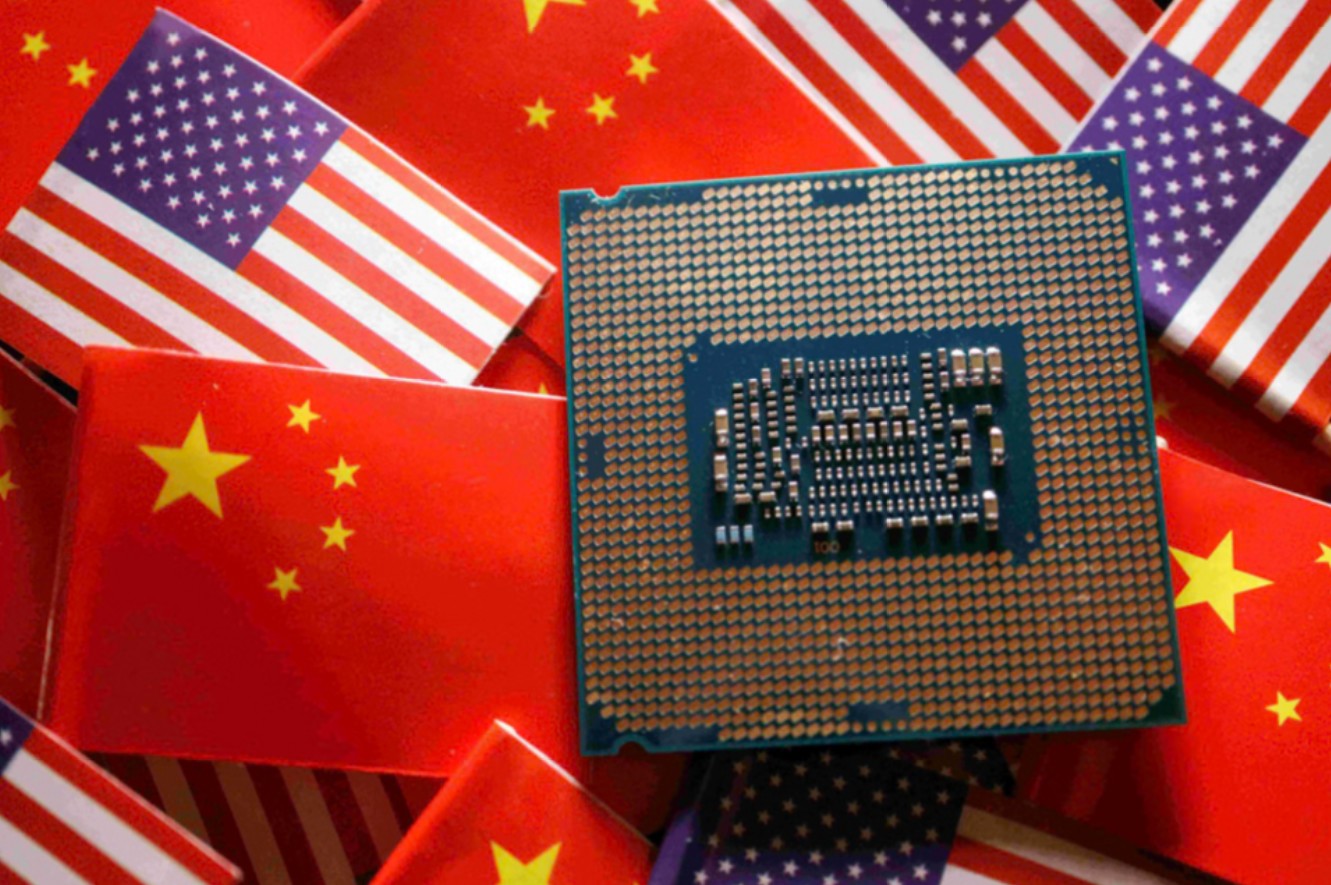
Advanced semiconductors power artificial intelligence, making them central to the technological rivalry between the US and China. Illustration: Florence Lo/Reuters
Semiconductors are the chips that power electronics, everything from basic consumer goods to rockets and missiles. GPUs are an advanced type of chip, originally created for graphics and gaming but now crucial for complex processes like artificial intelligence, and are in high demand. ‘Without them, current large-scale deep learning models simply could not exist,’ said the non-profit monitoring group, C4ADS.
Not all chips are created equal, and while China has made significant advances in its pursuit of technological self-sufficiency, its industry is still behind the developments of the US, with companies like Nvidia holding between 75 per cent and 95 per cent of the advanced AI chip market. Most of these chips are made in Taiwan by the Taiwan Semiconductor Manufacturing Company (TSMC).
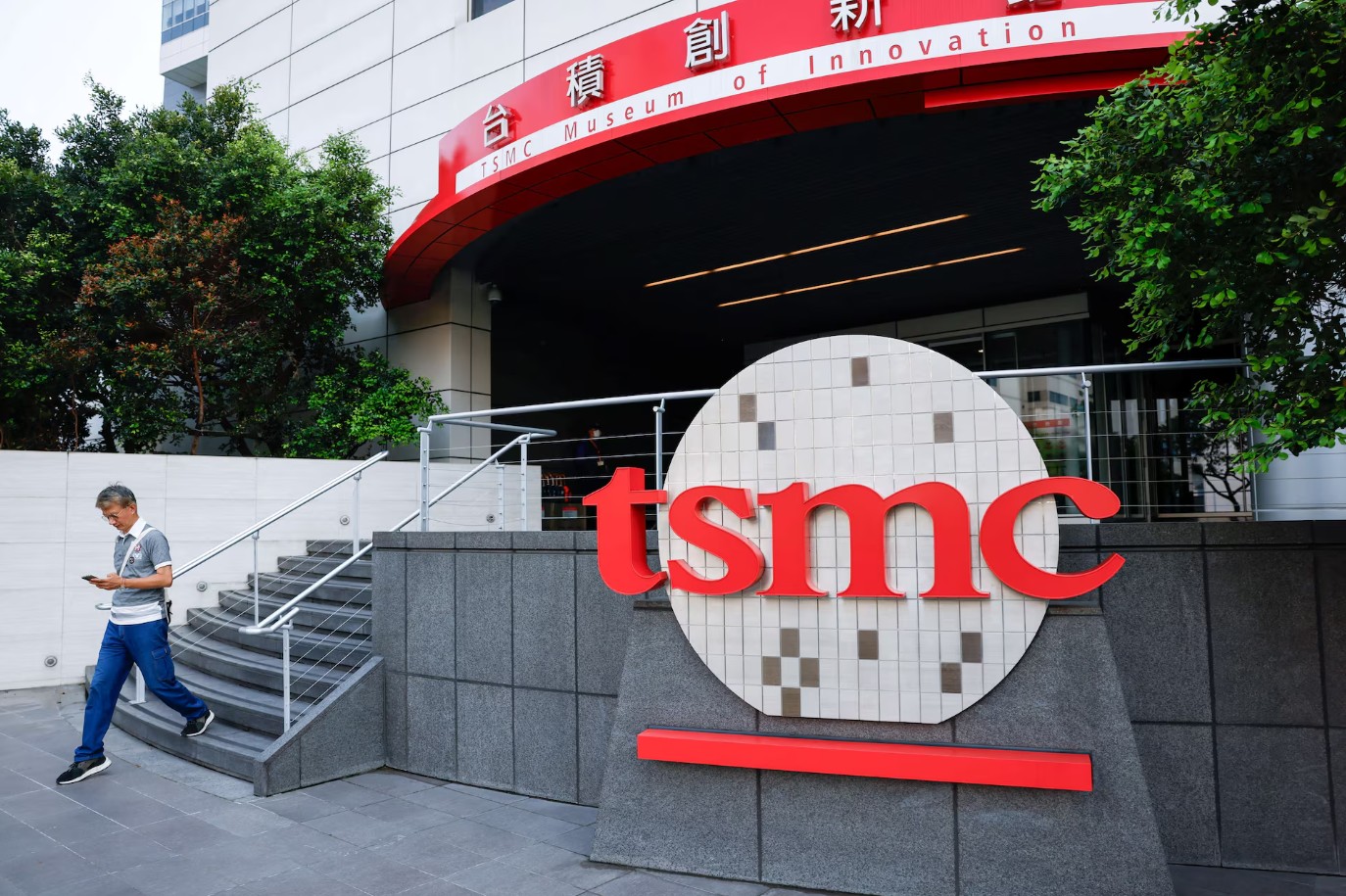 Taiwan is a major hub for advanced chip manufacturing,
with TSMC producing semiconductors used in technologies
worldwide. Photo: Ann Wang/Reuters
The US, claiming a need to protect national security and to keep its competitive edge over China, has since 2022 enforced various export restrictions on selling advanced chips to the country. These have evolved over time, amid lobbying from the tech industry, but mainly focus on restricting particular characteristics of chips. Nvidia's H200, for example, is allowed to be sold to some Chinese customers under specific circumstances, while the company's much more advanced flagship Blackwell is not.
But analysts say China is illicitly procuring the US chips it wants in other ways.
Epoch AI, an AI research non-profit, estimated that in 2025 between 290,000 and 1.6 million advanced chips were smuggled into the country. The midpoint of that estimation would equate to about one third of China's total computing output. ‘China has demonstrated a sustained and adaptive ability to acquire restricted US-designed chips, exploiting gaps in jurisdictional coordination and enforcement regimes,’ said a recent report by C4ADS.
According to C4ADS, restricted tech is getting to China via multicountry dropshipping routes, shell companies, and shipments disguised as legitimate acquisitions by research institutions which ultimately have ties to the Chinese state and military. Investigations by authorities, analysis groups and media have found billions of dollars in shipments of restricted chips that appear to be going to Southeast Asian companies and data centres with links to Chinese tech firms.
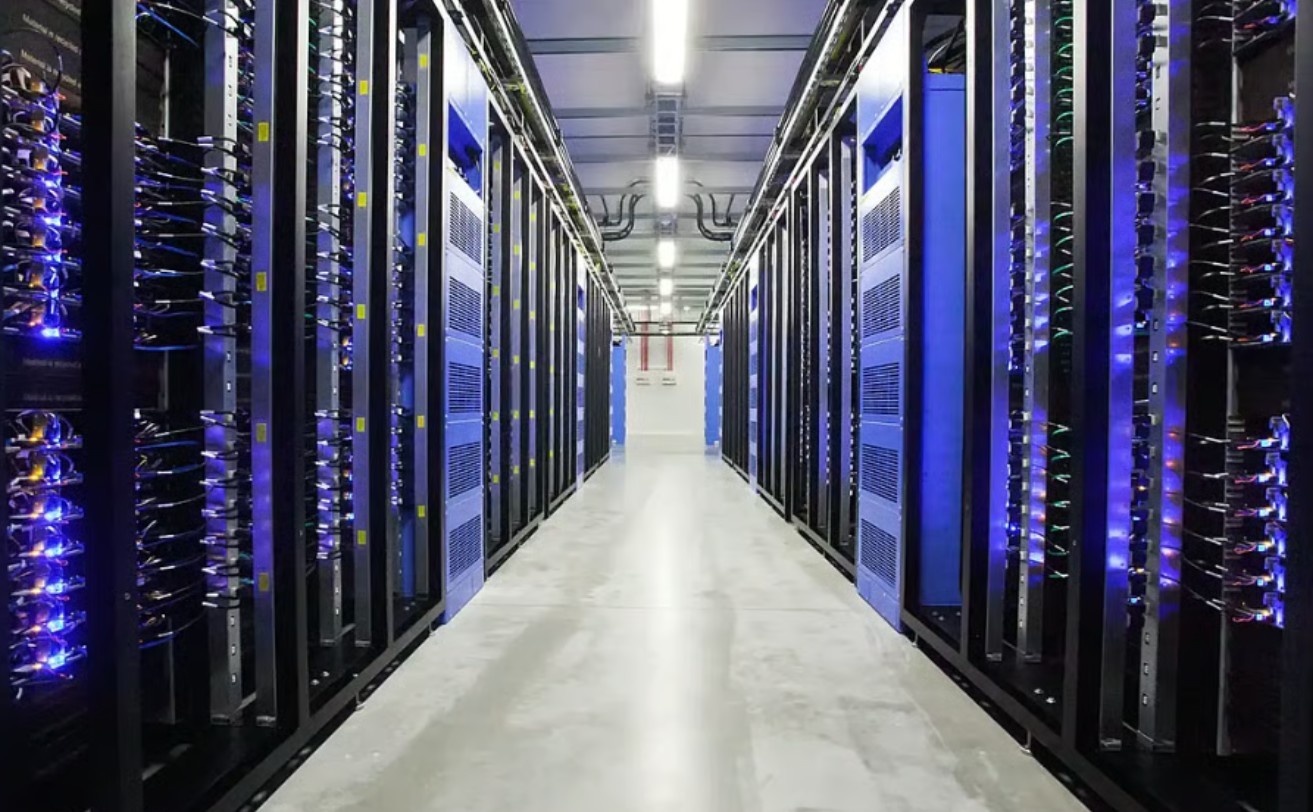 Data centres in Malaysia are part of Southeast Asia’s growing technology
infrastructure, creating challenges for authorities seeking to distinguish
legitimate chip imports from shipments suspected of bypassing US
export restrictions. Photo: EPA
Export data analysis by Epoch AI found that between April 2024 and June 2025, there was a six-fold mismatch between Chinese and Malaysian records of shipment values into China, suggesting the Malaysia-based exporters were deliberately under-reporting the value of items to disguise them as unrestricted low-value tech. Malaysian authorities struggle to monitor it all, given the large number of data centres operating in the country which are importing large amounts of tech legitimately.
Singapore authorities first charged individuals with fraud offences over the procurement of servers under false pretences, to ship to Malaysia and then potentially China, in February 2025. In July this year, authorities went further, seizing a US$42m luxury house allegedly bought with proceeds from the illegal smuggling of Nvidia chips, filing a new money-laundering charge, and charging four linked companies.
 Singapore authorities have pursued money-laundering allegations
linked to suspected illegal Nvidia chip smuggling, highlighting the
financial stakes of the trade. Photo: Gokul/Unsplash
In another high-profile case, US authorities are investigating Apex Logistics, a Singapore-based subsidiary of Swiss shipping giant Kuehne+Nagel, over allegations two employees mislabelled hardware to avoid export restrictions. The US Department of Justice has also charged senior employees of Super Micro in relation to an alleged scheme, worth US$2.5bn, to send AI servers to China via Southeast Asian shell companies.
In August prosecutors in Taiwan, the primary production hub, charged nine people for illegally exporting ‘high-end’ GPUs to China. One of those charged worked for Nvidia as a manager, and two for Super Micro. But Taiwan has few avenues to pursue chip smugglers, with no laws specifically banning the transfer of the tech to China, and instead has to use other laws.
‘It's difficult for companies like Nvidia to track chip smuggling,’ said Dr Kyle Chan, a fellow at the John L. Thornton China Center at the Brookings Institution. ‘They know their immediate customers well but have much less visibility into indirect customers. After the first transaction to immediate customers, it's hard to follow what happens next with these chips unless they've been intercepted later.’
The issue puts countries like Singapore and Malaysia in a bind. Southeast Asian nations are common intermediaries for legitimate shipping to China, and are in a constant struggle to maintain strong relationships with two opposing superpowers – China and the US.
‘The White House has consistently pressured the region to crack down on chip smuggling, and Singapore and Malaysia have already implemented tighter controls in 2025 for the export, transshipment, and transit of high-end chips for AI,’ Jason Blessing, research fellow at the Potomac Institute for Policy Studies, told Democracy Asia. ‘At the same time, countries like Singapore and Malaysia still have incredibly tight economic relationships with China that are unlikely to change any time soon.’
Publicly, China says it does not actually want the foreign chips. By the time the Trump administration agreed to carve out Nvidia's H200 chip from the fully restricted list, Beijing was warning its local industry not to buy it. Nvidia's share of the Chinese market had gone from around 95 per cent to effectively zero.
‘China's approach to the chip market is emblematic of its broader approach to economic statecraft: assert the need for self-sufficiency in key sectors, highlight the dangers of and prohibit US alternatives, and then leverage those same US products and technologies through illicit means to economically undermine and try to leapfrog the United States,’ said Blessing.
Companies like Nvidia and AMD would prefer to sell to China, the world's largest market. Chinese authorities are reportedly mulling allowing domestic purchase of the H200, but it is ‘old tech’ by now.
In September Politico reported the two companies were lobbying US lawmakers to reject planned legislation – which has broad bipartisan support – to tighten the restrictions further. ‘US firms continue to be restricted by a combination of outdated US export controls, which cover gaming products released nearly half a decade ago, and China's own limits on US imports,’ an Nvidia spokesperson told Reuters the same month.
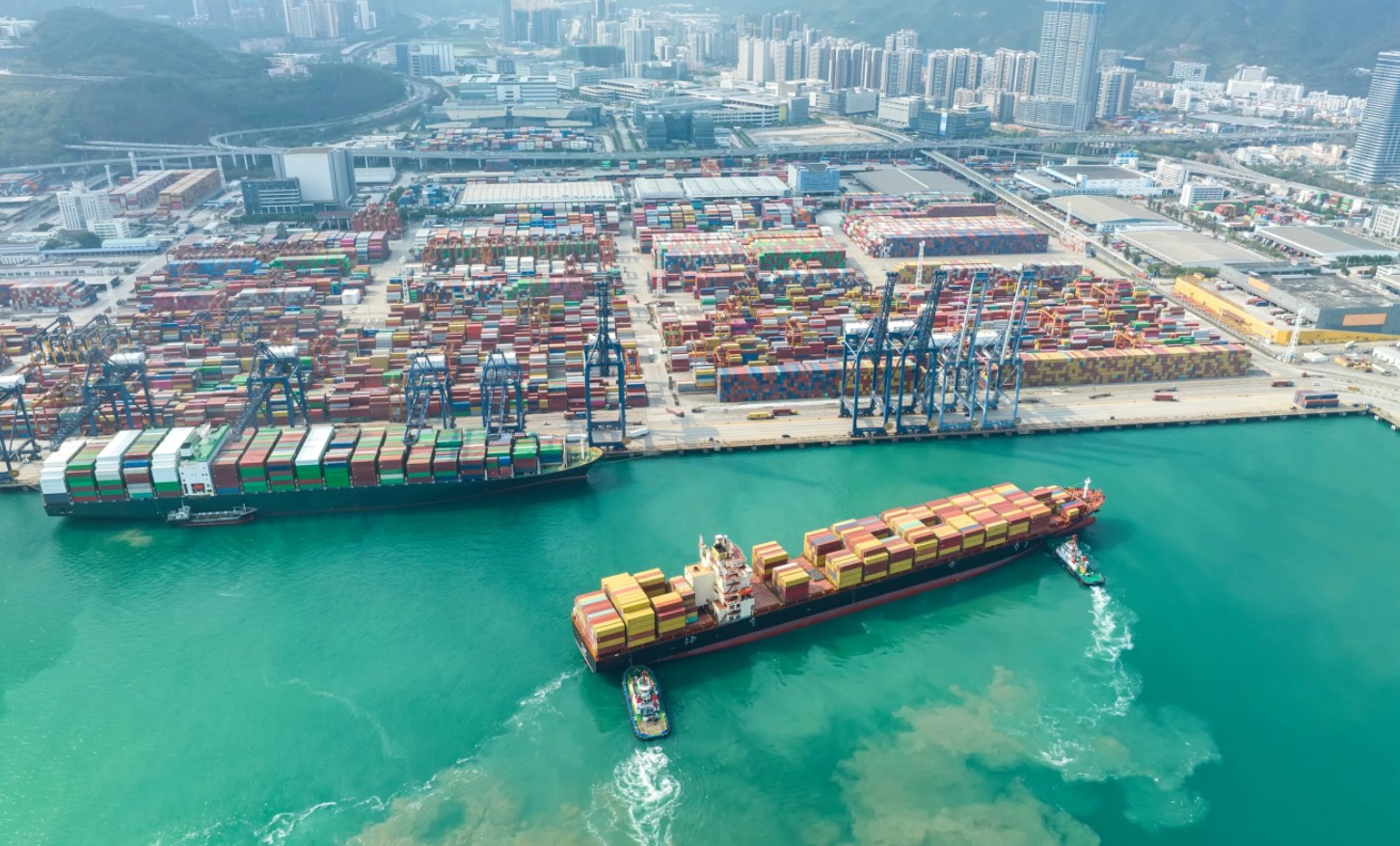 Cargo containers at Kwai Tsing Container Terminals in Hong Kong,
illustrating the scale of international shipping and trade across Asia.
Photo: South China Morning Post.
C4ADS recommended US authorities increase resources for enforcement of the restrictions, and pay more attention to China-based buyers that appear legitimate but have ties to Chinese defence or intelligence. It also called for tighter due diligence requirements for companies. But even if export controls and improved due diligence succeeded, the physical restriction model itself has a fundamental digital flaw. China can still access the computing power remotely. Major Chinese tech firms like ByteDance, Alibaba and Tencent are increasingly working with cloud providers in places like Singapore and Malaysia, which run on legitimately acquired US chips.
‘Even if export controls prevent China from directly acquiring advanced chips, the regime is still able to access the power of these chips in third-country data centers across Southeast Asia,’ Blessing said. ‘As long as China maintains a demand for high-end chips and is willing to pay for evasion, we can expect that their strategy and methods will continue to evolve.’