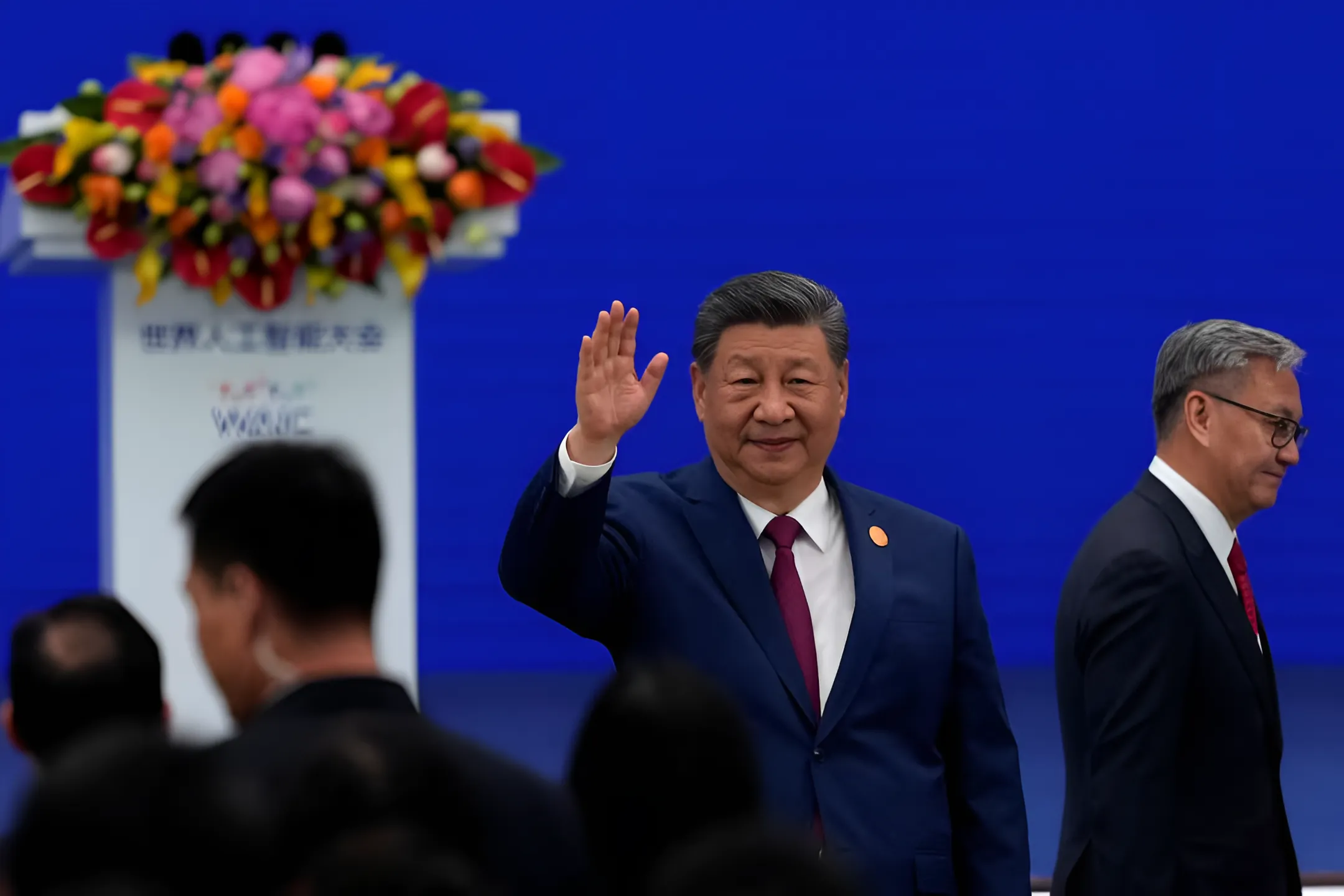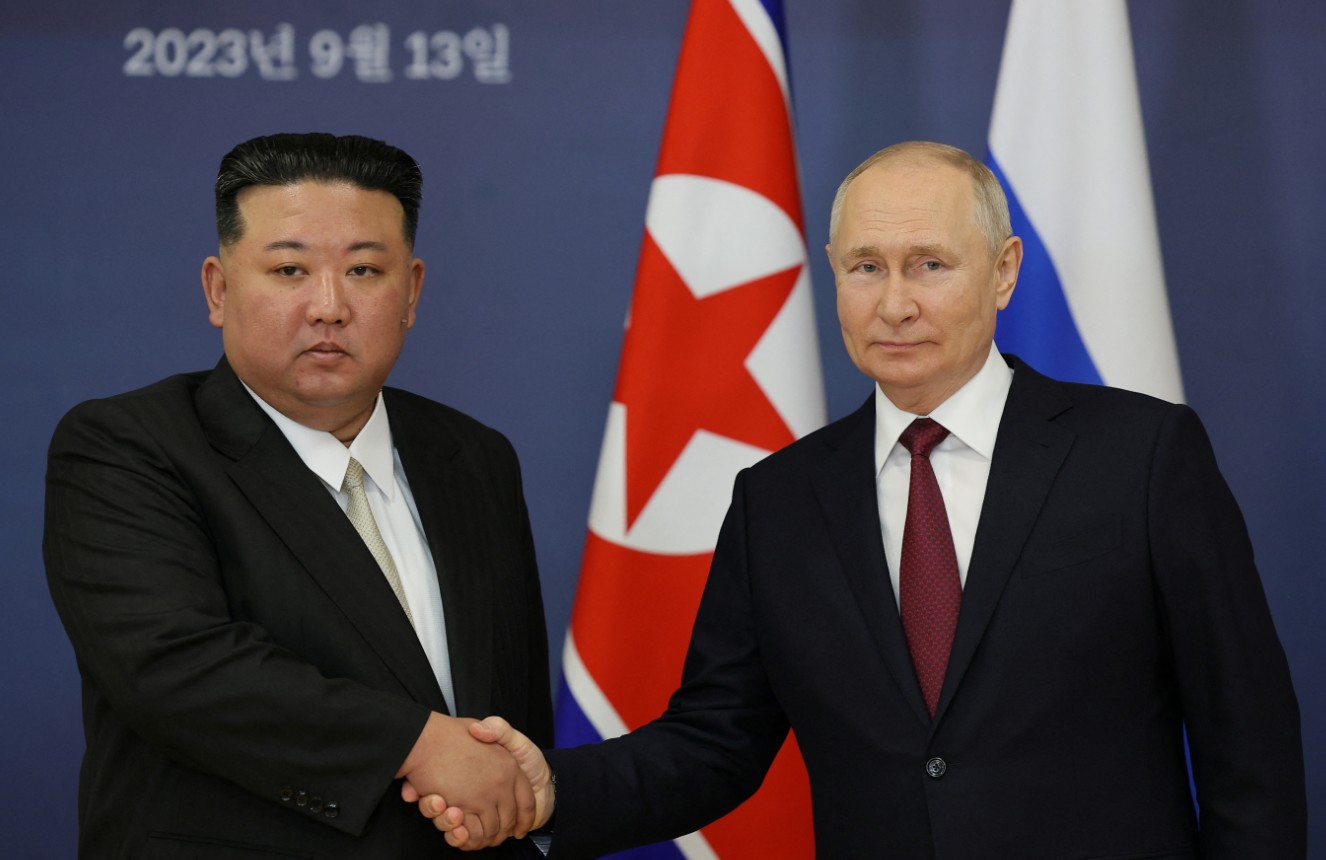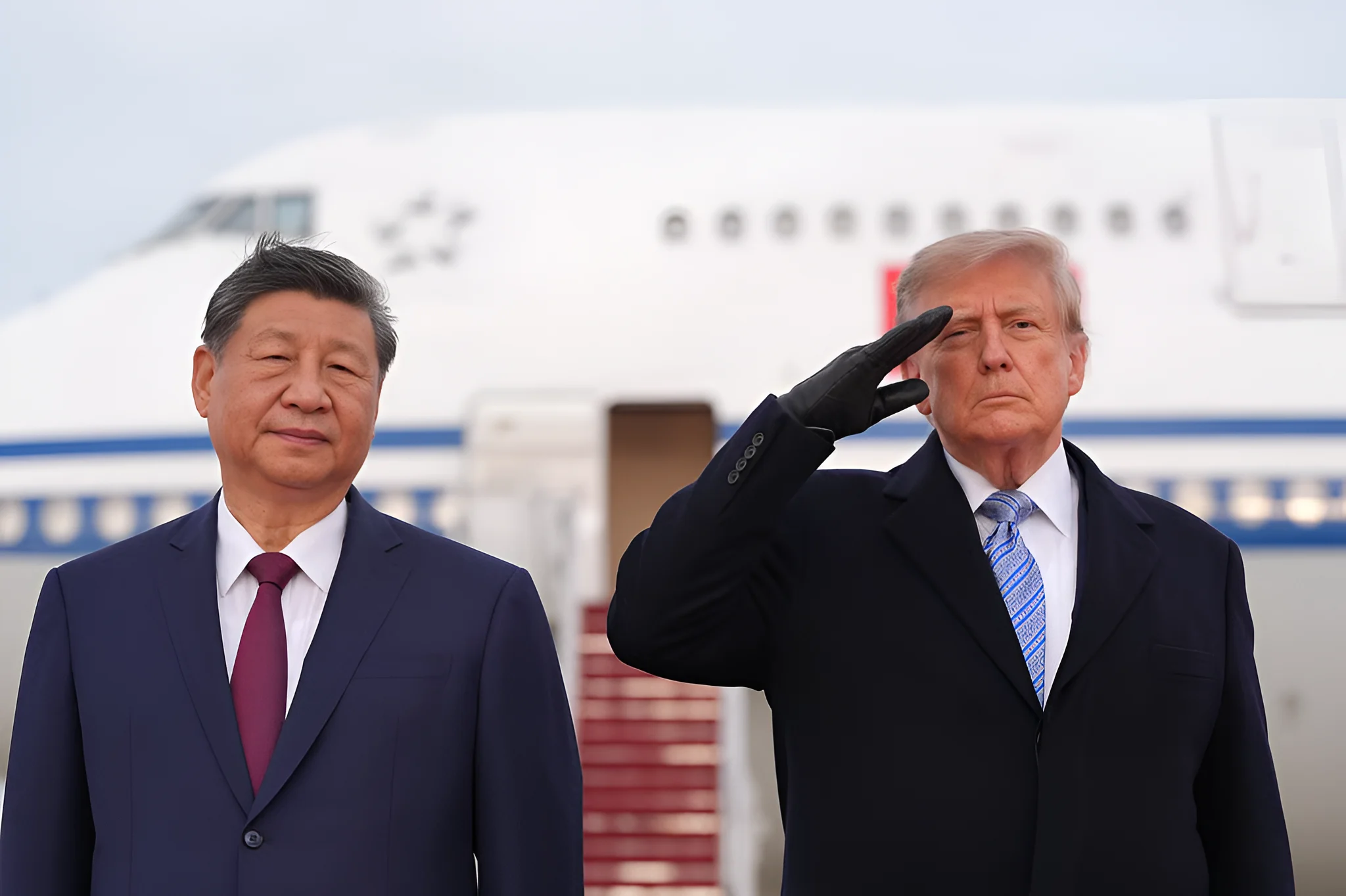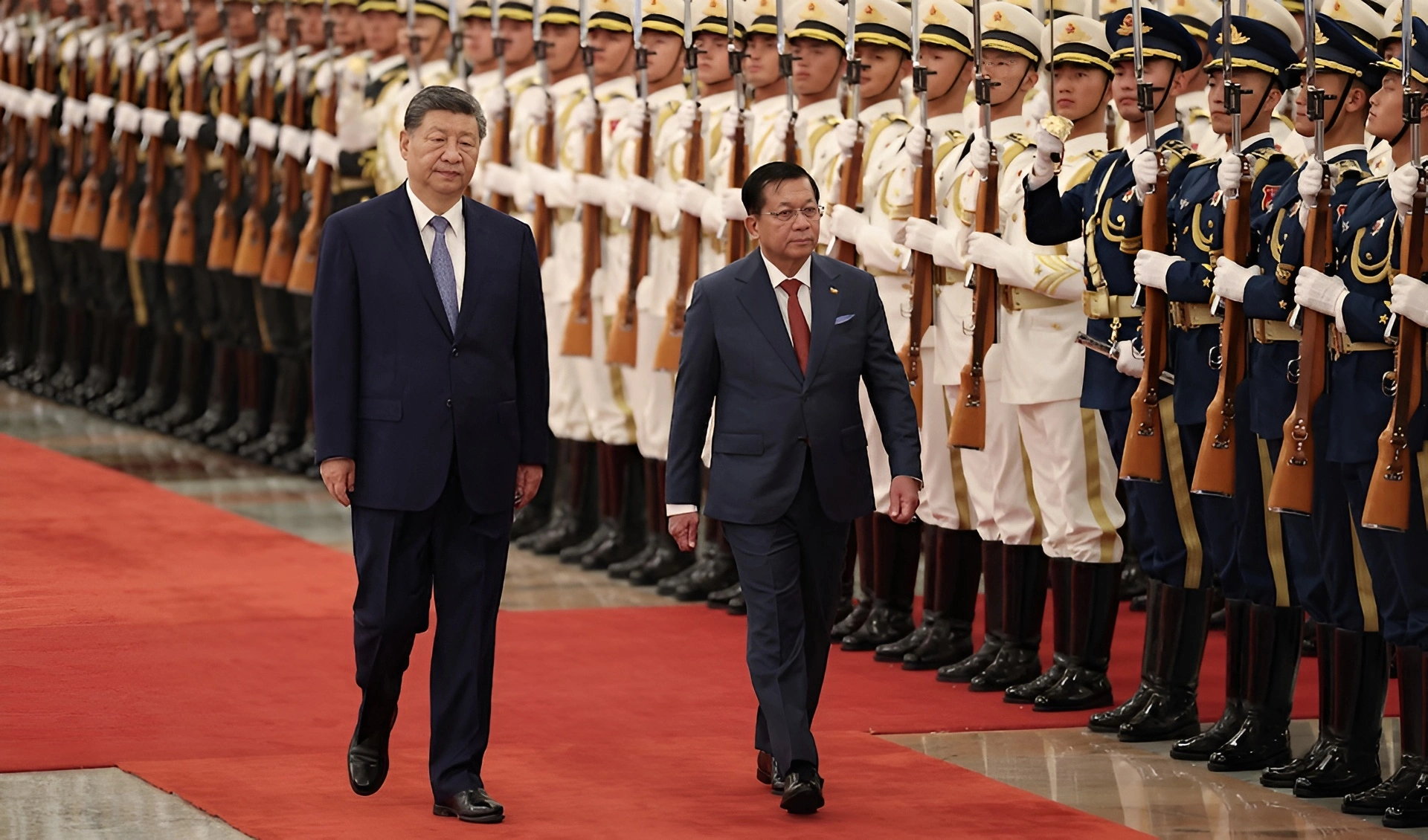
As the presidents of China, the US and Russia met at the APEC summit in Shenzhen on 19 November, a little-noticed Communist Party meeting in October suggested Xi was the most powerful man in the room – for now at least. Howard Zhang reports.
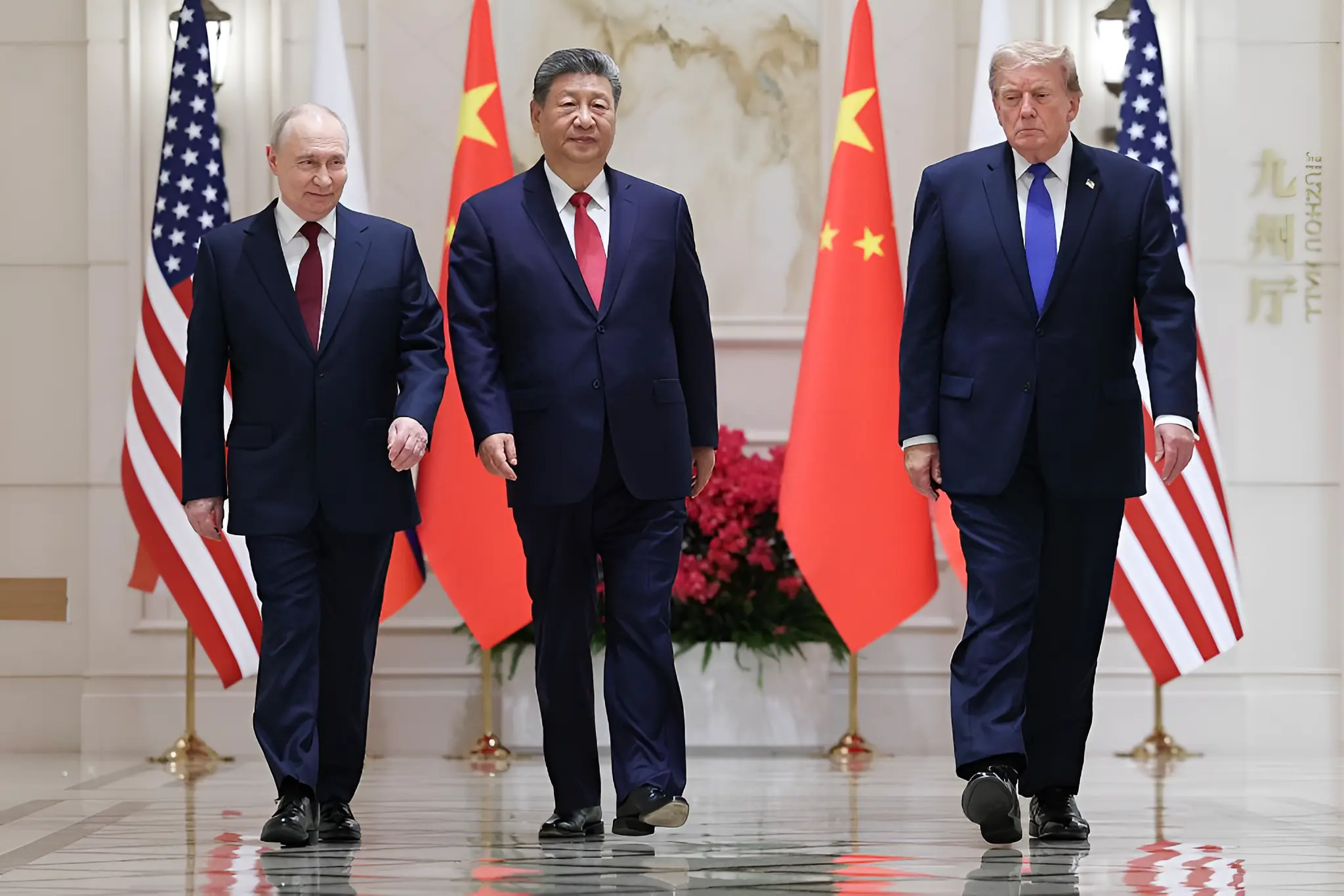
Vladimir Putin, Xi Jinping and Donald Trump meet at the APEC summit in Shenzhen on 19 November as questions grow over China's leader and his expanding political authority. Photo: Andres Martinez Casares/Reuters.
Few expected the Shenzhen summit to yield anything concrete, but three strongmen shaking hands in front of the cameras is a sure headline grabber. Each arrived with his own troubles. Trump, fresh from a bruising midterm defeat, will see his powers curtailed once the Democrats take control of Congress in January. Putin faces no institutional pressure, but his failure to win in Ukraine has dented his strongman image. Xi may have a faltering economy and simmering social discontent to manage, but since September he has purged yet more political and military figures, tightened his grip on the Party machinery and begun laying the ground for a fourth term in office. Arguably no leader in Shenzhen is as fully in command as Xi.
It is worth taking a closer look at the Fifth Plenum of the Party's Central Committee, a meeting that some say marked China's farewell to Deng Xiaoping's legacy.
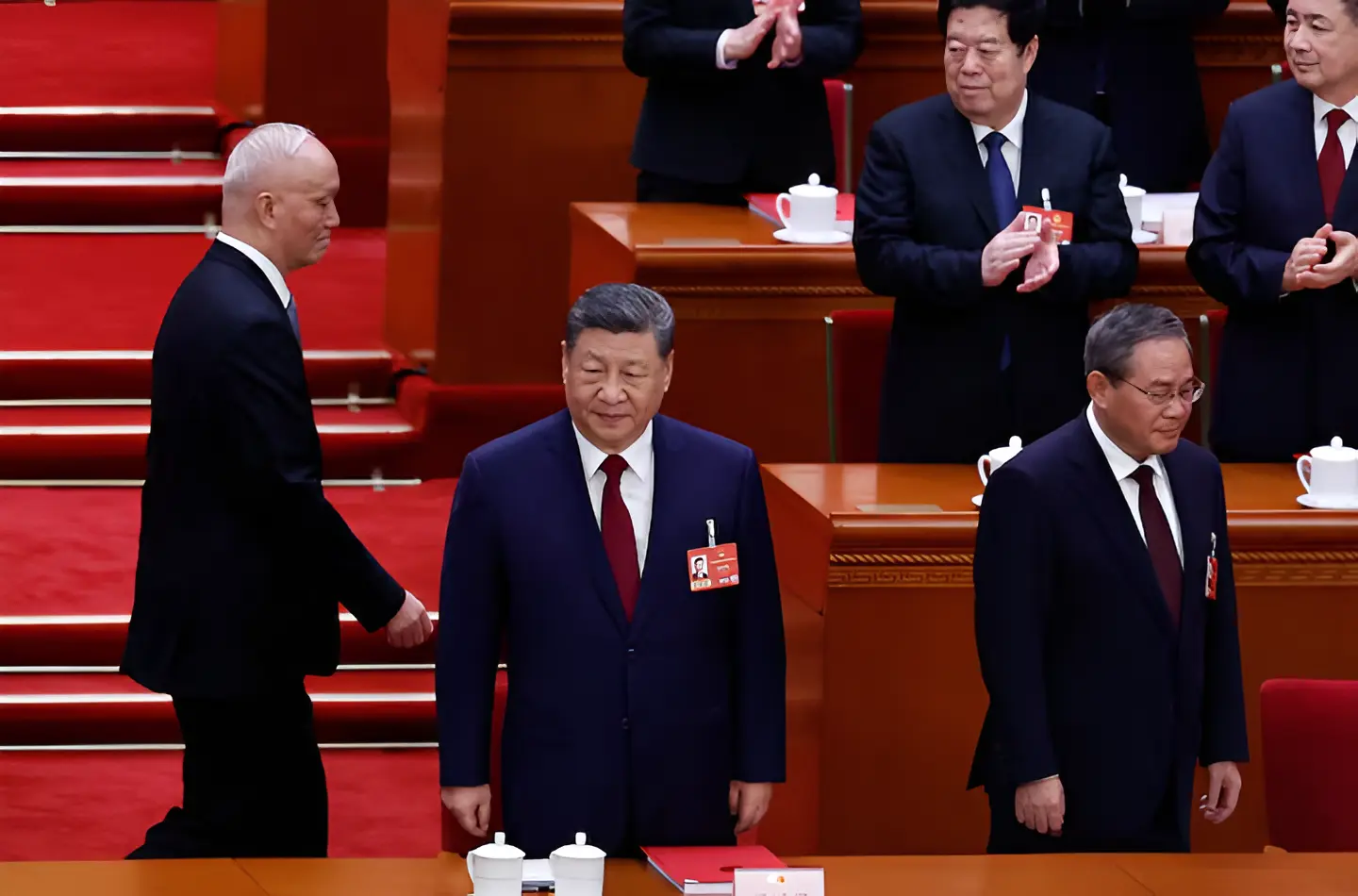 Chinese President Xi Jinping with senior Communist Party leaders at the closing session of the National People's Congress in Beijing on 12 March 2026, reflecting his grip on China's political leadership. Photo: Tingshu Wang/Reuters
The Plenum, held from 26 to 29 October, confirmed the expulsion of 33 senior officials, including the generals Zhang Youxia and Liu Zhenli, the largest number at any plenum since reform began in 1978. Only 279 full and alternate Central Committee members attended, against 376 elected in 2022, the lowest attendance rate since the Mao era. No official reason was given, but analysts attribute most of the empty seats to expulsions and investigations – a measure of how far the purge has reached. The Central Committee runs China between Party congresses, and its members include ministers, provincial leaders, the bosses of key state-owned enterprises and the top brass of the military.
Most China watchers read the plenum communiqué and later announcements as Xi gaining near-absolute control over the Party and paving the way for a fourth term at the 21st Party Congress next year, though a few scholars argue that potential challengers remain, especially in the military.
The most striking instruction, spelt out in later regulations, barred local Party chiefs, the ‘number ones’ with real sway over appointments, budgets and economic decisions, from demanding personal loyalty from their subordinates. Many read it as Xi insisting that loyalty can be owed to only one man, at the very top.
The anti-corruption chief Li Xi cited the ancient philosopher Han Fei: 事在四方,要在中央, affairs may be conducted everywhere, but essential authority rests at the centre. No American president, and not even Putin with his looser web of security chiefs and regional bosses, commands a machine of that reach. According to Li Xi, disciplinary authorities punished 7.9 million people, including 963 senior officials, between November 2012 and September 2026, and the cases keep coming.
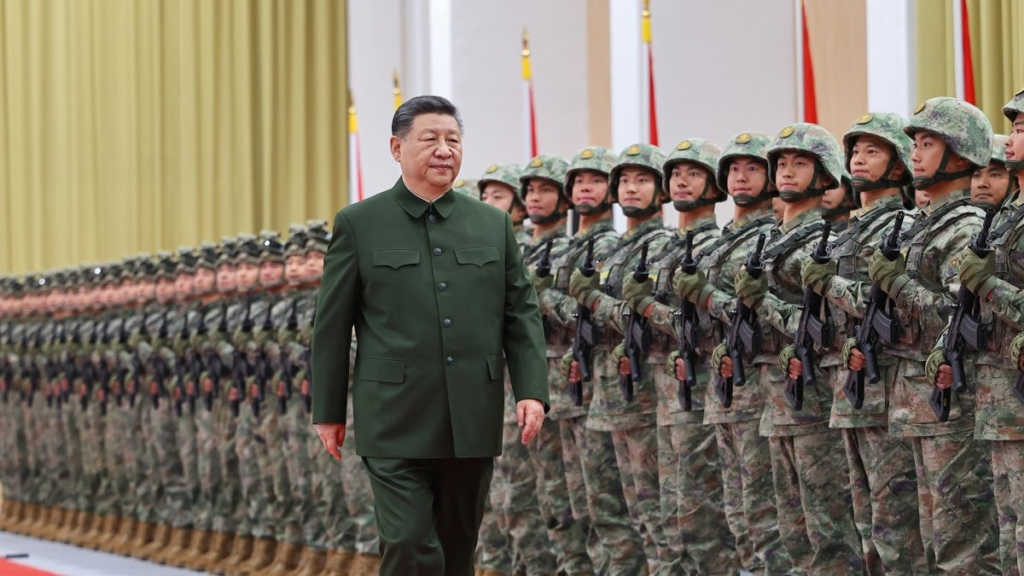 Chinese President Xi Jinping inspects the People's Liberation Army garrison in Macao, highlighting his role in overseeing China's military leadership. Photo: Xinhua
The natural question is what Xi plans to do with all this power, and his own speeches offer a clue. In October 2013, less than a year after becoming general secretary, Xi told Taiwan's former vice-president Vincent Siew, on the sidelines of the APEC summit in Bali, that the political divide across the Taiwan Strait could not be passed on from generation to generation, words widely read as a signal that he meant to settle ‘reunification’ in his own time. He has since spoken of changes unseen in a century, urged the Party to prepare for the worst and told officials to dare to struggle, and in 2023 he told the National Security Commission to prepare for extreme scenarios. He wants a Party able to mobilise the nation through a prolonged confrontation, whether over sanctions, technology or Taiwan. Nothing in these speeches explicitly says Xi intends to start a war, but preparing China for one runs through all of them.
If Xi is planning for a confrontation, why does he keep purging even the military, including almost all of the top generals? Some experts argue the purges are due to political loyalty issues and may delay Xi's ambitions over Taiwan; others contend that his drive for absolute top-down control means war could come at any time, pointing to mounting military and paramilitary activity around the Strait.
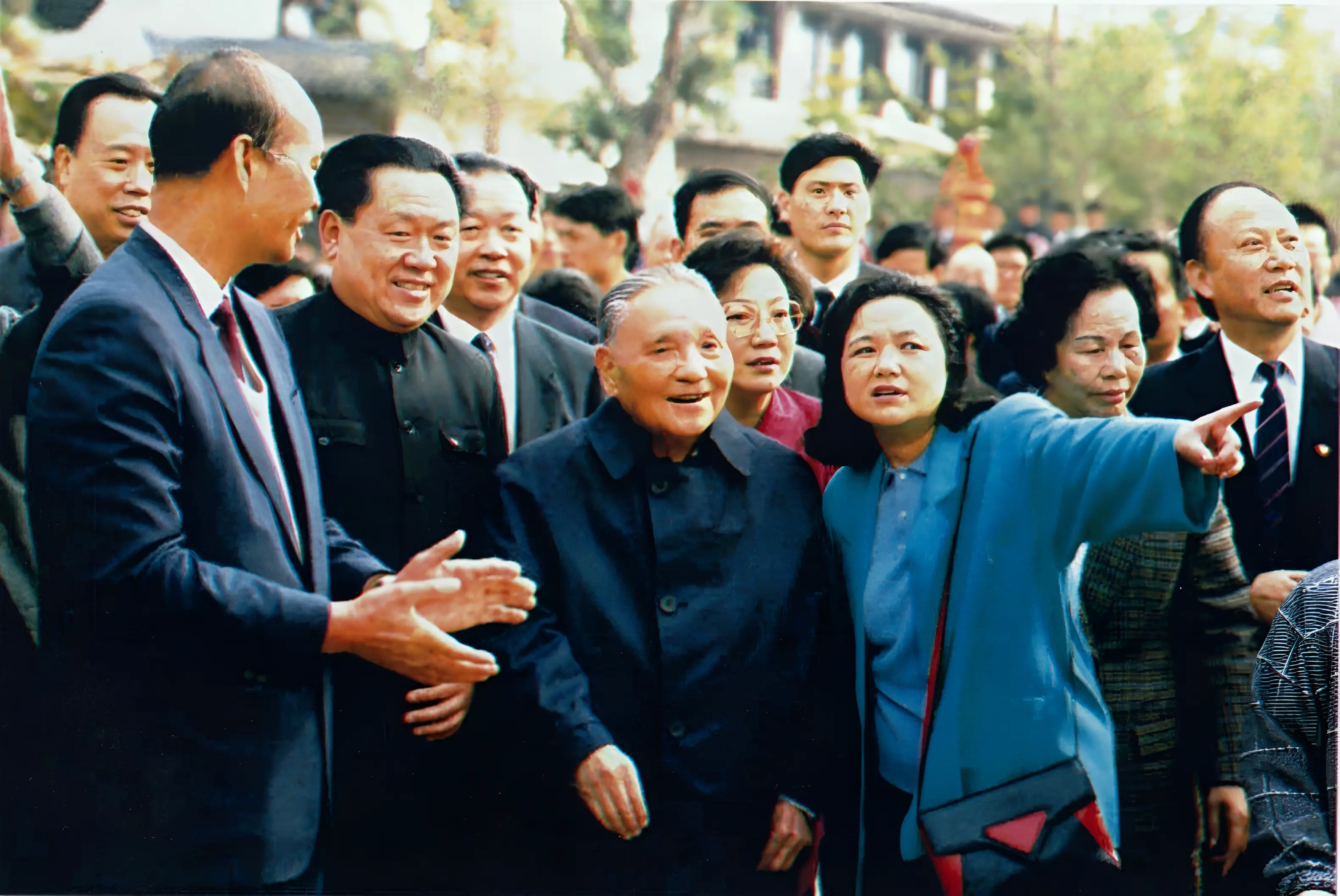 Deng Xiaoping visits Shenzhen's Splendid China Folk Village during his 1992 Southern Tour, which helped shape China's economic reform era. Photo: AP
Xi could hardly have chosen a more pointed venue than Shenzhen to showcase his power. It was here that Deng Xiaoping turned China from revolution to economic reform, ending class struggle at home and putting economic cooperation ahead of world revolution abroad, and here that history has now come full circle.
In Xi’s ‘new era’ China, national security has again overtaken economic development as the top priority in Party documents, and in November he told state-owned enterprises to integrate Party leadership throughout corporate governance. Security laws once again treat citizens as potential ‘foreign agents’, and surveillance reaches from public squares down to digital wallets.
Challenge to the world
Xi's domestic model is also becoming an argument abroad. In November Li Xi claimed China had dispelled the belief that only multiparty democracies can prevent the abuse of power and corruption, and Xi has called Chinese-style modernisation a major advance over Western modernisation. China's new cross-border anti-corruption law carries that argument into other countries' legal systems, where its limits on sharing evidence could trap international businesses between conflicting obligations.
Xi has pressed on despite worldwide pushback against state-backed export drives in electric vehicles and solar panels that have helped hollow out industries in Germany and elsewhere, and against persistent allegations of intellectual property theft and espionage, the latest being US officials' claim that a suspected Chinese intelligence asset targeted Nvidia's Jensen Huang, which Beijing calls groundless.
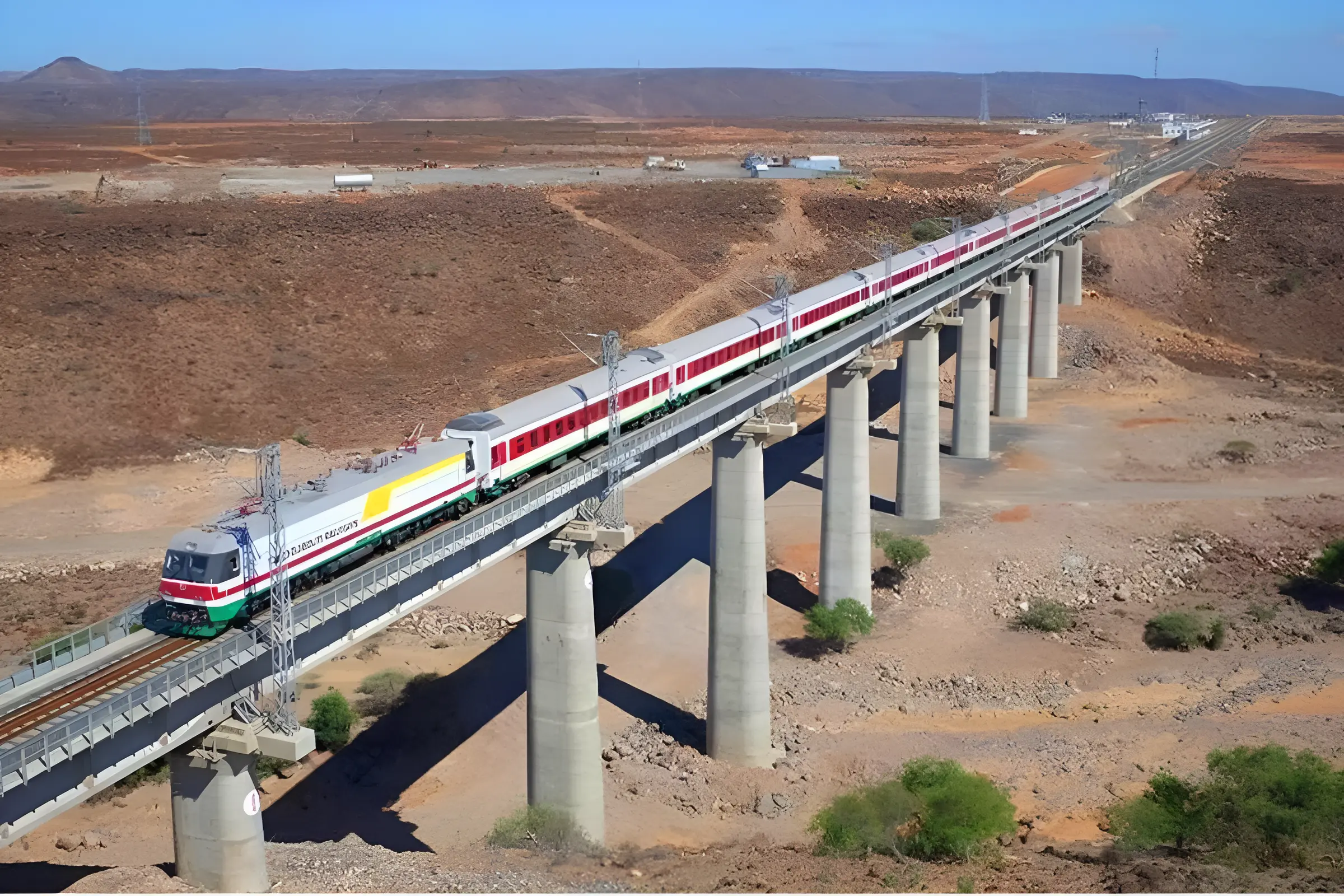 The Chinese-backed Addis Ababa–Djibouti railway in East Africa, a major overseas infrastructure project linked to China's Belt and Road Initiative. Photo: Handout
Xi has also revived a Mao-era influence push, this time through the Belt and Road Initiative, state media and Confucius Institutes instead of arming guerrilla movements, and not only in the Global South. China's reach extends into Western societies through transnational repression; the Madrid-based human rights organization Safeguard Defenders reported in November that China's so-called overseas police stations have grown into nearly 1,250 operations in at least 91 countries.
With all that said, as three strongmen stride across the stage in Shenzhen, it is worth remembering that Xi's vow not to hand the Taiwan question down to the next generation was made at another APEC summit, in Bali in 2013, when it still sounded like a distant ambition. He has spent the thirteen years since building a Party, army and state that could act on it. Xi may stand at the pinnacle of his power, but history's solace is that no power lasts for ever; the purges that make him unchallengeable today also leave him without a designated successor, without generals who dare to argue and without anyone to share the blame. Deng's generation, who had lived through the last time one man held this much power over China, understood that better than anyone.