Sequins, key changes and a crystal microphone: Eurovision has finally come to Asia. Rahul Bhise reports on a night of 11 countries, one Filipino winner and a very conspicuous empty chair.

CARMELLE of the Philippines lifts the first Eurovision Song Contest Asia trophy in Bangkok. Photo: Eurovision Song Contest Asia
It took 70 years, but Eurovision has finally learnt to say sawasdee. On 14 November, at the One Bangkok Forum, 11 countries sang their hearts out at the first Eurovision Song Contest Asia – and a 19-year-old from the Philippines walked off with the trophy.
CARMELLE won with ‘Sobra-Sobra’ (Too Much), a dance-pop and rap number that, despite its title, turned out to be exactly enough. She topped both the jury and the public vote, finishing on 211 points, 41 clear of the hosts, Thailand’s MANG x DAOU. Vietnam came third, with Malaysia and Laos rounding off the top five. Dara, who won this year’s European contest for Bulgaria, handed over the trophy – a neat passing of the sequinned baton.
Eurovision for beginners
For the uninitiated, Eurovision is Europe’s song contest, held every year since 1956: three minutes per song, a great deal of glitter and an entire continent pretending not to care while watching every second. It gave the world ABBA, who won with ‘Waterloo’ in 1974, and launched Céline Dion, who won for Switzerland in 1988.
The European Broadcasting Union (EBU), which owns the contest, has now exported it to Asia. The rules barely changed in transit: juries and viewers share the points, and nobody can vote for their own country. The winner gets a trophy, no prize money and, unlike in Europe, no obligation to host next year – news that will relieve any finance minister who was watching.
India: not singing, but voting
India had no entry, but Indians still had a say. Viewers in countries without an act could vote, with their ballots pooled into a 12th ‘rest of the world’ jury. Each got eight free votes, to be spread across at least three songs, and ten more could be bought by those whose love ran deep. Votes came in from 183 countries and territories. Those watching on YouTube also got the full Eurovision experience: the stream froze at intervals during the first half.
The Democracy Asia awards
Eurovision hands out one trophy, which seems stingy. Here, in running order, are 11 more.
Best opening act: Vietnam. Tóc Tiên – singer, actress, TV host and a household name for two decades – opened the show with ‘EM TIÊN’, a song her fans chose by public vote. Democracy in action. It finished third.
 Tóc Tiên representing Vietnam at Eurovision Song Contest Asia 2026 in Bangkok. Photo: Ralph Larmann
Most tactful title: Cambodia. Performing in the capital of a neighbour with which it has an unresolved border dispute, Cambodia’s Monetrey sang a ballad called ‘I Let You Go’. Diplomats, take notes.
Heritage award: Laos. Thinla mixes Morlum, the traditional music of Laos, with pop, R&B and dance, and has already sung at ASEAN summits – surely a tougher crowd. ‘BAE’ came a strong fifth.
Busiest man in show business: Mongolia. Beck is a singer, actor, host, model and producer, which raises the question of when he sleeps. He found time to sing ‘Chamguigeer (Without You)’.
Press prize, declaring an interest: Bhutan. Nyendra, 24, studied journalism at the Royal Thimphu College, then sensibly chose music instead. He co-wrote ‘Lhayi Semo’ and sang in English and Dzongkha. Every journalist staring at a deadline will understand.
The actual trophy: the Philippines. CARMELLE, from the Bicol region, has been in training for years: runner-up on The Voice Kids, winner of Tawag ng Tanghalan and a housemate on Pinoy Big Brother. In Bangkok, the juries and the viewers agreed on her, which by Eurovision standards is practically a miracle.
No instruments required: Bangladesh. Beatmosphere, an a cappella and beatbox collective formed in 2009, makes drums, basslines and electronic effects with nothing but voices and bodies. Normally nine strong, it slimmed down to six – the most Eurovision allows on stage – for ‘Tumi Ele’. Its excess baggage bill must have been the envy of the arena.
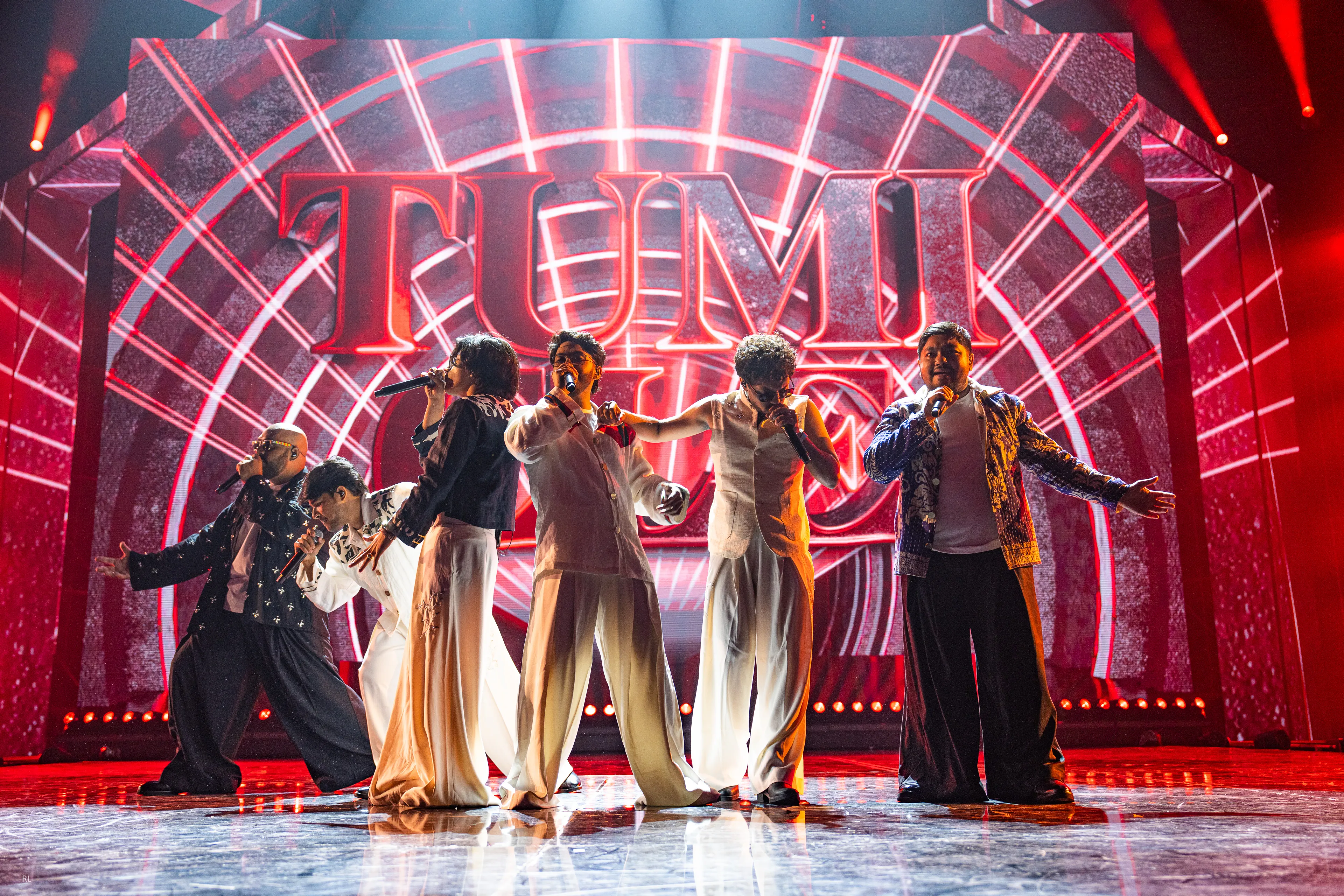 Beatmosphere rehearsing for Bangladesh at Eurovision Song Contest Asia in Bangkok Forum. Photo: Ralph Larmann
Gracious hosts: Thailand. The T-pop singer MANG teamed up with Daou Pittaya, a singer, actor and MC, for ‘Aroma’, and finished a very respectable second in front of a home crowd.
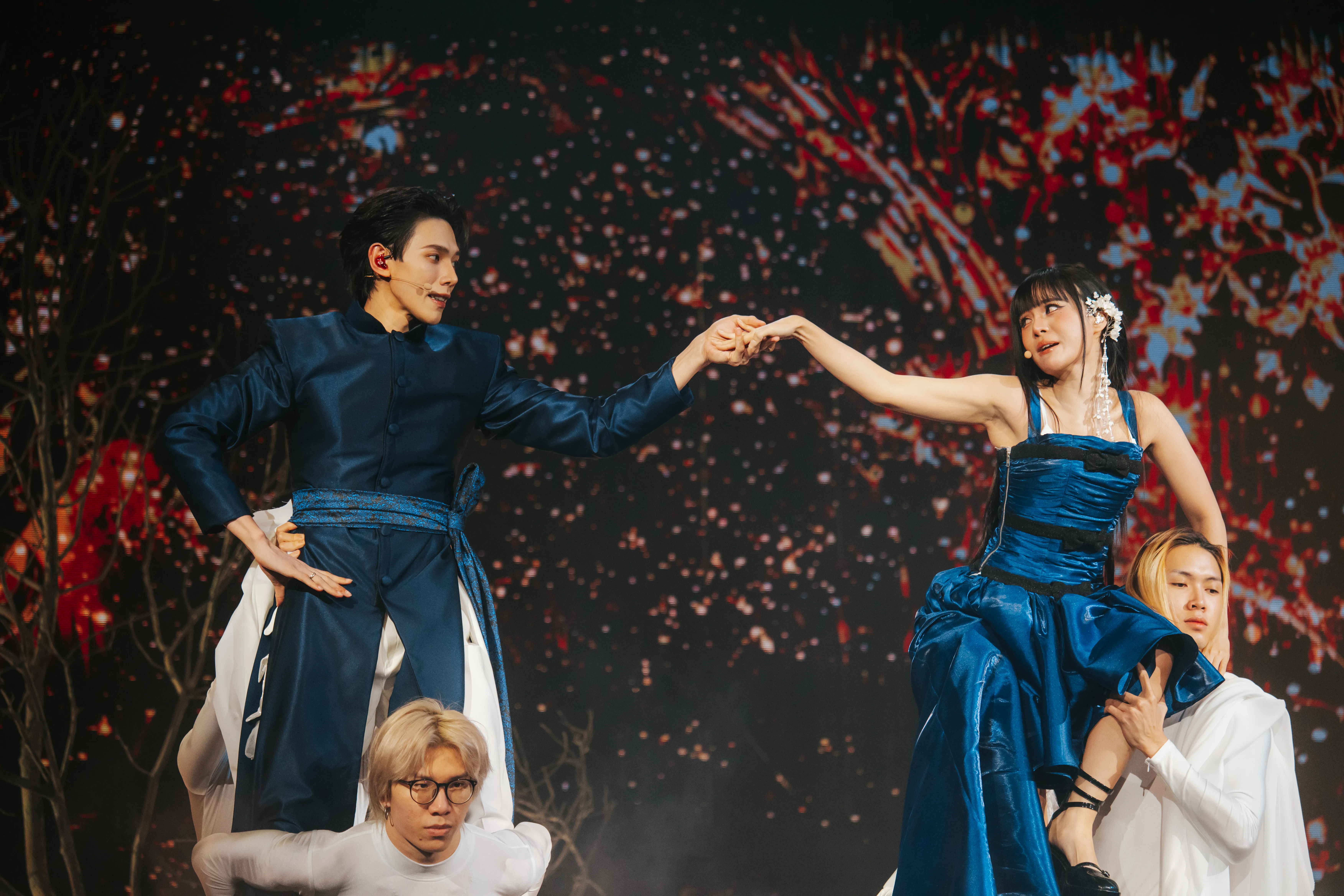 MANG x DAOU rehearsing for Thailand at Eurovision Song Contest Asia in Bangkok. Photo: Eurovision Song Contest Asia
Most likely to fill a stadium: South Korea. JUNHEE, a K-pop veteran, brought the gleaming, upbeat pop his country exports so well with ‘DEEP DIVE’.
Longest journey: Nepal. Pratik Himal Rai’s ‘Ananta Maya’, a mix of ballad, slow rock and Nepali folk, was Nepal’s first entry in any Eurovision contest.
Best closing act: Malaysia. Aina Abdul, winner of The Masked Singer Malaysia in 2020 and known for her style as much as her voice, closed the night with ‘Bluest Sky’ and came fourth.
The empty chairs
Every good party has a few no-shows. China and Japan were in talks, but these ran past the production deadline; the executive producer, Assaf Blecher, says he is ‘very, very optimistic’ both will come next year. Australia, which competes in the European contest despite being nowhere near Europe, stayed at home this time.
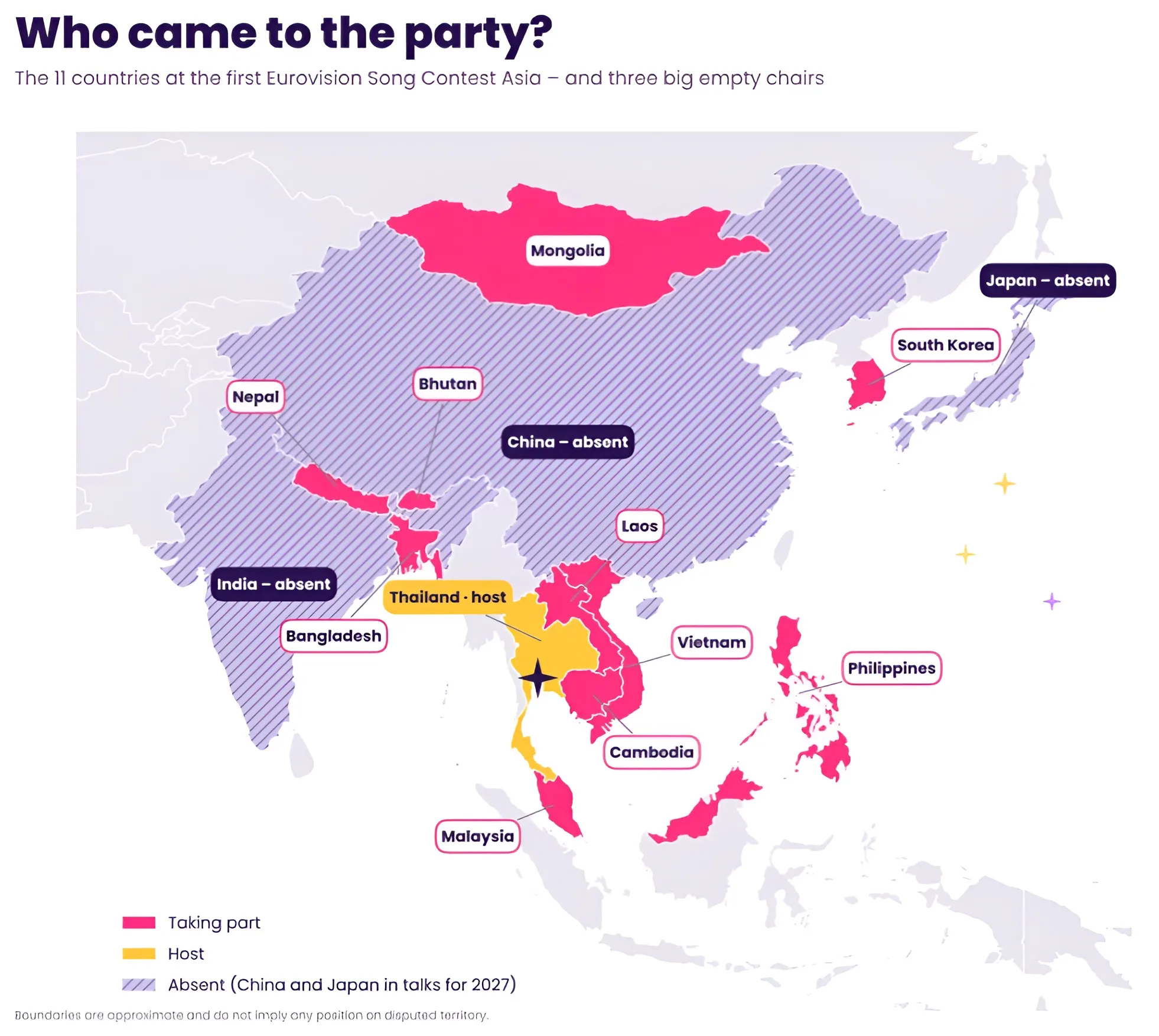 The 11 countries that competed, and the big absentees: China, Japan and India. Source: EBU
India is the real mystery. It was not in Bangkok, and nobody has said why. Yet last year India and China both sent singers to Intervision, the Moscow contest Vladimir Putin revived as a socially conservative rival to Eurovision. Vietnam won that one – and came third in Bangkok. Asia now has two song contests courting it, and some countries are happy to sing at both.
The edit nobody asked for
Malaysia’s broadcaster, TV3, quietly edited its version of the show, apparently cutting Thai drag performers from the opening act and hiding the Philippines’ jury spokesperson, the comedian Vice Ganda, who is gay and non-binary, behind a Eurovision logo – reportedly just as Vice Ganda was handing Malaysia’s own Aina Abdul 12 points. The contest’s director, Martin Green, said organisers were ‘surprised and disappointed’, and that the edits seemed confined to Malaysia, where same-sex relations are a crime. The irony was hard to miss: the show was staged in Thailand, which legalised same-sex marriage last year. Eurovision has been here before: in 2018, China’s Mango TV lost its right to show the contest after cutting Ireland’s entry, which featured two male dancers.
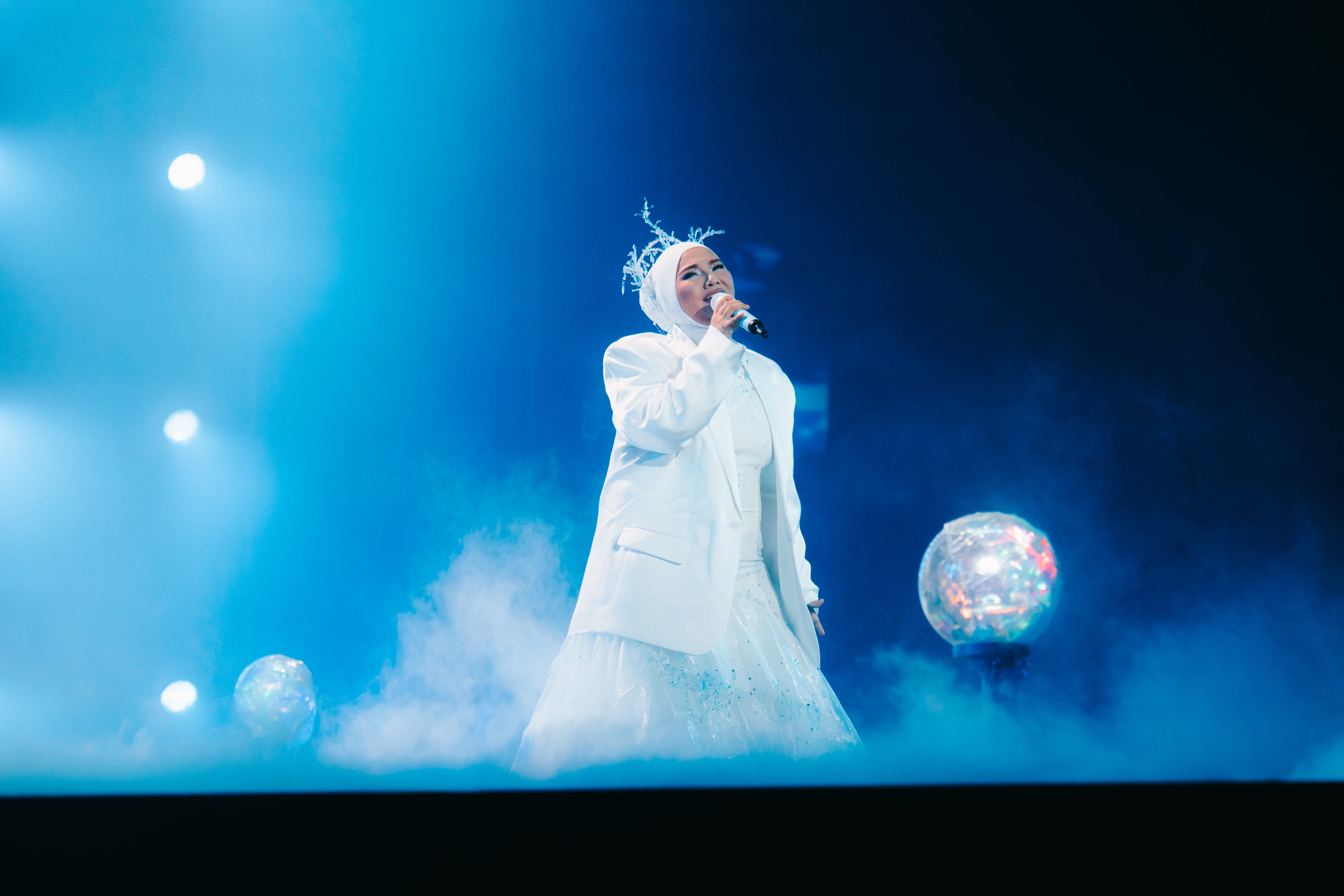 Aina Abdul rehearsing for Malaysia at Eurovision Song Contest Asia in Bangkok. Photo: Eurovision Song Contest Asia
So, did it work? On the night, mostly yes: lavish staging, a guest spot from the Thai star Jeff Satur and a winner everyone could agree on. China and Japan may join next year. If India ever does, there is a catch: Indians will no longer be able to vote for it. Until then, we will keep doing what we did in November – voting for everyone else.