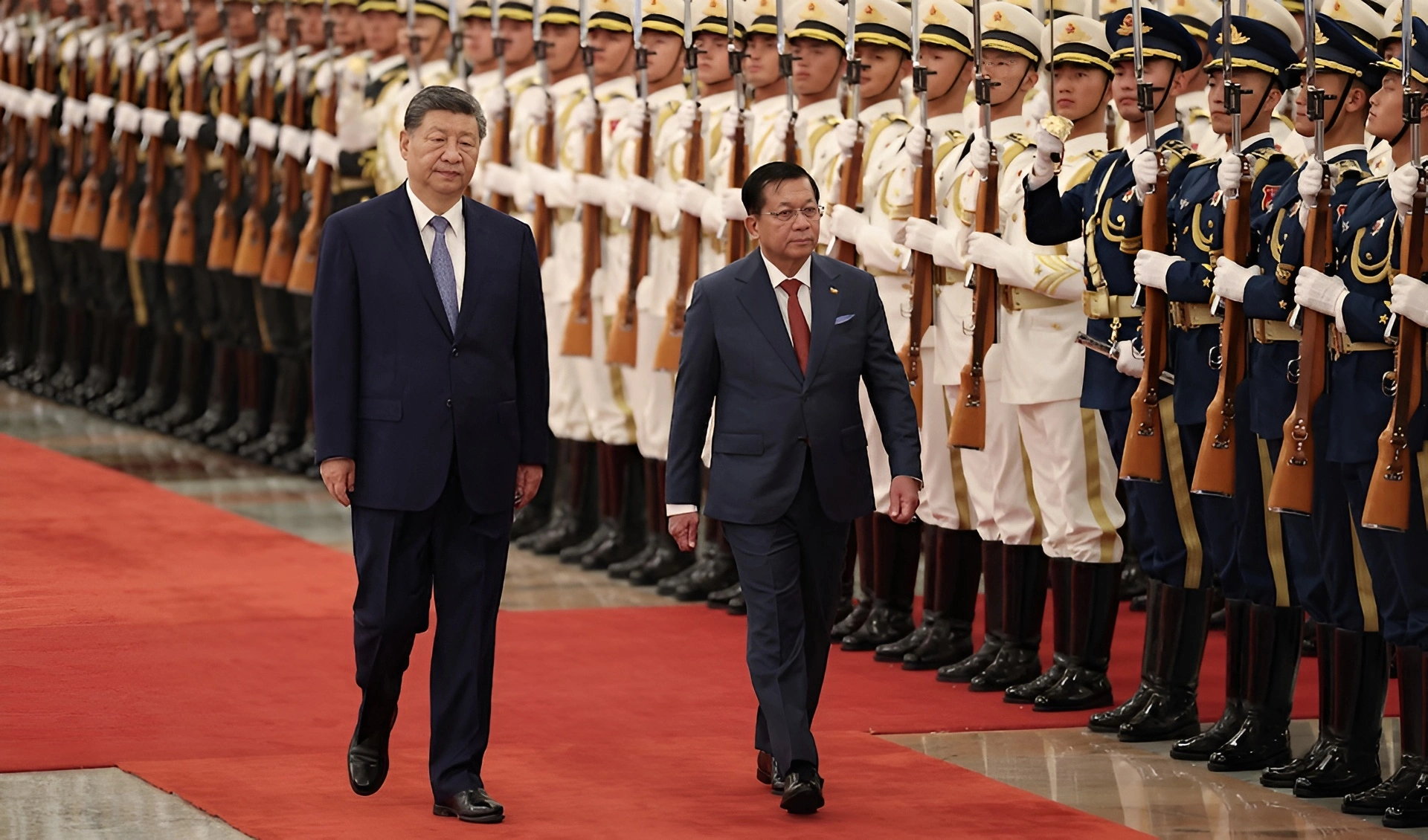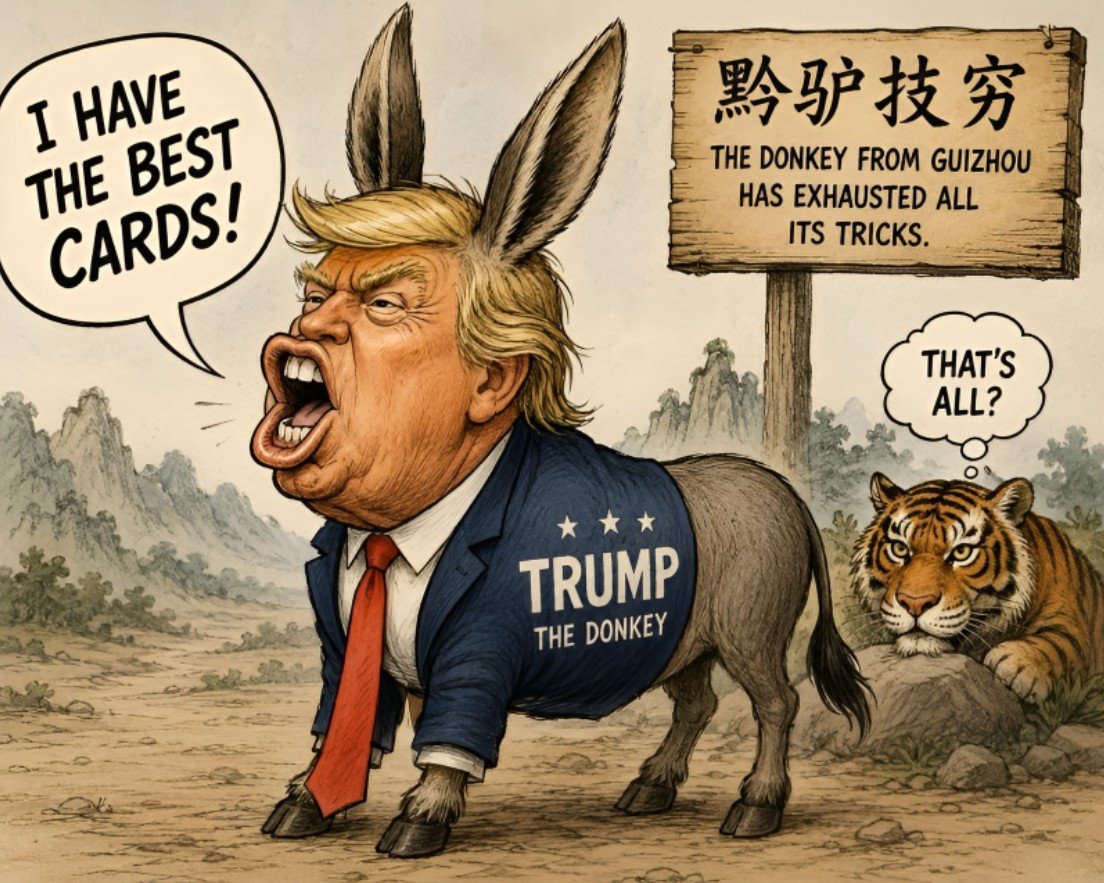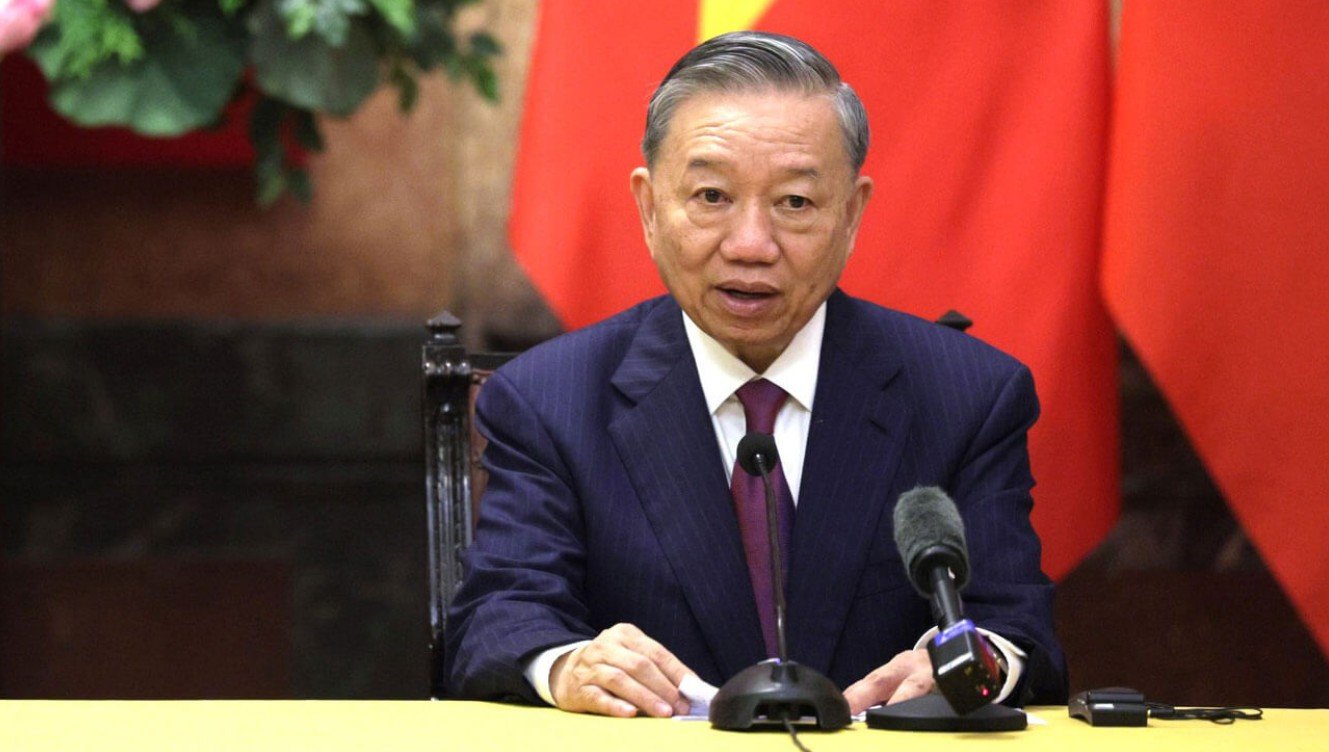
Beijing presents itself as a natural leader of the developing world. But does the Global South want anyone to speak for it at all? Lijia Zhang reports.
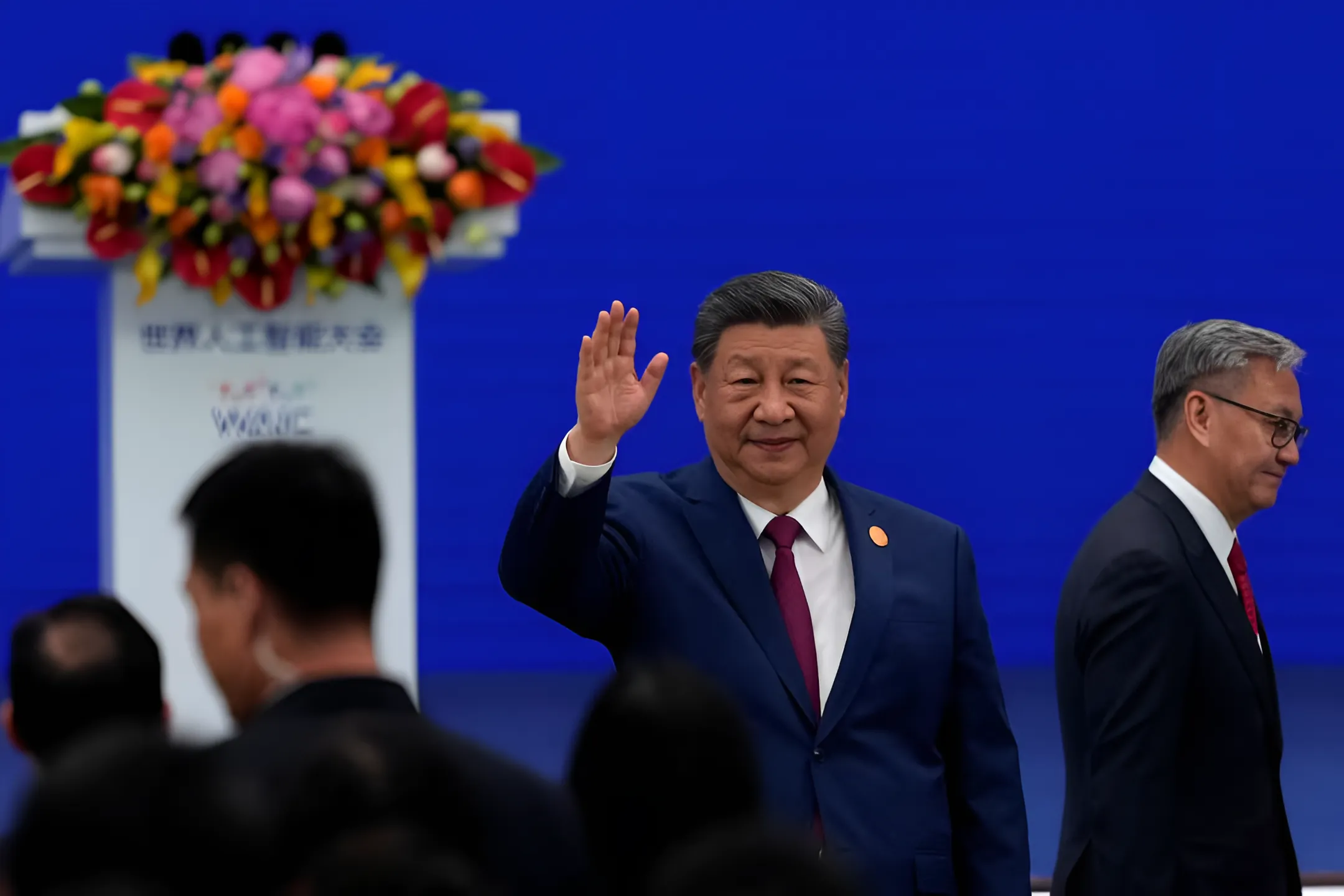
China is seeking a stronger leadership role among developing countries, but its growing influence does not necessarily mean the diverse nations of the Global South want a single voice to represent them. Photo: Reuters
I learnt a new word while travelling through South America earlier this year: chino. In Argentina, it can mean a Chinese person, but also a Chinese-run convenience store. These shops seemed to be everywhere in Buenos Aires. When my friend Diego García, a publisher, showed me around his neighbourhood in Palermo, we stumbled upon the opening of a new one.
China’s presence was visible on a rather different scale at Ezeiza International Airport, where I spotted the logo of the Industrial and Commercial Bank of China. In 2012, ICBC acquired an 80 per cent stake in Standard Bank Argentina, securing a foothold in the country’s financial sector. Diego offered a useful perspective on China’s growing role in the region: he said Argentina did not have to choose between China and the United States, and should work with both, pursuing its own interests.
As a Chinese-born writer working on a book about my South American journey, I found his observation illuminating. Too often, discussions of China’s influence reduce other countries to prizes in a geopolitical contest. Diego put Argentina’s interests back at the centre.
Must the countries of the Global South choose a single leader at all? From Beijing or Washington, their relationships can look like a contest for allegiance. For the countries themselves, the priority may be to widen their choices.
The Global South is a loose term encompassing roughly 130 countries, depending on the definition. Unlike BRICS, it has no official membership list or common institutional framework. We often ask whether Beijing can lead it, but less often whether these diverse societies want anyone speaking on their behalf.
China has much to offer developing countries. Its transformation from widespread poverty into an industrial powerhouse provides valuable experience, even if its path cannot simply be replicated elsewhere. Through its Belt and Road Initiative, it has financed infrastructure and expanded economic ties across the developing world.
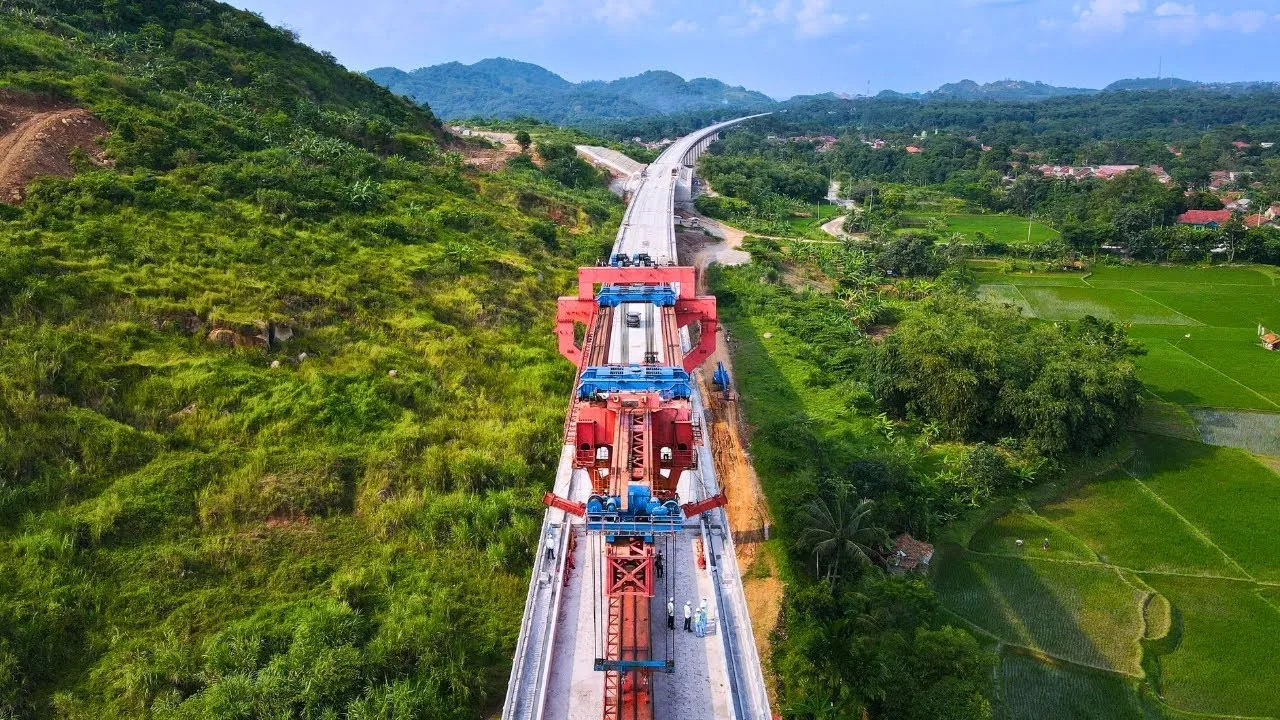 China-backed infrastructure projects, such as the Jakarta–Bandung High-Speed Railway in Indonesia, illustrate how the Belt and Road Initiative has expanded China’s economic presence across the Global South. Photo: Xinhua
For countries struggling with inadequate transport, unreliable electricity and limited financing, such engagement can be valuable. Western criticism of China sometimes overlooks the needs its projects address. Governments seeking roads, power stations or investment cannot afford to wait indefinitely for an ideal partner.
Beijing has repeatedly emphasised solidarity with developing countries. In March 2025, Foreign Minister Wang Yi described China as a natural member of the Global South and urged these countries to ‘speak in one voice’ to defend their common interests. Six months later, President Xi Jinping unveiled his Global Governance Initiative at a Shanghai Cooperation Organisation gathering in Tianjin, calling for a more equitable international order. Chatham House’s Yu Jie has interpreted his wider initiatives as evidence of Beijing’s determination to reshape rules historically written by Western powers.
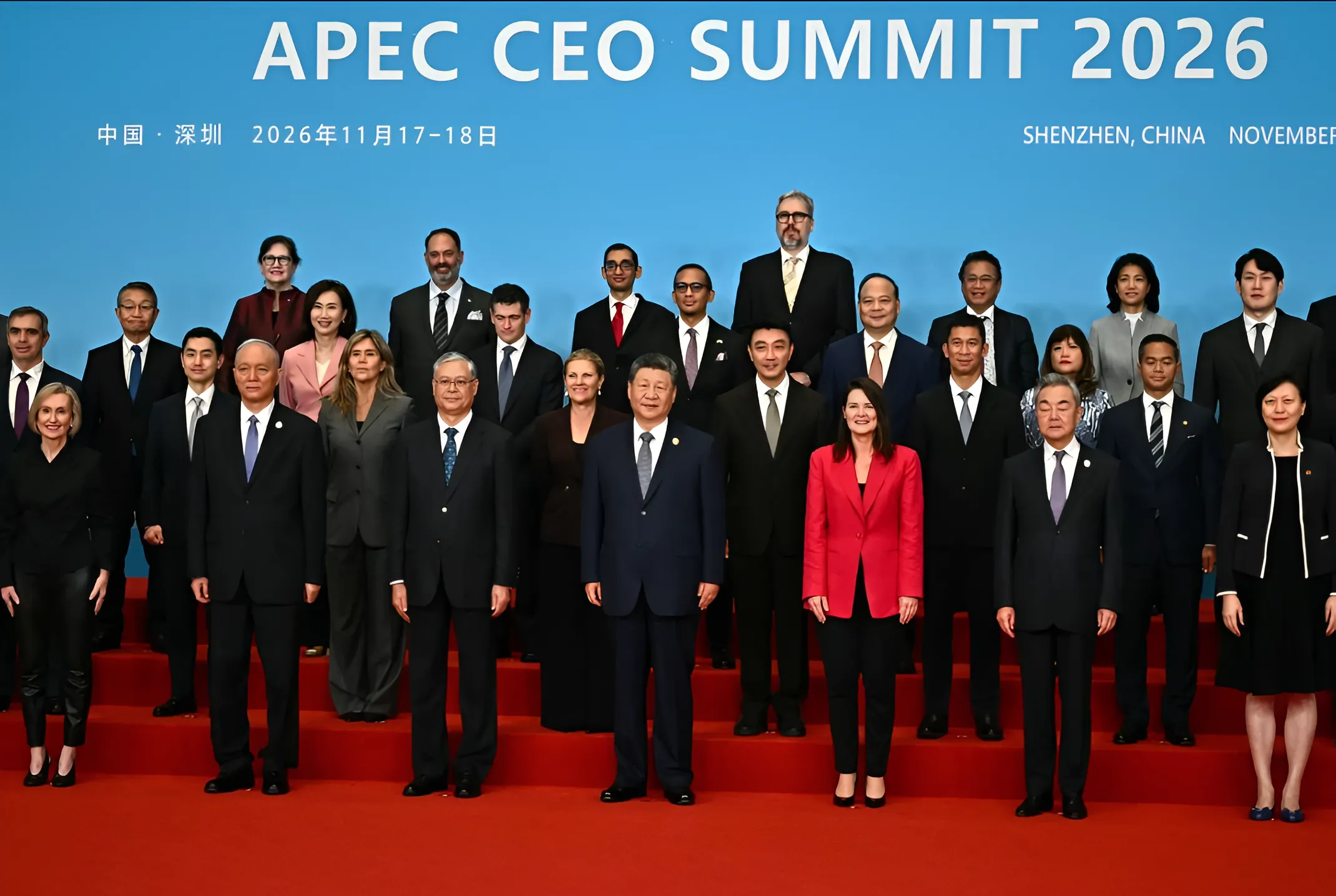 President Xi Jinping poses with business and political leaders at the APEC CEO Summit in Shenzhen, reflecting China’s efforts to strengthen its role in international economic cooperation. Photo: Reuters
This ambition has an audience. China’s challenge to Western dominance resonates with nations that have experienced colonialism, intervention and exclusion. Many regard international institutions as unfairly tilted towards wealthy Western countries, giving them disproportionate influence over decisions affecting everyone. There is nothing inherently wrong with China aspiring to lead, since its economic strength and diplomatic clout give it considerable weight. It can champion developing countries’ demands for a fairer international order.
But championing a cause does not confer a mandate to speak for everyone who shares it. The Global South has no elected leader, common political programme or single set of interests. Economic might cannot substitute for consent. Nor does trade automatically buy political allegiance. Countries may welcome Chinese investment without adopting Beijing’s diplomatic positions or political model. Their willingness to cooperate should not be mistaken for a willingness to follow.
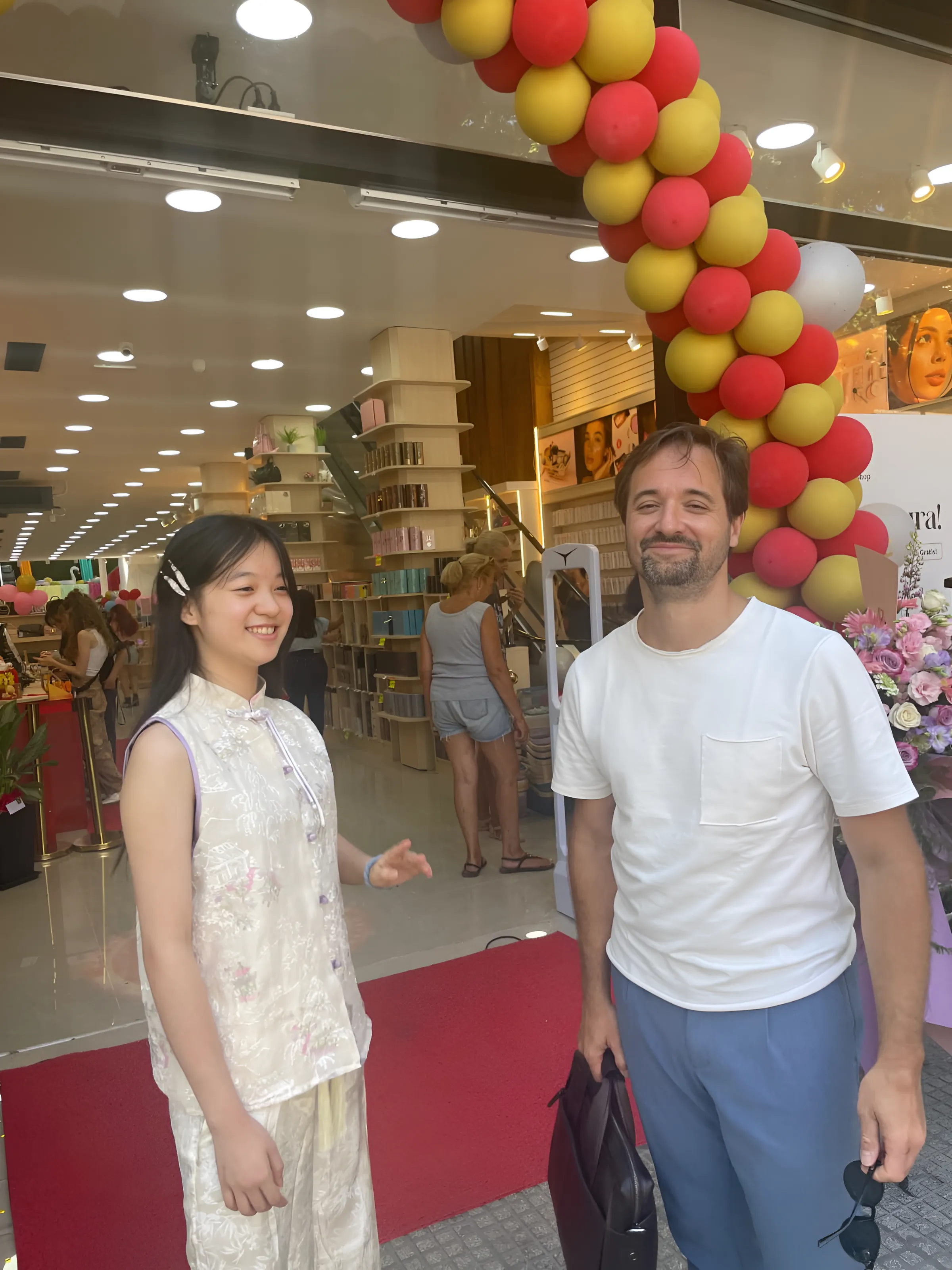 Diego García attends the opening of a Chinese-run convenience store, known locally as a chino, in Argentina, where such shops have become part of everyday commercial life. Photo: Lijia Zhang.
Shared historical grievances do not always produce shared contemporary interests. An oil exporter and a small island state threatened by rising seas may agree that international institutions are unfair while disagreeing about decarbonisation. A commodity exporter may welcome Chinese demand while a manufacturer worries about competition from Chinese imports.
Even within a country, interests differ. A government may celebrate an infrastructure agreement while local businesses seek more contracts and workers demand better conditions. Listening to the Global South must mean taking these voices seriously, too. Who, then, decides what the Global South wants? On reforming international financial institutions, Beijing may advance widely shared demands. On trade, security or climate policy, agreement must be negotiated rather than assumed.
India illustrates the limits of any presumed Chinese leadership. Another major developing economy, it has ambitions of its own to shape the international order. It participates in BRICS alongside China while remaining a strategic rival. Delhi is hardly likely to accept Beijing as its natural spokesperson.
Brazil offers another perspective. It cooperates closely with China while insisting on an independent international role. During a visit to Indonesia in October 2025, President Luiz Inácio Lula da Silva said neither country sought a second Cold War. Cooperation need not entail joining a geopolitical camp.
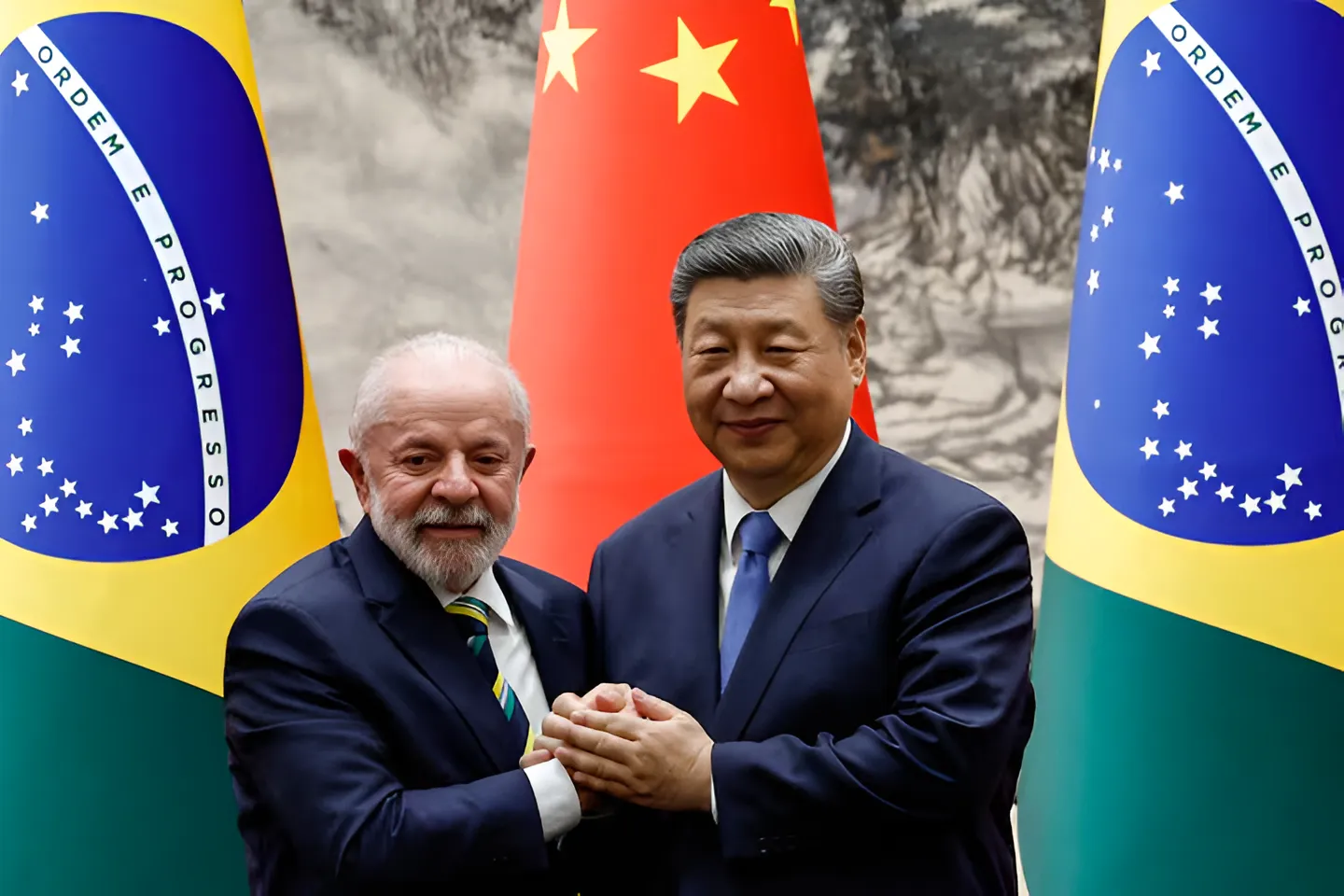 Chinese President Xi Jinping and Brazilian President Luiz Inácio Lula da Silva meet in Beijing, illustrating Brazil’s growing cooperation with China while maintaining its own independent international position. Photo: Tingshu Wang/Reuters
There is an irony here. China has long defended its sovereignty and resisted attempts by powerful countries to dictate its choices. Other developing nations are equally protective of their independence. Beijing should understand that instinct better than most.
A multipolar world would offer limited improvement if it merely replaced one dominant voice with several competing ones. The test is whether smaller countries gain influence over decisions, rather than simply acquiring more powerful suitors.
China can help make that happen. It can build coalitions around specific shared interests: fairer development finance, access to technology and support for adapting to climate change. Partnerships should leave room for disagreement, scrutiny and adjustment when projects fail to meet local needs. Leadership also requires accepting outcomes one would not have chosen. A partner’s decision to work with Washington, question a Chinese project or oppose Beijing in an international forum need not invalidate the wider relationship. Independence has meaning only when it includes the freedom to say no.
My South American journey reminded me how much disappears when we view other societies primarily through their relationship with our own country. As Diego suggested, Argentina wants to work with both China and the United States, on its own terms. Perhaps that is the measure of genuine leadership: not how many countries follow Beijing, but how much freedom they retain to choose their own path, including the freedom to disagree with China.