Rayeesa Daulah reports on how Anand Mahindra’s Born Electric ambition could reshape India’s automotive future.
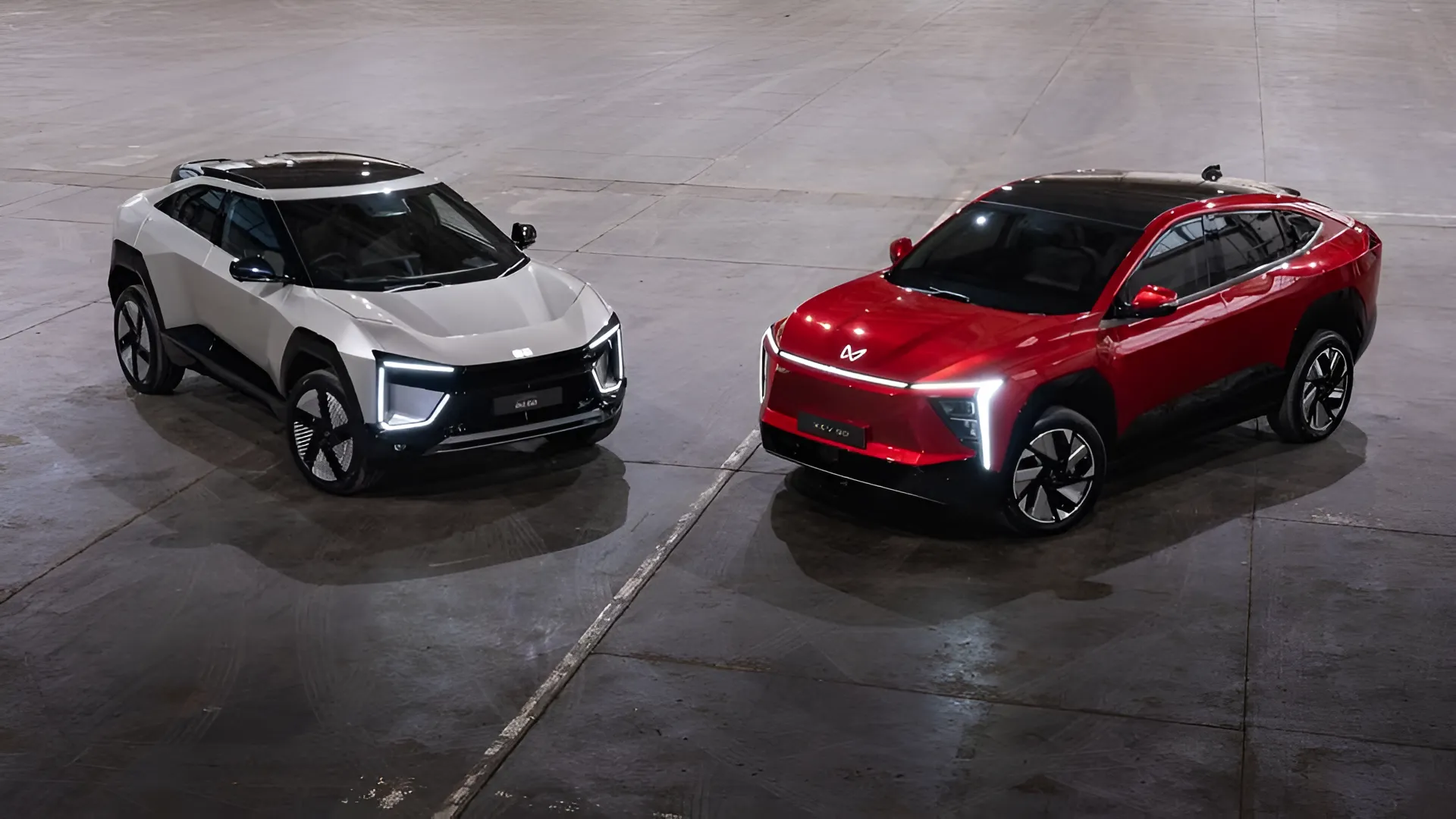
Mahindra’s Born Electric SUVs, the BE 6 and XEV 9e, have helped the Indian automaker strengthen its position in the country’s rapidly growing electric passenger vehicle market. Photo: Auto Mahindra
When Anand Mahindra, chairman of India’s second-largest carmaker, applauded his country’s technology ecosystem, he was speaking from a lived experience of AI ambition to reach the top. Stanford University’s Global AI Vibrancy Tool had recently ranked India third in the world, behind only the US and China. ‘With our software talent, systems integration expertise and enormous domestic market for AI use cases, surely India has a promising hand to play?’ he asked in a post on X on 10 November.
Indeed, Anand Mahindra’s ambition for India to catch up with China in the AI vibrancy race ostensibly matches that for his own company to emerge number one in India’s electric vehicle (EV) race. Just as India overtook its Asian peers, Japan and South Korea, in the AI race, India’s rugged utility-vehicle maker leapfrogged to become the nation’s No. 2 automaker in 2025, overtaking Hyundai Motor India and Tata Motors for the first time.
The company also delivered a ‘blockbuster EV year’, securing third place in India’s fiercely competitive electric passenger vehicle (e-PV) market and catapulting its market share from about 7 per cent in 2024 to 19 per cent in 2025. With a surge in sales of its new-age, purpose-built premium Born Electric BE 6 and XEV 9e electric SUVs, unveiled in November 2024, Mahindra narrowed its gap with its formidable rival, India’s No. 2 EV seller in 2025, JSW MG Motor India, which is backed by China’s SAIC.
And why would MG be a formidable rival? Because in 2025 MG was the biggest market disruptor, grabbing a spectacular 29 per cent share in India’s e-PV market and coming closest to narrowing the gap with India’s No. 1, Tata Motors. Credit goes to the sales surge of its popular mid-sized electric crossover, the Windsor.
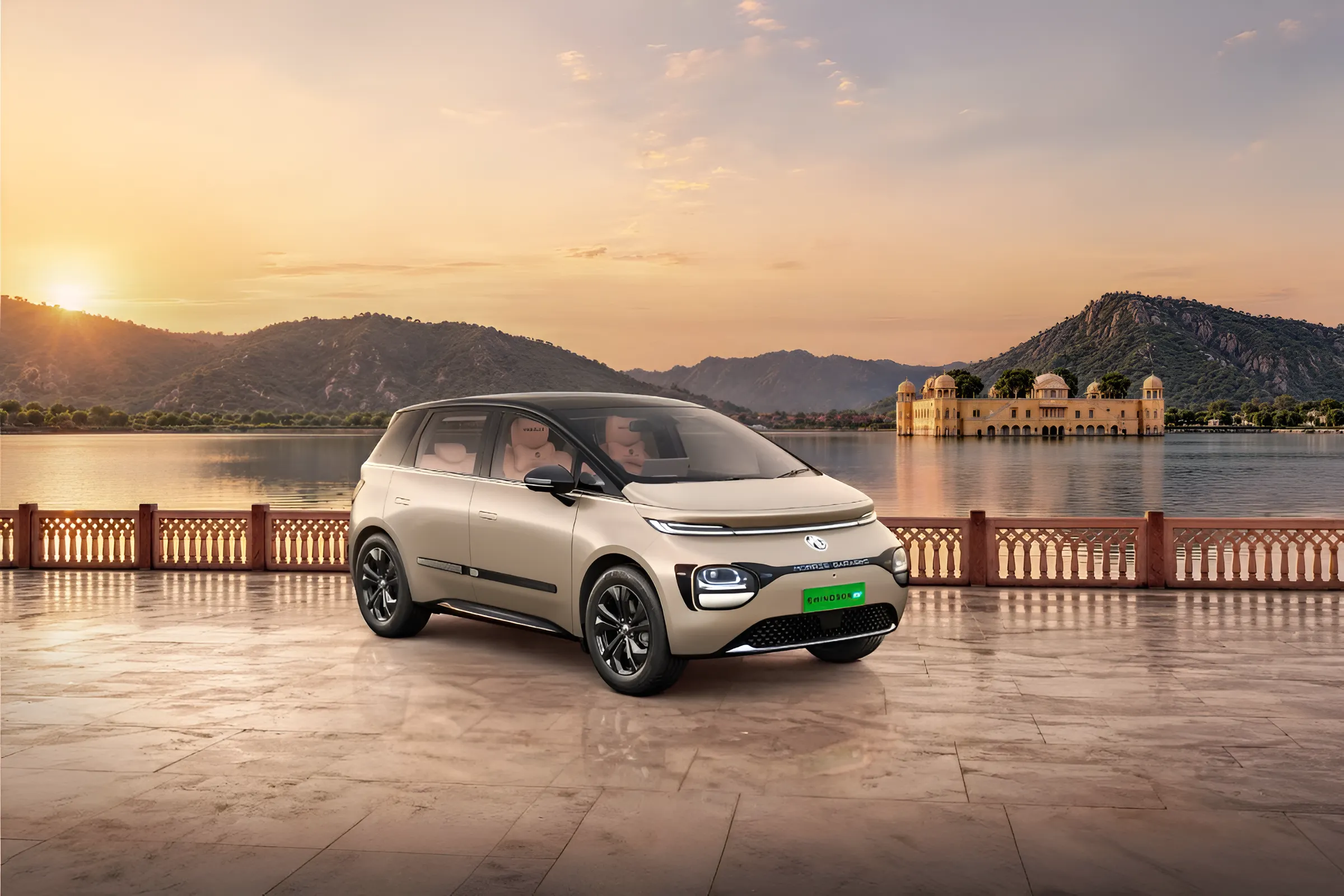 The MG Windsor helped make JSW MG Motor India a major force in the Indian electric passenger vehicle market in 2025. Photo: Autocar India
But that story would soon take a new twist when, in the first half of 2026, Mahindra & Mahindra outperformed 2025’s star, MG, to become India’s second-largest seller of electric passenger vehicles, behind only Tata Motors.
According to government (Vahan) registration data, during this period Mahindra’s electric vehicle sales jumped 147 per cent year on year to 34,131 units, giving it 23 per cent of India’s e-PV market. It was also the fastest-growing of India’s three leading EV manufacturers in recent times, generating significant global investor interest, especially due to its electric-first INGLO platform.
In September 2026, Dr Velusamy R, president of Mahindra & Mahindra’s automotive business, expressed pride at the company having ‘crossed the milestone of 1 lakh (100,000) billing of our Electric Origin SUVs since launch’. The company’s total vehicle sales that month, including commercial vehicles and exports, were 114,874, up 15 per cent.
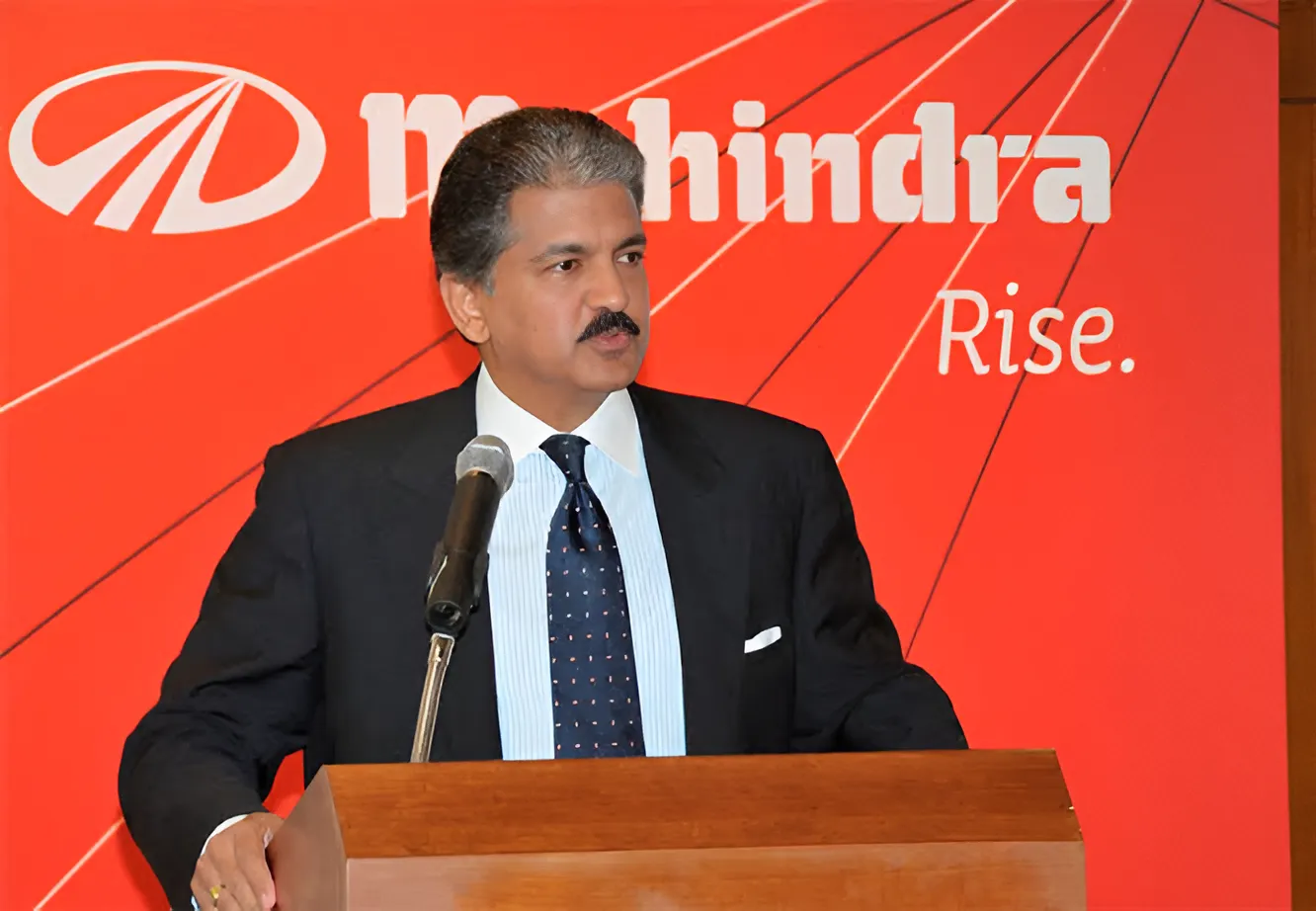 Anand Mahindra, chairman of Mahindra Group, speaks about the company’s electric vehicle ambitions as India’s EV market continues to evolve. Photo: People Matters
This is a significant market reversal from two years ago when Tata Motors dominated India’s EV market with EVs derived from its internal combustion engine (ICE) models, such as the Nexon EV SUV and the Tiago EV hatchback. Despite a decline in its market share from 62 per cent in 2024 to an average 39 per cent in 2026, Tata Motors remains India’s No. 1 e-PV maker, considerably ahead of Mahindra and MG. Tata is reportedly innovating aggressively to restore its market share in the fast-transforming, high-growth Indian EV market with an expanded EV portfolio of 10 new electric SUV models and strategic partnerships.
But so is its disruptive and ambitious challenger Mahindra & Mahindra, spearheaded by a digitally astute and innovation-driven chairman, Anand Mahindra, who also chairs Tech Mahindra. Tech Mahindra, the group’s IT services arm, runs much of its technology work, particularly AI-led services. The wider Mahindra Group spans cars, farm equipment, renewable energy, financial services and hospitality. That breadth is why Tech Mahindra is part of Mahindra’s EV story.
Tech Mahindra helps strengthen the entire ecosystem of Mahindra’s EV manufacturing platform and sales. It supports Mahindra’s EVs with advanced EV engineering, smart factory systems, connected vehicle technology, market trends anticipation, supply chain optimisation and digital customer service solutions. All these help scale production and improve market competitiveness in a high-growth Indian auto and EV market.
In fact, Mahindra’s INGLO platform, designed for mainstream adoption and global appeal, turned the company’s 2024 Born Electric gamble – the BE 6 and XEV 9e SUVs – into two of India’s most sought-after EVs in 2025 and 2026.
According to EVINDIA, which describes itself as India’s largest EV community and marketplace, Mahindra’s Electric Origin SUVs have achieved something that no Indian EV has ever achieved. Mahindra has made electric the object of desire and a lifestyle statement for Indians, much as Tesla did for the Americans, it says. Most BE 6 or XEV 9e buyers in India were first-time buyers, new to Mahindra, ranging from premium EV-loving urban professionals and tech-first families to business leaders and top government officials. All proudly chose a made-in-India Electric Origin SUV that looks global and feels world class.
They were not only motivated by its design and luxury brand positioning, but also by its long-range performance and the appeal of a world-class EV that challenges not only India’s best brands but also America’s Tesla, China’s BYD and the Chinese-backed MG. Tesla, which launched in India in July 2025, captured only 0.17 per cent of India’s EV market. Many say Tesla’s appeal was ‘lost in translation’ in Mahindra’s Born Electric noise.
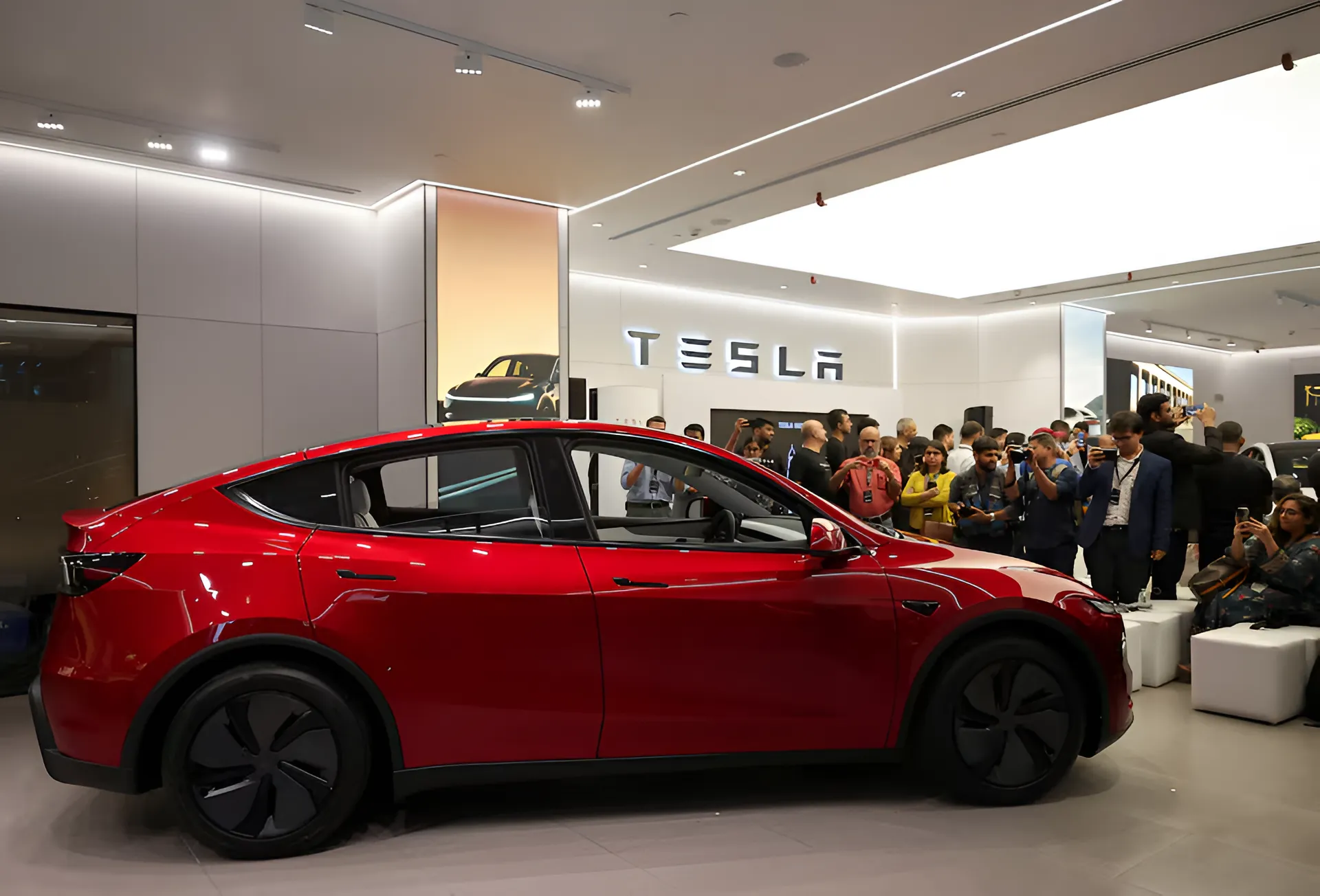 Media personnel photograph the Tesla Model Y at the company’s first Mumbai showroom in July 2025. Despite its high-profile entry, Tesla captured only a small share of India’s EV market. Photo: Francis Mascarenhas/Reuters
However, as a fallout of the Trump tariffs and the recent thaw in China–India relations, it is the Chinese carmakers selling in India that are becoming strong competitors to Indian top sellers Tata and Mahindra in India’s fast-growing EV market. According to JATO Dynamics data, Chinese-backed brands BYD, MG Motor and Volvo had captured a combined 33 per cent share of India’s EV market by October 2025. It is a market that is projected to reach US$191bn by 2034, according to Straits Research market intelligence.
Driven by government incentives, stringent emissions norms, declining battery costs and rising conventional fuel prices, the fierce competition for market share among India’s top EV makers, including Tata, Mahindra and MG, will only intensify. Only the technologically fittest – those able to build the right ecosystem and win early mainstream buyers in urban and peri-urban India – will survive.
Of course, Indian EV makers, Tata and Mahindra alike, depend heavily on China, which supplies about 75 per cent of India’s lithium-ion battery imports. This remains the greatest risk to India’s EV future, notwithstanding the country’s lithium reserves in Jammu and Kashmir and the National Critical Mineral Mission.
Having got its ecosystem right and with its blockbuster success in India, Mahindra is now eyeing a UK market entry with three of its most sought-after electric SUVs, the BE 6, XEV 9e and BE 07, the last of which goes on sale in India next year. Mahindra has already tested British buyers’ interest in customer clinics, especially among those seeking value-driven electric SUVs with strong engineering and distinctive design. Competitive pricing owing to lower import duties facilitated by the India–UK free trade agreement will likely influence British buyers. Mahindra is working to meet British safety and cybersecurity rules; it is aiming to launch in 2027, though that could slip to 2028.
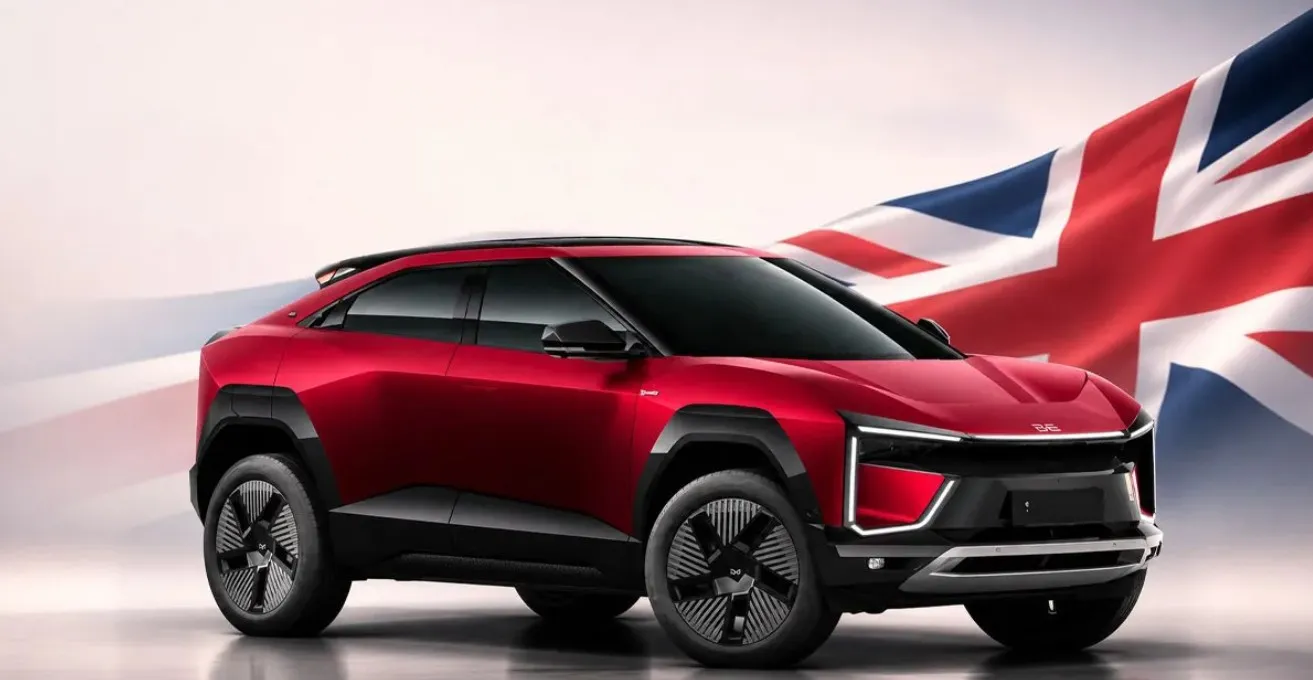 Mahindra is preparing to take its Electric Origin SUVs beyond India, with a potential UK launch planned for 2027 or 2028. Photo: Car Top
With Mahindra Group’s unique corporate ecosystem that operates within a diversified conglomerate spanning technology, software, logistics, finance, manufacturing and industrial engineering, Mahindra is approaching India’s electrification as an integrated ecosystem challenge rather than merely an automotive challenge. That is why, in Tech Mahindra’s latest annual report, Anand Mahindra pointed out what makes his company excel. ‘It’s the ecosystem, stupid!’ he wrote.
Mahindra is still chasing Tata Motors, India’s undisputed EV leader. And Anand Mahindra’s electric ambition may even challenge that status quo. Whether it ultimately surpasses Tata Motors, or becomes India’s Tesla or BYD, seems irrelevant when the company is pursuing a vision much bigger than vehicle sales. It is attempting to build a globally respected Indian mobility brand befitting the electric age and confident enough to compete on the world stage.
If its current momentum continues, the company’s boldest year may still lie ahead.