Southeast Asia’s mighty Mekong River – known in China as the Lancang – flows from China and along the Myanmar–Laos and Laos–Thailand borders to irrigate the rice-growing plains of Cambodia and southern Vietnam. The Lancang-Mekong Cooperation framework, or LMC, has just held its 11th foreign ministers’ meeting in Beijing, ten years after its first leaders’ summit, to discuss concerns about this important waterway. One of the main issues discussed concerns Thailand and Myanmar, countries whose shared border rivers flow into the Mekong. Water flow specialist Udisha Saklani asks how much say downstream countries have in what happens upstream.
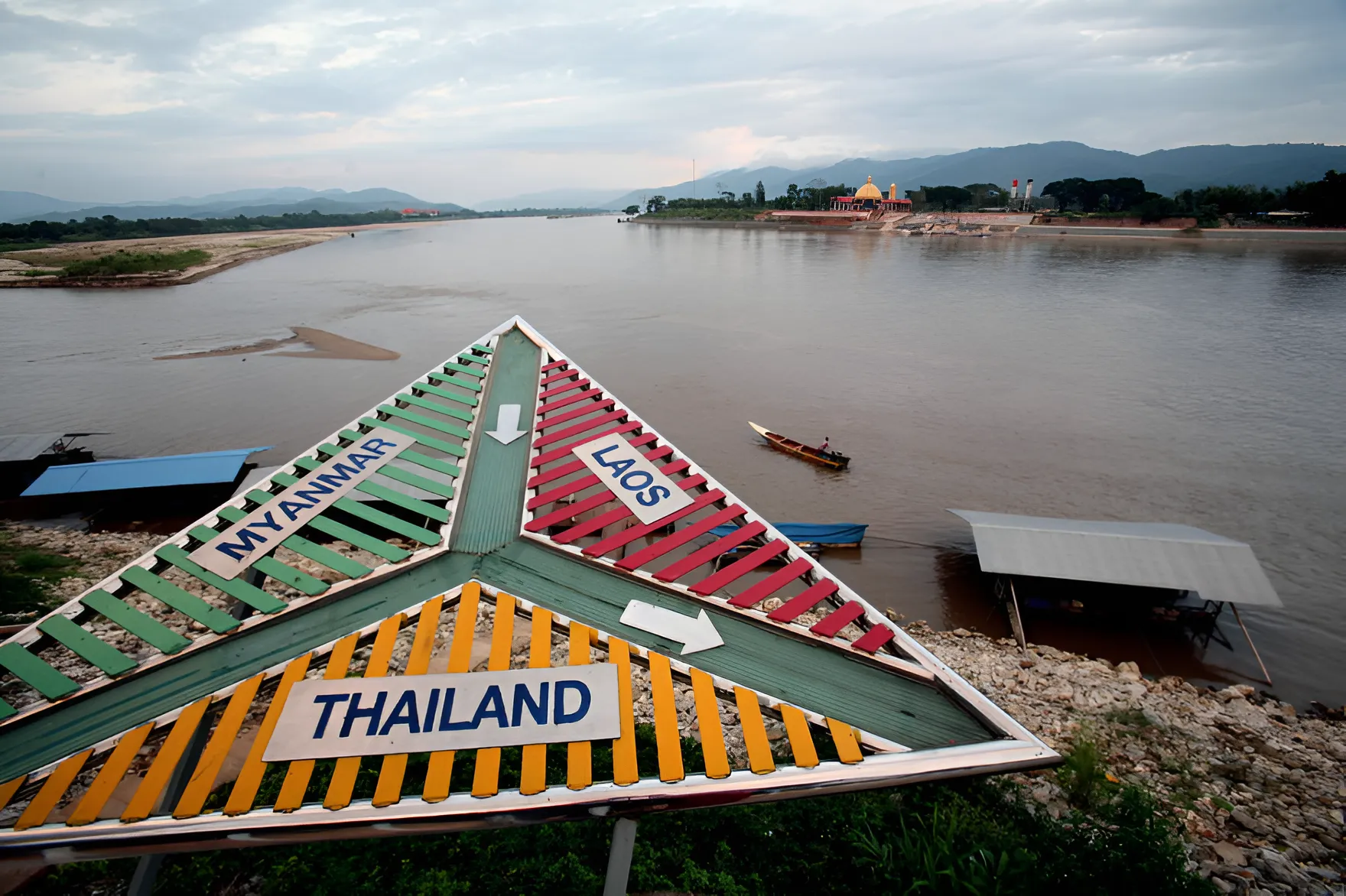
Mekong meets the borders of Thailand, Laos and Myanmar at the Golden Triangle, where decisions made upstream affect communities and ecosystems downstream. Photo: KPBS
On 4 November 2026, China’s foreign minister, Wang Yi, called for a new ‘golden decade’ of Lancang-Mekong Cooperation. Thailand, which co-chaired the meeting in Beijing, asked for closer cooperation on water quality and cross-border pollution. It had made a more specific proposal the previous year, asking the forum’s water and environment centres to work with the Mekong River Commission on river contamination. The Thai authorities have repeatedly detected elevated levels of arsenic in the Kok and Sai rivers. The Kok flows from Myanmar’s Shan State into northern Thailand and joins the Mekong. The Sai forms part of the Thai–Myanmar border and reaches the Mekong via the Ruak. Tests commissioned by Thailand pointed to upstream rare earth mining as a likely source of contamination in the Kok. Along the upper Sai, human rights activists have alleged that Chinese crews mined gold. The Thai authorities have yet to identify the sites responsible for the contamination.
Thailand has shared its test results with the Mekong River Commission and taken the issue up directly with Myanmar. It has worked through both regional bodies before, when countries downstream were pressing China for year-round river data. How that agreement came about shows what they can achieve, and where the limits lie.
What downstream countries have gained
The Mekong flows from the Tibetan Plateau to the sea in southern Vietnam. Cambodia, Laos, Thailand and Vietnam established the Mekong River Commission in 1995. China and Myanmar became dialogue partners the following year. The Lancang-Mekong Cooperation framework brought all six countries into the same forum as members. The first leaders’ summit took place in Sanya, China, in March 2016.
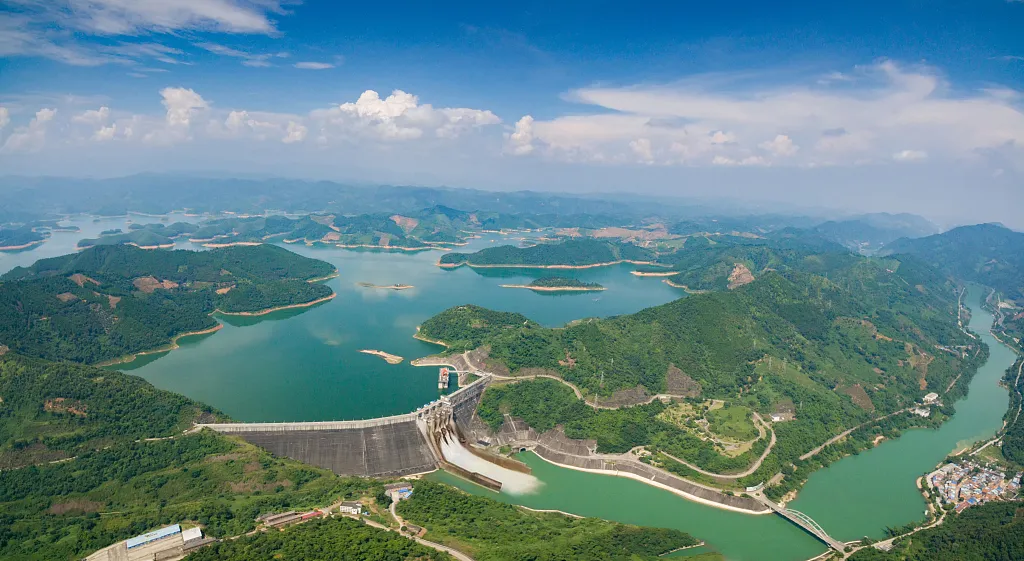 Dams along the Lancang River in China influence the timing and volume of water flowing downstream into the Mekong basin. Photo: CGTN
China has since 2002 supplied the commission with data during the flood season. That left a gap in the dry months, when a fall in the river could reflect low rainfall, water being held back in reservoirs, or both. The drought of 2019 made the question harder to ignore. A study published the following year argued that China’s dams had held back large volumes of water. Beijing disputed the finding. The commission questioned parts of the analysis and pointed to low rainfall.
By then, Thailand’s water agency and its regional partners had used a grant from the LMC Special Fund to examine gaps in data sharing. The Stockholm Environment Institute, which led the technical work, says it helped lay the groundwork for the agreement that followed. At the 2020 LMC summit, Vietnam’s then prime minister called for better river data. China’s premier pledged to share it year-round. Two months later, China signed the agreement with the river commission, where it remains a dialogue partner. The technical work was funded through the LMC, and the agreement was signed through the commission. That gave downstream countries two ways to press the issue. How much their efforts weighed in Beijing’s decision is harder to say.
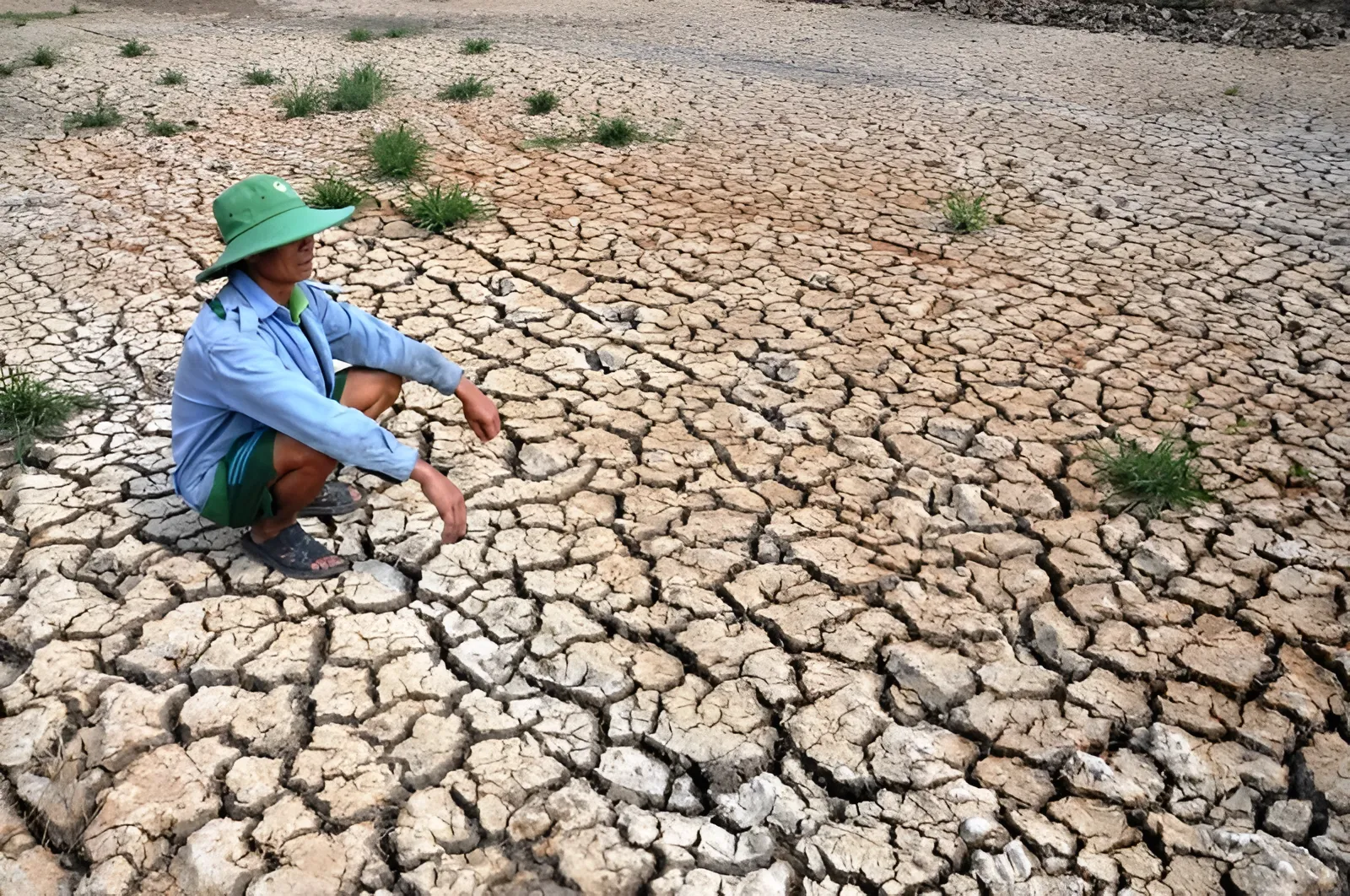 A farmer sits in a drought-stricken rice field in Vietnam’s Mekong Delta, where reduced river flows can worsen saltwater intrusion and threaten agriculture. Photo: Vietnam.vn
Those readings are one part of what countries downstream need to know. In Cambodia, the Mekong’s seasonal rise sends water back into Tonle Sap Lake, sustaining a major fishery. In Vietnam’s delta, low river flows can allow saltwater to reach farther inland, threatening crops and freshwater supplies. For both countries, the timing of flows matters as much as the volume.
The gain for downstream countries is real, but partial. River-level readings show what has happened, not what dam operators plan to do. Information about how much water China’s reservoirs store and when they release it remains limited. In January 2021, China notified the commission of a planned cut in outflow from Jinghong during maintenance. By the time the notice arrived, the outflow had already fallen sharply, and the river at Chiang Saen in northern Thailand had dropped by about two metres over three days.
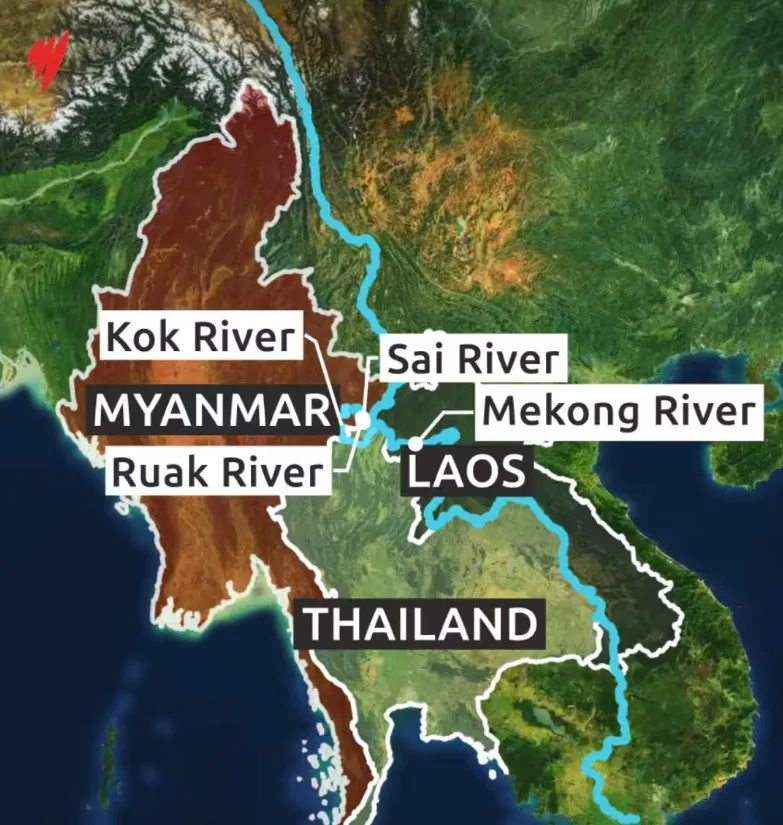 The Kok, Sai and Ruak rivers converge with the Mekong near the Golden Triangle, connecting waterways across Myanmar, Thailand and Laos. Map: SBS News.
Downstream governments have asked China to change the flow itself. In March 2016, during a severe drought, Vietnam asked for more water from the Jinghong dam to ease saltwater intrusion in the Mekong Delta, and China increased the release. In both that episode and the 2020 data agreement, downstream governments knew whom to ask. China was in a position to respond, and it did.
The next test for the LMC
The Kok joins the Mekong along the border between Thailand and Laos. In May and June 2026, arsenic levels were within the commission’s standard at all three sites it monitored in northern Laos, including one downstream of the Kok confluence, although a site in Bokeo had briefly exceeded it in February. For Laos, continued sampling helps establish whether contamination is reaching its stretch of the river. Thailand needs to find out where it is entering the Kok and Sai.
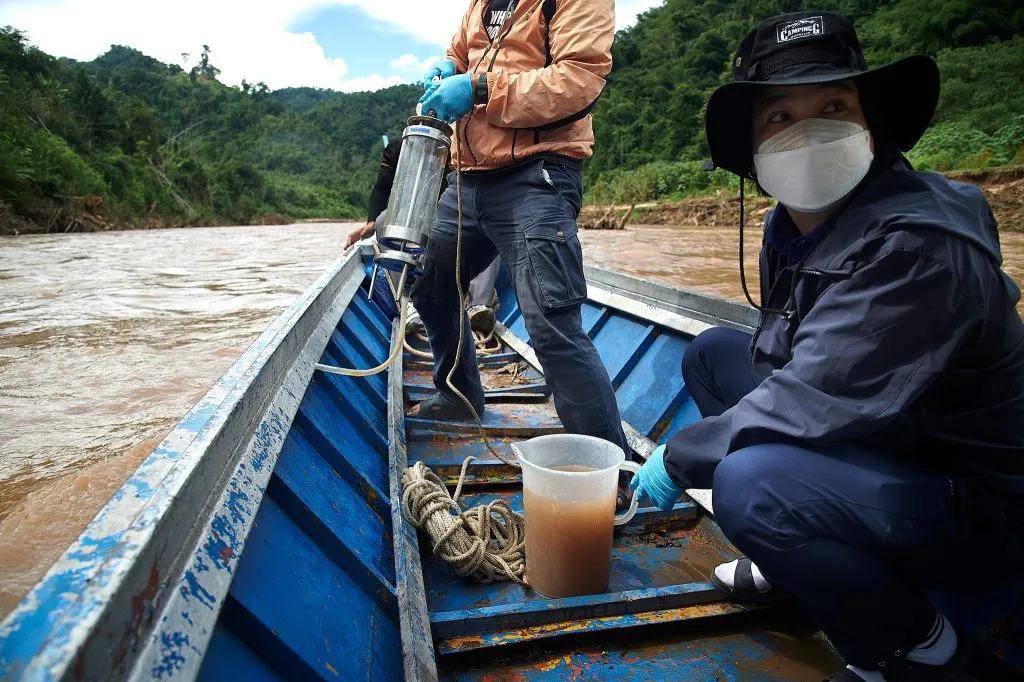 Thai officials collect water samples from the Kok and other rivers in northern Thailand to monitor arsenic and other heavy metals suspected to have originated from mining activities upstream in Myanmar. Photo: Sayan Chuenudomsavad
On 12 November, Thailand and Myanmar agreed to convene their joint working group on water quality as soon as possible; the group met on 25 and 26 November. Some of the suspected mining sites lie in parts of Shan State where Myanmar’s government has limited control due to the ongoing civil war. That makes access an early test of what the two governments can do. The reported involvement of Chinese crews along the upper Sai also gives Thailand a reason to raise the issue with Beijing. The LMC is where it can put the same request to both governments.
A decade of LMC has helped downstream countries get more information about the Mekong River. The Kok and Sai show where that achievement runs up against a harder problem. Thailand can document what is coming across the border, but the test for the LMC is whether it can help Thailand turn that evidence into an investigation upstream and action at the source.