Is a clampdown on free expression the legacy of President Yoon Suk Yeol's attempt in 2024 to declare martial law? Or is it, as current president Lee Jae-myung's party argues, a necessary measure to restore the people's trust in government? Ifang Bremer reports from Seoul.
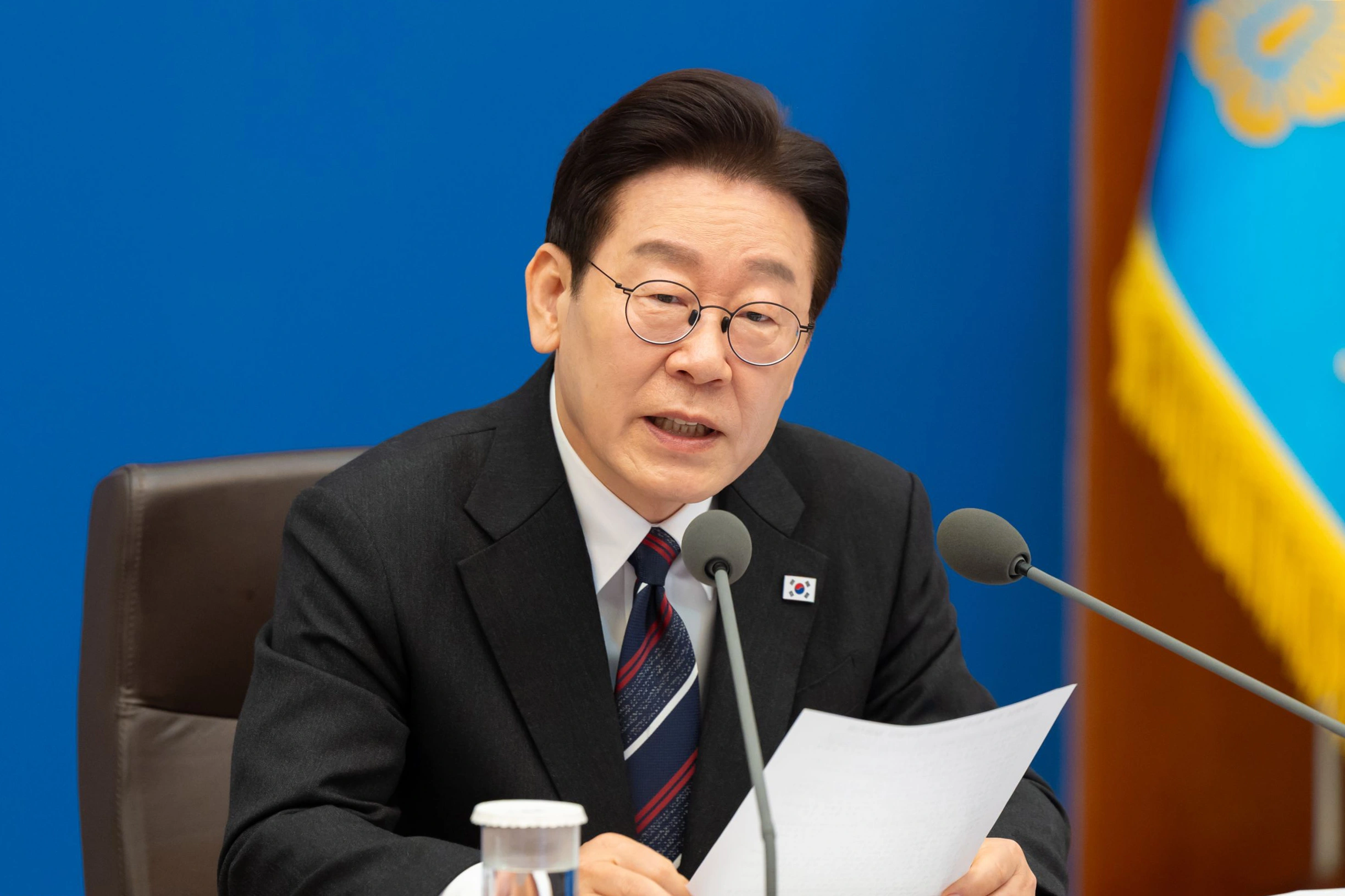
South Korean president Lee Jae Myung at the 6th Cabinet meeting of 2026 on February 24. Photo: Cheong Wa Dae
On 6 July, the leadership of South Korea's main opposition party walked into their regular leadership meeting room wearing black masks. Jang Dong-hyuk, head of the People Power Party, told reporters that history might remember the date as the day Korean democracy died. The occasion for the theatrics was an amendment to a law due to take effect the following morning, one allowing courts to impose damages of up to five times a plaintiff's losses on journalists, YouTubers and influencers found to have spread false information and fines of up to a billion won – approx US $656,000 – for repeat offenders.
Less than two years earlier, South Korea's president from Jang's own party, the now imprisoned Yoon Suk Yeol, declared martial law, and dictated that ‘all media and publications’ had to report to the Martial Law Command, and instructed authorities to seize control of critical media organizations like public broadcaster MBC. It was the closest South Korea's press had come to outright state control in decades.
This history explains why the current president, Lee Jae-myung, has voiced his concern over South Korea's online information environment, arguing that the new law is necessary to stop the kind of disinformation it says threatens social stability. But critics read it differently: a government elected largely to restore the democratic norms Yoon broke, they argue, is now introducing measures that could limit freedom of expression, causing journalists and others to worry that once again, Seoul is reaching for restrictive power to grapple with its democratic challenges.
The law
The law, an amendment to the Information and Communications Network Act, took effect on 7 July. It allows courts to award damages of up to five times a plaintiff's losses against journalists, media outlets, and YouTubers found to have knowingly spread ‘false or manipulated information’. Large media outlets and platforms with more than a million daily users – a threshold that captures YouTube, Naver, and Kakao – are required to remove flagged content or suspend accounts once a complaint is filed. Courts make the final ruling on damages, but the first judgment on what counts as false or manipulated falls to the platform, working from a database maintained by fact-checking bodies tied to South Korea's media regulator.
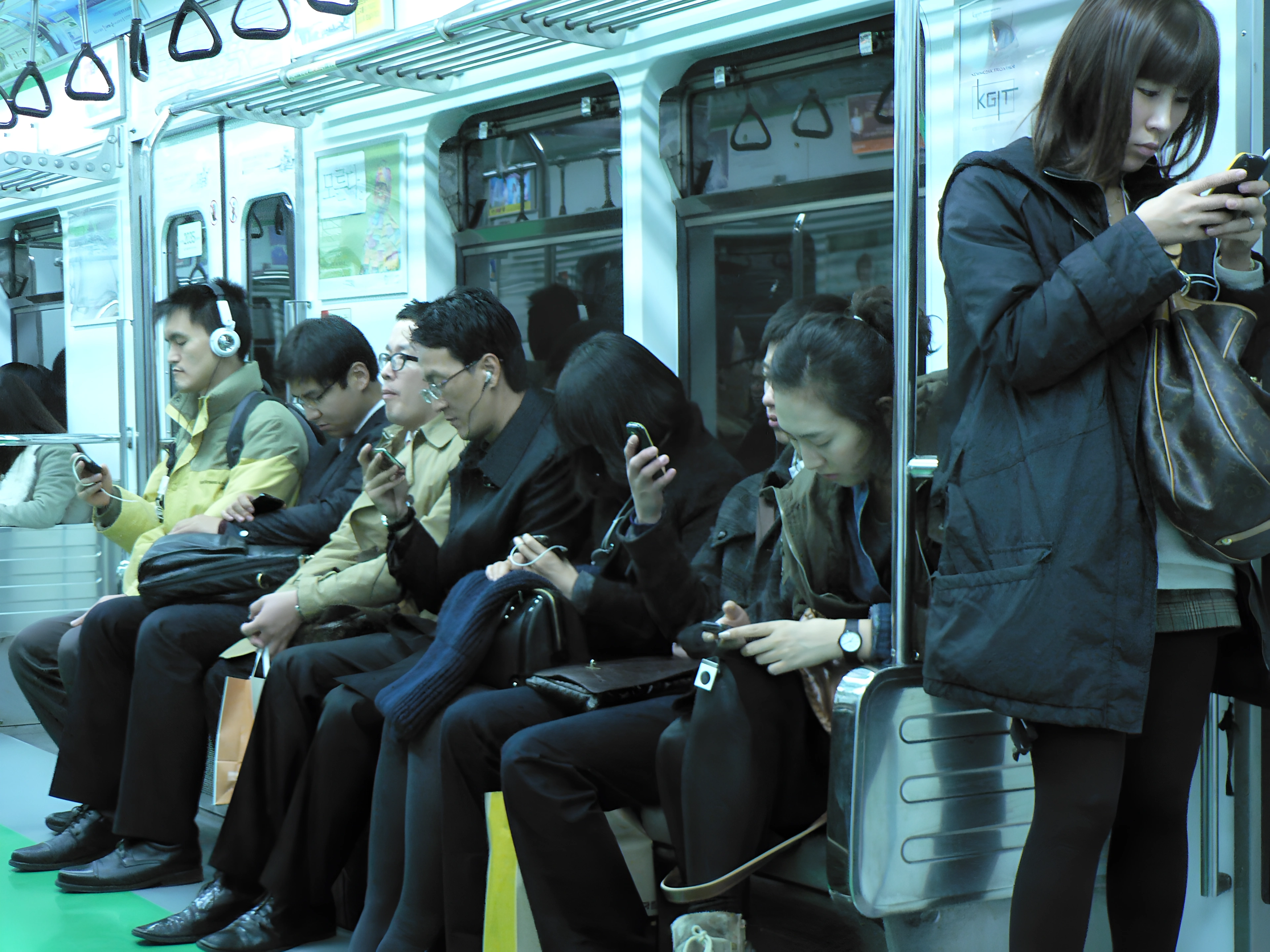 South Korea's new misinformation law places greater responsibility on major online platforms, including Naver, Kakao and YouTube, to remove disputed content. Photo: Marc Smith/CC BY 2.0
The Lee administration introduced the amendment after repeatedly warning of the harm fake news poses to democracy. In May, President Lee Jae-myung posted a police intelligence report on X naming dozens of accounts under investigation for spreading disinformation, writing that creating and spreading fake news ‘is not a prank, but a crime subject to criminal punishment,’ and that causing social chaos through false information ‘does not receive protection as free speech.’
The justification
Lee's point is not without grounds. His now-imprisoned predecessor Yoon cited conspiracy theories of election fraud and involvement of ‘pro-North Korean’ forces in South Korea's politics as part of his defence of martial law, and those ideas linger, despite his imprisonment.
Some of Yoon's supporters have continued to spread fake news. In March 2026, as the US-Iran war sent oil prices spiking, a rumour spread online claiming 900,000 barrels of Korean crude had been secretly diverted to North Korea, complete with a fabricated ‘intelligence source’. The Trade Ministry denied it, confirming the oil had gone to Vietnam, a legitimate buyer. Jeon Han-gil, an influential YouTuber and prominent supporter of the ousted former president, was among those spreading the false report.
But while concerns over fake news in South Korea may be valid, journalists and advocates are just as concerned over the amendment. South Korean media have pointed out that big platforms like YouTube or Naver may overreact out of fear of government reprisals and remove content without proper due diligence.
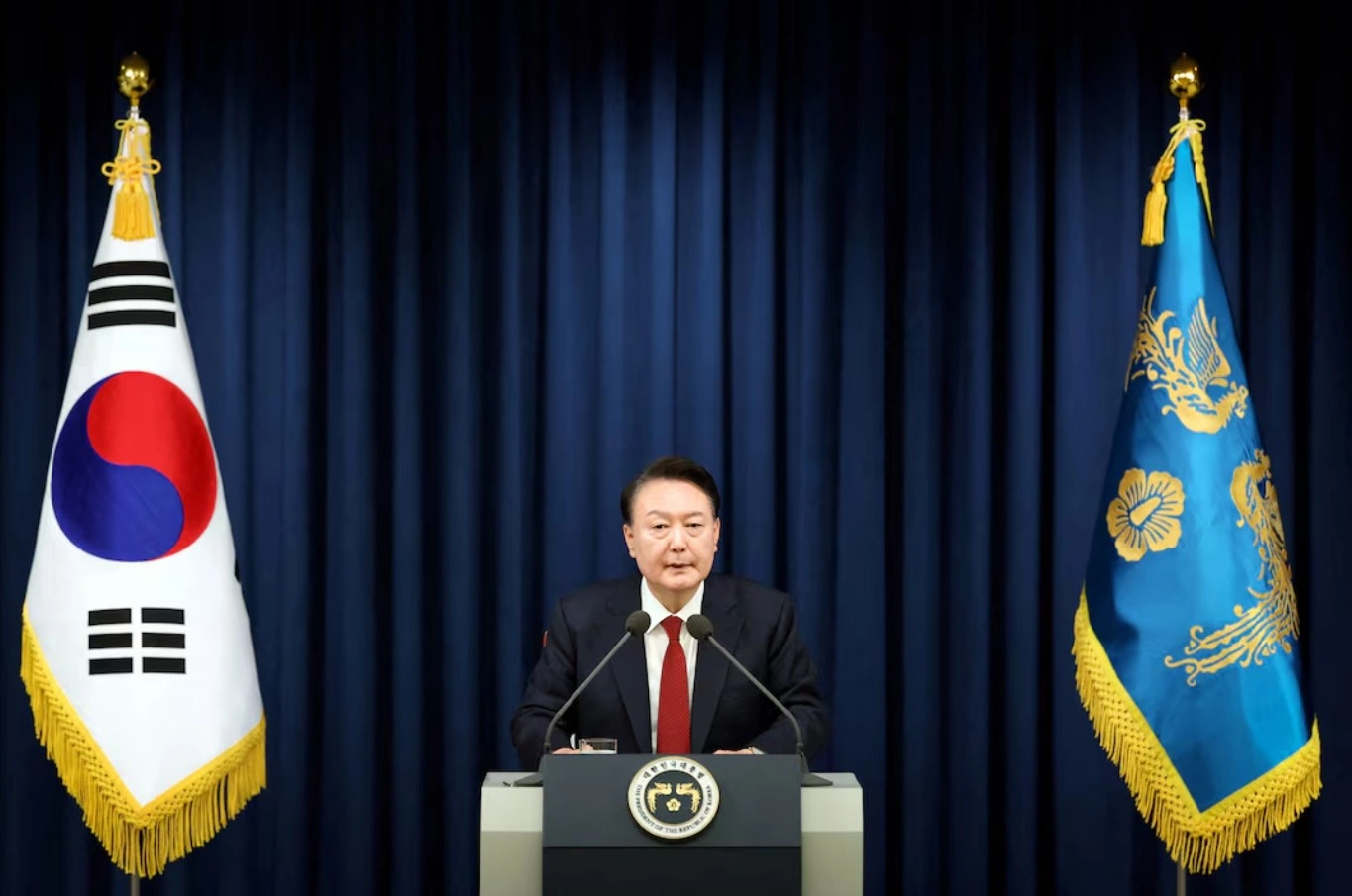 Former President Yoon Suk Yeol's brief declaration of martial law in 2024 continues to shape South Korea's debate over democracy and freedom of expression. Photo: Reuters
Seoul already has defamation laws to punish false claims that hurt a specific person, some of the strictest in the democratic world. But in defamation cases, the only way to punish a ‘false’ story is to go to court, where a judge weighs evidence, hears both sides, and rules – a process that takes months or years. The story stays published the whole time. If the plaintiff loses, the outlet pays compensatory damages tied to actual, provable harm.
The amendment adds something new: platforms, not judges, now get to decide almost immediately whether a story counts as ‘false’, with the power to pull it down before any court has weighed in, and steeper financial punishment if it later turns out to be wrong. The lines blur, then, between a malicious lie and a true story someone powerful wants denied, because at the moment of publication, both can look the same on paper.
The backlash
The Journalists Association of Korea said: ‘It is self-evident that false information undermines social trust and damages the credibility of the press itself. But the response to false information must be built on constitutional rights and democratic foundations, and it must never be overlooked that excessive regulation can produce its own side effects.’ The Seoul Foreign Correspondents' Club (SFCC), which represents foreign journalists, said it was ‘concerned about the potential impact on freedom of expression, the free flow of information, and the work of journalists and news organizations.’ Raphael Rashid, a long-time foreign correspondent in Seoul working for The Guardian, said, ‘The law's ambiguity risks a chilling effect on legitimate reporting, well beyond its stated target of malicious fake news.’ ‘The definition of false information is ambiguous. Content can be treated as partially false even when the core of a report is accurate,’ he said.
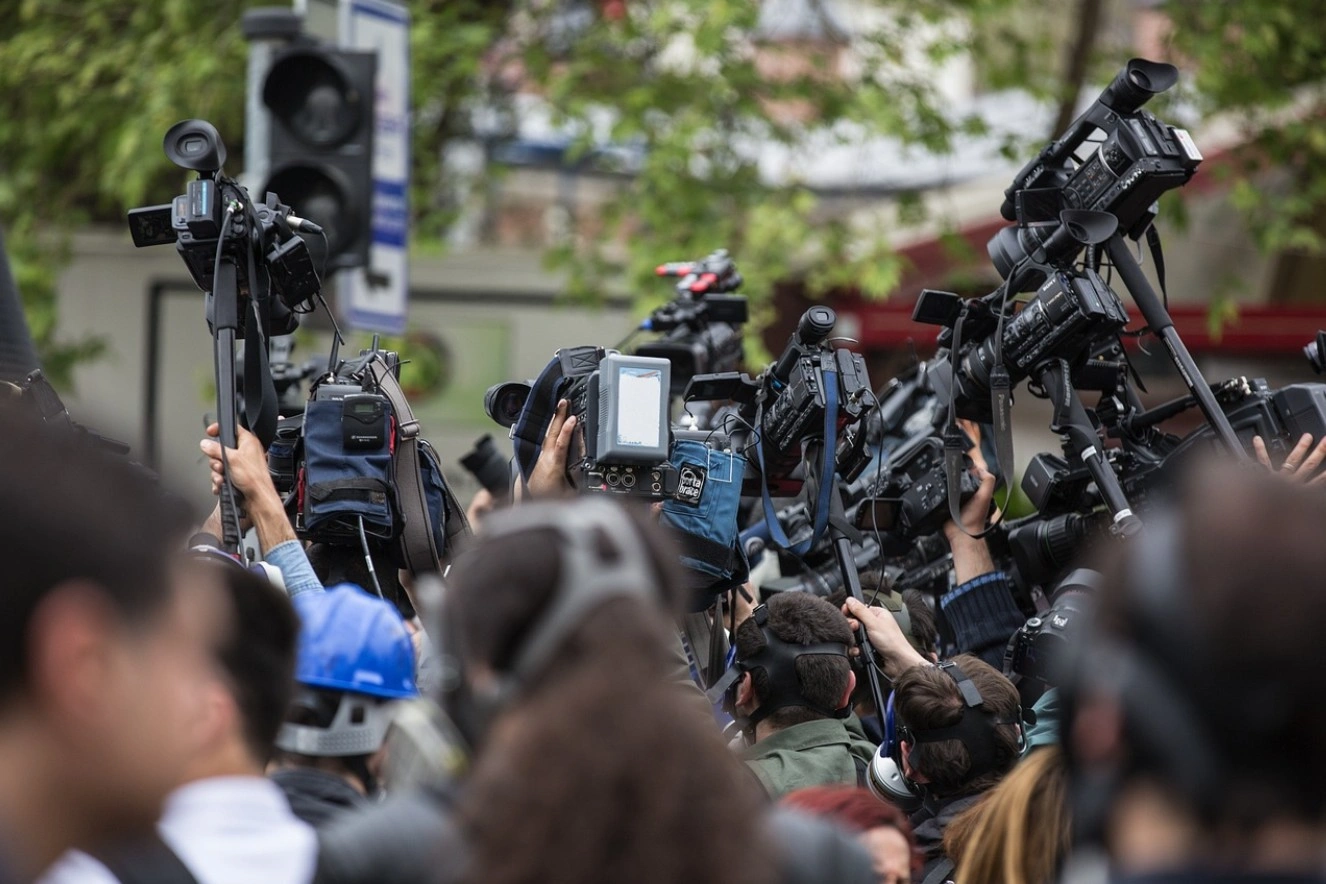 Journalists and press freedom advocates have warned the new law could have a chilling effect on independent reporting. Photo: Engin Akyurt/Pixabay
While South Korea is not the only country introducing laws to fight misinformation, Kyoungmi Oh, a researcher at the Seoul-based digital rights group Open Net, pointed out that Korea's approach breaks from the model most European countries have settled on, which centres on pushing platforms toward stronger moderation while preserving publishers' ability to appeal takedowns. ‘Korea, on the other hand, has chosen the method of imposing liability on platforms through rigid regulations,’ she said.
For now, despite the criticism, the Lee administration has not budged, and the law still stands. Lee was elected in large part to repair the institutions Yoon had shaken, which makes the backlash over his own signature disinformation law an awkward footnote to that mission. The controversy shows that eighteen months after South Korea's institutions held firm against the most dramatic threat to its democracy in a generation, South Korean politicians still tend to reach for restrictive measures whenever new democratic challenges emerge.
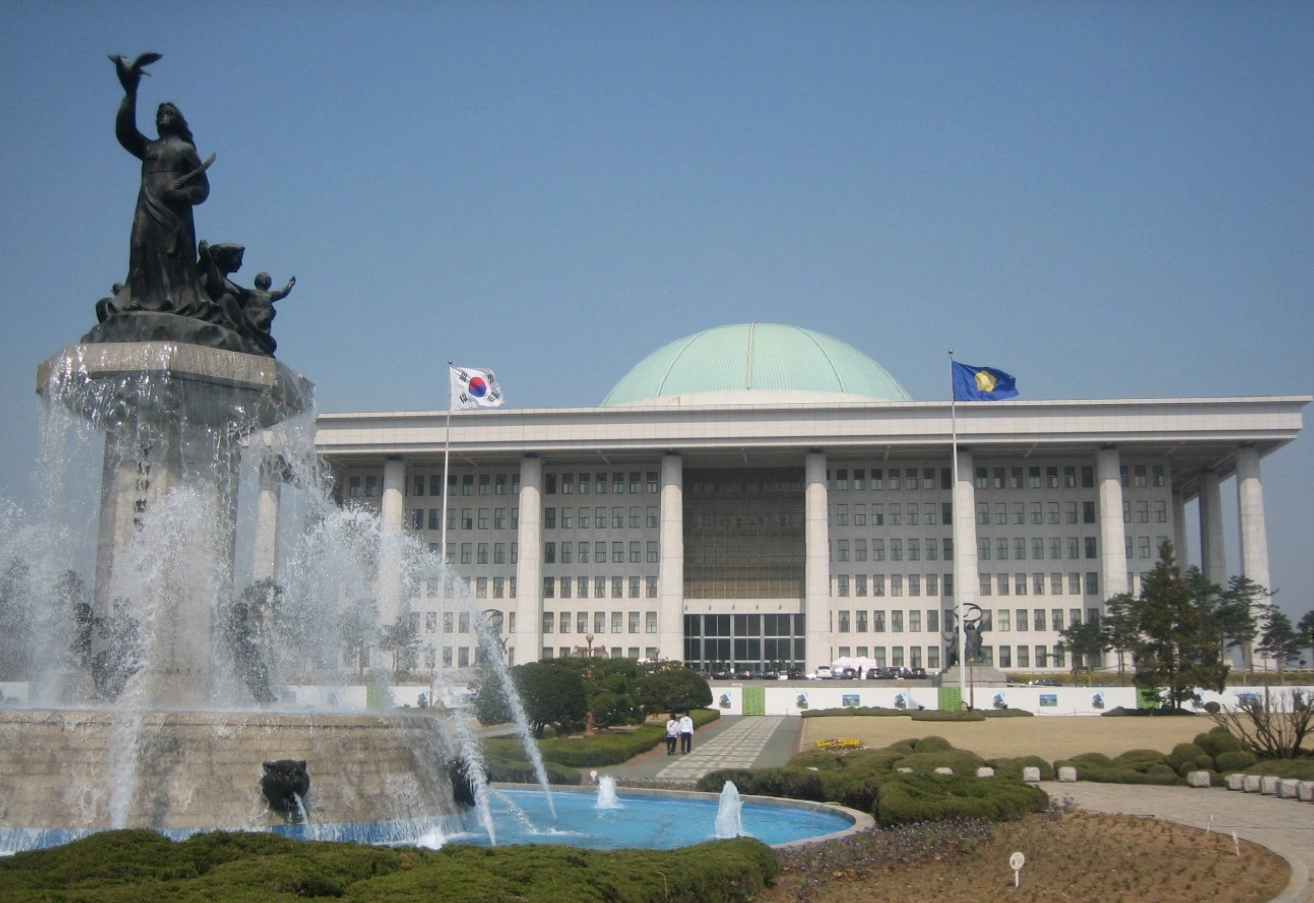 South Korea's National Assembly has become the focal point of debate over balancing the fight against disinformation with protecting democratic freedoms. Photo: Alain Seguin/CC BY-SA 3.0
It is too early to tell whether that reflex proves to be South Korean democracy's blind spot, or just its messy, self-correcting immune response. But the SFCC, for its part, and with the restrictions imposed on media under Yoon's martial law fresh in its memory, expressed hope that despite good intentions, ‘the government and the National Assembly will bear in mind that laws often outlast the administrations that enact them’.