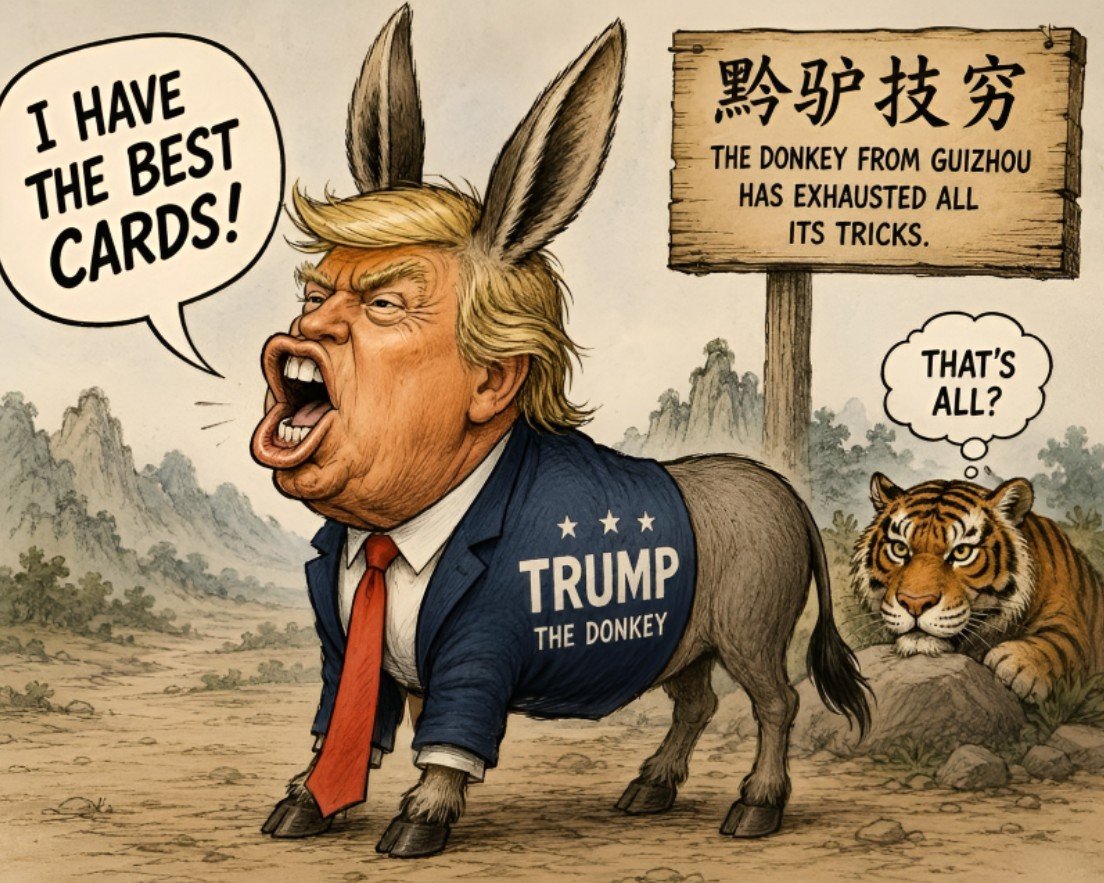
In the summer of 1842, two senior British officers were led from their dungeon to the executioner's sword in Bukhara. Their crime? Seeking to thwart Russia's advance into Central Asia. Their deaths became one of the defining episodes of the nineteenth-century Great Game between the British and Russian Empires. Lijia Zhang knows the country well.
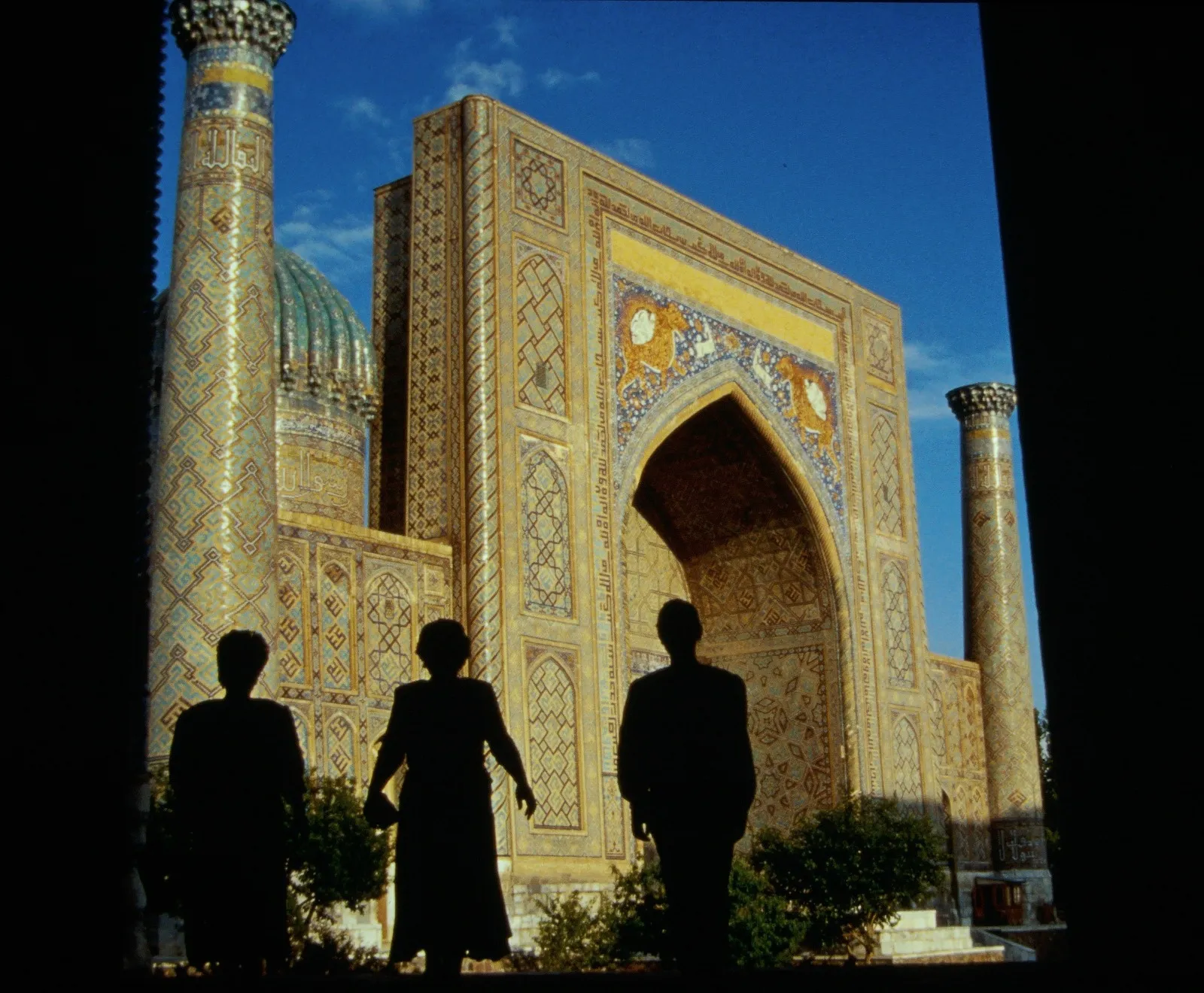
The Registan in Samarkand, a historic Silk Road city at the heart of Central Asia’s changing geopolitical landscape. Photo: Calum MacLeod
Before my first trip to Uzbekistan in 1992, I had devoured such stories as The Great Game and other books by Peter Hopkirk. They awakened my fascination with Central Asia, a region where history, empire and myth seem to converge.
A century and a half later, another contest is unfolding across the same vast landscape. Once again, Central Asia finds itself between powerful neighbours. To the north is Russia, the region’s traditional political and security partner. To the east is China, now its largest trading partner and an increasingly important investor. Turkey, the European Union and the United States are also seeking a greater presence.
Yet the new Great Game is being played by different rules. The Central Asian republics are no longer prizes to be won. They have become increasingly confident players in their own right.
The strategic landscape has also changed. In a new book the former Australian ambassador to China, Dr Geoff Raby, argues that ‘the old division of labour in which Russia provided the region’s security and China its economic support through trade and investment has ended’. When I interviewed him, he said Russia’s invasion of Ukraine had weakened Moscow’s authority and its capacity to act as the region’s security guarantor, while China’s influence had continued to expand.
Even before the war, Russia’s influence had been declining since the collapse of the Soviet Union at the end of 1991. Within months, all five Central Asian republics had become independent, some more reluctantly than others, even though Moscow remained highly influential.
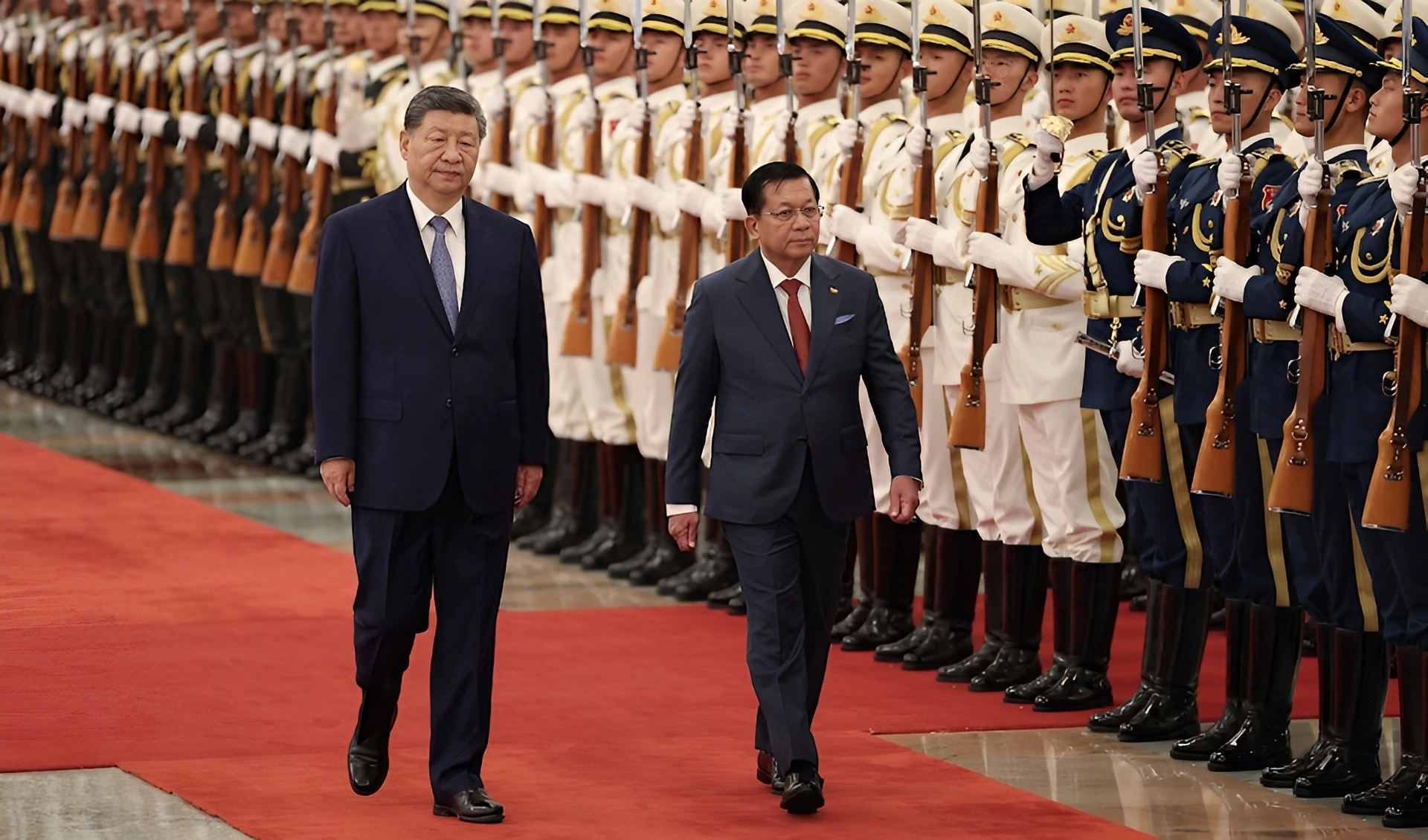
Then came China’s rise. Beijing’s growing presence was on display at the China–Central Asia summit in the Kazakh capital, Astana, in June. Bringing together President Xi Jinping and the leaders of the five Central Asian republics, the summit reflected both China’s growing confidence and the region’s rising strategic importance. It also demonstrated Beijing’s determination to engage Central Asia directly rather than through Russian-led institutions. While much Western commentary portrayed the meeting as another sign of China’s expanding influence, the reality is more nuanced.
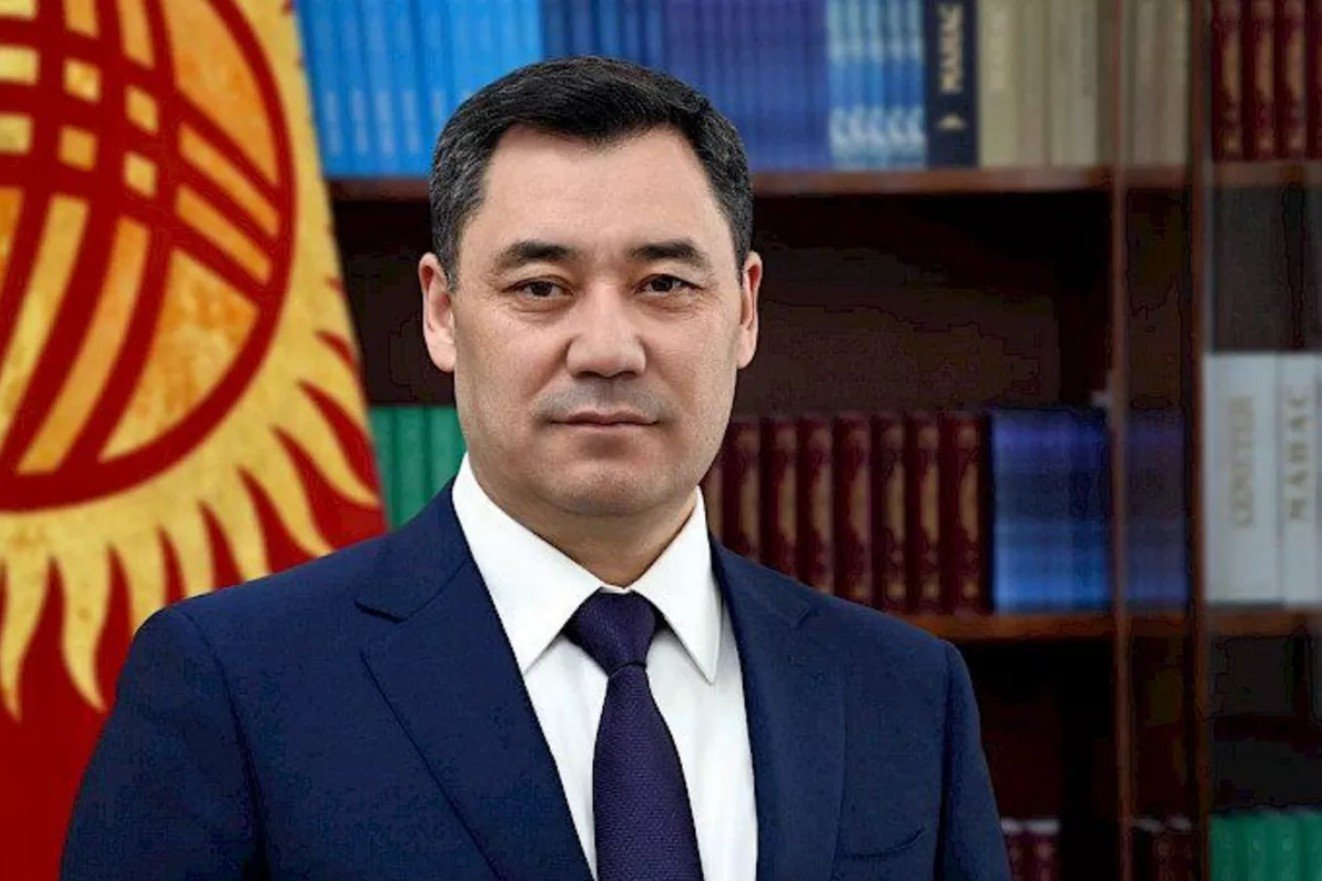
Kazakhstan, Uzbekistan, Kyrgyzstan, Tajikistan and Turkmenistan are not simply choosing between Beijing and Moscow. Like many medium-sized powers, they are pursuing a careful balancing strategy: strengthening ties with China while encouraging greater engagement from Russia, Turkey, the European Union and the United States. As Ambassador Raby puts it, ‘They have agency.’ Their aim is to benefit from all while becoming overly dependent on none.
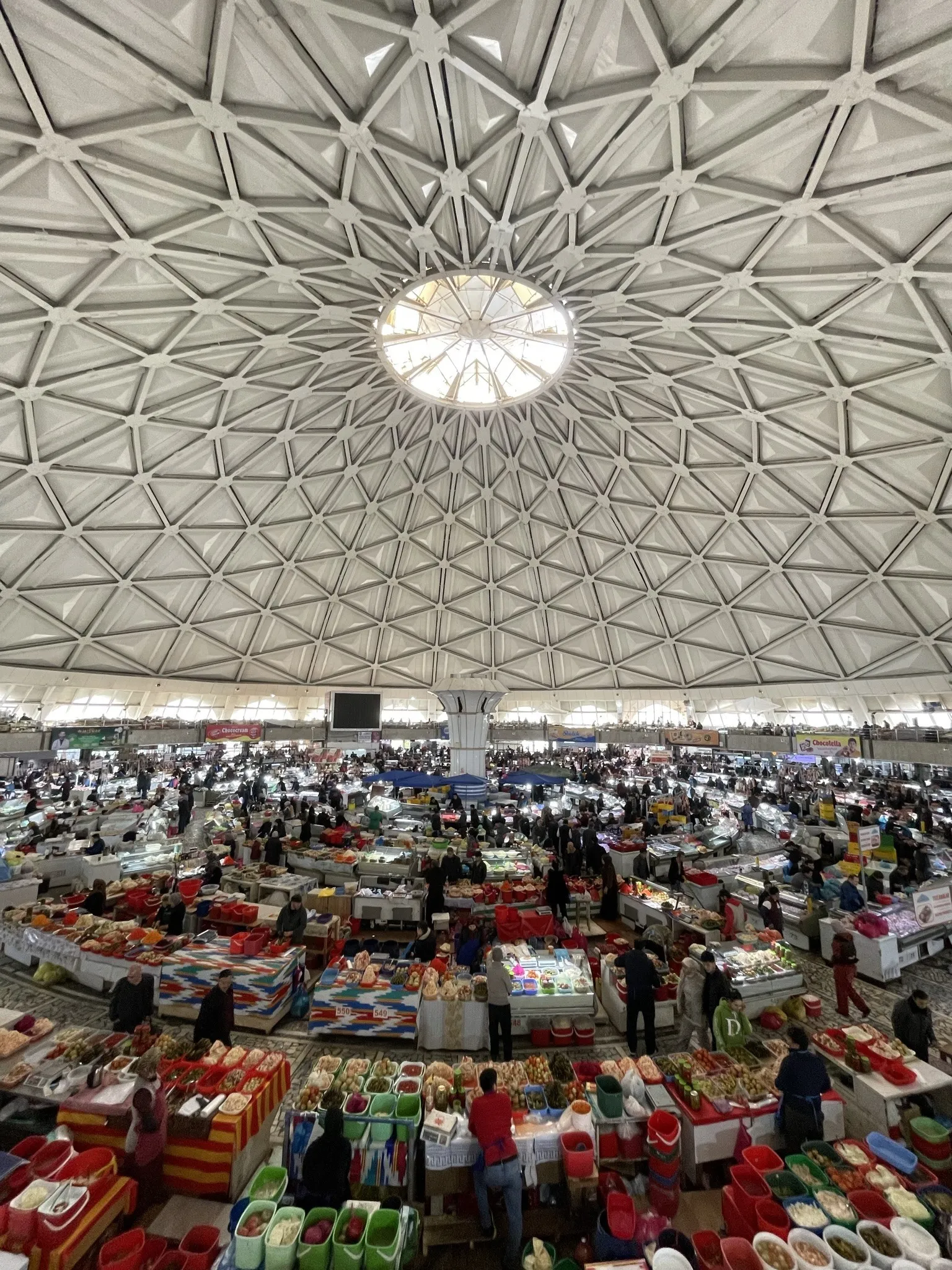
Tashkent’s Chorsu Bazaar reflects Uzbekistan’s distinctive identity and heritage. Photo: Calum MacLeod
For nearly two centuries, Russia dominated the region. Even after the Soviet Union collapsed, millions of Central Asians continued to work in Russia and Russian remained the common language of government and business. When I travelled to Uzbekistan in 1992 it had only just become independent. It was widely believed that Uzbekistan’s first president, Islam Karimov, was more comfortable speaking Russian than Uzbek.
More than three decades later, Uzbekistan has become noticeably more self-confident, with Uzbek firmly re-established as the country’s principal public language. Yet while the region has been rediscovering its own identity, its external relationships have also been undergoing a profound transformation.
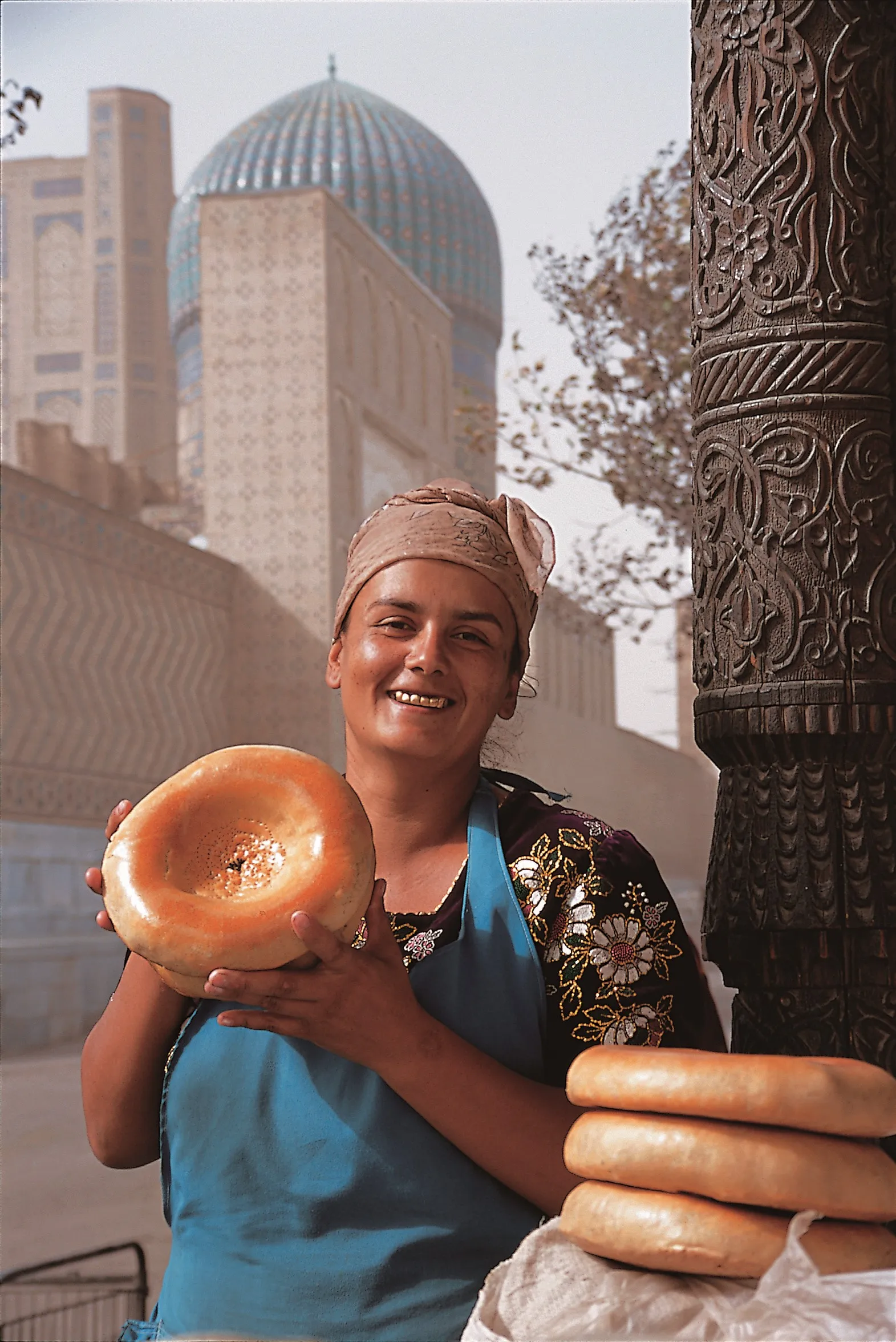
A woman sells bread in a Samarkand bazaar, where Uzbek traditions remain central to everyday life. Photo: Lijia Zhang
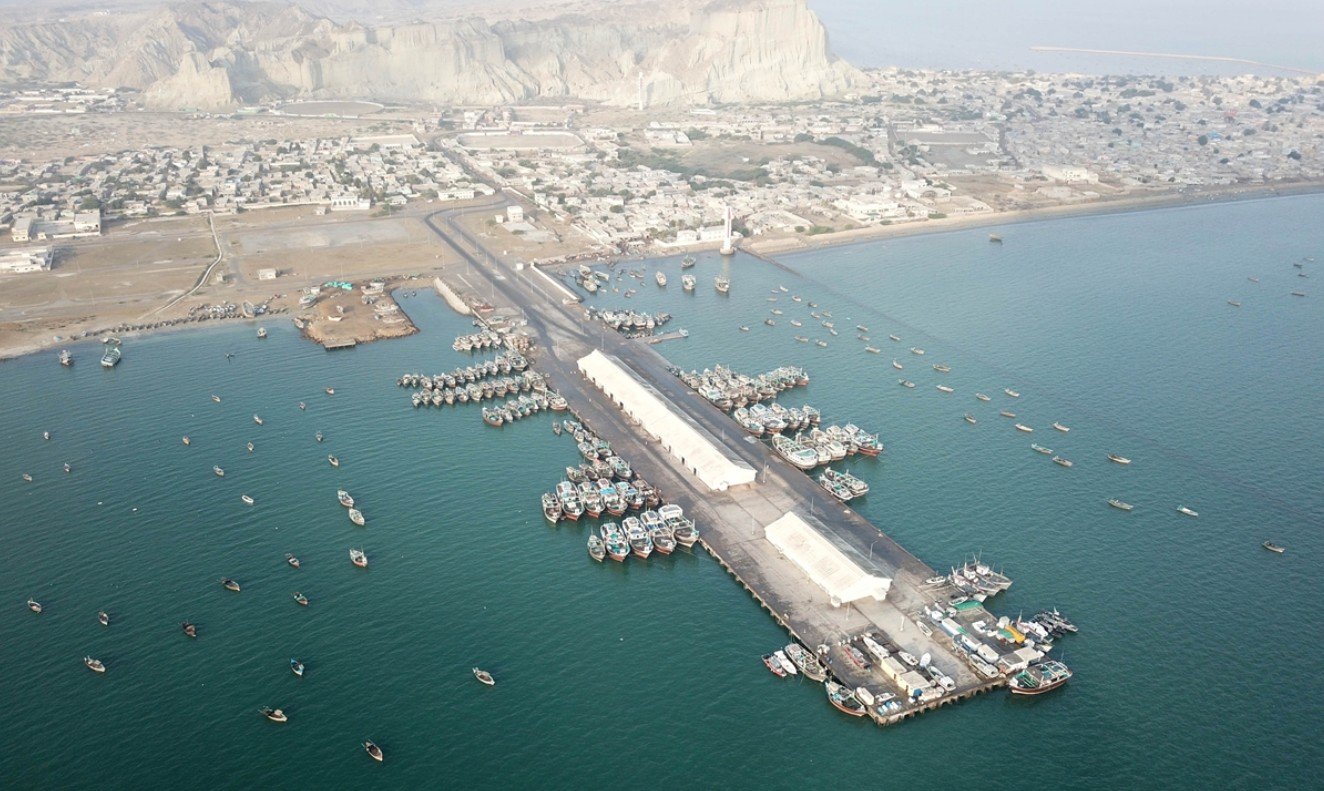
China’s presence has become increasingly visible across Central Asia, which was the first testing grounds for China’s ‘Belt and Road’ initiative. Over the past decade, railways, pipelines, highways and logistics hubs have linked it more closely to western China than ever before. Chinese companies are investing in renewable energy, mining and manufacturing, while Chinese electric vehicles are increasingly common on city streets. Trade between China and the five Central Asian states has expanded dramatically, reaching a record US$95 billion in 2024 and continuing to grow since.
Uzbekistan offers a revealing case study. It is not the largest country in Central Asia, nor the richest in oil and gas, but it is arguably the region's pivotal state: the most populous, the most historically alluring to visitors, and the only one bordering all the other four former Soviet ‘stans’ as well as Afghanistan.
Its economic orientation also tells a larger story. By 2023, China had consolidated its position as Uzbekistan’s leading trading partner, accounting for about 19 per cent of total trade, compared with Russia’s roughly 18 per cent. Beijing is turning this economic weight into a more formal regional presence, building its own architecture through the China–Central Asia summit mechanism with a permanent secretariat in the Chinese city of Xi'an.
Yet China’s influence remains economic rather than ideological. Unlike the Soviet Union, China has shown little interest in exporting a political model. Instead, it offers infrastructure, investment and markets. That approach appeals to governments whose overriding priority is economic development.
It is tempting to see all this as a straightforward contest in which China replaces Russia as the region’s dominant power. That would be too simplistic. Russia remains an important security partner with deep historical and cultural connections.
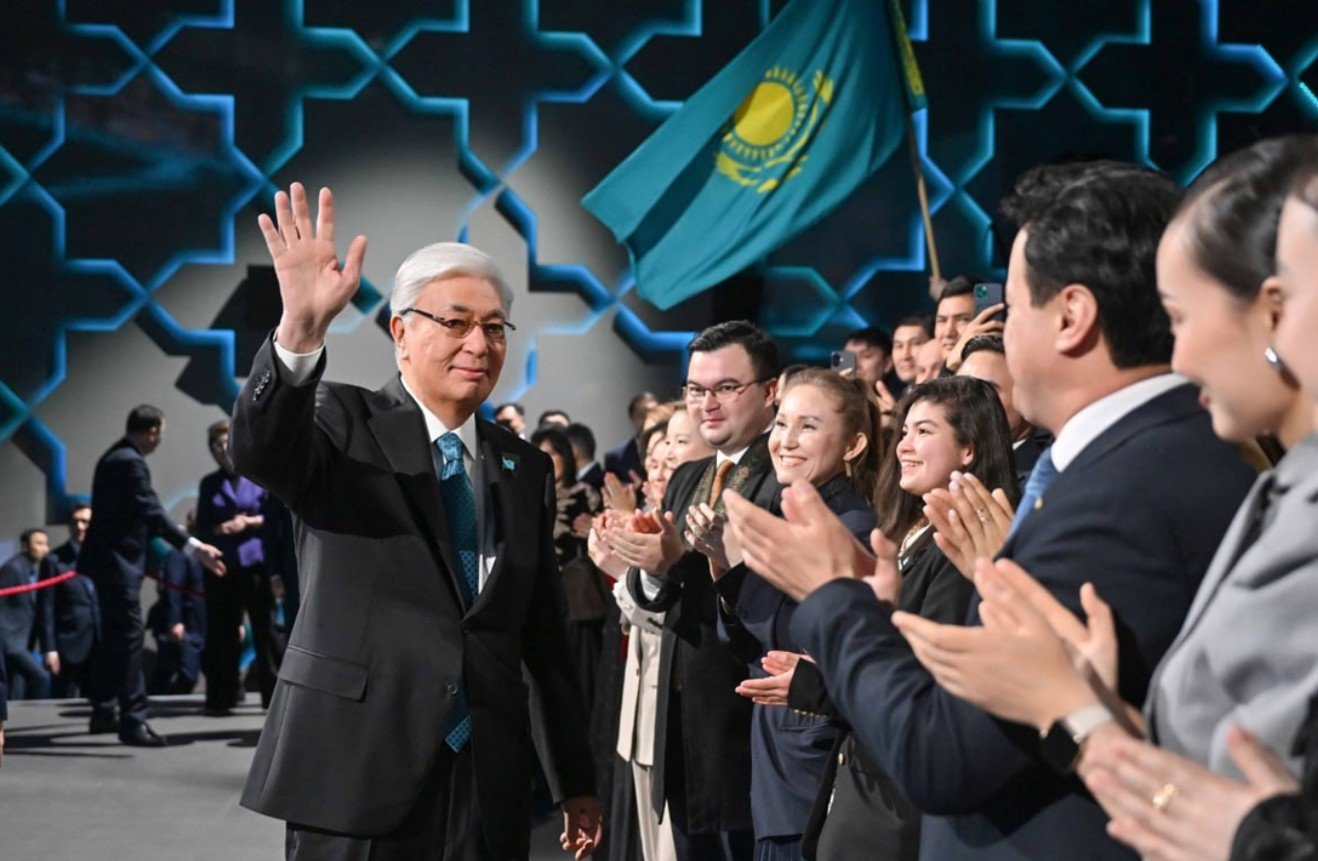
Kazakhstan has pursued a sophisticated ‘multi-vector’ foreign policy for decades. Uzbekistan has become increasingly outward-looking under President Shavkat Mirziyoyev. Across the region, governments are diversifying their partnerships while carefully avoiding exclusive alliances. In other words, they are no longer merely caught between great powers. They are learning to use competition among those powers to advance their own interests.
Perhaps that is the biggest difference between the old Great Game and the new one. The nineteenth-century version was played over Central Asia. The twenty-first-century version is increasingly played with it.
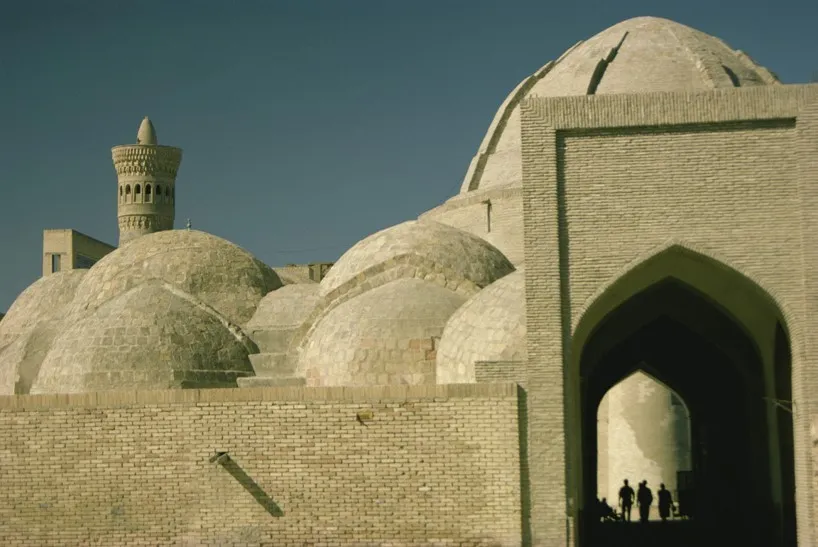 The trading domes of Bukhara, a historic Silk Road centre. Photo: Calum MacLeod
For China, Central Asia is more than another geopolitical theatre. It is the ancient gateway through which Buddhism entered China, the heartland of the Silk Road, and the bridge linking East Asia with Europe and the Middle East. Beijing’s interest in the region is shaped not only by strategic calculation but also by long historical memory. As China becomes more influential across Eurasia, it is reviving connections that long predate the modern nation state.
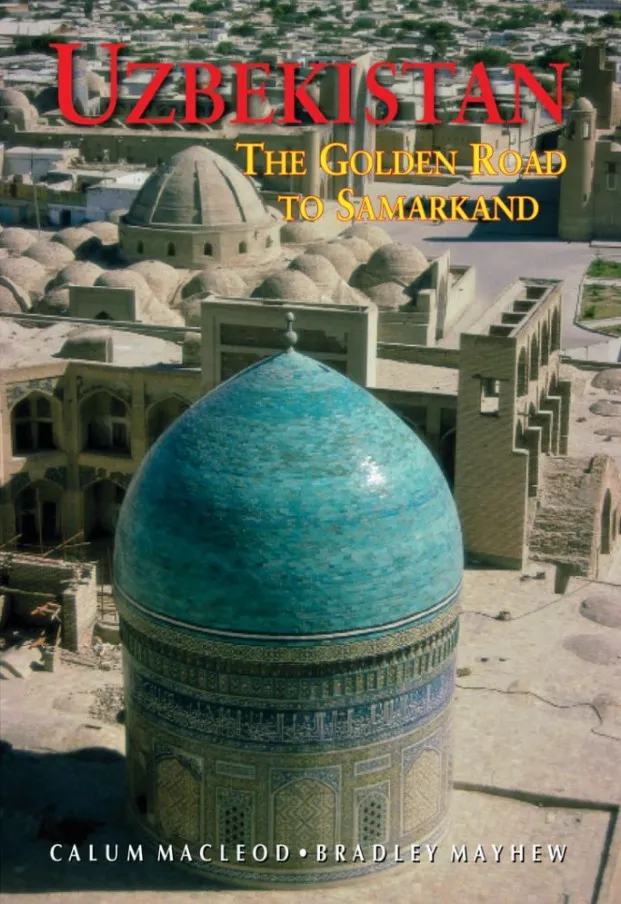
Uzbekistan: The Golden Road to Samarkand, by Bradley Mayhew and Calum MacLeod, explores the history and culture of a country at the heart of Central Asia.
Having wandered beneath the blue-tiled domes of Samarkand and watched merchants bargain in the ancient markets of Bukhara, I find it impossible to see Central Asia merely as a chessboard on which great powers compete. It is a living civilisation in its own right. Perhaps that is the greatest lesson of the new Great Game: beyond the rivalry of empires lies a region whose own history, culture and people will ultimately shape its future.