The head of the country’s controversial and wildly expensive ‘free’ school meals programme is dismissed. Then the country’s chief prosecutor resigned after gold bars were found in his home, amid suggestions of large-scale corruption. What is going on in South East Asia’s largest economy? Joseph Rachman reports.
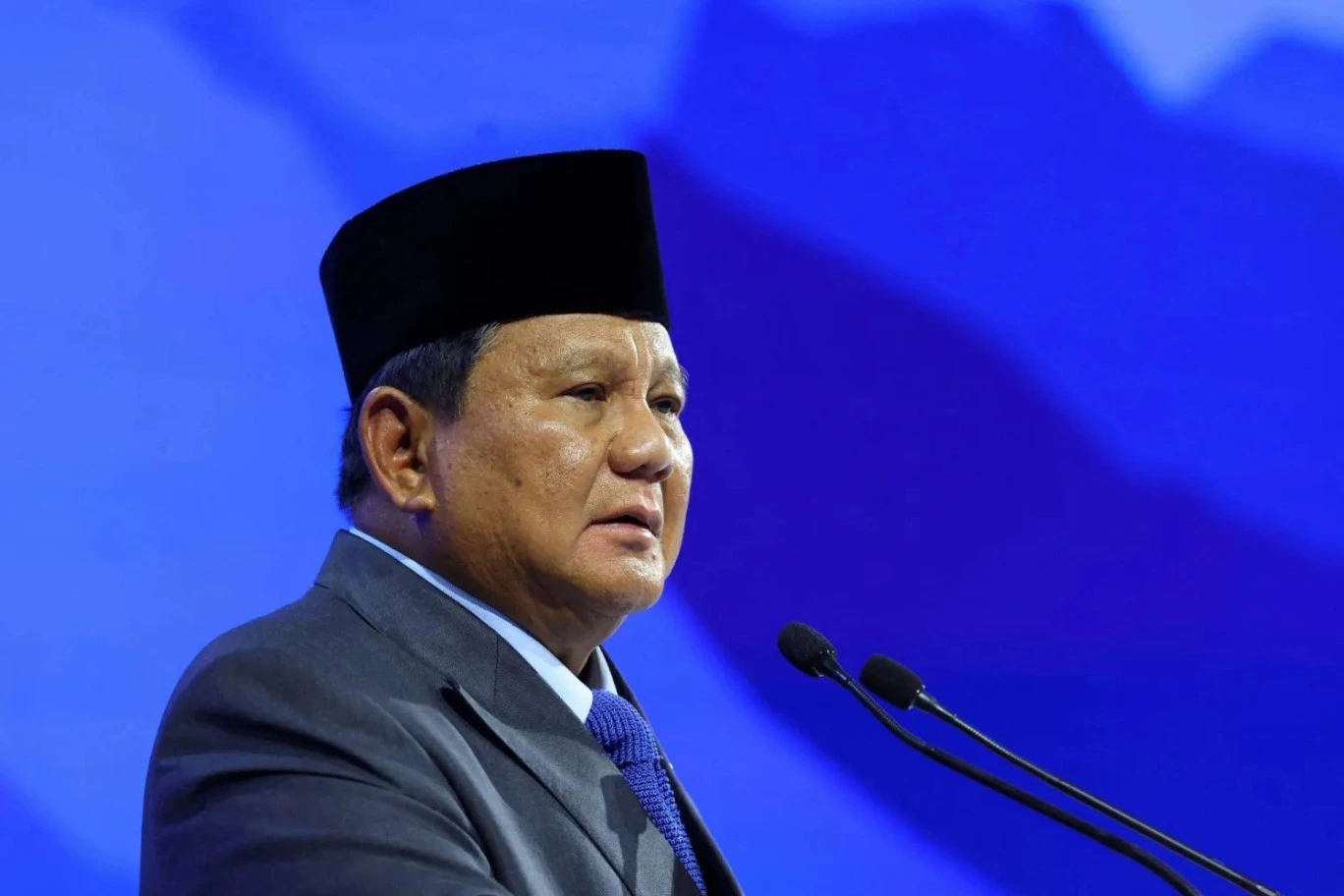
President Prabowo Subianto. His ambitious economic agenda and increasingly centralised style of government are reshaping Indonesia's political and economic landscape. Photo: Reuters
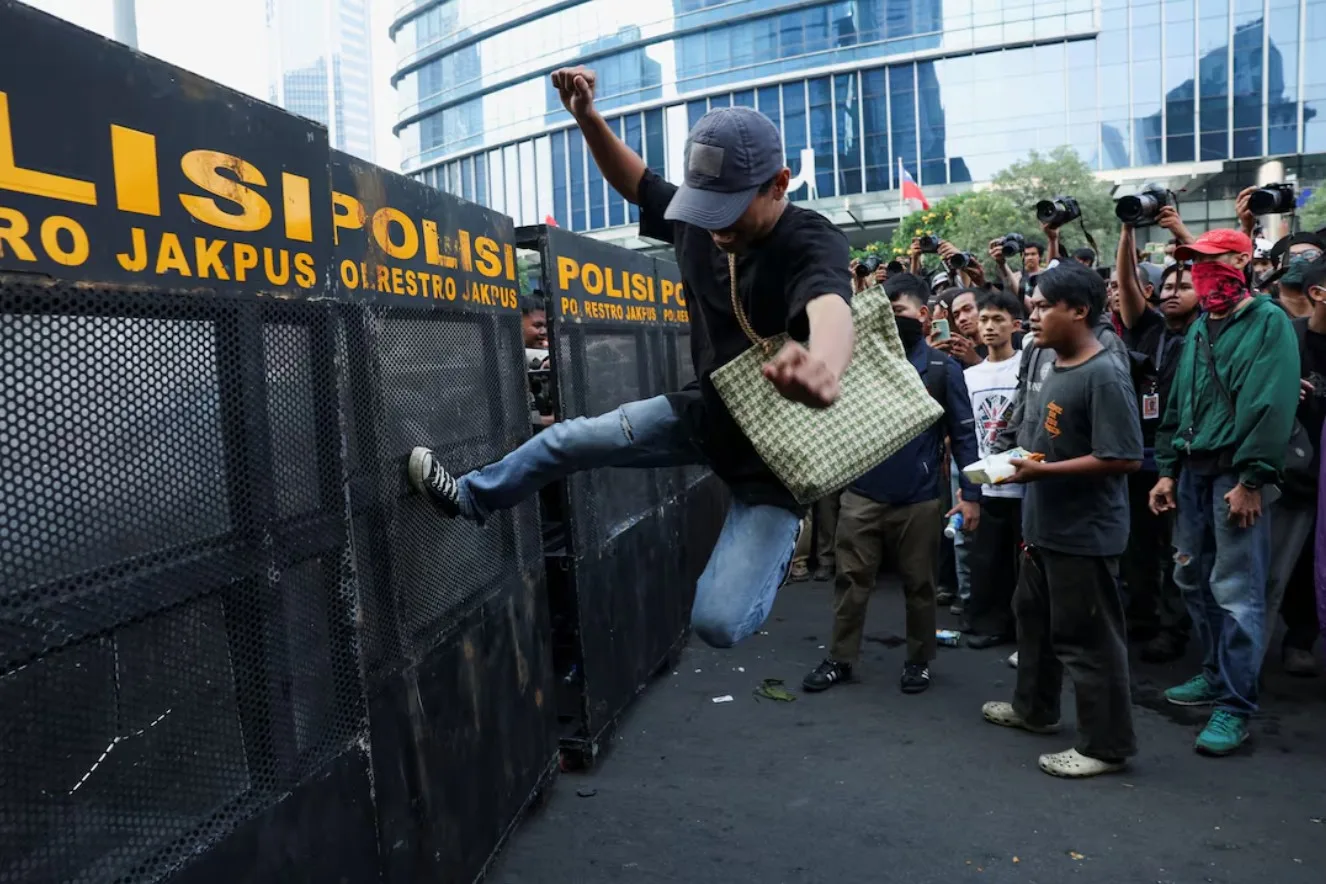
The plan to provide free school meals is symbolic of President Prabowo Subianto’s style. In theory it has merit, providing meals to more than 50 million school-age children; in reality, it is a financial burden, absorbing an eye-watering 8.7% of the national budget. The programme has also been plagued by scandals. In June, Indonesia’s rowdy students took to the streets targeting the country’s free school meals programme, which many regard as unaffordable for a country suffering severe strains in its public finances.
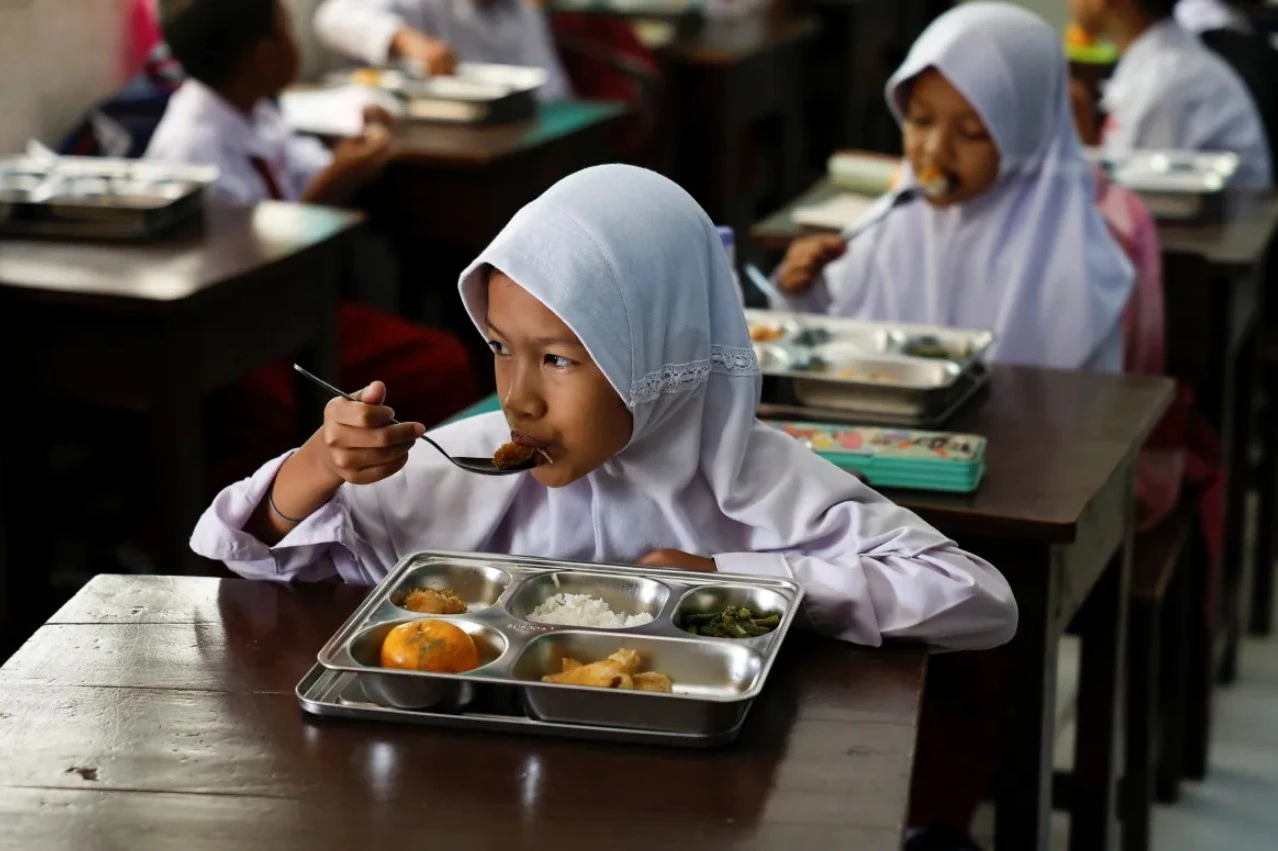 Indonesia's free school meals programme is one of President Prabowo's flagship initiatives, but its high cost and implementation have attracted growing criticism. Photo: Willy Kurniawan/Reuters
The resignation of the chief prosecutor in mid-July came after he was implicated in an unconnected scandal relating to the procurement of coal for electricity generation from as far back as 2018. His resignation followed the discovery by police of a safe containing nearly $26 million in gold bars and foreign currency.
Both events suggest large scale corruption and have caused Indonesian elites to question whether the country is on the wrong path, seeing the expensive school meals programme as emblematic of wider dysfunction. Their core concerns are about an imperial presidency that mismanages the economy and does not welcome criticism. Indeed, fear of retaliation means many keep their concerns and complaints private. With 2025's riots fresh in people's minds, the worst since those that toppled Suharto in 1998, there is a nervousness in the air.
Indonesia’s economy hit a respectable 5.6% in the first quarter of 2026, short of the 8% Prabowo promised on taking office in 2024 but above the average 5% of the past decade. Under the bonnet, the picture is grimmer. To develop, Indonesia needs foreign capital. But the latest World Bank report showed that growth was driven by government spending even as exports weakened, foreign investors sold Indonesian stocks, and foreign direct investment flagged. Government budgets are now severely strained, and the Iran War oil shock has pushed up the prices of staple goods further.
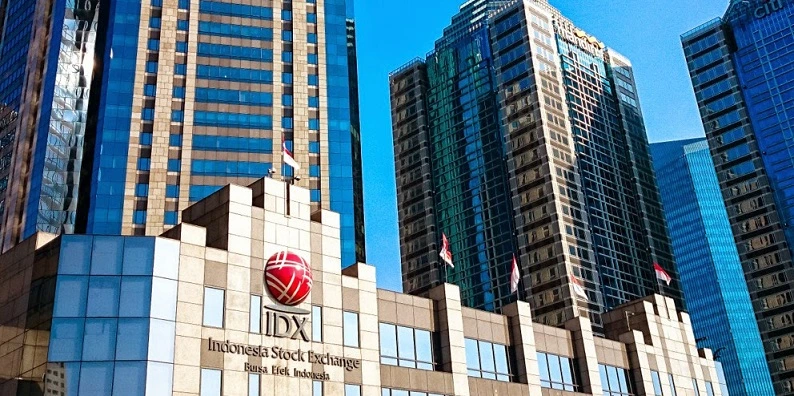 Indonesia Stock Exchange (IDX) building in Jakarta. Despite continued economic growth, weakening investment and mounting fiscal pressures have raised concerns about Indonesia’s longer-term outlook. Photo: Bursa Efek Indonesia/CC BY-SA 4.0
Much of this is beyond Prabowo’s control. However, his big-state nationalist and autarchic approach has worsened things. In 2025, before the short-term shocks, capital outflow was already well underway, with Indonesia’s financial account turning sharply negative.
The reality is that Indonesia’s finances are creaking under Prabowo’s lavish spending plans. On top of the wildly expensive free school meals there are the village cooperatives programme, food estates in Papua, and military modernisation. To pay for these projects, other areas have faced deep and unpredictable cuts. The infrastructure budget was cut 76% in 2025 and reductions this year have affected education and healthcare expenditure. Ratings agencies warn Indonesian bonds could be downgraded. This would further strain finances.
On the business front, policy is increasingly unpredictable. In May, in a typically Prabowoian move, the president announced he would nationalise the export of key commodities. As businesses panicked, ministers and officials hastily reversed the policy. The move added to a perception that Indonesia – once a good investment – is now subject to unacceptable political risks. New regulations on mining permits and mineral exports which were supposed to push up commodity prices have in fact depressed earnings. The disruption to coal miners may be behind a wave of power blackouts.
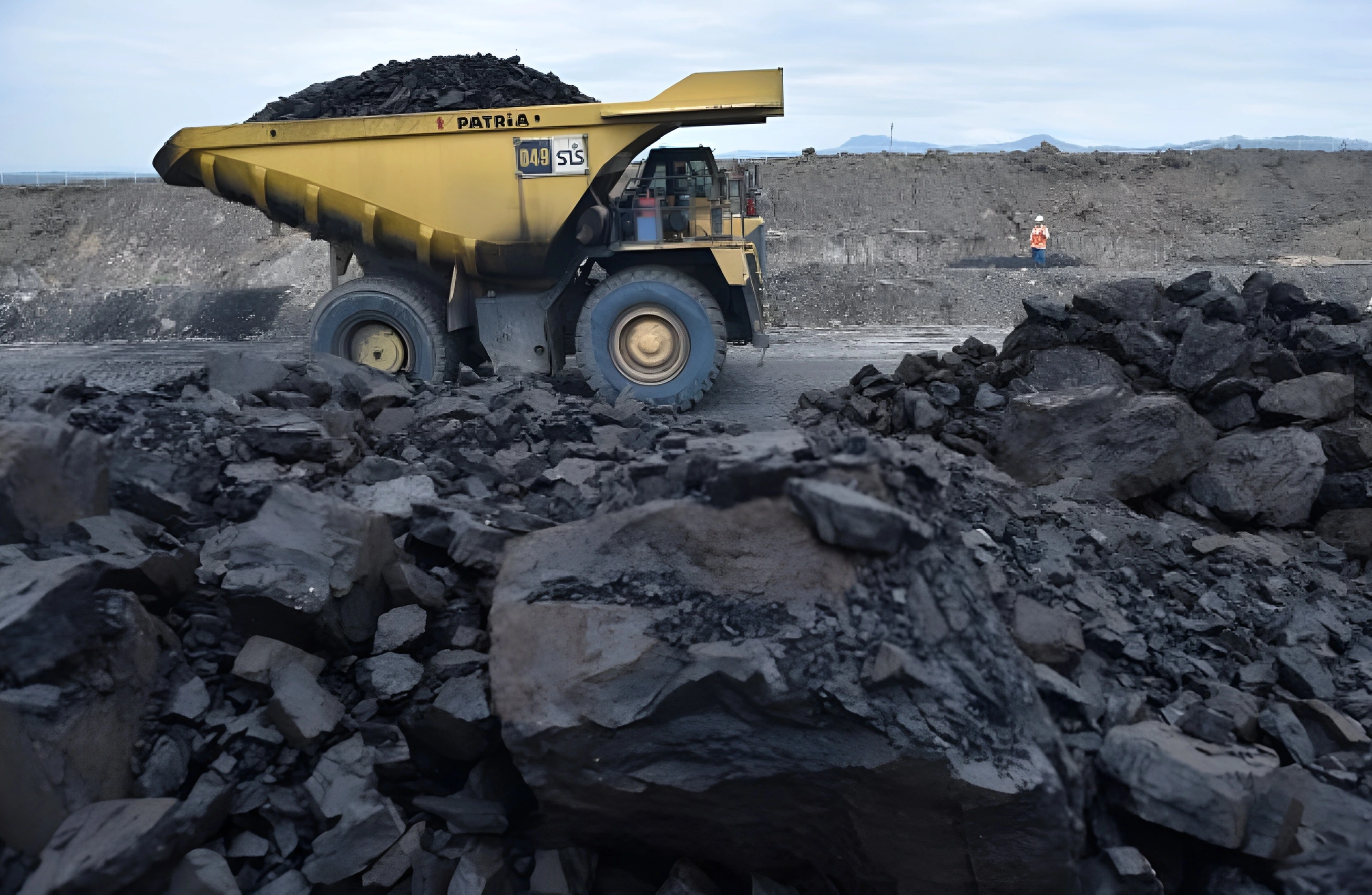 Mining remains central to Indonesia's economy, but changing regulations and corruption allegations have unsettled investors. Photo: Reuters
Meanwhile, across the country, millions of hectares of plantation land have been seized amid allegations of corruption and handed over to military-linked state-owned enterprises. The charges may have merit. Land ownership is beset by graft in Indonesia’s murky system. However, companies often suspect targeting is governed more by political connections and animus against Indonesian-Chinese business people than by the degree of wrongdoing. The fact that much of the land has then been turned over to a military-run company has only deepened suspicions.
For Prabowo, who has long voiced a suspicion of foreign business and advocated state-led domestic self-reliance, this may all be according to plan, but the economic effects are worrying. Few of his signature programmes can be seen as clear successes. The free school meals programme has been hit by repeated food poisoning scandals, and in June its head was arrested for corruption with two others. The village cooperatives and food estate programmes – part of the same strategy of self-reliance – also show signs of graft and mismanagement.
But, even as the president’s agenda falters, his opinion is now the only one that matters. Powerful institutions that previously might push back, such as the courts, the central bank and the technocratic ministries, have been brought into line through strategic appointments and pressure tactics. In parliament, only one party, the Indonesian Democratic Party of Struggle (PDI-P), sits outside the government, though it declines to name itself an opposition party. The trial and then pardon of its secretary-general sent a clear message. Other critics have met with similar treatment.
The system of governance has become more and more presidential. The military and police, whose commanders are presidentially appointed, have seen their bureaucratic power expand. State-owned enterprises now report directly to his office via the holding company Danantara. Foreign policy too is now coordinated by Prabowo’s office. Governance is concentrated in a tight coterie of personal advisors who control access to the president. Sources say they limit the amount of bad news Prabowo receives.
Constant presidential travel adds to this sense that Prabowo may not be kept fully informed on the state of the economy, for example. Since becoming president in October 2024, he has spent 114 days – nearly four months – abroad. Keen to project Indonesia, and himself, on the world stage, he constantly pays official visits to other countries, including four trips to Paris.
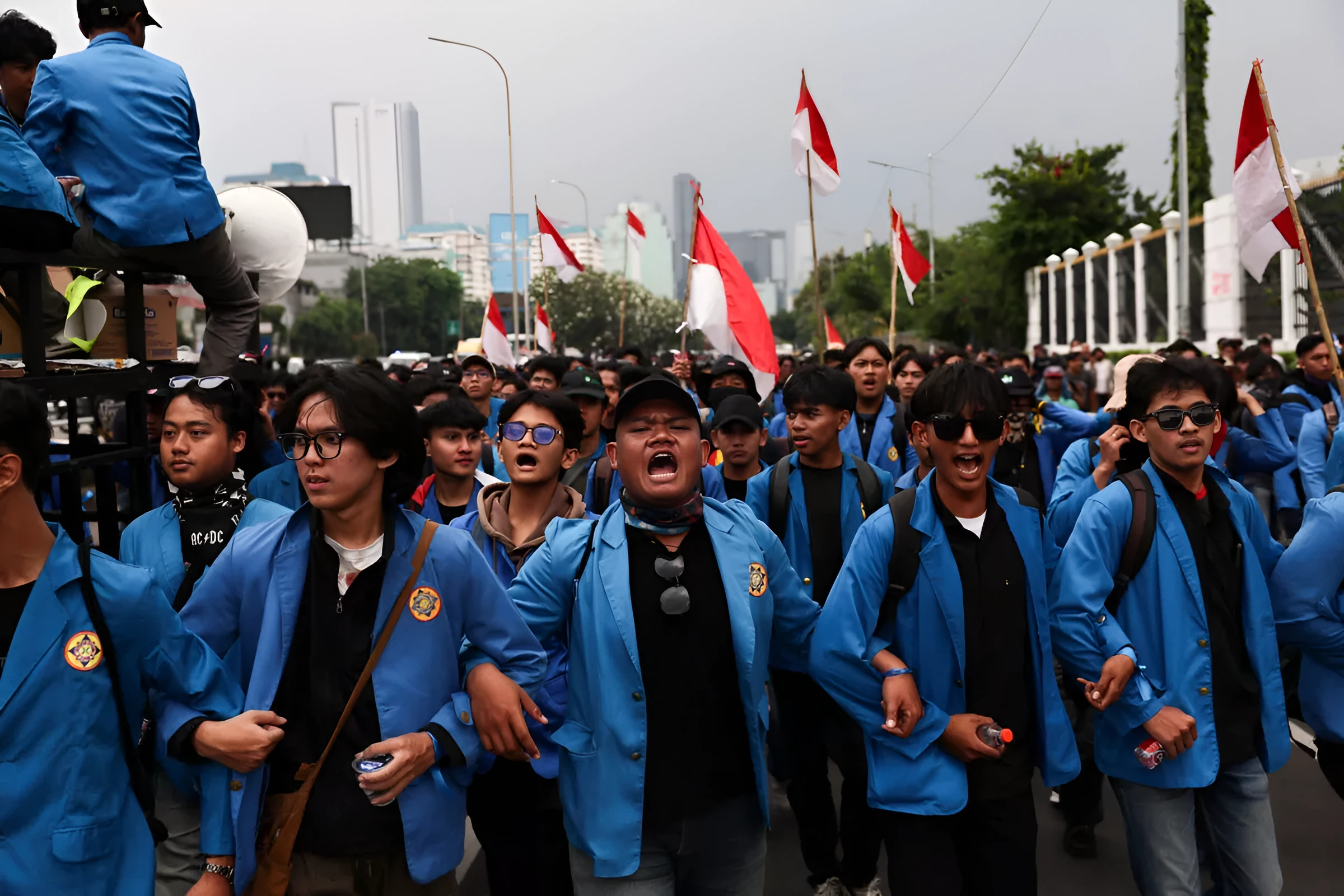 Public protests have reflected growing frustration over economic pressures, governance and the direction of President Prabowo's administration. Photo: East Asia Forum
Yet, even in foreign policy, things seem adrift. Prabowo’s attempts to make himself a major foreign policy player by offering to mediate between the US and Iran or volunteering Indonesian troops for a Gaza peacekeeping force seem to have fallen by the wayside.
The situation may slowly be turning dangerous. Last year, Indonesia saw serious street riots in Jakarta. The proximate cause was a deadly police hit-and-run on a delivery driver. But, for many, the backdrop of stalling job opportunities and a nasty bout of food inflation was an important factor. The government may have learnt some lessons by introducing temporary relief measures for Indonesia’s economically precarious citizens.
But, the government’s space to buy peace is tightening. If ordinary Indonesians continue to feel squeezed and the avenues for opposition other than the street continue to narrow, the prospect of a repeat before the end of Prabowo’s term in 2029 is a worrying possibility.