One of the oldest territorial disputes in Asia concerns the former princely state of Kashmir in the western Himalayas, which has been the subject of rival claims and wars between India and Pakistan since 1947. Different parts of the state are controlled by India, Pakistan and even China. Andrew Whitehead reports.
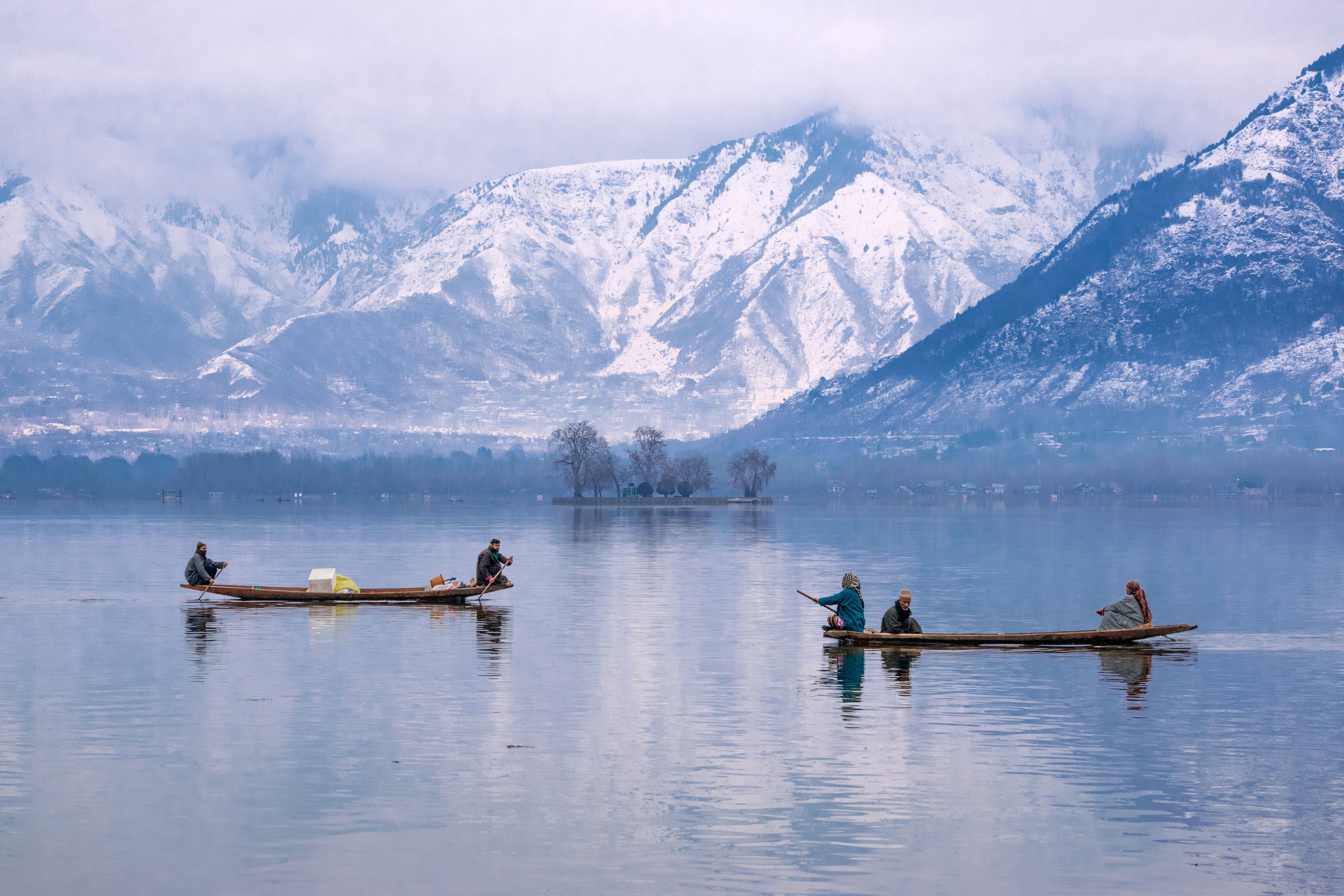
Dal Lake and Char Chinar in Kashmir, a region renowned for its natural beauty yet marked by decades of territorial conflict between India and Pakistan. Photo: Suhail Skindar Sofi/CC BY-SA 4.0
‘If there is paradise on earth, it is this, it is this, it is this’. This verse couplet from many centuries ago is said to be in praise of the beauty of Kashmir. Its dramatic scenery of mountains and lakes, fertile groves and bounteous orchards, is of global renown. But for as long as any Kashmiri can remember, their valley has been more a battlefield than a fabled arcadia.
For almost eighty years, the Kashmir Valley has been fought over by India and Pakistan. Of the four wars that India and Pakistan have waged since independence (including the 1999 Kargil conflict), three have been fought largely in and about Kashmir. An insurgency within Indian Kashmir stretching back to the late 1980s – now at a low ebb but still not extinguished – has claimed tens of thousands of lives and blighted millions more.
Kashmir remains the main fault line between two nuclear-armed neighbours. No wonder that Bill Clinton, when president of the United States, described Kashmir as perhaps the most dangerous place in the world.
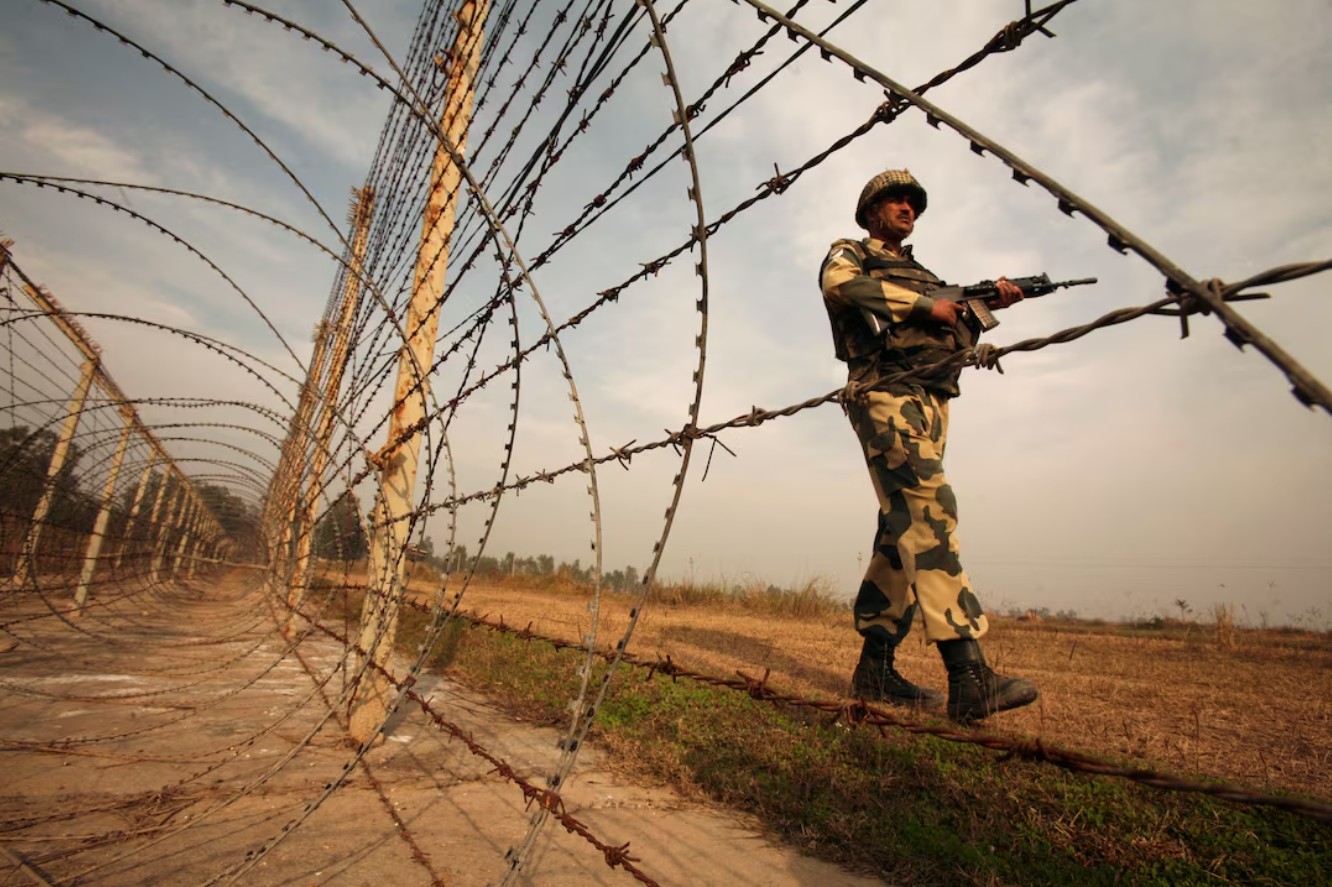 Border fencing along the India–Pakistan border, highlighting the
territorial divide at the heart of the Kashmir dispute. Photo: Mukesh
Gupta/Reuters
Both India and Pakistan claim sovereignty over all the former princely state of Jammu and Kashmir, while control of the territory is divided between them. The larger part, in terms of population, rests with India. At its core, the conflict is about the Kashmir Valley, which constitutes not even a tenth of the area of the former princely state and is home to fewer than half its total population. The valley is the heartland of Kashmiri culture. It has a population of about seven million, is overwhelmingly Muslim, and is governed by India.
The competing narratives about Kashmir – India’s, Pakistan’s, and the Kashmiri nationalist version – suggest that the story is simple and that the territorial claim they assert is incontestable. In fact, the modern history of Kashmir is complex. But it is impossible to understand why the Kashmir dispute has been so intractable without appreciating how it started.
The British are often blamed for the inception of the Kashmir crisis. In 1846, the British authorities sold the Kashmir Valley to a Jammu-based warlord who had helped defeat the Sikh kingdom based in Lahore. The price was a few million rupees and an annual tribute of goats and shawls. That dynasty – Dogra by culture and Hindu by religion – became the princely rulers of the region.
Over the decades, the maharajahs of Kashmir accumulated territories with little in common beyond their ruler. The princely state had two main constituents: Jammu, in part an extension of the plains of Punjab and which is now mainly Hindu, and to its north, the large, flat-bottomed vale of Kashmir in the Himalayan foothills.
In 1947, the British failed to resolve the enduring status of Kashmir before pulling out in a hurry and partitioning British India into the two independent nations of India and Pakistan. In legal terms, the decision over which new nation to join lay with the maharajah, Hari Singh. He was attracted to the idea of an independent Kashmir. Two months after India and Pakistan gained independence, an armed force from Pakistan – a tribal militia encouraged by some in the new government – invaded the Kashmir Valley. That prompted the maharajah to flee to Jammu, and once there he signed his princely state up to becoming part of India.
India’s armed forces staged a dramatic air lift to Kashmir which succeeded in pushing back the invading forces. This developed into the first war between India and Pakistan. The ceasefire deal which ended it divided the former princely state between India and Pakistan, and that line – now known as the Line of Control – has changed little in the intervening decades.
Pakistan, established as a nation for South Asia’s Muslims, has always argued that ties of religion, culture and commerce underscore its claim to the Kashmir Valley. India insists that the maharajah had the right to decide on accession and that, at the time, his decision to become part of India had the support of the commanding Kashmiri nationalist of the last century, Sheikh Abdullah. He was a Muslim and became the first prime minister of Indian Kashmir.
There are several further layers of complexity. As well as India and Pakistan, a third nuclear power, China, governs some of what were the maharajah’s dominions. It controls Aksai Chin, a large and almost totally unpopulated high-altitude region adjoining Ladakh. And a little further west, China also has possession of an area ceded by Pakistan, the Shaksgam Valley, which is of potential strategic significance but has next-to-no permanent residents.
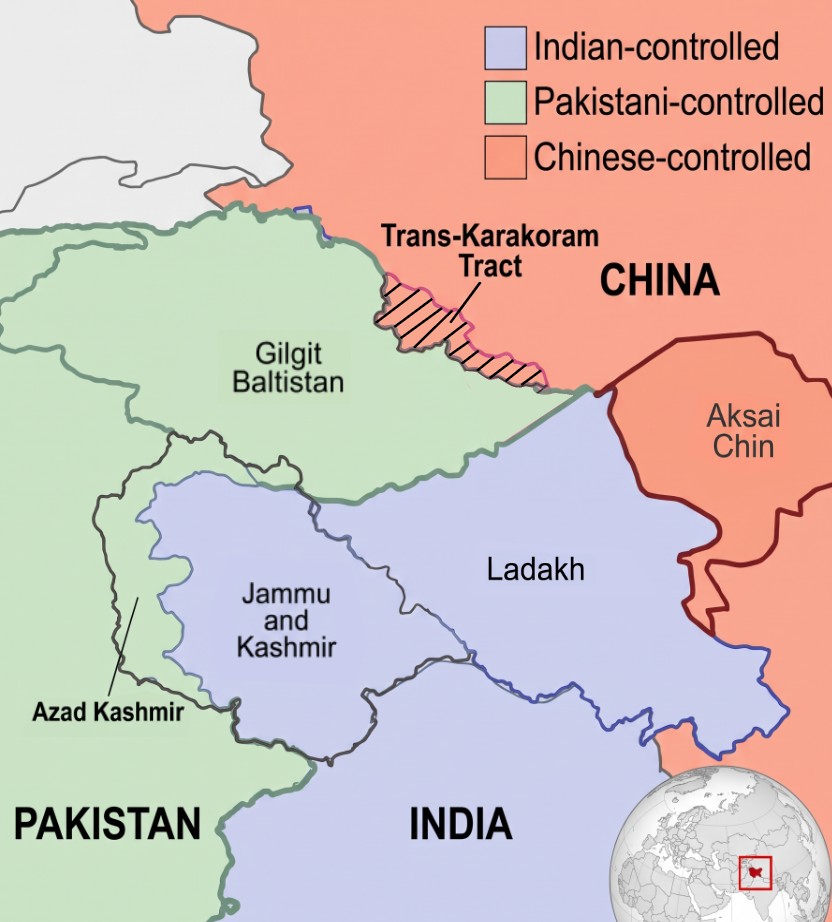
Kashmir’s territorial divisions extend beyond India and Pakistan, with China controlling parts of the former princely state. Map: The World in Maps Another factor is the commitment made by the first prime minister of India, Jawaharlal Nehru, to allow the people of the former princely state a plebiscite about their future status. That vote never happened; and many of those in the Kashmir Valley continued to hanker after independence, however unrealistic that may seem.
The anti-India insurgency which erupted in the Kashmir Valley at the end of the 1980s was sparked off by young Kashmiris who had been armed and trained in camps across the Line of Control in Pakistan Kashmir. The Indian army’s response was forceful – many Kashmiris would say brutal. For several years, Srinagar felt like a war zone, with curfews, checkpoints and street-corner bunkers swathed in anti-grenade netting.
While Indian security forces gained the upper hand, they never completely crushed the armed militants. And persistent allegations of human rights abuses alienated many Kashmiris. Disaffection with India runs deep, but there is little evident enthusiasm for Pakistan.
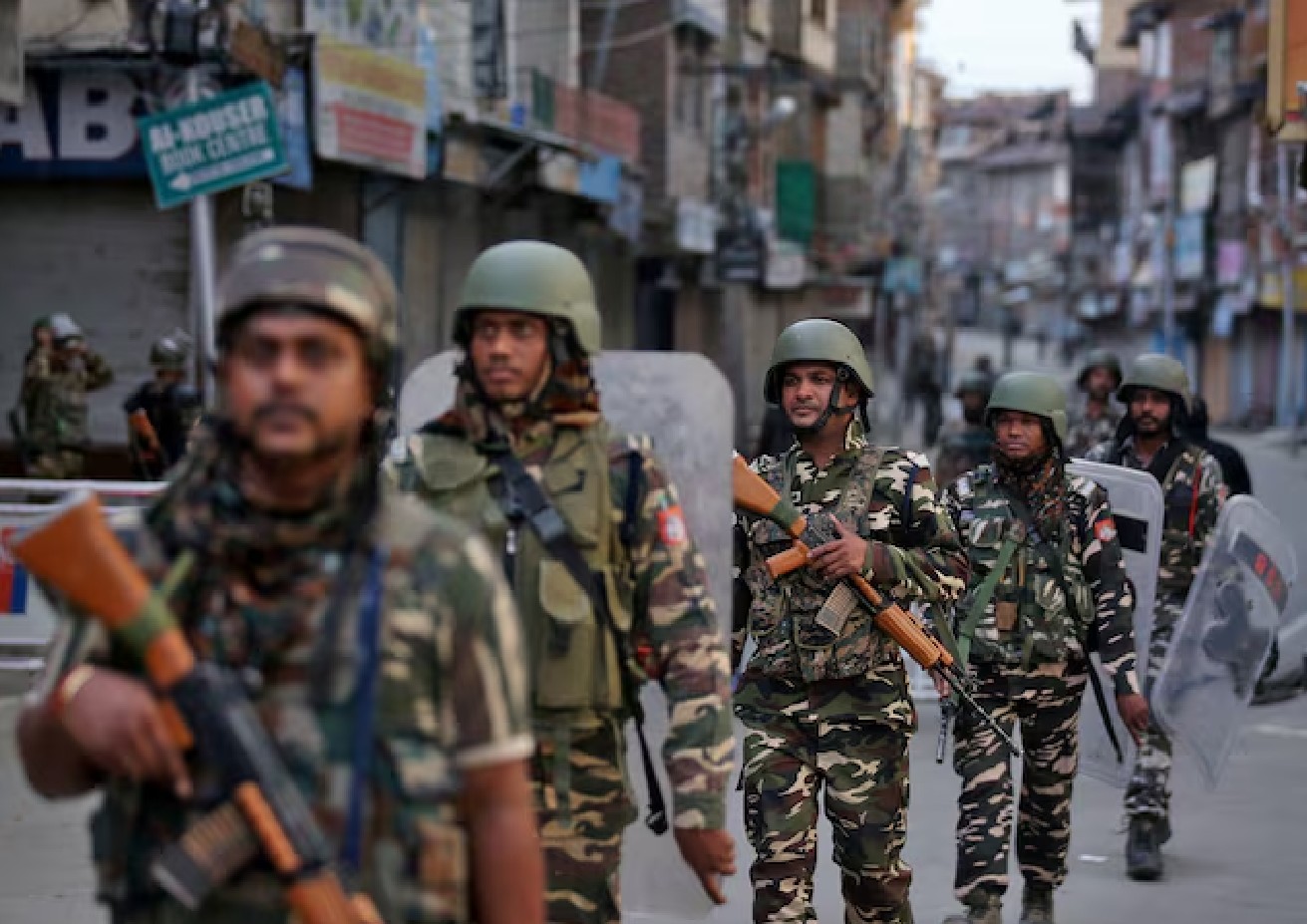 Indian security forces patrol a deserted street in Srinagar following the
revocation of Kashmir’s special status, highlighting the impact of the
decision on daily life. Photo: Reuters/Danish Ismail
In August 2019 Delhi’s Hindu nationalist government revoked the limited autonomy granted to Kashmir by India’s constitution, arguing that this amounted to appeasement of the country’s only Muslim-majority region. The move, and the manner of its implementation, caused anguish in Kashmir. The Kashmir Valley continues to face high levels of youth unemployment, and civil society has just about disappeared. But security improved markedly, prompting Indian tourists to return to the northernmost part of their nation.
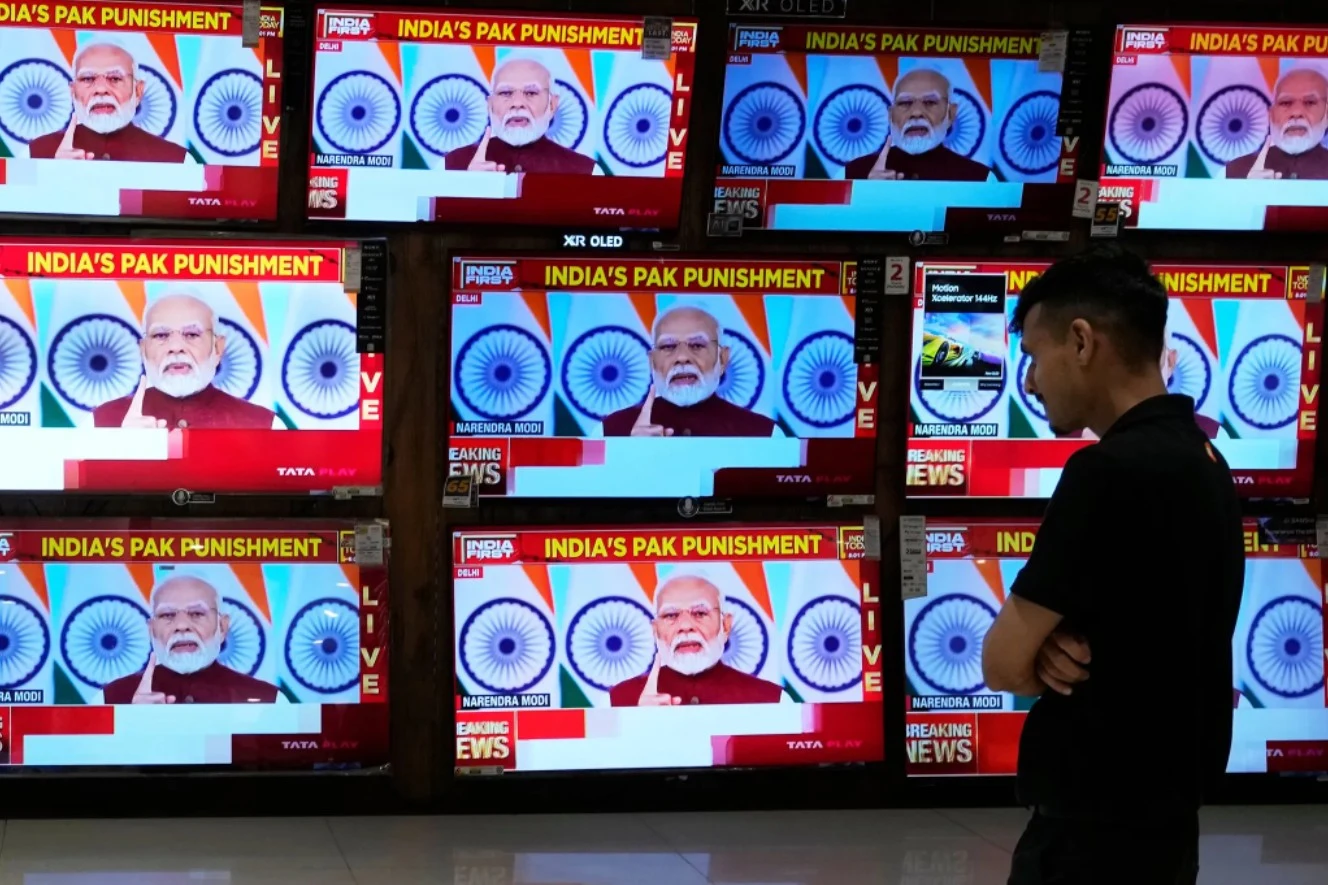
The Indian authorities at times suggested that the upsurge in tourism demonstrated that normality had returned to the Kashmir Valley. That may be why mainly Indian tourists were the target of a vicious militant attack near the Kashmiri resort town of Pahalgam in April 2025 in which twenty-six people were killed. India blamed Pakistan, which denied involvement, and undertook cross-border military operations in response until a ceasefire on 10 May 2025. President Donald Trump claimed credit for brokering it; India says it was agreed directly between the two militaries.
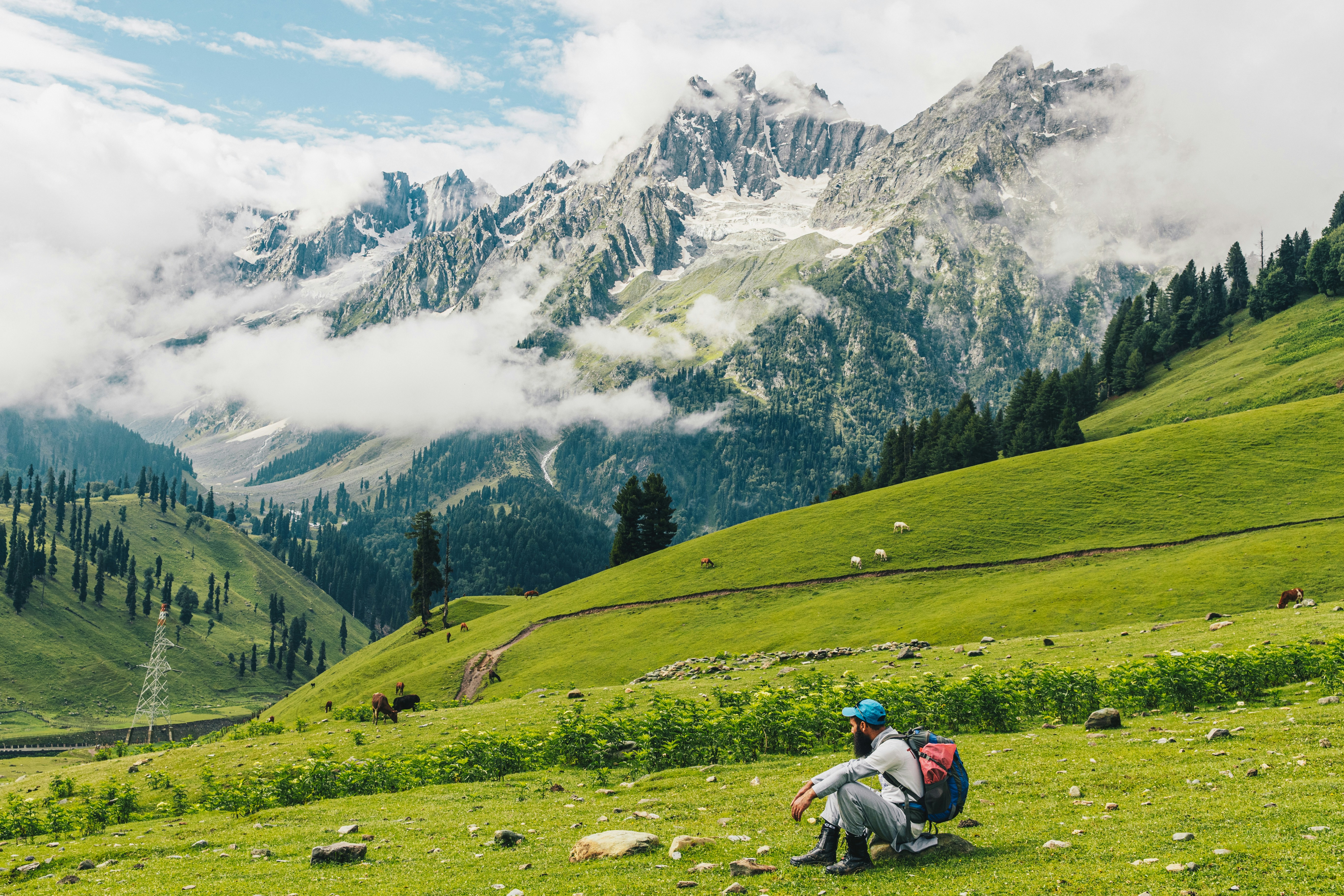 Tourism has returned to parts of Kashmir, but the 2025 attack near
Pahalgam exposed the region’s continuing security risks. Photo: Jannes
Jacobs/Unsplash
And the prospects for peace? Well, almost twenty years ago, the then military ruler of Pakistan, Pervez Musharraf, proposed a peace deal for Kashmir. Under this, both India and Pakistan would have kept those parts of the former princely state they controlled; the Line of Control would have been made porous; and both armies would in time have pulled back from the main population centres. India was interested in the proposals – but President Musharraf lost power before the plan could be developed. Many regard that as the best chance there has been for a lasting settlement, and lament that the opportunity was lost.