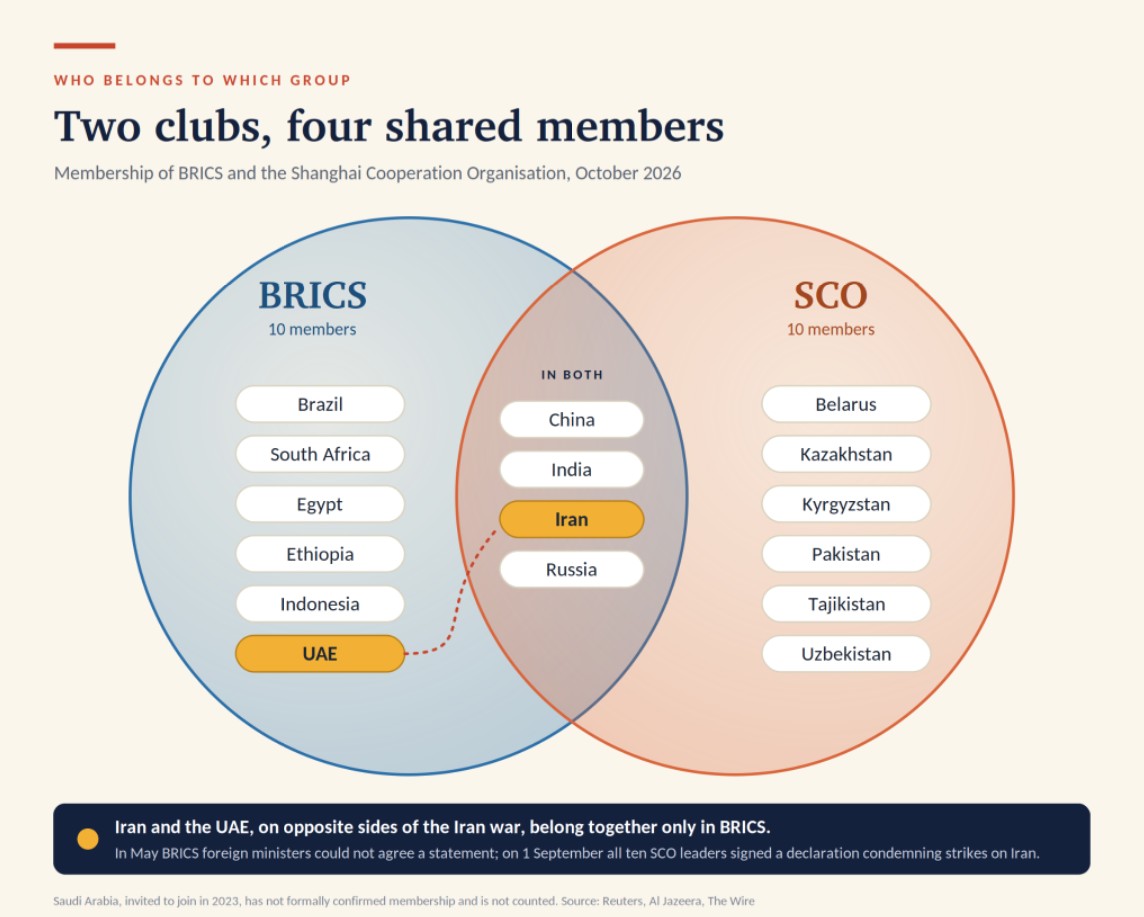
BRICS, a grouping of ten large emerging economies – Brazil, China, Egypt, Ethiopia, India, Indonesia, Iran, Russia, South Africa and the United Arab Emirates – is bigger and richer than ever. At its September meeting in the Indian capital Delhi it finally agreed a joint text. Rahul Jaywant Bhise considers what the text left out – and whether its largest members, India and China, want the same thing from the bloc.
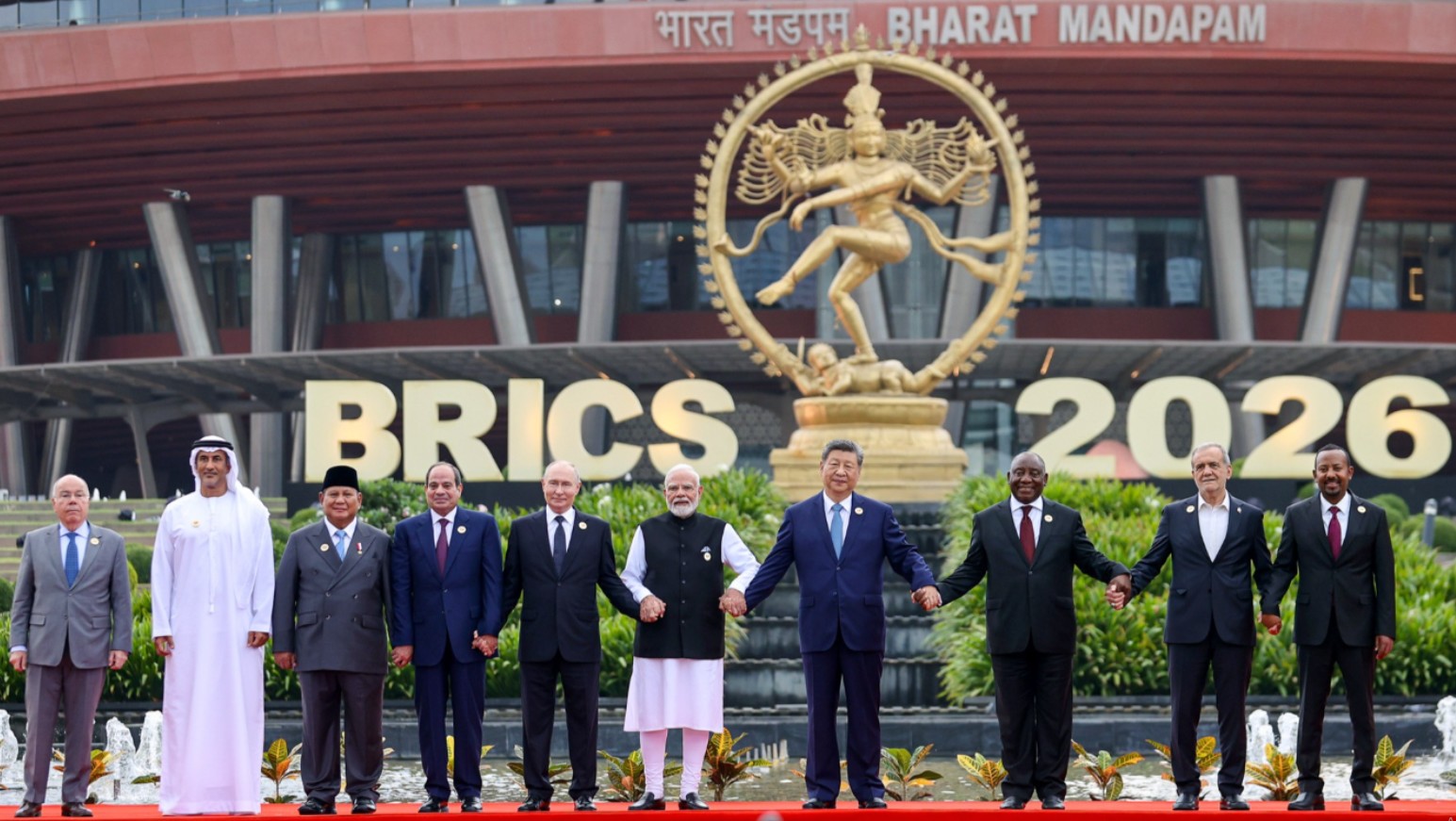
BRICS leaders pose for a group photo at the 18th summit in Delhi, as members seek greater economic cooperation despite differing priorities. Photo: Office of the President of the Islamic Republic of Iran
In May, BRICS foreign ministers met in Delhi and could not agree a joint statement. Iran and the United Arab Emirates, two of the bloc’s newer members, were on opposite sides of a war, and the ministers could not bridge the gap. Four months later, leaders returned to the same city and adopted a 140-paragraph declaration on the first day of their summit. It was widely hailed as a breakthrough, and in one sense it was. It is also worth asking what the breakthrough cost.
The case for scale
The numbers behind BRICS are real. On IMF figures, the ten members together produce about 40 per cent of the world’s output, adjusted for local prices, against about 28 per cent for the G7. Its two giants are growing far faster than the rich world: the IMF’s April forecast has India at 6.5 per cent this year and China at 4.4 per cent, against 1.8 per cent for advanced economies as a group. Together the ten members are home to nearly half the world’s people.
The G7 still has the bigger economy when measured at market exchange rates. But BRICS can no longer be dismissed as a banker’s acronym. Countries of the Global South keep wanting to join, which is a vote of confidence no communiqué can manufacture.
Agreement by omission
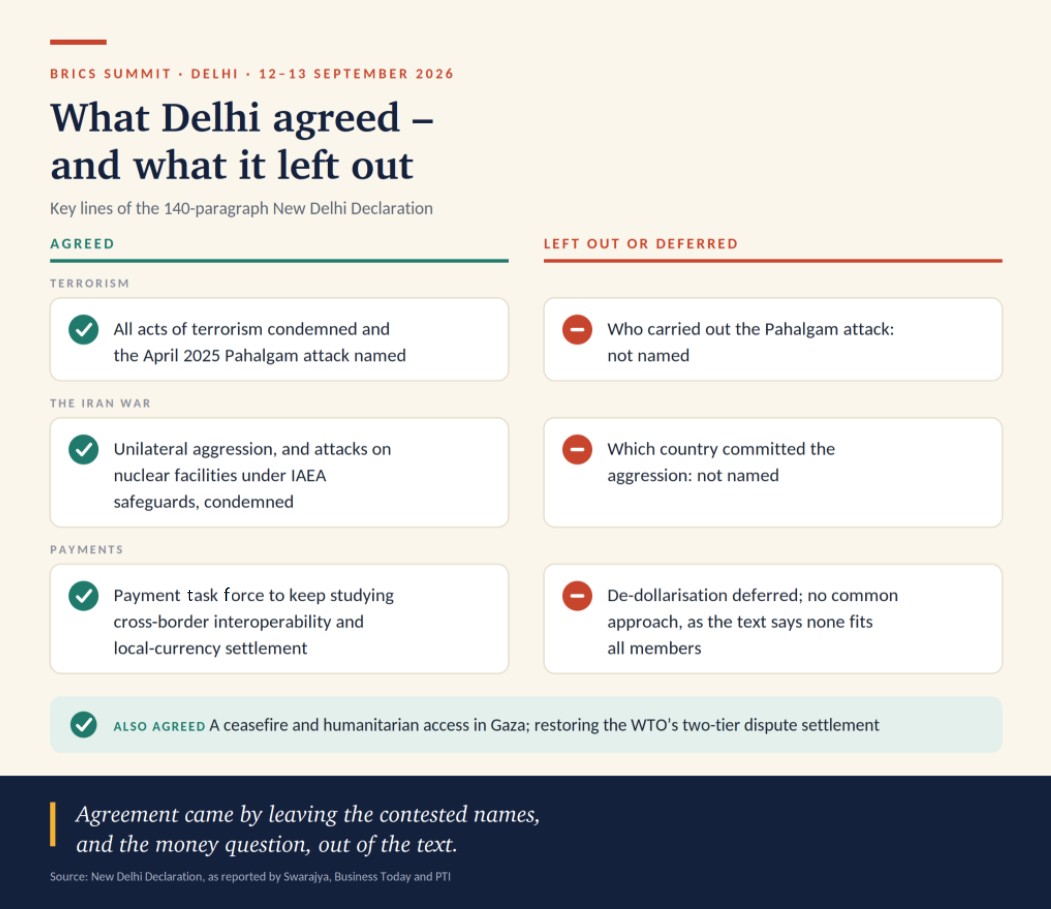
The declaration, adopted in the group's twentieth anniversary year, condemns unilateral aggression without naming a country. It calls for a ceasefire and humanitarian access in Gaza and condemns attacks on nuclear facilities under international inspection. Negotiators reportedly settled the text only hours before the leaders sat down.
Even India’s headline win shows the method. The declaration condemns the April 2025 attack near Pahalgam in Indian Kashmir, in which 26 people, most of them tourists, were killed. India blamed Pakistan and launched military strikes across the border before tensions eased. The text calls for action against cross-border terrorism but does not say who was behind the attack. Delhi won condemnation, but no blame was assigned.
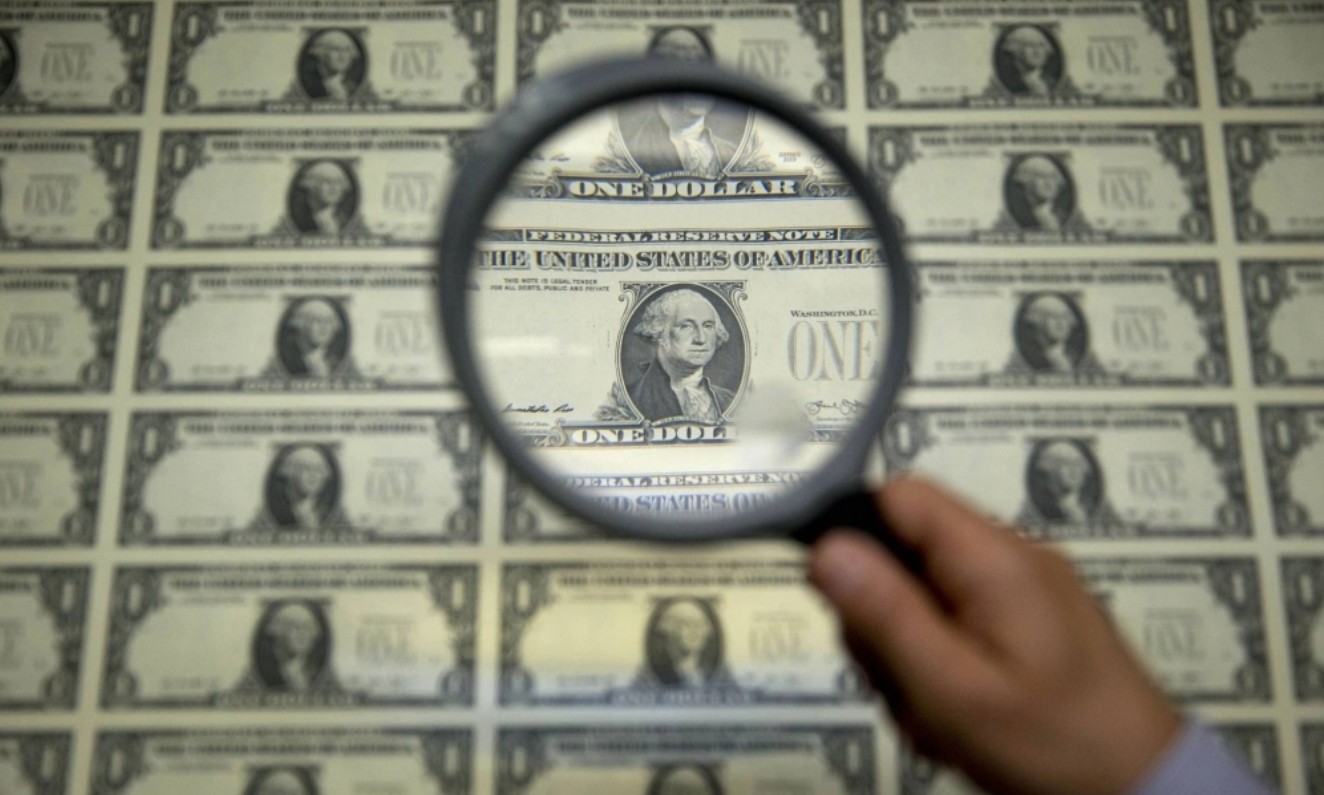
What was postponed matters more. Moving away from the dollar is central to BRICS’s strategy, yet the declaration merely asked a ‘payment task force’ to keep studying how members’ payment systems could link up and how trade could be settled in local currencies, adding that no single approach suits every member. That is a shrug, not a plan. This is how groups that work by consensus survive disagreement: they write the sentences everyone can sign and leave out the ones that matter.
A club with a war inside it
The fault line is the Iran war. The United States and Israel attacked Iran in February. Iranian missiles have struck the UAE, which suspended all trade and financial transactions with Iran in August. Saudi Arabia, invited to join but never formally confirmed, sent its foreign minister to Delhi. Russia, a founder member, is fighting a war in Ukraine.
Harsh V Pant of the Observer Research Foundation put the problem bluntly, saying BRICS's expansion, long counted an achievement, ‘today looks like a big constraint’. Every new member brings another quarrel into a body that runs on consensus.
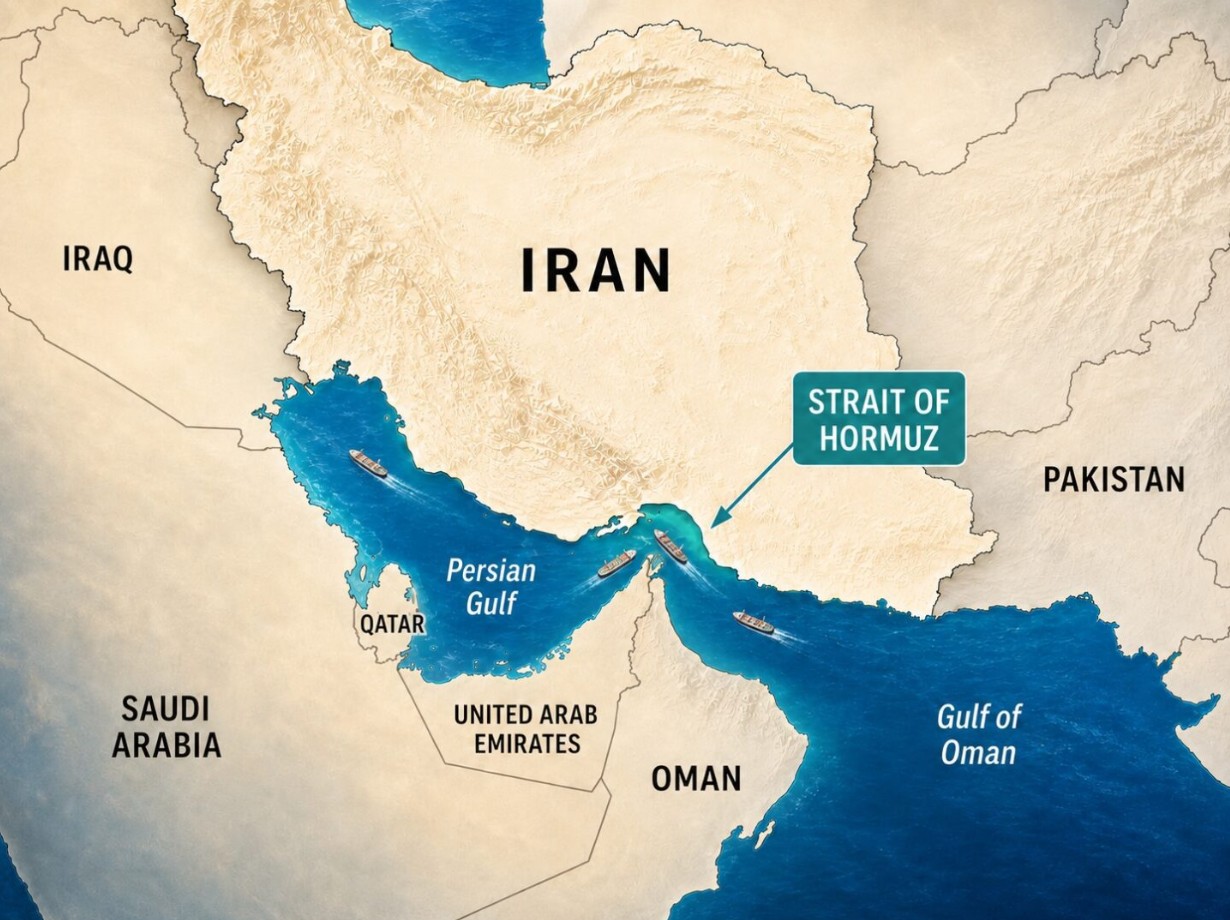 Tensions between Iran and the UAE over the war highlight the geopolitical
divisions within BRICS, with the strategically vital Strait of Hormuz at the
centre of regional concerns. Map: RINewsToday
Two Asian giants, two bets
Much depends on the two Asian members, and on which of them can credibly speak for the Global South. India’s claim rests on bringing developing countries together and carrying their concerns into forums they cannot always enter alone. China’s rests on delivery: trade concessions, technology and finance, offered without waiting for agreement. BRICS is where both claims are tested at once.
India’s instinct is to treat BRICS as one forum among many. Delhi has deepened ties with Washington, Japan, Europe and Israel while keeping its long relationship with Moscow. On 1 September, Modi signed the Shanghai Cooperation Organisation’s Bishkek Declaration alongside Xi, Putin and Iran’s Masoud Pezeshkian. It condemned military strikes on Iran, though without naming Washington or Israel. The UAE is not an SCO member, which is why that kind of language comes more easily there than in BRICS. India wants a bloc that voices Global South grievances without becoming an anti-Western alliance, which would cost Delhi more than it would gain.
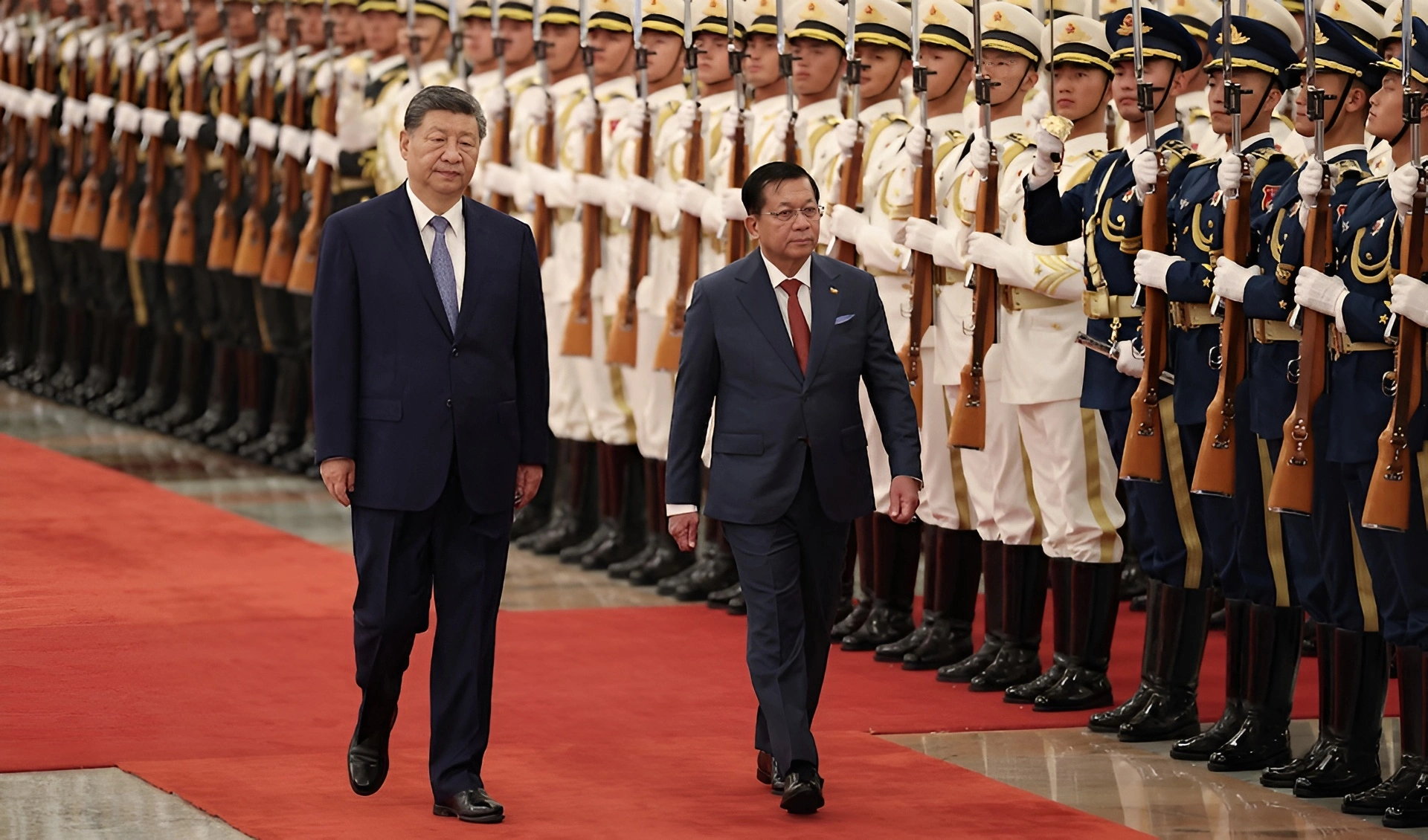
Beijing’s stake is different. Xi Jinping’s visit, his first to India in seven years, showed how much weight China places on the bloc – and Beijing takes the chair in 2027. A BRICS with its own banks and payment systems is an obvious hedge against a system run from Washington. Yet less than two weeks after the summit, Xi was at the White House for a state visit with Donald Trump. Beijing, like Delhi, hedges in both directions.
Between India and China there is a thaw, but it is diplomatic more than economic. Reports around the summit noted few signs of recovering trade and business ties, and the border is still disputed. Two countries that do not yet trust each other with their supply chains are unlikely to share a financial system.
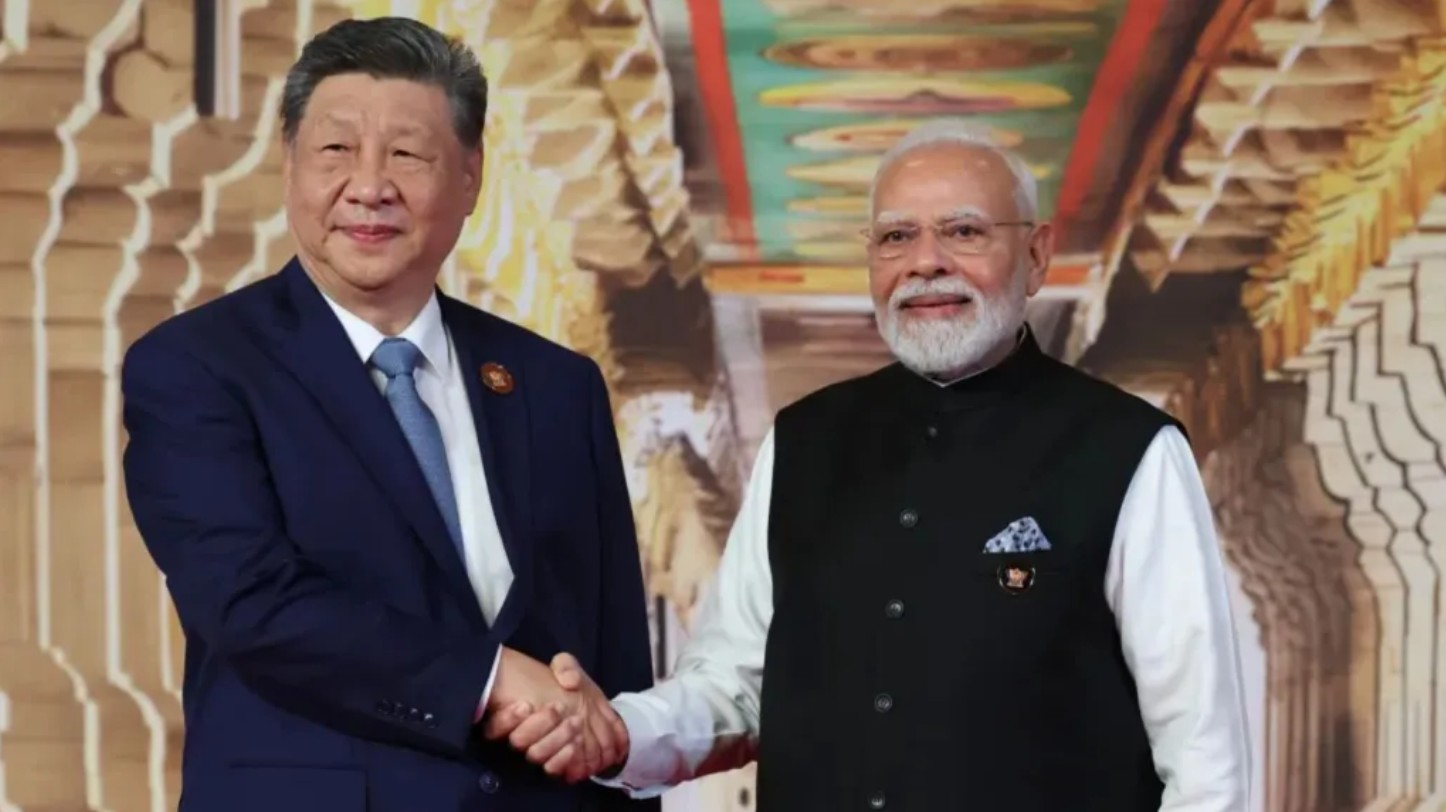 Narendra Modi and Xi Jinping represent the two Asian powers whose
competing priorities will shape BRICS’s future. Photo: India Foreign
Ministry/AP
The money question
That is why talk of a common BRICS currency has always been the loudest and least serious part of the story. A shared currency needs common rules on government spending and borrowing, close political ties and deep trust, and BRICS has none of the three. What is plausible is slower and less glamorous: more trade paid for in members’ own currencies, payment systems that connect, and lending in local currencies. Even without a BRICS currency, such steps could slowly reduce the world’s reliance on the dollar.
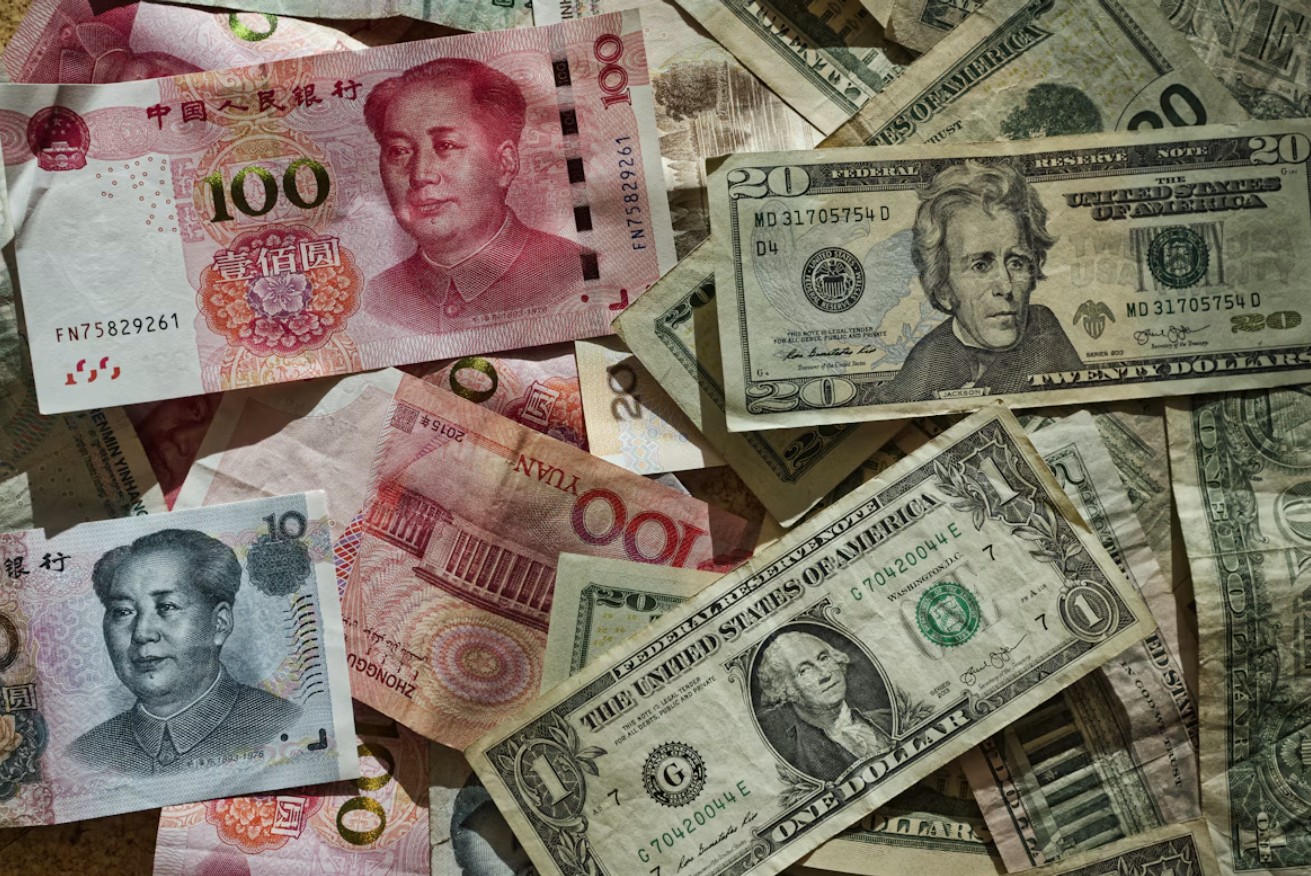
BRICS members are exploring greater use of local currencies in trade, but a shared currency remains a distant prospect. Photo: Eric
Prouzet/Unsplash
So, does it work?
It depends on what you ask of it. As a club that gives members status and a way to hedge their bets, BRICS works well, and the waiting list proves it. As a place for negotiation it just about works: Delhi showed that diplomacy can still find wording everyone accepts. But as a counterweight to the West, it does not yet work. A counterweight must be able to act together when its members disagree, and the foreign ministers’ meeting in May showed what happens when they cannot.
The real test comes in 2027, when China takes the chair. Three questions will show what BRICS really is. Will members start paying for real trade in their own currencies instead of dollars, or will the payments study simply drag on? Will Beijing push to admit more members, and so more quarrels? And will Delhi, no longer in the chair, still go along with what Beijing proposes? The answers will depend less on the bloc’s size than on how well its two Asian giants understand each other.